Ninety seconds on Museo Oro del Perú
Seeing case after case of pre-Hispanic gold work is the reason to come, with a world arms collection in the same building. Go knowing that a 2001 review declared thousands of the gold pieces fakes.
The gold cases are the heart of the museum, presented as the most important works of pre-Hispanic art. The work comes from four cultures older than the Inca: the Vicús, Moche, Sicán and Chimú. Look for funerary masks, monumental necklaces, sceptres, ceremonial cups and tumis, the knives used in sacrifice.
Among the Sicán work, a gold mask and a gold glove are two of the best-known pieces. Displays change, so treat any single object as a hope rather than a promise. Around the metalwork, other cases hold textiles, ceramics, carved wood and stone, the same cultures in the materials of everyday life.
The arms collection holds more than 20,000 weapons from around the world, the oldest from the 13th century. Swords, daggers, lances, revolvers and pistols fill the cases. Saddles, armour, spurs and the uniforms of figures from Peru's history stand beside them.
From the ticket desk, where a student card earns the reduced rate, ask which level holds the gold and start there while you are fresh. Take the cases one at a time, before the sheer number of ornaments starts to blur. Slow down for the textiles and ceramics too, because they break up the glitter.
After the gold, move on to the arms and uniforms, and give those rooms as long as your interest lasts. Photography has not been allowed inside in the past, so ask at the desk before you take out a camera.
Half-day guided tours collect you from hotels in Miraflores and San Isidro, include the museum entry and bring you back, about three and a half hours in all. The guide speaks Spanish and English and takes you to the highlights of the collection.
If you stay in another district, arrange a meeting point with the operator when you book. A tour suits a first visit to Lima without your own transport; on your own, you set the pace in the gold rooms.
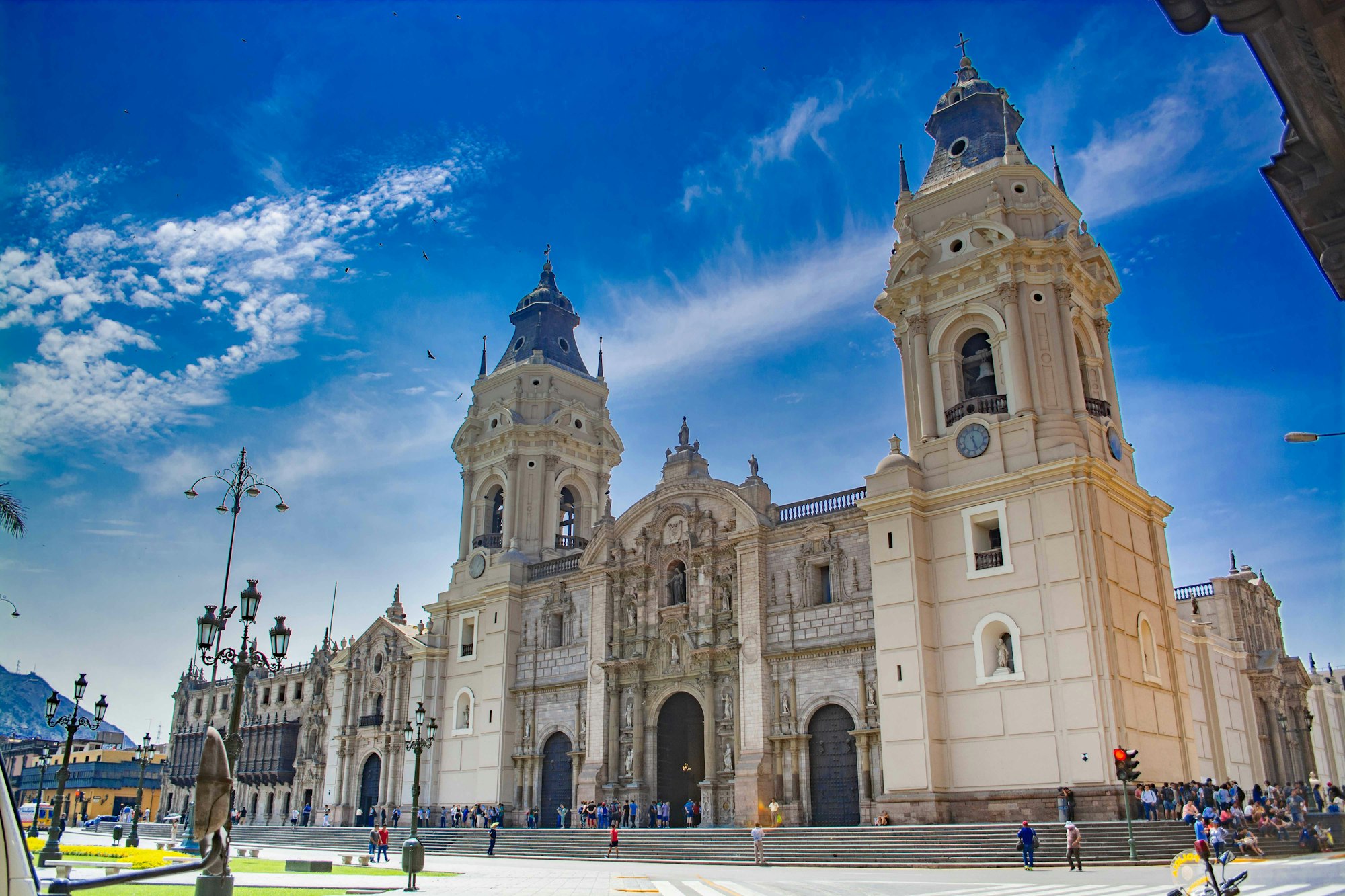
Give the museum its own half day rather than pairing it with the Plaza Mayor. Combining the two means crossing the city, so check the drive time on the day before you commit. If time is short, give it to the gold and walk the arms rooms quickly.
Explore the rest of Lima
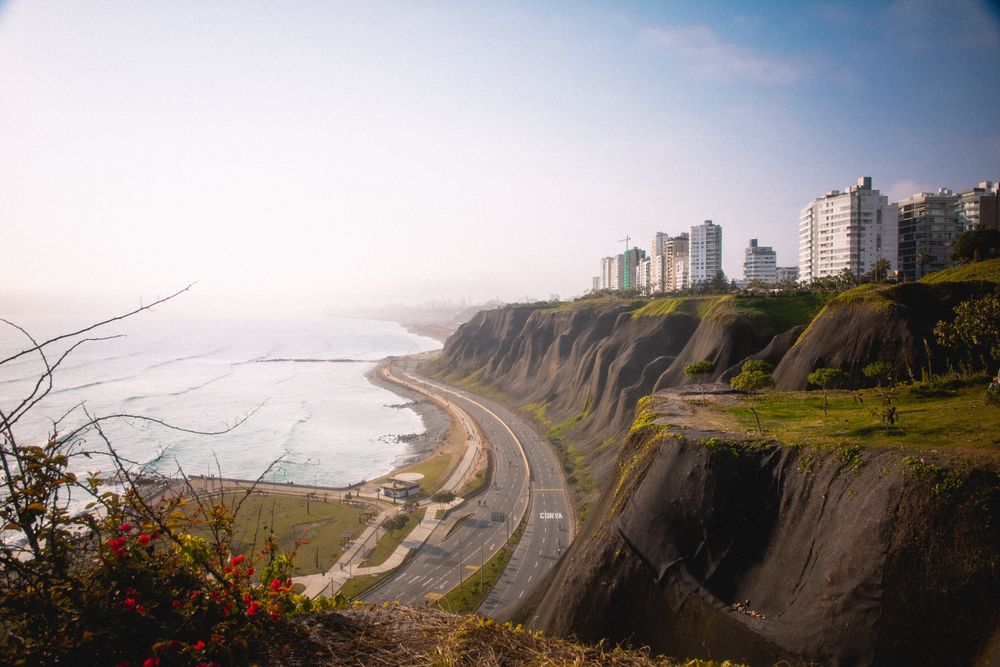
Miraflores is the clifftop district that makes the safest base in Lima, with a chain of parks and gardens running along the cliffs above…
Underground ossuaries beneath the Convent of San Francisco in Lima's historic centre, used as the city's burial ground until the early…
Built in its present form between 1602 and 1797, Lima's cathedral mixes late Gothic, Renaissance and Baroque styles on the Plaza Mayor. It…