Book the table before you book the room. In summer the three starred kitchens go long before the beds do, and turning up without a reservation will not get you into any of them. Then get up early: the fish hall a few minutes' walk from all three opens hours before they do, and it is where they shop.
Monte was the first restaurant in Croatia to be given a star, in 2017, the year Michelin first covered the country. It occupies the house where its chef, Danijel Dekic, was born, and which his parents had opened as an Istrian tavern in 1985. It holds one star now, and the service award in the 2026 Croatian selection. Agli Amici Rovinj holds two, and has for three years running. Cap Aureo holds the third.
November empties the place. Shutters go down on a good part of the old town, the excursion boats come out of the water, and several of the kitchens close until spring. Check the month before you book anything, and when you do book, book a long way out.
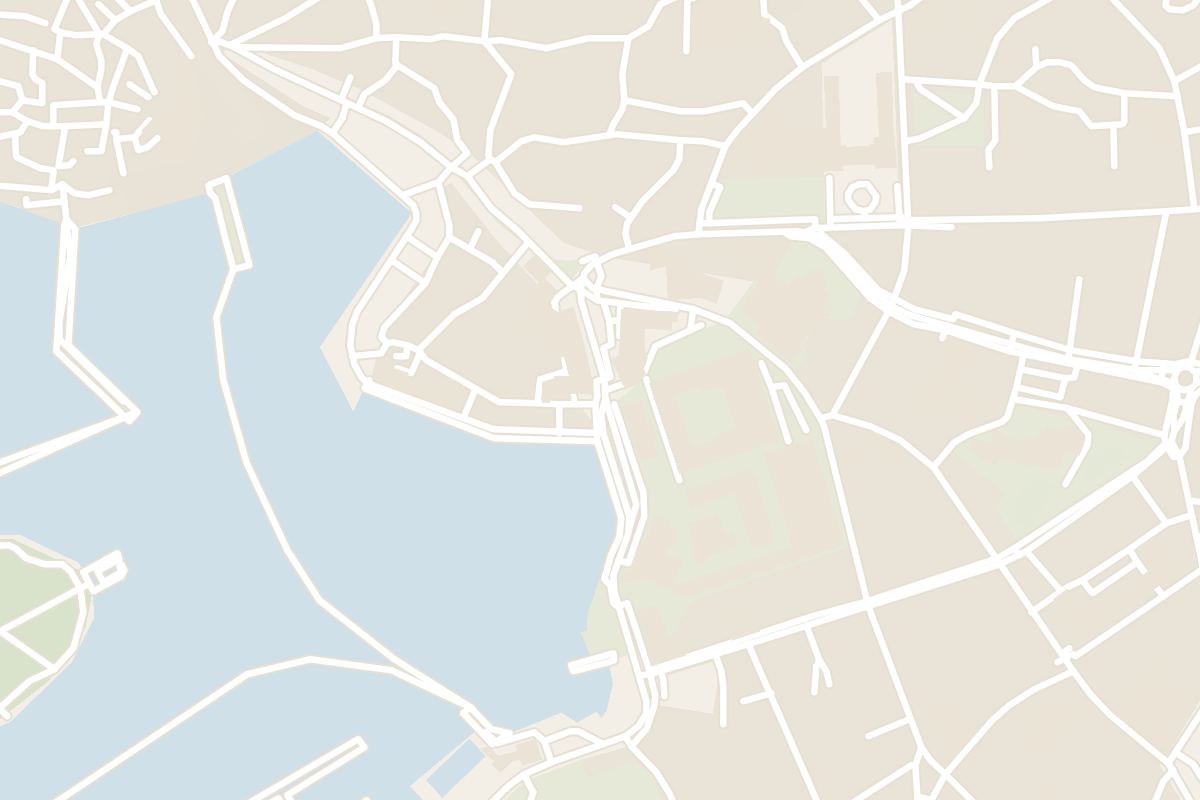
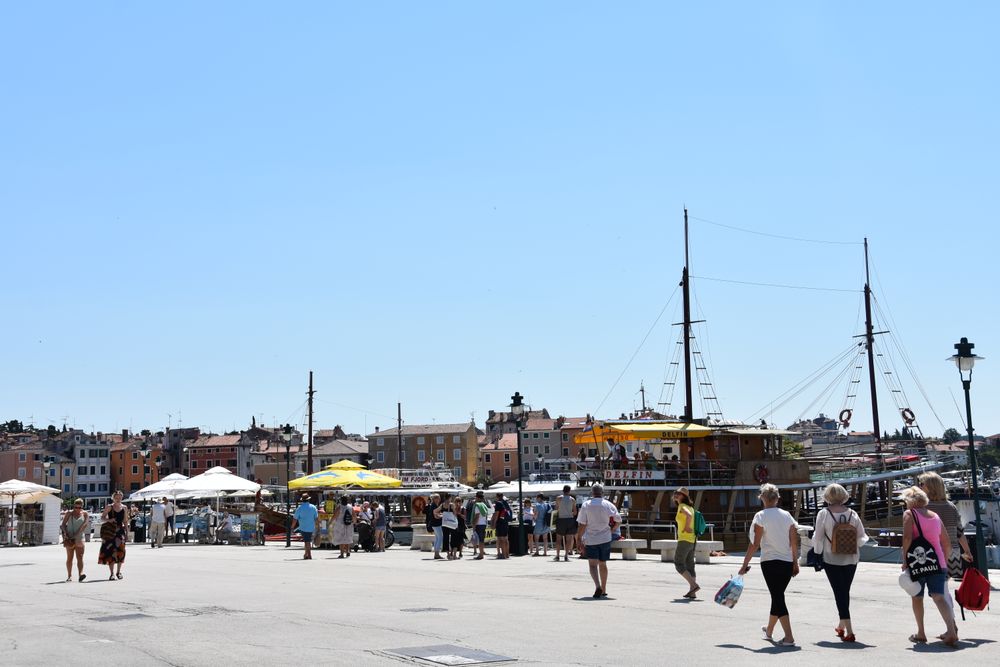
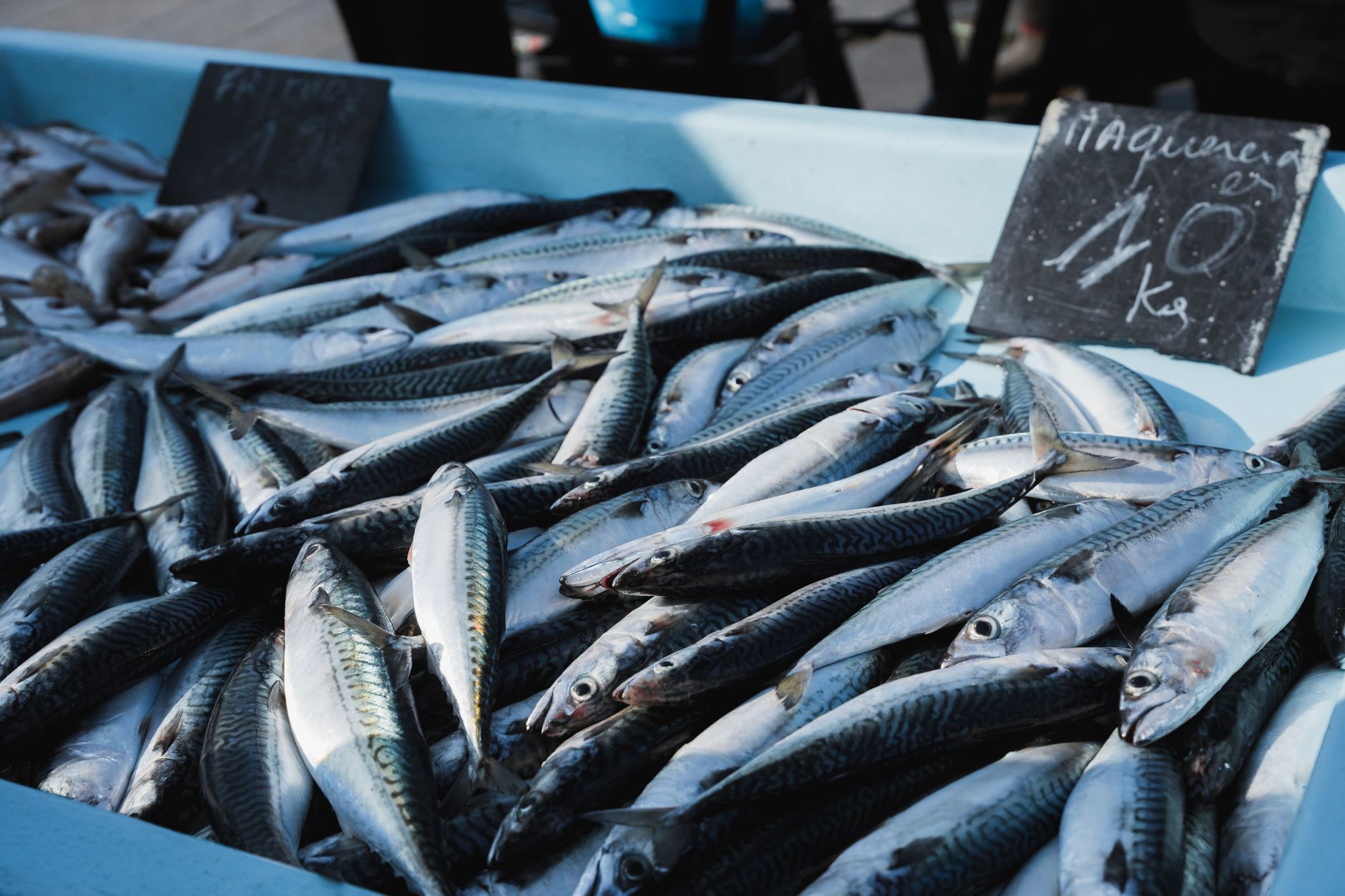
The market sits on the northern edge of the old town beside the Valdibora car park, produce under awnings on the open square and fish in a hall of its own behind it. The two are not the same room in any sense. The stalls outside are pitched at visitors; the hall is where the town buys its dinner, and what came in overnight goes early. Get there when it opens.
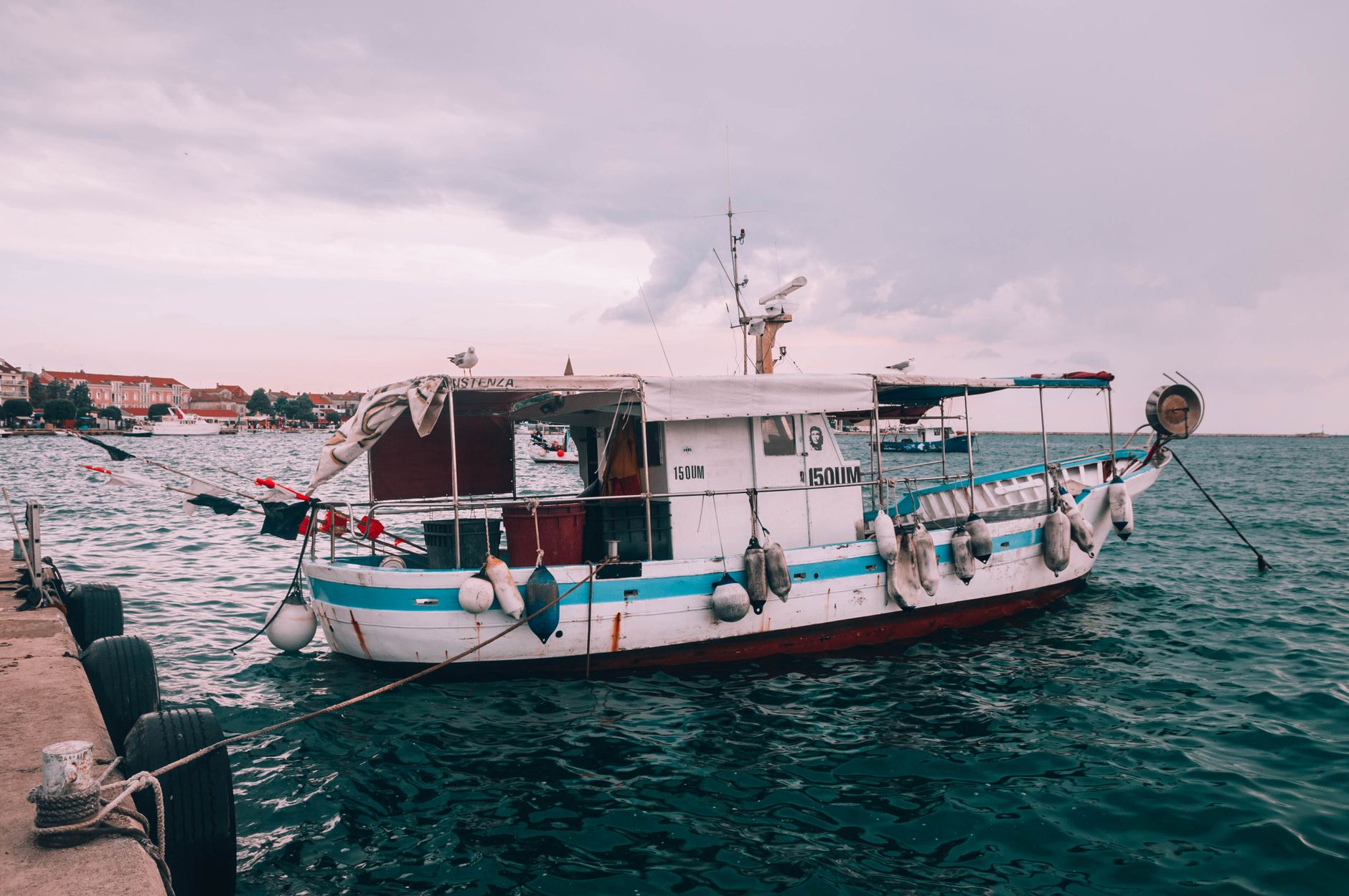
Flat on the bottom, flat on the sides, four to six metres end to end: the batana is the boat Rovinj has been building since about the 1750s. The flat bottom is the whole point of it, because it lets the boat work a metre of water hard against the rocks, which is where the fish are. They are still made by hand and to no drawings, with an axe, a saw and chisels and no power tool anywhere near them. In 2016 UNESCO put the project that keeps this going on its Register of Good Safeguarding Practices, which is awarded for how a craft is kept alive rather than for the craft itself.
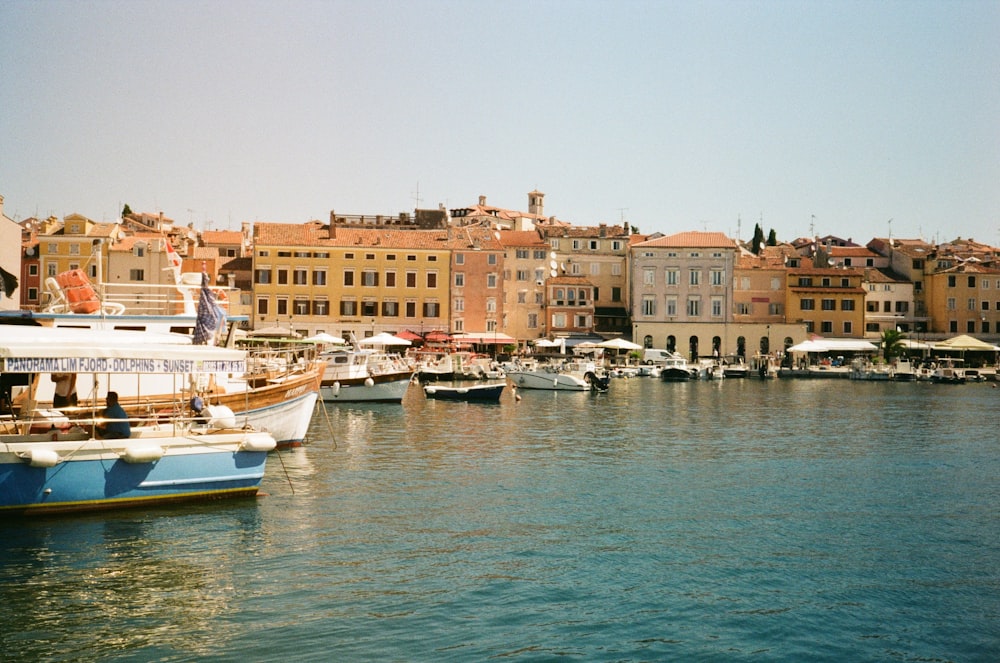
A bitinada is sung with no instrument behind it, the way men at the oars had to sing it: one voice sets a line, and the rest come back at it with a refrain that holds the beat. A spacio was the front room where a fishing family sold its own wine by the glass. Both are still going, and through the summer the ecomuseum on the harbour puts them in the same evening: a fisherman rows four to six passengers out into the bay, then lands them at a spacio where about thirty people eat at one table and the singing starts after the food. Book several days ahead, because the boats are small and there are not many of them.
In 1911 the last Austrian census found Rovinj 97.8 per cent Italian-speaking. In 2011 the figure was 11.3.
Most of Rovinj's Italian population left between the Peace of Paris in 1947 and the middle of the 1950s, for Italy and for South America, and the town has been shrinking ever since. It is still officially bilingual, and Rovinj and Rovigno carry equal weight. But the older speech of the place is neither Croatian nor Italian. Istriot is a Romance language of its own, called Ruvignis here, rated severely endangered by UNESCO, and the last count, in 2007, found about four hundred native speakers. The bitinade are sung in it.
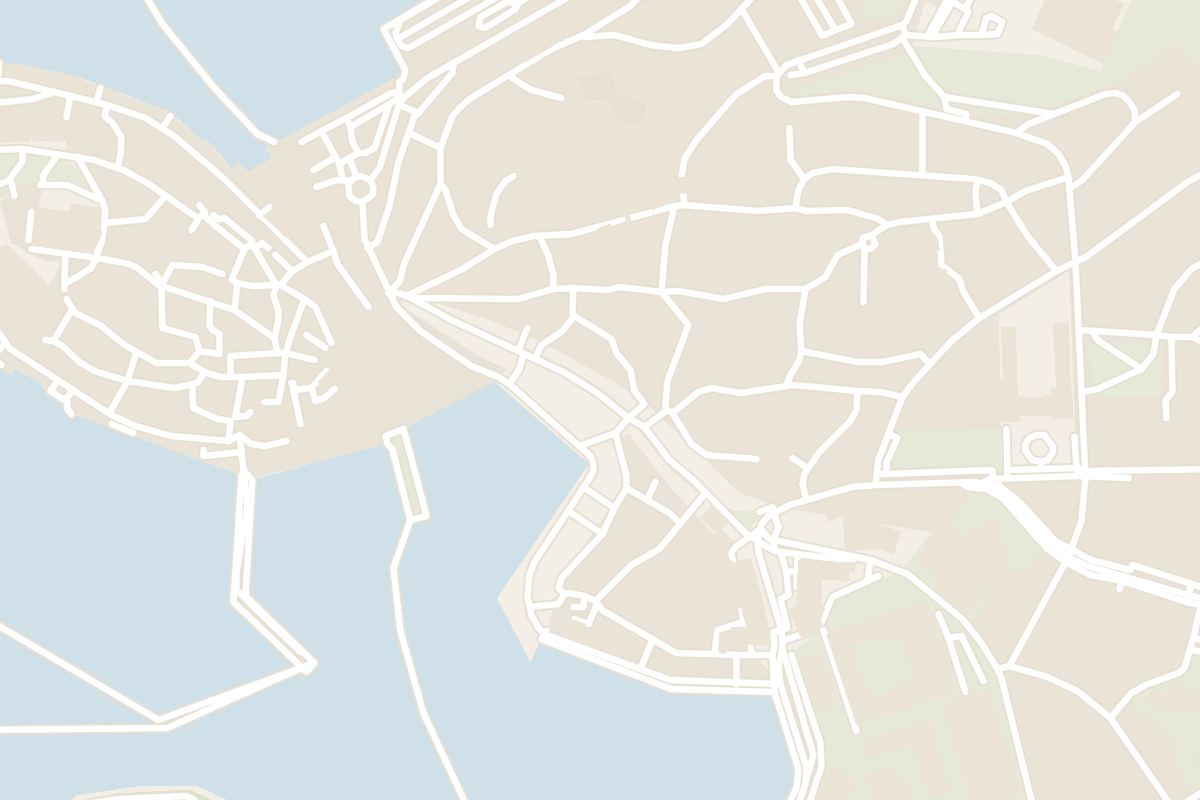
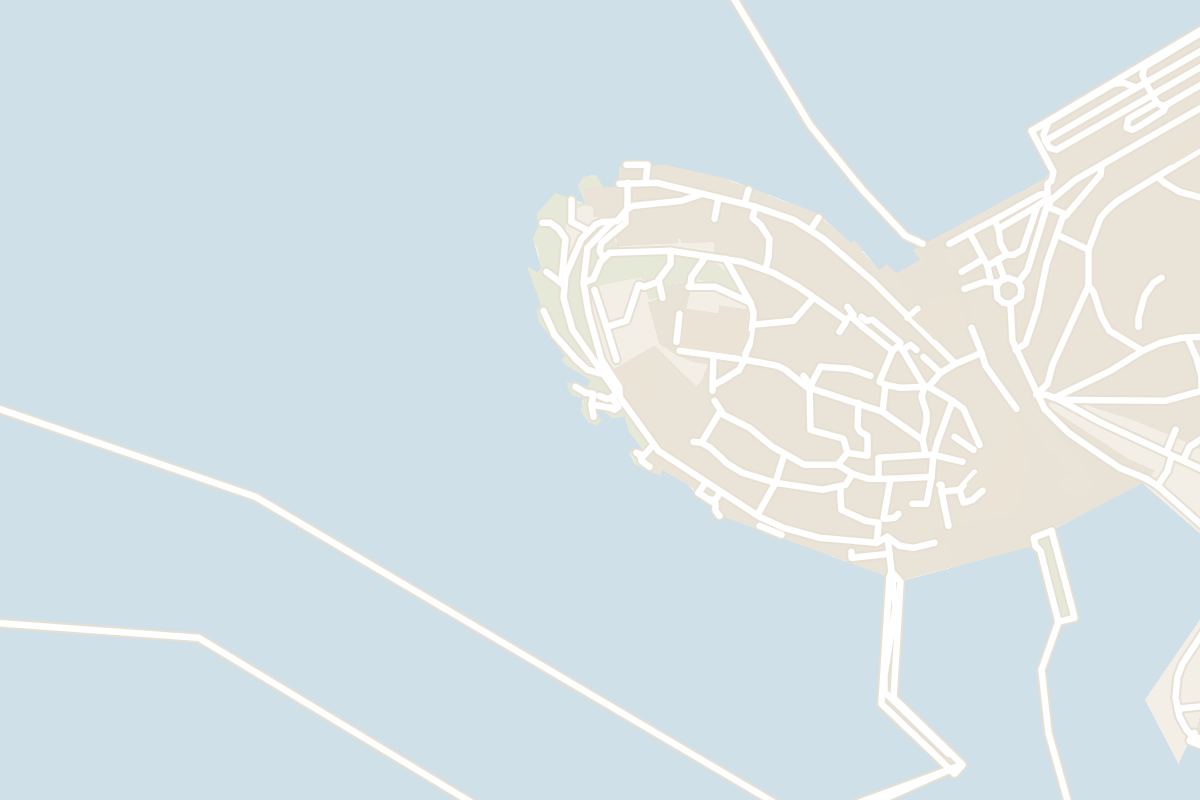
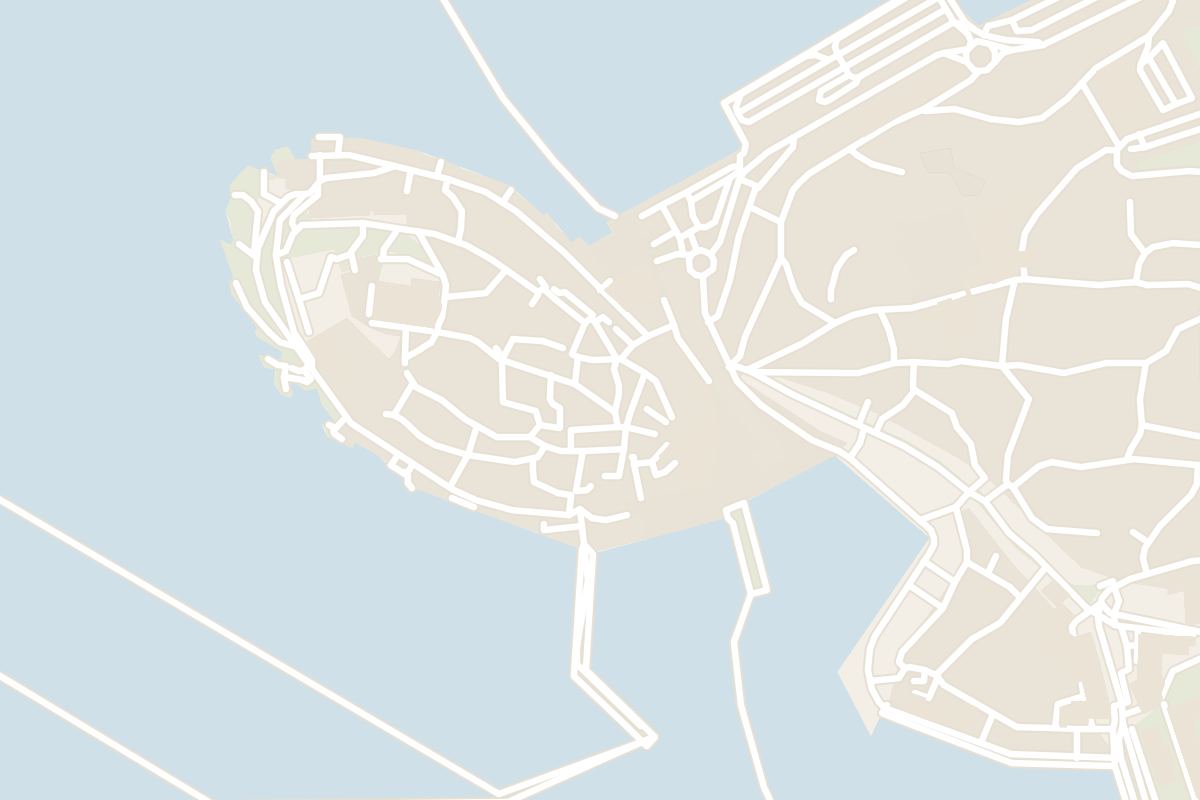
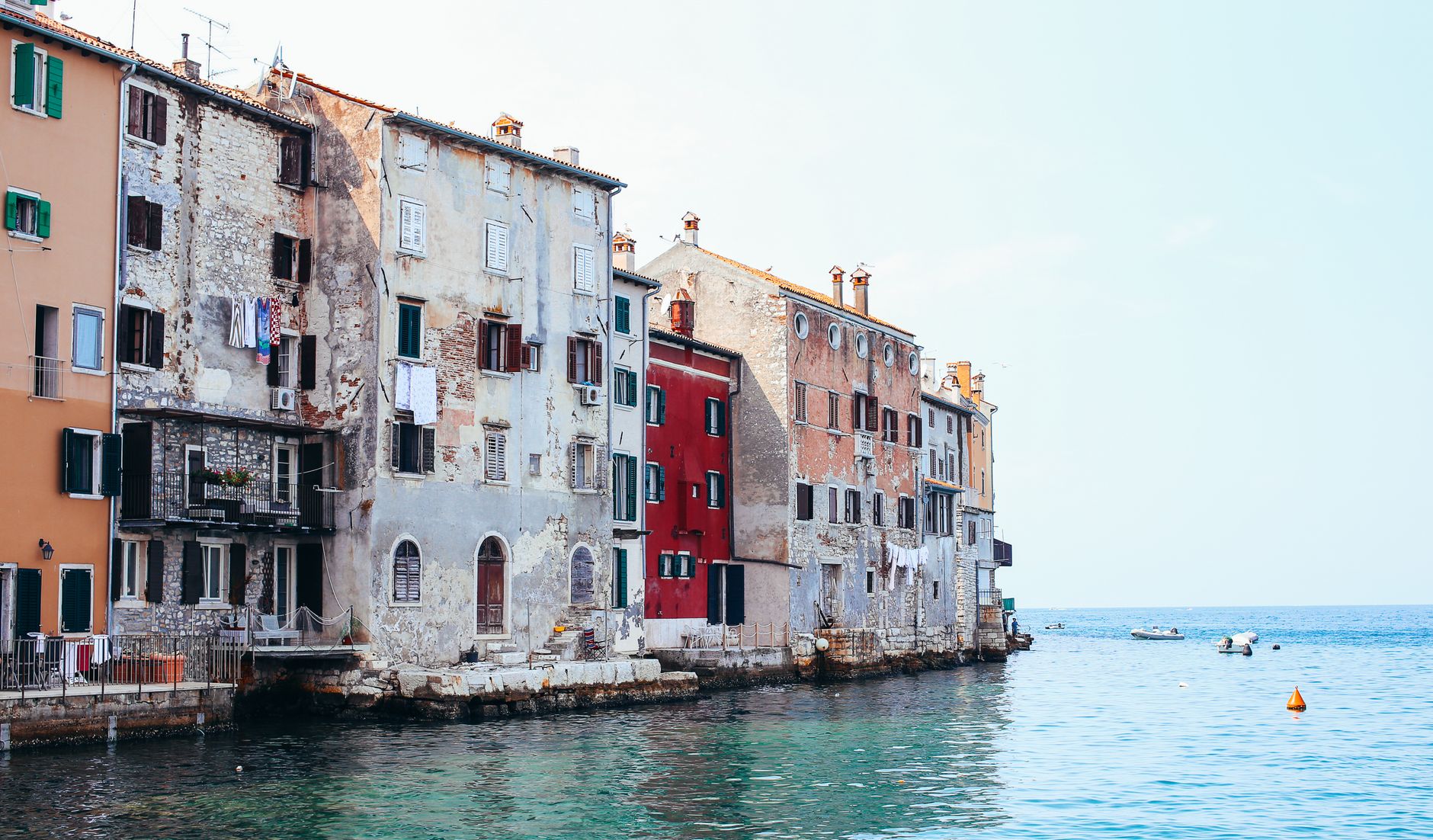
Until 1763 this was an island. The channel dividing it from the mainland was filled in that year, and the density is what was left behind: the houses had nowhere to go but up and inward, which is why the lanes run as narrow as they do. Venice governed from 1283 to 1797 and left the plan, the gates and the language. Balbi's Arch of 1680 is the way in from the harbour square, a Venetian lion set above it.
Grisia climbs from there to the church, and on the second Sunday of August the lane becomes an exhibition, hundreds of works hung along the walls and in the doorways, established painters and local children on the same stones, as it has every year since 1967. Two streets carry nearly all the shops. One turn off either of them and it is somebody's front door, washed down and quiet by mid morning. Nothing inside the walls takes a car.
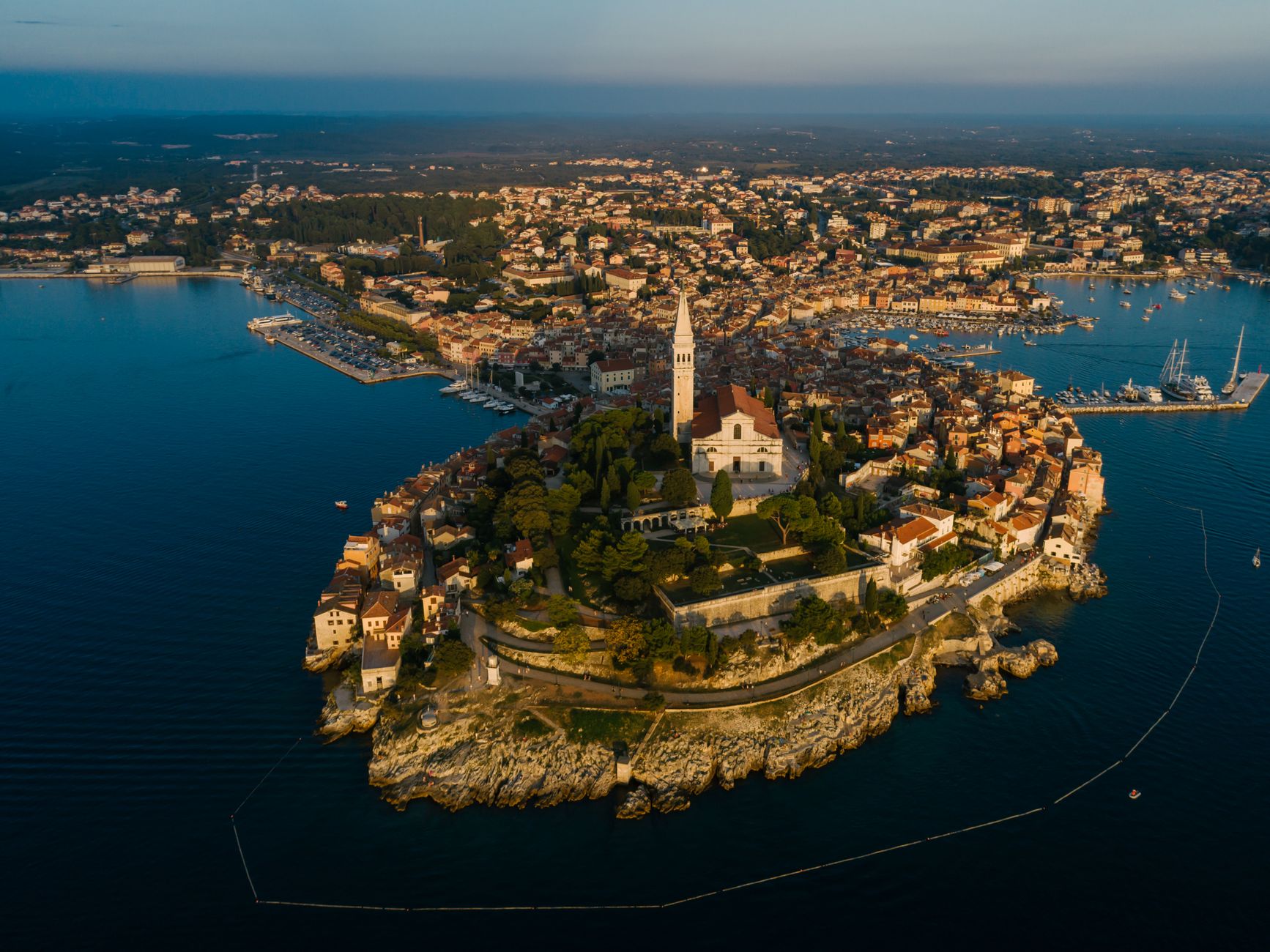
The church at the top is St Euphemia, baroque, built between 1725 and 1736 over older Christian foundations, three naves wide, with a facade added in 1883. Locals call it St Fuma, and she is the town's patron. How she got up here is a story Rovinj tells, not a thing on record. Two fishermen caught in a storm see a white light over a dark stone in the water. Nobody can shift the stone for days, until a widow dreams that her son should hitch the oxen to it. The oxen run it to the top, and it has been Euphemia's hill since.
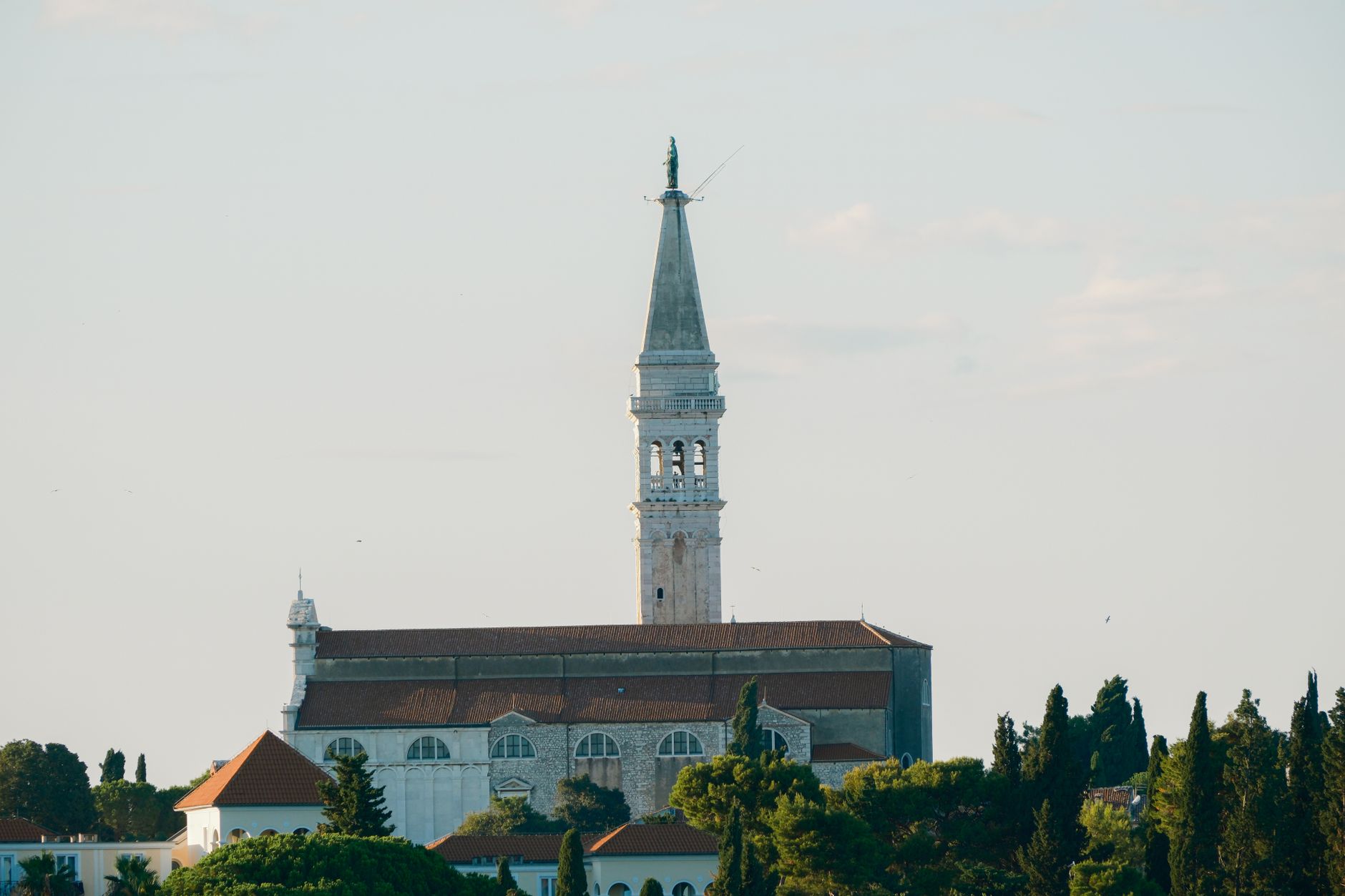
Beside it stands a tower begun in 1654 on the model of the campanile at St Mark's, with a copper Euphemia on top that turns as a weathervane. You can go up it, and it is worth knowing what you are going up before you start: an old wooden staircase inside the shaft, open treads, the drop visible through them the whole way, no lift and no switchback. If heights bother you at all, stop in the churchyard. The view from there is already the best in the town. And whatever you decide, do not be at the top at noon.
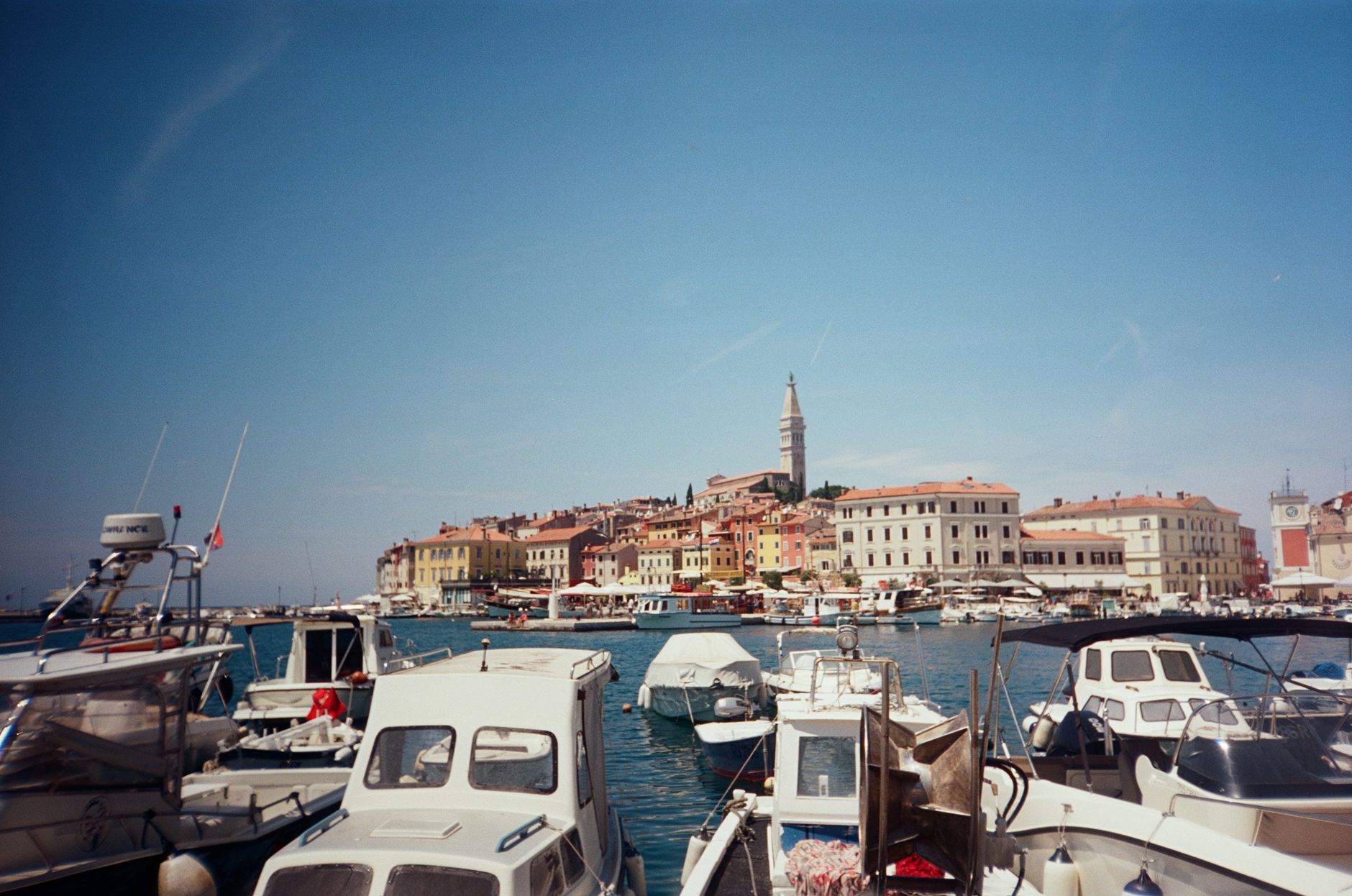
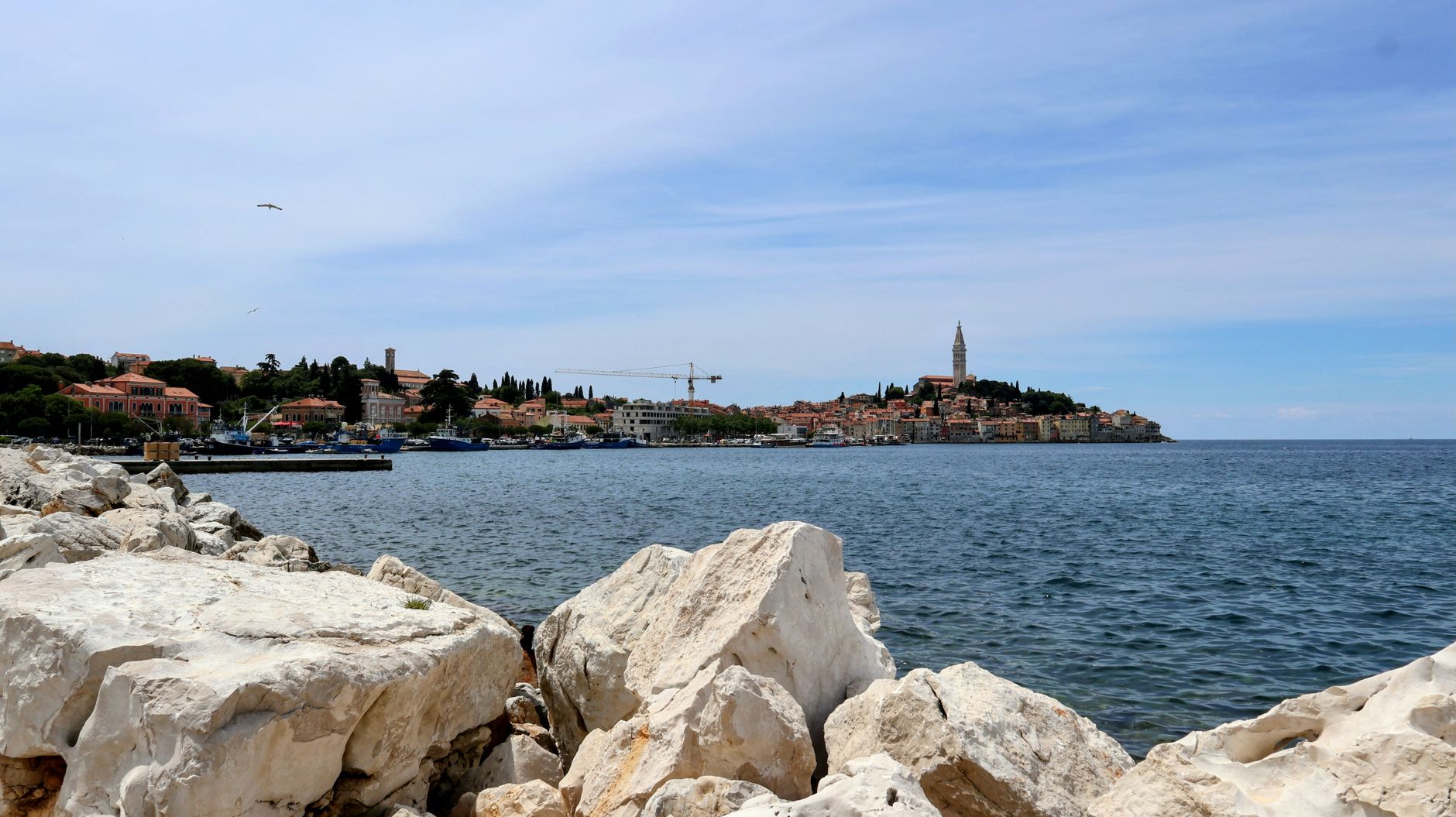
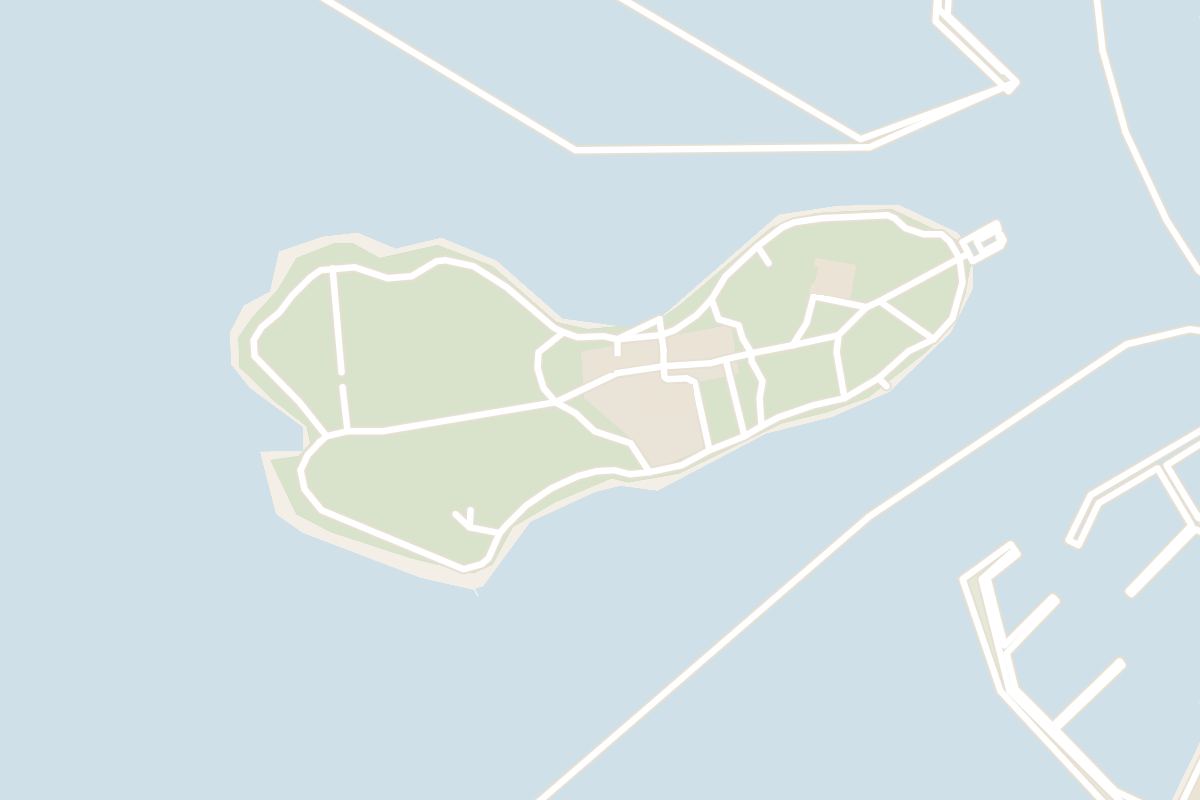
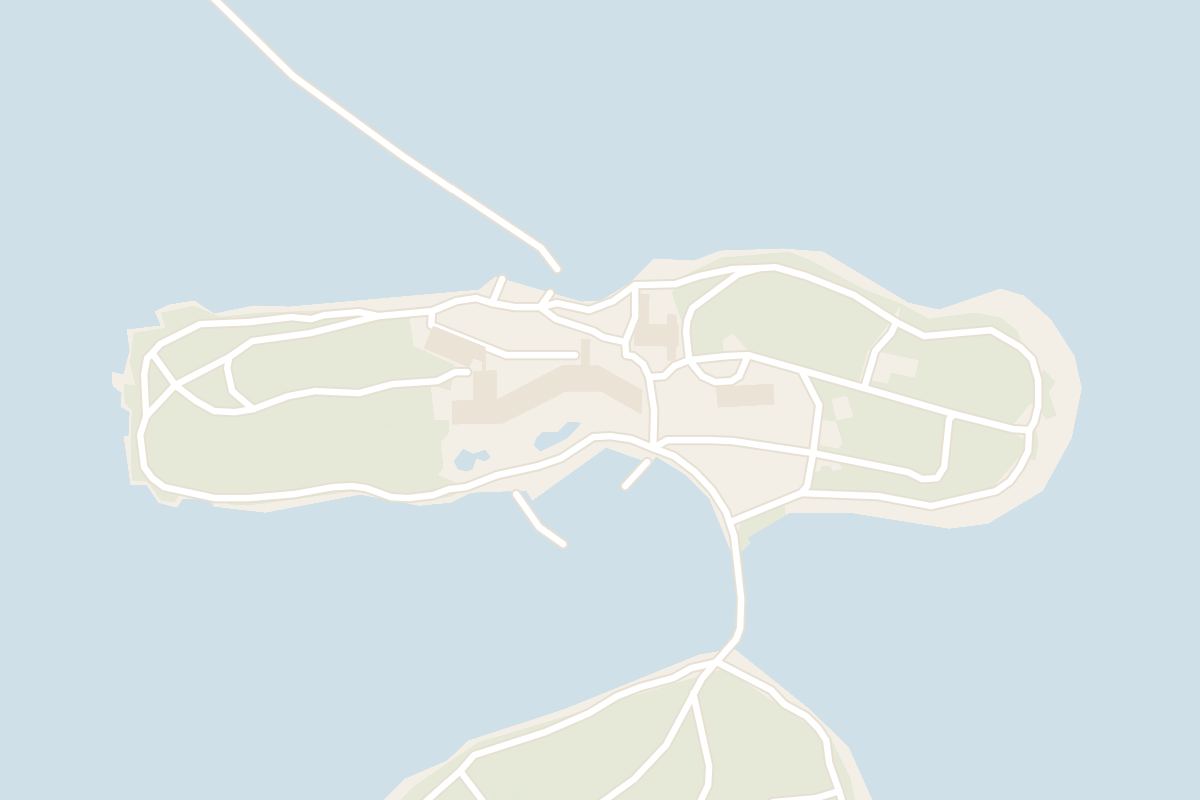
There is no sand. Balota is a slab of bare limestone directly under the old town walls with ladders bolted into it, and the water goes deep the moment you are off the rock. No shade on it either, which makes it a place for confident swimmers and nobody else. Walk south and the shore softens: Lone bay is pebble and calm about a kilometre and a half out, and the coves at Skaraba past it stay quieter than anything closer in. Boats to Sveta Katarina and Crveni otok leave the harbour roughly hourly in season and take a quarter of an hour. Check the last one back before you settle in over there.
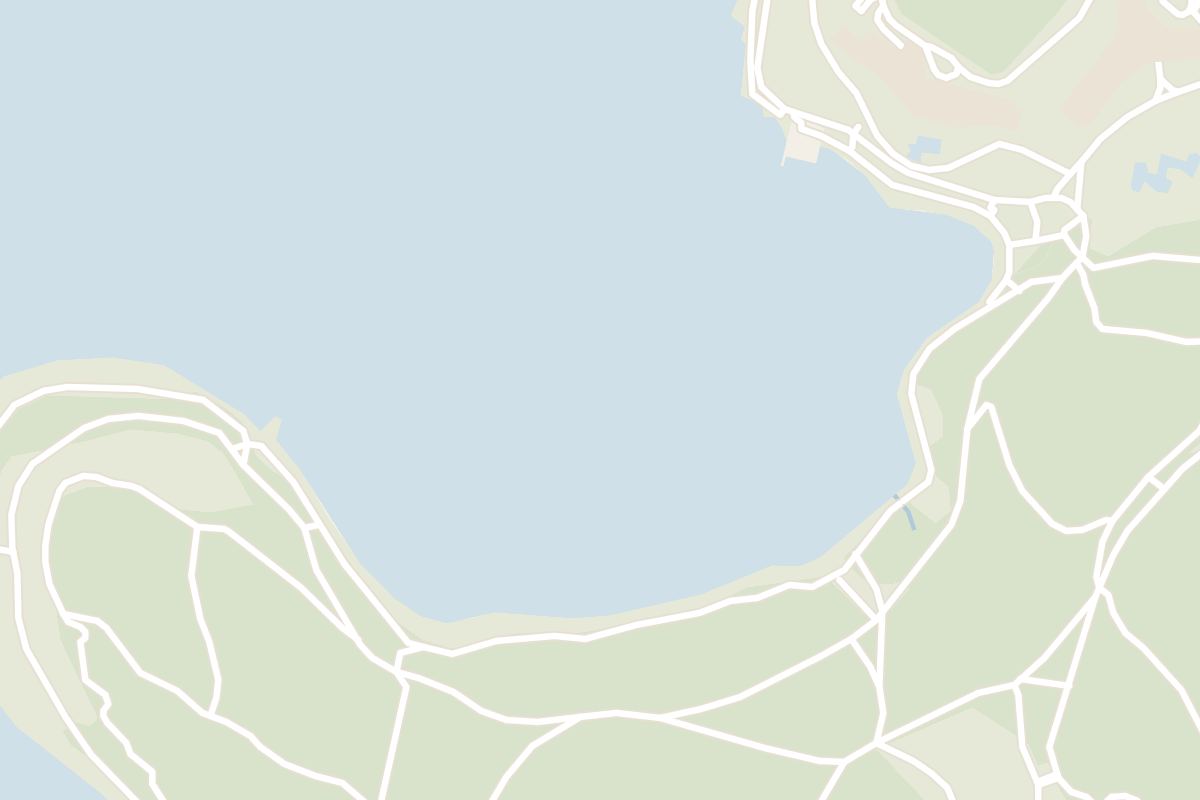
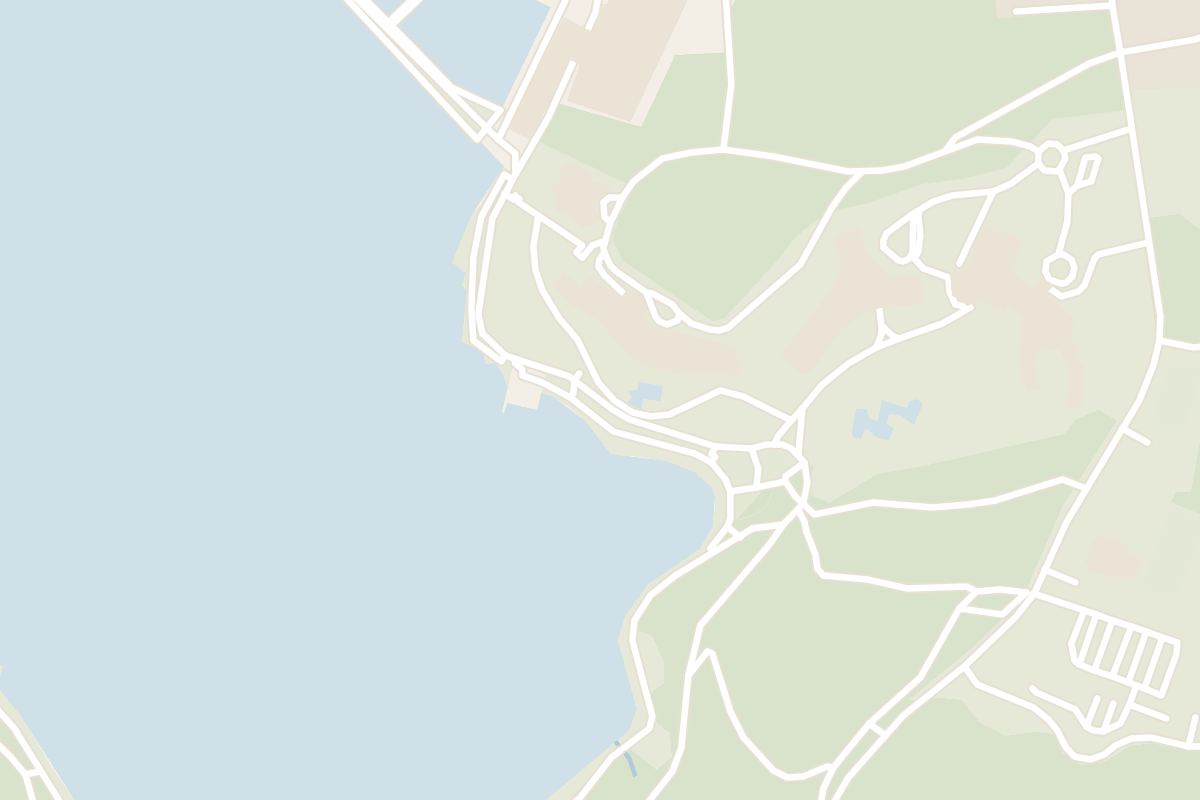
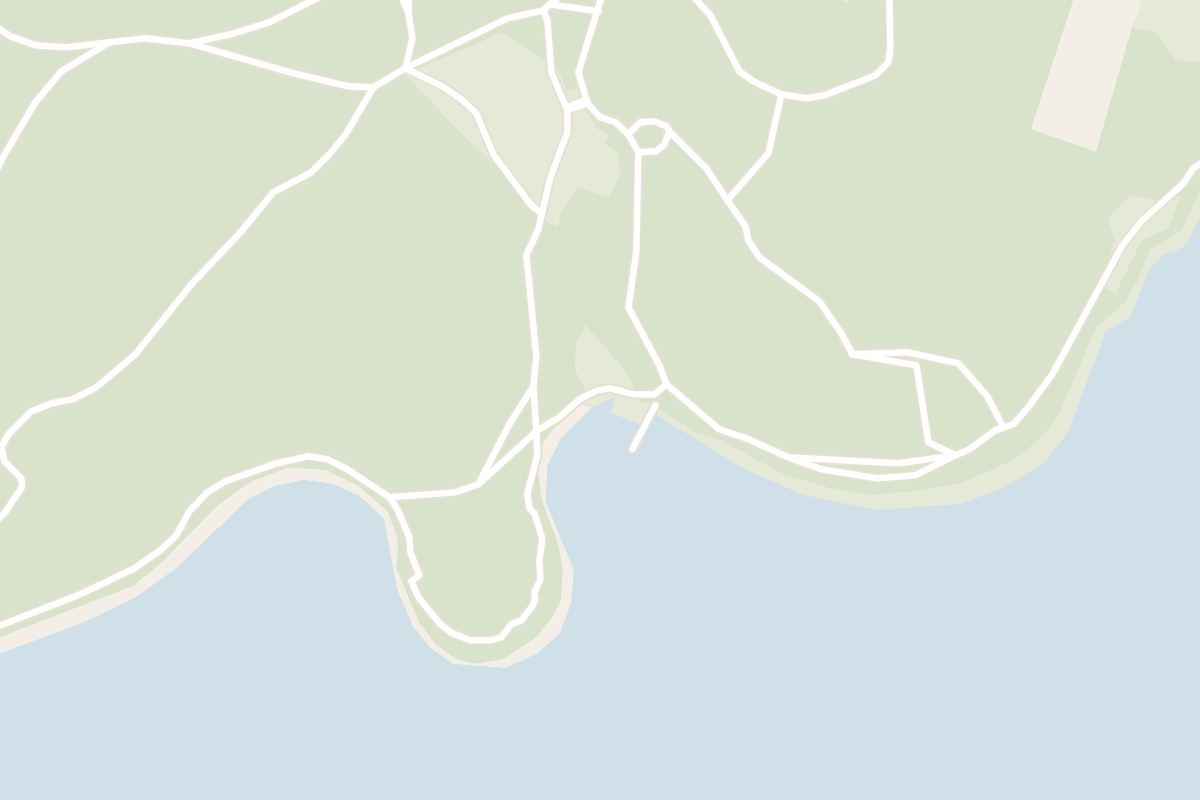
Georg Hutterott, an entrepreneur from Trieste, bought the headland behind those coves in 1890 and began planting it. None of what grows there now arrived on its own: fifty-two hectares of Istrian cape hold Lebanese cedar, Douglas fir, ginkgo and eucalyptus among the pine and laurel, with Himalayan cedars set out in a six-pointed star near the meadow. It has been protected since 1961, and there is free climbing on the sea cliffs at the far end.
September is the month to aim for. The peak is short and steep, the last week of July to the middle of August. On 24 September 2023 Rovinj became the first destination in Croatia to pass four million overnight stays in a year, off 665,847 arrivals, and 46 per cent of those nights were spent in campsites. The resident population is 12,968. Pula airport is about forty kilometres out, thirty to forty-five minutes by shuttle and seasonal; Venice is the year-round alternative.
Give it two nights. One buys the lanes, the tower and a good dinner, which is what a day off a coach buys as well. The second buys the fish hall at opening, the boats going out while the town is still quiet, and an evening on the water that will not fit between a morning arrival and an afternoon departure.