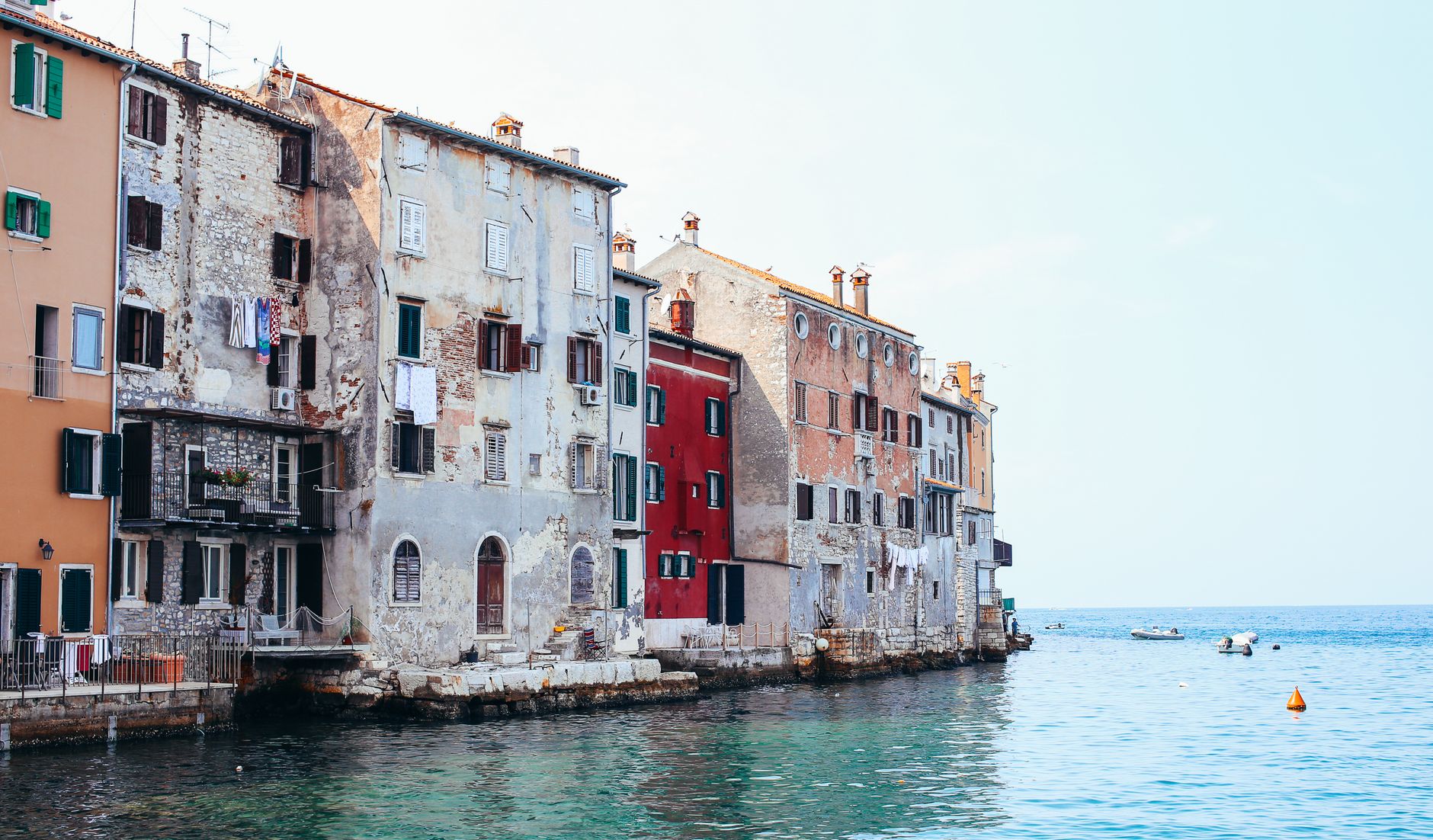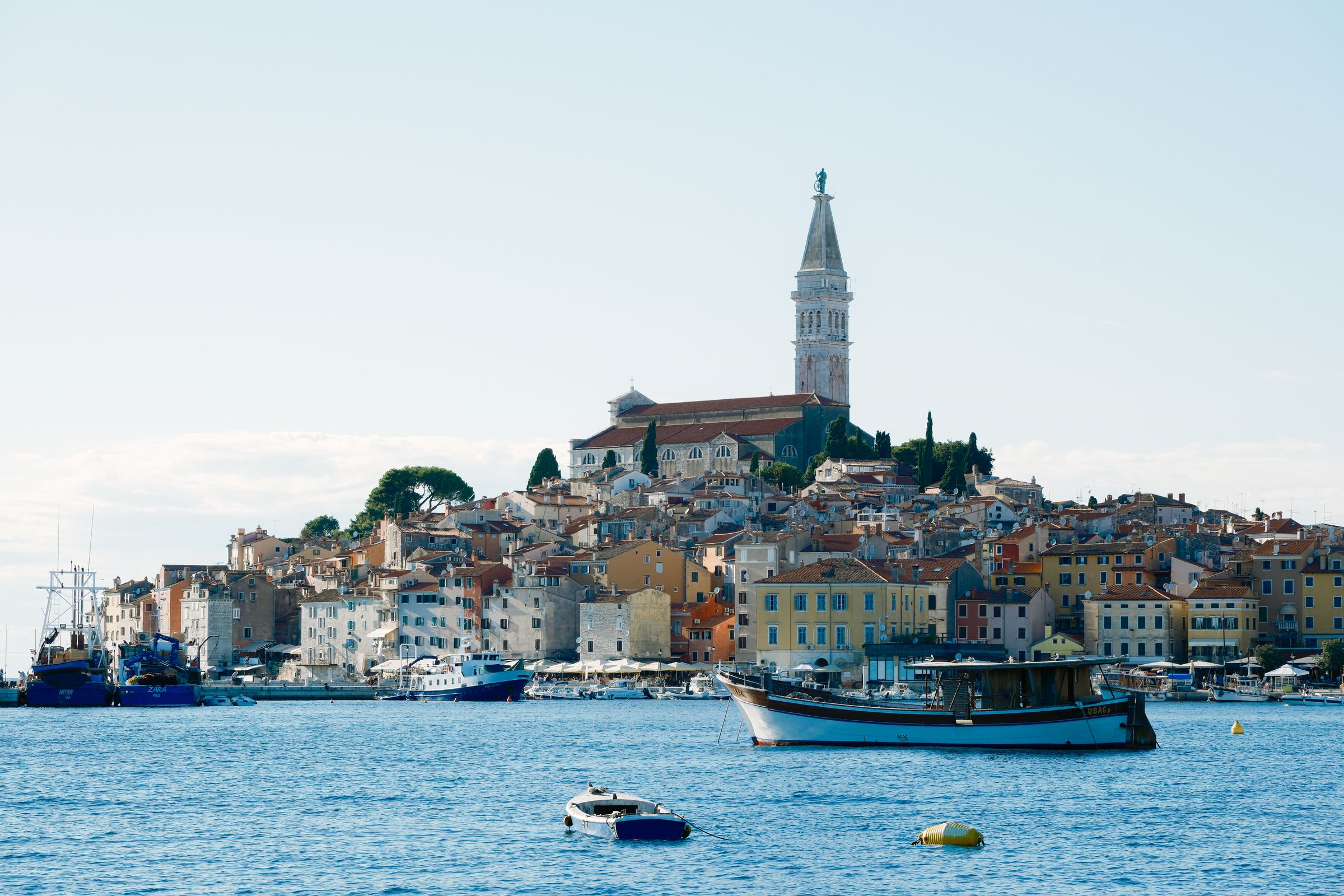
Things to do
21-
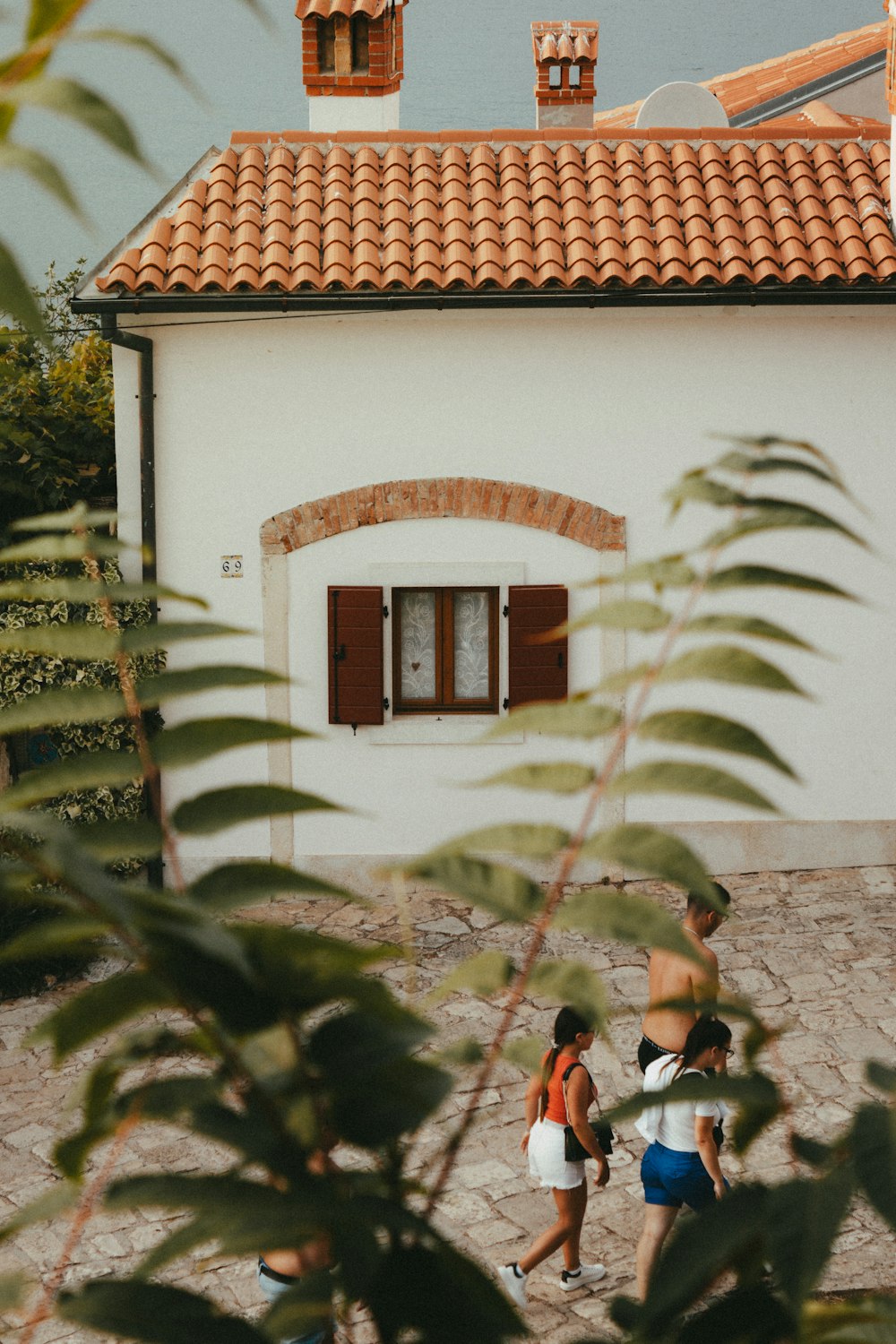
Rovinj Heritage Museum
Worth a break from the beach, Rovinj's town museum keeps five centuries of Italian painting in a red Baroque palace on the main square. Before you climb, check at the desk that the old masters are hanging, because temporary shows sometimes take over the rooms.
View more → -
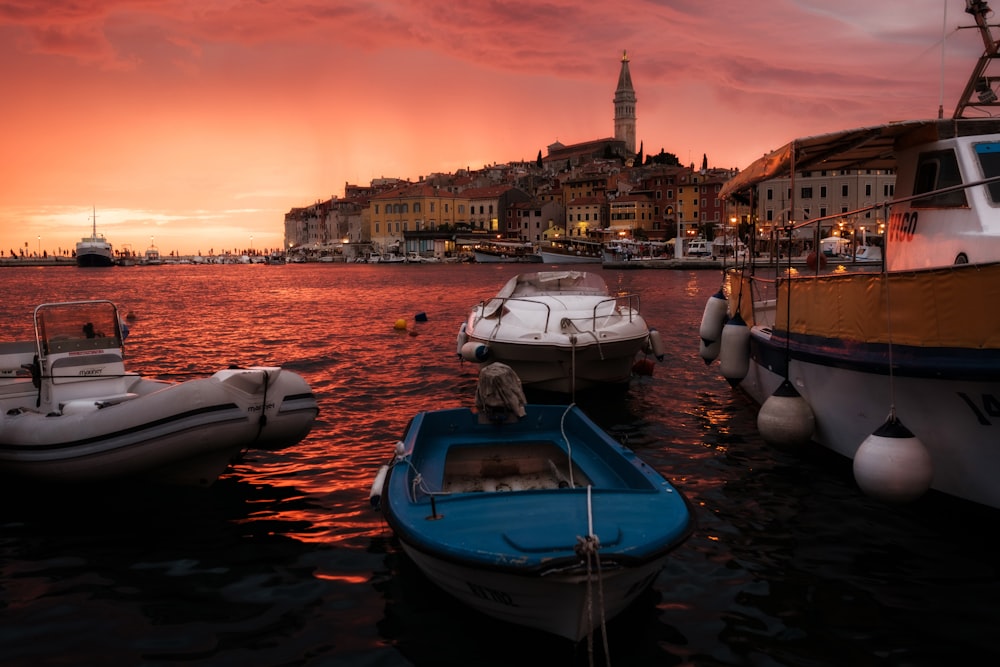
Rovinj Old Town
Outside the middle of the day, when the coaches are in, you have the maze of lanes almost to yourself as you climb through red-painted houses to the church at the top.
View more → -
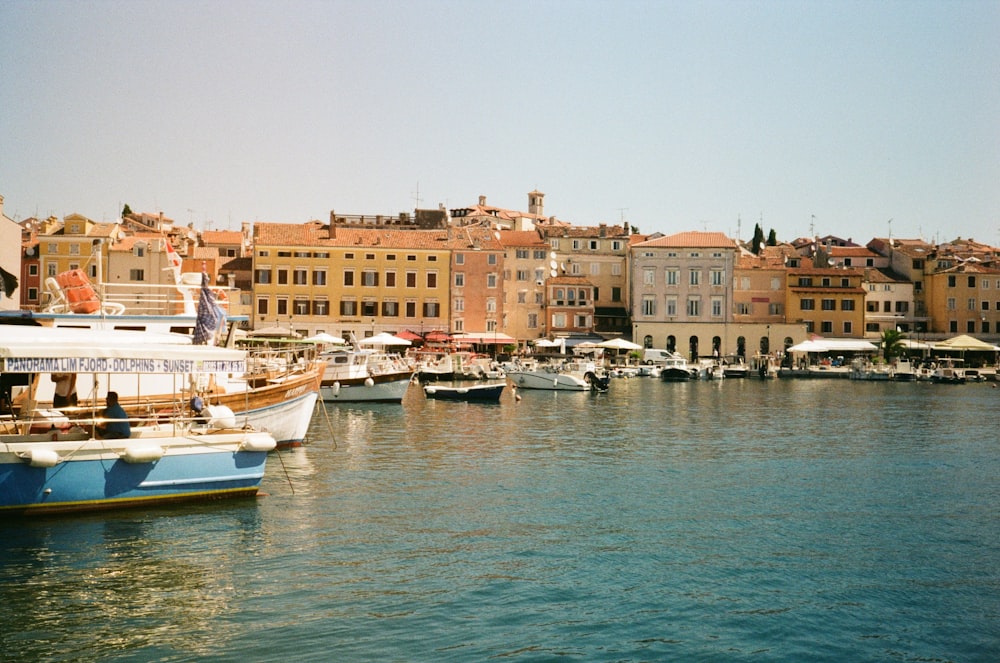
Balbi's Arch
Dated 1680, this baroque gate stands where the old town's seaward entrance used to be, and it carries a Venetian lion above the arch with a Turk's head on the outer face. It is the shortest way into the lanes from the harbour square.
-
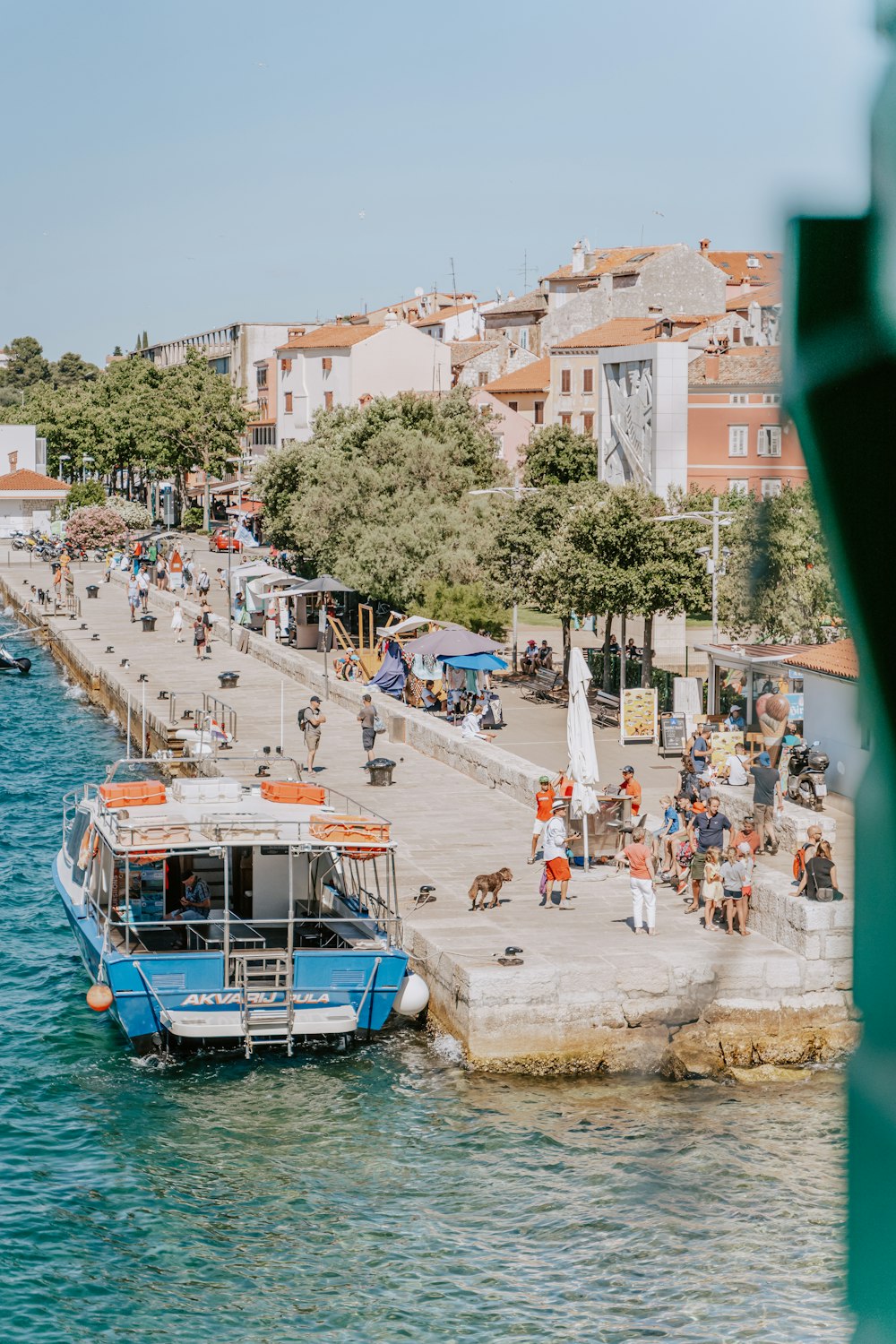
Rovinj Aquarium
Opened in 1891 as a field research station of the Berlin Aquarium, this is the oldest aquarium in the Mediterranean. It shows the marine life of the northern Adriatic in a small set of tanks, and it still sits alongside the marine research centre that grew out of the original station.
-
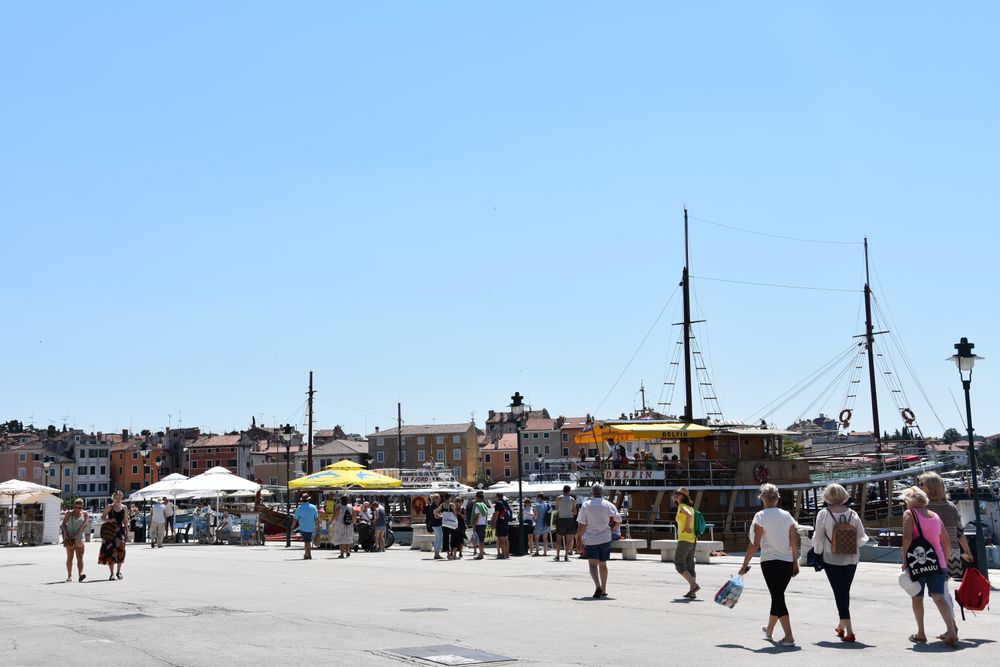
Rovinj Market
Fruit, vegetables, oil, cheese and truffle products under the awnings on the northern edge of the old town, with the fish market in its own hall alongside. The fish is landed locally and the stalls open early. Produce prices here are aimed at visitors rather than at the town.
-
Church of St. Euphemia
If heights do not bother you, climb the tower, but not at noon, when the bells ring right overhead. The church itself is free.
-
Golden Cape Forest Park
Georg Hutterott, a Trieste entrepreneur, bought this headland in 1890 and began planting it, which is how a bare Istrian cape came to hold Lebanese cedar, Douglas fir, ginkgo and eucalyptus among the native pine and laurel. Fifty two hectares, protected since 1961, with paths to swimming coves and climbing routes on the sea cliffs. Himalayan cedars stand in a six pointed star near the meadow.
-
House of the Batana
The rowing evenings are the reason to come: the museum takes visitors out on the water in a batana, Rovinj's wooden fishing boat. Book the rowing, the singing evenings and the open shipyard days in advance.
-
Balota Beach
Bare rock directly beneath the old town walls, with ladders into water that goes deep immediately and no natural shade anywhere on it. The entry suits confident swimmers. It sits close enough to the old town for a swim before breakfast.
-
Chapel of the Holy Trinity
Seven sided and built in the thirteenth century, the chapel is among the oldest surviving structures in the town, and its plan is unusual enough to be worth the detour on its own. Romanesque at the base with Gothic detail above, it stands away from the old town on the square outside the former walls.
-
Crveni otok
Two islets joined by a causeway, wooded and ringed with rock and pebble swimming, about a quarter of an hour from the old harbour by boat. Known in Italian as Isola Rossa. The far side away from the hotel holds the quiet water, and the last boat back leaves well before dark.
-
Dvigrad
An entire medieval town abandoned in the seventeenth century after plague and war, standing roofless on a ridge inland with its church, walls and street plan still legible. Nothing has been rebuilt and nothing is staffed. The footing is rough across the whole site.
-
Franciscan Monastery
Baroque, finished in 1750, and holding a library of around twelve thousand volumes, some of them sixteenth to eighteenth century rarities. A small museum of sacred art opens off the cloister. The complex sits at the top of the old town near the church, on the far side of the hill from the harbour.
-
Grisia
Stepped and paved in polished stone, the lane climbs from the old town's centre to the church on the summit, lined with galleries and workshops for most of its length. On the second Sunday of August it becomes an open-air exhibition that has run every year since 1967, with work hung along the walls and doorways by professionals, amateurs and local children alike. The stone is slippery when wet.
-
Limski kanal
A drowned limestone valley running some ten kilometres inland from the coast north of the town, its walls rising steeply from green water on both sides. Shellfish are farmed along it. Excursion boats run in from the harbour, and the viewpoints on the road above take a car.
-
Lone Bay
Pebble, calm and shallow enough for a long swim, about a kilometre and a half from the old town on the same coastal path. Cars cannot reach it. The pines come down almost to the water, which is what makes the shade here better than anywhere closer in.
-
Monkodonja
A Bronze Age hillfort about five kilometres inland, occupied through the second millennium BC and excavated since the 1950s. Cyclopean walls, a reconstructed gate and a hilltop plan are all visible on the ground. Signage is limited and there is no shade on the walk up from the road.
-
Obala Pina Budicina
The harbour promenade under the old town's south face, where the batanas and the excursion boats tie up and the town walks in the evening. Cafés line one side and the water the other. It is the shortest way between the boat piers and the foot of Grisia.
-
Palud Ornithological Reserve
Brackish marsh behind the coast south of the town, and the richest bird site in this part of Istria, with a hide and a marked circuit round the water. Spring and autumn passage are the times it earns the trip. Mosquitoes are serious here from late spring onwards.
-
Škaraba
A run of small rocky coves between the forest park and Cuvi, backed by pines and reached down short paths off the shore track. Nothing is built here, so there is no shade beyond the trees and nothing to buy. August crowds thin out this far south.
-
Sveta Katarina
Closest of the offshore islands, a few minutes out of the old harbour, wooded and small enough to walk round in half an hour. Boats run through the day in season. The reason to cross is the view back: the whole peninsula, the campanile and the working boats, seen end on from the water.