 Submit a photo
Ninety seconds on Ljubljana Botanical Garden
Yes. As of 2026, the garden's own information page lists entry as free of charge for individuals. Walking the grounds costs nothing on any day of the week, beds included.
As of 2026, the garden is open every day from 7:30 in the morning. Summer hours (April to October) run to 7 in the evening, and July and August stay open until 8. Winter hours (November to March) end at 5.
As of 2026, the glasshouse opens Monday to Friday, 10:00 to 18:00, closing at 16:30 in winter. It is a separate building within the grounds, so a weekend visit means the outdoor beds and the trees only.
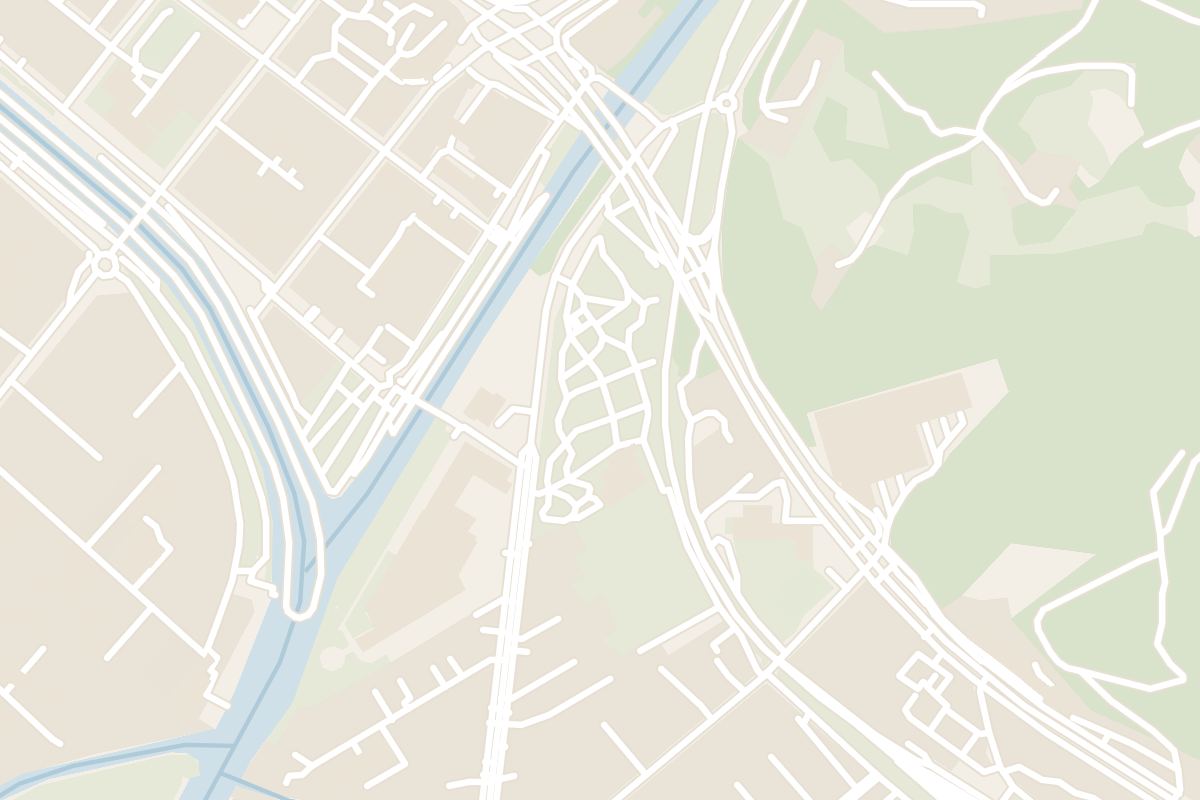
The garden is at Ižanska cesta 15. The operator recommends the walkway and bicycle path from Prešeren Square, crossing the footbridge at Špica. City bus 2 stops at Gornji trg, and Ljubljana Rakovnik is the nearest train station. There is no parking nearby.
Roughly 4,500 species and subspecies grow here, and Slovenian natives account for a third. Highlights are a tropical glasshouse with over 380 plant species, a ginkgo that is the oldest in the country and a plant system arranged as a tree of life by evolutionary relationship.
Early spring brings snowdrops, with a three-day Snowdrops Festival held at the beginning of March. Summer is cooler here than in the city centre, and autumn colour is strong. In winter, the tropical glasshouse is the warm option, kept near 26 degrees.
Yes, the garden organises guided tours, workshops and excursions, mostly for groups, and by prior agreement can run them in languages other than Slovene. Individual visitors are asked to phone the garden to check whether they can join one.
Two hundred years of planting in a working university garden: come for a tree planted on opening day in 1810, a glasshouse of tropical plants and beds arranged by plant family.
Start with the trees that are as old as the garden. The Marmont linden in the middle was planted for the opening in 1810, when Ljubljana sat in the French-run Illyrian Provinces, and the oldest ginkgo in Slovenia dates from the same beginnings.
Around them grow more than 4,500 species and subspecies, about a third of them native to Slovenia and the rest from elsewhere in Europe and other continents. This is still a working research centre of the university's Biotechnical Faculty.
The tropical glasshouse was built for the garden's bicentenary and holds over 380 species from the tropics. Outdoors, the plant system section lays its beds out as a tree of life, grouped by how closely the plants are related, so neighbouring beds are botanical relatives.
Steer by the old tree in the middle of the garden. You walk in at the main entrance, and the outdoor beds are yours to wander in any order.
The tropical glasshouse keeps shorter hours than the outdoor beds, so check its times before you plan around it.
Inside, look for pineapple, black pepper, coffee and vanilla orchids. From April to October, Mediterranean plants stand on the lawn behind it. In winter there is little growing outdoors, so make the glasshouse the main event; in summer, save it for the end of a slow loop outside.
A second way in is the Krakovski embankment, which links Breg and Trnovski pristan, with the garden not far beyond. It makes a longer, quieter approach than the direct river path.
On a cold or wet weekday, head for the glasshouse and take your coat off at the door. The tropical plants inside are kept warm and humid all year.
Explore the rest of Ljubljana
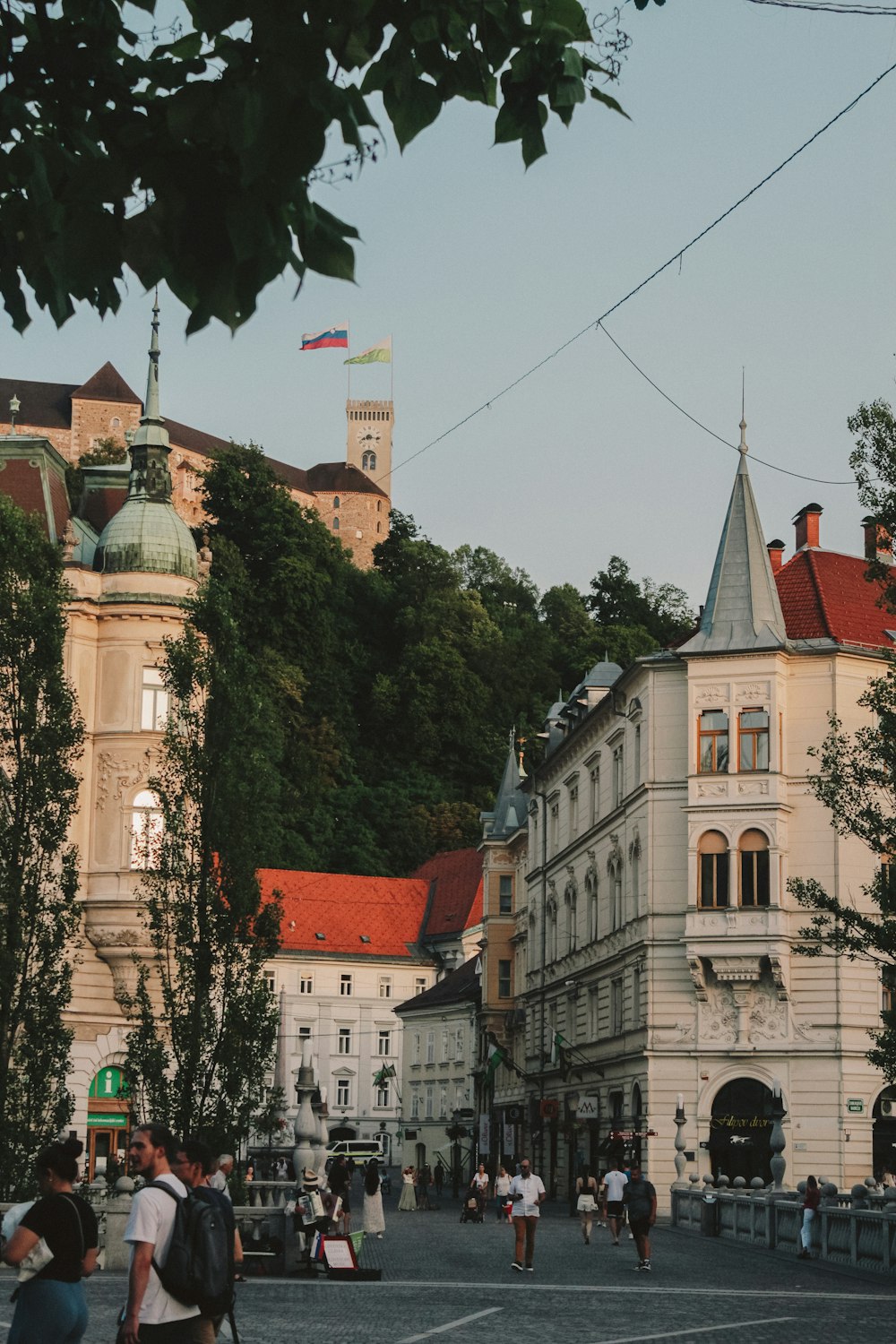
A castle on the hill above Ljubljana's old town, reached by a funicular from Krekov trg or on the footpaths up Castle Hill. The present…
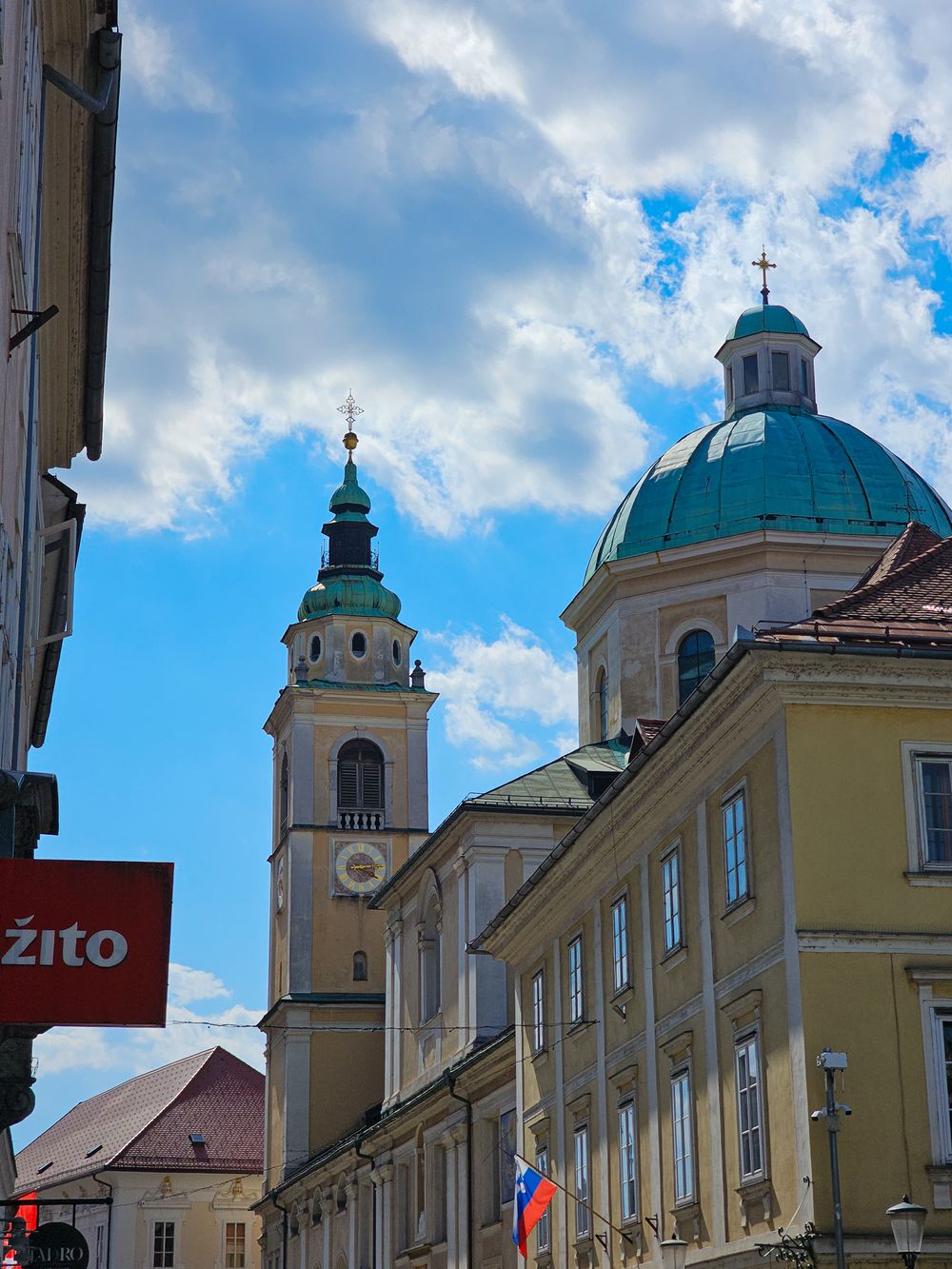
Baroque frescoes by Giulio Quaglio cover the ceiling of the Cathedral of Saint Nicholas, on Cyril and Methodius Square beside the central…
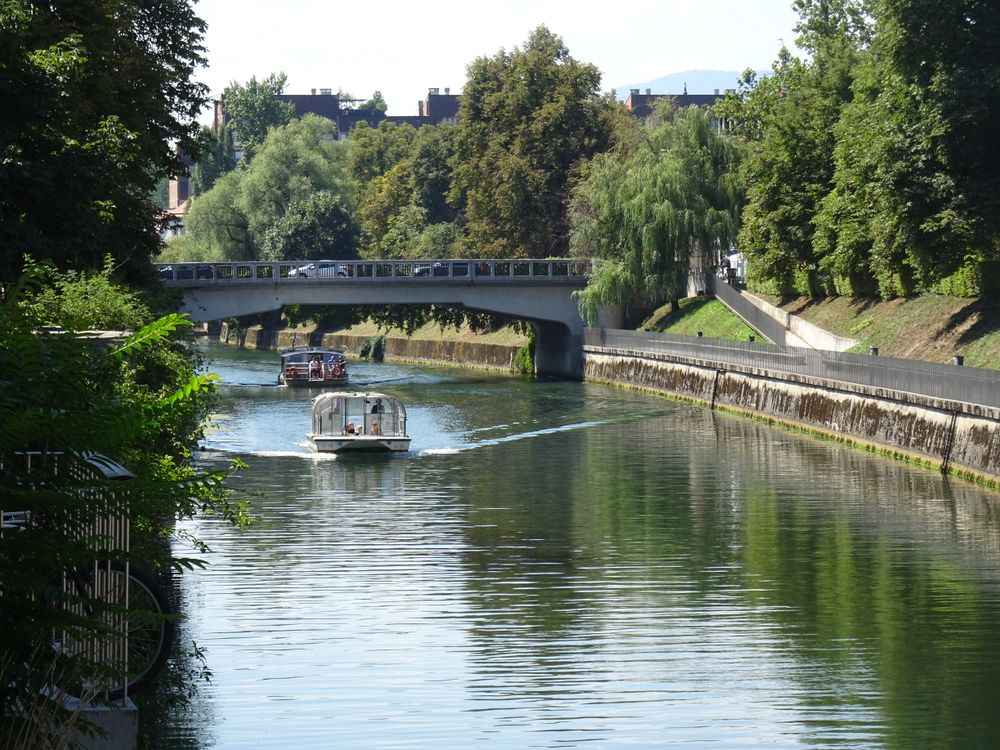
Tourist boats leave the pier at Ribji trg for a trip on the Ljubljanica between Špica and the Dragon Bridge, passing under the Triple…
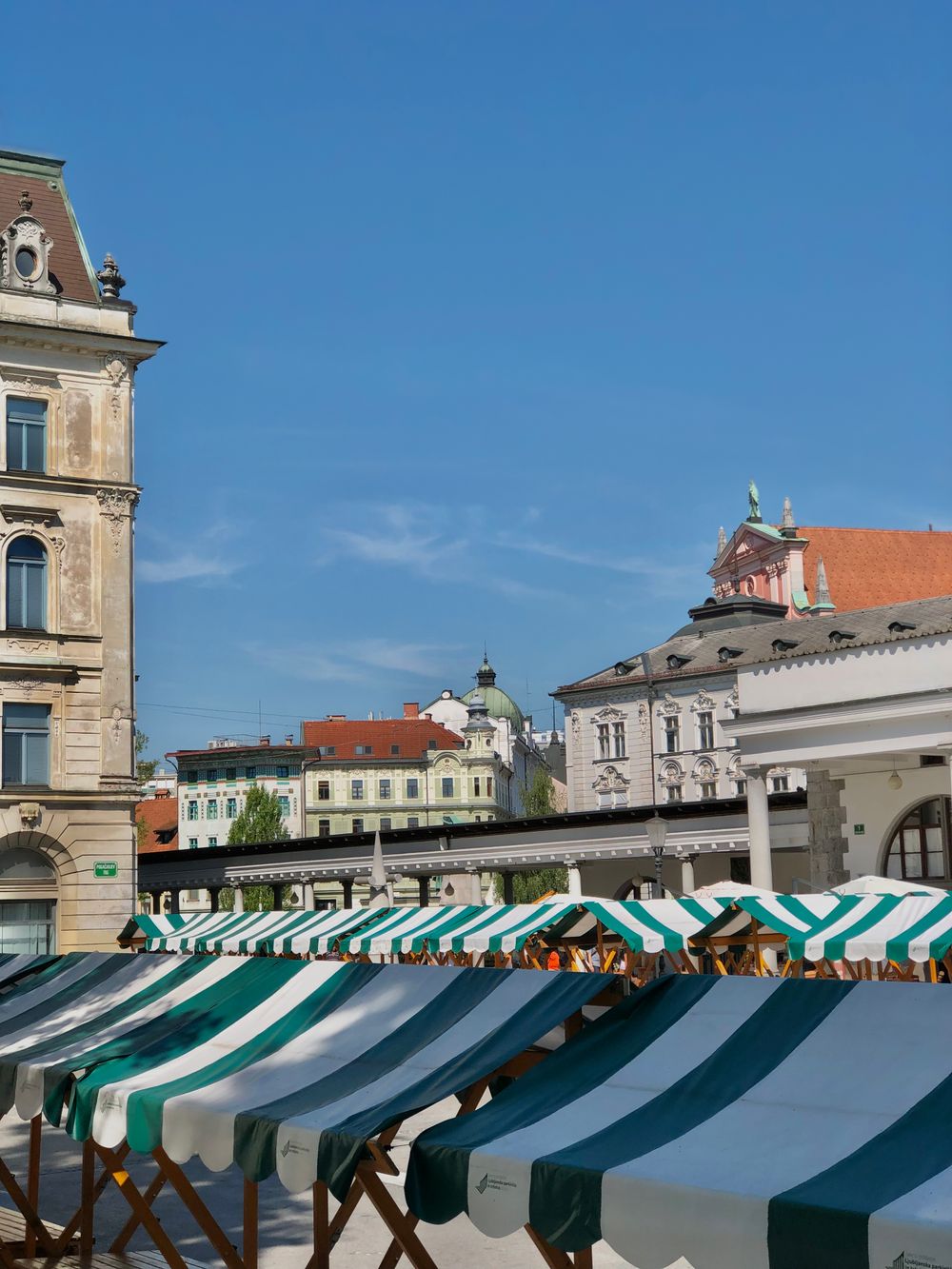
Plečnik’s two-storey market halls follow the curve of the Ljubljanica between the Triple Bridge and the Dragon Bridge, with a fish market…
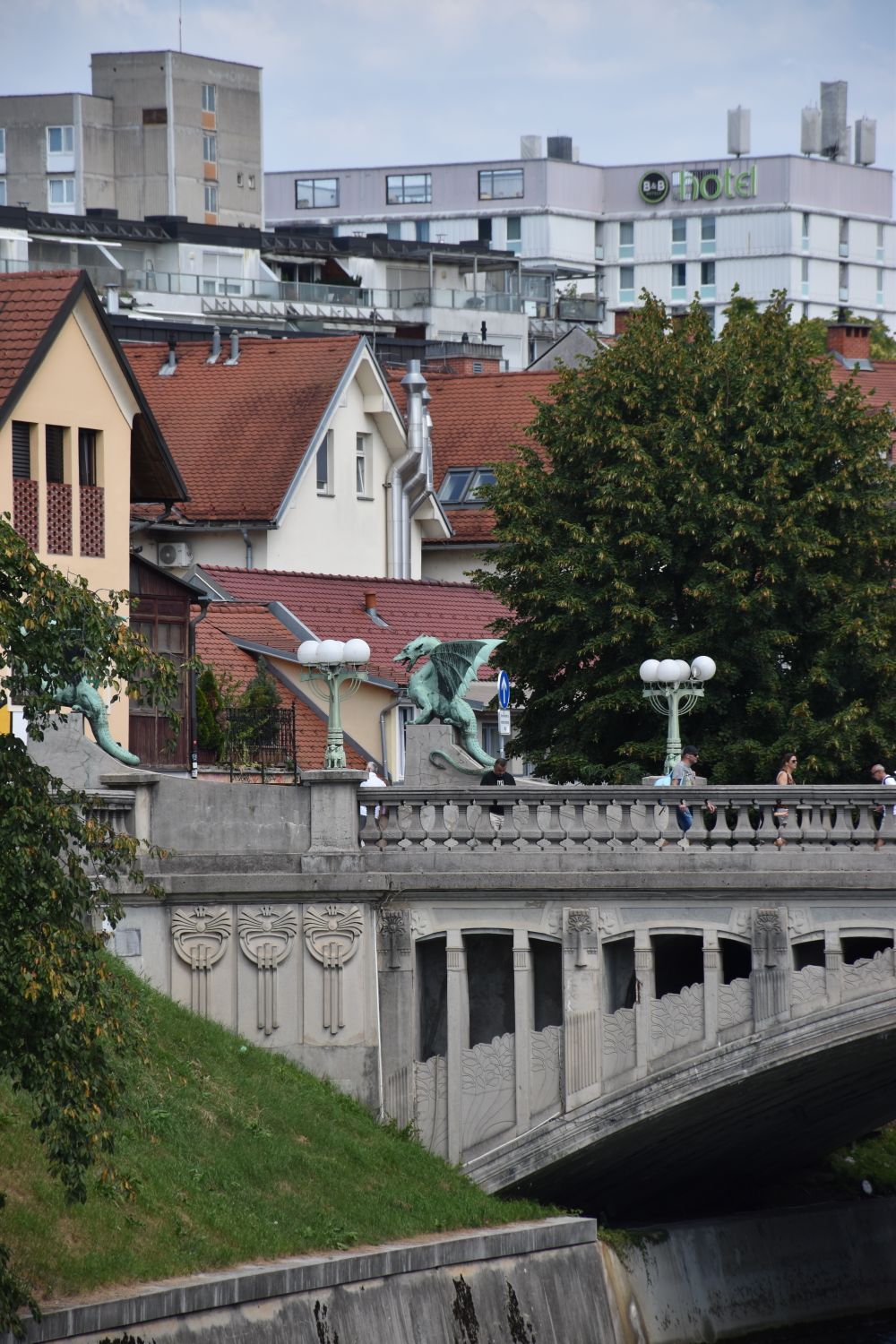
Copper dragons stand on plinths at the corners of a reinforced concrete arch that was one of the earliest of its kind in Europe and still…
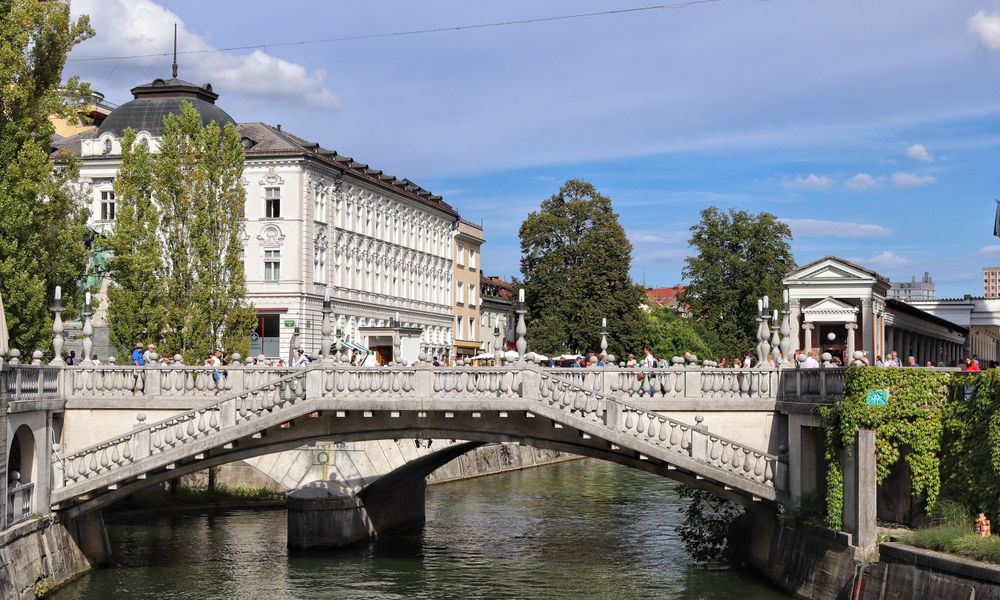
Three bridges cross the Ljubljanica side by side between Prešeren Square and the old town, the two outer spans set at an angle to the one…
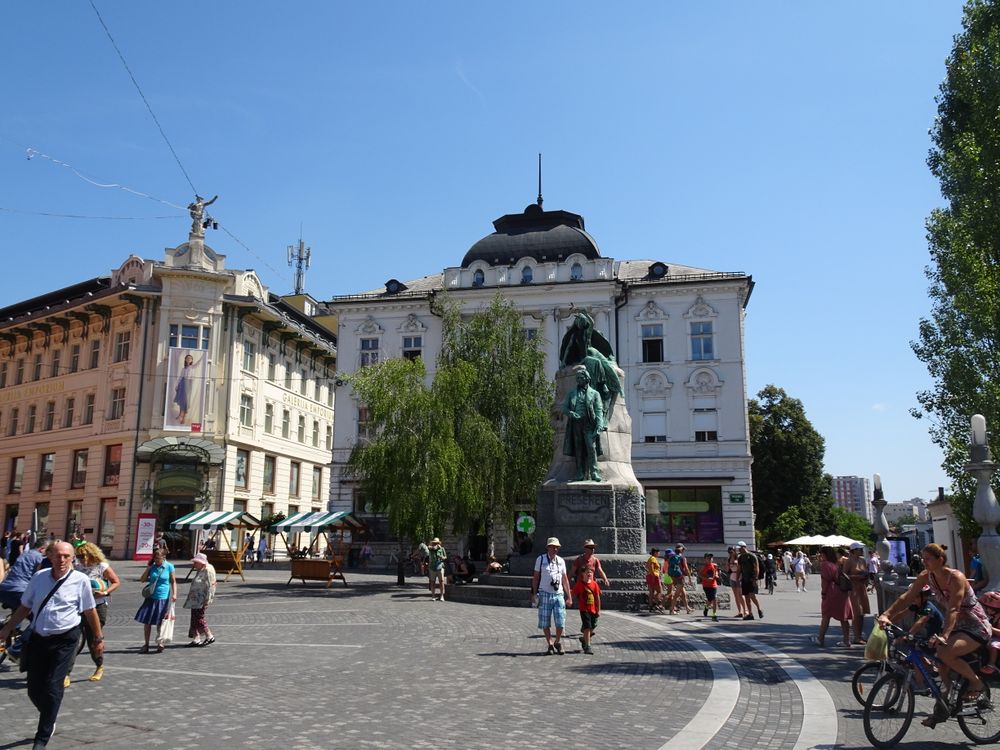
France Prešeren's monument, with the muse of poetry above him, stands at the centre of this Ljubljana square and faces a statue of Julija…
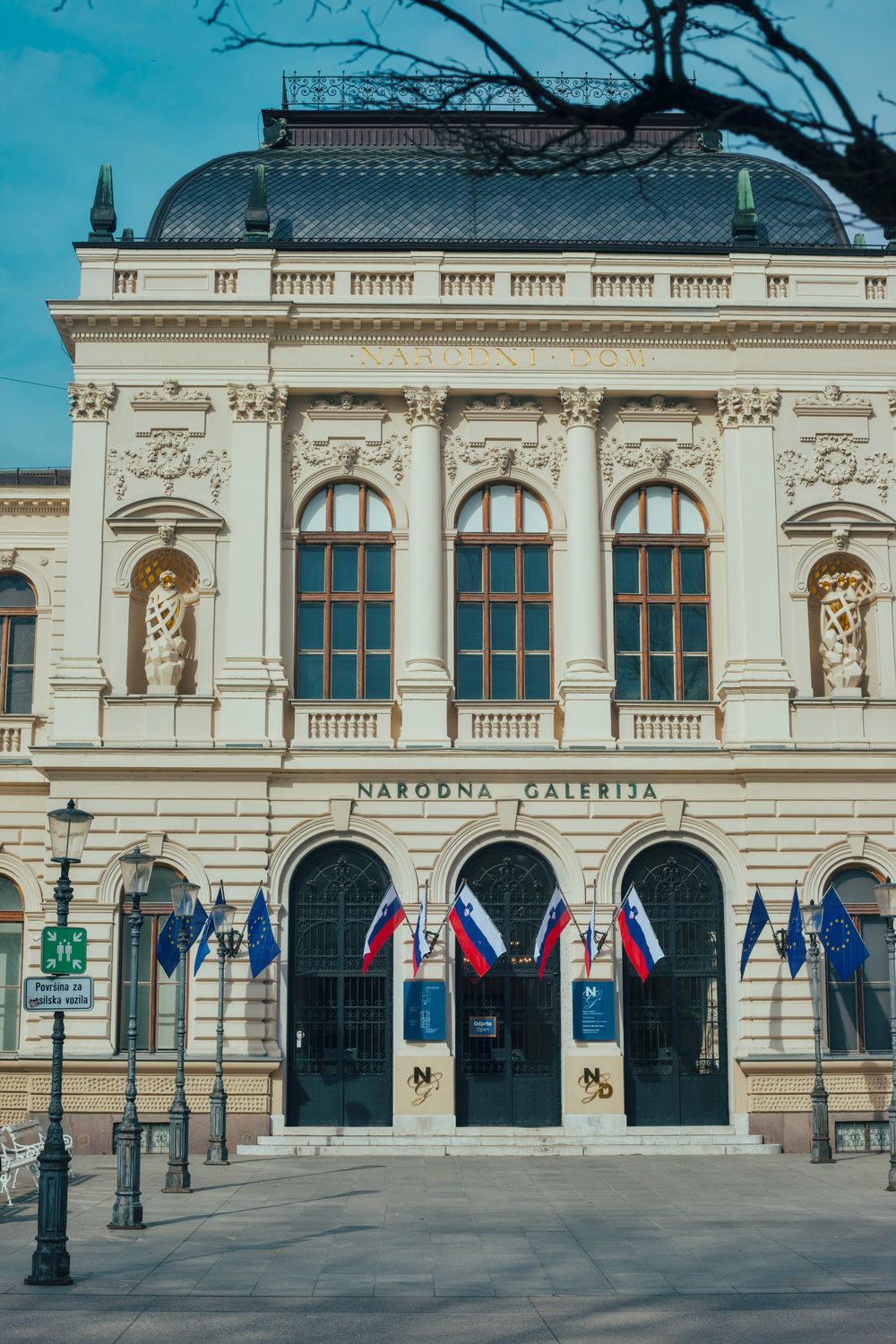
The National Gallery of Slovenia holds the country's largest collection of fine art from the High Middle Ages to the 20th century, in a…
The official pages this guide was checked against.
Last updated