 Submit a photo
Ninety seconds on National and University Library
As of 2026, the library admits visitors from 10:00 to 18:00 Monday to Friday and from 14:30 to 18:00 on Saturday. It is closed on Sundays and public holidays.
Weekday visits are free, and children under 15 enter free. The visit covers the staircase and hall, the basement corridor with its permanent exhibition, the information centre and the exhibition hall.
Visitors can see the central staircase and hall, the information centre, Plečnik's corridor in the basement with its permanent exhibition, and the exhibition hall with the current show. Entry to the Main Reading Room is also possible.
Yes, visitors can enter the Main Reading Room as well as the staircase and exhibitions. Staff ask that readers and other visitors are not photographed during opening hours.
Yes, the library organises a guided tour every Saturday at 16:00. The information desk gives the meeting point, and tour groups need no registration on Saturdays, unlike weekday visits.
The library is at Turjaška 1 in central Ljubljana. A visit can be announced by phone ahead of time, and step-free access should be arranged that way too, because building works have changed the entrance routes.
Worth stepping inside for the staircase alone, Plečnik's most important building in Slovenia leads you from a dark entrance hall up a black marble stair towards the light.
The facade is the first thing to look at. Brick and stone blocks are set in deliberately varied finishes, a pattern Plečnik modelled on the Zuccari Palace in Rome. On the main door, each of the two handles is a head of Pegasus, the winged horse that stands for the way into knowledge.
Inside, the entrance hall is dark. A door from it opens on the central staircase, lined with 32 pillars of black Podpeč marble, and the climb is read as a passage from ignorance up into learning.
At the end of the climb is the Main Reading Room. Glass walls on two sides light the wooden desks, and Plečnik designed the chandeliers, chairs and desk lamps himself. The building has been on the UNESCO World Heritage list since 2021.
Walk round to the side entrance for Lojze Dolinar's bronze statue of Moses above the door. Along the street outside, a line of monuments to Slavic scholars and Slovenian composers marks where the Roman and medieval town walls once ran.
Walking in through the main door puts you straight into the entrance hall. Go through the door ahead and climb the marble staircase to the hall at the top, which is the heart of the building.
From there, head down to the basement for Plečnik's corridor and its permanent exhibition, then find the exhibition hall for whatever show is on. The information centre is on the same route.
The Main Reading Room is open to visitors too, so ask at the desk about access when you arrive. On any day, the stair, the hall and the exhibitions are the sure things.
Keep your camera off the readers. While the library is open to its users, the staff ask you not to photograph them or other visitors, so point your lens at the staircase and the facade, not the desks.
If you want the building explained, come on a Saturday for the library's own guided tour at four in the afternoon.
The Triple Bridge and the Ljubljana Central Market belong to the same World Heritage listing, so both fit into a walk through the centre.
Explore the rest of Ljubljana
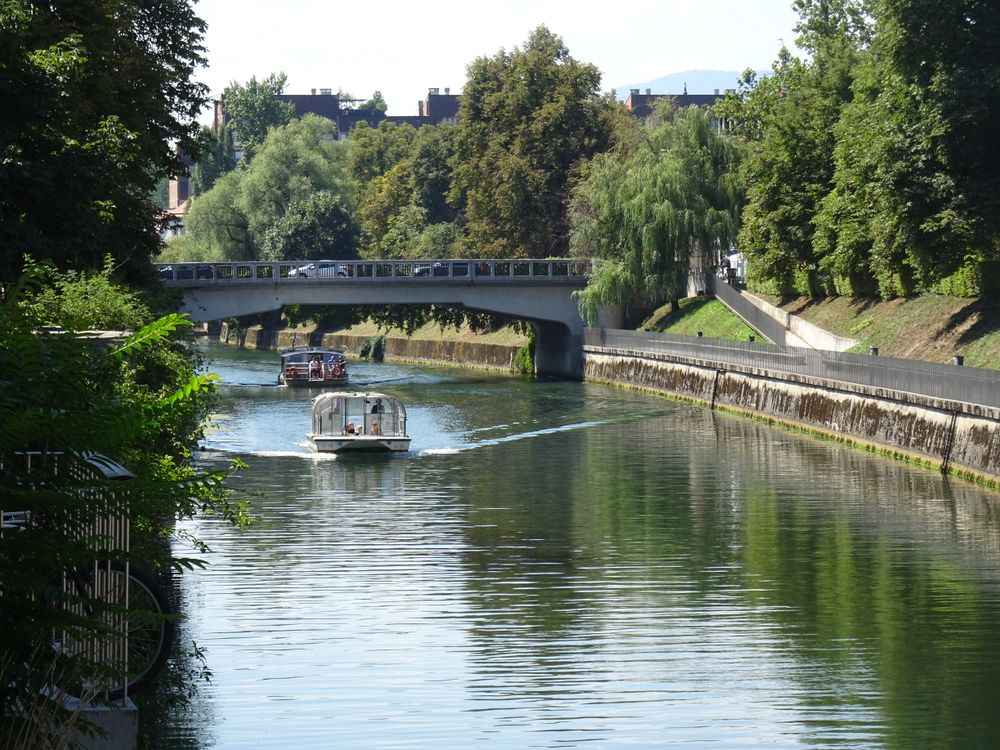
Tourist boats leave the pier at Ribji trg for a trip on the Ljubljanica between Špica and the Dragon Bridge, passing under the Triple…
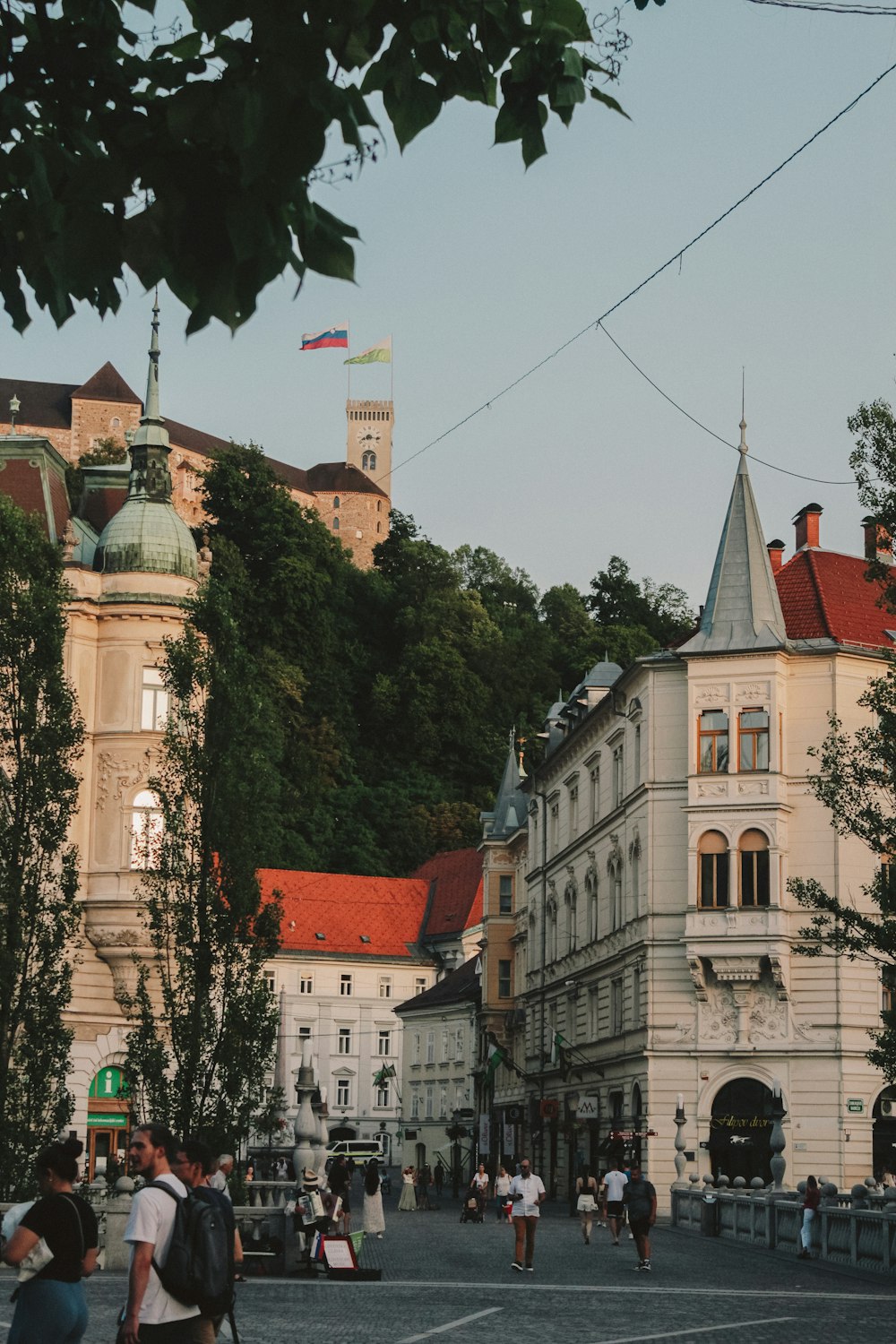
A castle on the hill above Ljubljana's old town, reached by a funicular from Krekov trg or on the footpaths up Castle Hill. The present…
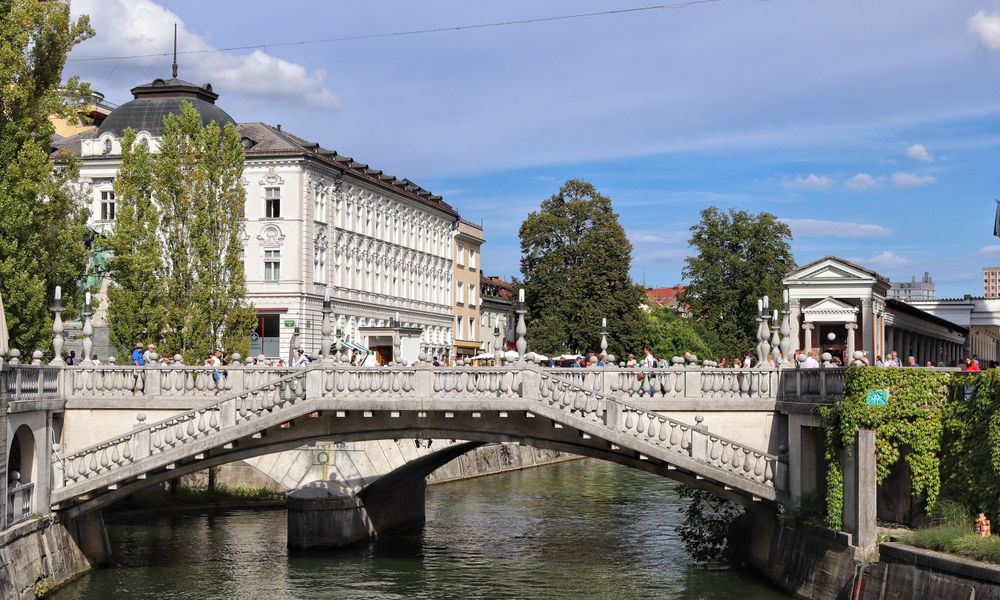
Three bridges cross the Ljubljanica side by side between Prešeren Square and the old town, the two outer spans set at an angle to the one…
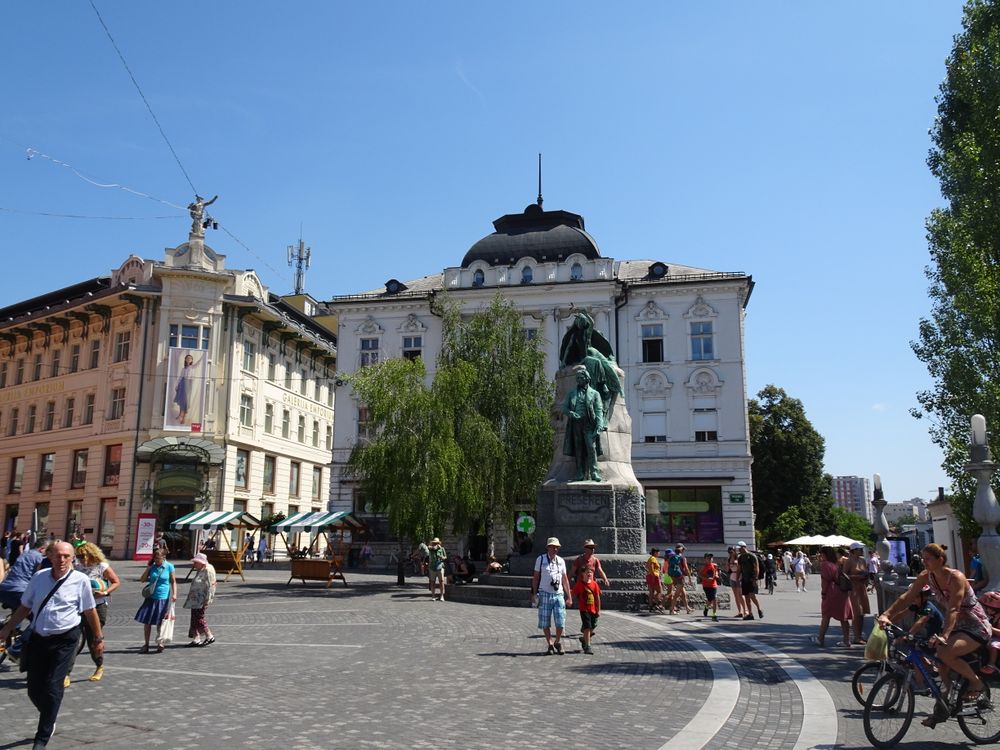
France Prešeren's monument, with the muse of poetry above him, stands at the centre of this Ljubljana square and faces a statue of Julija…
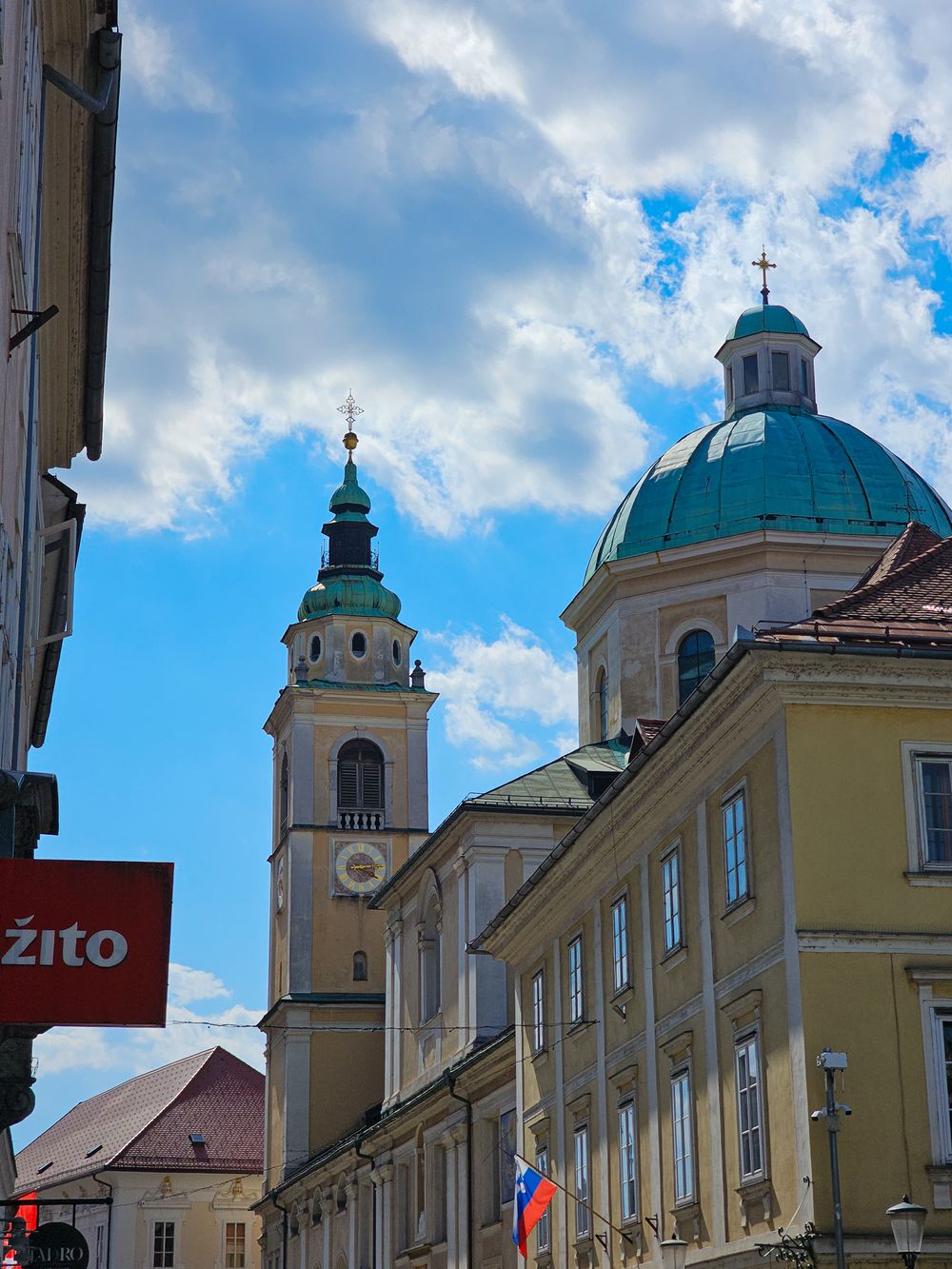
Baroque frescoes by Giulio Quaglio cover the ceiling of the Cathedral of Saint Nicholas, on Cyril and Methodius Square beside the central…
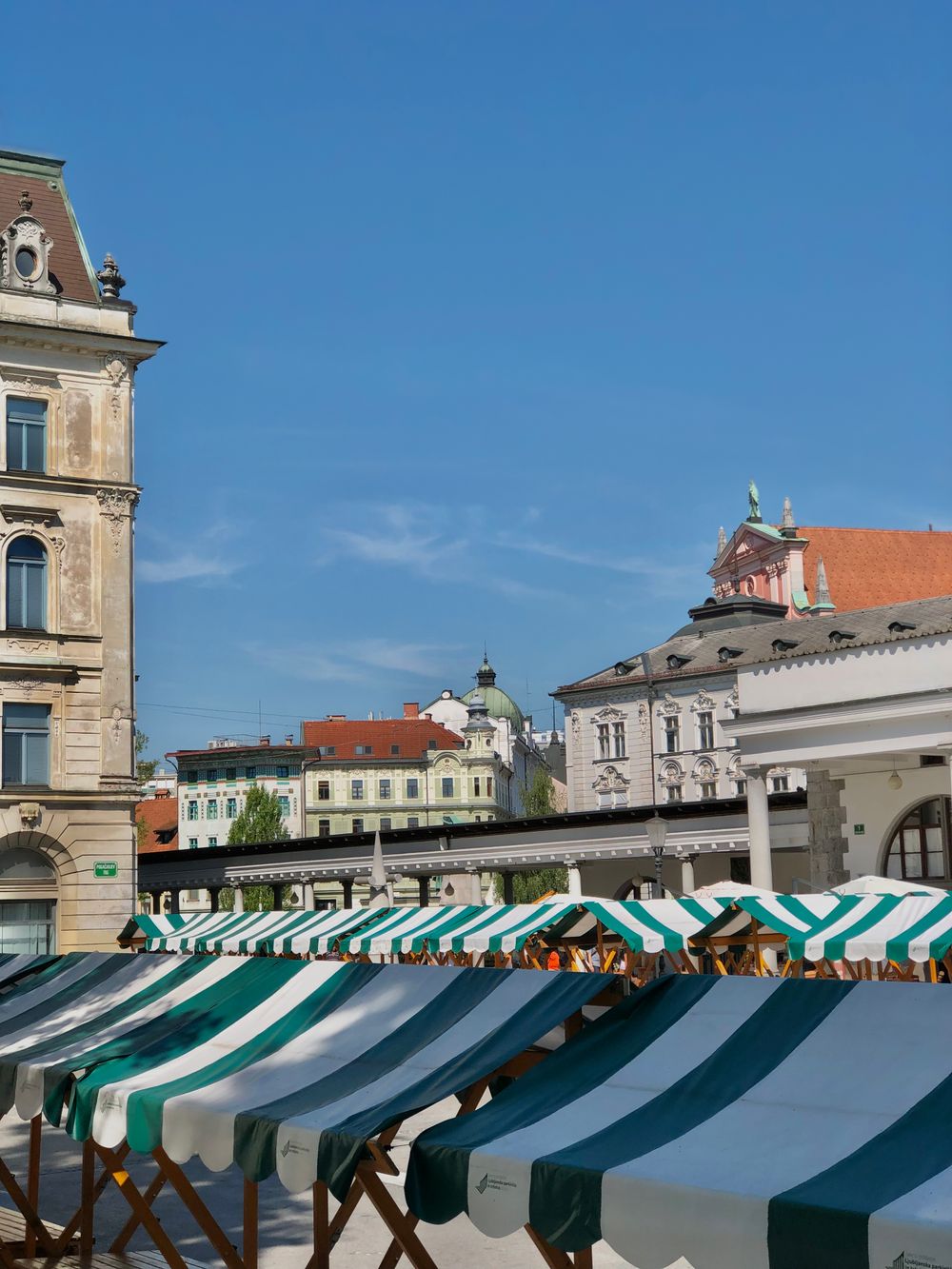
Plečnik’s two-storey market halls follow the curve of the Ljubljanica between the Triple Bridge and the Dragon Bridge, with a fish market…
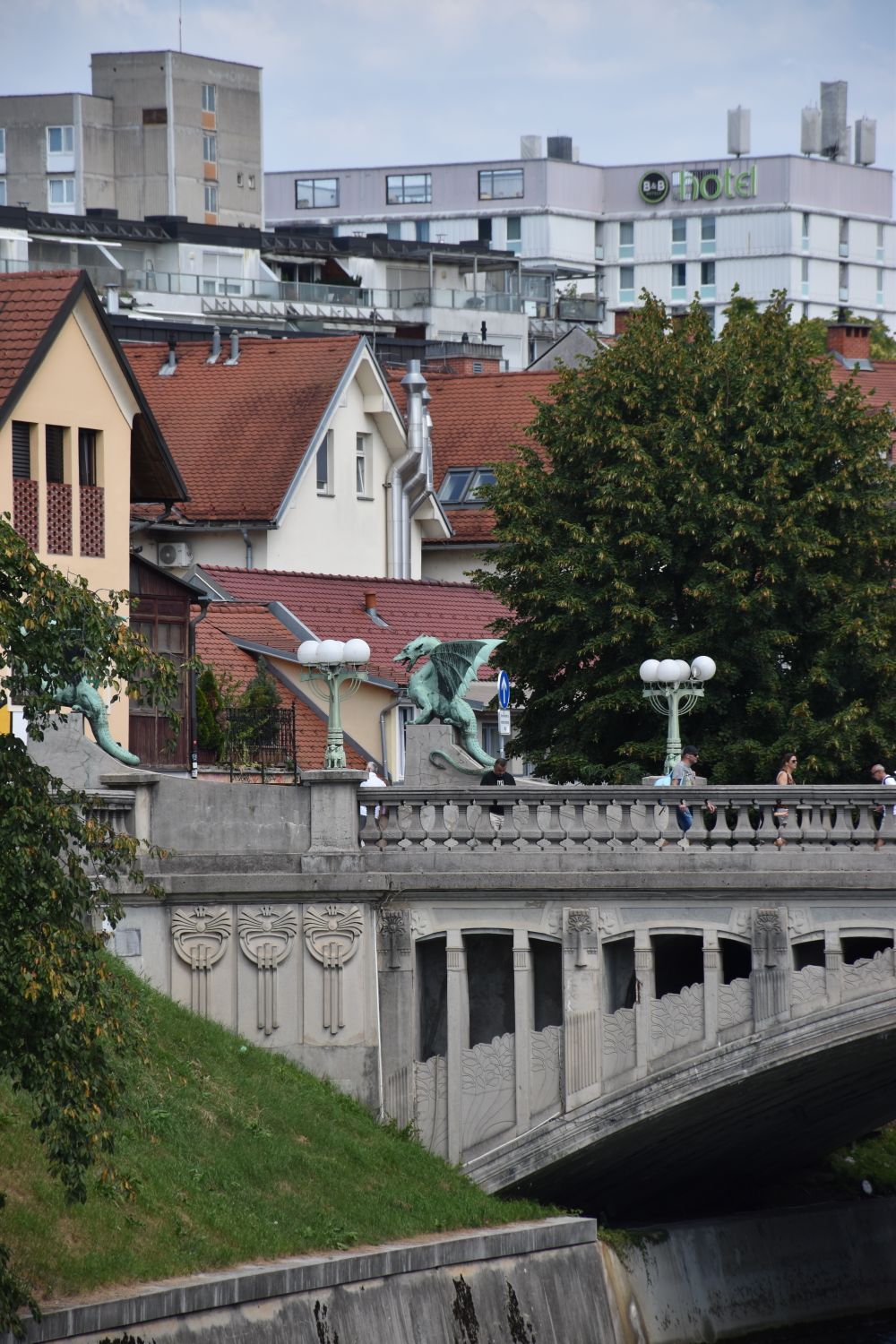
Copper dragons stand on plinths at the corners of a reinforced concrete arch that was one of the earliest of its kind in Europe and still…
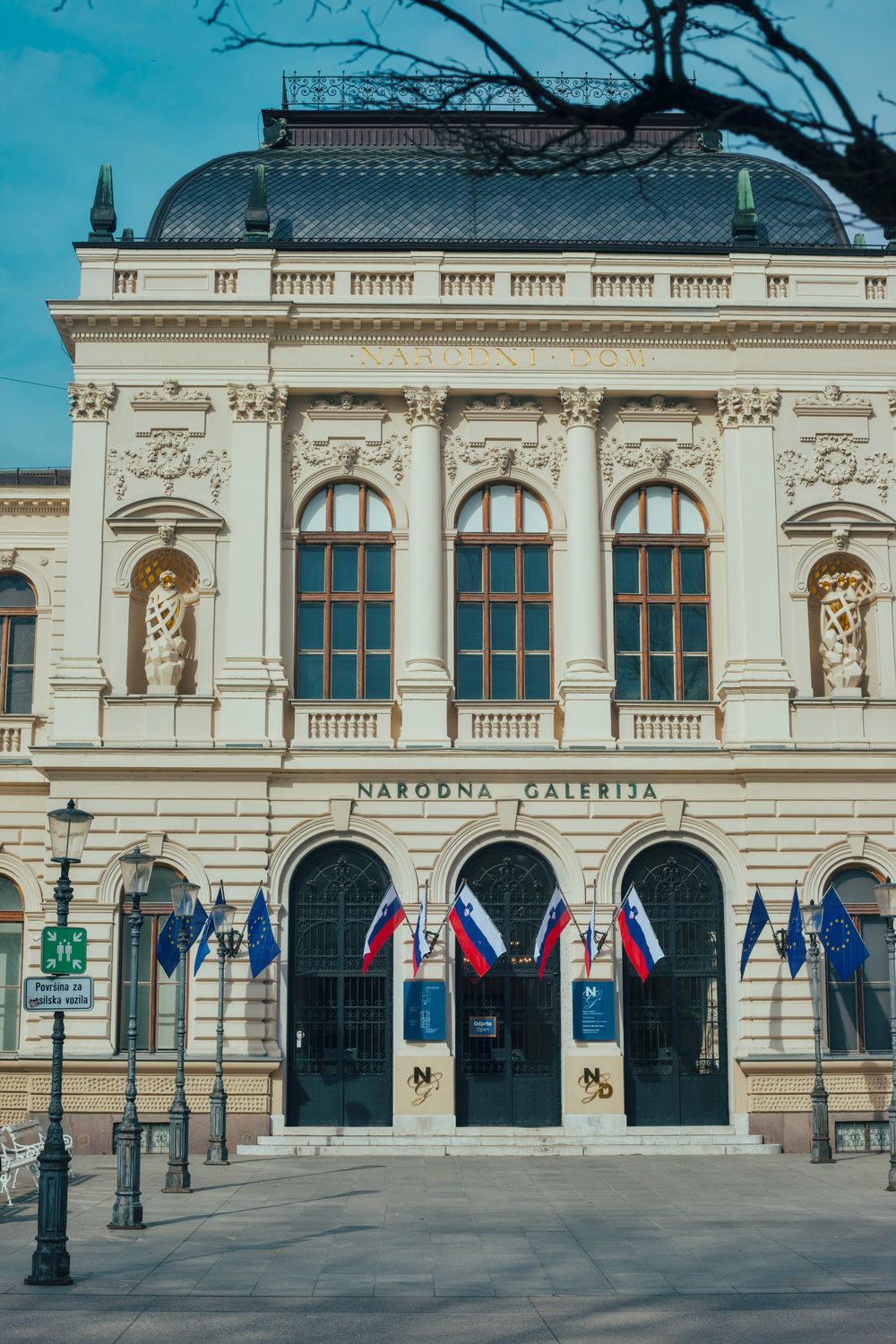
The National Gallery of Slovenia holds the country's largest collection of fine art from the High Middle Ages to the 20th century, in a…
Last updated