Ninety seconds on Sečovlje Salt Pans
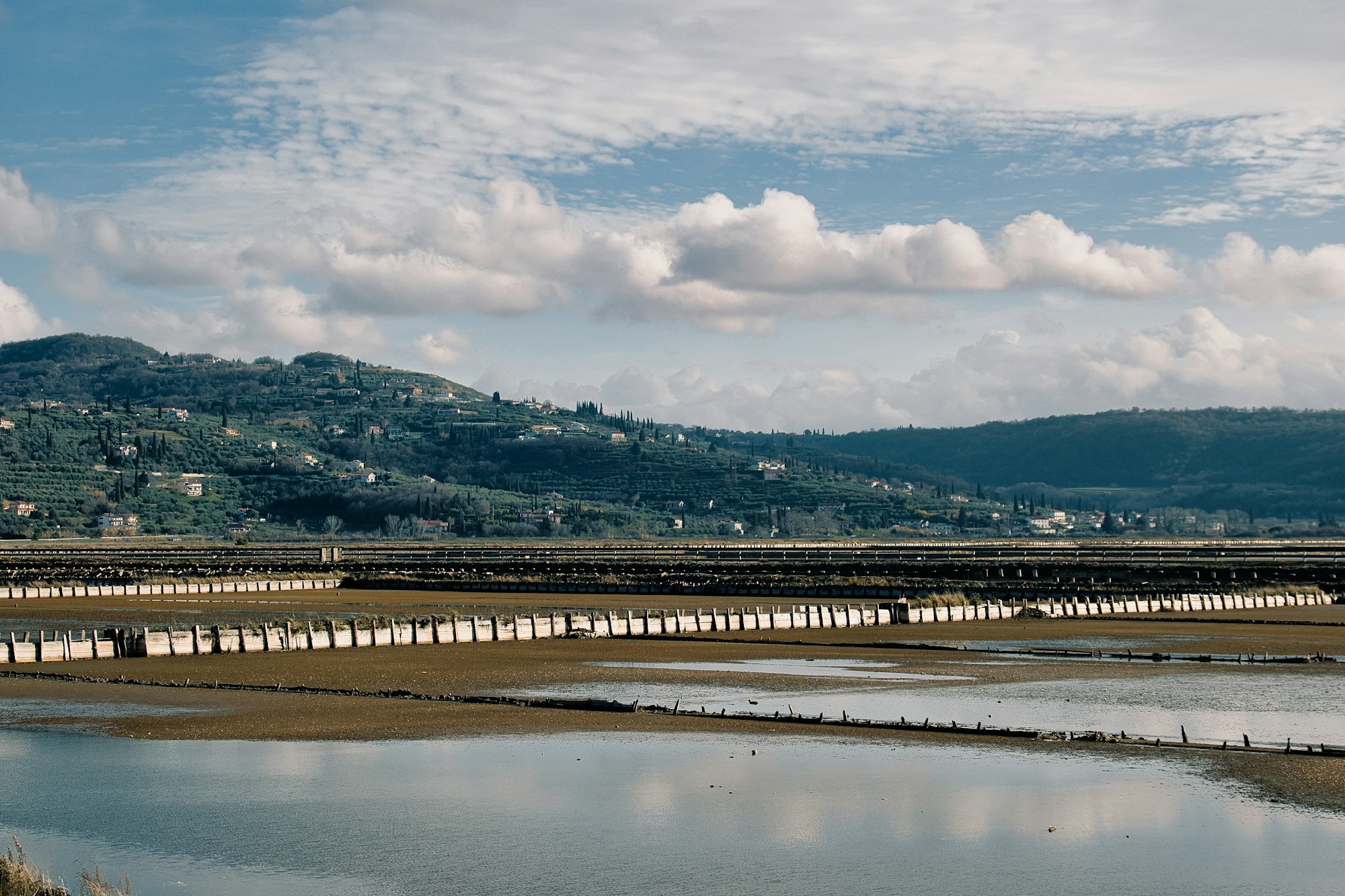
Walking the Lera pans, you are on one of the last two salt-pan areas left on the Gulf of Trieste, where salt is still raked by hand.
At Lera, in the northern part of the park, each pan floor carries the petola, a crust about 1 cm thick that the workers grow and tend with wooden tools. The crystals are raked into small white conical piles with a wooden rake called a gavero, so ask at reception when the raking happens.
Salt has been raked by hand on these pans for about 700 years, using the same petola method you see on the pan floors today.
Fontanigge, the southern half of the park, no longer makes salt. What is left is a settlement of more than 100 ruined salt workers' houses standing in salt meadows.
The pans are also a wetland and a bird-watching site, so keep an eye on the water as well as the salt.
From the car park beside the canal lock at the Lera entrance, a short, steep, granite-paved path climbs onto the pans. After that the paths are flat, and the walk runs about 2 km out to the visitor centre and back.
The visitor centre shows a short film and an interactive display on how water is moved through the basins, which explains what you have just walked past. A viewing platform lays the whole salt works out below you.
The salt shop sits in a restored salt-pan building on Lera. Fontanigge and its Saltworks Museum make a good second stop, open from April to October only. The museum's four restored houses show the wooden basins, the hand tools and photographs of the salt workers' lives.
Guided tours start at the Lera entrance with a conservation warden, who covers the birds and plants, the salt workers' heritage and how the salt is made. They last at least 1.5 hours and are booked in advance for organised groups, at least 7 days before arrival, so ask the park about group size and dates.
Travelling alone or as a couple, ring reception before you go to check whether Lera is open to walkers on their own.
Wear shoes with grip for the paved climb from the car park, and pick your clothes and kit for the day's weather. Keep to the park's rules of conduct on the pans, which the reception can explain.
If you only have time for one half of the park, choose Lera over the museum.
Explore the rest of Piran
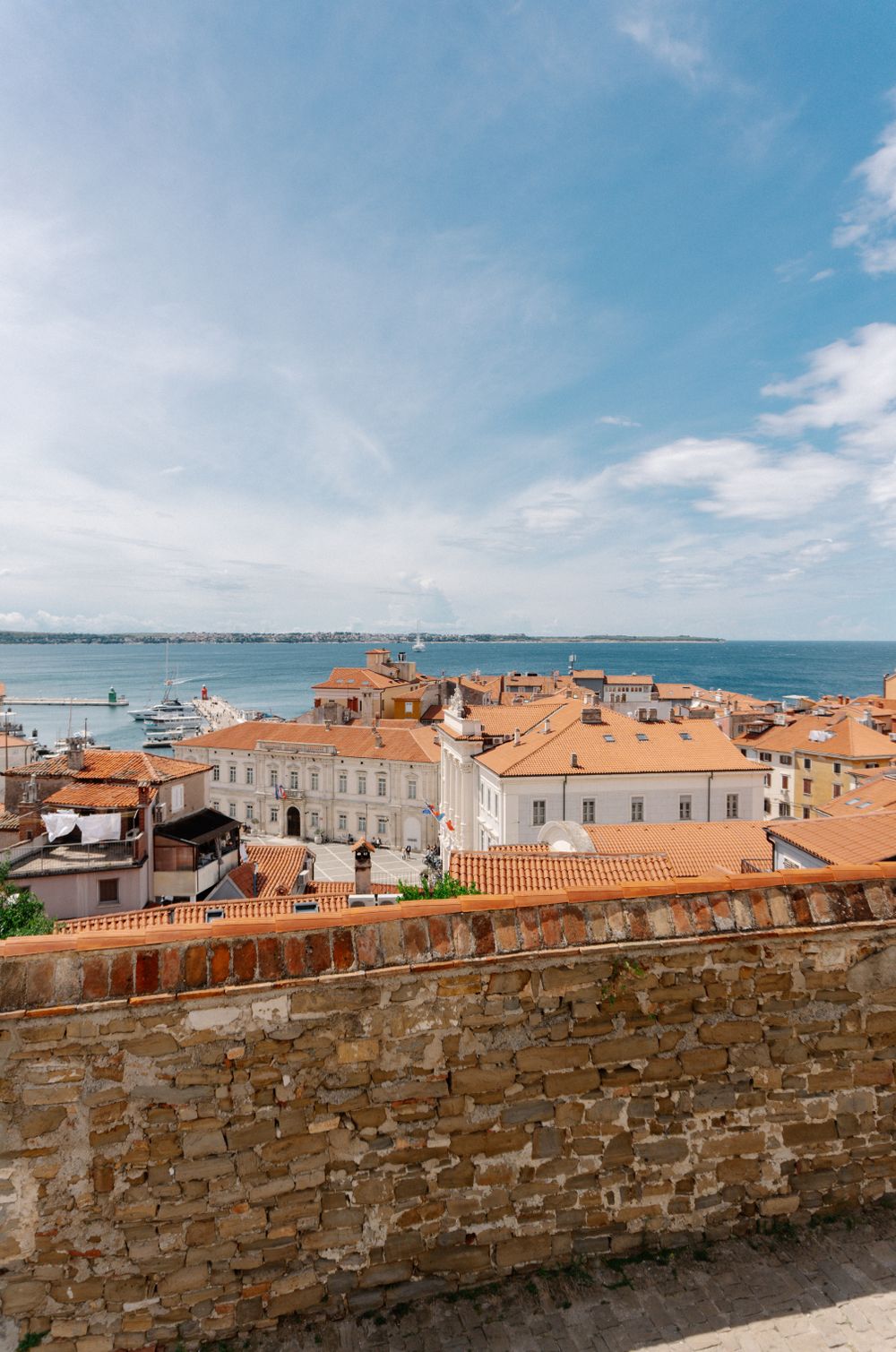
The longest surviving stretch of Piran's town walls climbs the slope of Mogoron Hill above the old town. A ticketed walk along it takes in…
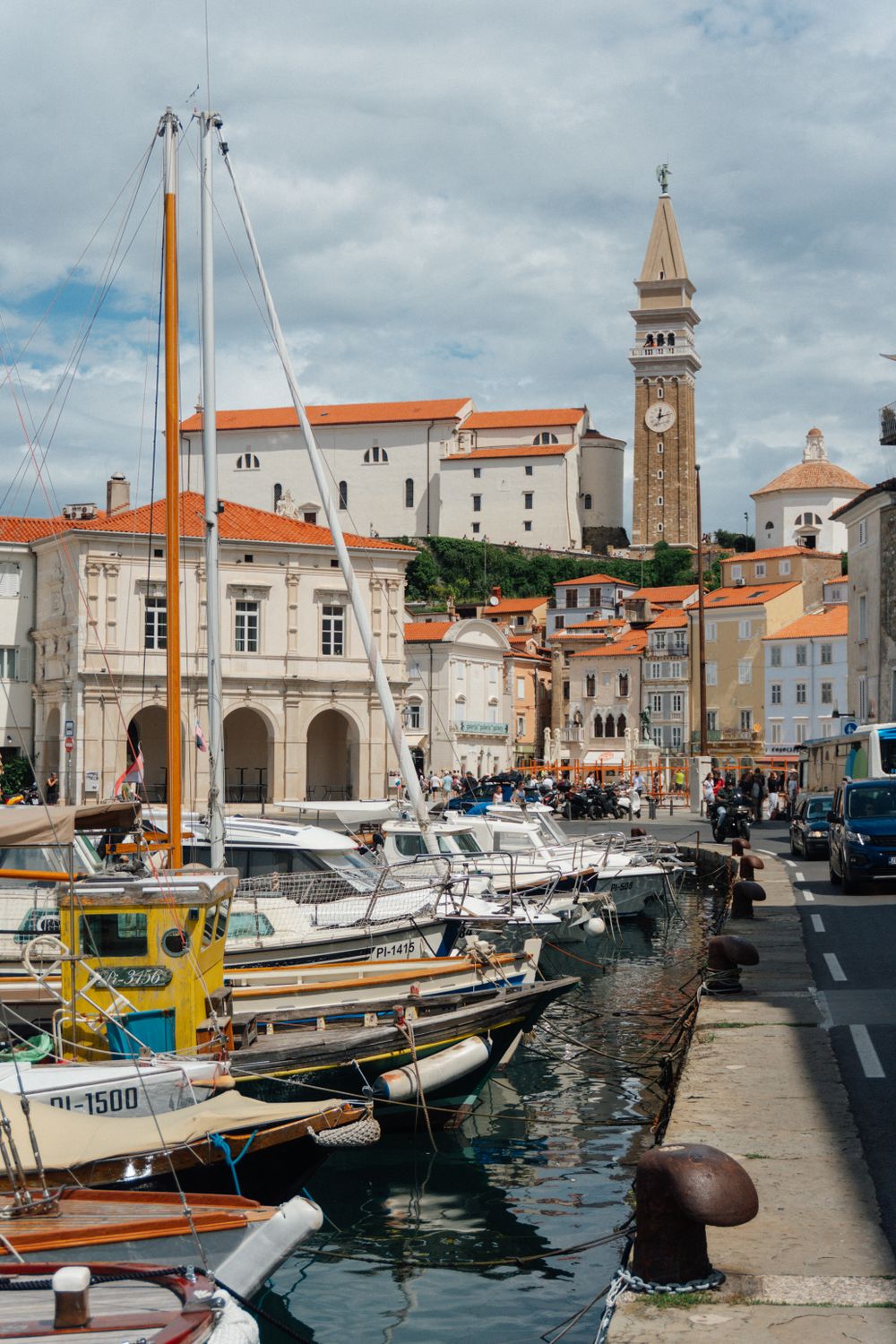
On the harbour front a few steps from Tartini Square, a small aquarium run by the University of Primorska keeps about 140 species from the…
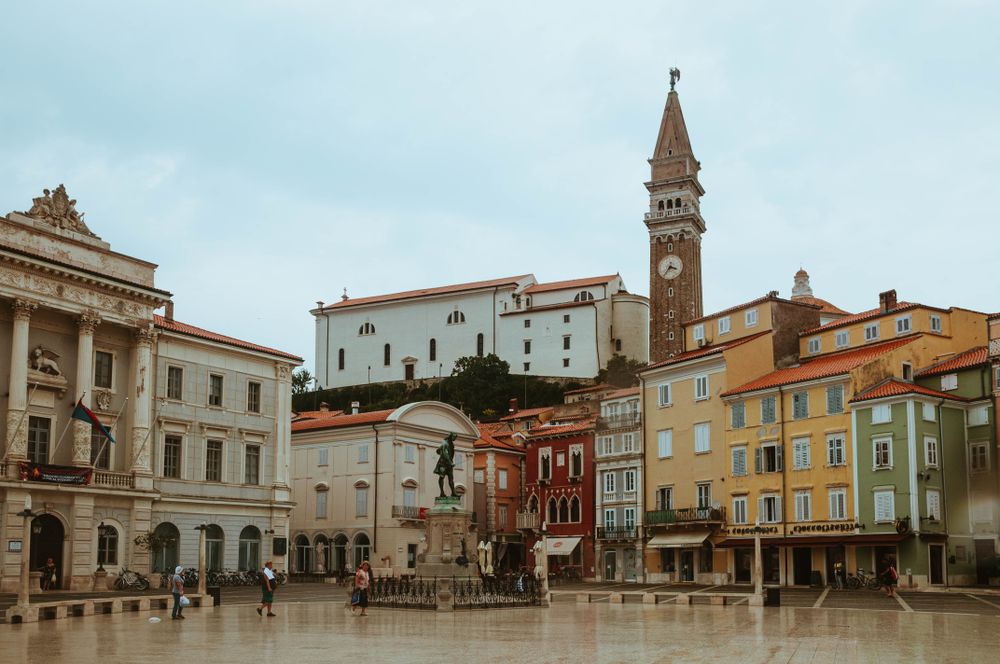
Facing the statue on Tartini Square, the house where the violinist Giuseppe Tartini was born keeps a memorial room with his violin, his…