 Submit a photo
Ninety seconds on Aquarium Piran
As of 2026, the aquarium is open Tuesday to Sunday and on public holidays from 10:00 to 19:00. It is closed on Mondays. Last entry is 20 minutes before closing.
Yes, entry is ticketed, with separate categories for adults, reduced rates, families and annual passes. Children under 2 and individuals with disabilities enter free, so those groups need no ticket at the door.
The aquarium shows about 140 species of northern Adriatic marine life across 25 tanks. Fish are the most numerous, joined by octopuses, squid, urchins and sponges. On site there are also ruins of the 11th-century St Nicholas church.
Yes. Twice a week, at feeding time, visitors can take part in preparing the animals' food and look behind the scenes. The aquarium desk holds the feeding days.
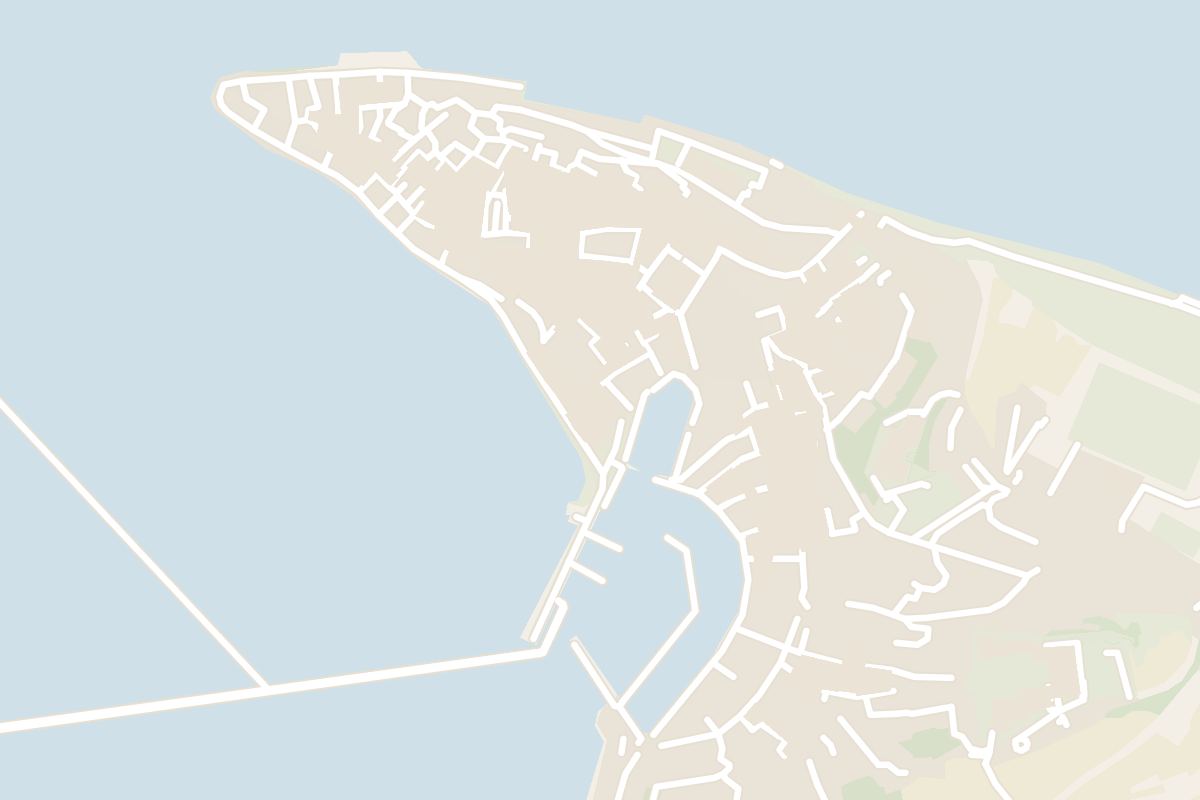
The aquarium is in Villa Piranesi, by Fishermen's Square in the old town. Drivers can park at one of the main car parks, take the mini bus that connects them with Tartini Square, and walk the short way down to the harbour.
Before you swim, snorkel or take a boat out from Piran, step inside to see the octopus, urchins and fish that live in the water around the town, kept in small tanks above the remains of a medieval church.
The tanks hold the marine life of the northern Adriatic, the sea outside the door. Its residents range from fish to sea urchins, sponges, squid and octopuses.
Each tank is small enough that you stand close to the glass and look into one at a time rather than past a single big window. An octopus or a sea urchin is easier to study at arm's length than across a hall.
Look down as well as ahead: the remains of the 11th-century Church of St Nicholas can be seen here, on the spot where the church stood long before the building above it.
Local hobbyists opened the aquarium in 1964 in part of Piran's old fishing school, and the building still sits beside the fishing harbour. It was renovated in 2009.
The way round is simple, in a single building on the harbour. Work along the tanks one by one at your own pace, and ask for the family ticket if children are with you.
Each tank holds a different part of the northern Adriatic, so the order of the route is the only plan a visit needs.
The tanks are relatively small, with a capacity between 250 and 400 litres. Moving from tank to tank is quick. Look past the fish to the sponges and sea urchins on the rocks in each tank.
Pair the aquarium with time on the water. Glass-bottomed boat tours and scuba diving both run nearby, and seeing the animals up close first tells you what to look for out on the sea.
The mini bus drops at Tartini Square, so walk down to the harbour from there. Tartini House stands on the same square, facing the statue, which makes a second indoor stop on a day of wind or rain.
Explore the rest of Piran
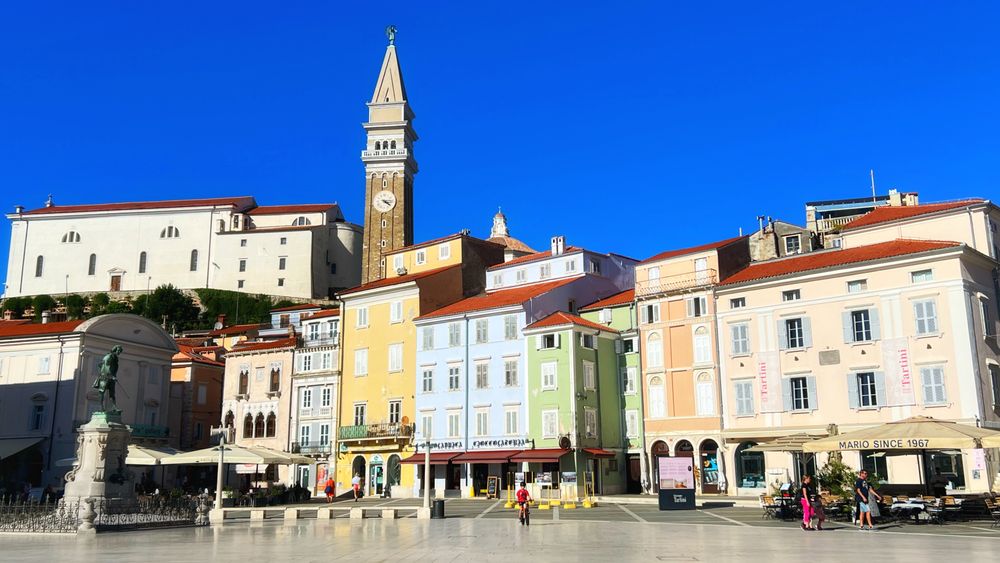
An oval of white Istrian stone in the centre of Piran, ringed with café terraces. A bronze statue of the violinist Giuseppe Tartini stands…
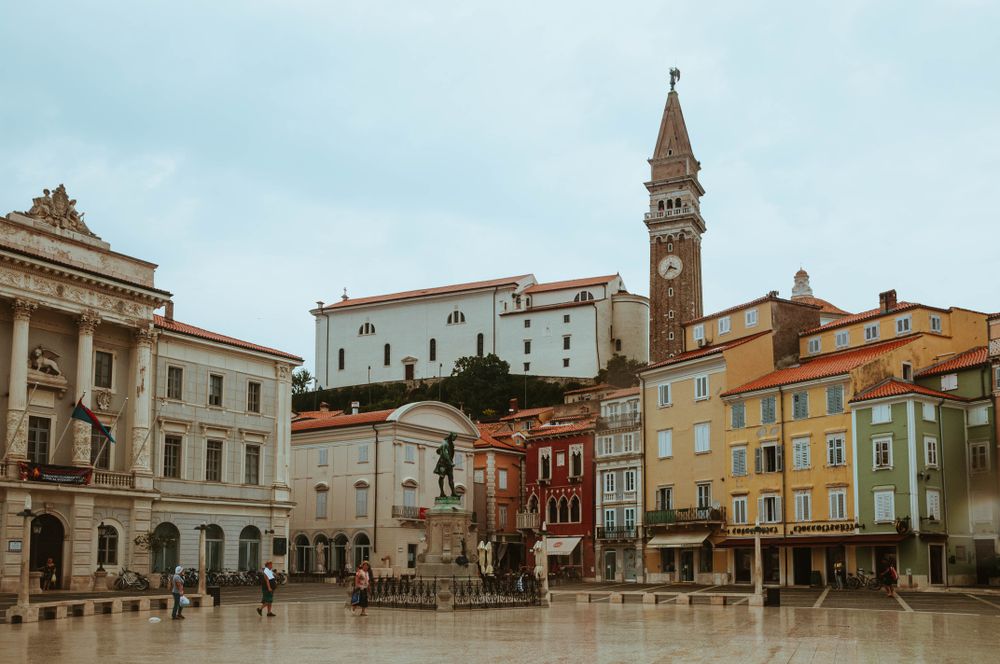
Facing the statue on Tartini Square, the house where the violinist Giuseppe Tartini was born keeps a memorial room with his violin, his…
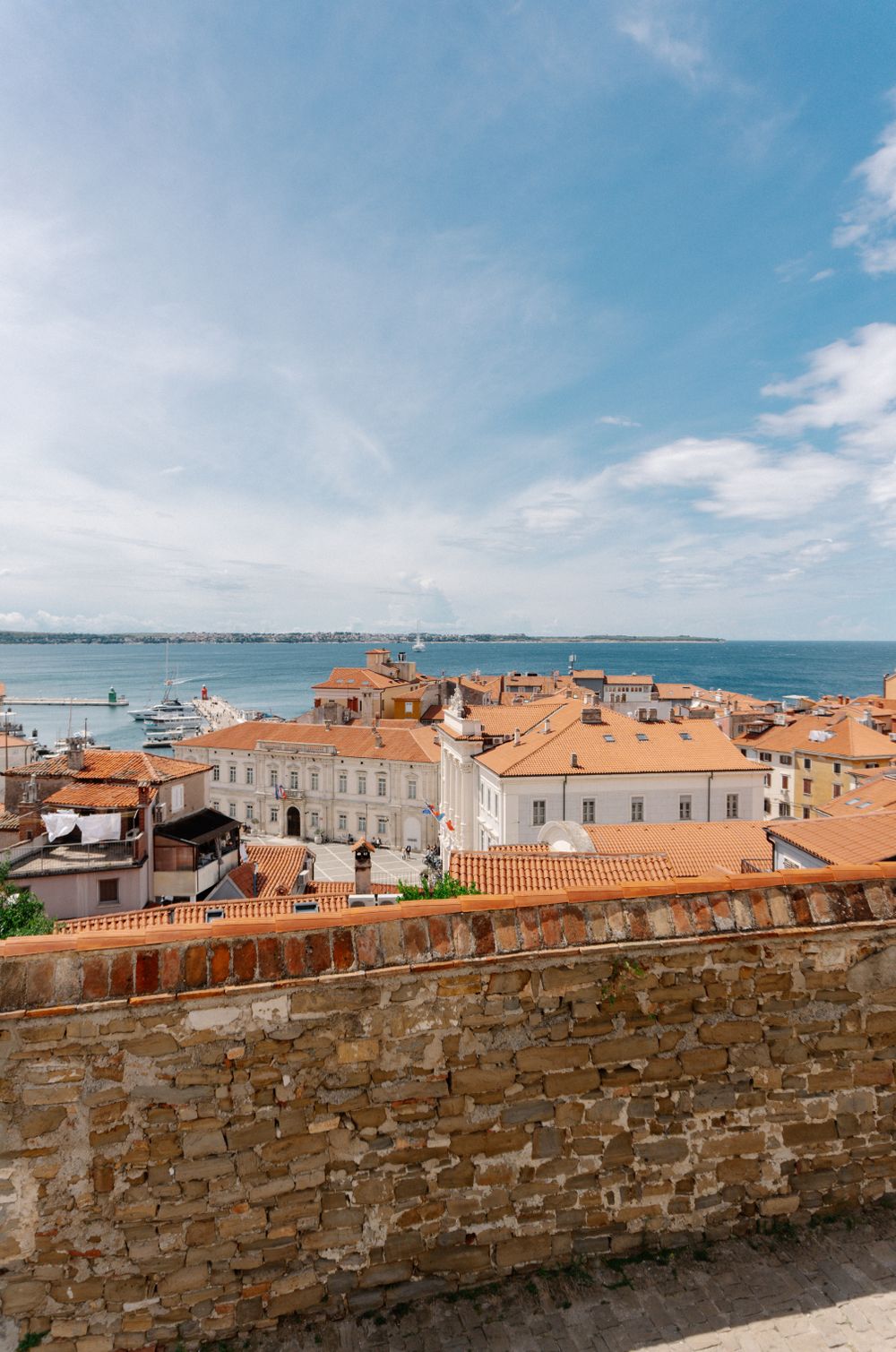
The longest surviving stretch of Piran's town walls climbs the slope of Mogoron Hill above the old town. A ticketed walk along it takes in…
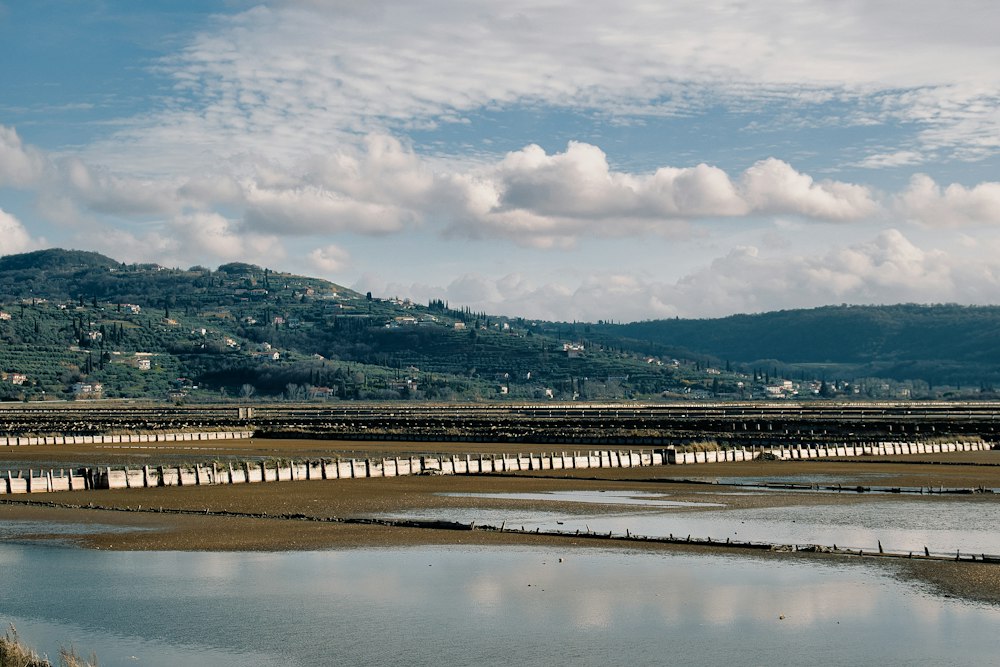
Salt is still raked by hand at Lera, on a thin microbial mat tended on the pan floor with wooden tools. The park south of Portorož also…
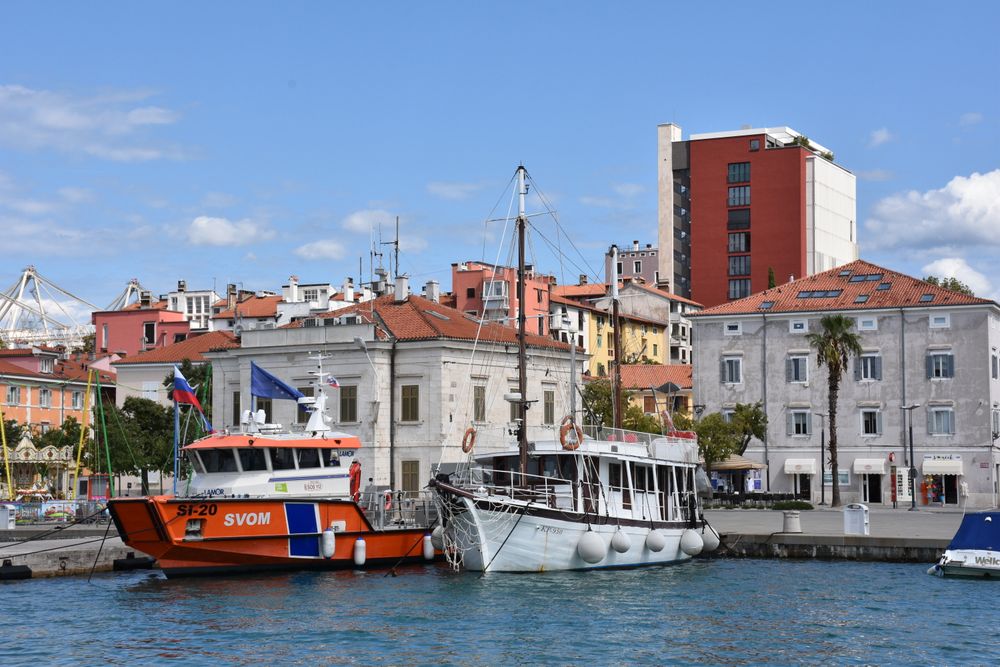
Venetian squares and a working cargo port share the same small peninsula on the Slovenian coast. Koper is the country's largest coastal…
Named for the Venetian painter Vittore Carpaccio, this small square sits on the western edge of Koper's old town, by the sea. The column of…
The largest museum in Slovenian Istria fills the Belgramoni Tacco Palace, an early seventeenth-century palace on Kidričeva Street in the…
Shaped like a small bridge over an octagonal basin, this stone fountain from 1666 stands on Prešeren Square at the southern edge of the old…
Last updated