 Submit a photo
Ninety seconds on Tartini House
As of 2026, Tartini House opens Tuesday and Thursday 10 to 13, Wednesday and Friday 15 to 18, Saturday 10 to 18 and Sunday 10 to 15 from October to May. From June to September it opens every day 9 to 12 and 18 to 21. The museum is closed on Mondays in both periods.
Yes, tickets are required for general admission and are bought at the museum. Free admission applies to some visitors, including preschool children, people with disabilities and group companions, and certain membership card holders.
The central exhibit is Tartini's violin, made around 1720. Portraits, a death mask, a marble bust and personal memorabilia are also on display, along with his papers. Painted walls, uncovered during restoration, show landscapes and still lifes.
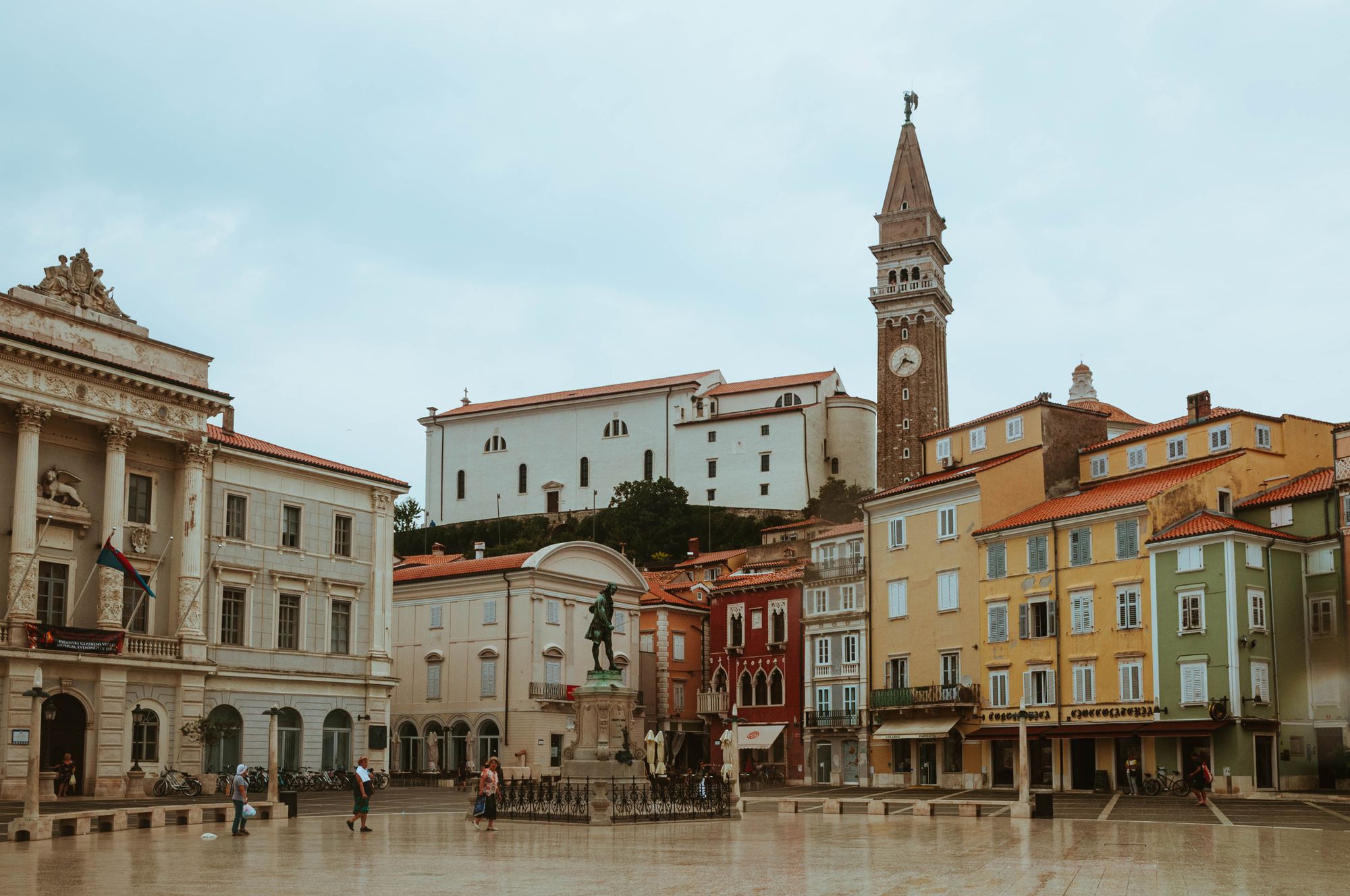
The house stands in Piran's historic centre, just off Tartini Square. The square is closed to traffic, so the approach is on foot, and the bronze statue of the violinist faces the house across it.
Yes, for groups. The Piran Maritime Museum offers professional guiding along the museum route for groups of up to 25 people, and tours for previously announced groups of more than 10 can be arranged outside the museum timetable.
Worth the short step off Tartini Square: inside the house where Giuseppe Tartini was born, you stand beside his own violin and under wall paintings made for his family.
The bronze in the middle of the square faces this house, and the violinist it shows was born inside. Giuseppe Tartini is remembered for The Devil's Trill, still one of the most demanding pieces ever written for the violin. A memorial plaque set into the façade marks the door.
The centrepiece is Tartini's own violin, made around 1720. Around it hang his portraits, with a marble bust and his death mask. Cases hold his manuscripts and his last will.
Look at the walls themselves: landscapes and still lifes, commissioned by Tartini's relatives, came to light during restoration work in the late twentieth century. The house is one of the oldest on the square, first recorded in 1384 as a Gothic building, and now wears a neoclassical front.
Photographs of the statue's unveiling sit among the documents.
Starting with the violin, the central exhibit, gives the room its order: work round the portraits, the bust and the death mask from there.
Leave time for the papers in the cases: the manuscripts and the last will reward a slower look than the portraits. The collection is a non-residential unit of the Piran Maritime Museum, set up in the house where he was born.
The building is also the seat of the Italian Community and hosts exhibitions, cultural events and art workshops, so a show or a class may be on beside the memorial room.
Start your walk through the old town here: Tartini Square and its theatre are right outside.
See the room first, then cross to the statue, made by the Venetian sculptor Antonio dal Zotto in 1896. Look past it and up to the Church of St George on the hill, which it was placed to line up with.
Explore the rest of Piran
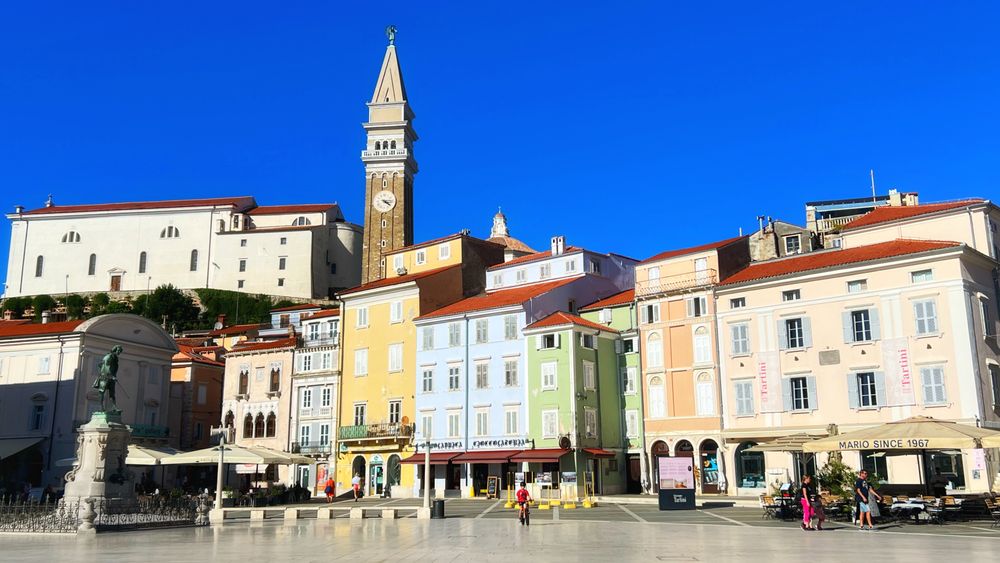
An oval of white Istrian stone in the centre of Piran, ringed with café terraces. A bronze statue of the violinist Giuseppe Tartini stands…
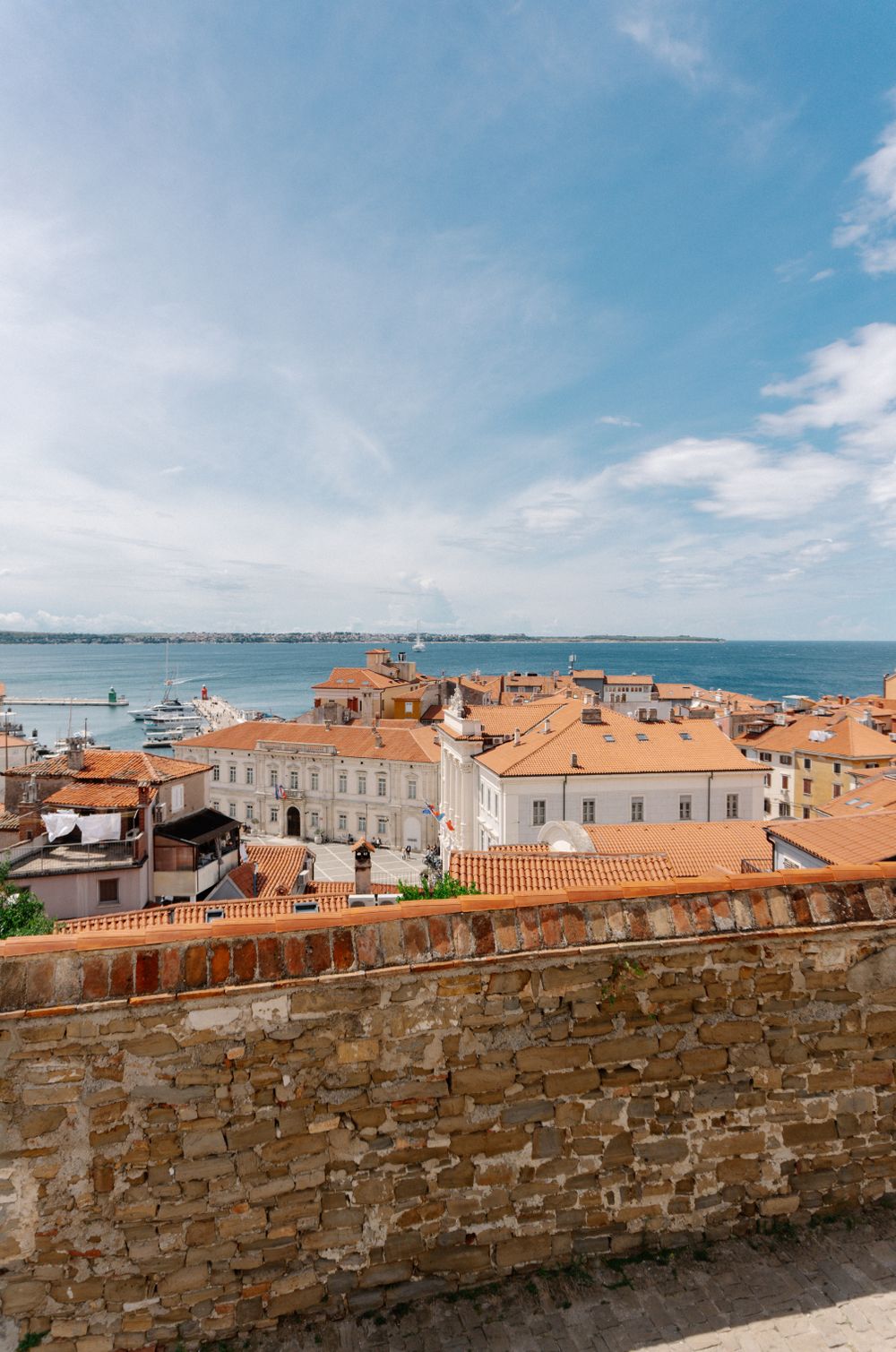
The longest surviving stretch of Piran's town walls climbs the slope of Mogoron Hill above the old town. A ticketed walk along it takes in…
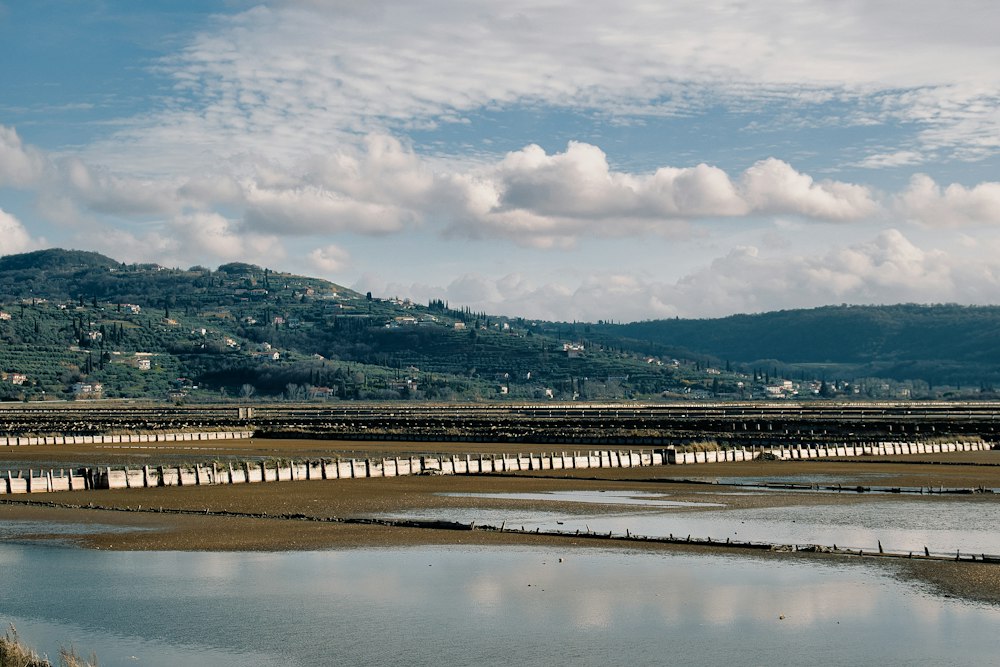
Salt is still raked by hand at Lera, on a thin microbial mat tended on the pan floor with wooden tools. The park south of Portorož also…
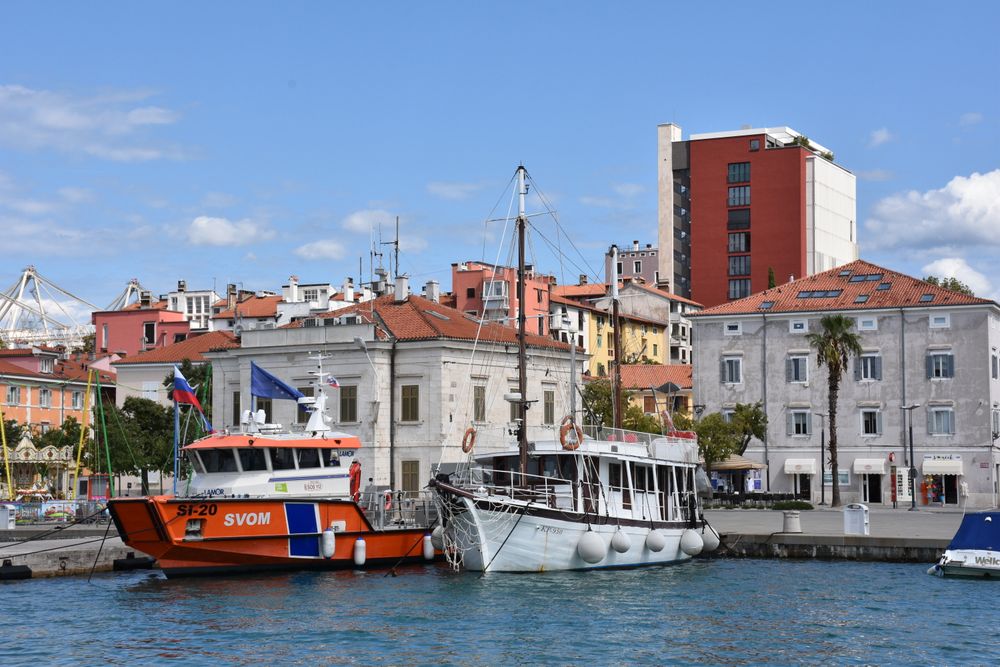
Venetian squares and a working cargo port share the same small peninsula on the Slovenian coast. Koper is the country's largest coastal…
On the harbour front a few steps from Tartini Square, a small aquarium run by the University of Primorska keeps about 140 species from the…
Named for the Venetian painter Vittore Carpaccio, this small square sits on the western edge of Koper's old town, by the sea. The column of…
The largest museum in Slovenian Istria fills the Belgramoni Tacco Palace, an early seventeenth-century palace on Kidričeva Street in the…
Shaped like a small bridge over an octagonal basin, this stone fountain from 1666 stands on Prešeren Square at the southern edge of the old…
The official pages this guide was checked against.
Last updated