Ninety seconds on Lavaux
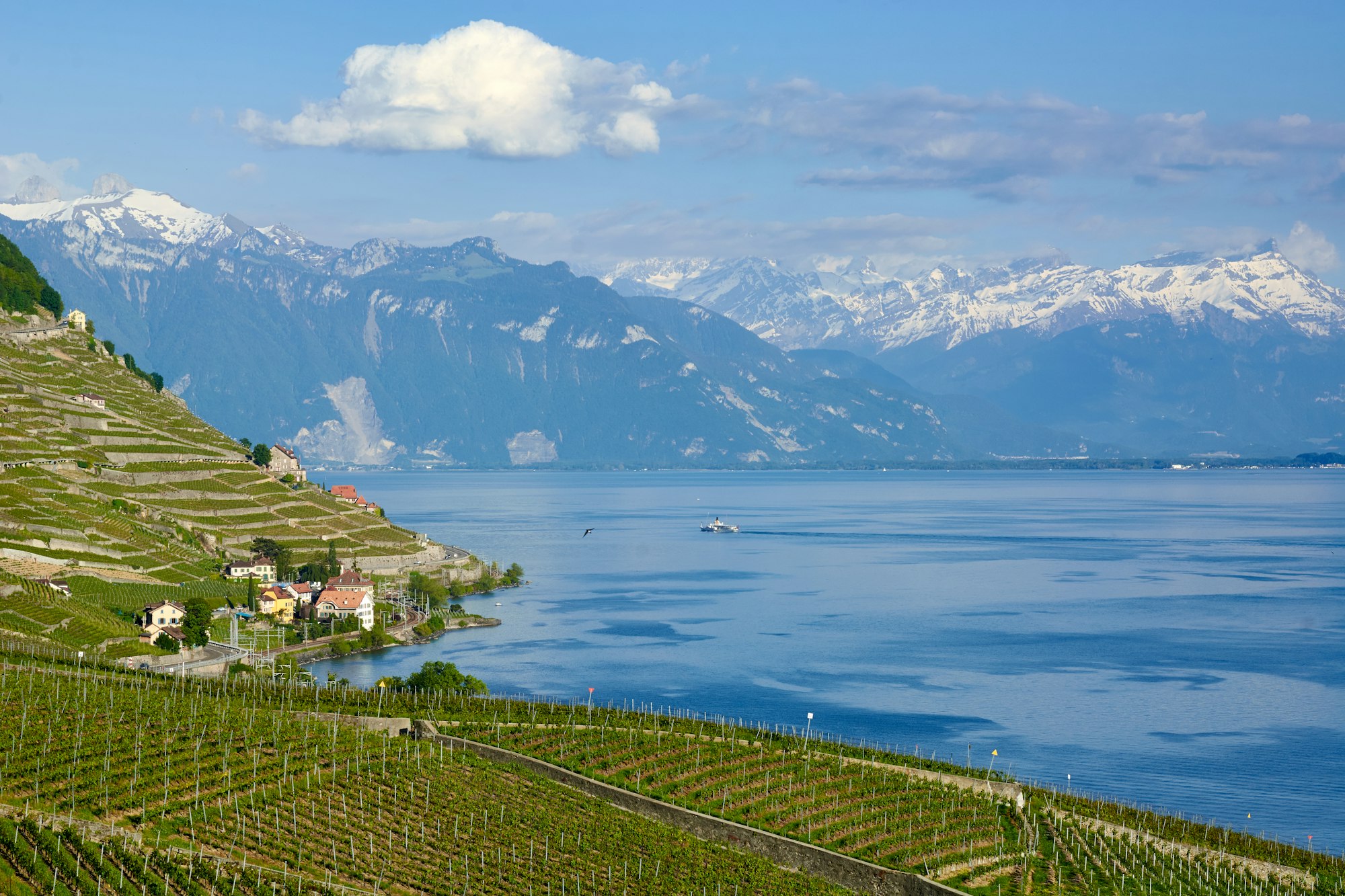
Walk the vine paths of Lavaux, on the lake east of Lausanne, for a hillside of stone-walled terraces dropping into Lake Geneva, still worked by the families whose cellars you can stop at on the way.
What you are looking at is a slope built by hand. More than 400 km of dry-stone walls hold up over 10,000 terraces, and the vines grow on the narrow shelves between them. UNESCO listed the vineyard in 2007 as a living cultural landscape, protected because it is still farmed.
Monks cleared the wild hillside and shaped it into terraces. The Dézaley, the steepest stretch, was worked by the Cistercians in the 12th century.
Among the vines, look for the capites, small stone huts where growers once kept their tools. Then look at the light. Growers speak of the three suns of Lavaux: the sun itself, its reflection off the lake, and the warmth stored in the stone walls.
The slope faces south-southwest and is partly sheltered from the north winds, so it gets long hours of sun.
Four marked walking routes cross the vineyard, all reachable by public transport. Regional trains stop in the lakeside villages, so you can walk one way through the terraces and take the train back from wherever you finish.
For a shorter walk, the Route des Grands Crus is a 3 km signed path with panels on the growers' work.
Taste after the walk, not during it, because the paths are steep and stony. The region's tasting centre holds about 300 Lavaux wines to try there or take away. Family cellars in the villages open all year, some only by appointment, so ring ahead before you walk to one.
Take a heritage guide if you want the walls, the capites and the wine explained as you walk. The Lavaux Patrimoine mondial association trains and certifies every guide, and between them they work in 10 languages.
Weekend public walks follow set routes and end with a glass of wine; check the association's calendar for this season's dates. Private and group tours let you choose the route. On the Pentecost open-cellars weekend, guides lead free walks from Cully and Chexbres between 10am and 3pm, with no booking.
Wear walking shoes or trainers with grip, because the vineyard paths are often stony. If you bring a picnic, eat it in the spaces set aside for one and carry your rubbish out.
During vine work, growers on the slope may ask you to wait or step aside, so do as they say. Cyclists must keep to Suisse mobile routes 478 and 46, since the vine paths are closed to bikes.
Explore the rest of Lausanne
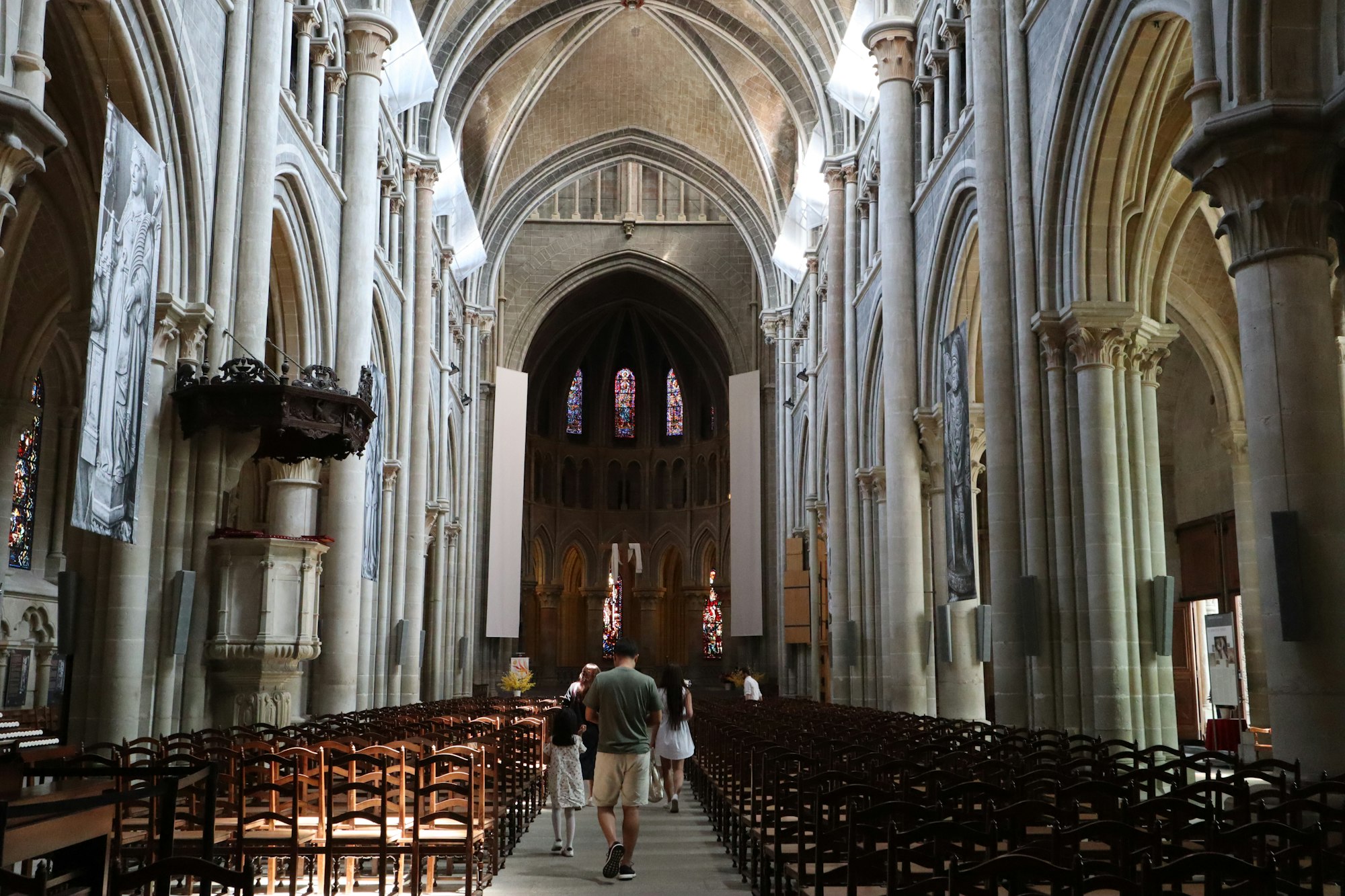
Crowning the old town's high point, this Gothic cathedral was consecrated in 1275 and keeps a thirteenth century rose window in its south…
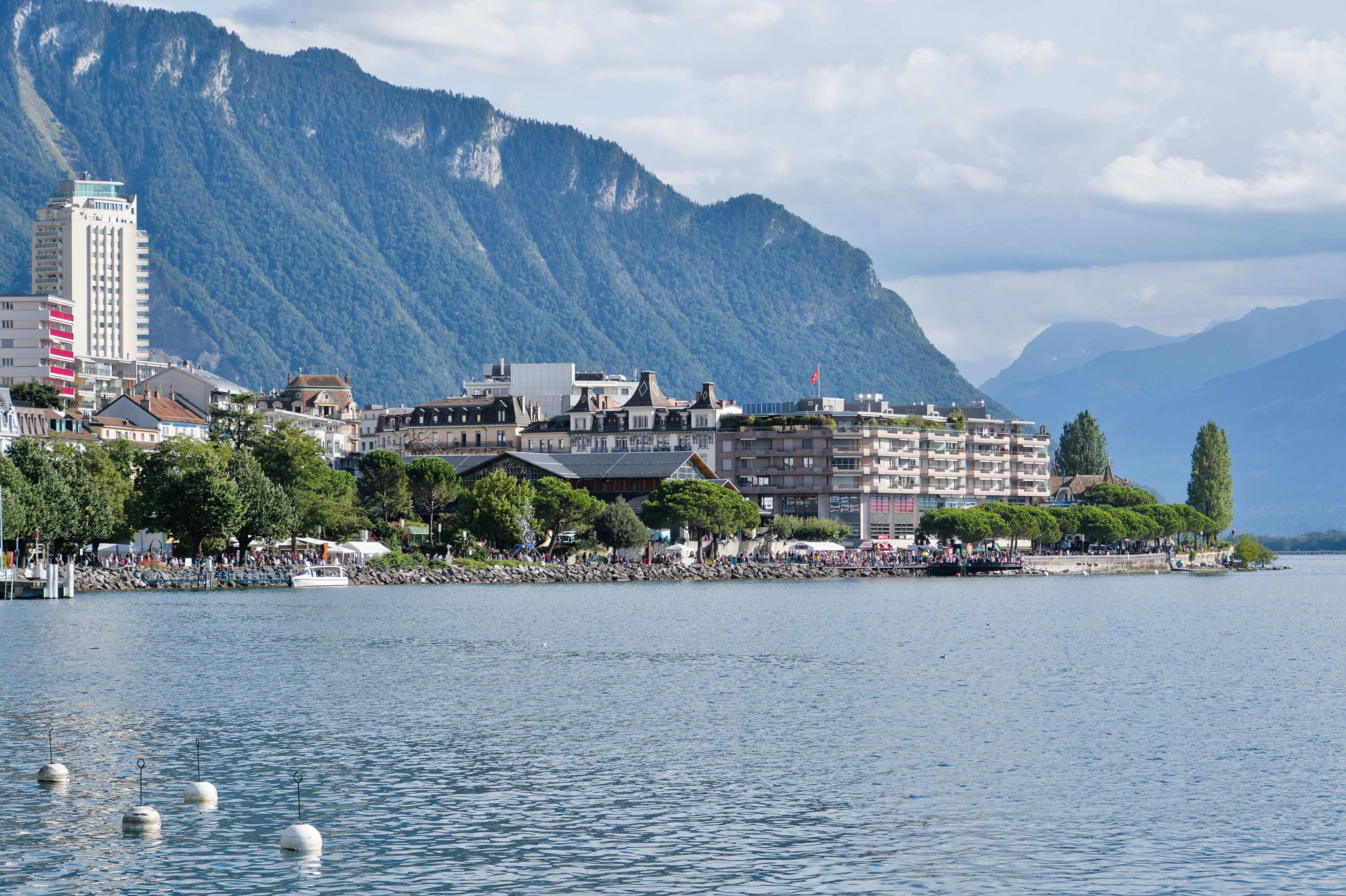
A lakefront town on the sheltered eastern end of Lake Geneva, warm enough for palms and cypress along a promenade of about seven…
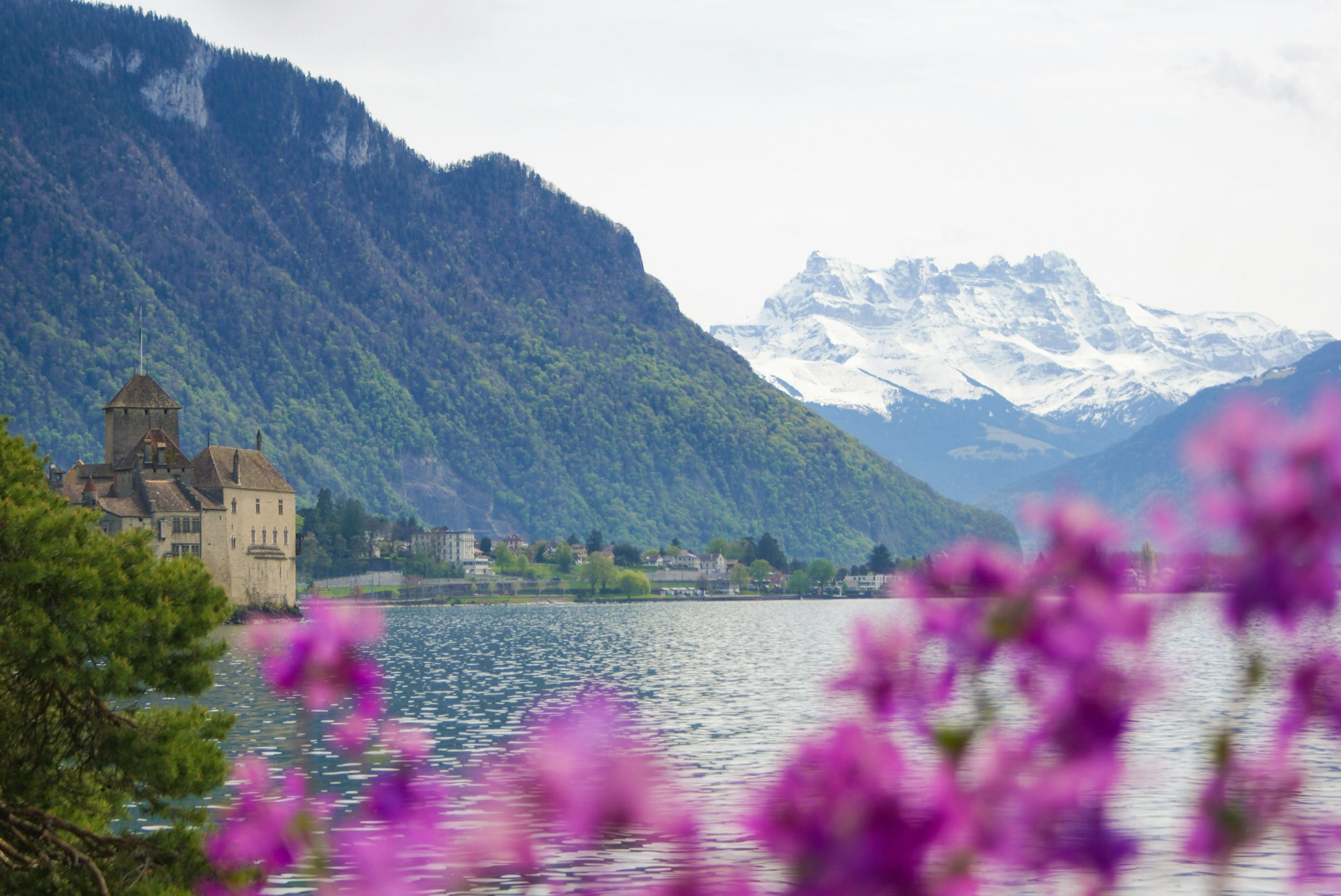
A castle on a rock in the lake, held by the counts of Savoy from the twelfth century, with the vaults where Francois Bonivard was chained…