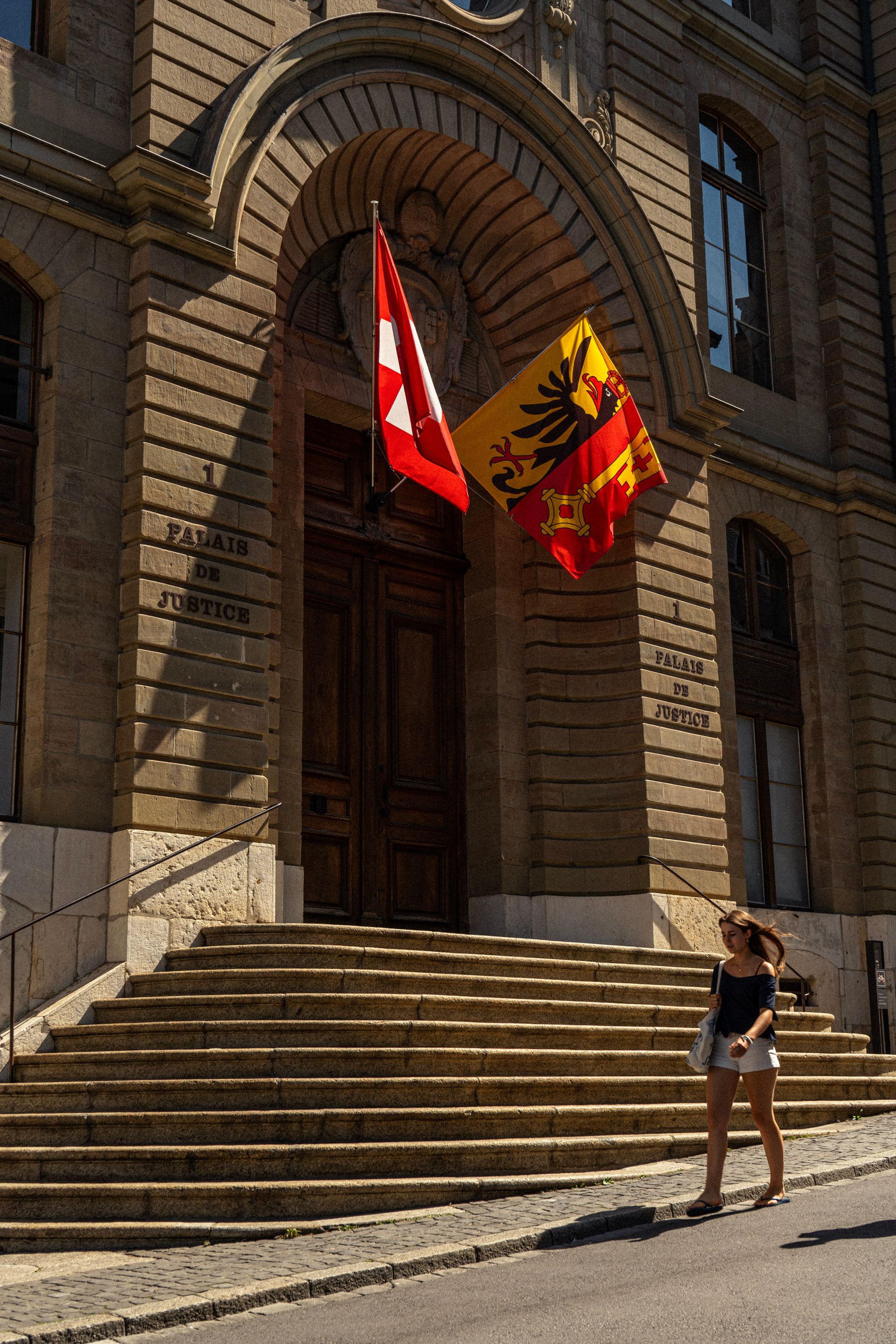
Ninety seconds on Palais de Rumine
Palais de Rumine stacks Lausanne's archaeology, geology and zoology museums inside one neo-Florentine palace on Place de la Riponne. The climb ends on the zoology floor, where a great white shark, a polar bear and a tiger stand in galleries laid out the nineteenth-century way.
Gabriel de Rumine left a huge sum to Lausanne when he died in 1871, and the neo-Florentine palace it paid for opened in 1906. Inside are high ceilings, marble floors, overlapping ramps and a small pond in the atrium. Stop on the main staircase, where the flights stack into an optical illusion as you climb.
The geology galleries hold a dodo, an ichthyosaur, giant fossil palms and the Le Brassus mammoth, dug out of a gravel pit in the Jura. They also show meteorites, hundreds of minerals and a collection of precious stones.
Higher up, the zoology galleries keep a deliberately old-fashioned layout modelled on museums of the nineteenth century. Their star is a great white shark, the largest naturalised specimen in the world, shown with a tiger, a moose and a polar bear.
Look for the comparative anatomy room, built for university teaching and barely changed since, with its rows of jars and skeletons. The zoology floor also holds the world's largest cryptozoology collection, devoted to animals nobody is sure exist.
At entrance level, the archaeology and history museum runs from nomadic hunter-gatherers through the Celts and Romans to recent Vaud history. The canton's coins and medals are now part of the same displays.
Before heading upstairs, leave coats and bags in the cloakroom or lockers by the entrance. The archaeology galleries open on both sides of the entrance, so you can see them first or save them for the way out.
Geology is on the third floor and zoology on the fifth, a long climb of stairs if you skip the lifts. The zoology visit begins once you reach the top floor. You meet the tiger and the polar bear, then the small multi-coloured birds, and the signs lead you on from there.
The cantonal archaeology museum runs free tours of the building itself, taking small groups into basements, turrets and stairways that are otherwise closed. Places are limited and registration is compulsory, through the link on the agenda page of mcah.ch. The collections themselves are easy to see on your own.
Expect little explanation on the walls and few interactive displays, so read up before you go if labels matter to you. Entry is also free for under-26s and for everyone on the first Saturday of the month, when the galleries fill up.
After the zoology floor, leave by the footbridge from the top floor across to the Cité, the old town around the cathedral. From there, look back over the palace roof at sunset.
Explore the rest of Lausanne
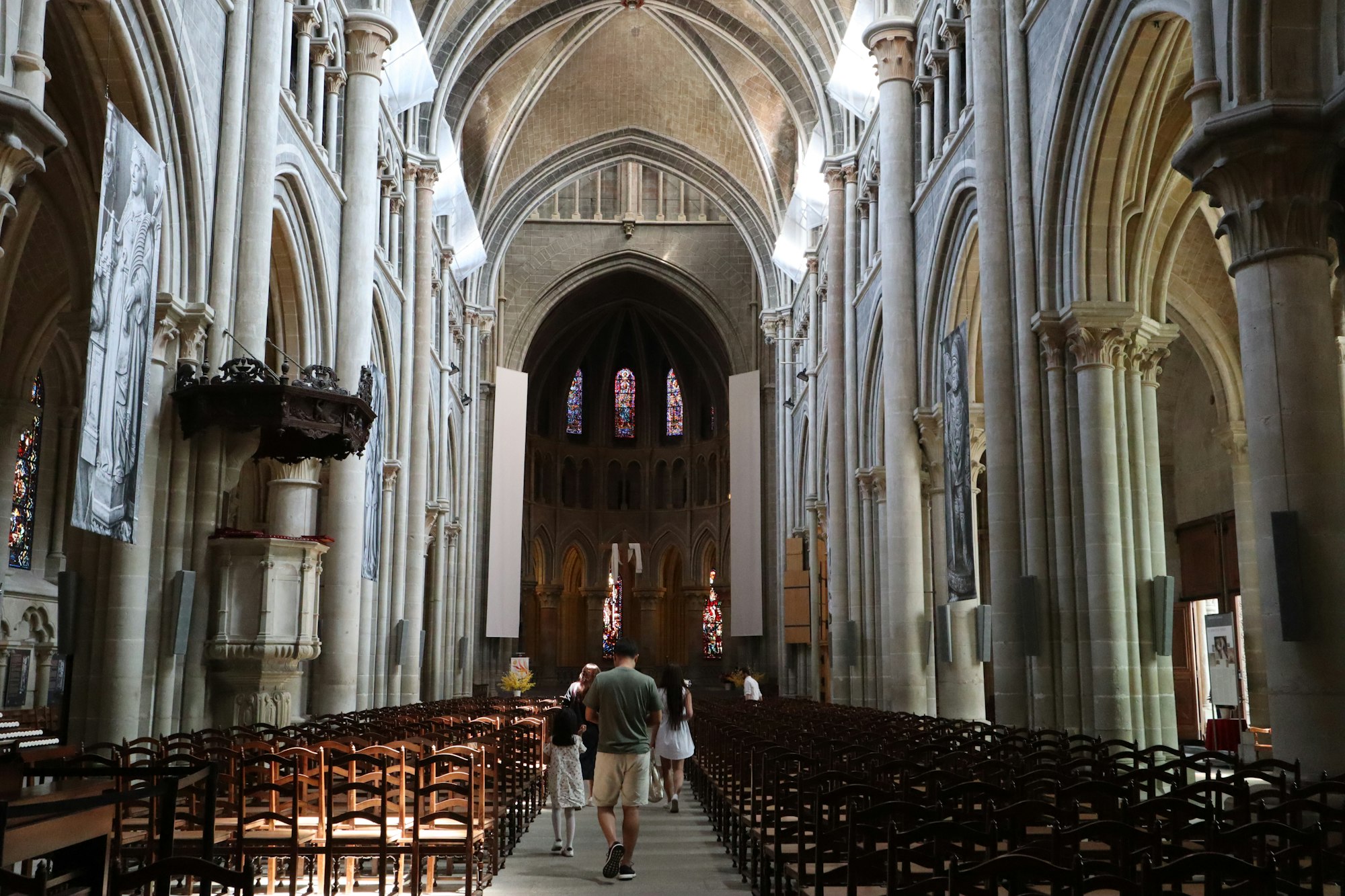
Crowning the old town's high point, this Gothic cathedral was consecrated in 1275 and keeps a thirteenth century rose window in its south…
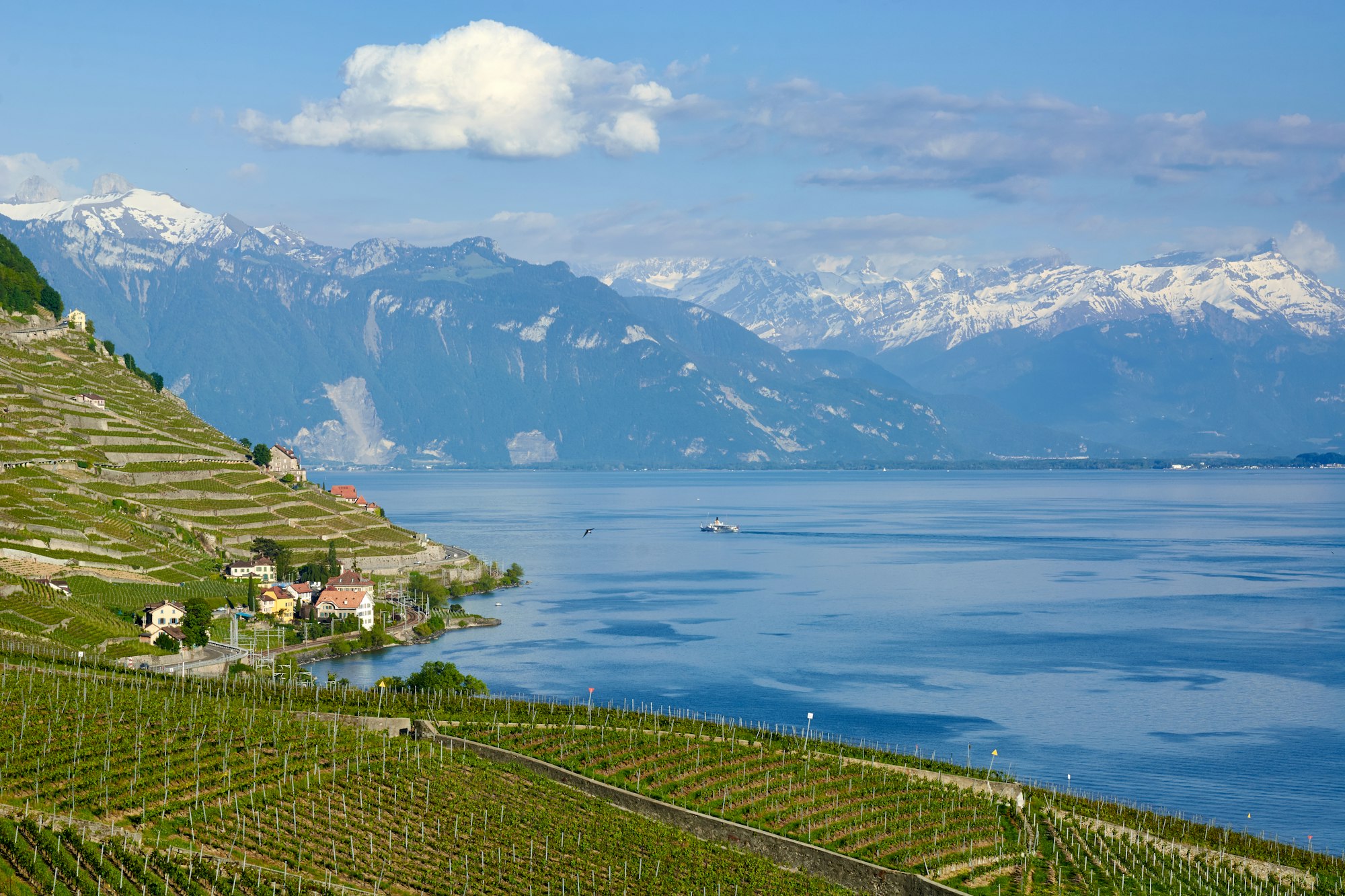
Nearly 800 hectares of terraced vineyard on Lake Geneva east of Lausanne, held up by dry-stone walls and protected by UNESCO as a living…
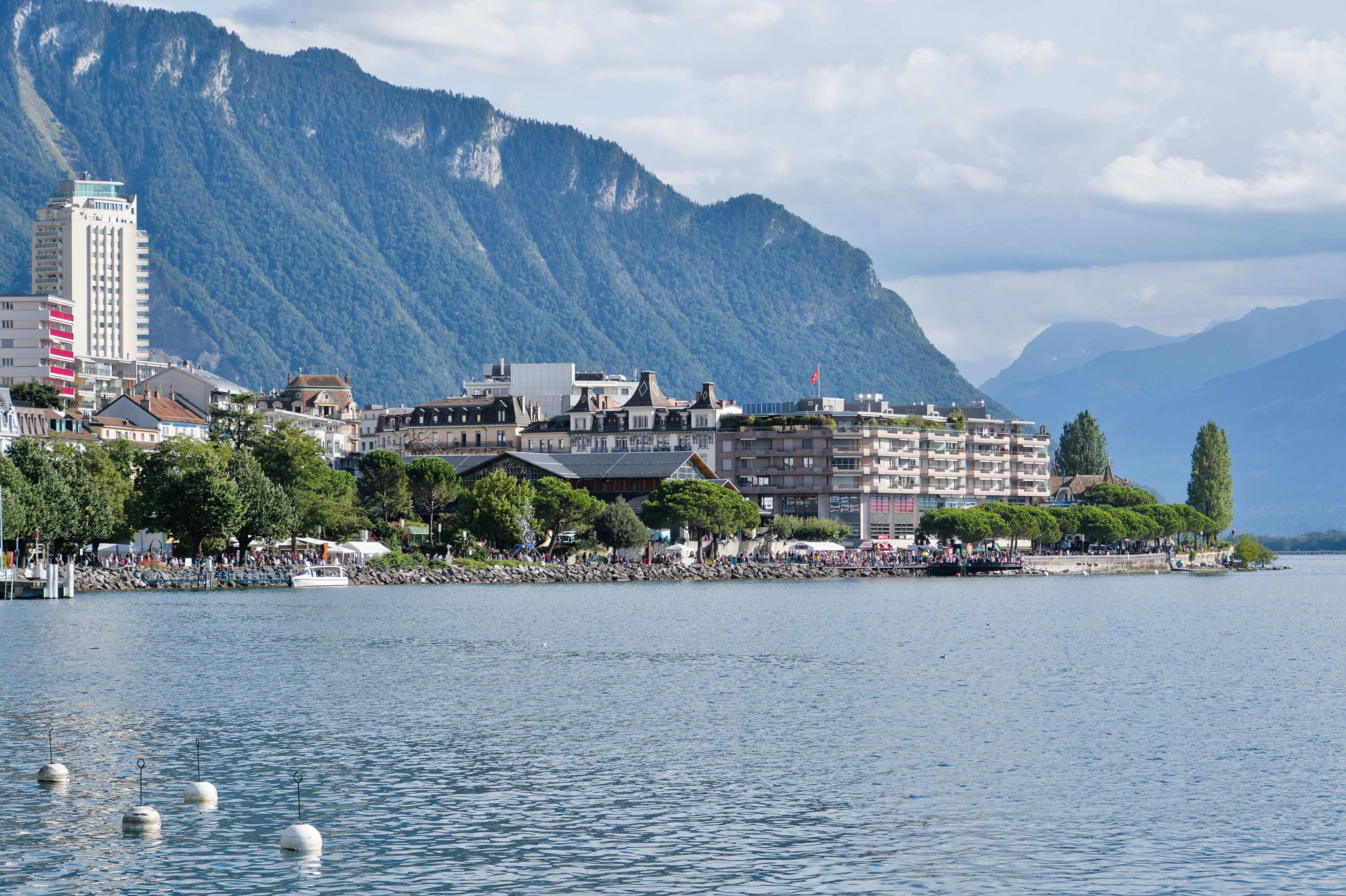
A lakefront town on the sheltered eastern end of Lake Geneva, warm enough for palms and cypress along a promenade of about seven…