Ninety seconds on Yivli Minaret Mosque
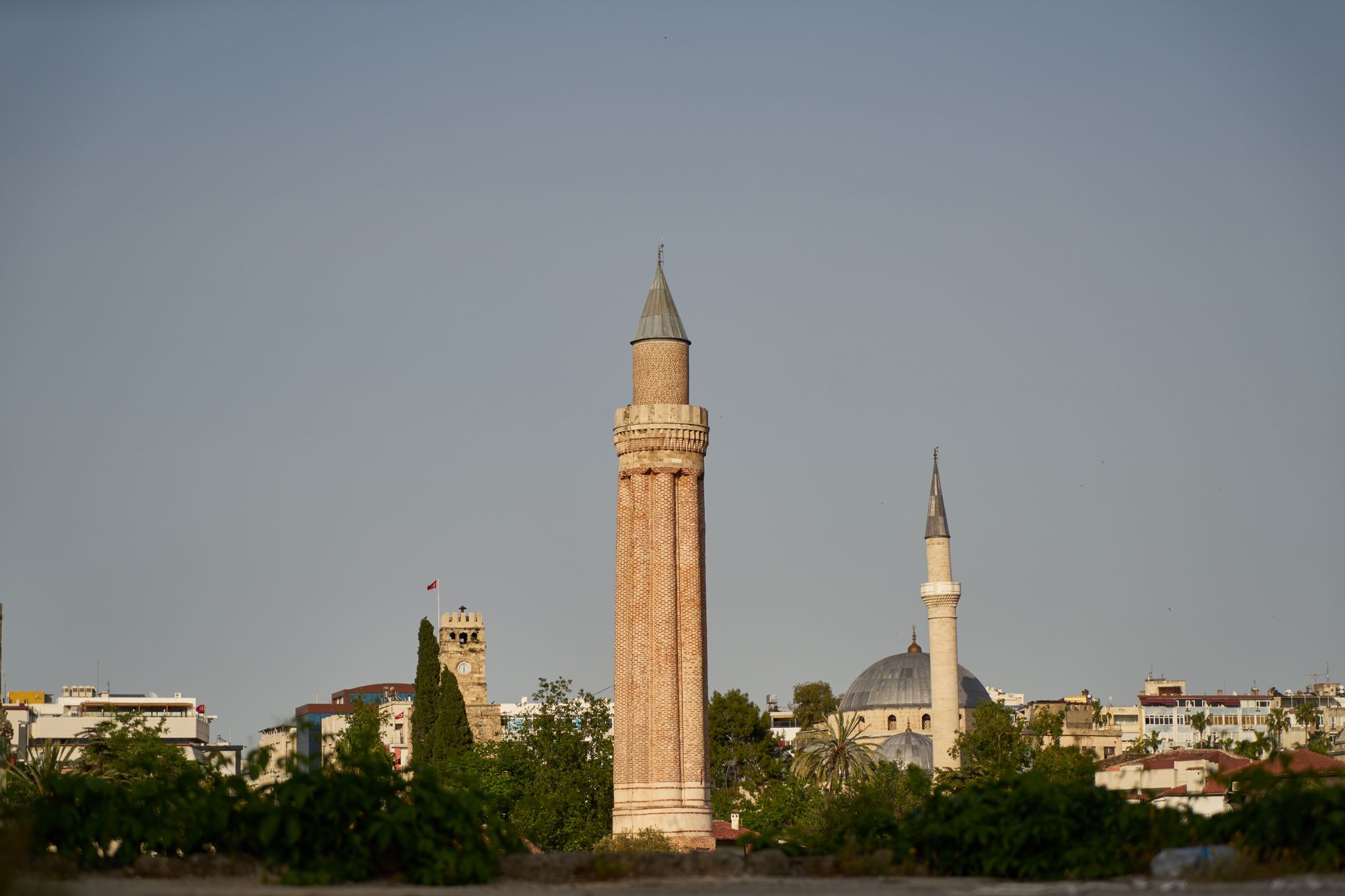
A fluted brick minaret, still traced with turquoise tile, can be seen from almost every corner of Antalya, and you can walk from its base into the working mosque beside it to stand under the domes between prayers.
Eight half-cylinders of brick run the full 38 metres of the shaft, and that fluting gives the tower its name: yivli means fluted. Turquoise and dark blue tiles were laid in alternating rows, so the shaft reads as vertical stripes, and fragments of the glaze still show.
The tower went up under the Seljuk sultan Alaaddin Keykubat, whose inscription it still carries. It is Antalya's first Turkish building and now the city's emblem.
The mosque beside it was first built around 1230 over a ruined Byzantine church. Its prayer hall is covered by six domes in two rows, carried on twelve columns.
A recent restoration uncovered old water channels beneath the prayer hall, built to cool and warm the building with the seasons, and a glass section of floor now shows them.
Outside on Kalekapısı Square, look up at the fluted shaft first. Then go in through the courtyard to the mosque, which stands just west of the tower.
At the door, take off your shoes and make sure your shoulders and knees are covered. Headscarves and wraparound skirts are usually available at the entrance for women who need them.
Inside, walk the hall under the domes and look up at the column capitals, which do not match because they came from older buildings. There is no ticket; a collection box by the door takes donations toward upkeep.
The Atabey Armağan Madrasah stands just east of the minaret. The Mevlevihane nearby is now a small museum, with three display cases of Mevlevi objects and costumes.
Each of the five daily prayers closes the mosque to visitors for about half an hour. If you arrive during one, wait in the square until the doors reopen. Photographs are fine in the hall outside prayer times, but put the camera away while a prayer is on.
Prayer times move through the year, so check the day's times in a prayer-times app before you plan the visit.
Explore the rest of Antalya
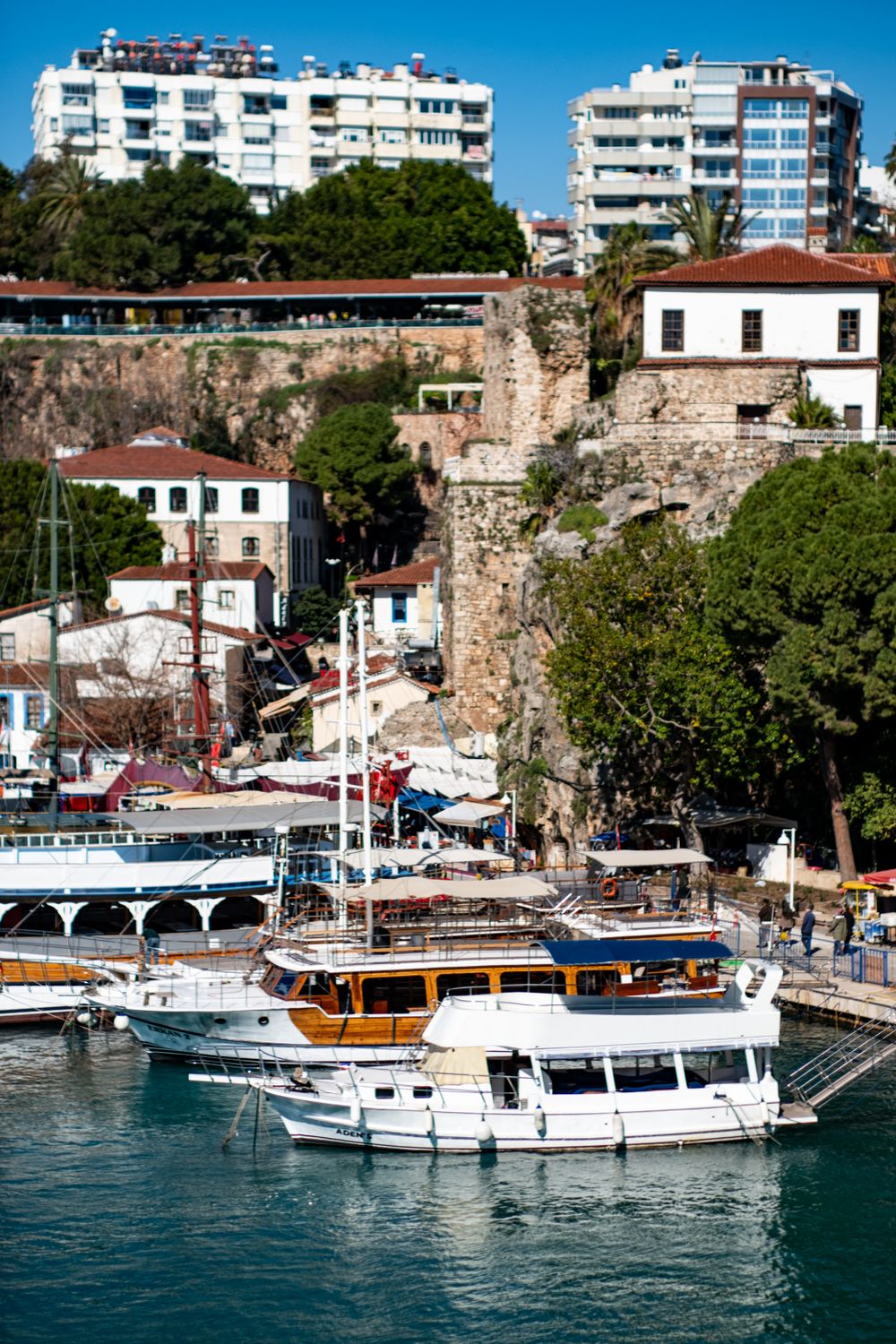
Enclosed by the old sea walls below Kaleiçi, the small Hellenistic harbour is lined with gulets and excursion boats. The boats out to the…
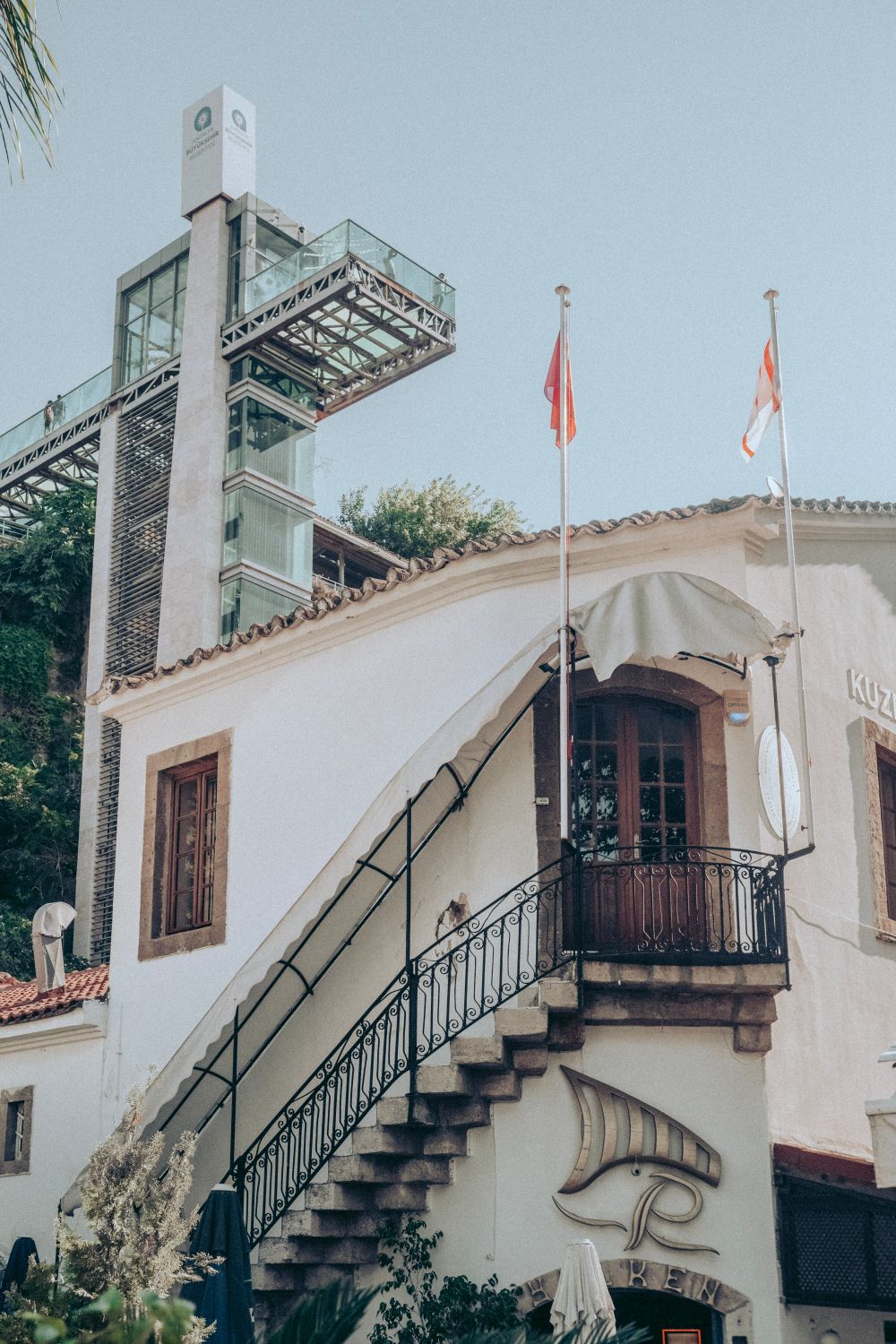
A restored 19th-century Antalya house inside the walls of Kaleiçi, staged with life-size figures of old household customs, and in its…
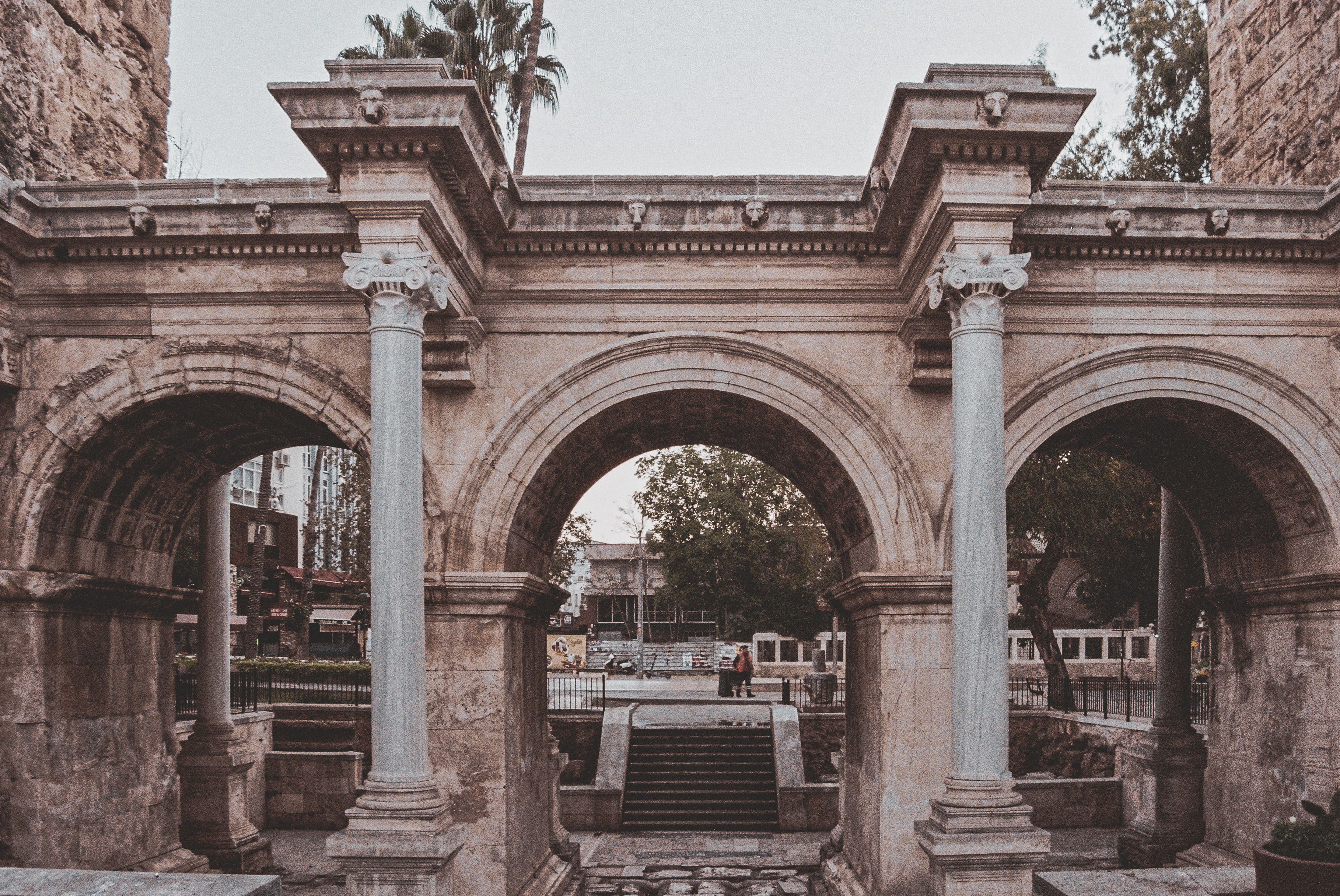
A triple marble arch raised for the emperor Hadrian's visit and later hidden inside the city walls, which helped preserve its carving.…