Things to do
8-
Griffith Observatory
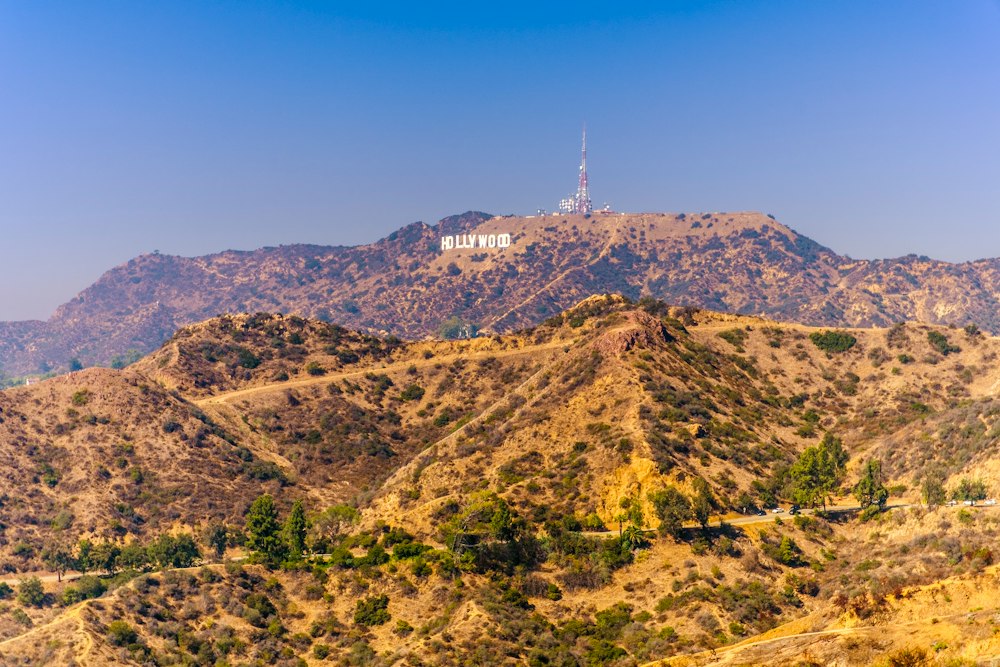
Three copper domes on the south slope of Mount Hollywood, Art Deco and free to enter since the nineteen thirties. A Foucault pendulum swings in the rotunda and a ticketed planetarium sits under the central dome. The lawn looks over the whole basin, with the Hollywood Sign on the ridge behind. Parking fills by late afternoon; a shuttle runs from the Greek Theatre.
-
Hollywood Sign
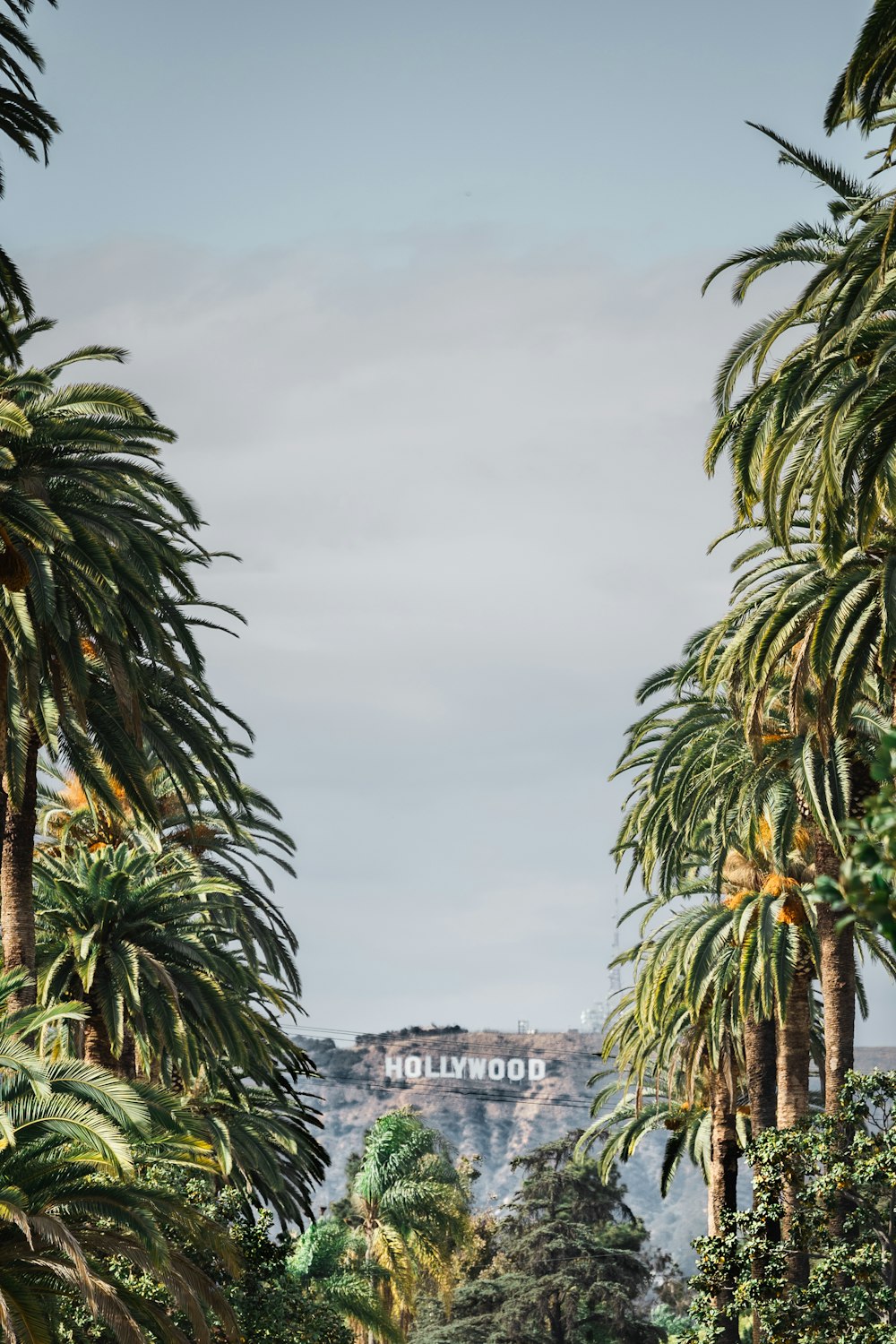
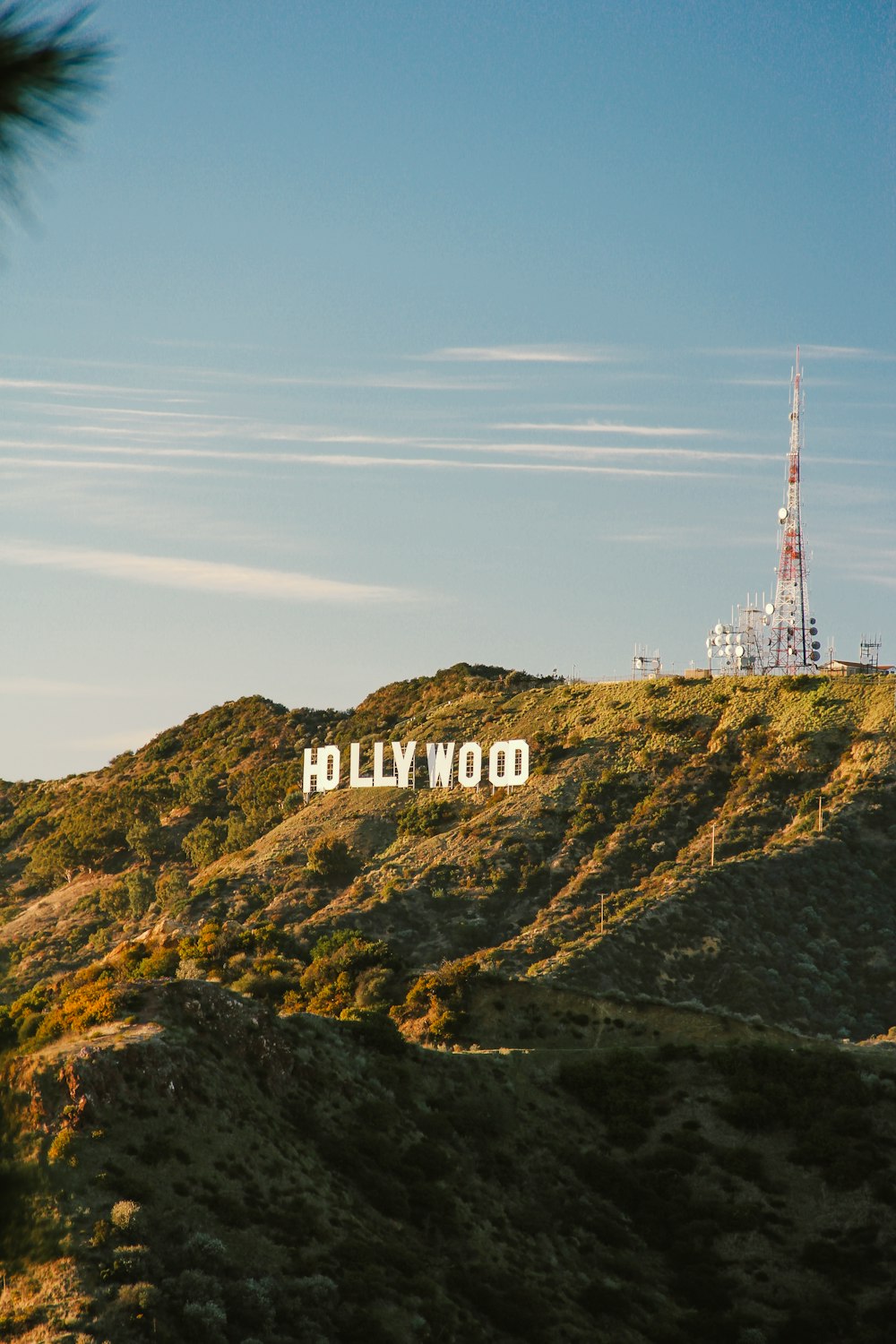
Letters about fourteen metres tall on the south face of Mount Lee, put up in the nineteen twenties to advertise a housing development called Hollywoodland; the last syllable came down decades later. No path reaches the letters themselves, which sit behind a fence and cameras. Trails from Griffith Park climb to the ridge above them, a couple of hours up and back, with no shade.
-
Hollywood Walk of Fame
Brass and terrazzo stars run along Hollywood Boulevard for roughly two kilometres, with a short arm on Vine Street, each carrying a name and an emblem for film, television, radio, theatre or recording. The stretch outside the Chinese Theatre, where handprints are set into the forecourt, is the busiest block and the one worked hardest by costumed hustlers. Early morning is the hour to read the pavement in peace.
-
Los Angeles County Museum of Art
Two hundred and two cast iron street lamps, Chris Burden's Urban Light, stand at the Wilshire Boulevard entrance and are photographed more than anything inside. The collection spans Korean ceramics, Latin American modernism, Islamic art and a Japanese pavilion built around a spiral ramp. A Michael Heizer boulder sits over a walkway on the west side. The tar pits and their museum are next door, which makes a long afternoon.
-
Santa Monica Pier
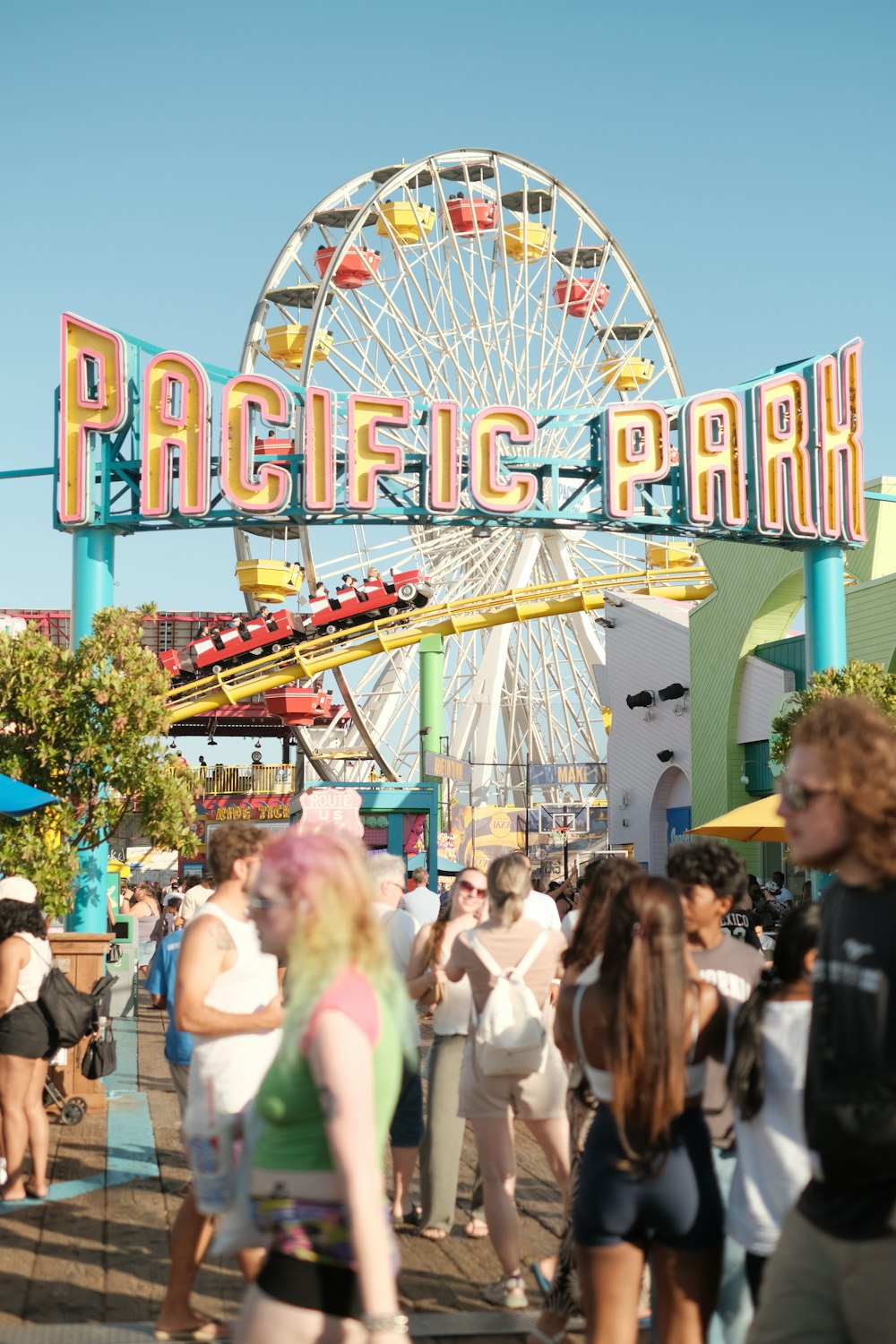
Wooden decking carries a small amusement park out over the Pacific: a solar powered Ferris wheel, a coaster and a carousel housed in a hippodrome from the pier's earliest years. A sign at the entrance marks the western end of Route sixty six. Walking the boards is free. Below, anglers work the rail and pelicans wait on the pilings, and the beach path runs south towards Venice.
-
Universal Studios Hollywood
Half theme park, half working backlot: the tram tour is the thing that distinguishes it, running past standing street sets, the Psycho house and a staged flash flood, narrated and about an hour long. Rides sit on two levels, the Upper and Lower Lots, joined by a long run of escalators. Wizarding World and Super Nintendo World fill the far end. Weekday mornings move fastest, especially outside the California school holidays.
-
Venice Beach
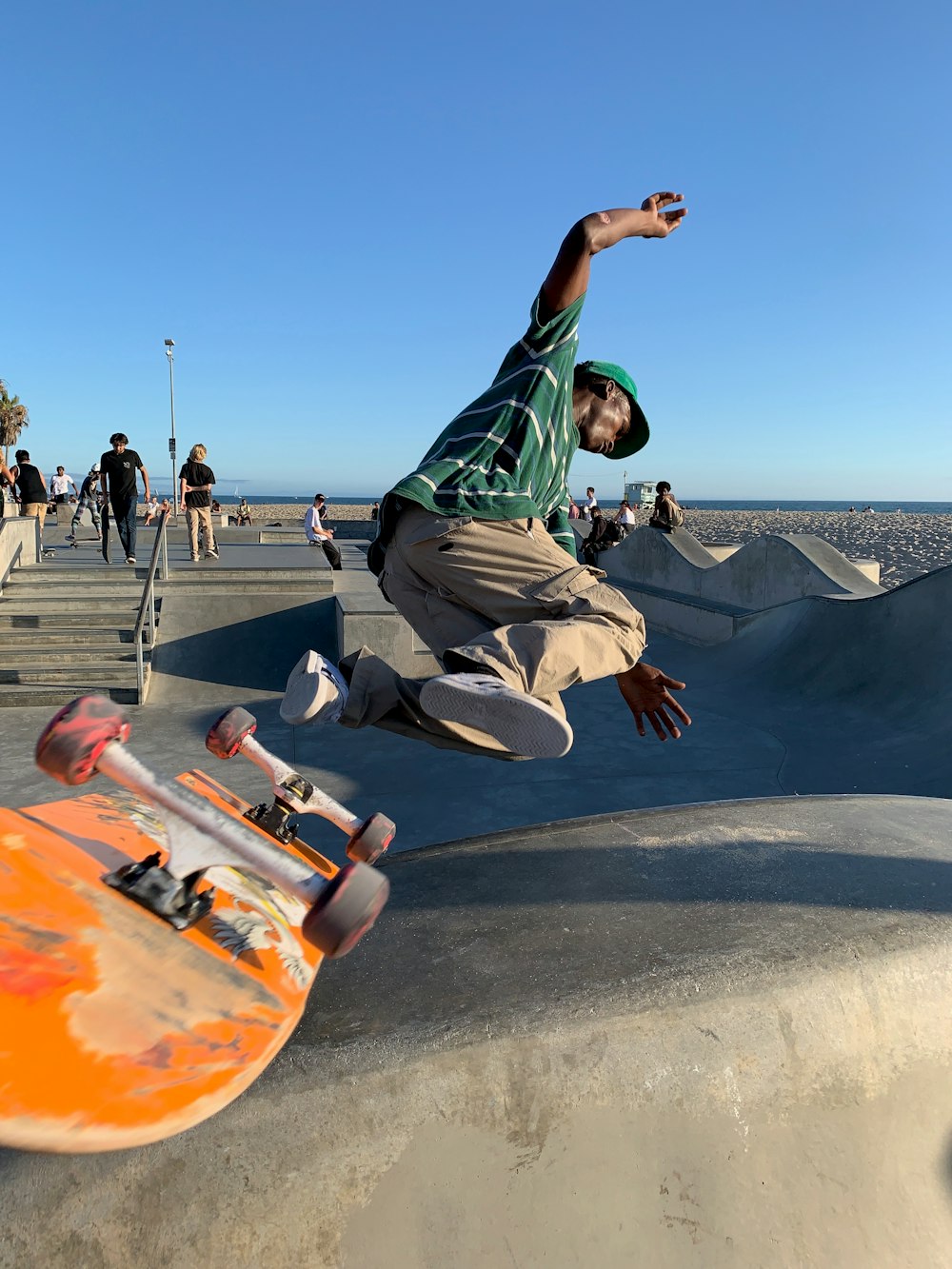
Abbot Kinney dug canals here in the early nineteen hundreds to make a seaside Venice; a few of them survive inland, quiet and residential, a short walk from the noise. Ocean Front Walk carries buskers, fortune tellers, muralists and vendors along the sand, past the outdoor weights of Muscle Beach and a concrete skate park above the dunes. After dark the boardwalk empties quickly and the area is worth leaving.
-
Getty Center
Richard Meier's travertine pavilions stand on a ridge above the Sepulveda Pass, reached by a driverless tram that climbs from the car park in about five minutes. Inside are European paintings (Van Gogh's Irises among them), illuminated manuscripts and photographs; outside, Robert Irwin's Central Garden spirals down a ravine. Admission is free, and on clear winter days the view reaches Catalina.