Things to do
5-
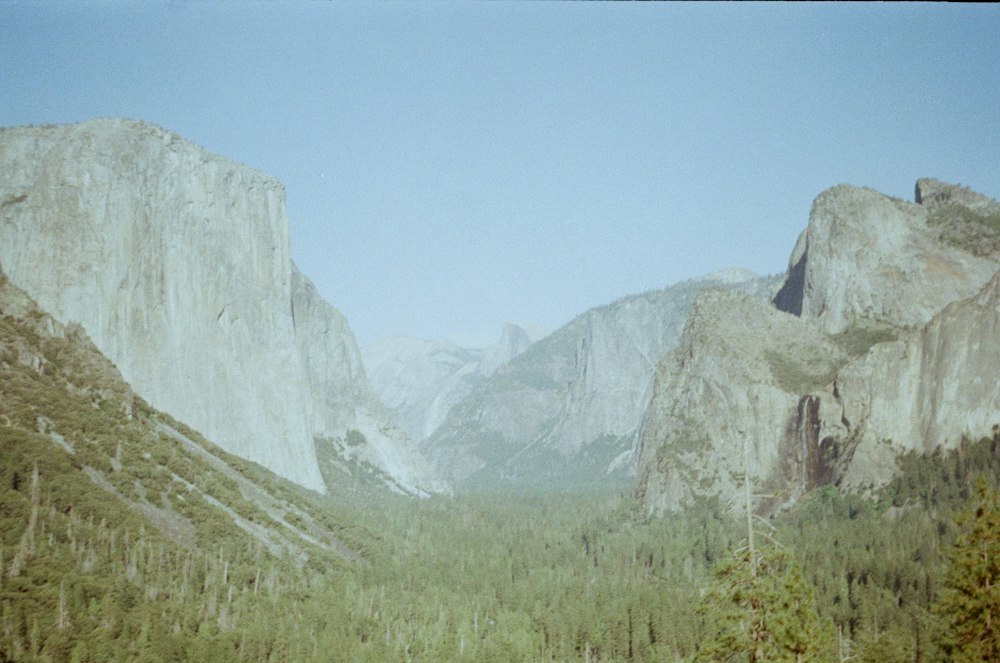
El Capitan
Nine hundred metres of near-vertical granite rise straight off the valley floor, the wall that made big-wall climbing and still sets its standard. Watch from the meadow below with binoculars and the specks on the face resolve into climbers, with portaledges hanging where they sleep. Ascents that once took days are now run in hours. Autumn and spring bring the settled weather that climbers wait for.
-
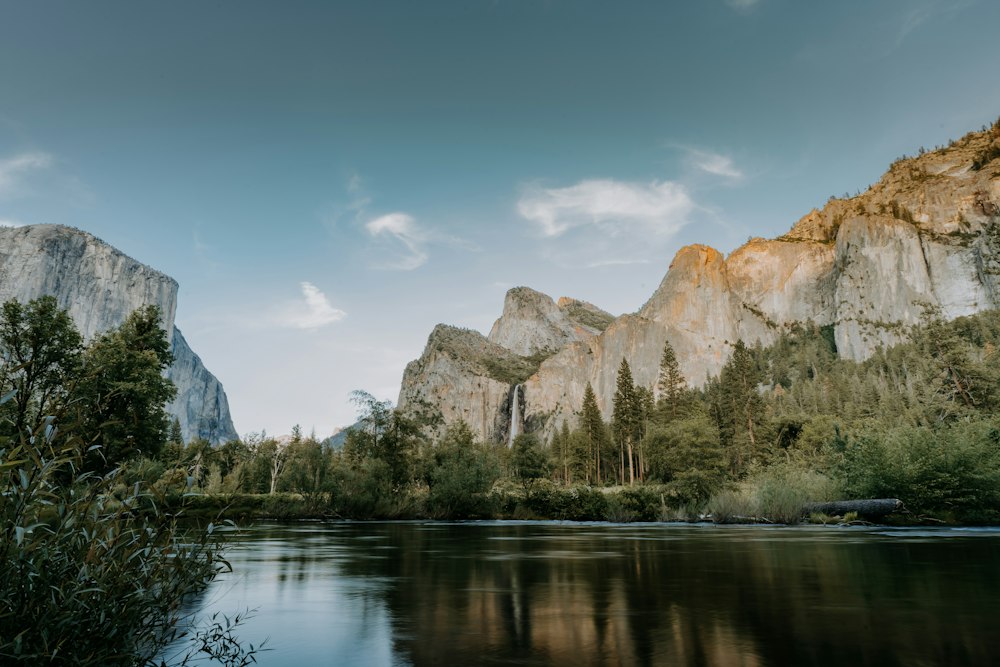
Yosemite Falls
In three drops totalling some seven hundred and forty metres, the creek falls off the north wall in full view of the valley village. A paved path reaches the base of the lower fall in minutes; the climb to the top is a long steep day on switchbacks. Flow peaks with the snowmelt in late spring and the falls can run dry by late summer.
-
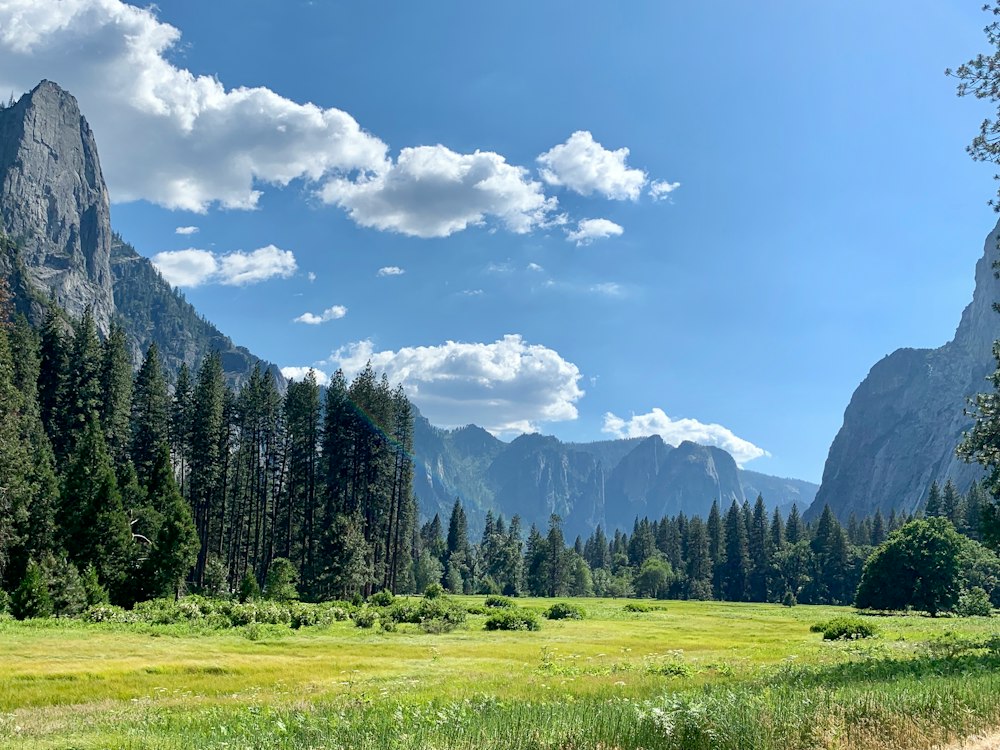
Yosemite National Park
Glaciers and the Merced River cut this stretch of the Sierra Nevada into domes, walls and hanging valleys, protected since 1864 and a UNESCO site since 1984. The valley holds the famous rock and the traffic, yet it is a small fraction of the ground: Tuolumne Meadows, the Mariposa grove of giant sequoias and the high passes see far fewer visitors. Most roads above the valley close in winter.
-
Glacier Point
From a railed terrace a kilometre above the valley floor, Half Dome stands level with the eye and the Nevada and Vernal falls step down the canyon behind it. A road climbs there in about an hour from the valley, and it is gated by snow from late autumn until spring. Walkers can descend to the valley on a steep zigzag path and ride the bus up.
-
Half Dome
Cables strung up the curved granite back allow walkers to climb the final stretch without ropes, the end of a twenty-four kilometre day that starts in the valley and passes two waterfalls on the Mist Trail. Permits are issued by lottery and the cables go up and come down with the season. Thunderstorms build on summer afternoons, and wet granite ends the attempt.