Things to do
16-
9/11 Memorial and Museum
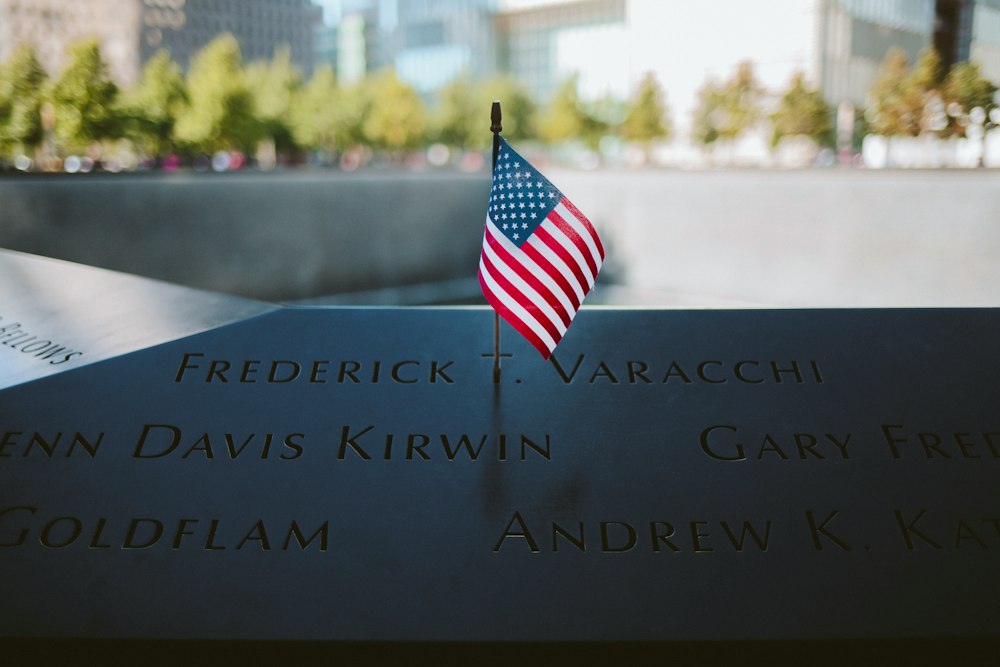
Two square voids sit in the footprints of the towers, water falling into each and then into a further opening at the centre. Names are cut through the bronze rim, and a white rose marks a birthday. The museum below ground reaches bedrock and keeps the slurry wall, the last standing column and the survivors' stairs. The plaza is free; the museum wants a timed ticket.
-
American Museum of Natural History
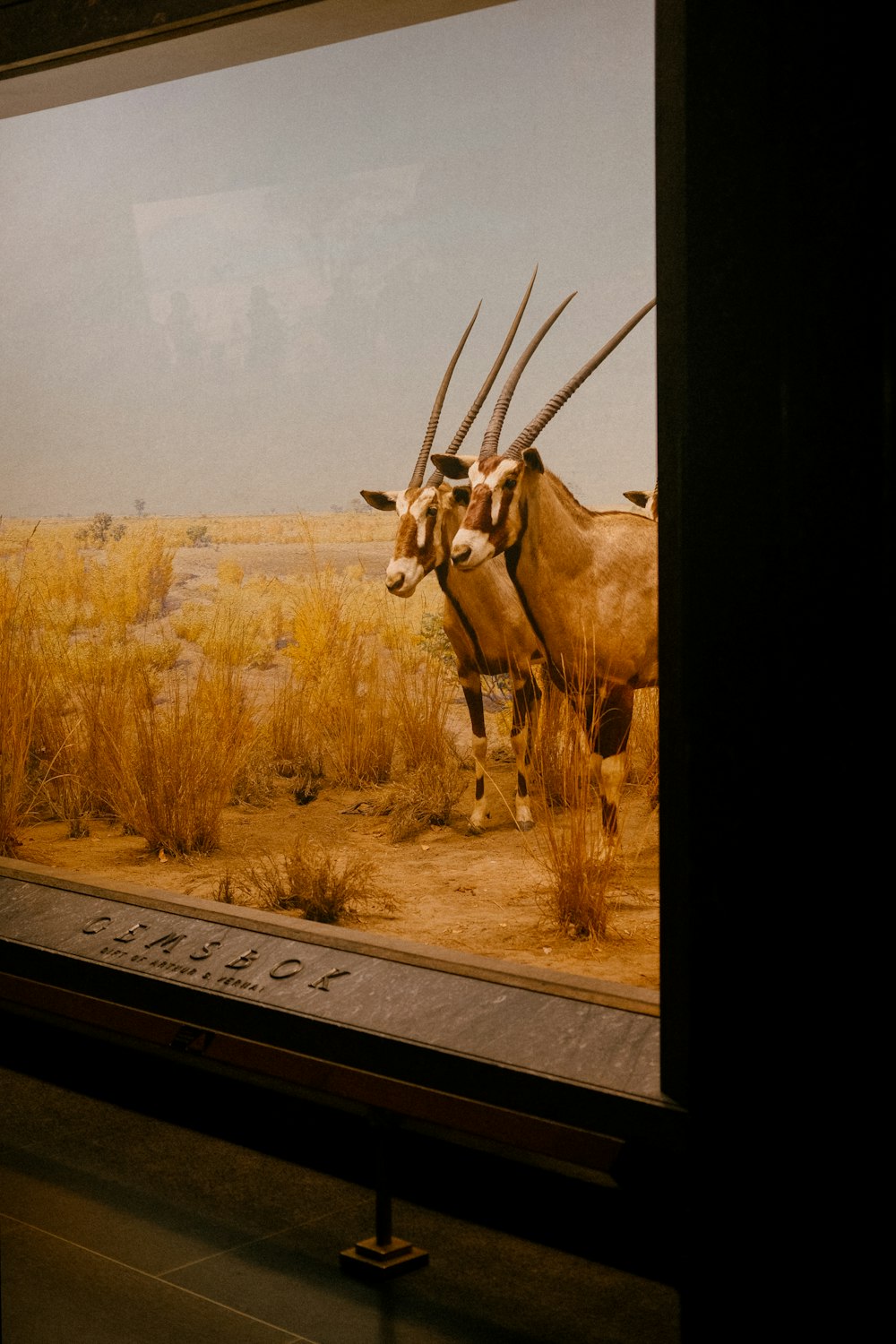
Dinosaur fossils fill the fourth floor, arranged by evolutionary branching so the route itself makes an argument. Downstairs a blue whale model hangs over a darkened ocean hall where children lie on the floor to look up. A planetarium sits inside a glass cube, and the newest wing opens a canyon of sprayed concrete. Weekday afternoons in term time are the calmest hours to come.
-
Brooklyn Bridge
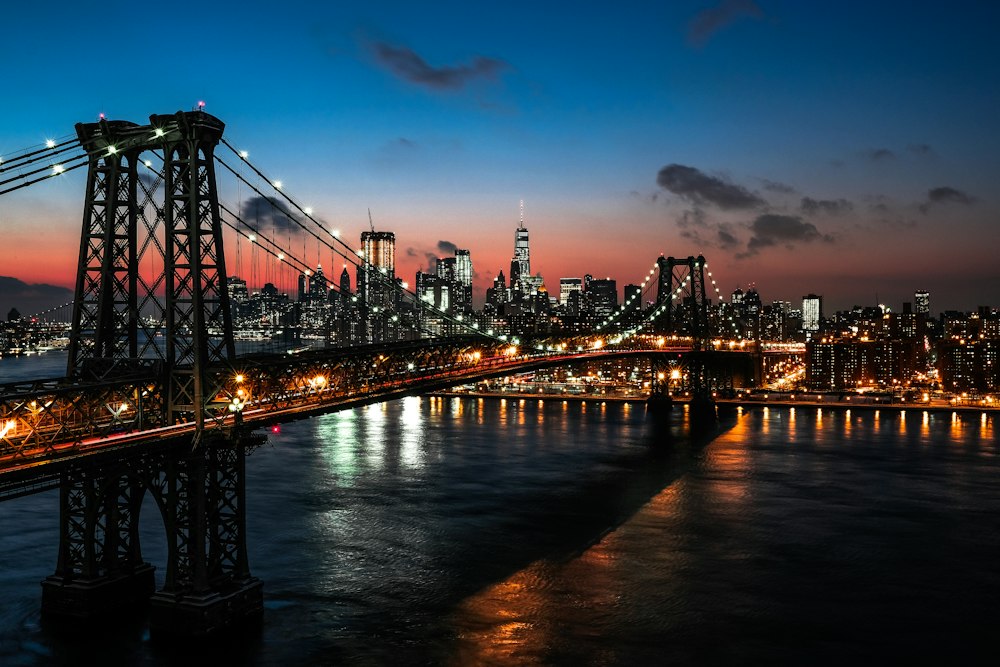
Walking it from the Brooklyn side keeps the skyline ahead the whole way, which the Manhattan direction does not. A plank promenade runs above the traffic between granite towers, and the crossing takes about half an hour without stops. Roebling's steel wire cables opened in 1883, the first of their kind on this scale. Cyclists have their own lane now, which has made the deck calmer.
-
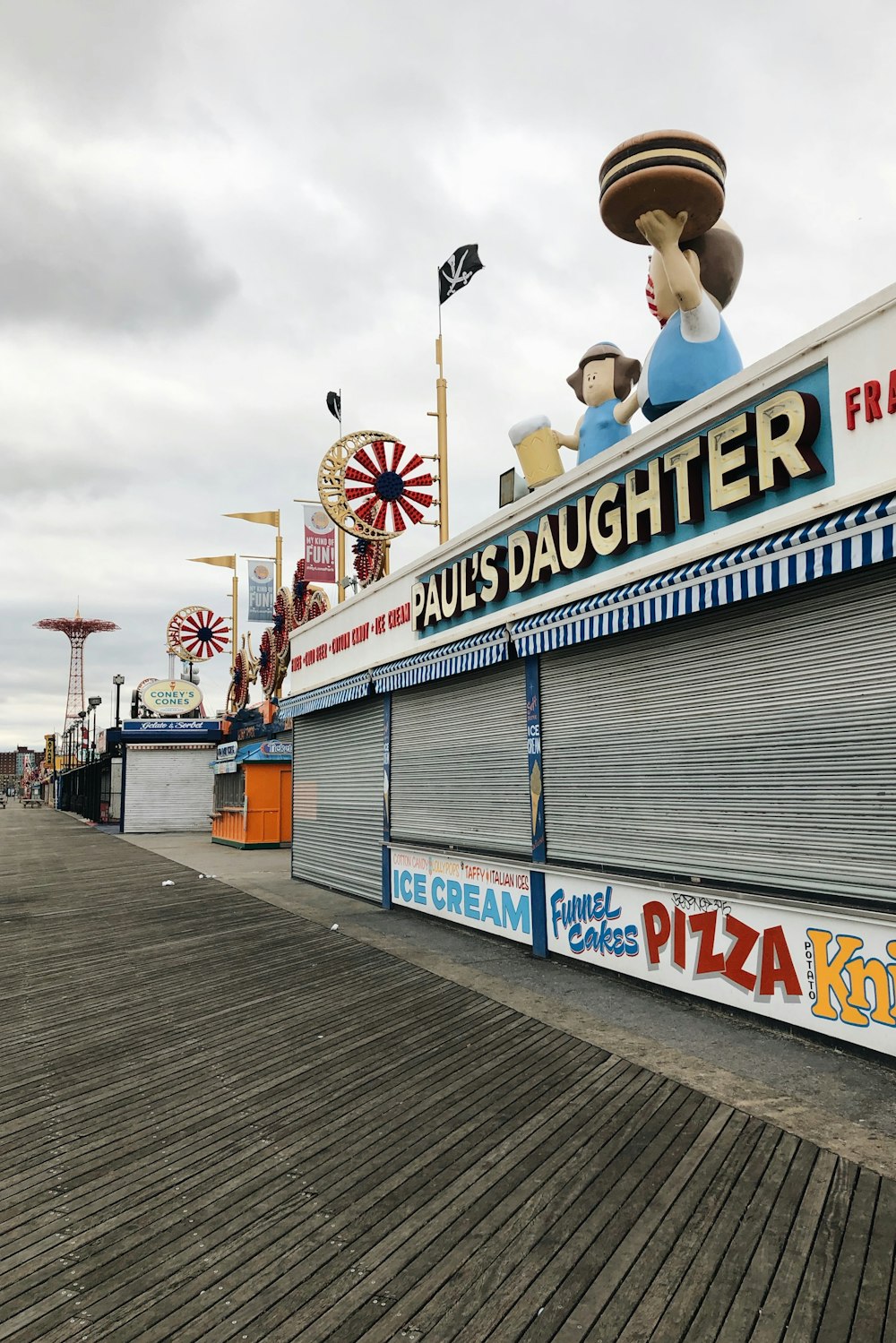
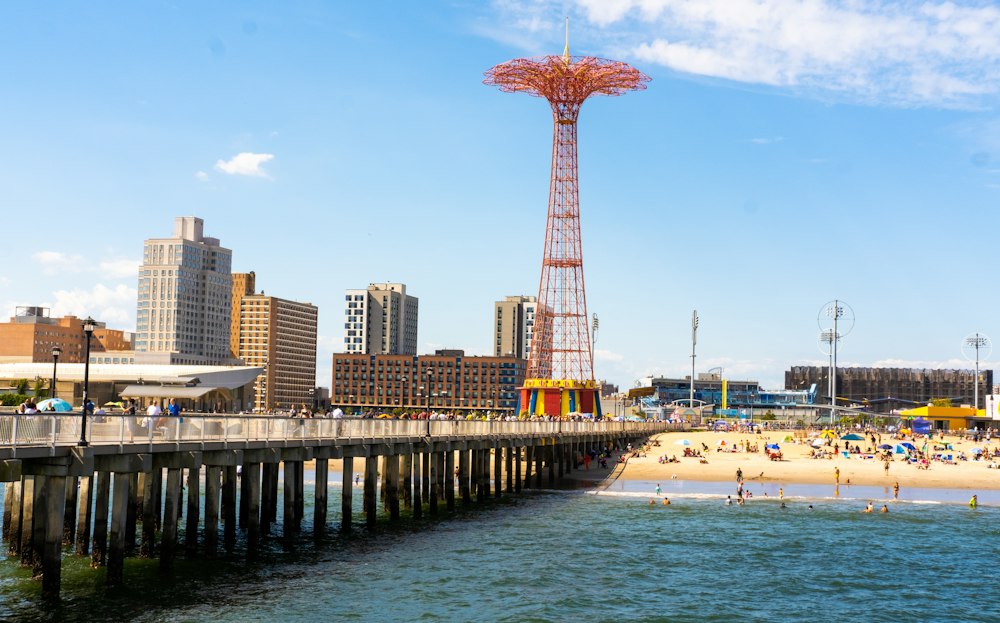
Coney Island
Sea air at the end of a subway line, with a boardwalk, an aquarium and a wooden roller coaster from 1927 that still rattles enough to feel unwise. Cars on the Wonder Wheel slide along rails as it turns. Hot dogs have been sold on the corner for over a century. The season runs from late spring into autumn; out of season the beach is bare and rewarding.
-
Ellis Island
Twelve million arrivals passed through the Registry Room between 1892 and 1954, and the restored hall upstairs is the reason to come: a vaulted tiled ceiling, long benches, and the staircase where inspectors watched newcomers climb for signs of a limp. Passenger records can be searched by name on site. The ruined hospital wing opens only on a guided hard hat tour, booked separately.
-
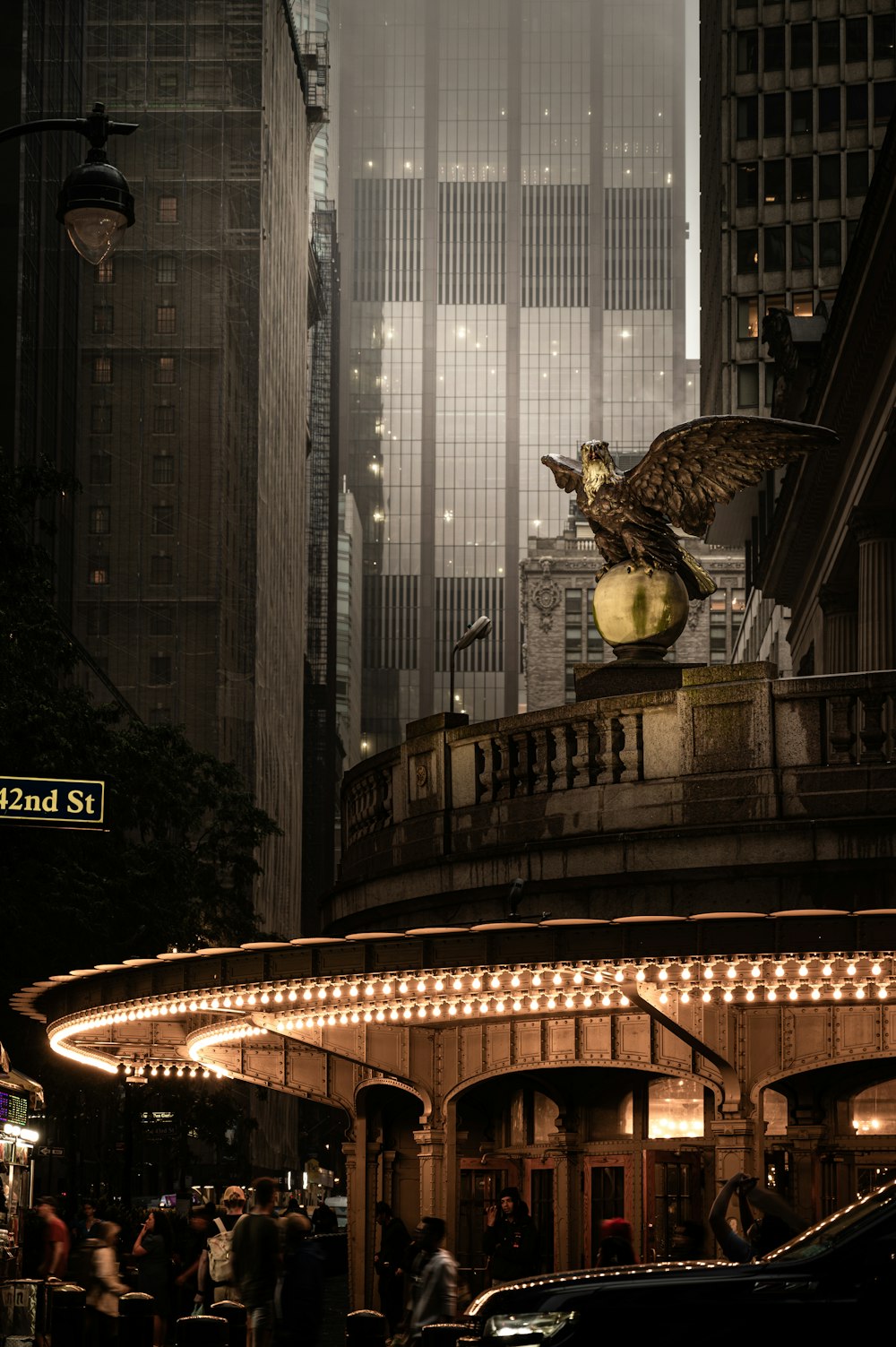
Grand Central Terminal
Beneath a barrel vault painted with the winter sky, the concourse works as a room as much as a station: a brass clock on the information booth, stone stairs modelled on the Paris opera, and shafts of light from the high windows. The constellations were painted in reverse, an error left uncorrected. Outside the Oyster Bar, a tiled arch carries a whisper corner to corner.
-
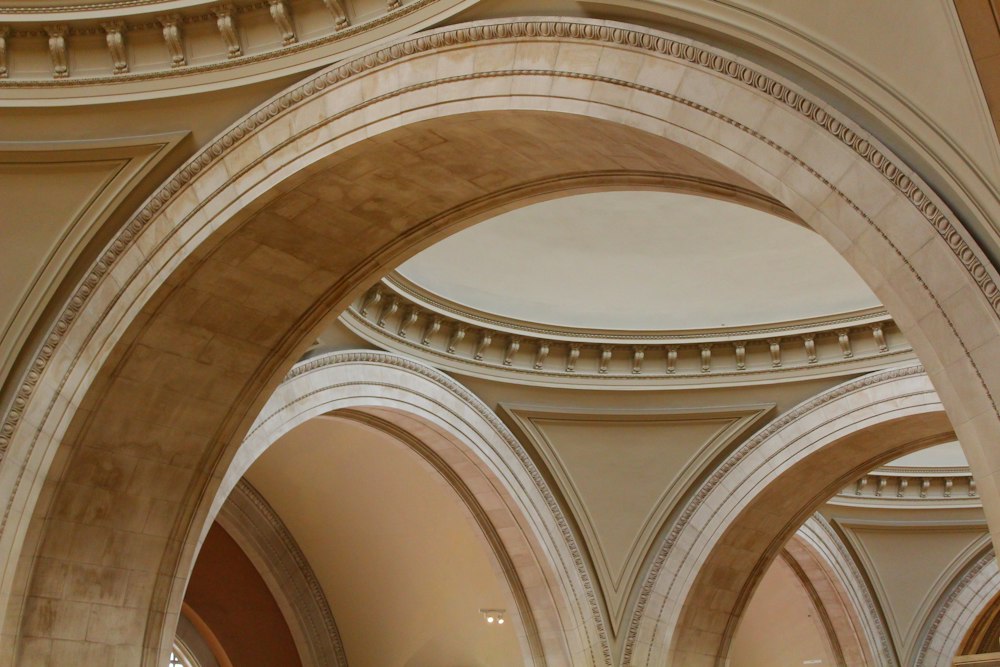
Metropolitan Museum of Art
Galleries run from Egyptian tombs to twentieth century painting across a building that takes more than one visit to cross. The Temple of Dendur, moved from Nubia ahead of the Aswan dam, stands in a glass hall facing the park. Arms and armour and the American Wing draw the crowd; the Asian galleries above them are calm. A roof garden opens over Fifth Avenue in the warm months.
-
Solomon R. Guggenheim Museum
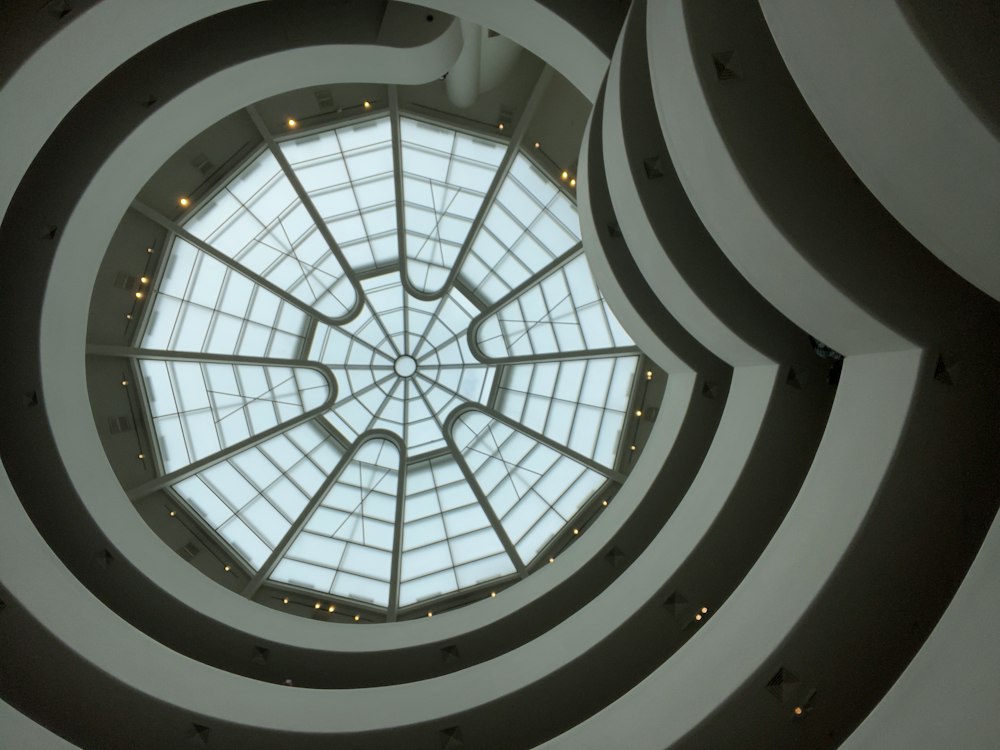
Wright's white spiral stands on Fifth Avenue like an upturned vessel, and the gallery is the ramp itself, a continuous slope with no rooms along it. Take the lift to the top and walk down, which is how the architect meant it to be read. Thannhauser holdings of Picasso, Cezanne and Degas hang in side bays off the coil, while rotating shows occupy the main spiral.
-
Statue of Liberty
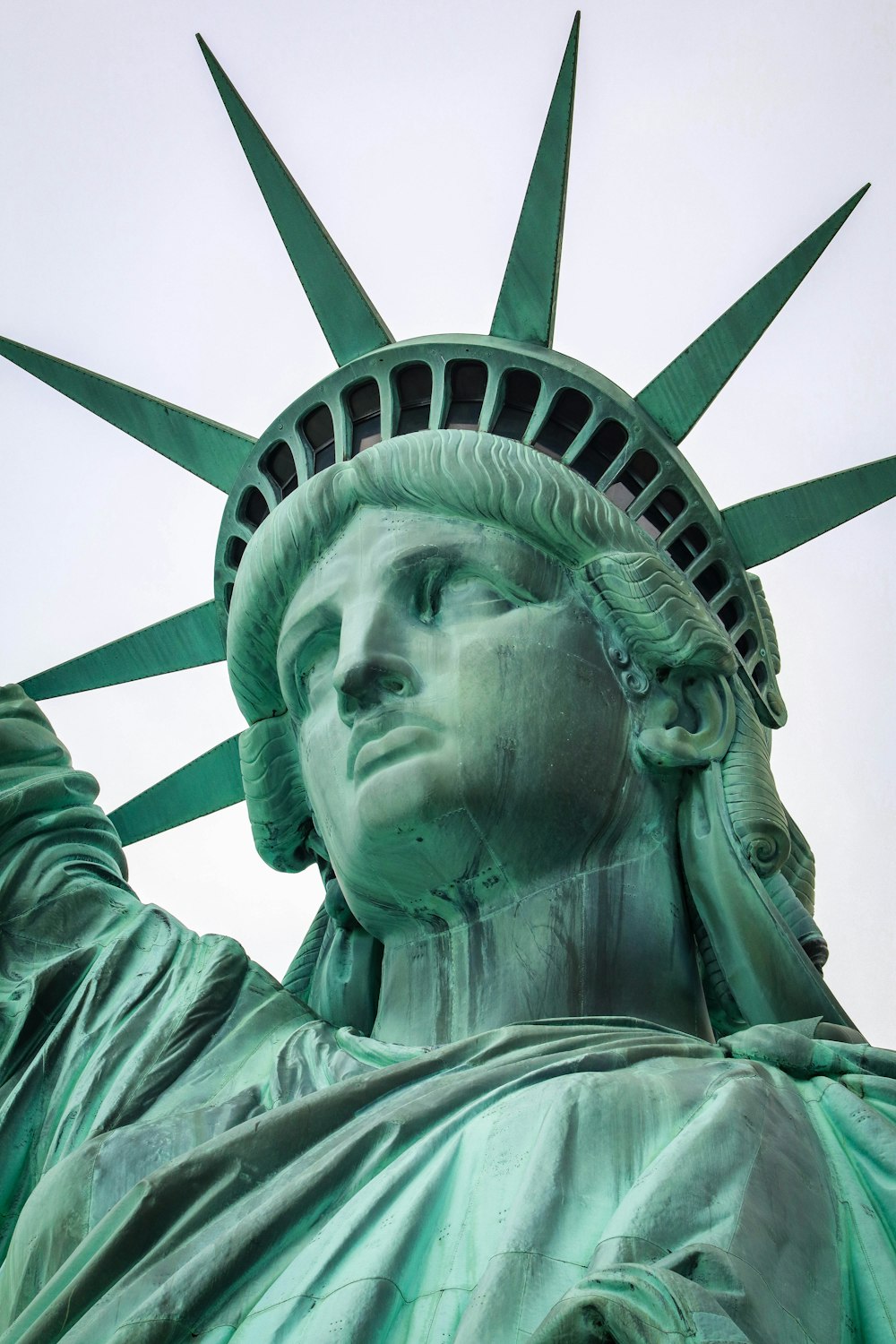
Ferries from Battery Park run to Liberty Island and on to Ellis, and one ticket covers both. Bartholdi designed the copper figure and Eiffel engineered the iron frame inside it; France presented the finished statue in 1886. Crown access is a separate reservation, released months ahead and taken quickly. The pedestal terrace is easier to book, and the boat deck gives the harbour view anyway.
-
The High Line
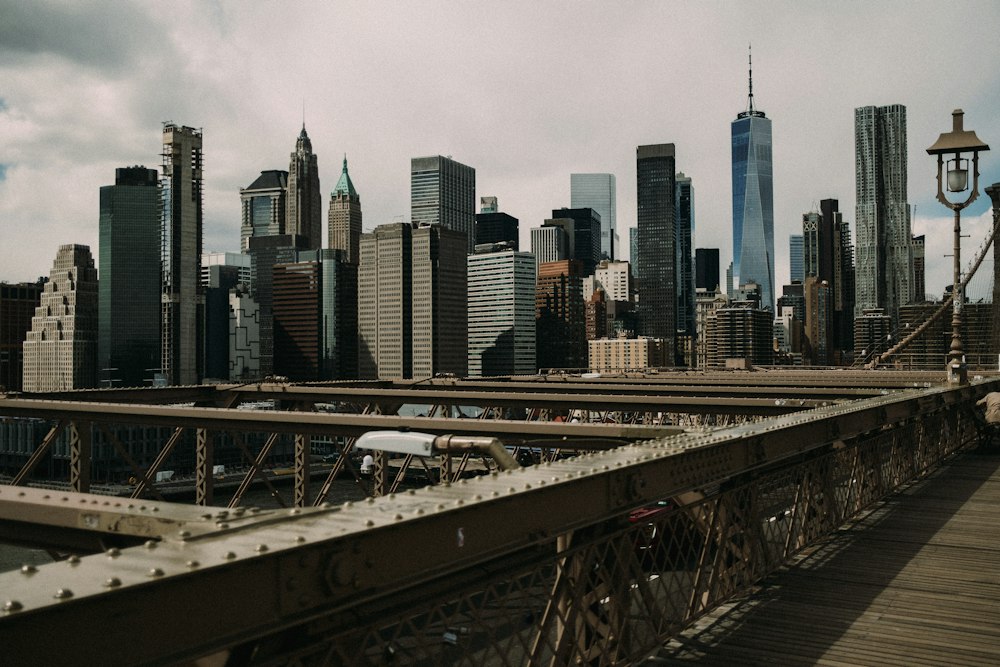
An elevated freight line ran here until 1980, then stood derelict while grasses seeded themselves in the ballast. That accident became the planting scheme when the viaduct reopened as a park. Two and a half kilometres of walkway thread between buildings from the Meatpacking District to Hudson Yards, with benches, a sunken amphitheatre over Tenth Avenue and no room to pass at midday.
-
Times Square
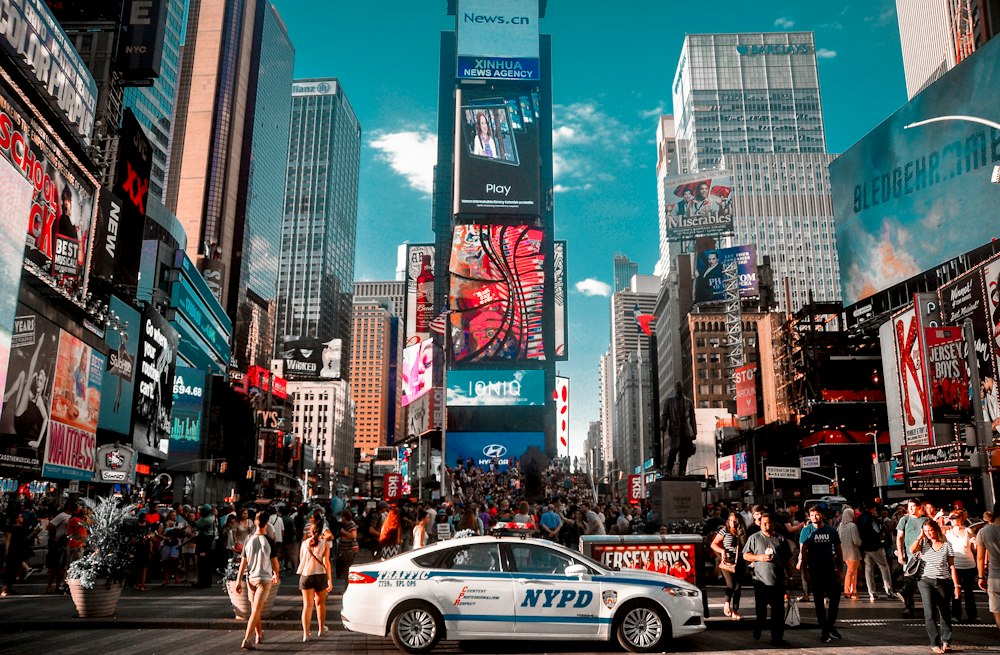
Zoning here obliges buildings to carry illuminated signs, so the light is a legal requirement turned into a landscape. The stretch of Broadway through the middle was closed to cars and given benches and chairs. Costumed characters work the plazas for tips and can be insistent. Late evening shows the signs at full strength, and the side streets a block east are quieter for dinner.
-
Central Park
Olmsted and Vaux won the design competition in 1858 with a plan that sank the crosstown roads out of sight, so a walk here never meets traffic. Some three hundred and forty hectares hold a reservoir, a ramble of wooded paths and Bethesda Terrace above the lake. Weekday mornings belong to runners and herons. North of the Meer it stays quiet at any hour.
-
Empire State Building
Art Deco steel and limestone, raised in a little over a year and finished in 1931, held the height record in the city for four decades. The open-air deck on the eighty-sixth floor is the one worth the queue; the enclosed level far above is higher and much smaller. Late afternoon light favours the west side. The lobby ceiling mural has been restored to its original gold.
-
Museum of Modern Art
Modern art got its first museum here in 1929, and the collection still sets the canon: Van Gogh's Starry Night, Picasso's Demoiselles, Monet's water lilies on a curved wall of their own. Design, photography and film are collected as seriously as painting. The fifth floor stays busiest, so work down from the top. Abby Aldrich Rockefeller's sculpture garden is the place to sit.
-
The Cloisters
Medieval French cloisters were shipped stone by stone and rebuilt above the Hudson in Fort Tryon Park, with a chapter house, herb beds planted from manuscript sources, and the Unicorn Tapestries in a dim room of their own. The subway reaches a lift shaft cut into the rock, then a wooded walk. Admission comes with the Fifth Avenue ticket. Far fewer visitors make the trip north.
-
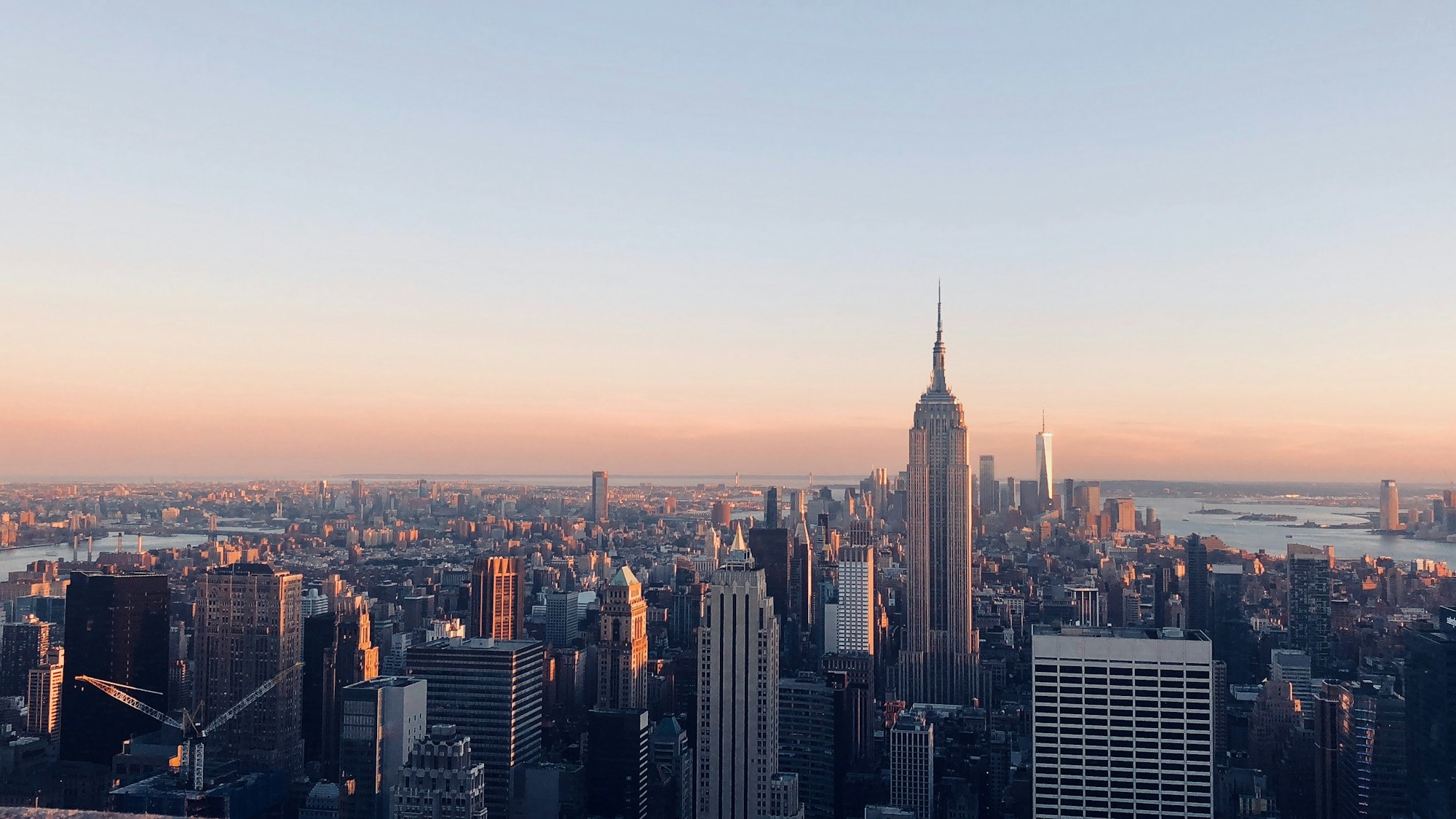
Top of the Rock
Observation decks cap the Rockefeller Center tower on three levels, and the reason to choose them over the older rival is the view itself: the Empire State Building in the frame, with Central Park laid out behind it. The upper deck is open to the air, with no glass on the outer rail. Sunset slots go first. A skating rink fills the plaza of Rockefeller Center below in winter.