Things to do
8-
Alcatraz Island
Ferries from Pier 33 are the only way onto the former federal prison, and the timed sailings sell out weeks ahead in summer. The audio tour, narrated by former guards and inmates, walks the cellhouse in about forty five minutes; the rest of the island holds the ruined warden's house, gardens the prisoners kept and colonies of nesting gulls and cormorants. Night tours run smaller and quieter.
-
Chinatown
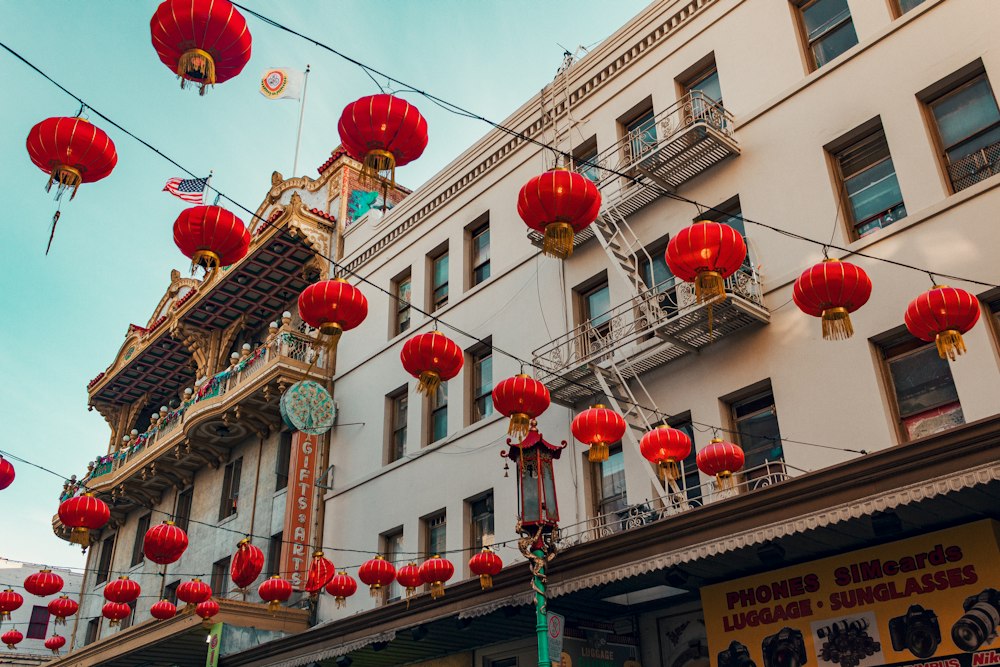
A dragon gate at Bush and Grant opens a quarter settled in the eighteen fifties, the first of its kind in North America and rebuilt in deliberately Chinese style after the fire. Grant Avenue sells lanterns and souvenirs; one block uphill Stockton Street is the working market, thick with fish stalls and queues. Temples hide on upper floors around Waverly Place, and a fortune cookie maker works an alley off Jackson.
-
Fisherman's Wharf
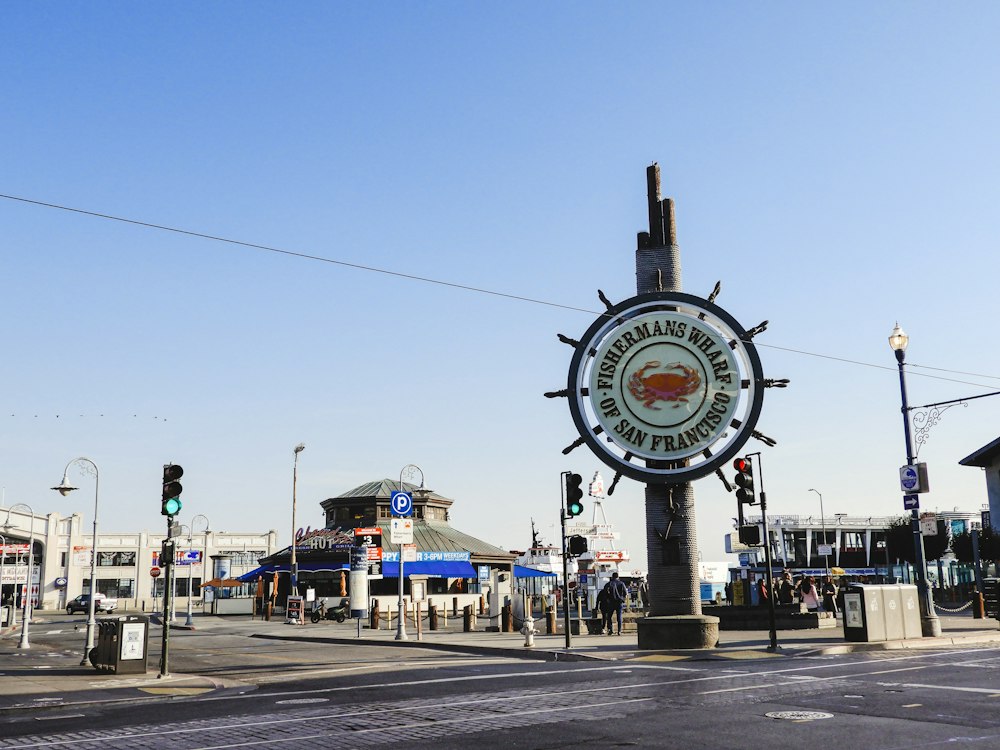
Sea lions colonised the K dock floats at Pier thirty nine around the end of the nineteen eighties and never left; they bark, shove and are free to watch. Around them the wharf runs to crab stands, sourdough bakeries and a penny arcade of working antique machines. Historic ships lie at Hyde Street Pier, a few blocks west and much quieter.
-
Golden Gate Bridge
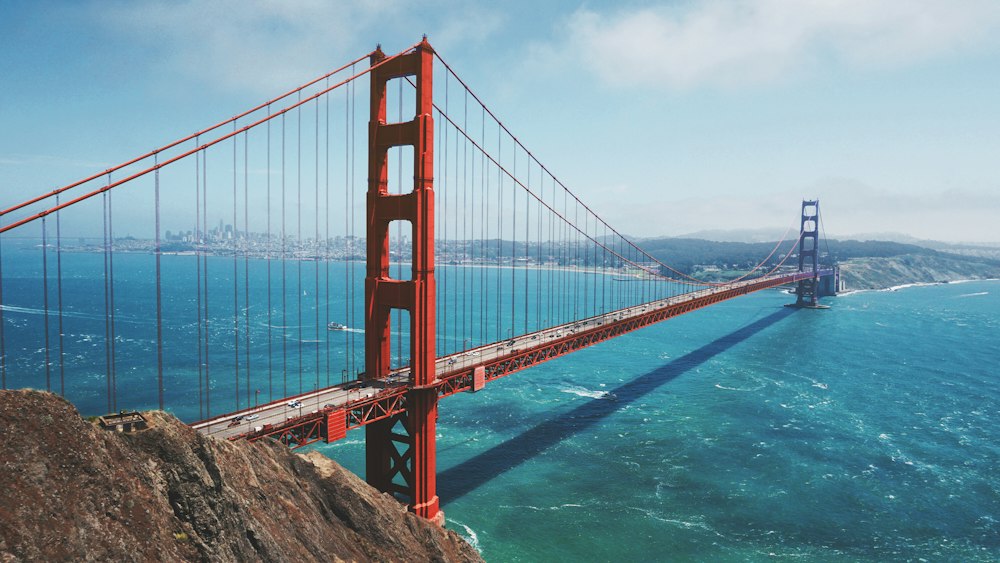
Opened in 1937 across the strait where the Pacific enters the bay, the bridge is painted a colour called international orange so it holds its shape against fog. A footpath runs the full span on the east side and takes about forty minutes each way; wind and cold arrive even on a warm city afternoon. Fort Point at the south end and Battery Spencer on the Marin side give the postcard angles.
-
Golden Gate Park
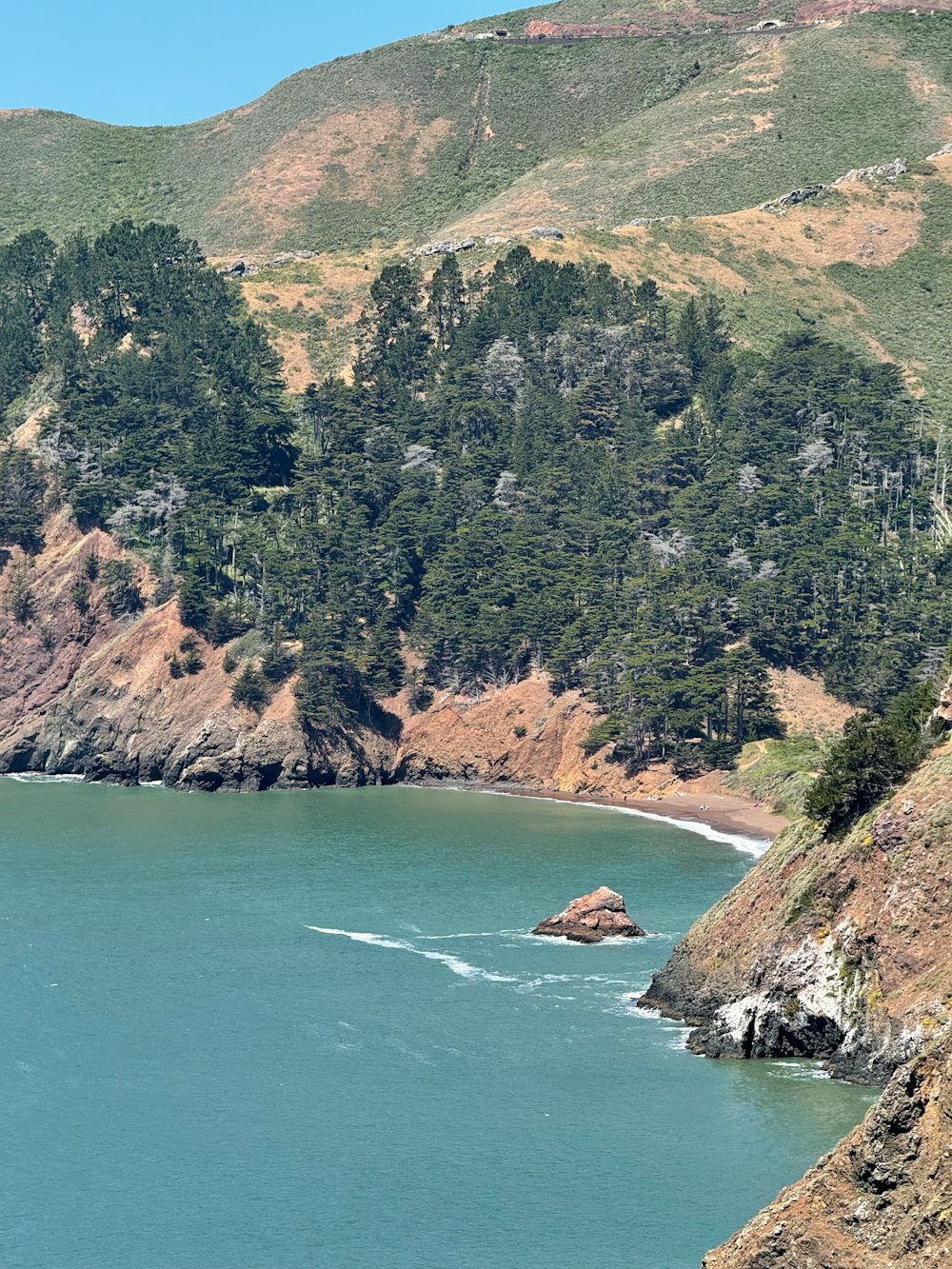
Sand dunes were planted into a park in the 1870s, and the result now runs from the Haight to the ocean with two museums, a Japanese garden, a Victorian conservatory and a small herd of bison inside it. The de Young tower is free to ride and shows the whole layout at once. Weekends close the main drive to cars, which is the day to hire a bike.
-
Lombard Street
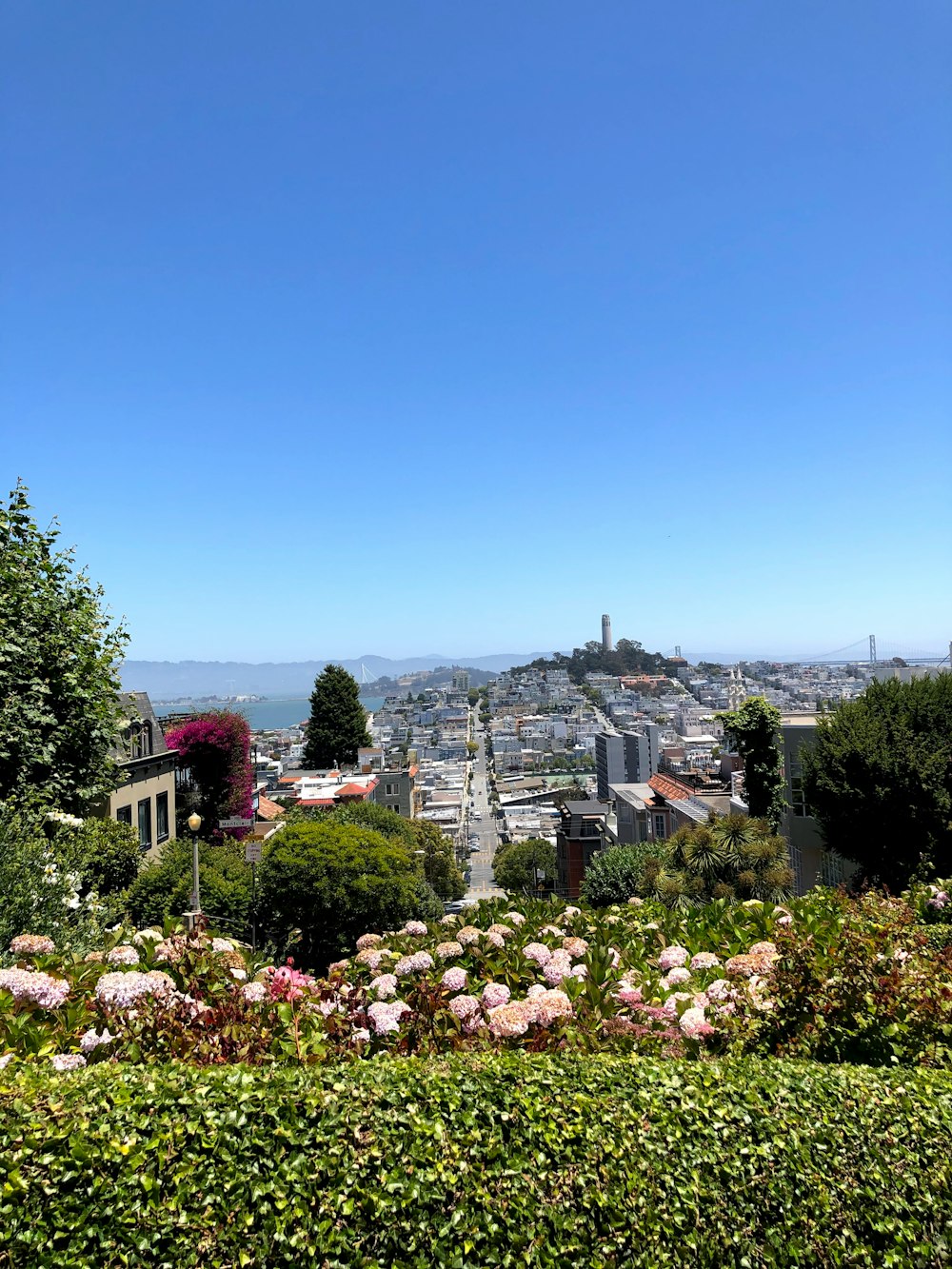
Eight hairpin turns drop one block of Russian Hill between Hyde and Leavenworth, laid in brick in the nineteen twenties to tame a gradient too steep for cars to take straight. Hydrangeas fill the beds between the bends. Cars queue to descend, slowly, and the Powell and Hyde cable car stops at the top. Walking down the steps on either side takes a few minutes.
-
Muir Woods National Monument
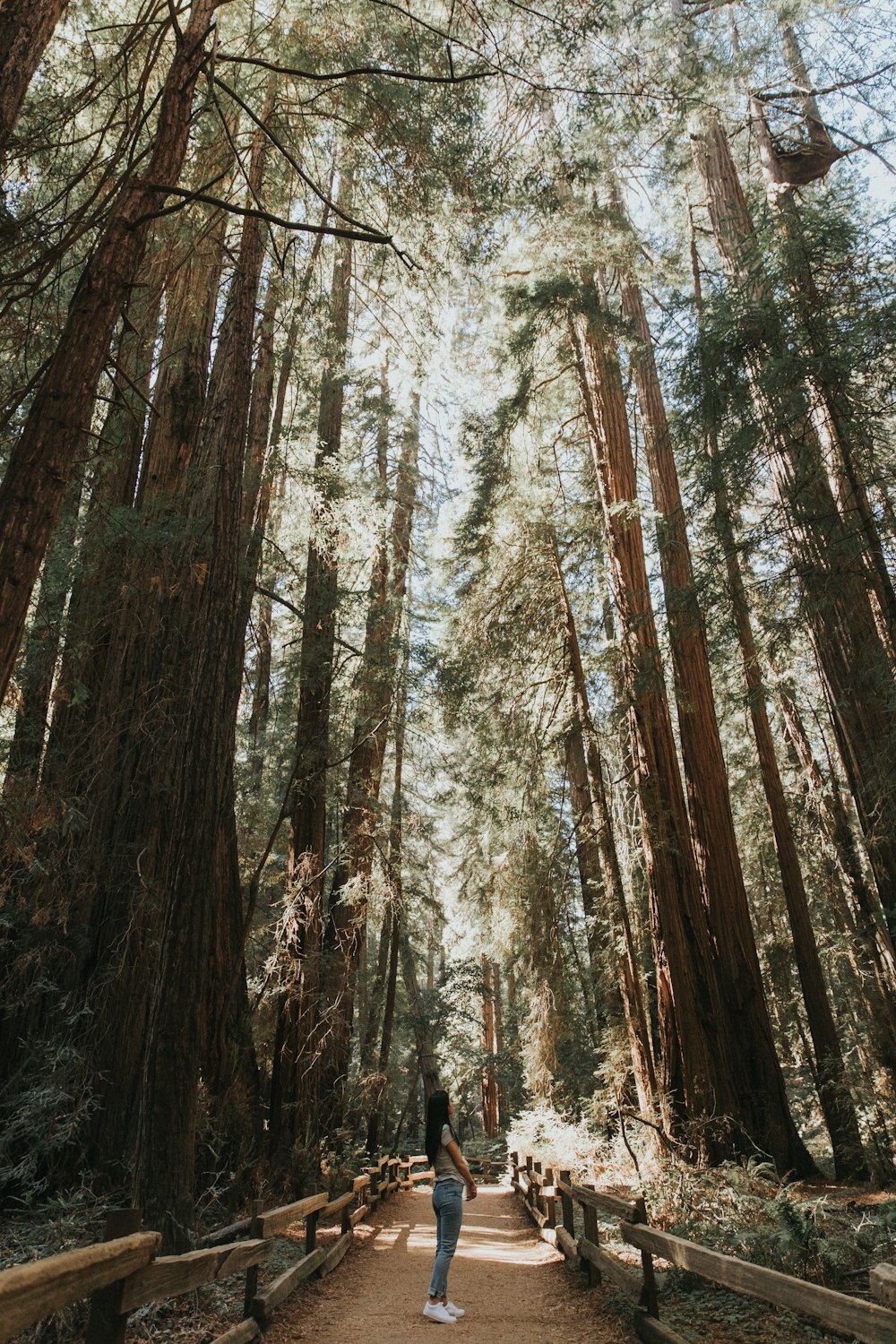
Coast redwoods over seventy metres tall grow in a damp canyon in Marin, saved from logging early in the twentieth century and named for John Muir. A boardwalk follows Redwood Creek through the main grove, level and about an hour round. Parking or a shuttle seat must be booked in advance all year, and the site turns cars away without one. Fog drip keeps the canyon cold even in August.
-
Palace of Fine Arts
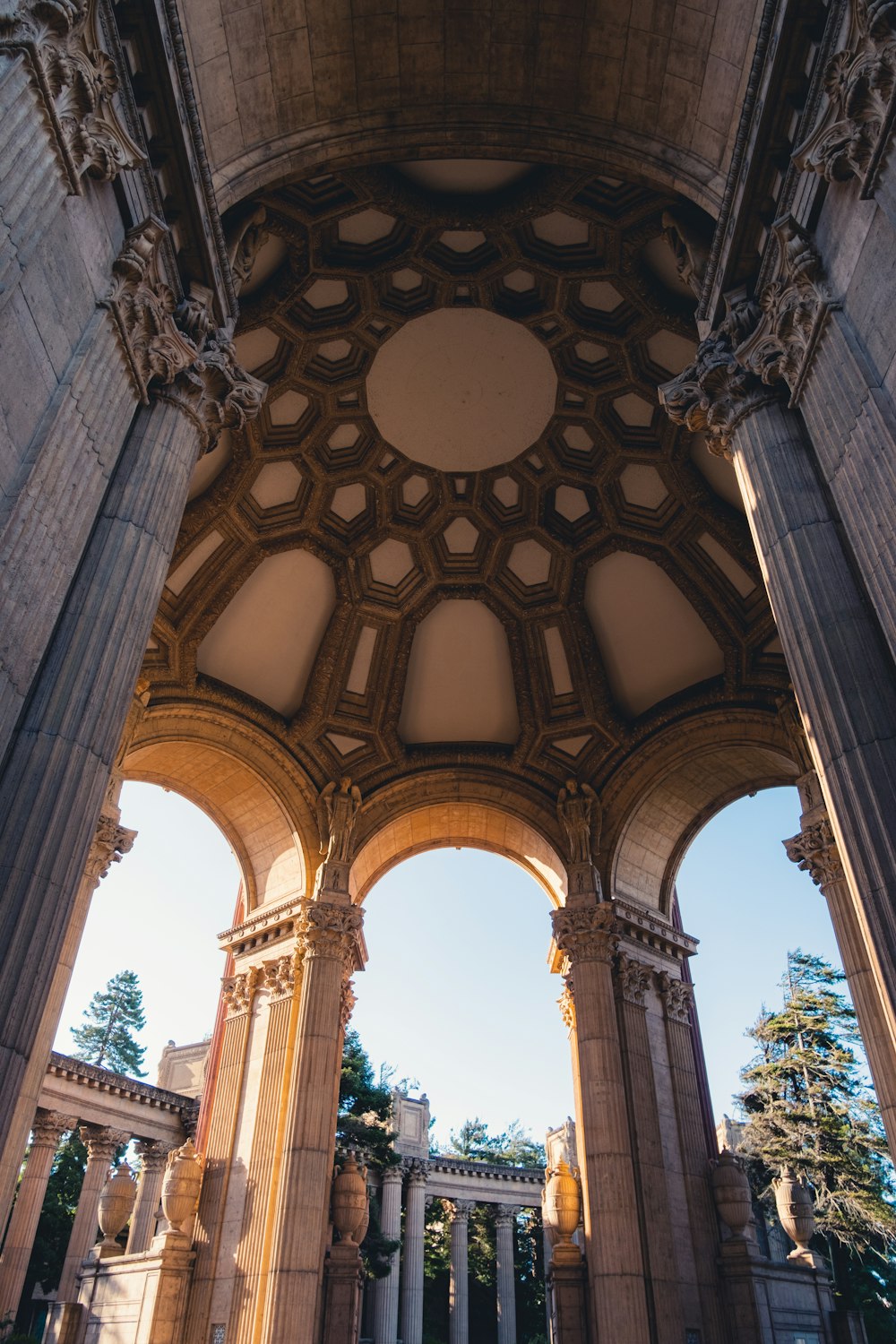
Bernard Maybeck built a Roman ruin for the exposition of nineteen fifteen, and when the rest of the fair came down this rotunda and its colonnade stayed. The plaster original was recast in concrete half a century later. A lagoon with swans and herons wraps the front, the grounds are free and never close, and the Marina waterfront is a short walk north.