Things to do
8-
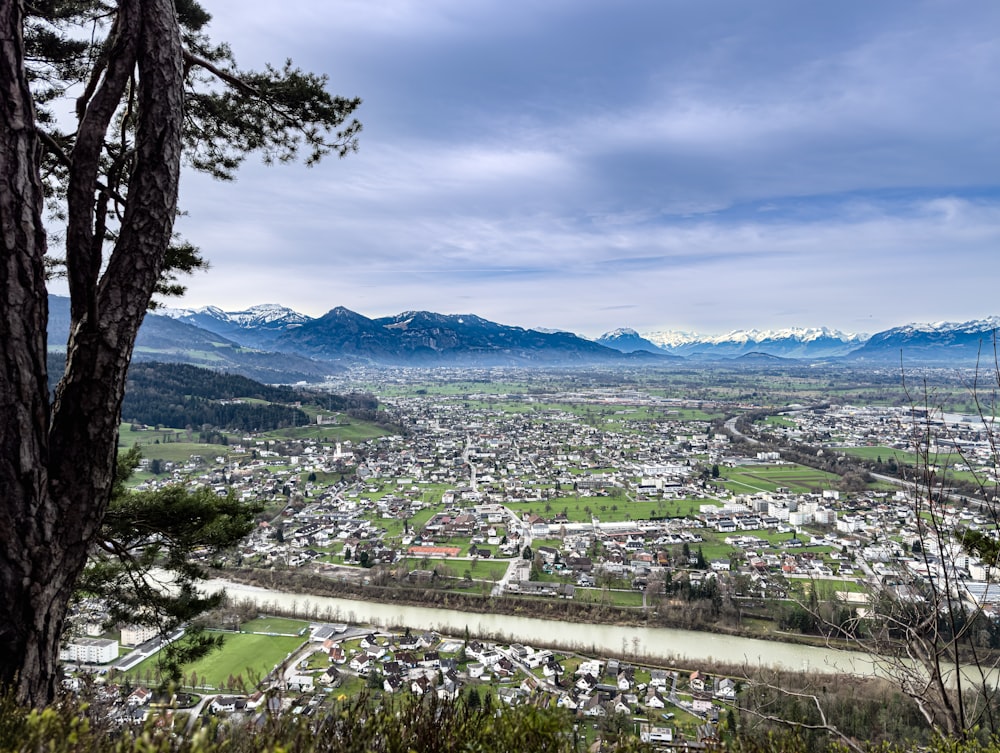
Gebhardsberg
A wooded crag south of the town carrying the ruins of Hohenbregenz castle, blown up by Swedish troops in 1647, with a pilgrimage chapel and a restaurant built into what is left. A steep path climbs in forty minutes from the valley or a road reaches the top. The view runs the length of the lake.
-
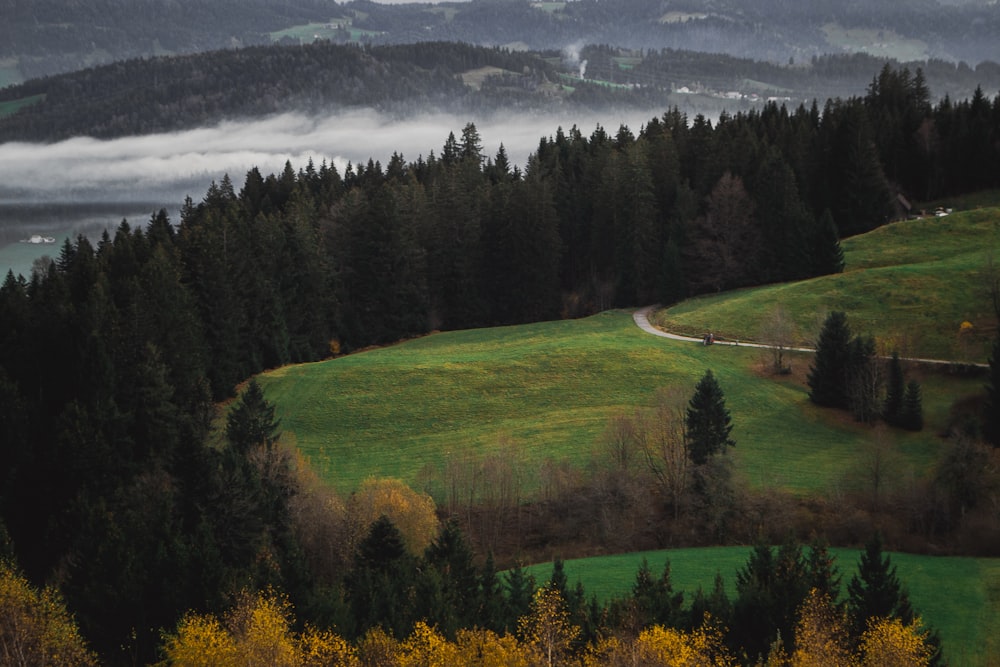
Pfänder
The mountain immediately behind the town, at one thousand and sixty-four metres, reached by a cable car in six minutes from a station near the harbour. The whole lake lies below and about two hundred and forty Alpine summits stand behind it. A small wildlife park and an eagle display sit near the top station.
-
Bregenzer Festspiele
The floating stage on the lake, in use since 1946, which stages one opera for two summers running with a set built at a scale no indoor house could carry. Tickets go on sale the previous autumn and the popular nights clear quickly. Rain does not usually stop it; lightning does, and the hall behind takes the audience.
-
Bregenzerwald
The valley system inland from the lake, where a local guild of joiners and builders has produced a generation of timber houses, bus shelters and dairies that architects travel to see. Cheese is the other export, made on alpine pastures and sold along a marked route. Buses run from Bregenz and the road climbs quickly.
-
Kunsthaus Bregenz
Peter Zumthor's building of 1997, a cube skinned in etched glass shingles that hang clear of the concrete structure so daylight enters between the two and reaches the galleries through the ceilings. There is no permanent collection and no natural light source in the rooms themselves. Contemporary shows are commissioned for the space.
-
Martinsturm
A square Roman and medieval tower given an onion dome in 1601, which was the largest in central Europe at the time and now stands over the upper town. Frescoes of about 1362 survive in the chapel at its base. A military museum fills the upper floors and the gallery under the dome looks down on the lake.
-
Oberstadt
The walled town on the terrace above the modern centre, entered through a gate tower, with a handful of lanes, the Martinsturm and almost no shops. Roman Brigantium stood on the same ground. It takes twenty minutes to walk and is the quietest part of the town on any day of the year.
-
Vorarlberg museum
A concrete facade stamped with twenty thousand plastic flower shapes, cast from the bottoms of ordinary drinks bottles, holding the province's collections: Roman finds from Brigantium, baroque altarpieces and a floor on how a farming valley became an industrial one. The top-floor window frames the lake as a picture.