Things to do
7-
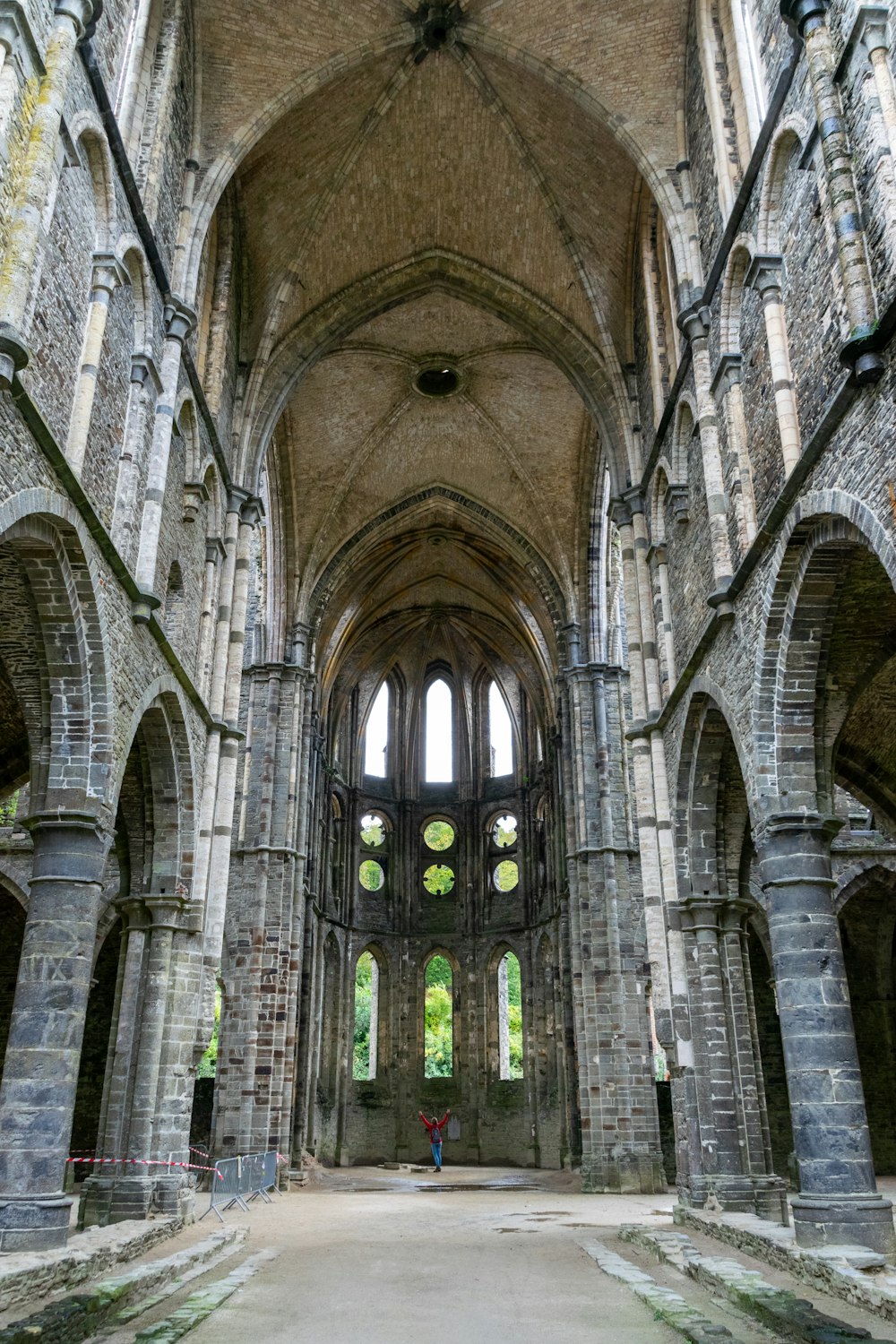
Abbaye de Maredsous
A Benedictine house founded in 1872 and built in a neo-Gothic manner over eight years, with about thirty monks still in residence. The abbey makes a semi-soft cheese and licenses its name to a brewery elsewhere. A visitor centre, the church and the grounds are open; the monastery itself is not.
-
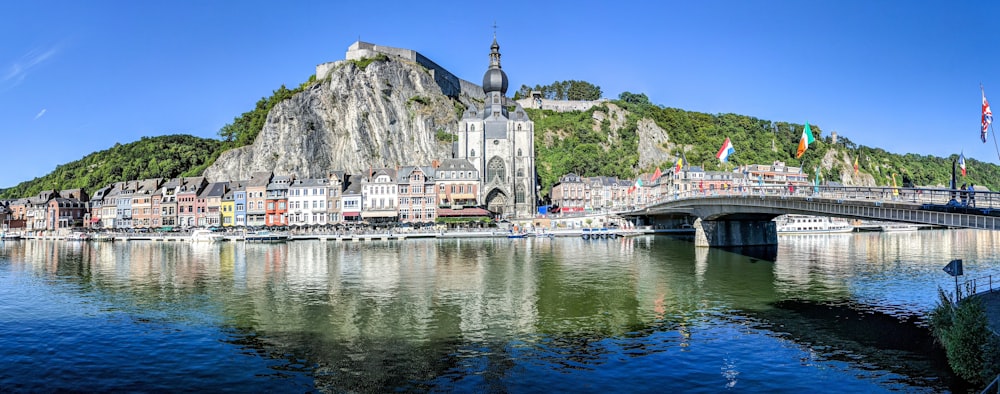
Citadelle de Dinant
A hundred metres above the river, fortified since 1051 and rebuilt by the Dutch in 1818 after the French demolished the earlier work. Underground galleries, a bakery and a 1914 trench are shown on the visit. A cable car climbs from beside the church, or four hundred and eight steps for anyone who prefers.
-
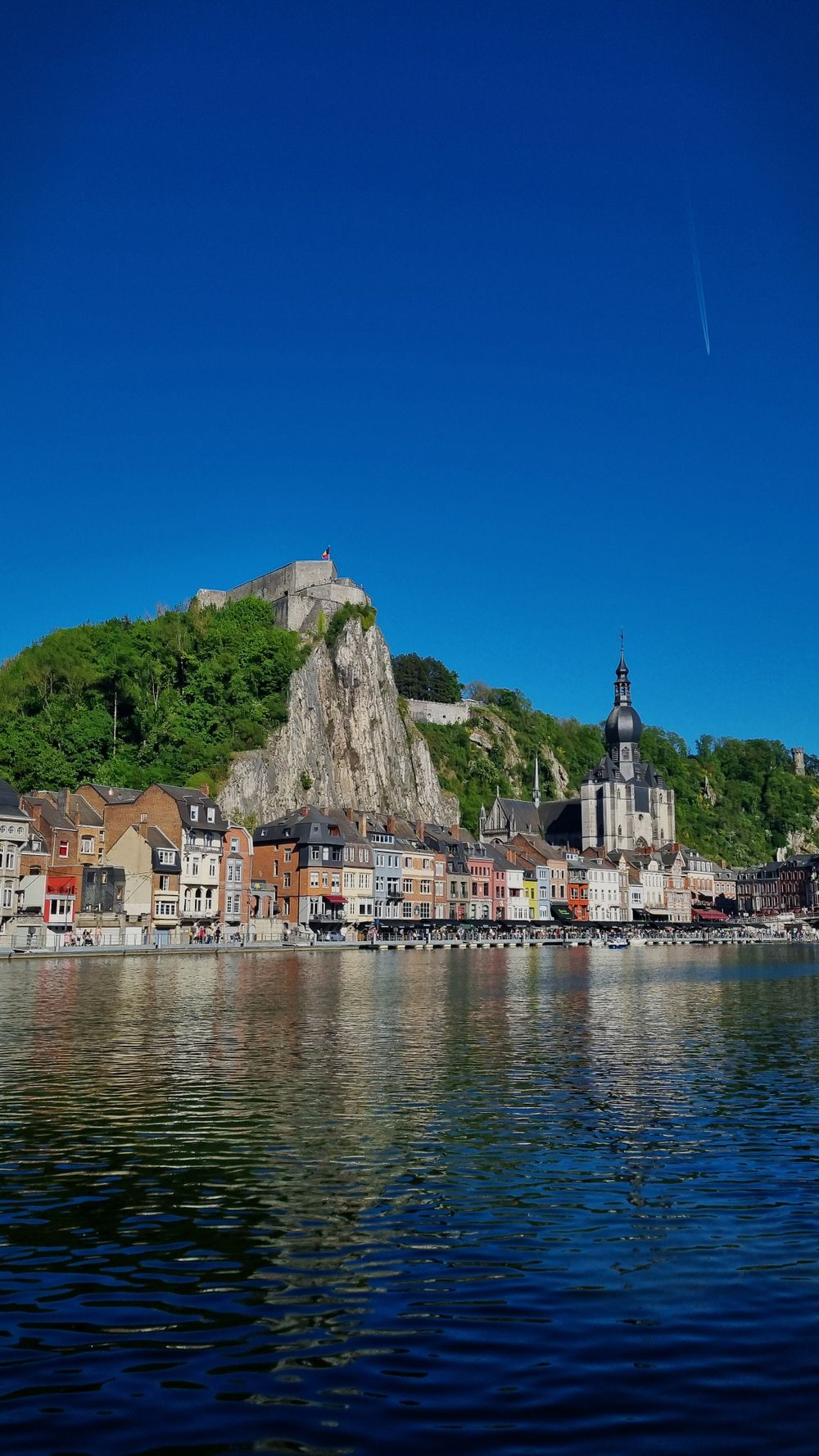
Collégiale Notre-Dame
Gothic, built from 1227 after a rockfall crushed the Romanesque church that stood here, and given a bulbous pear-shaped bell tower in the sixteenth century that appears in every photograph of the town. It is pressed hard against the cliff with the citadel directly above. Burnt in both world wars and restored after each.
-
Château de Vêves
Five round towers on a rock at Celles, rebuilt in 1410 after being burnt and still owned by the family that has held it since. The interiors are eighteenth-century and lived in rather than arranged. Costumes are put out for children to wear round the rooms. Ten minutes east of Dinant by car.
-
Grotte la Merveilleuse
A cave found during railway works in 1904 on the left bank, on three levels connected by stairs, known for white calcite draperies rather than for size. Guided visits run through the day and last about fifty minutes. The temperature underground holds near ten degrees whatever the month.
-
Maison de Monsieur Sax
A small free exhibition on the site of the house where the inventor of the saxophone was born, covering the instrument's development and the patent fights that followed him. He is buried in Paris and died in near poverty. A bronze figure sits on a bench outside and is photographed constantly.
-
Rocher Bayard
A limestone needle standing alone beside the road south of the town, split from the cliff by Louis XIV's engineers in 1675 to let his army pass. Legend gives the gap to a magic horse escaping with the four sons of Aymon on its back. The road now runs through the cleft.