Things to do
13-
Belfort van Brugge
Eighty-three metres of brick over the market square, built from 1240 and twice burnt at the top, which is why the spire was never replaced. Three hundred and sixty-six steps climb past the treasury room and the carillon drum to the platform. Numbers inside are capped, so the queue at the door can be long.
-
Belfry of Bruges
Three hundred and sixty-six steps climb the medieval bell tower on the Markt, past the treasury room and the carillon drum to a parapet over the rooftops and out towards the polders. Numbers inside are capped, so a queue forms on the square by mid morning. The carillon plays several times a week and the stairwell narrows near the top.
-
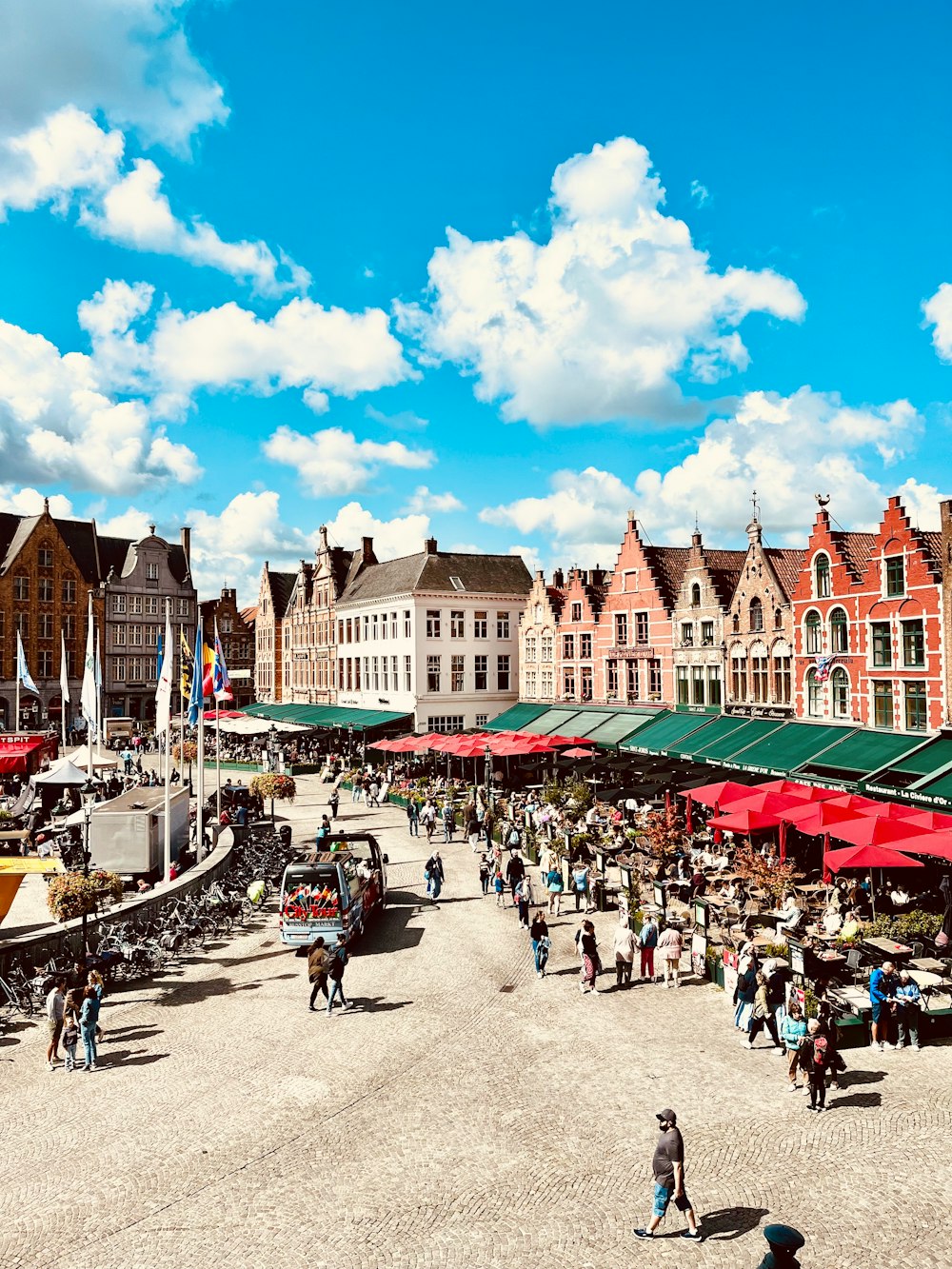
Markt
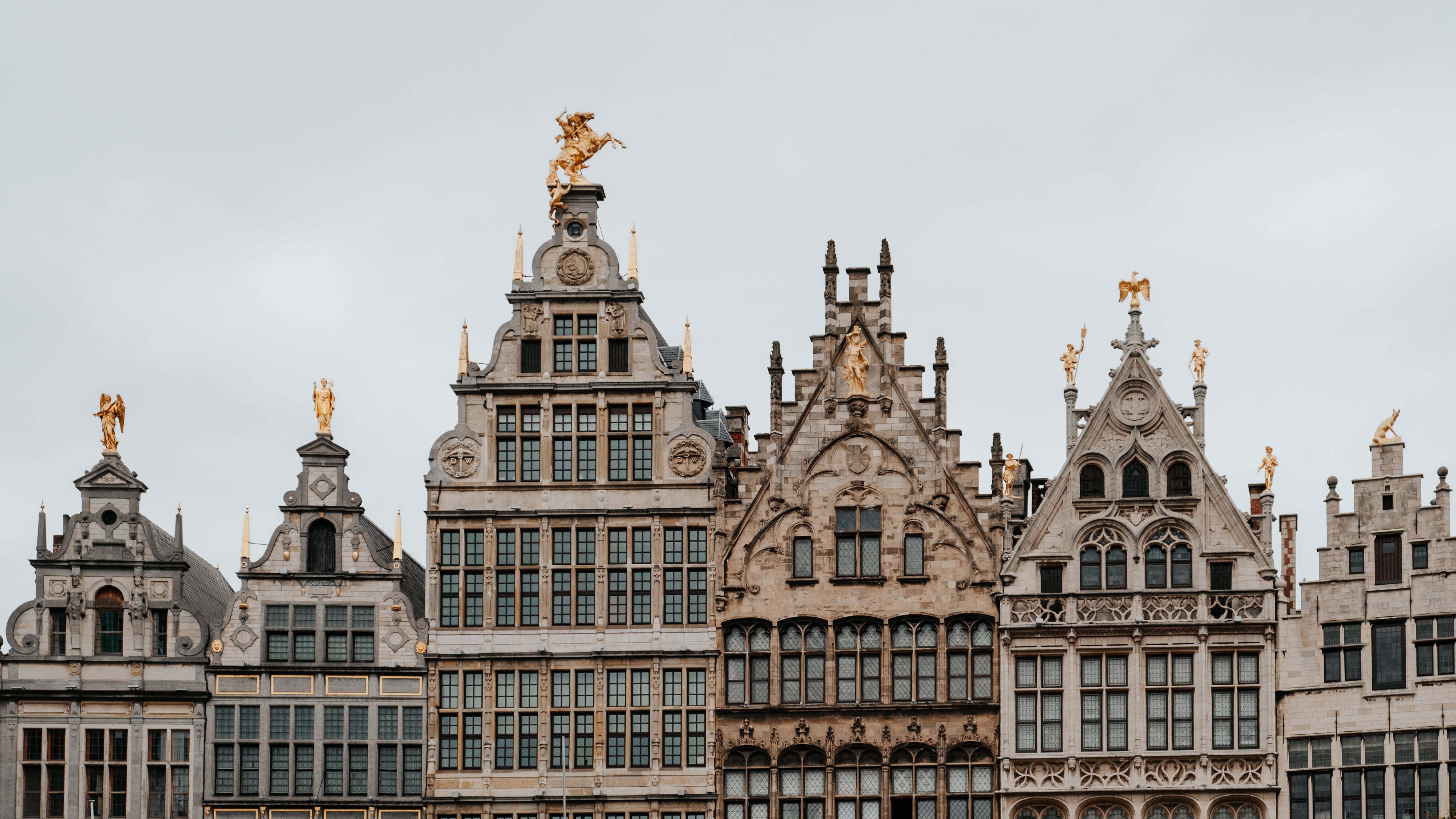
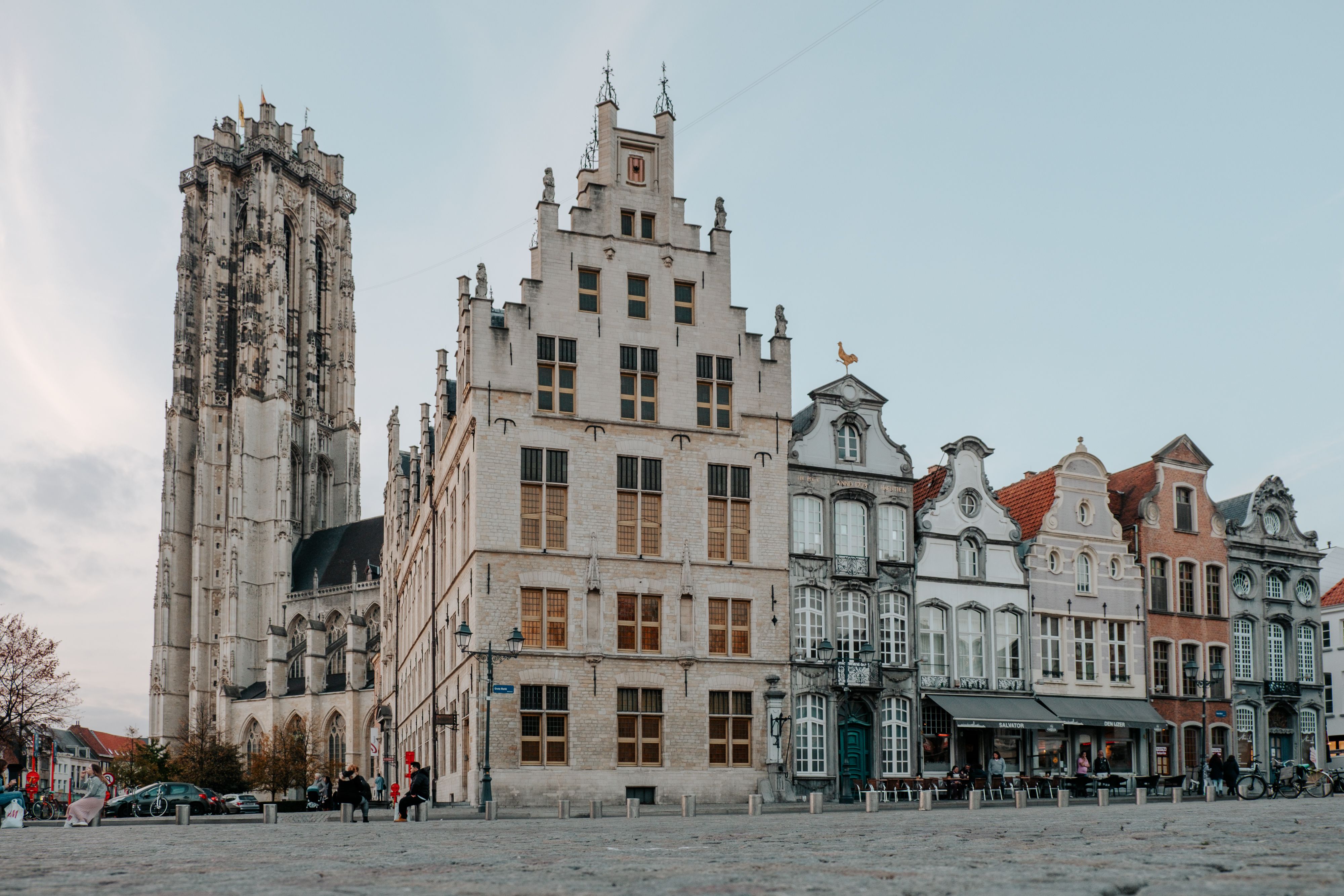
Gabled guild houses and the provincial court frame the main square of Bruges, which has held a market since the tenth century and still does on Wednesday mornings. Horse carriages queue along one side and terrace cafes take the rest. Early morning and late evening are when the square empties enough to read the facades.
-
Stadhuis van Brugge
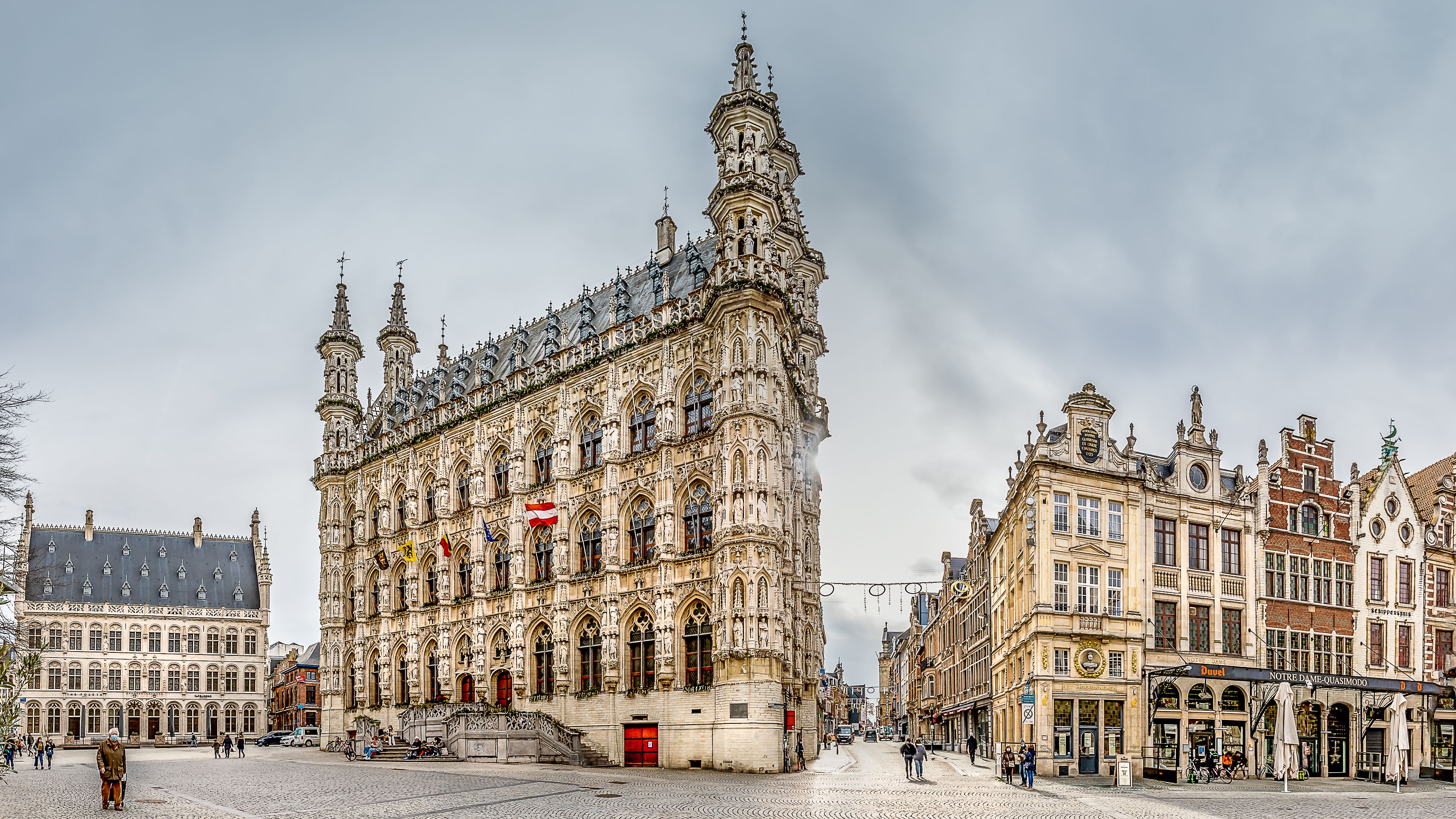
One of the oldest town halls in the Low Countries, begun in 1376, its facade carrying forty-eight statues of Flemish counts, all replaced after French troops destroyed the originals in 1792. The Gothic hall upstairs has a polychrome vault of 1402 and a painted history cycle. Entry includes the old registry next door.
-
Basiliek van het Heilig Bloed
Two chapels stacked on each other in the corner of the Burg: a bare Romanesque one below from 1149 and a painted neo-Gothic one above holding a rock crystal phial said to contain Christ's blood, brought back from the Holy Land. It is shown daily at set hours and carried through the town each Ascension.
-
Begijnhof Ten Wijngaerde
Founded in 1245 for women who lived a religious life without taking vows, and occupied by Benedictine nuns since 1927. White houses stand round a lawn that fills with daffodils in March. Silence is asked for at the gate and observed. It closes at sunset and is a different place at nine in the morning.
-
Burg
The administrative square a minute from the market, where the count's castle stood, now ringed by four centuries of civic architecture in a row: Gothic town hall, Renaissance registry, classical courthouse. A cathedral was demolished on the fourth side in 1799 and the gap is planted. Quieter than the Markt and better looking.
-
Groeningemuseum
Six centuries of painting in a small building off a garden, and the reason to come is the first two rooms: Van Eyck's Madonna with Canon van der Paele, Bosch's last judgement and Gerard David's flayed judge. The Flemish primitives were painted here and are shown where they were made. Under two hours.
-
Gruuthusemuseum
The palace of a family that held the monopoly on gruut, the herb mixture used to flavour beer before hops, which made them rich enough to build this and to keep a private oratory looking straight into the church next door. Reopened in 2019 as a museum of the town's own history over five hundred years.
-
Minnewater
A rectangular basin at the southern edge of the old town, once the inland dock where barges from Ghent tied up, now a park with swans on it kept by an order dating from 1488. The name is usually translated as the lake of love. It is the quiet end of the standard walking circuit.
-
Museum Sint-Janshospitaal
A hospital from the twelfth century until 1977, whose medieval wards now hold six works by Hans Memling, including the painted reliquary of Saint Ursula that the nuns commissioned and kept. An apothecary and the old attic timbers survive. It stands directly across the water from the Church of Our Lady.
-
Onze-Lieve-Vrouwekerk
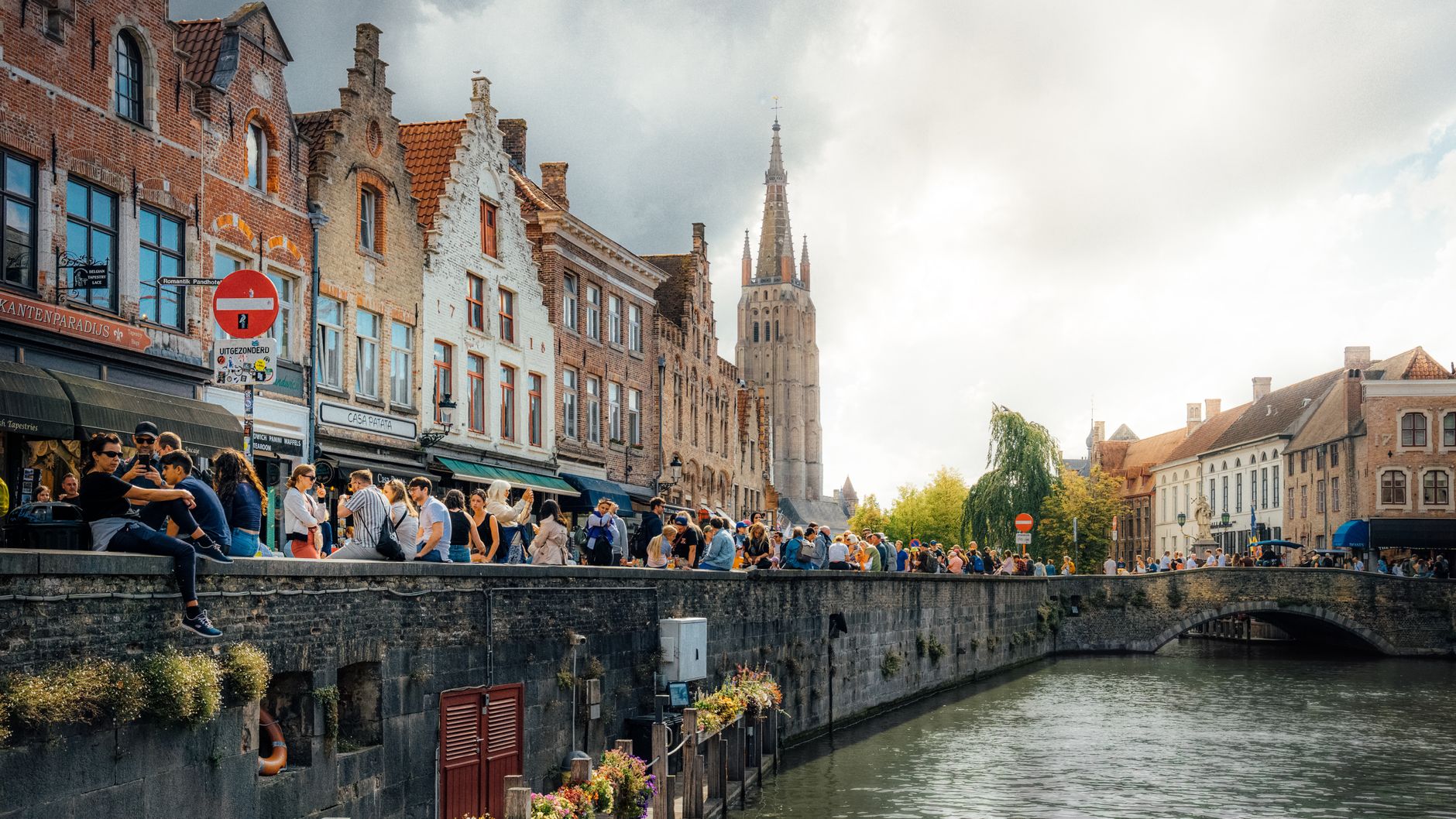
A brick spire of one hundred and fifteen metres, the tallest in the country, over a church holding Michelangelo's Madonna and Child, the only sculpture of his to leave Italy in his lifetime. It was taken twice as war loot and returned twice. The bronze tombs of Charles the Bold and Mary of Burgundy are in the choir.
-
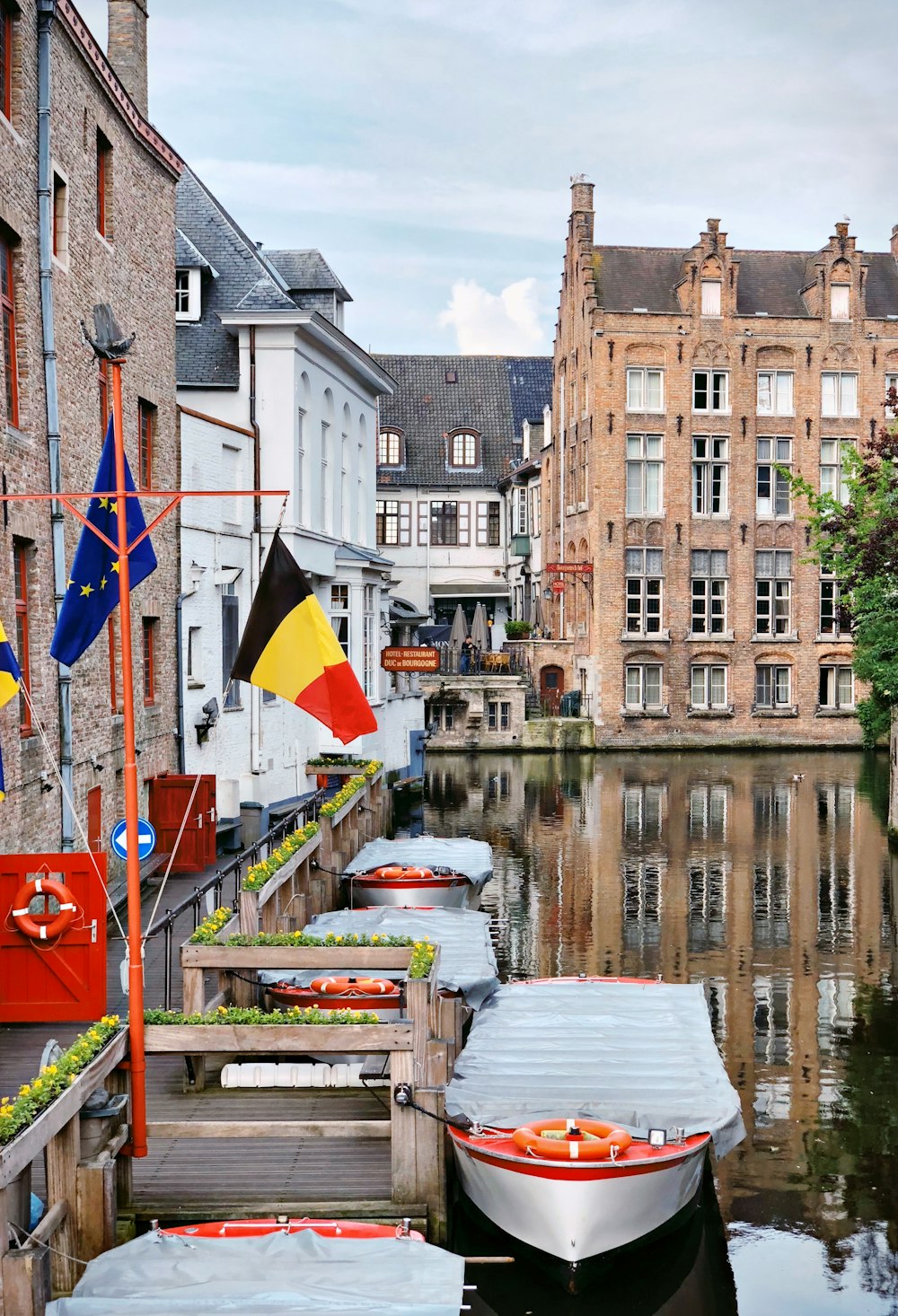
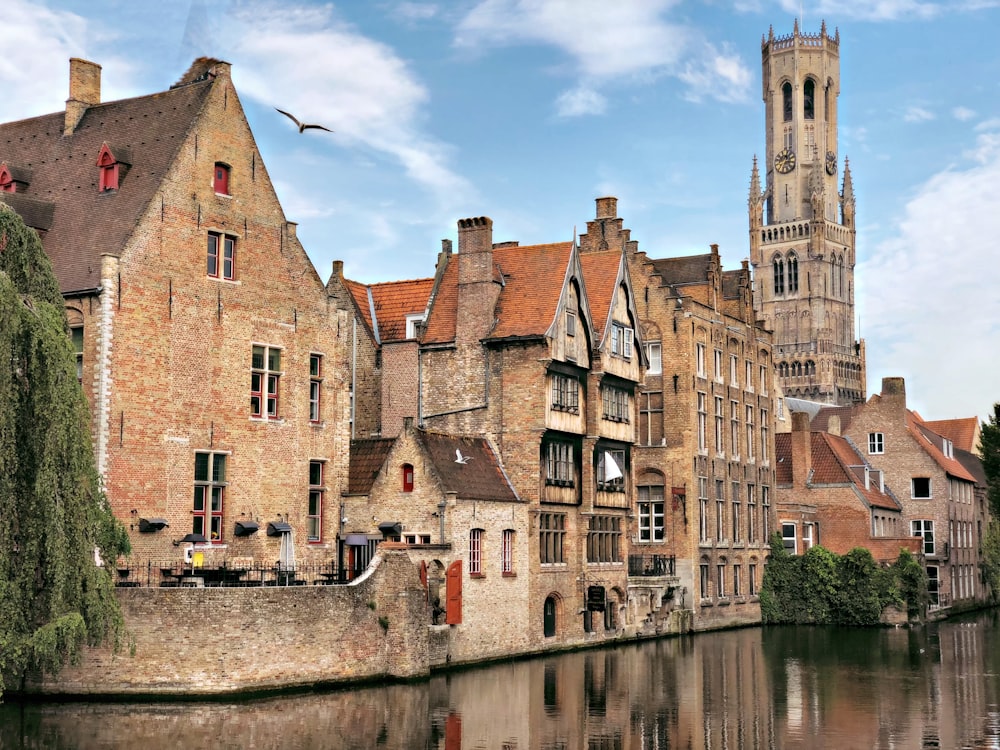
Rozenhoedkaai
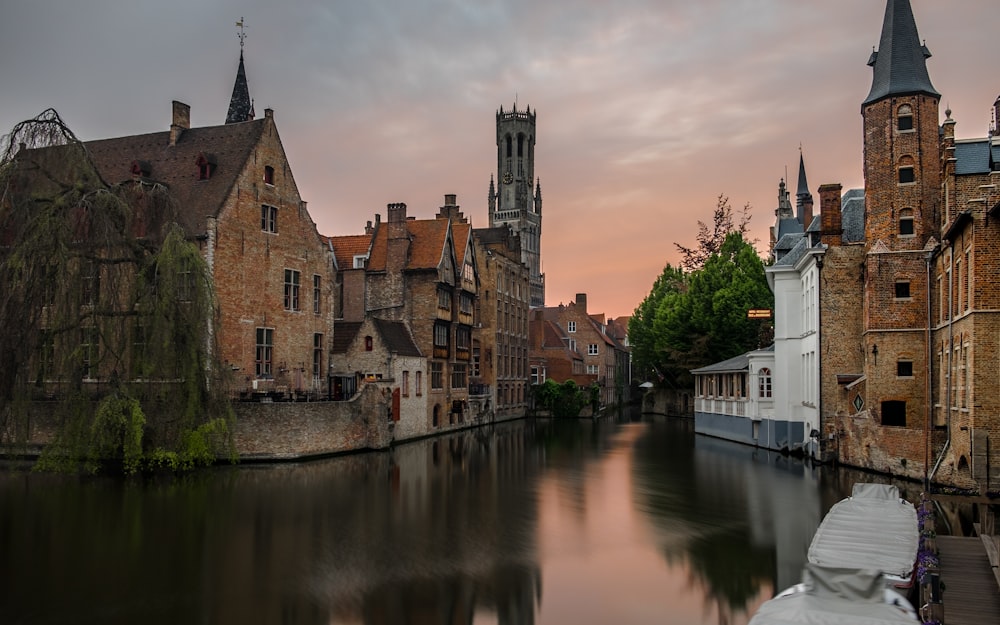
The bend where two canals meet under the belfry, and the most photographed spot in Flanders, named for the rosaries once sold on the quay. Boat trips leave from the steps below. There is nothing to do but stand and look, and at first light the quay is empty.