Things to do
8-
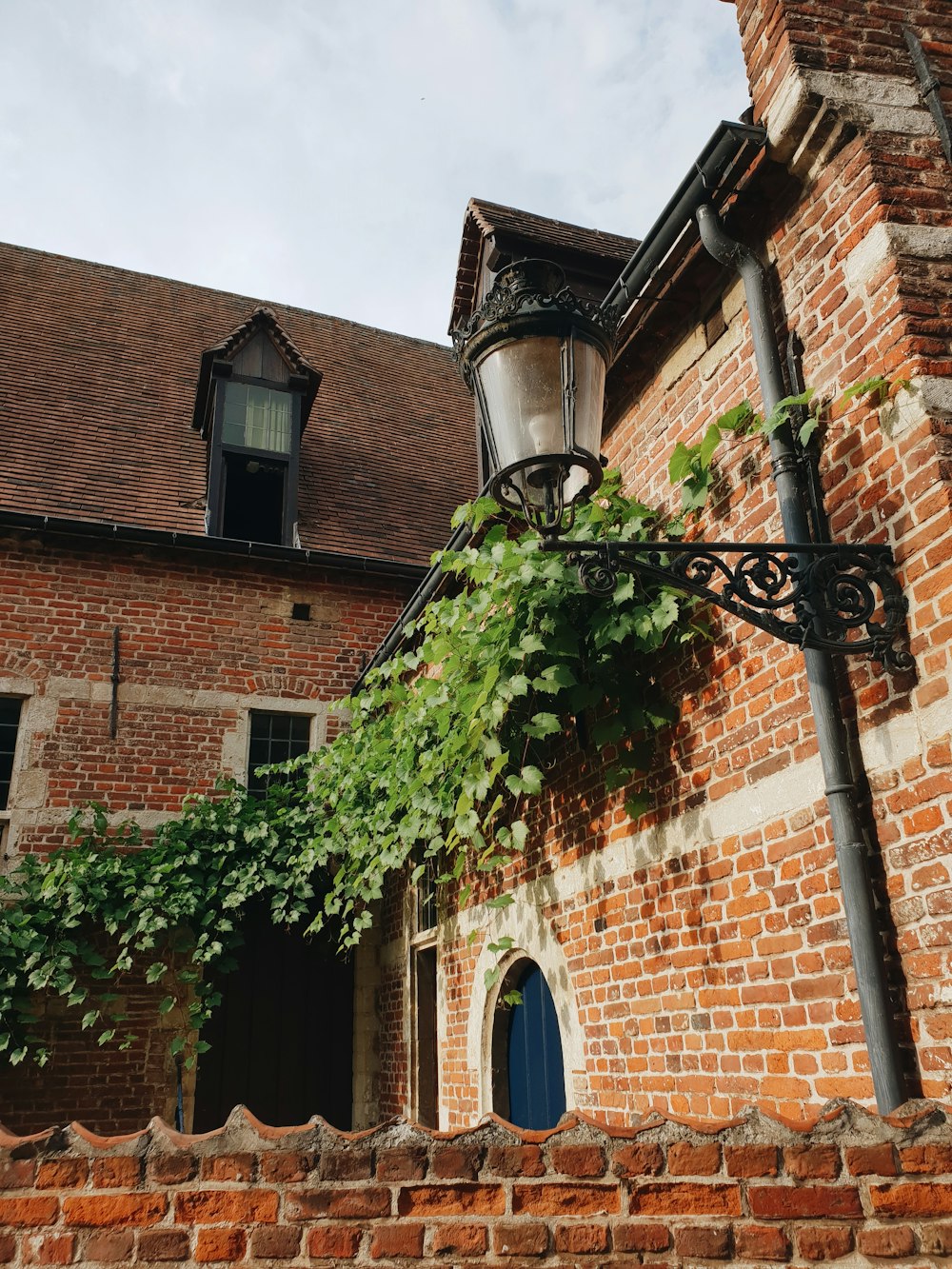
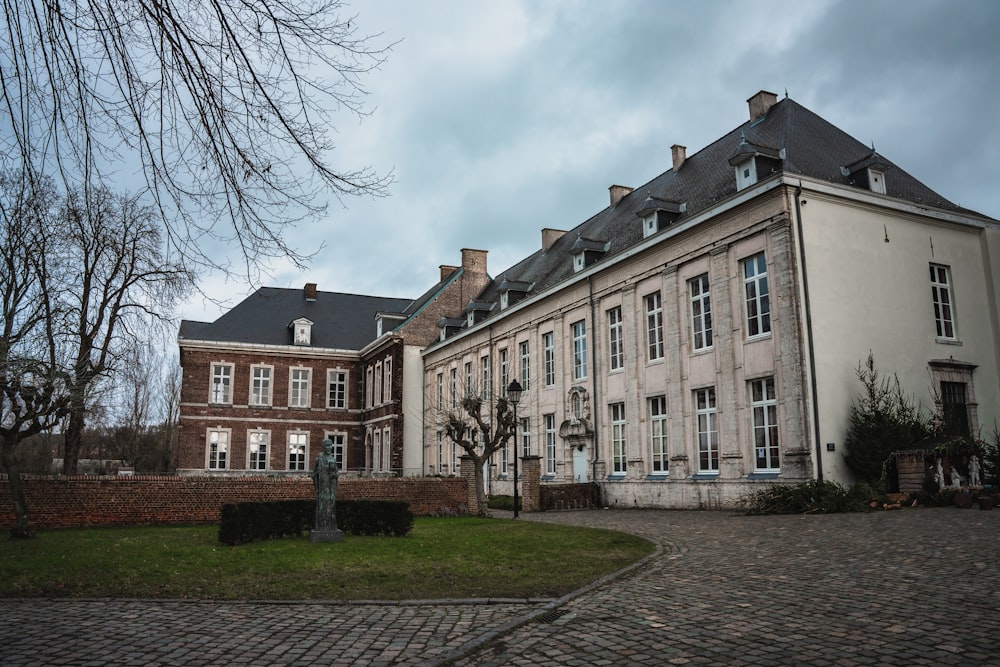
Groot Begijnhof
A walled town within the town, founded in the thirteenth century for lay religious women, with about a hundred houses in sandstone and brick along cobbled lanes and a stream running through. The university bought it in 1962 and restored it as student and staff housing, so it is lived in and quiet. Free to walk.
-
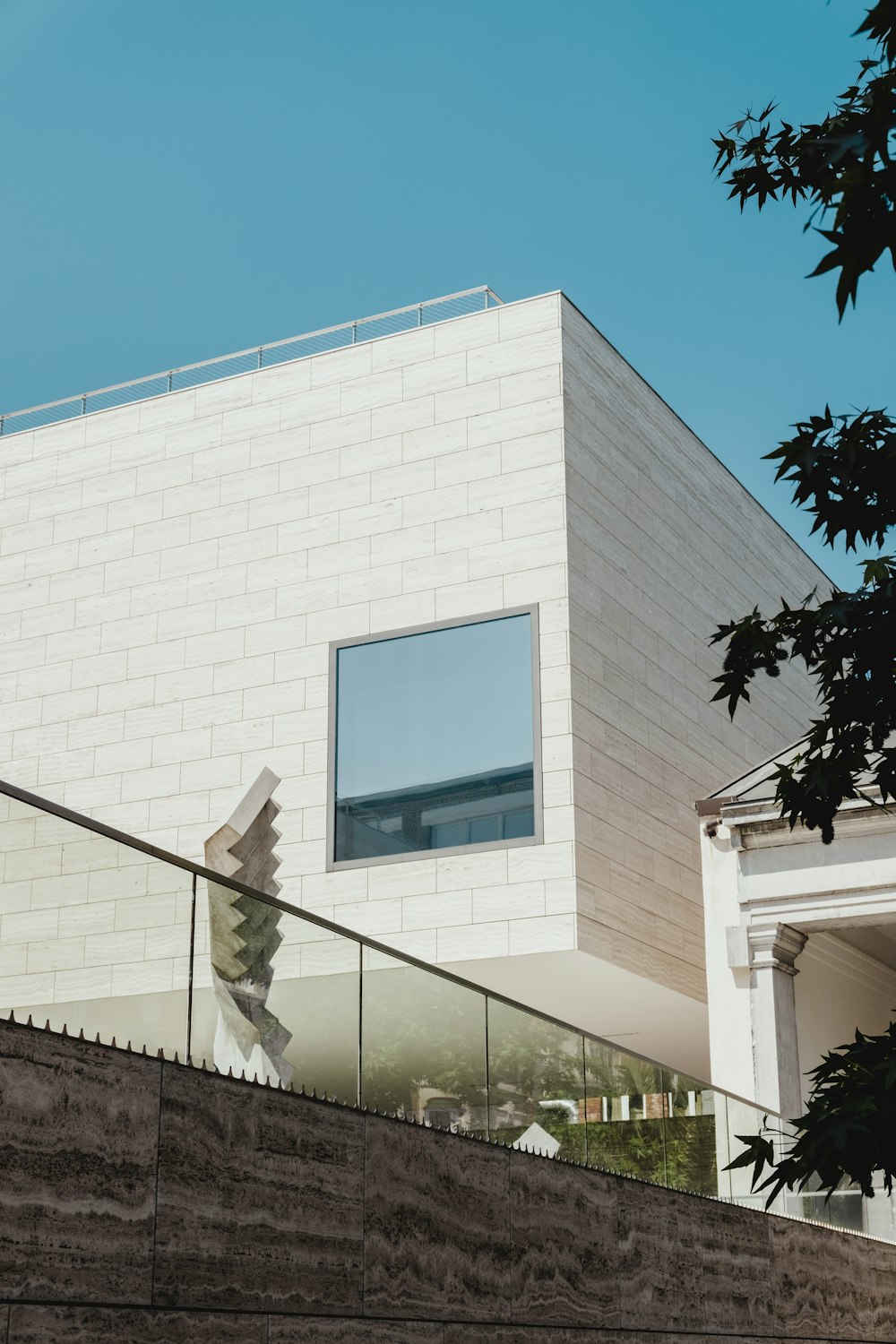
M Leuven
Stéphane Beel wrapped a new building around two nineteenth-century houses in 2009, and the city collection inside runs from medieval Brabantine sculpture and Bouts panels to contemporary commissions. Roof terraces open off the upper galleries. It puts old and new in the same circuit rather than in separate wings.
-
Universiteitsbibliotheek Leuven
Rebuilt in the 1920s in a Flemish Renaissance manner with American donations, the names of the giving universities cut into the balustrade, then burnt again in 1940. The tower carries a carillon of sixty-three bells and can be climbed, three hundred steps, for the roofs and the flat country beyond.
-
Abdij van Park
A Norbertine abbey founded in 1129 on the edge of the city, still occupied by canons, with three fish ponds, a working farm and a set of stucco ceilings of the 1670s in the cloister. Part of it is now a museum of religious art. It is a twenty-minute walk or a short ride south.
-
Oude Markt
A rectangular square lined on all four sides with bars and nothing else, about forty of them, which is why the city calls it the longest counter in Europe. Gabled fronts were rebuilt after 1944. It is quiet at lunchtime and unrecognisable by eleven at night in term.
-
Sint-Michielskerk
A Jesuit church of 1666 whose facade is carved like a piece of furniture, layered with columns and volutes and generally counted the finest baroque front in the country. The roof and interior burnt in 1944 and were restored. It stands on a quiet street and is open only at limited hours.
-
Sint-Pieterskerk
Opposite the town hall, holding Dirk Bouts's Last Supper of 1468, painted under the supervision of two theology professors who told him how the sacrament should look. The west towers were never finished; a stone model of the intended design stands inside. Burnt in 1914 and again in 1944 and rebuilt both times.
-
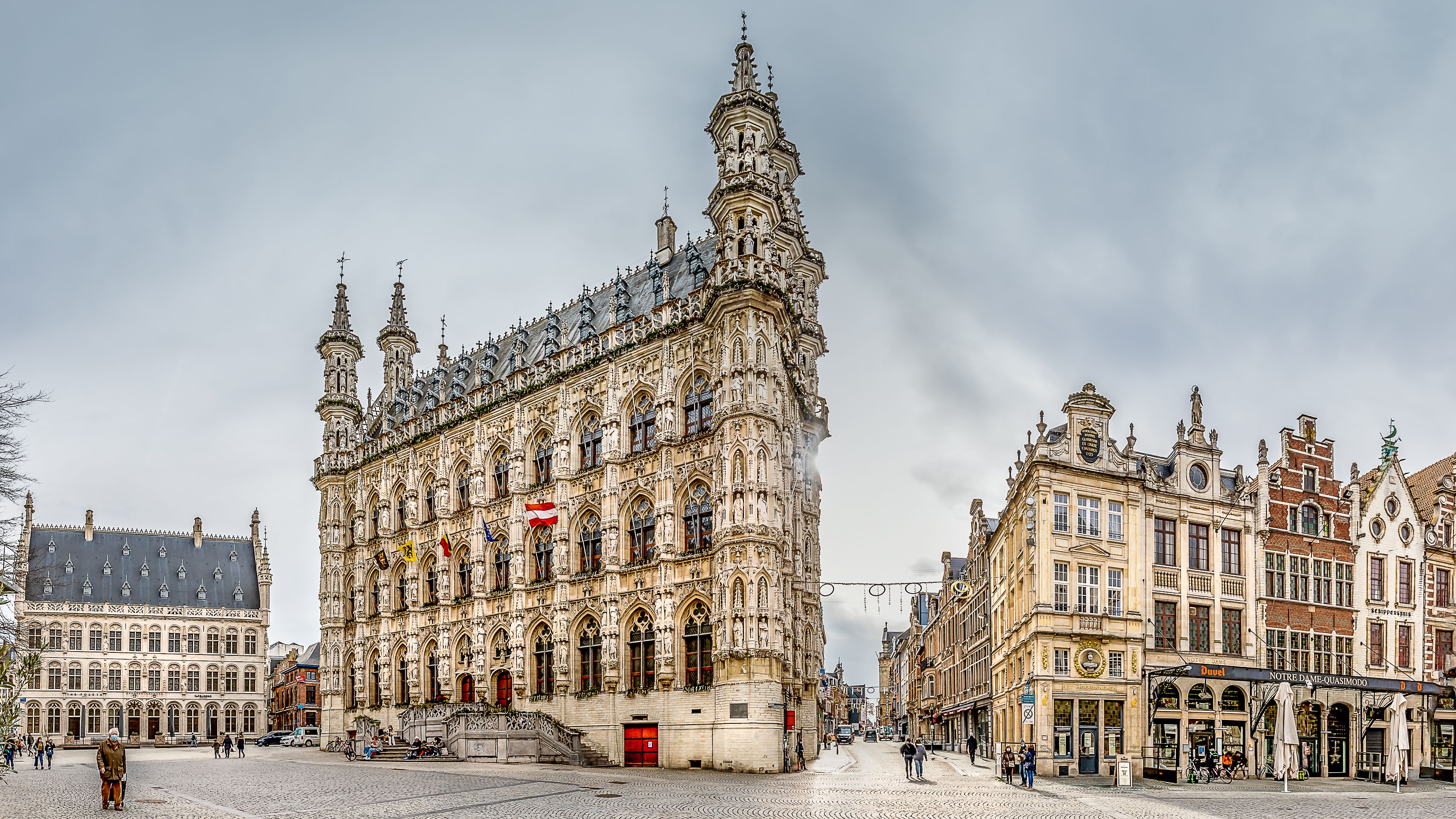
Stadhuis van
Brabantine Gothic taken as far as it will go: three storeys of turrets and pinnacles carrying two hundred and thirty-six statues, added in the nineteenth century to niches that had stood empty for four hundred years. Ten mines placed under it in 1944 failed to go off. The interior is seen on a guided visit only.