Things to do
8-
Groot Begijnhof
Unusually, this beguinage has no wall: it grew into the street plan as a quarter of narrow brick houses, and a beguine community lived here from about 1259 until the twentieth century. Unesco listed it with twelve others in 1998. A brewery and several bars occupy the ground floors now.
-
Grote Markt
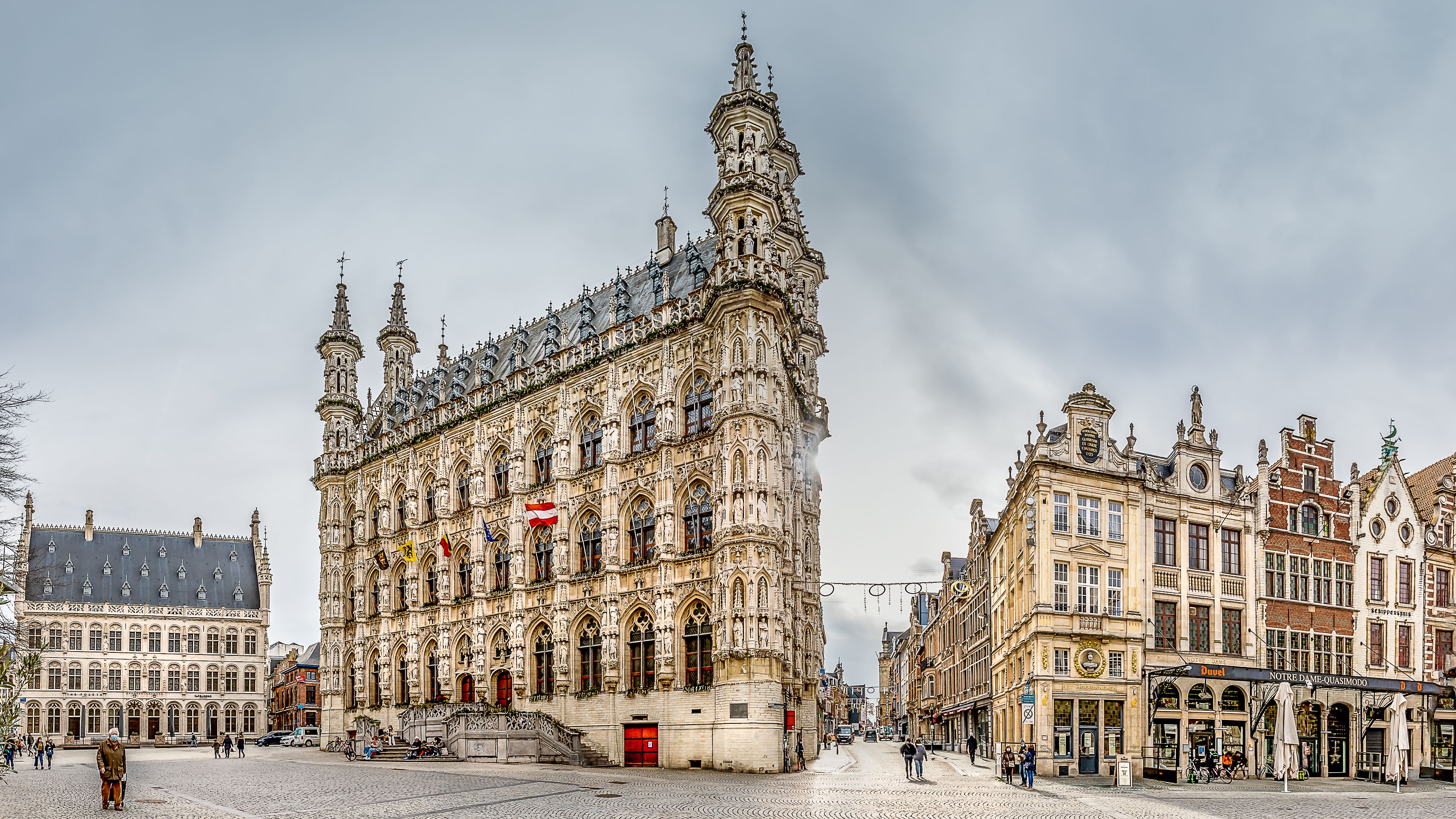
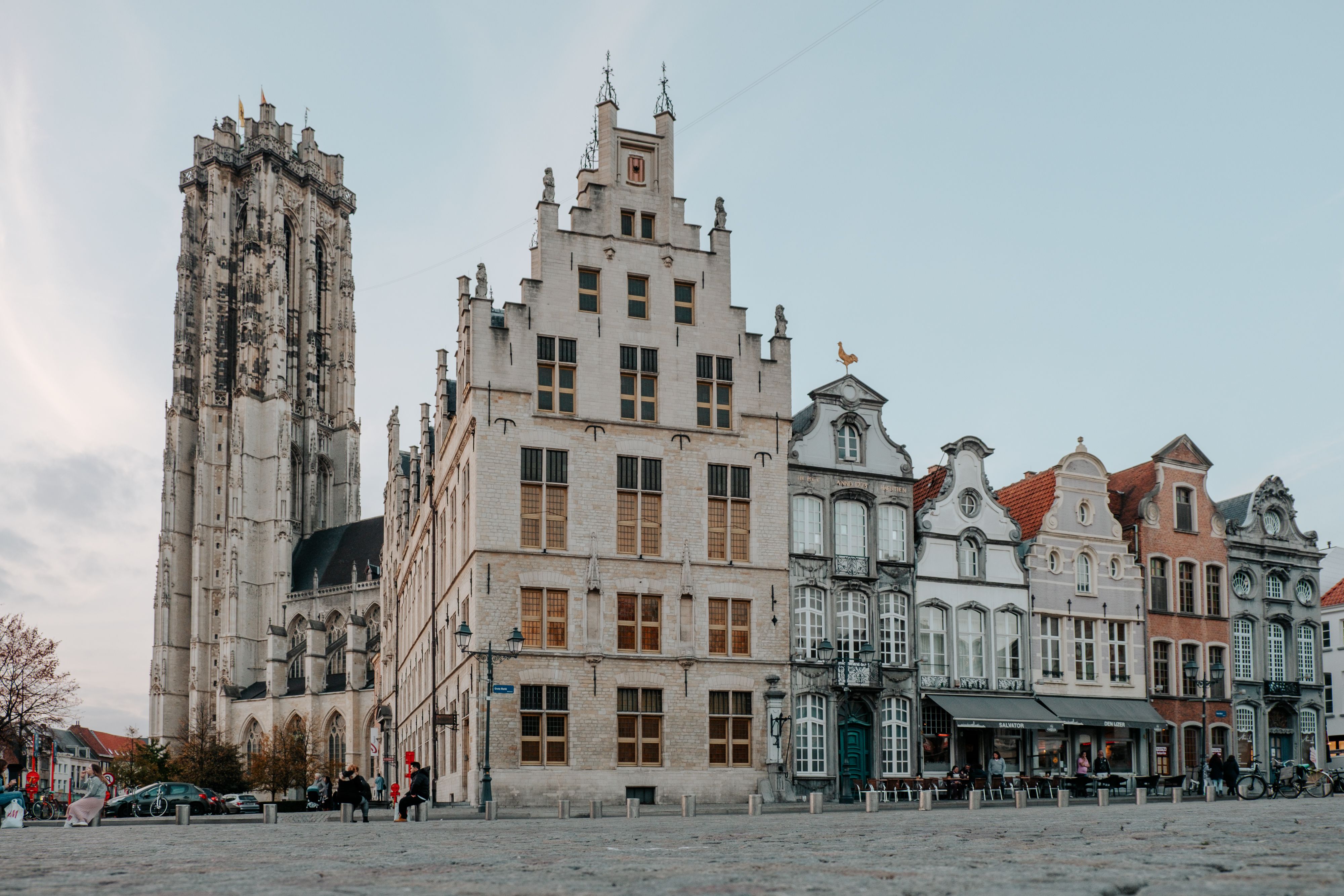
One of the larger market squares in the country, with an unfinished Gothic cloth hall on one side and a palace of the Great Council beside it, begun in 1526 and only completed in 1911 to the original drawings. The cathedral tower stands over the whole thing. A market runs on Saturday mornings.
-
Hof van Busleyden
A brick palace of 1508 built by a humanist friend of Erasmus, burnt in 1914 and reopened as a museum in 2018 covering the Burgundian court that ran the Low Countries from this town. The garden is open free. Its account of Margaret of Austria's regency is the clearest thing here on why the place matters.
-
Kazerne Dossin
Between 1942 and 1944 the barracks opposite held Jews and Roma before twenty-eight trains took twenty-five thousand of them to Auschwitz, from which about twelve hundred returned. The museum across the road shows a wall of their photographs, floor to ceiling. The original building is now flats, which is stated and not hidden.
-
Sint-Janskerk
A parish church holding Rubens's Adoration of the Magi triptych of 1619, painted for this altar and returned to it after a restoration completed in 2018. The church was closed for a decade for that work. Its baroque furnishings survived intact, which is rare in a country that had two occupations.
-
Sint-Romboutskathedraal
The tower was designed to reach one hundred and sixty-seven metres and stopped at ninety-seven when the money ran out in 1520, leaving it flat on top. Five hundred and thirty-eight steps climb past the two carillons to a glass-floored platform. Van Dyck's crucifixion hangs in the transept below.
-
Speelgoedmuseum Mechelen
Six thousand square metres of toys arranged by period rather than by type, from tin soldiers and doll houses to the arrival of plastic and the video game, in a converted furniture factory. It is among the largest of its kind in Europe and is used as much by grandparents as by children.
-
Technopolis
A science centre on the edge of town with about three hundred hands-on setups: a bed of nails, a bicycle ridden along a cable, a chair lifted by pulleys. It is built for children, at their height and their attention span. Reached by bus from the station or a twenty-minute walk along the canal.