Things to do
10-
Design Museum Gent
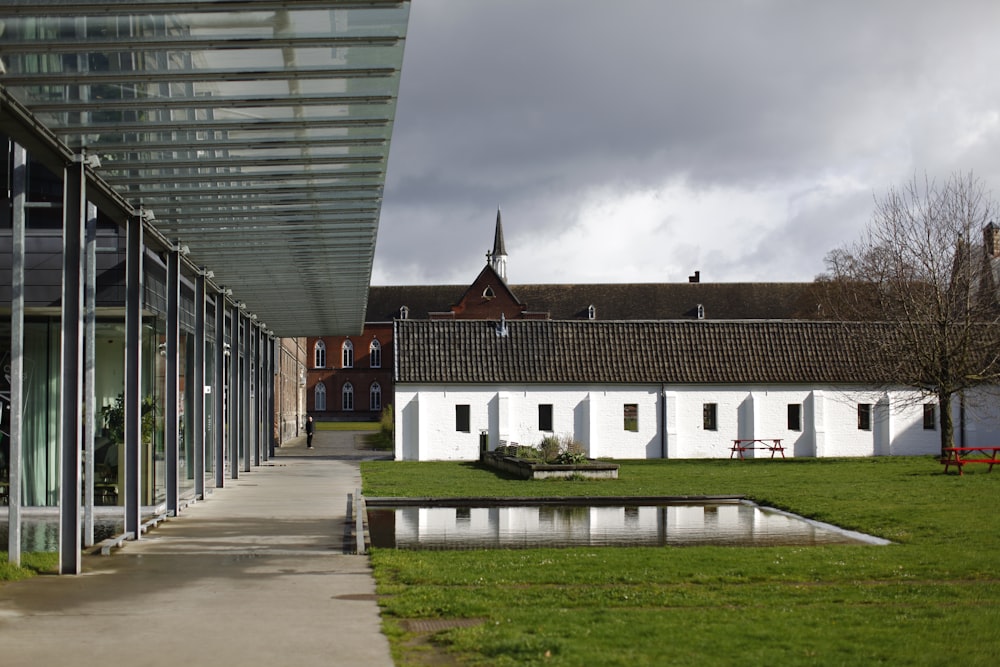
An eighteenth-century townhouse at the front with period rooms, and a modern wing behind holding art nouveau and art deco furniture, Belgian design and changing shows. A large extension opened in 2024. It sits opposite the castle, so the two make an easy pairing on a wet morning.
-
Graslei
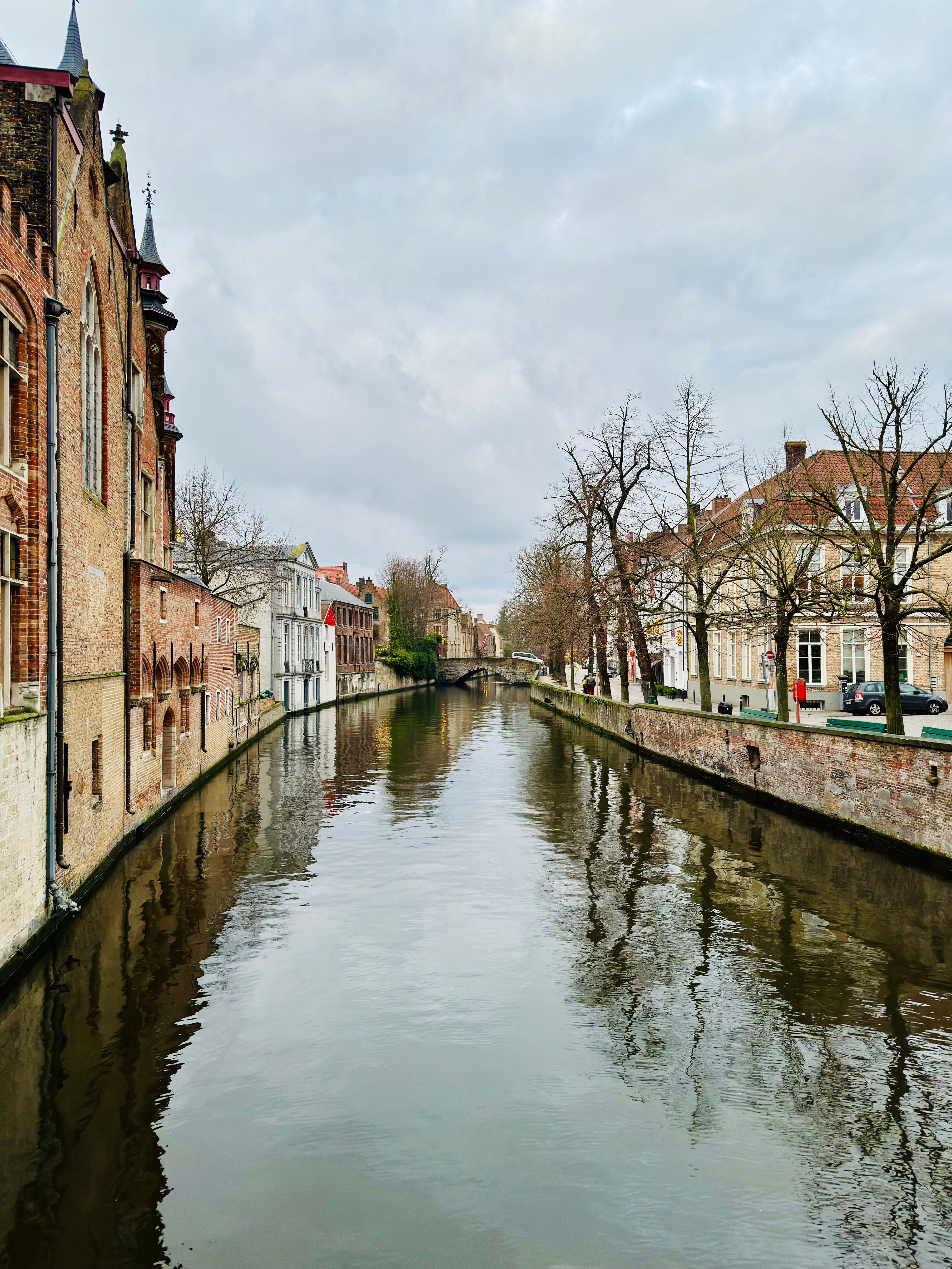
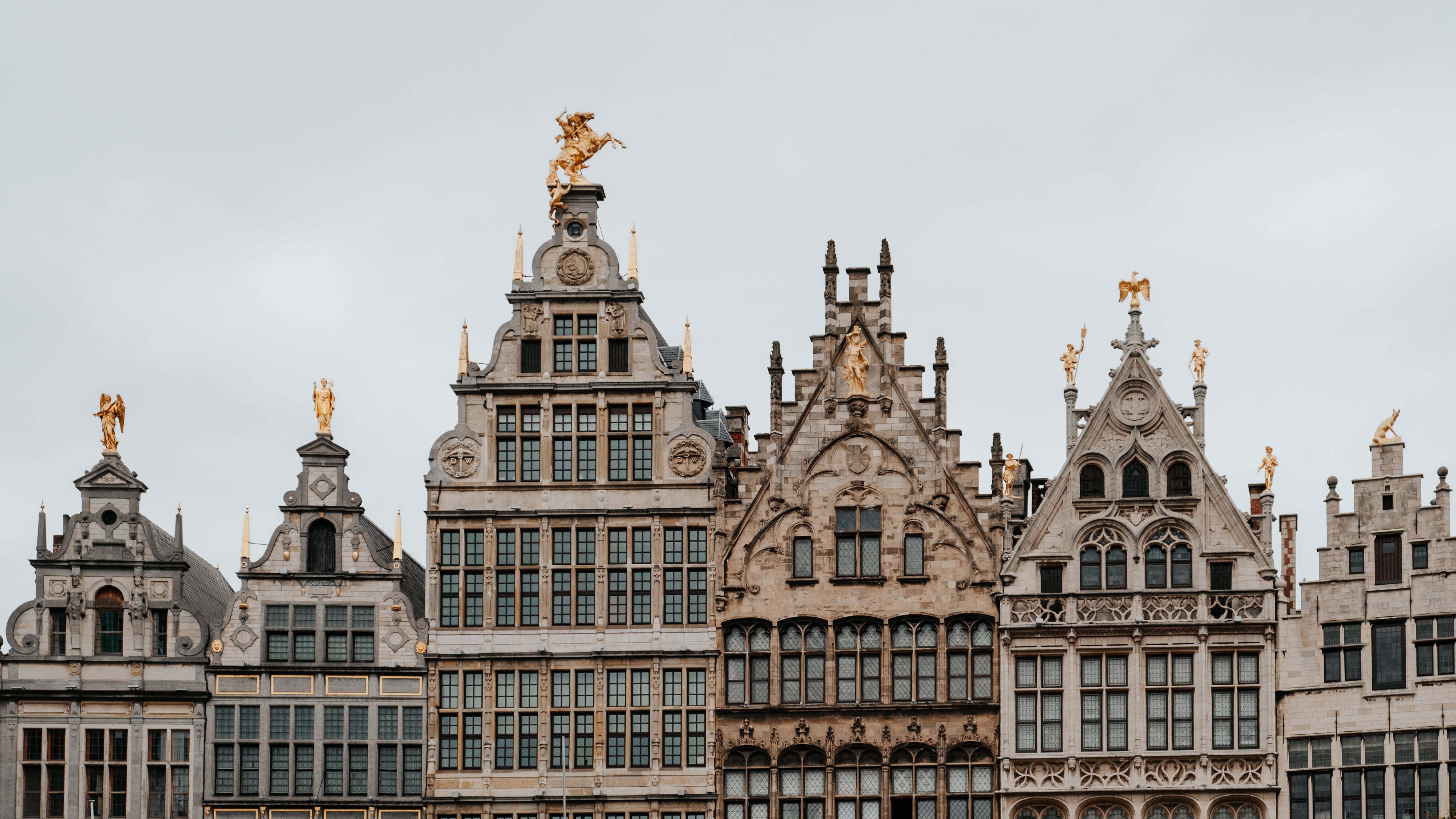
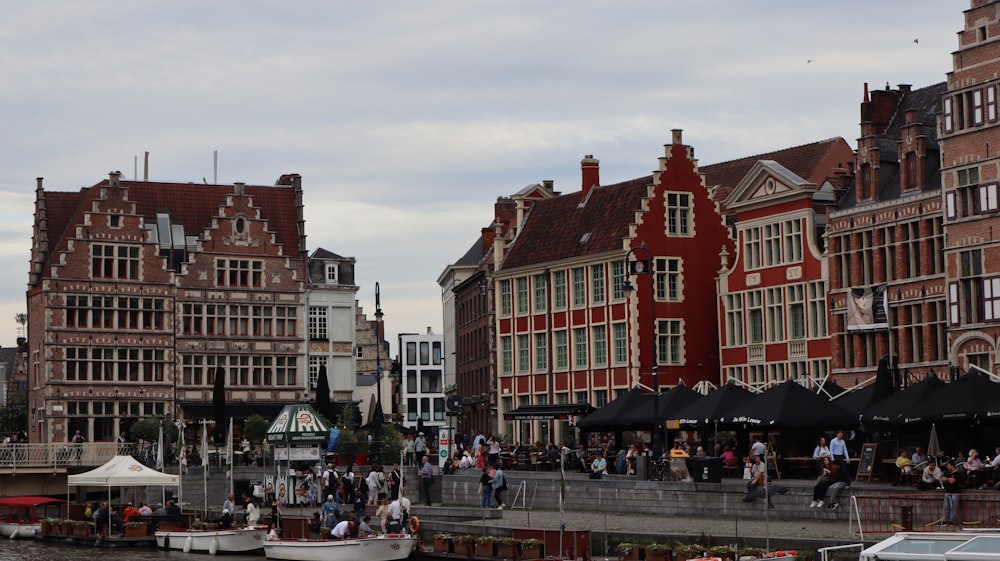
The medieval port on the Lys, with guild houses of the grain measurers, the masons and the free boatmen standing in a row, the oldest from about 1200. Students sit on the cobbles along the water on any warm evening. Look across from the Korenlei opposite, where the light lands in the late afternoon.
-
Belfort van Gent
Ninety-one metres of belfry begun in 1313 to hold the city's charters in an iron chest behind three locks, which is what a belfry was for: proof that a town governed itself. A gilded dragon has stood on top since 1377. A lift covers most of the climb and the carillon is played by hand on Sundays.
-
Gravensteen
A moated stone keep of 1180, built by a count returning from crusade on the model of what he had seen in Syria, later a mint, a courthouse and a cotton mill before the city bought and restored it. The audio guide is written as comedy and is genuinely funny. The wall walk gives the whole centre.
-
Museum voor Schone Kunsten
Bosch, Rubens and a strong Flemish expressionist holding in a neoclassical building beside a park south of the centre. It made international news in 2018 over a loan of Russian avant-garde works whose authenticity was challenged and which were removed. The contemporary museum stands across the lawn.
-
Patershol
A knot of lanes behind the castle where the leather workers lived, then Carmelite friars, then nobody much: by the 1970s it was a slum scheduled for demolition. Restored instead, it now holds most of the good restaurants in the city on streets too narrow for cars. Book, especially at weekends.
-
Sint-Baafskathedraal
The cathedral holds the Ghent Altarpiece, finished by Jan van Eyck in 1432, which has been stolen or looted seven times, sawn in half, ransomed and hidden in an Austrian salt mine. One panel taken in 1934 has never been found. A ten-year cleaning revealed the lamb's face under a seventeenth-century repaint.
-
Sint-Niklaaskerk
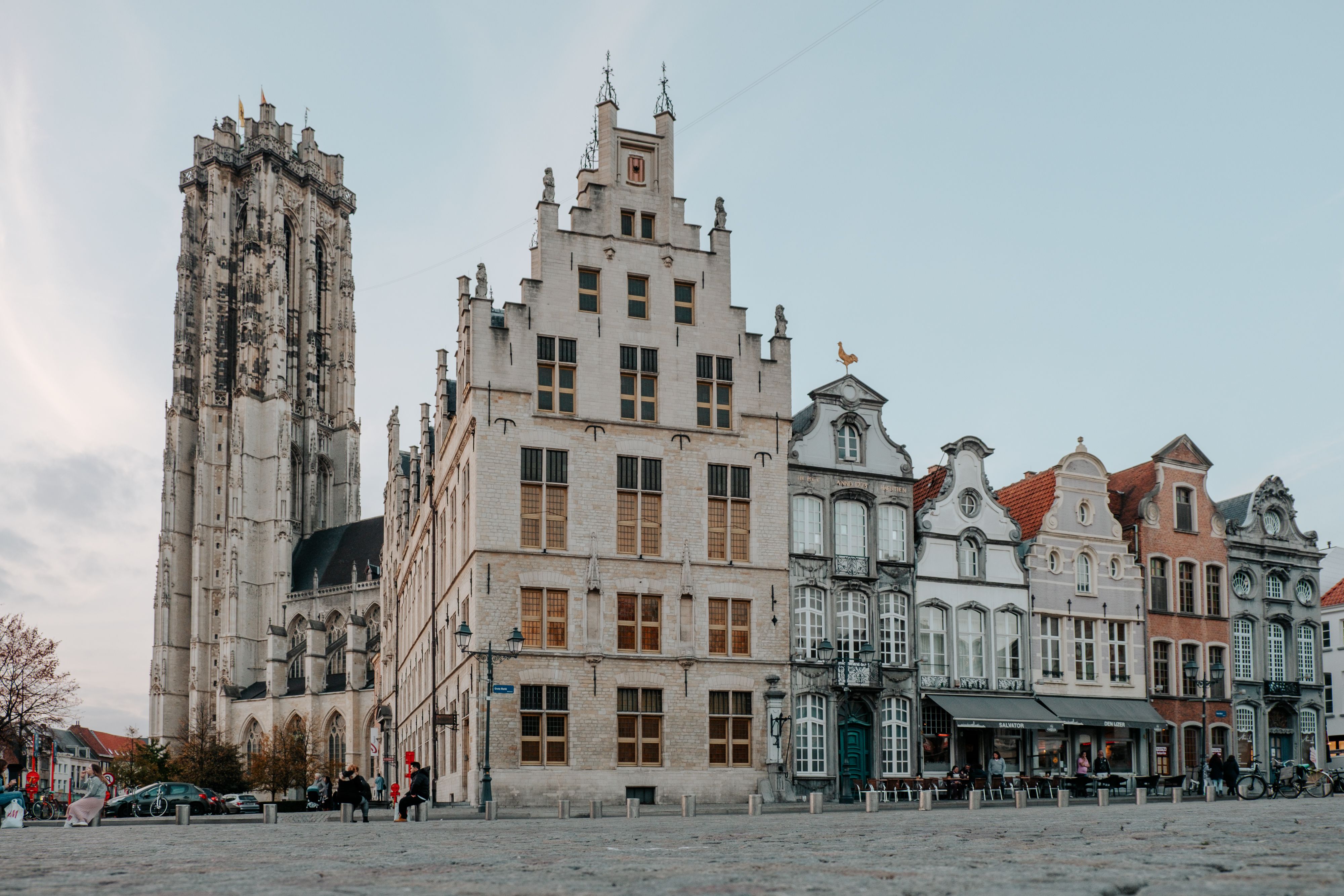
Blue-grey Tournai limestone in the Scheldt Gothic manner, built from the thirteenth century by the merchant guilds, with a lantern tower over the crossing that lit the interior before the side chapels were added. It stands in a line with the belfry and the cathedral, three towers on one axis, best seen from the bridge.
-
Sint-Pietersabdij
A Benedictine abbey from the seventh century, suppressed in 1796 and used as barracks, now holding exhibitions in the refectory and a working vineyard in the garden that produces a few hundred bottles a year. The ruins of the older church stand in the grounds. It is a walk south from the centre.
-
STAM
The city museum, in a fourteenth-century abbey with a glass wing bolted on, built around a walkable aerial photograph of Ghent laid across the floor at twenty-eight metres wide. It runs chronologically from the Roman settlement forwards and is the thing to see first if the plan is several days here.