 Submit a photo
Ninety seconds on Churchill Wildlife Management Area
Peak viewing runs from the start of October to mid-November. The bears come ashore when the Hudson Bay ice melts in July and stay on land until late November. Outings from July to September find fewer bears.
Not for bear viewing. Only licensed operators may take visitors onto the tundra, and the province caps them at 18 tundra vehicles. Commercial tourism of any kind in the area is regulated.
Fly in, or take the train. VIA Rail trains leave Winnipeg on Sundays and Tuesdays and arrive 48 hours later, returning on Thursdays and Saturdays. To shorten the ride, drive about 8 hours north to Thompson and board the twice-weekly train there.
Yes. Passengers stay in the safety of the tundra vehicle until the outing is finished. Arms, heads and every other part of the body must stay out of the bears' reach at all times, without exception.
It covers 854,484 hectares, about 8,545 square kilometres, of tidal flats, ponds and low ground beside the bay. It runs up to Wapusk National Park, which holds one of the largest known polar bear maternity denning areas in the world.
Arctic foxes, snowy owls, wolves and ptarmigan turn up during polar bear season. Churchill is also a place to see caribou and harbour seals in the wild.
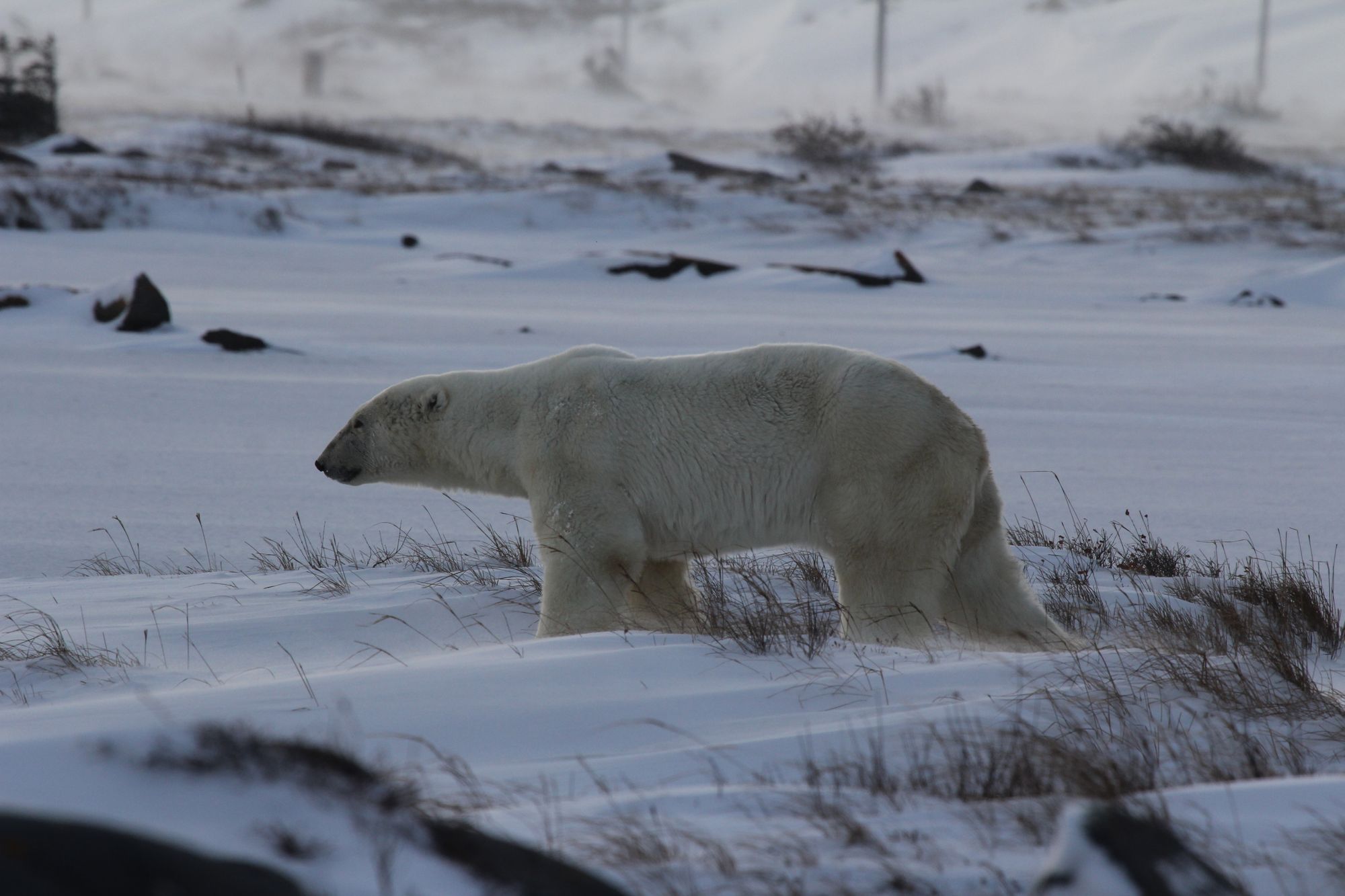
You can watch wild polar bears from a tundra vehicle here each autumn, on the stretch of Hudson Bay coast where they wait for the sea to freeze before heading back out to hunt.
The Churchill Wildlife Management Area is the protected coast beside the town: ridges and wooded hills, tidal flats, freshwater ponds and lowland along Hudson Bay. It lies between Churchill and Wapusk National Park, which no road or trail enters, so most of the region's wildlife tourism happens here.
Western Hudson Bay's polar bears live on the sea ice hunting seals. Through their months on land they eat little and are quiet, and the largest numbers gather between the Nelson River and Churchill.
As autumn comes on, the bears drift north along the shore towards the places where the first winter ice forms, and that brings them past the town. Out on the tundra you see them play, spar and rest.
The coastal wetlands also carry shorebirds and waterfowl, with birdlife at its best from mid-June to mid-July.
Day trips start on Launch Road, the main road from town into the protected area, which leads to the operators' passenger transfer pads. There you board a tundra vehicle, a self-propelled off-road coach that carries a group.
From the pads, the vehicles leave the road and follow a set network of designated trails across the coast, the most accessible part of the area for a day out. Bears sometimes walk up to the vehicle themselves.
To stay longer with the bears, book a night at a tundra lodge, where a bear can be outside your window when you wake. Trailer camps may stand in the area only from mid-September to the end of December.
Beyond a day on a tundra vehicle, you can see the area from the air: operators are authorised to fly helicopter tours over it.
Packages from Winnipeg usually cover the journey north, meals, rooms and the excursions, so one booking takes care of the whole trip.
Book at least a year ahead for October and November, because beds in town are limited. Dress for snow: an insulated parka, insulated boots, thick mitts, a toque and long underwear.
Polar bears walk into Churchill itself in this season. In town, walk in groups, stay out of alleys and dim streets, heed the warning signs and always have an escape route in mind. Report any bear you see to the 24-hour line, 675-BEAR (675-2327).
Further afield in Canada
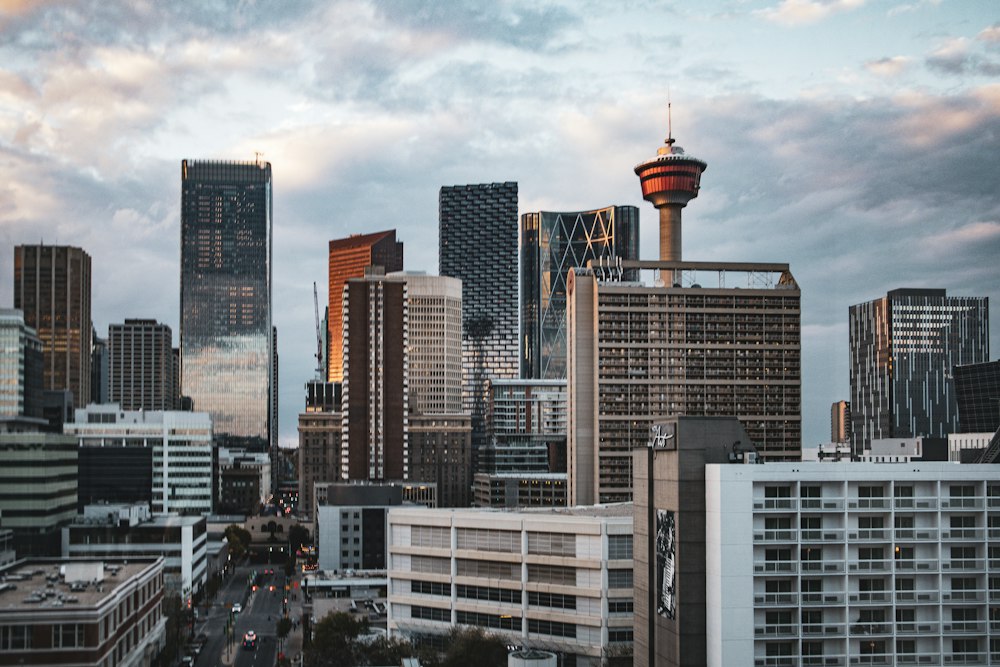
Oil money built a city of glass towers on the prairie where the Bow and the Elbow meet, an hour east of the Rockies and the usual point of…
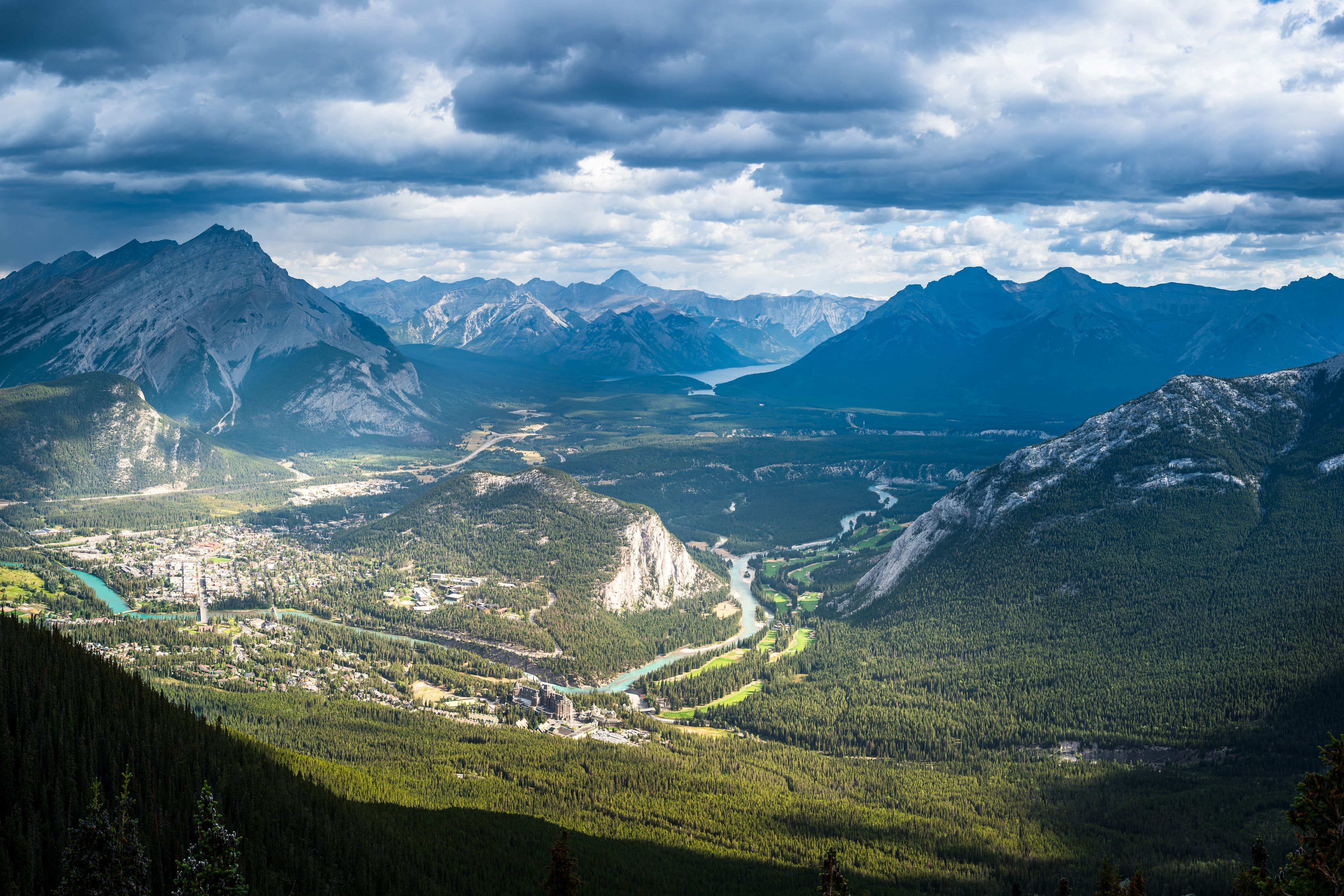
Inside a national park in the Alberta Rockies, an hour and a half west of Calgary, this is the base most visitors use for the lakes and the…
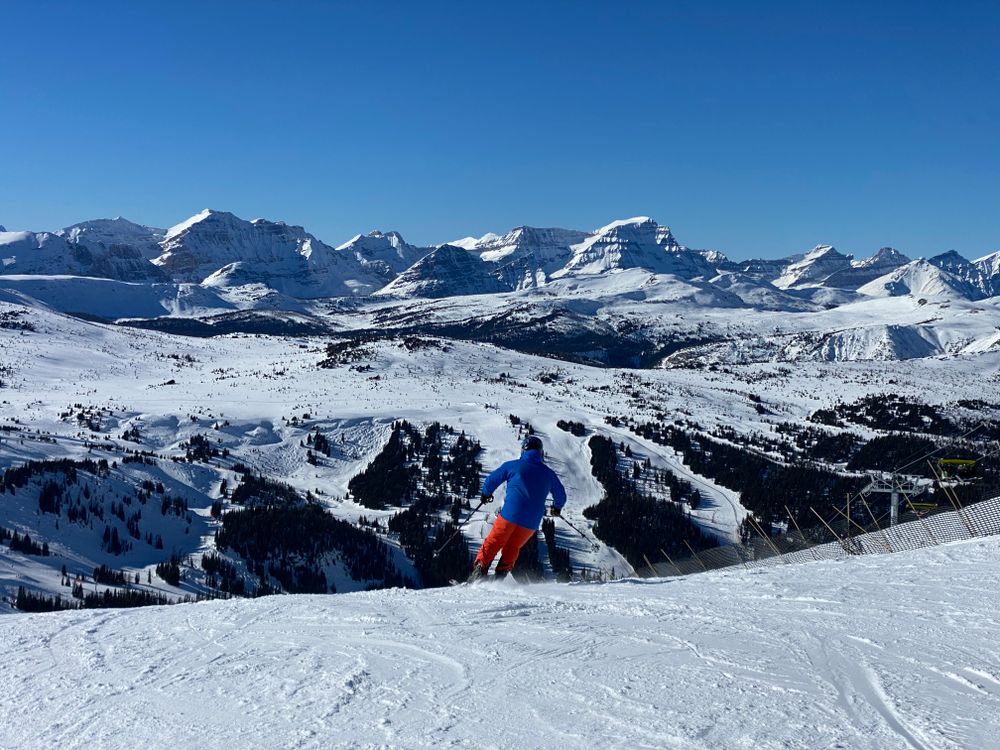
Three mountains on the Continental Divide west of Banff, Goat’s Eye, Lookout and Mount Standish, reached by one gondola from a car park off…
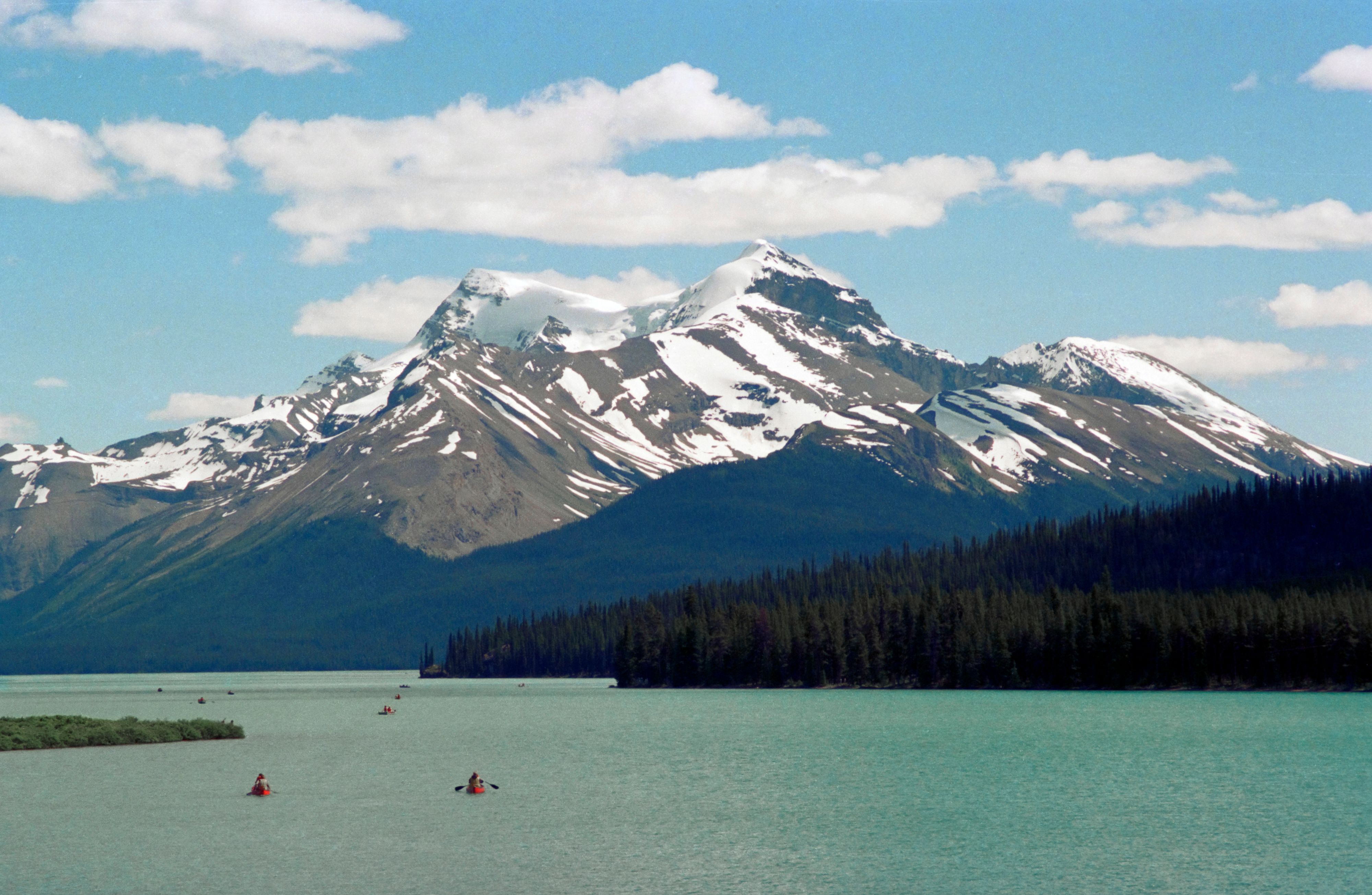
A railway town in the widest of the Rocky Mountain parks, four hours west of Edmonton by road, on the transcontinental rail line, and the…
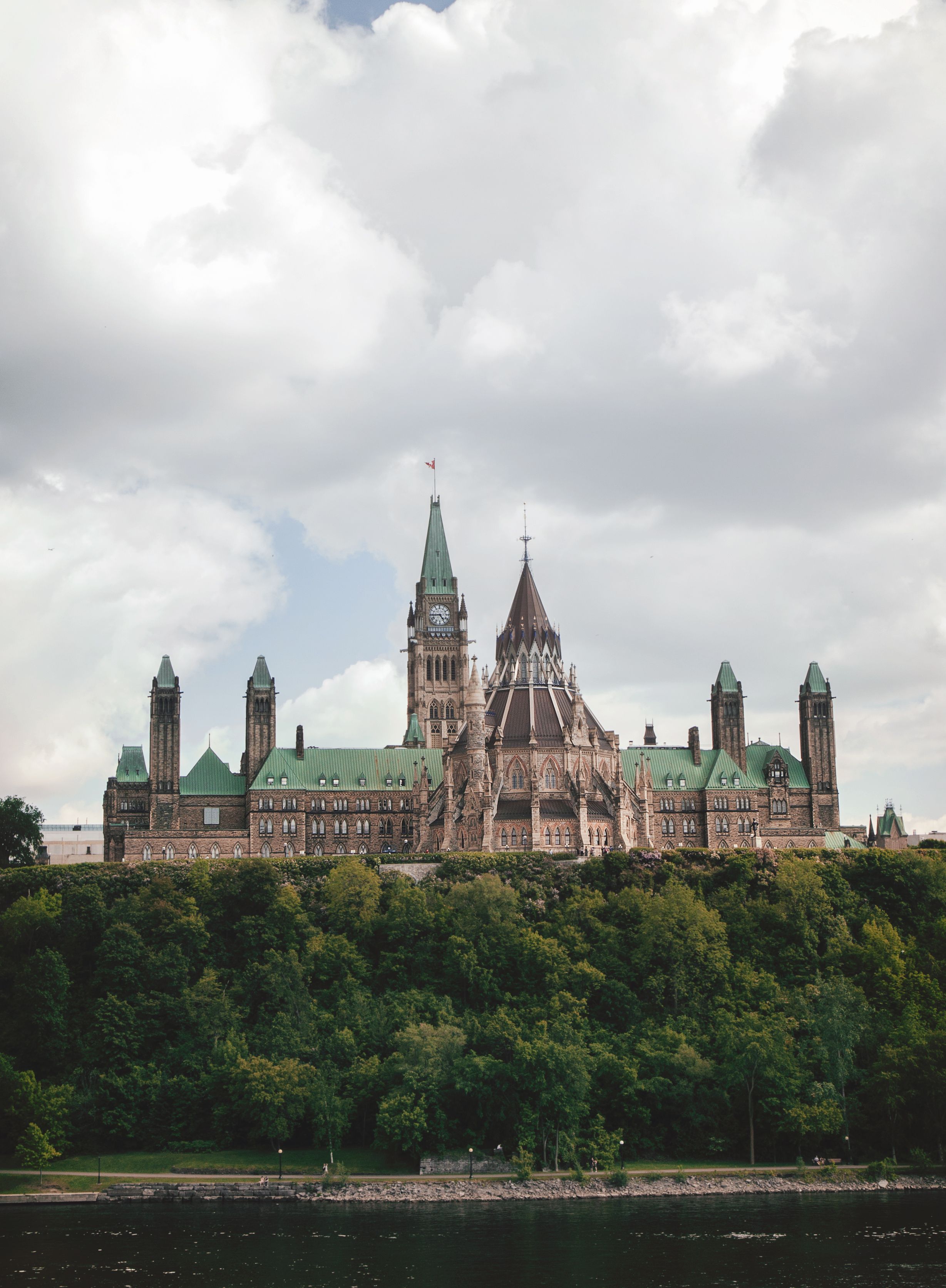
Chosen as a compromise capital in 1857 for lying between English and French Canada and out of easy reach of an American army, a lumber town…
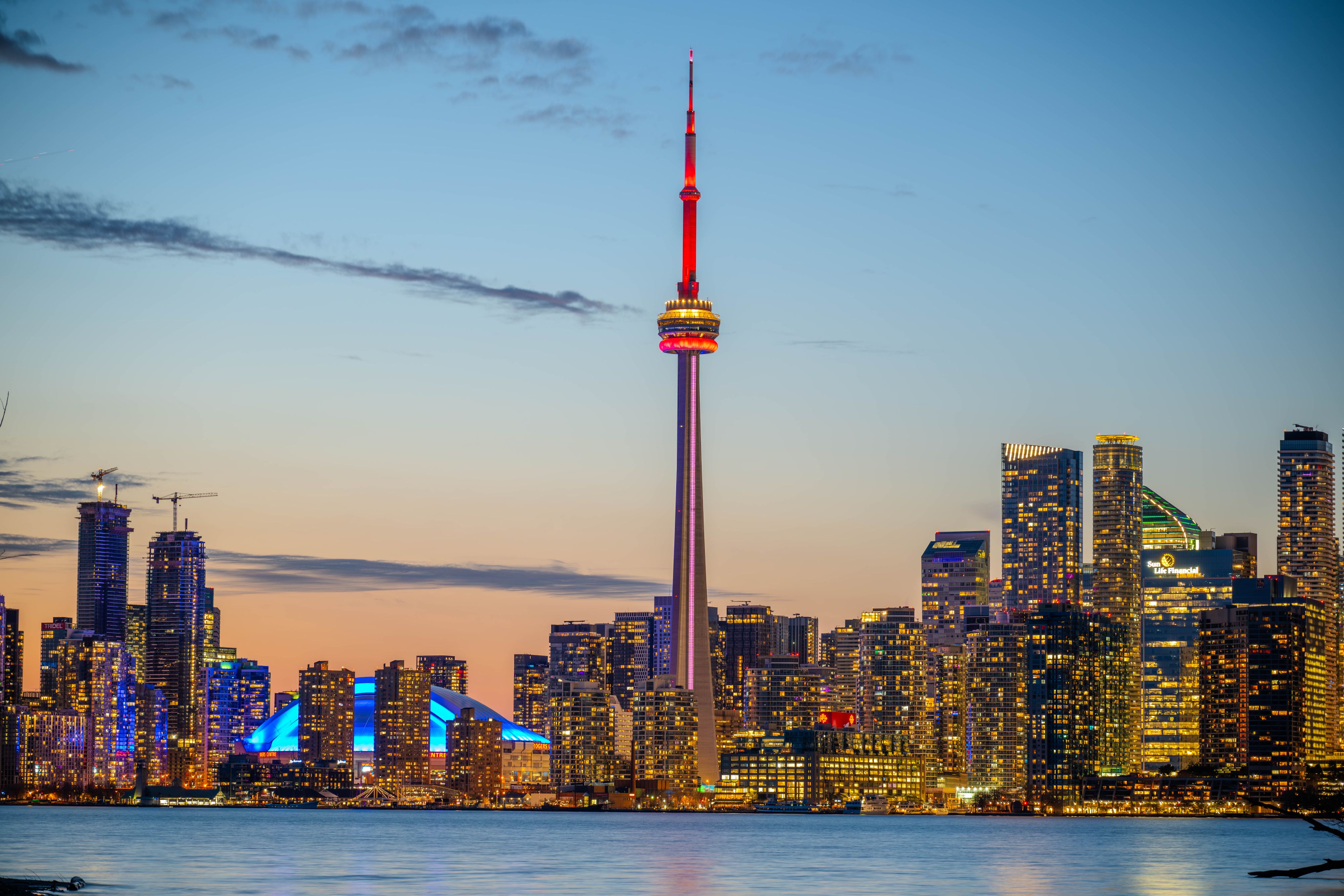
Lake Ontario's north shore, and the country's business capital: a city built as a patchwork of immigrant neighbourhoods, with the museums,…
A village of a couple of hundred residents on the Kicking Horse River in Yoho National Park, half an hour west of Lake Louise over the…
Last updated