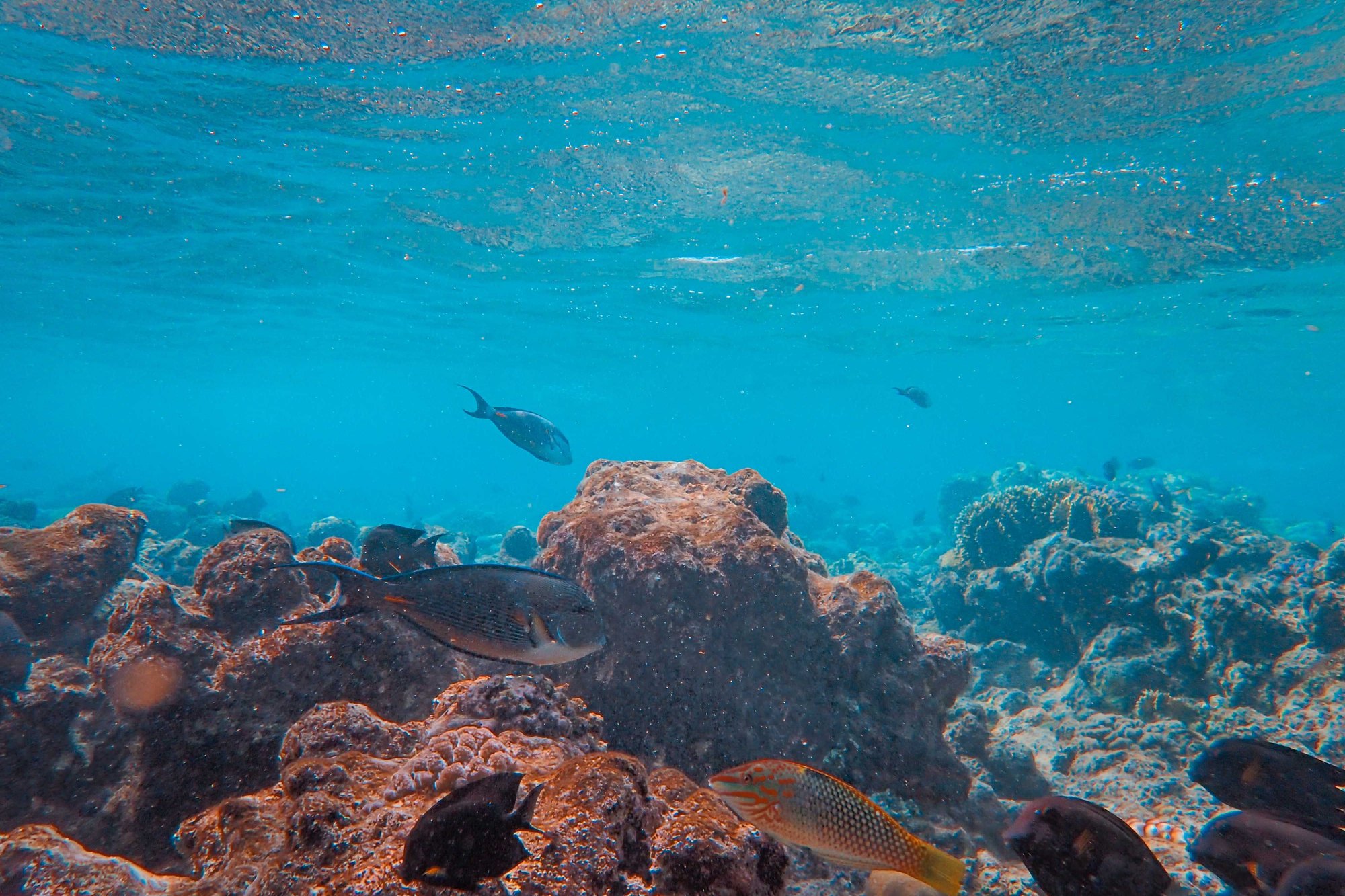
The sea at Champagne Beach fizzes. Not everywhere and not every day, but over a patch of seabed a few metres out from the rocks the water goes warm and fine streams of bubbles rise through it and break on the surface. Swimmers go down into the streams and come up through them.
What is coming up is a volcano's exhaust. Rain falls on the mountains behind this coast, goes down through the rock of the Plat Pays volcanic complex, is heated, mixes with seawater on the way and returns through the seabed in about five metres of water. Divers sampling the vents in 2013 measured the fluid leaving the sand at about seventy five degrees Celsius. Iron in it settles out as a rust-orange crust on the rocks around every opening, so the ground you are swimming over changes colour before the bubbles are visible.
Dominica's whole south-west corner is one volcano. Morne Plat Pays is the youngest centre on the island, and Soufrière Bay, the deep bay the reserve wraps around, is a horseshoe of high ground open to the west, which most geologists now read as the scar of a landslide off the volcano's flank, though the Smithsonian still files it as a caldera. The headland at Scotts Head closes it on the south, and it is read either as a lava dome or as a slab of the older mountain carried down in the collapse.
Nothing has erupted here for a long time. The most recent dated eruption, from the Morne Patates dome above Soufrière Bay, is put at around 1270, and younger deposits have never been dated. Between 1998 and 2000 an earthquake swarm under the south of the island produced more than fifteen hundred shallow tremors, two to six kilometres down, and no eruption followed.
The reef sits at the northern end of the Soufrière-Scotts Head Marine Reserve, created by statutory order in 1998 under the island's Fisheries Act to settle the conflicts between the fishermen who had always worked the bay and the dive trade growing up beside them. It runs from Anse Bateau near Pointe Michel round to the point at Scotts Head, in four zones: a fish nursery off Soufrière, a fishing priority area, dive sites marked by buoys, and a swimming and snorkelling zone on the beach at Scotts Head. Wardens patrol it and take a user fee from everyone who enters, snorkeller or not. At Champagne the fee is collected at the hut at the top of the steps.
Wear water shoes or booties, put your fins on once you are afloat, and do not stand on the bottom: the shallows carry long-spined urchins and what coral is left, and standing on coral is an offence inside the reserve. Leave the spear gun and the shell collecting at home. You cannot dive independently without permission from the Chief Fisheries Officer, so in practice you dive with an approved operator. The steps down are steep and uneven. Bring cash for the fee, the bus and the beach bars.
The beach is narrow and stony, black sand in patches, cobble at the waterline, and the way in is through a gap in the rocks. Some people never get past it. The first few metres are the worst of the swim, and currents close to shore depend on the swell; once clear of the rocks the water is easy.
Take the guide. The vents are a few metres of seabed in a wide bay, the beach has no marker above them, and the guide swims you straight onto the field and saves you quartering the bay for it. The hut hires masks and fins and a guided swim runs about forty five minutes. Get low when you reach the streams: the warmth sits on the sand, the sand turns from black to gold around the openings, and the bubbles break against your skin the whole way up.
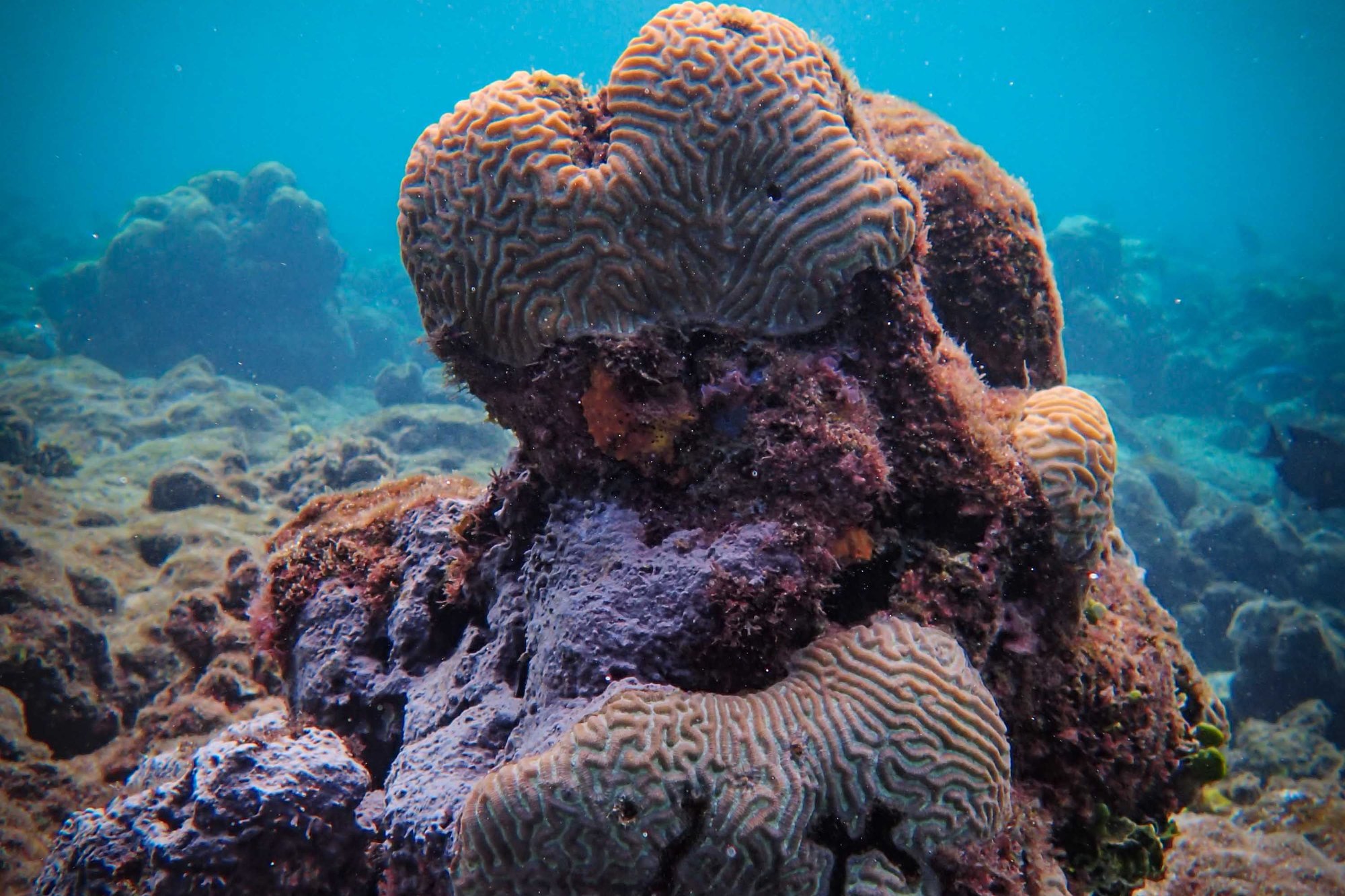
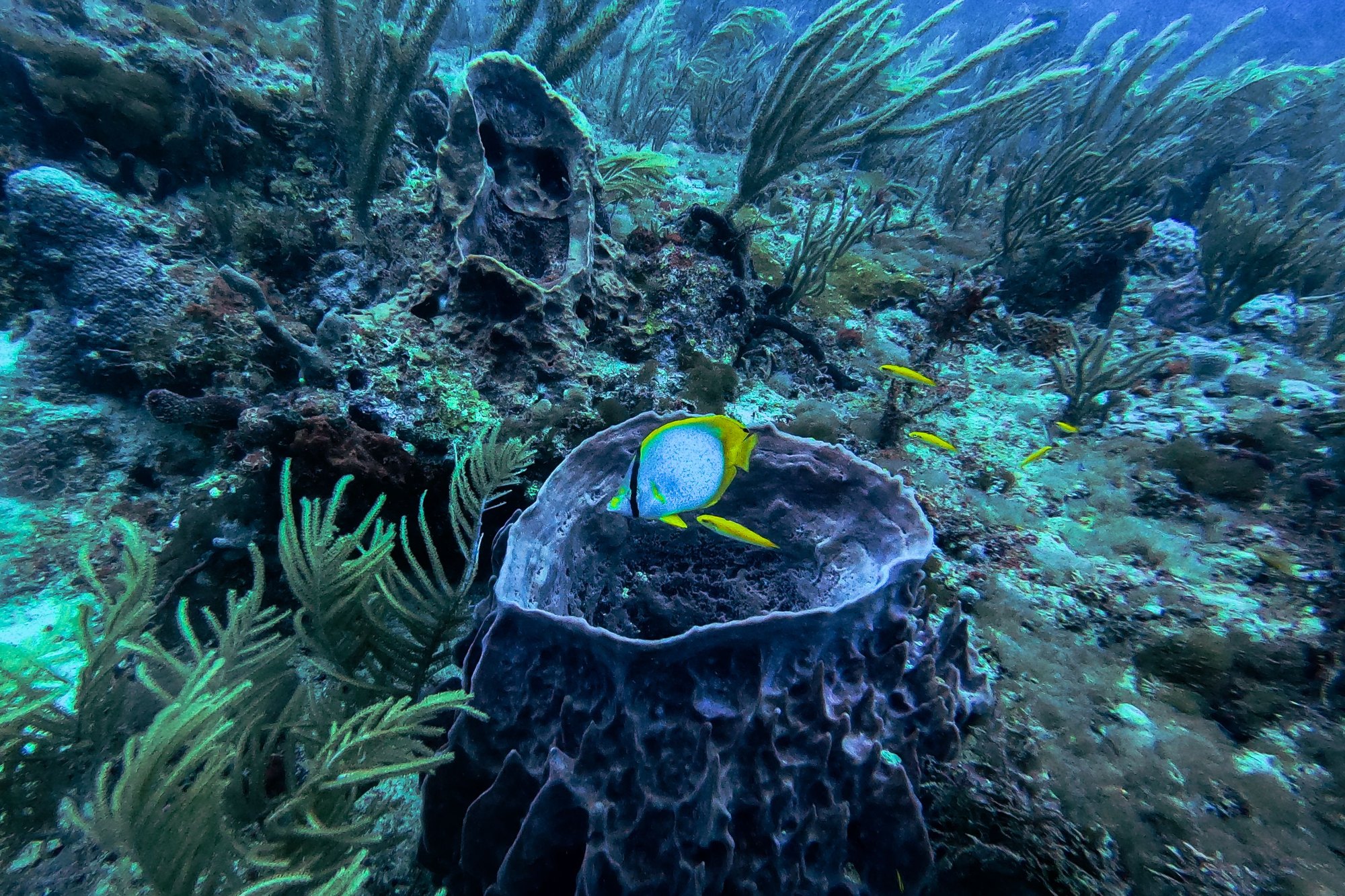
On the reef itself, this spring: moray eels, an octopus, needlefish, crabs, sea fans over a wide area, two turtles on one morning, a large stonefish, and a cannon from a wreck lying on the bottom. Long-spined urchins were here in 2012 and are here now, which is the other reason not to stand up. Seahorses are advertised and are not on this reef. The water is clearer than at Soufrière, and the swim works in rain.
Coral cover around the island had been falling for a decade before Hurricane Maria crossed Dominica in September 2017. Maria left the entry at Champagne blocked with rock and debris, and for a year afterwards guides brought people to Soufrière instead. Stony coral tissue loss disease arrived in 2021, and the record sea temperatures of 2023 bleached what the disease had left. Sponge, sea fan and fish have come back on a structure that volunteers and the dive shop at Soufrière are now rebuilding by hand.
That rebuilding has a building. The Coral Rescue Center on the Soufrière bayfront has been open since June 2024, keeps twenty six species of coral growing in nursery tanks a few hundred metres from the second vent field, and checks them every day. What goes back onto the reef at Champagne comes out of those tanks.
The water goes warm a few strokes before anything can be seen.
The calendar changes the swim more than the weather does. Roseau's cruise berth is a short walk from the town centre, ships call through the winter and Champagne is a standard shore excursion, twenty minutes down the coast by catamaran. On a ship day the bay fills with parties of inexperienced snorkellers led in groups, swimmers get kicked and shoved across the reef, and the shop at the beach will book you onto a day without one. Failing that, go before nine in the morning or after three.
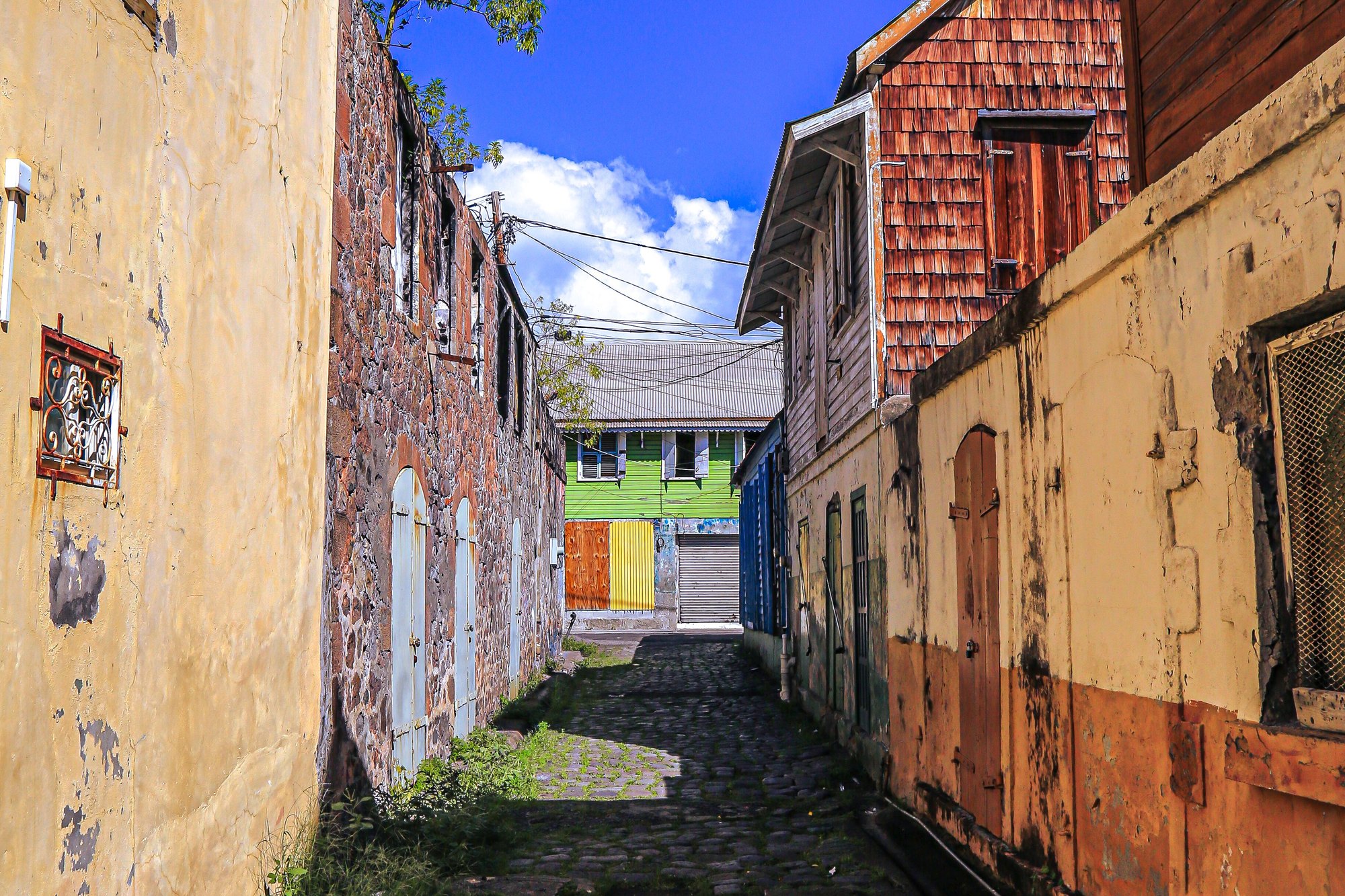
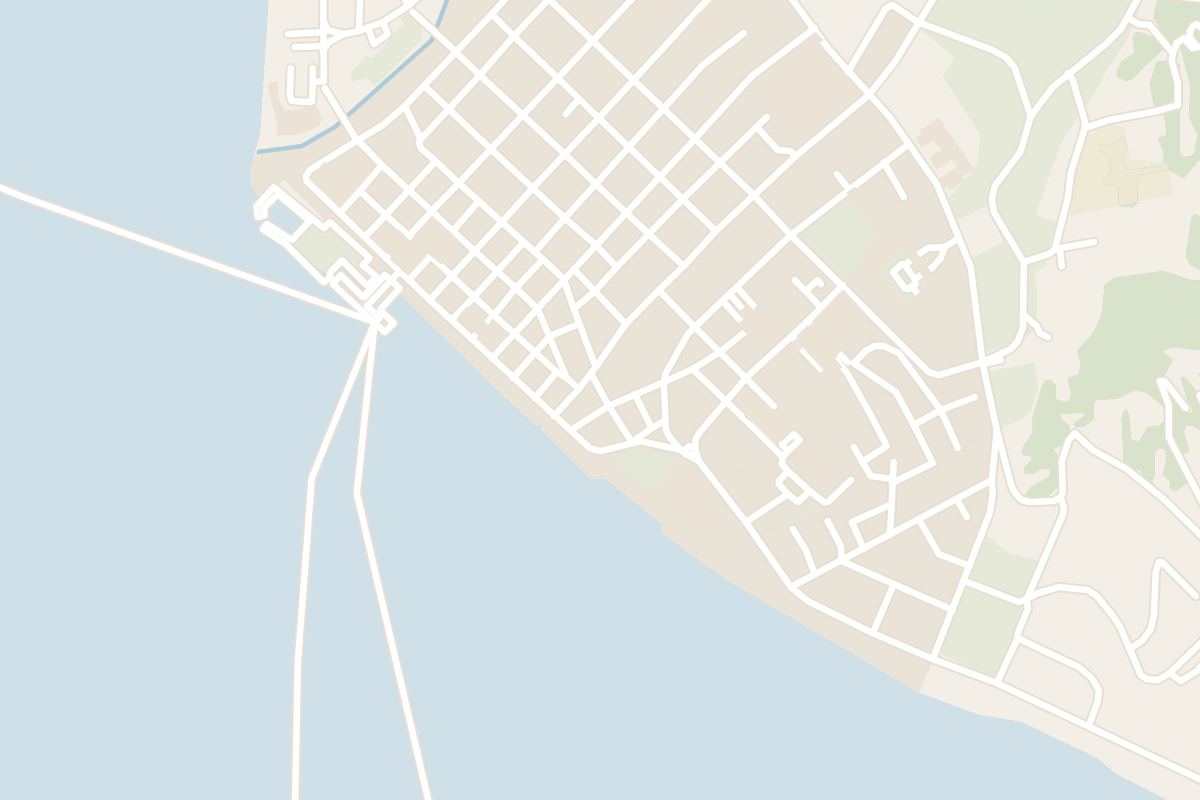
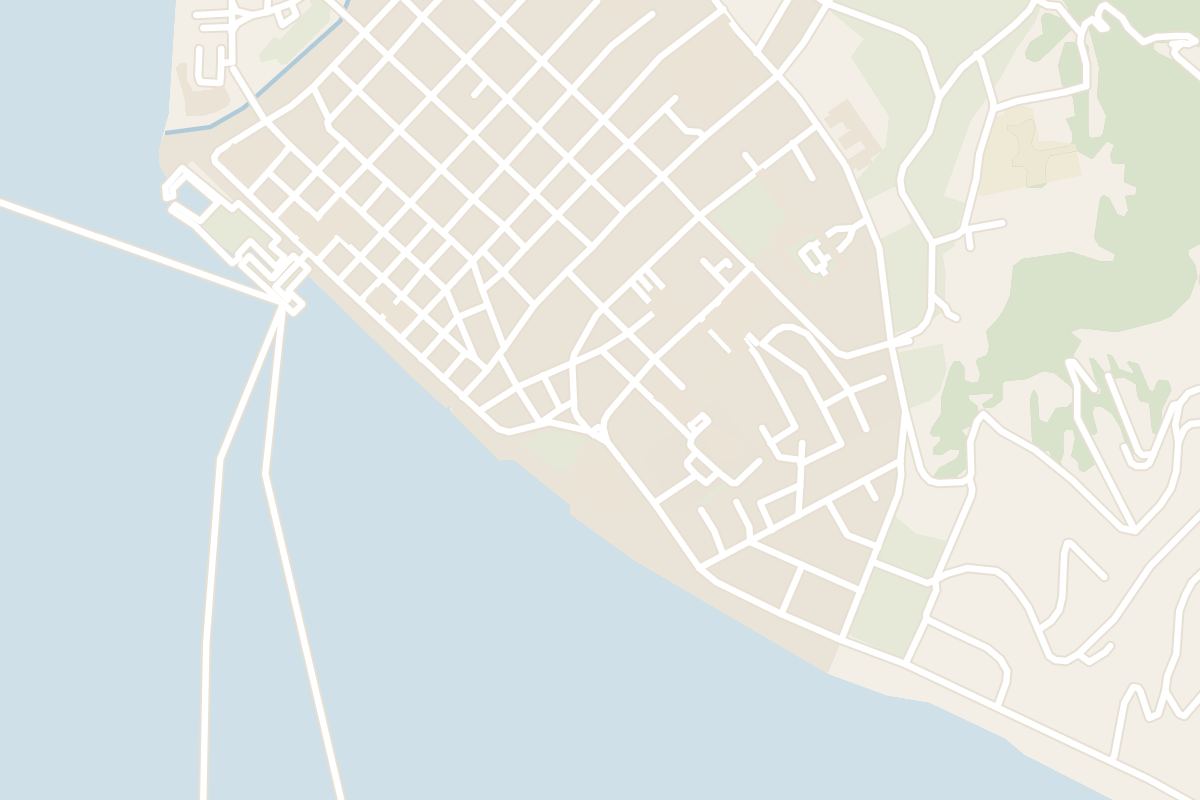
Roseau is the base, because the biggest thing to sleep in at Soufrière or Scotts Head is a fourteen room guesthouse. Shared minibuses with plates beginning H leave from the stands beside the Old Market, near the ferry terminal, when they are full, from early morning to about seven in the evening, Monday to Saturday, and barely if at all on Sunday.
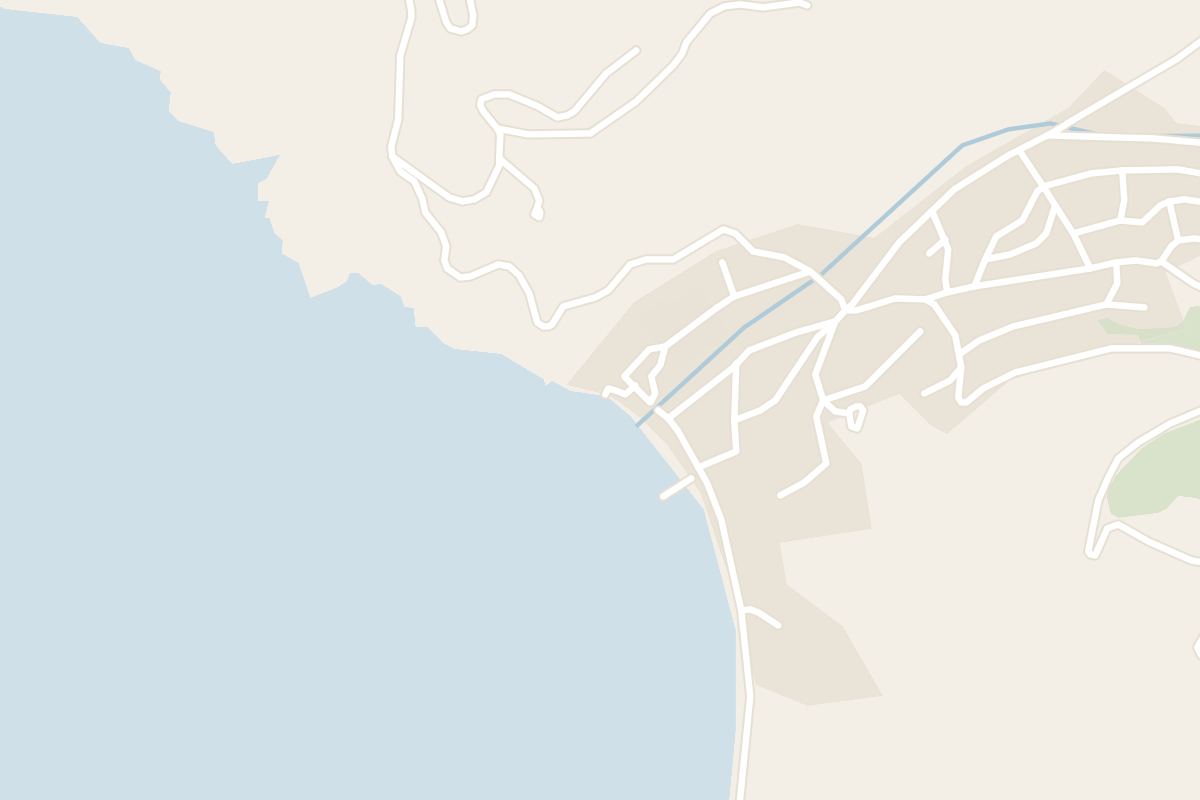
Ask for Champagne and the driver drops you at Pointe Michel, a short walk from the steps; stay on and the same bus takes you to Soufrière and then Scotts Head. A taxi does it in about twenty minutes. The dive shops in town run the three sites as a half day by boat and put you in the water off the side, which avoids the rocks altogether.
Soufrière holds the second field. On the village beach beside the eighteenth century church of St Mark, gas comes up through black sand a few metres out, in water shallow enough to stand in, and the divers who measured both fields in 2013 found this one bubbling the harder of the two. A villager known as Mr Bubble has walled off pools with rocks and sandbags so bathers can sit in the warmth, and runs a bar beside them with rum punch in passion fruit, lime and coconut. There is cooking at weekends and it sells out by early afternoon. Entry is a donation box.
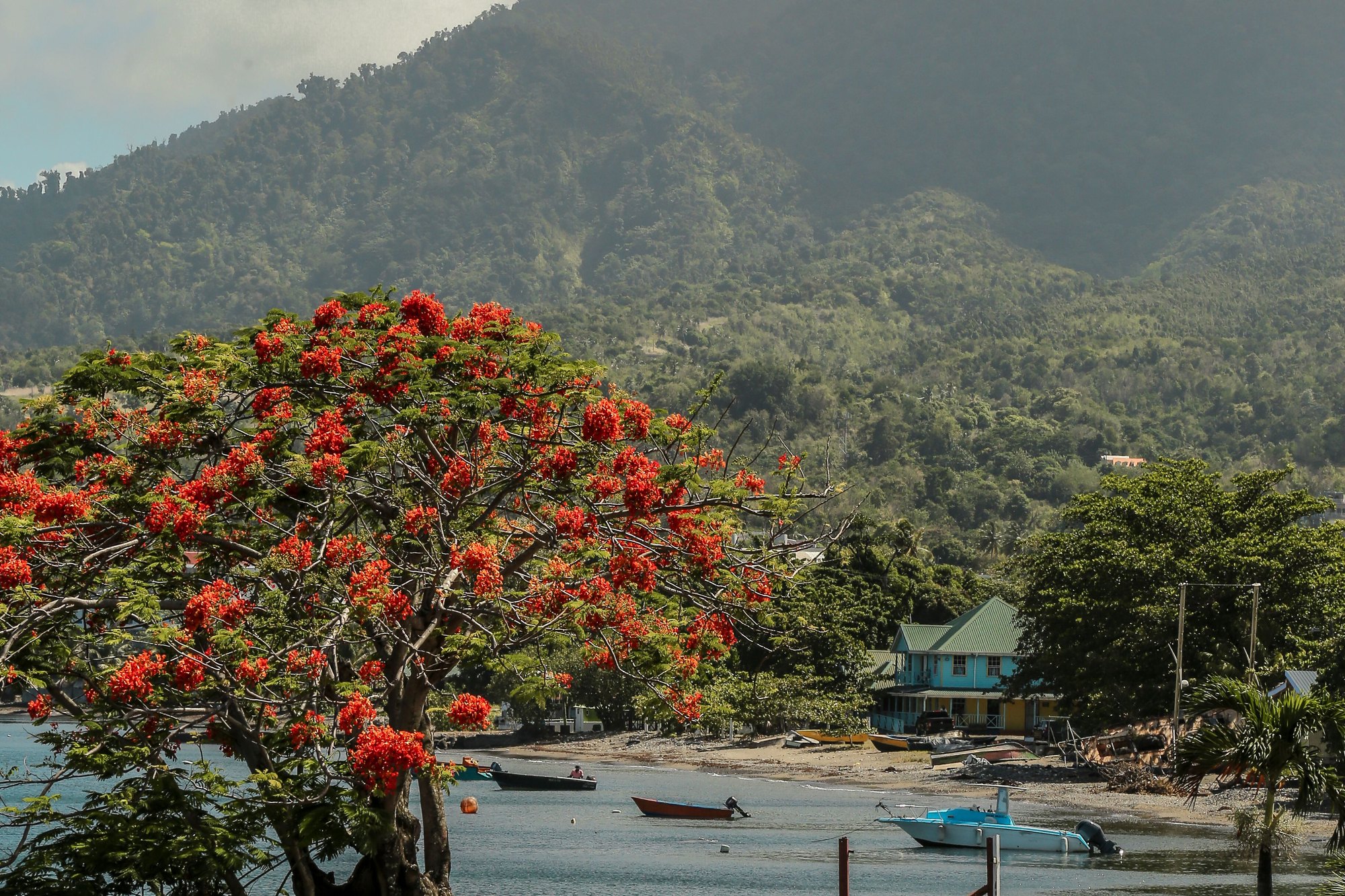
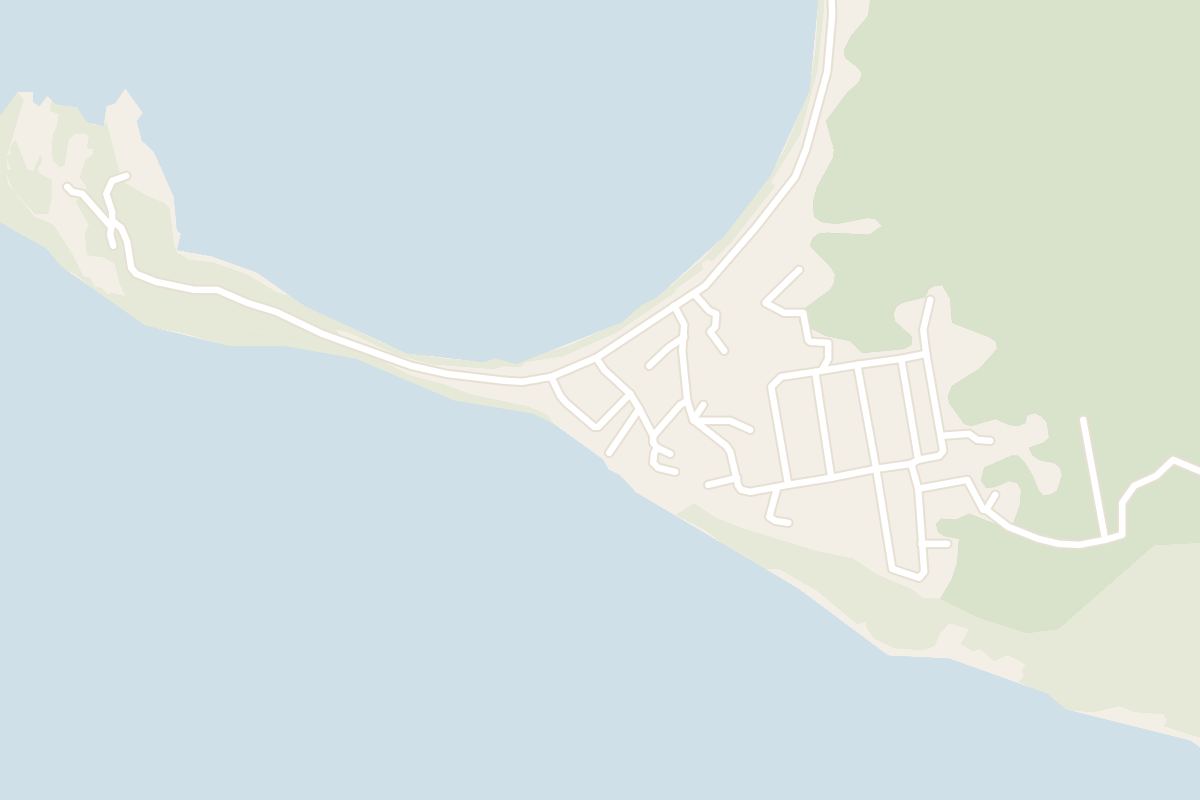
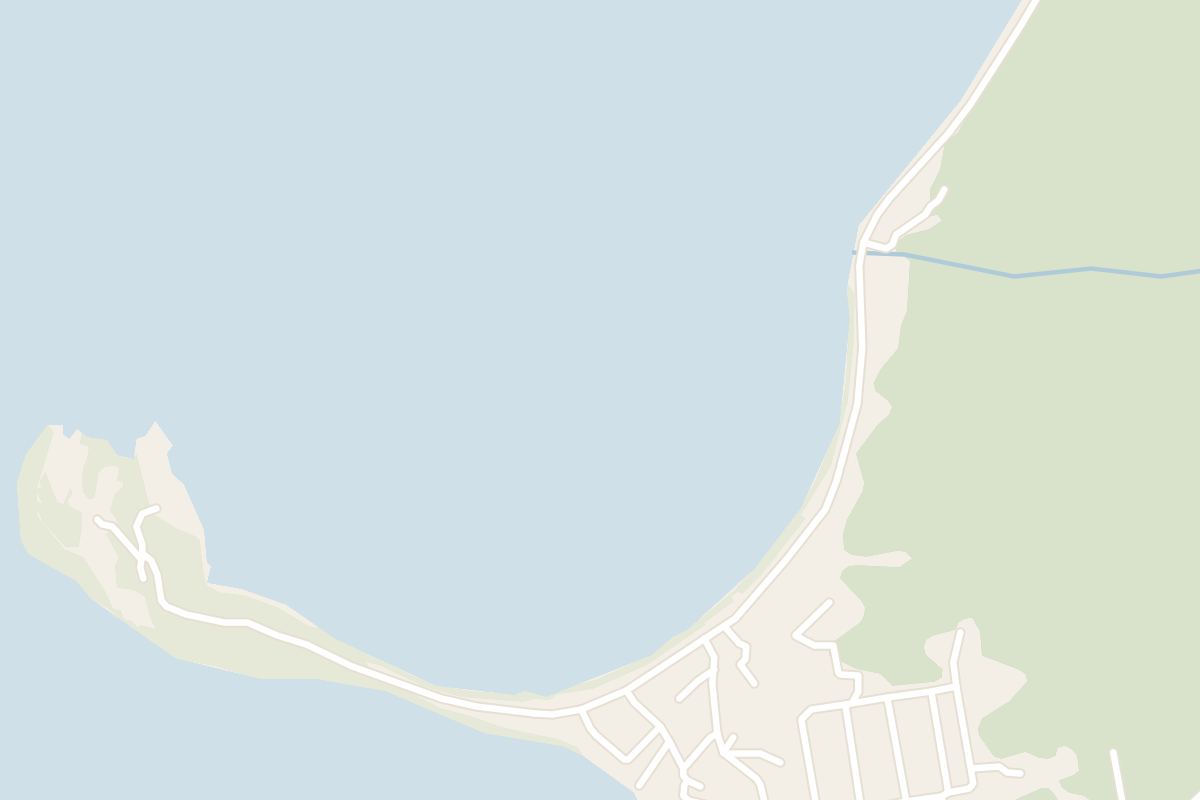
Scotts Head is fifteen minutes on foot beyond Soufrière along the shore road. The village stands on a gravel isthmus with the flat water of Soufrière Bay on one side and open swell on the other, and the headland at the end of it is the one the Kalinago called Cachacrou, usually translated as the thing being eaten by the sea. Maria made the name literal. A survey five months later measured waves that had run nearly four metres up the low gravel ridge the village is built on, and about a kilometre of the shoreline gone, with concrete foundations left where houses had been. A new jetty went in for the fishing boats in 2021.
On top are a stretch of wall and a cannon, which is what remains of Fort Cachacrou. The headland and the village carry the name of George Scott, an officer of the Caribbean campaigns who was lieutenant governor of Dominica in the 1760s and had the fort built. In September 1778, with an invasion coming from Martinique, French settlers went up to the garrison with drink, and while the soldiers were drunk they packed the cannon with sand. The French sailed after dark, landed near Pointe Michel and took the fort at dawn on 7 September against a garrison that never woke up to it. The island surrendered the same afternoon and France held Dominica for over five years.
Walk up. It takes about twenty minutes, and from the top on a clear day you look across the channel to Martinique, with the calm bay on one side of the isthmus below you and the swell on the other. Late afternoon is the hour for it. Below the fort the swimming zone at Tous Sable is a rocky entry through weed, with seasonal jellyfish and no bubbles, and beyond the shelf the wall drops into the bay. The fish are bigger here than at Champagne, and the current across the bay mouth is why the reserve calls it an advanced site. Chez Wen, on the water in the village, does lobster in coconut cream and closes on Mondays.
The deep water off this coast is the world's first sperm whale reserve. Dominica announced it in November 2023 and passed the Sperm Whale Reserve Act in October 2025, over an area the government puts at about twelve hundred square kilometres of leeward sea. The Act provides for a chief whale officer, rangers, a shipping corridor around the animals and a permit system for anyone entering the water with them. Most of that machinery is still being built: the board was appointed in March 2026, the chief officer's post was advertised in July and has not been filled, and no ranger has been hired.
Boats out of Roseau, from Dive Dominica at Castle Comfort or the Fort Young hotel pier, are over deep water within half an hour, because the seabed drops so steeply off this side of the island. Trips run three to four hours behind a hydrophone and do not sail every day, so book ahead rather than turning up. Swimming with the whales is possible and is not something you arrange on the day: the permits are few and expensive, they go to a handful of approved operators who resell places, and the water is limited to a few swimmers and a guide at a time. November to March is the season.
Above Soufrière, the sulphur springs that gave the village its name are still there, but the site has not been rebuilt since Maria, the path is unmaintained and the springs have dropped off the Forestry division's list of bookable sites. Go with someone from the village who knows the ground, or leave it alone.
February and March are the driest months and the ones the snorkel guides favour. A winter swell from the north is what closes the entry at Champagne, though the site holds up longer in a swell than anything else on this coast, and the sargassum that has been landing on Dominica's east coast since the start of 2026 does not reach this side. So: two fields a few kilometres apart, and what separates them is the entry. Champagne has the clearer water and the guides who know where the vents have moved to. Soufrière is black sand you can wade into, with pools walled in stone and a bar on the beach behind you. Anyone unsure of the swim should start there and take Champagne second.