Things to do
20-
Roseau Old Town
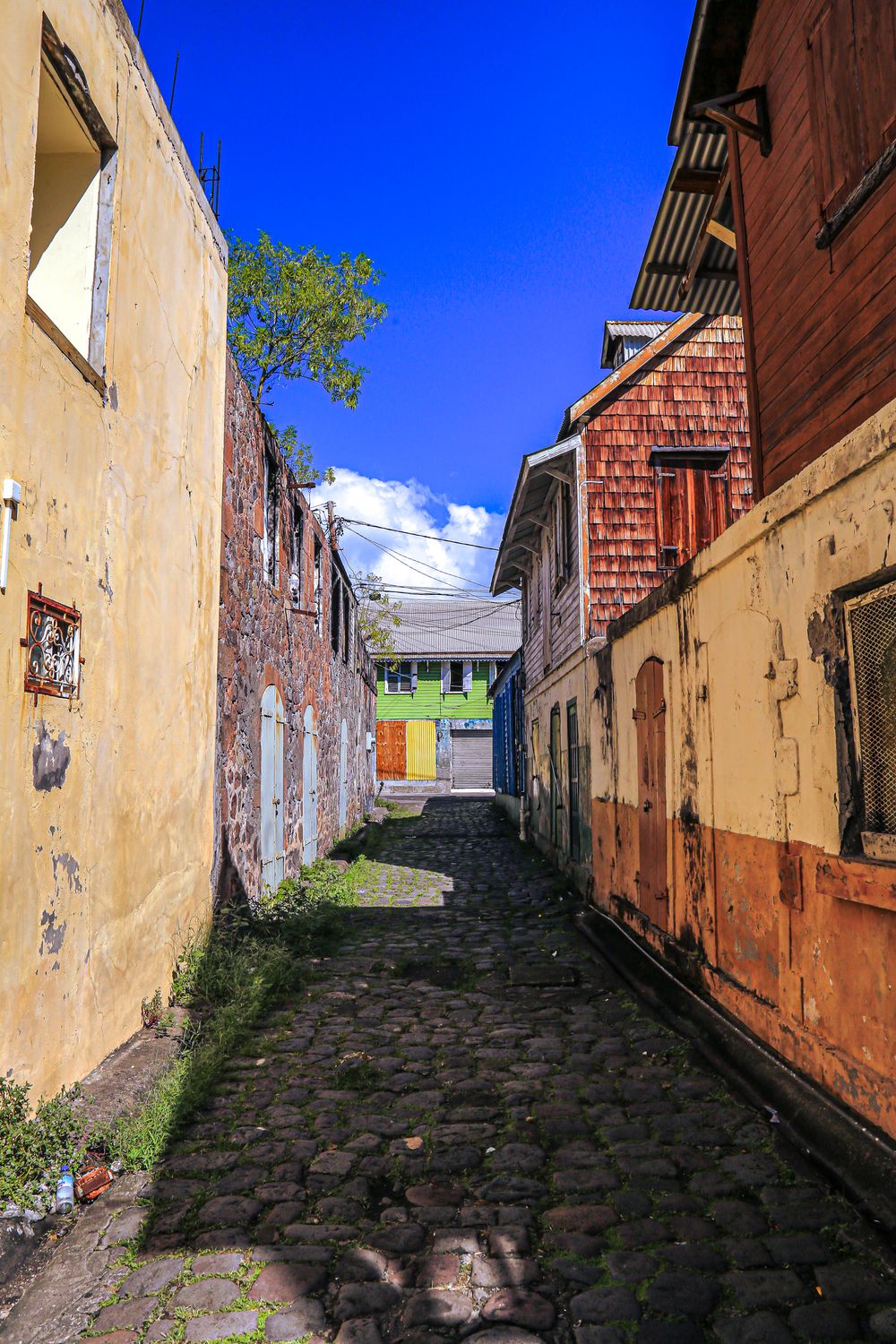
Roseau's oldest quarter lies between the waterfront and the cathedral, its lanes lined with colourful wooden buildings. Start at the Old Market behind the bayfront, walk up King George V Street, cut through Fields Lane and finish at the cathedral. Allow about an hour on foot.
-
Dominica Museum
Phone before you walk over, because the museum may be closed until further notice. When it is open, give it half an hour for the island's story, from its rocks to the plantation years.
View more → -
Dominica Botanic Gardens
Sixteen hectares laid out in 1891 on an old sugar estate below Morne Bruce, planted as a nursery to supply the colony with crops. A school bus crushed by a baobab in the hurricane of 1979 has been left where it fell. Jaco parrots are kept in an aviary near the entrance, and the grounds are open daily and free to walk.
-
Emerald Pool
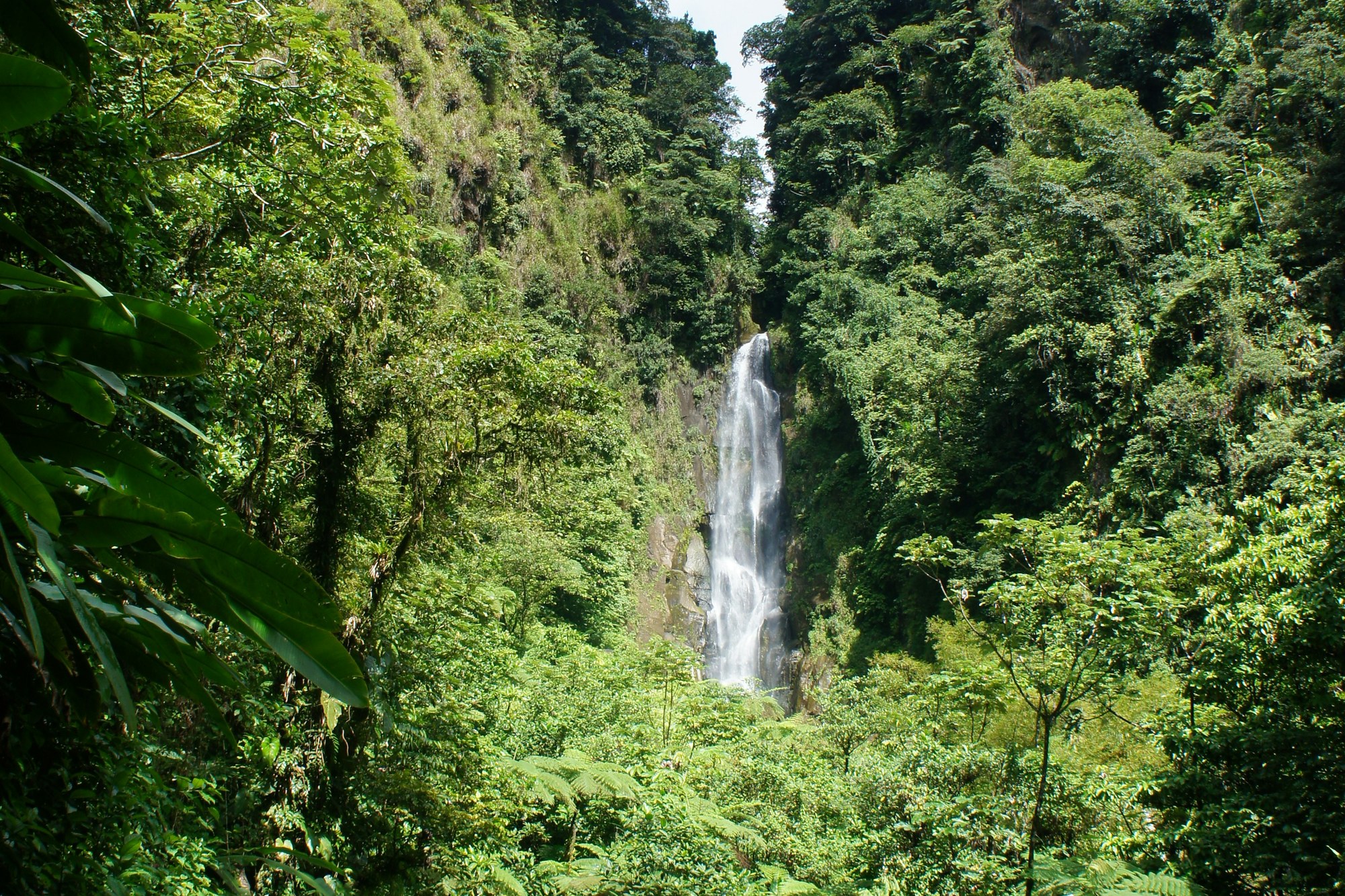
A fall into a green pool in closed rainforest, reached on a made loop path of about fifteen minutes from the road. It is the easiest waterfall on the island to get to and the busiest on a cruise day.
-
Fort Young
An eighteenth century fort on the Roseau waterfront that became the island's main garrison, then the police headquarters, and is now a hotel with its batteries and walls standing around the rooms. Cannon still point out over the sea wall. The public areas can be walked through, and the site gives the clearest sense in town of how the harbour was defended.
-
Fort Young Hotel
The best known town hotel on the island, built into the walls of the eighteenth century fort on the Roseau waterfront, with a dive operation and a pool cut above the sea. It is the usual base for anyone working out of the capital or flying in late. Rooms face the harbour, and cruise days bring noise to the front of the building.
-
Jacko Falls
Water falls in the Layou valley below the old maroon country, reached on a short walk in from the road through cocoa and second growth forest. The pool at the base is shallow and cold. It stays quieter than the falls nearer the coast, and the track in is unsigned, so guides from the village are the usual way to find it.
-
Jacko Steps
Steps cut into the rock of the Layou gorge by maroons, the escaped enslaved who held the island's interior into the early nineteenth century, and named for the leader killed here in 1814. The climb up from the riverbed is steep and the stone is worn. Reaching them means fording the Layou, so the visit depends on the river level that day.
-
Layou River
The longest river on Dominica, wide and shallow where it reaches the west coast, with bathing pools strung along the lower valley. It is the standard place on the island to swim in fresh water without a walk in first. The bed shifted after Hurricane Maria, and the river runs brown and fast for a day or two after heavy rain.
-
Macoucherie Beach
Dark sand at Salisbury, north of Mero, on the island's west coast. The Macoucherie Distillery stands on the same road a few minutes away, so the two make one stop. Mero is about 3 km south if you want a second beach the same day.
-
Macoucherie Distillery
A rum distillery on Macoucherie Road at Salisbury, north of Mero, and one of the island's working distilleries. Macoucherie Beach is a few minutes away on the same road, so the two make one stop. Call ahead to arrange a visit, because tour times vary.
-
Mero Black Sand Beach
A long strip of grey volcanic sand on the sheltered west coast, with flat water almost every day of the year and the most consistent swimming on the island. Bars and a few rooms back the sand, and Sunday brings villagers out from Roseau. Cruise excursions arrive on weekday mornings, and the beach empties again by late afternoon.
-
Morne Bruce
The ridge directly above the botanic gardens, reached on a short steep path from the gardens or by road from the south. Roseau, the harbour and the coast down to Scotts Head lie below it. A cross and a small lookout stand at the top, the climb takes about twenty minutes, and the light is best in the late afternoon.
-
Neg Mawon Emancipation Monument
A bronze figure honouring the maroons, who escaped slavery and held the island's interior, stands at the roundabout where Turkey Lane, Victoria Street and Castle Street meet. It is a short walk from the Old Market, so stop for it on the walk between the market and the old town lanes.
-
Old Market
Cobbles behind the bayfront mark a square that has been a market place since the eighteenth century, and the site of the slave market and, later, public executions. Craft and souvenir stalls trade under the roof now, busiest when a ship is in. A plaque records the earlier use, and the produce market moved long ago to the river mouth.
-
Old Mill Cultural Centre
A restored sugar mill at Canefield, about 3.5 km north of the centre of Roseau, kept as a cultural centre beside the main road north. It is open Monday to Friday and shut at weekends, so plan it for a weekday, on the way to or from Canefield airport.
-
Roseau Cathedral
Our Lady of Fair Haven stands in volcanic stone above the town centre, built through most of the nineteenth century in a Gothic Revival style and still the main Catholic church of the island. Hurricane Maria took the roof in 2017 and repairs have run for years since. The interior opens between services when the work allows.
-
Salisbury Beach
A stretch of grey sand north of Mero on the same sheltered coast, used more by the village than by visitors. Fishing boats work off it in the early morning and nets are laid out on the sand. There is no development to speak of, the swimming is calm, and the reef offshore draws snorkellers down from the road above.
-
Salton Falls
Set on a tributary in the middle Layou valley, this fall is reached on a short marked path and stays quieter than the falls nearer the road. The pool below it is small and deep enough to get into. The approach passes through farmed ground, and the last stretch down to the water is slippery clay after rain.
-
Spanny Falls
A pair of falls in the valley above Layou, the first reached in about fifteen minutes on a cut path and the second by a rougher scramble beyond it. Both drop into pools deep enough to swim. The second fall sees far fewer visitors, and the scramble between them turns slippery in the wet months from June through November.