 Submit a photo
Ninety seconds on Iglesia Luterana
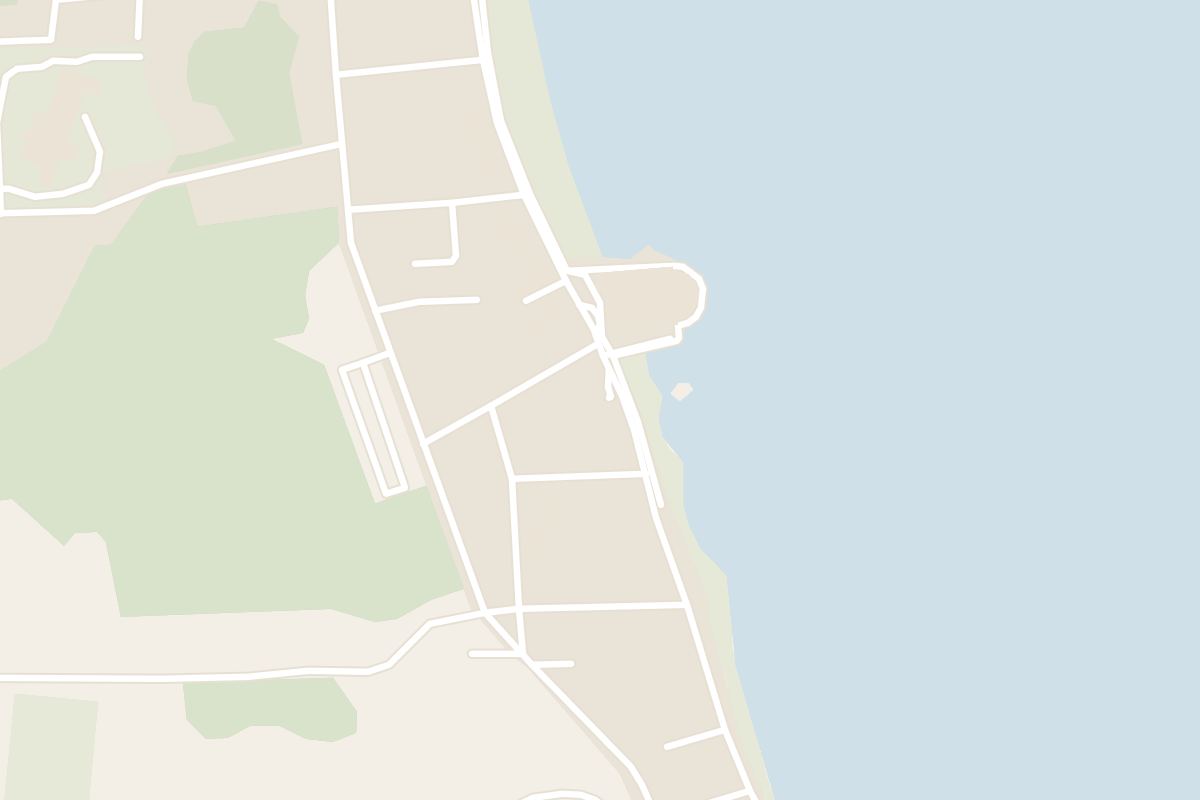
The church stands at Avenida Bernardo Philippi 1121, the costanera running beside the lake in Frutillar, across from the Teatro del Lago. Its 13-metre tower makes it one of the two tallest buildings in town, matching the Catholic parish church.
Minibuses on the Puerto Varas, Llanquihue and Frutillar route run frequently through the day. In Frutillar the church faces the lake from the costanera, close to the Teatro del Lago, so the waterfront leads straight to it.
Services are held every Sunday at 11:30, and Bible study meets at 09:00 on the third Saturday of the month. No weekday visiting hours are set, so on other days the building is seen from outside.
The church is built entirely of wood, on a timber frame finished with vertical and horizontal board cladding. The plan is a basilica under a two-pitched roof, and its single neo-Gothic touch is the main window, which ends in a peaked arch.
Yes. It has been a national monument of Chile since 2013, under Decreto 126 of that year. It also lies within the Zona Típica of Frutillar, the historic zone declared in the same year.
From the lakefront avenue you see the timber Lutheran church and, facing it, the modern Teatro del Lago.
The Templo Luterano is the church of Frutillar's Lutheran congregation, the faith the German settlers brought with them, most of them from around Hamburg. For generations it was the main meeting place of that community, and it is still in use: the parish now reaches round the lake to Llanquihue, Nueva Braunau and Puerto Octay.
Everything you see is timber. The walls are a wooden frame clad in boards laid both upright and across, under a steep two-pitched roof, and the plan is a simple basilica. The one Gothic gesture is the pointed arch over the main window, and it is what makes a plain wooden hall read as a church from across the avenue.
At 13 m the tower ties with the Catholic parish church as the tallest building in town, so along the waterfront the two steeples are the landmarks you find your way by. The church is a national historic monument and stands inside the protected historic zone along the lake.
Look up first. The tower rises over the gabled nave, with the arched main window directly beneath it. Then cross to the lake side of the avenue to fit the whole front into one frame.
The doors open for the Sunday morning service. Take a seat at the back. On other days, treat an open door as a bonus.
For a church interior on a weekday, walk on along the avenue to the Catholic parish church, with its domes, wooden pews and coloured glass. Muelle de Frutillar makes a good second stop.
If you cannot be here on a Sunday, the community also meets for Bible study on the third Saturday of each month at nine, so a Saturday morning that week may find the door open.
The walk to the church is level along the lakefront avenue, so it is easy for anyone to reach.
Explore the rest of Frutillar
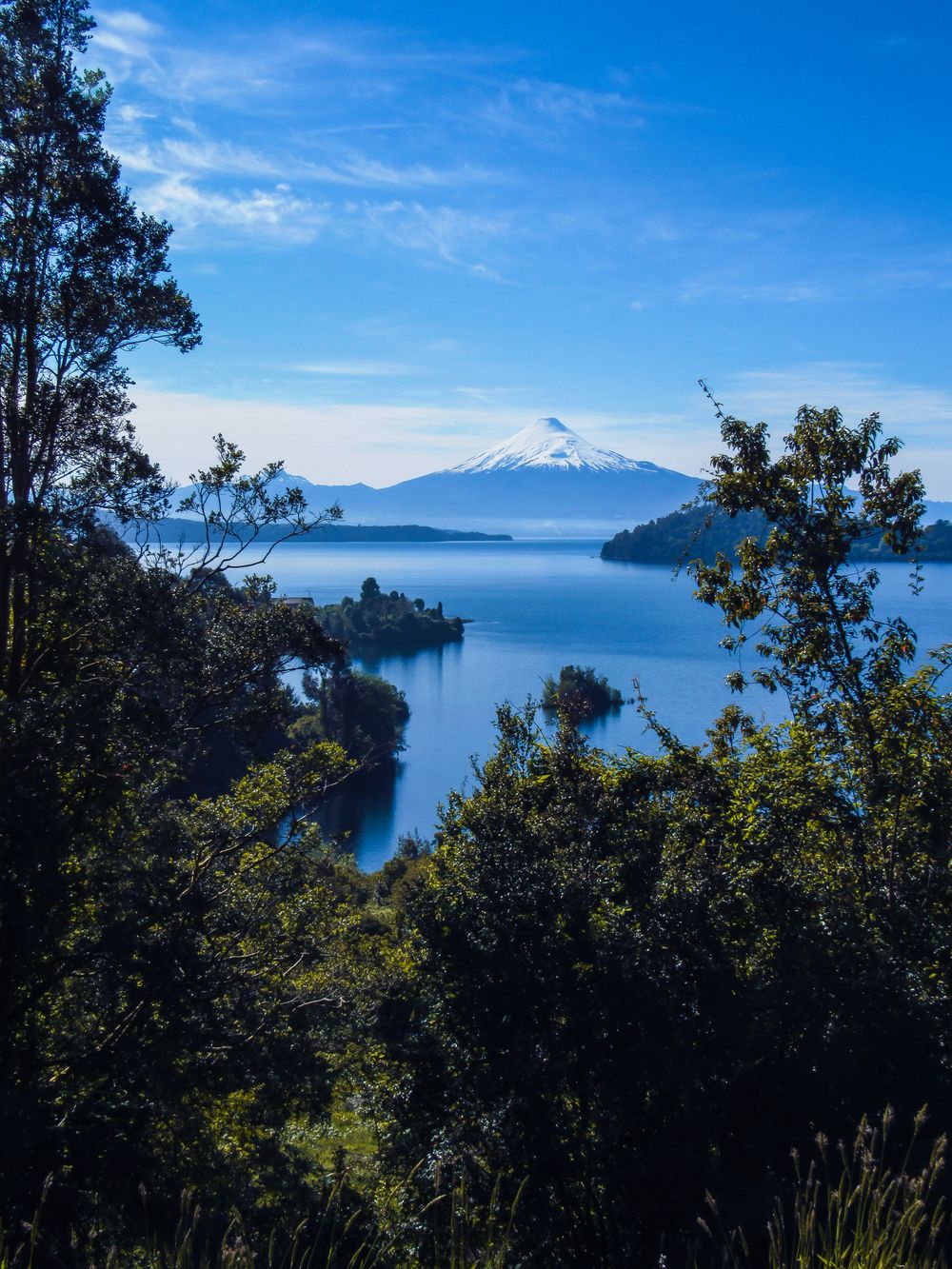
Two towns share the name: an upper Frutillar on the highway and a lower one strung along the Llanquihue shore in painted German timber.…
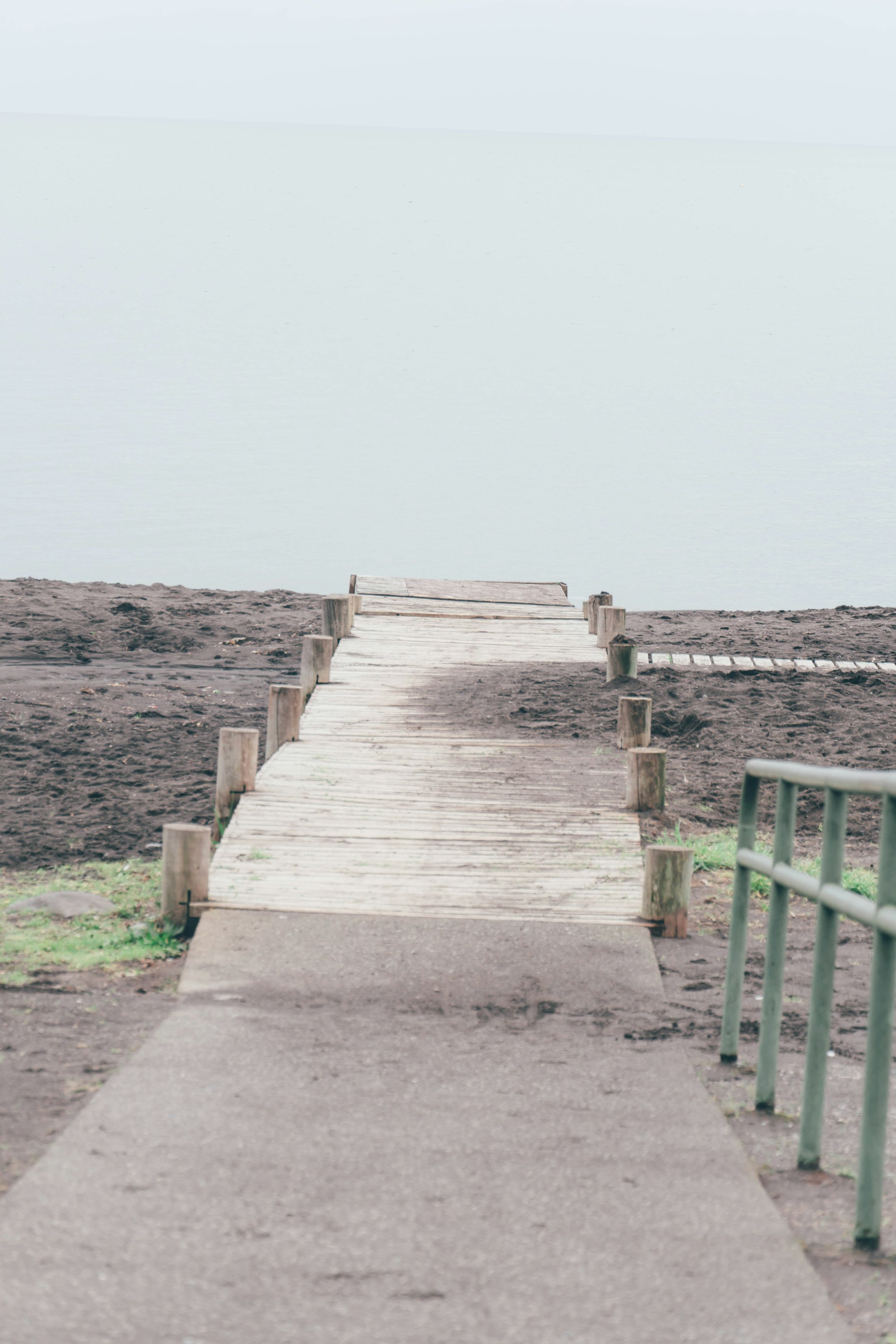
A timber pedestrian pier on the Frutillar Bajo waterfront, built in 2008 as a promenade and lookout over Lago Llanquihue. The lake…
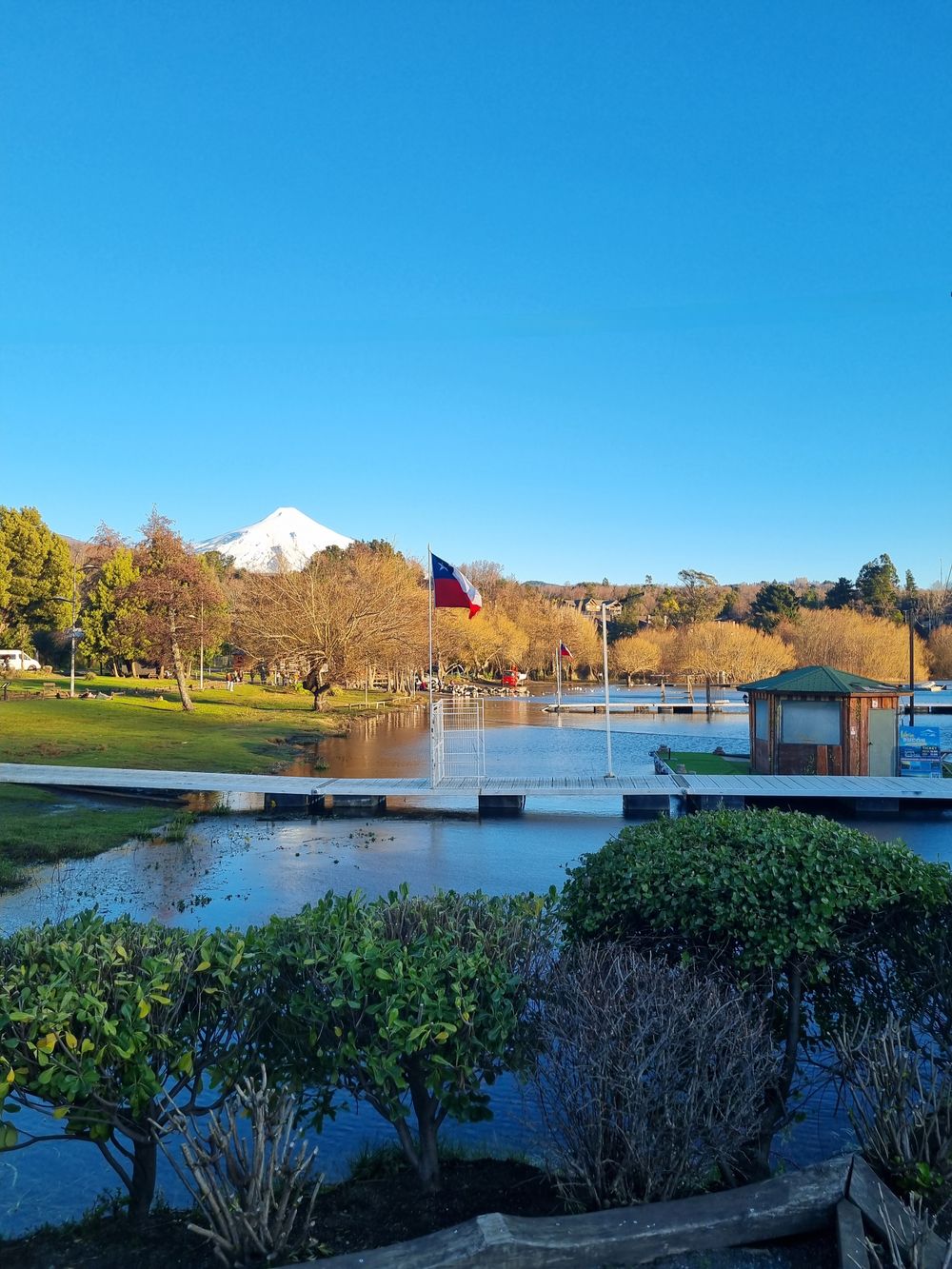
A lakefront promenade along the Llanquihue shore from the Plaza de Armas and the town pier, with the La Puntilla lookout and its iron…
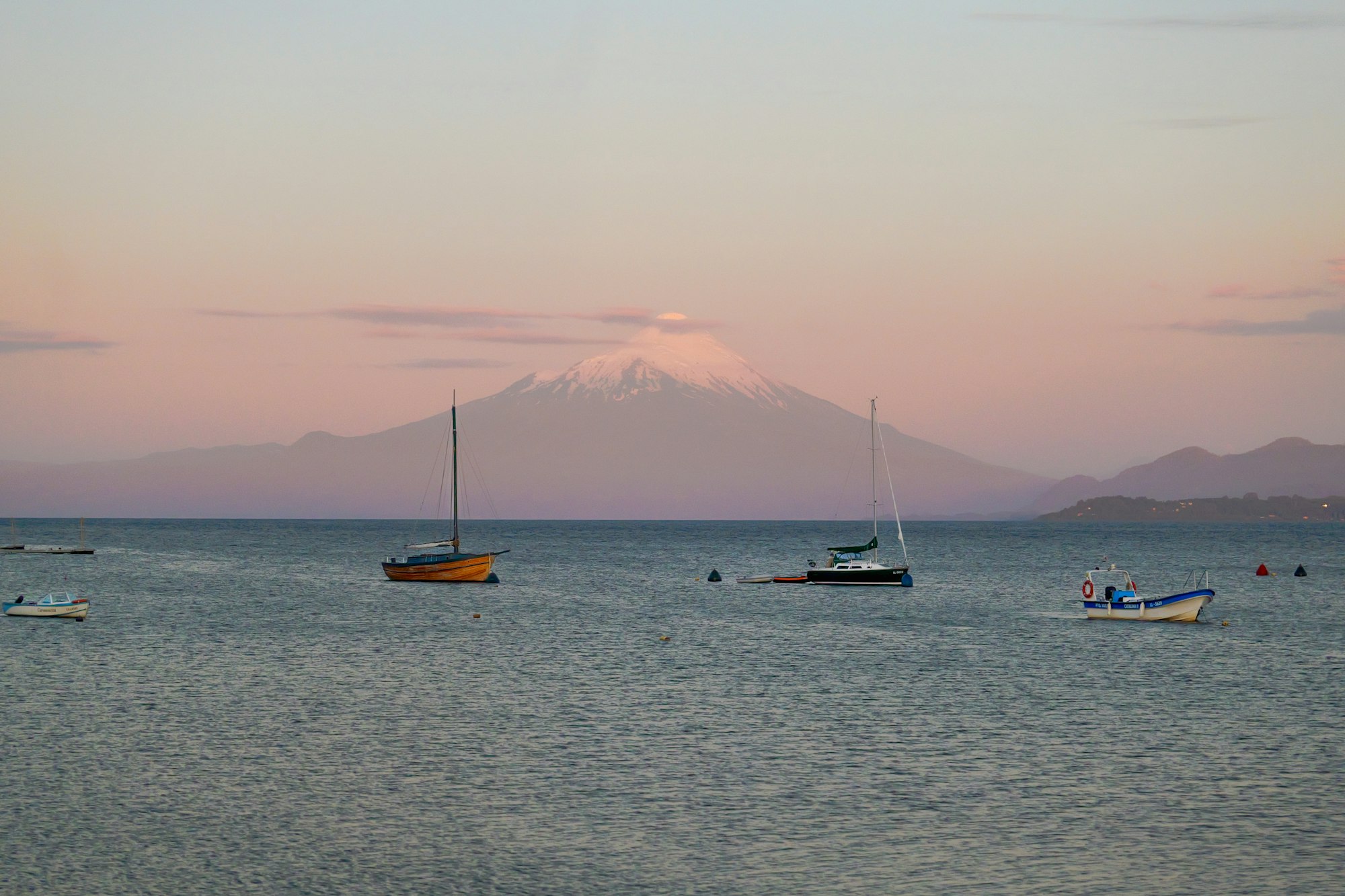
Two volcanoes fill the view across Lago Llanquihue from its southern shore, Osorno to the northeast and Calbuco to the east. German…
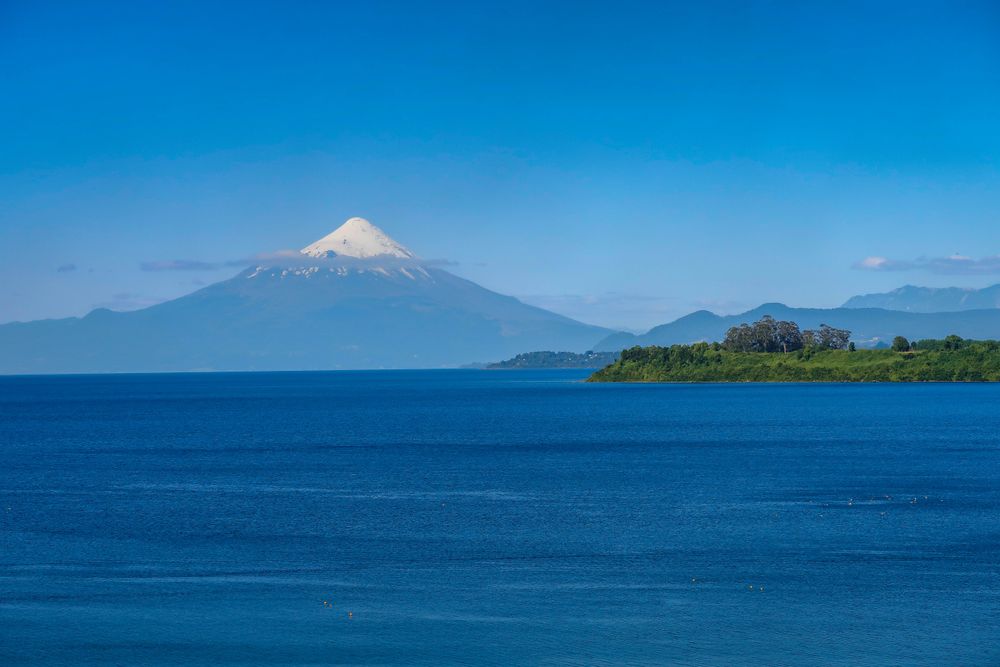
A glacial lake of about 871 square kilometres below the Osorno, Calbuco and Puntiagudo volcanoes, ringed by a shore road that links Puerto…
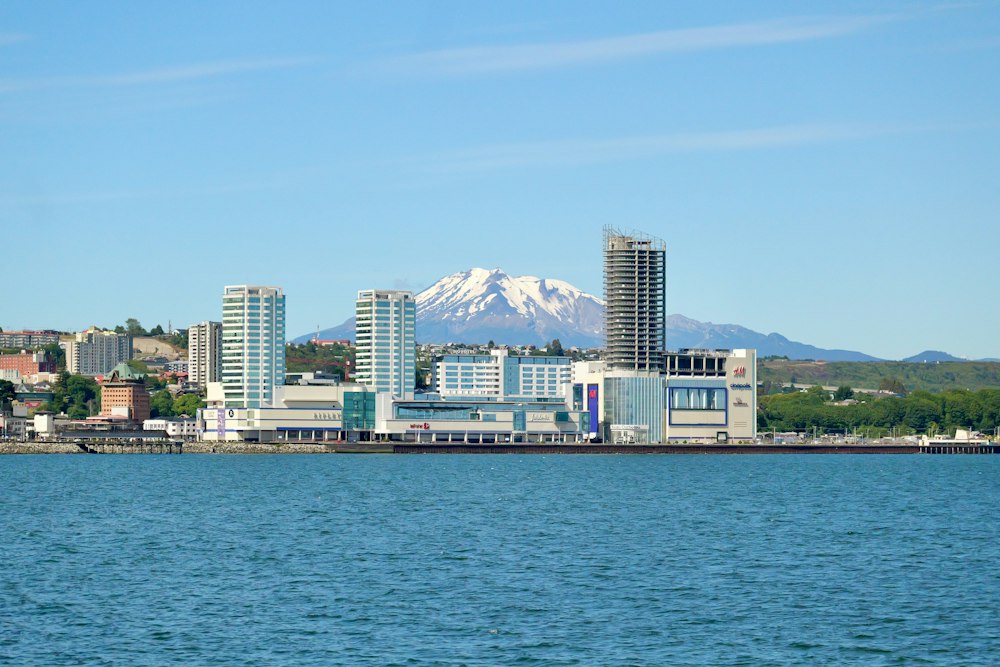
The Panamerican highway gives out at the head of the Reloncaví sound and the archipelago begins. Puerto Montt is a working city of salmon…
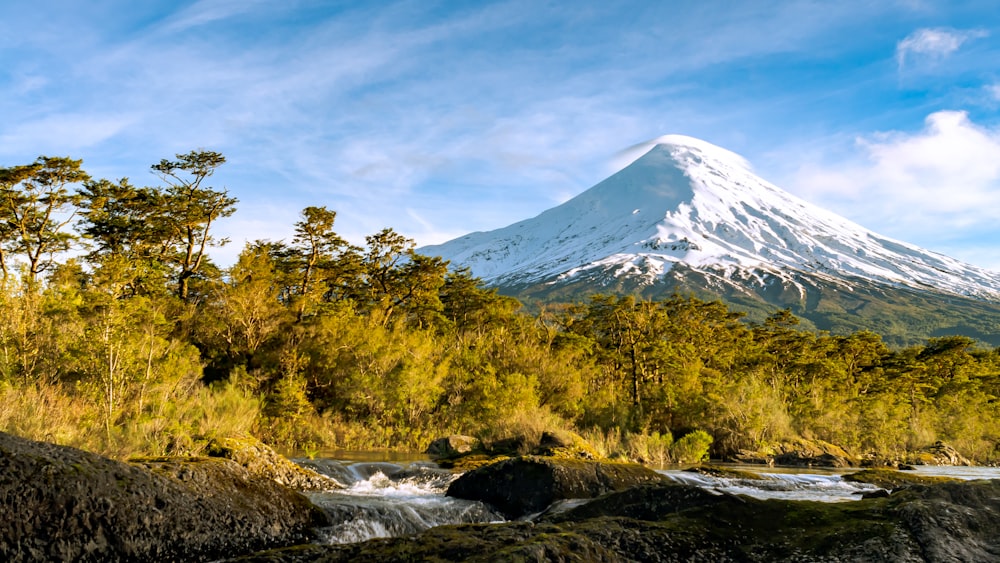
A near-symmetrical cone of 2,652 metres on the southeastern shore of Lago Llanquihue, glaciated on its upper slopes and last in eruption in…
A waterfront museum beside the Puerto Montt bus terminal, reopened in 2025 as MuPA, with a room on the Monte Verde site, a dalca from Lago…
Last updated