 Submit a photo
Ninety seconds on Volcán Osorno
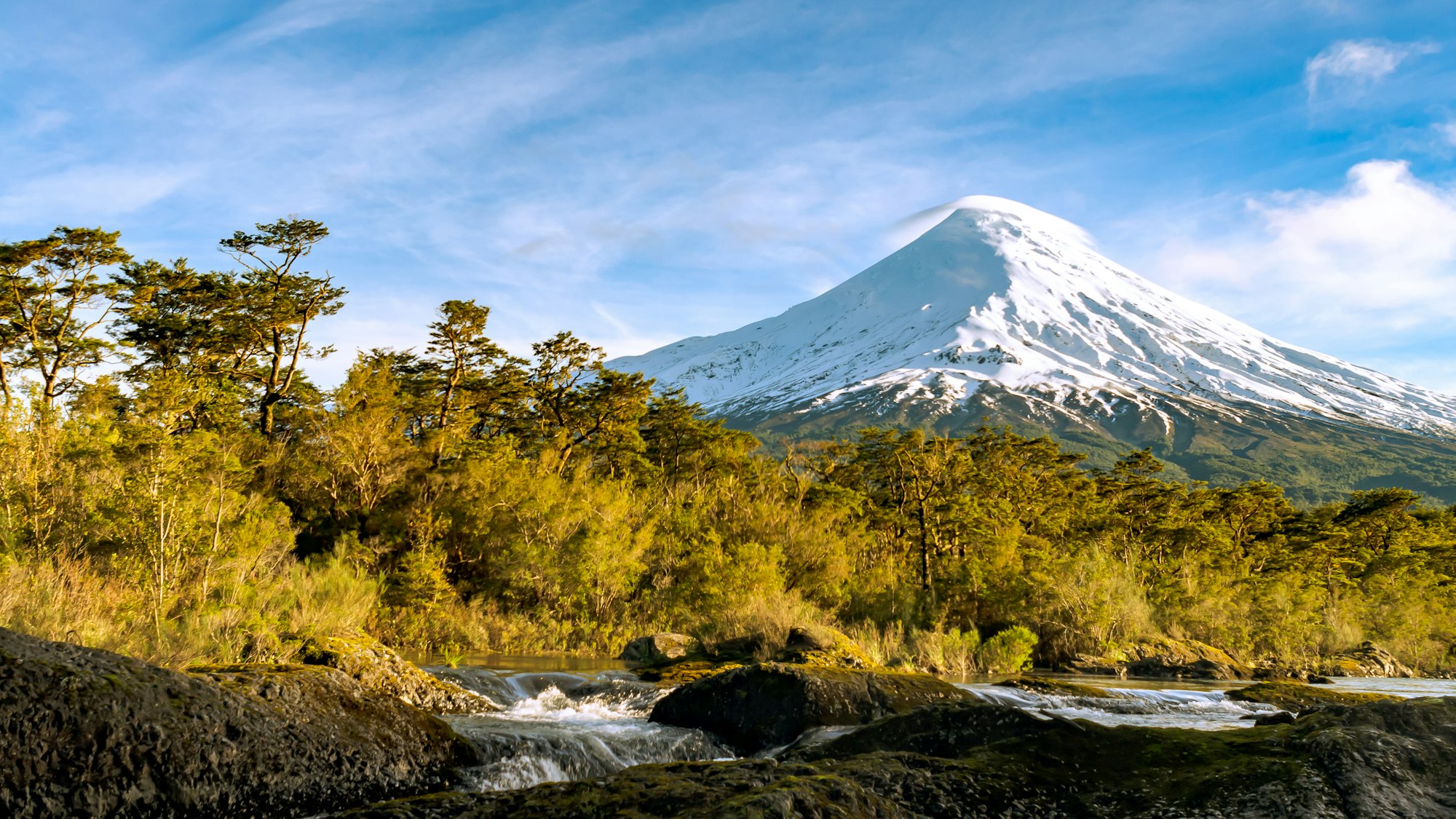
Osorno stands 2,652 metres high. Its conical shape looms over Lago Llanquihue on the southeastern shore, and it also towers over Lago Todos los Santos, so the cone dominates the view from the lakeside towns.
The most recent eruption was in 1869, and the mountain has shown no activity since. Lava from that eruption reached both Lago Llanquihue and Lago Todos Los Santos.
Drive 50 km along Ruta 225 towards Ensenada, about 53 minutes by car, then take the twisty road to the lift station. Day tours stop at the same place.
Yes. From the base station, visitors can ride up or walk the paths. A second chair above the Primavera station goes further up the volcano for the panoramic view, and it needs its own lift ticket.
Yes, in summer, but climbers must register with CONAF at Ensenada or at the post on the volcano first. The climb takes 4 to 5 hours, starting at the treeline, and CONAF advises checking route conditions beforehand.
Yes. A mountain centre on the slopes offers skiing and snowboarding in winter, plus lifts, family tubing, sleds and other services for enjoying the snow. The ticket office is at the base station.
The near-perfect cone over Lago Llanquihue is one you can get onto: ride the chairlift to a high station for the view, or come in summer and climb past the glaciers to the top.
Osorno rises to 2,652 metres between two lakes, Llanquihue and Todos los Santos, and fills the view across Lago Llanquihue from the lakeside towns. Three small towns lie around its base, Puerto Klocker, Ensenada and Petrohué, and the road to the chairlifts starts from Ensenada.
The volcano last erupted in 1869 and has been quiet since. Lava from its eruptions ran all the way down to both lakes.
The upper cone is heavily glaciated. Several routes cross that ice, but only two are climbed regularly: the Ruta Normal and La Picada.
If you are not climbing, the ski centre on the lower slopes has lifts that take you high up the cone without the climb. In winter the same slopes carry skiers, snowboarders and families with tubes and sleds.
Drive up to the base station, where the tour buses park. The first chair climbs to the Primavera station, and from there a second chair carries on further up the volcano.
Take the second chair for the panoramic view, or walk the paths up from the base station instead of riding. The summit is a separate day: register at the CONAF ranger post in Ensenada or the one on the volcano, then start from the treeline trailhead at about 1,300 metres.
Carry snow chains in the car whatever the month. Park up by the base station, which is safer than leaving the car lower down the access road.
If you come on a day tour that also takes in the Petrohué falls, the stop at the volcano can be as short as one hour. Go straight to the lift and leave the paths for a visit in your own car.
The volcano and the Saltos de Petrohué share one road, so the two pair into a single day trip. Río Petrohué runs on past the falls.
Explore the rest of Puerto Varas
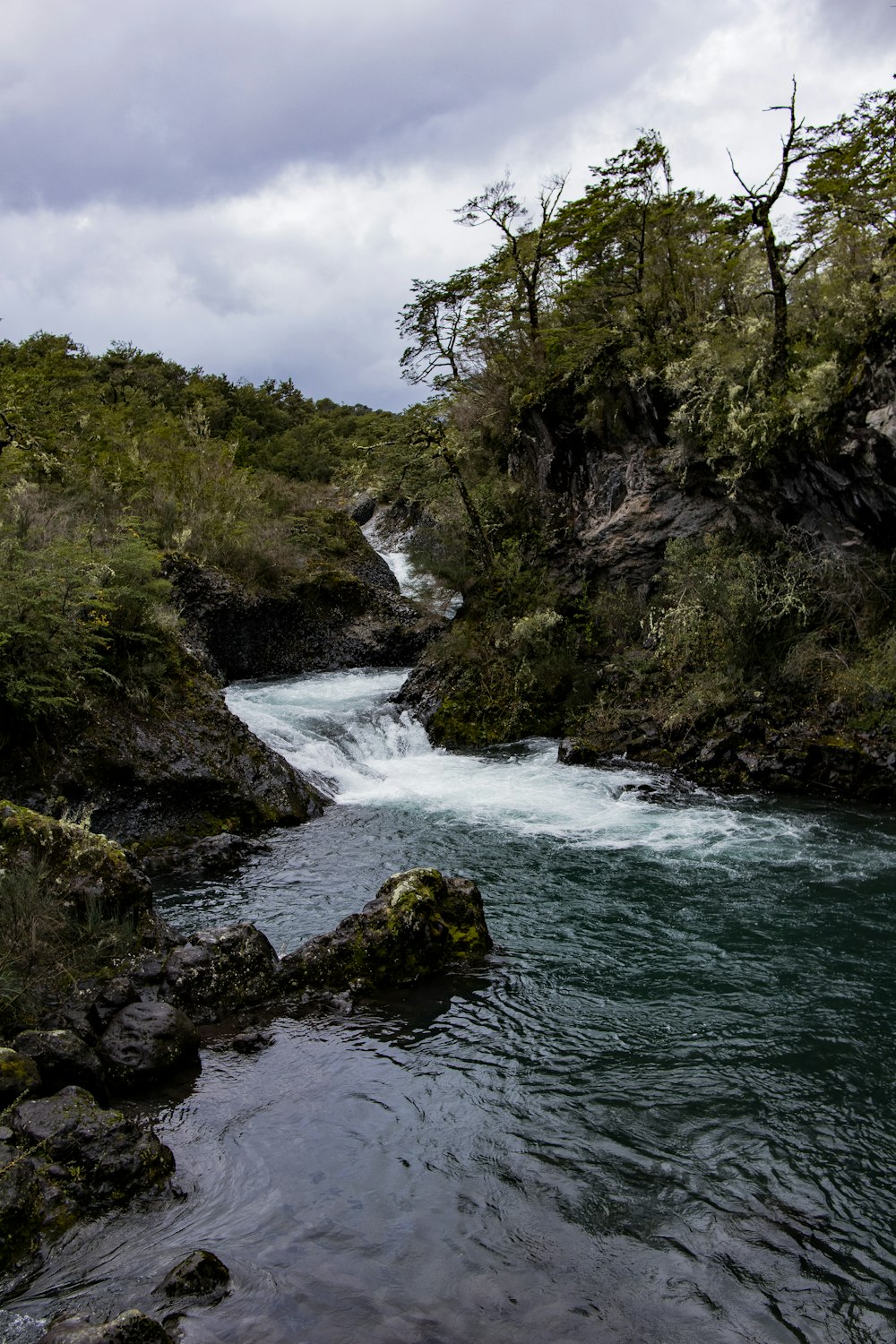
Turquoise chutes where the Petrohué river, just below its outlet from Lago Todos los Santos, breaks across a flow of lava from Osorno, with…
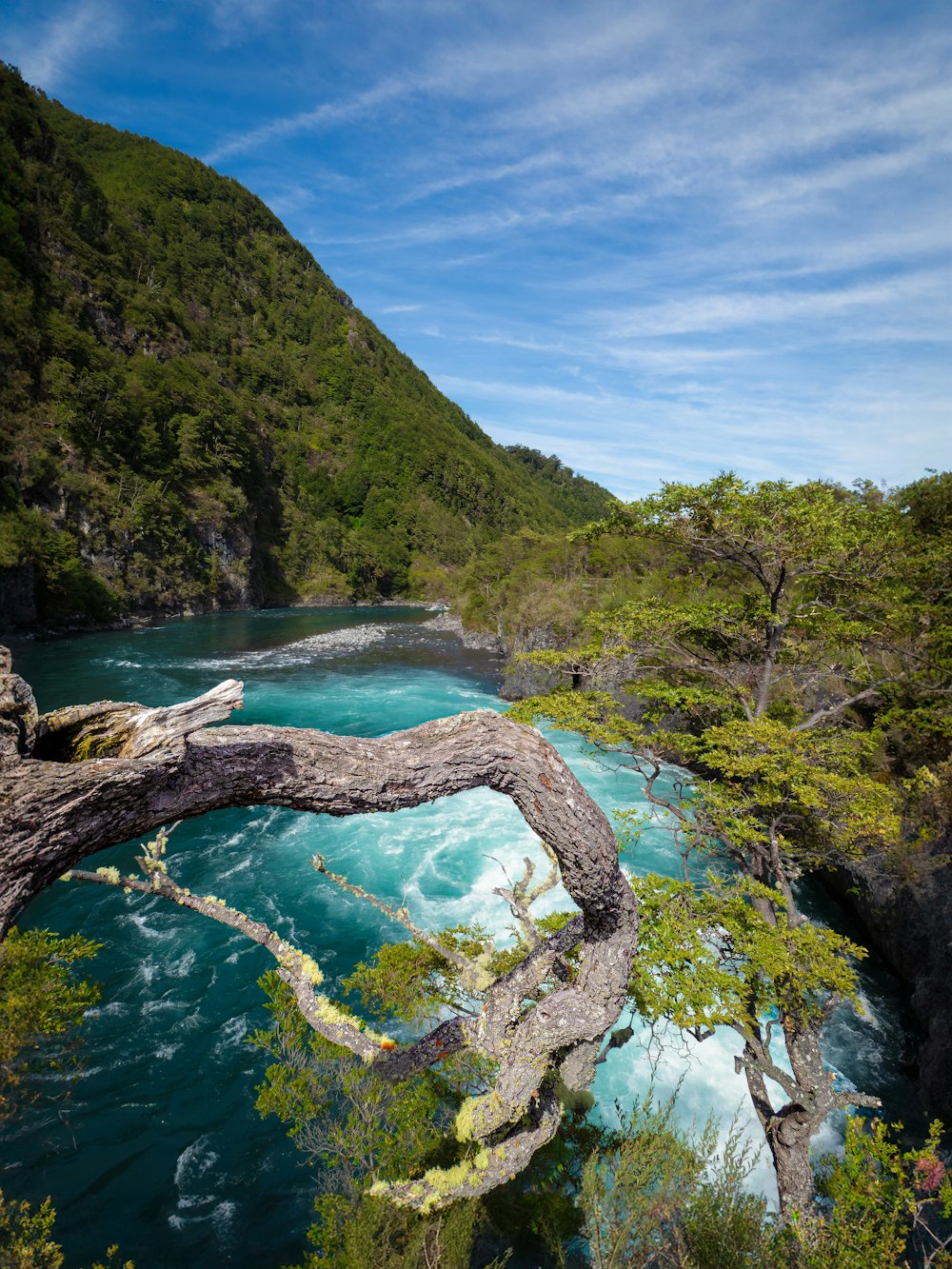
The Petrohué leaves Lago Todos los Santos and runs green and fast past the Saltos de Petrohué, below the Osorno cone. Operators from Puerto…
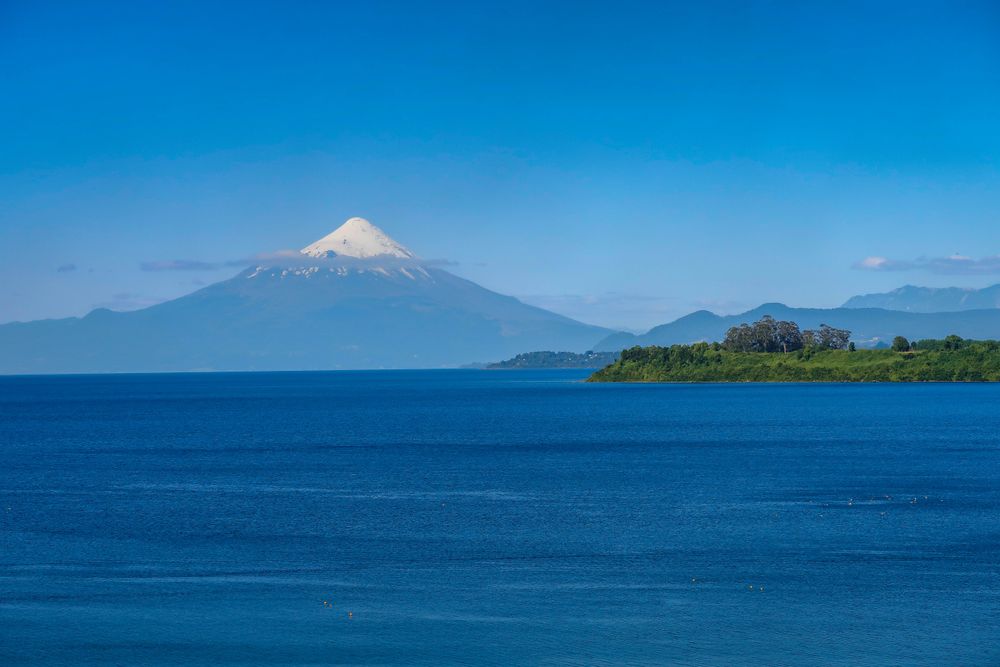
A glacial lake of about 871 square kilometres below the Osorno, Calbuco and Puntiagudo volcanoes, ringed by a shore road that links Puerto…
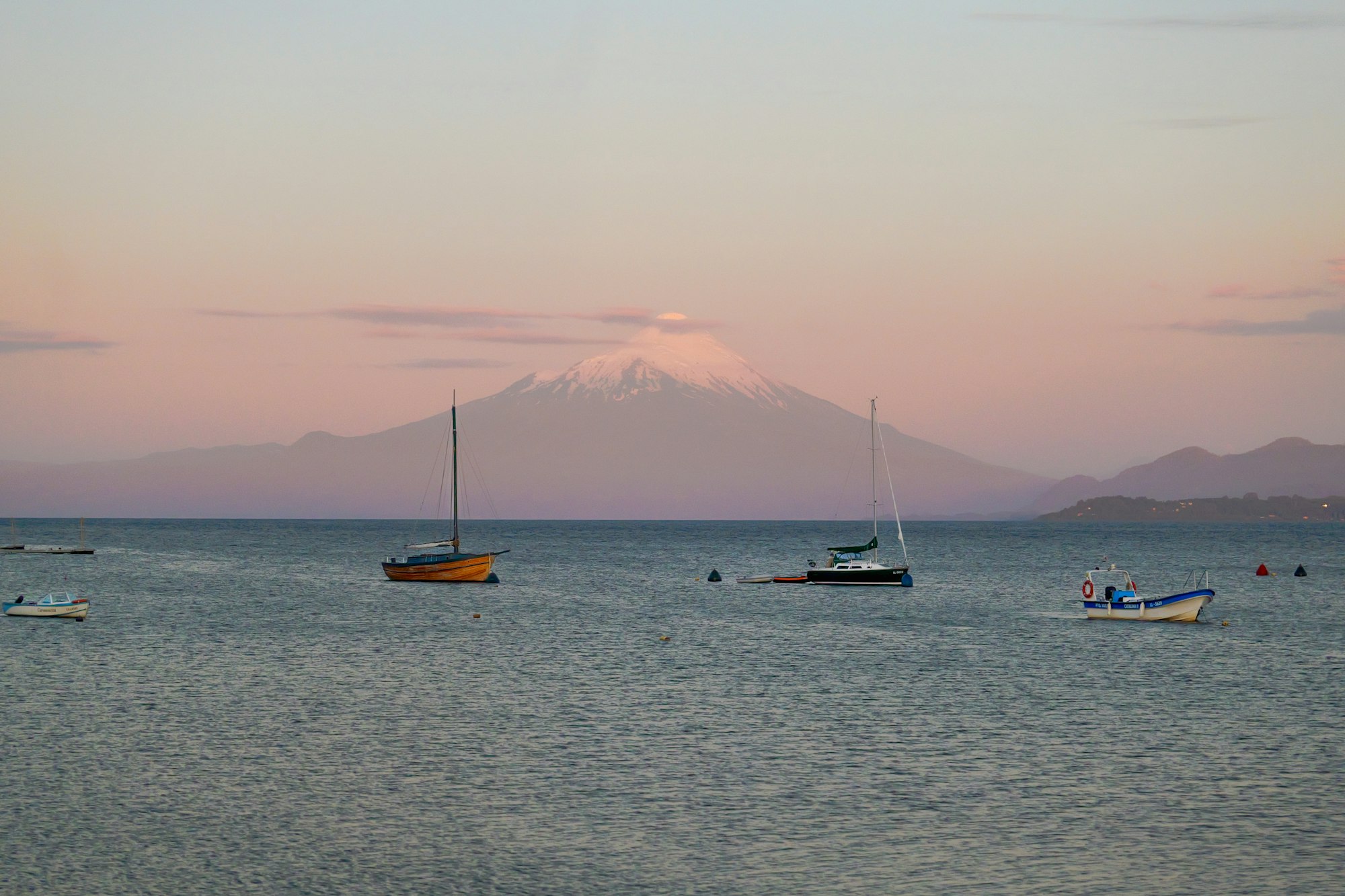
Two volcanoes fill the view across Lago Llanquihue from its southern shore, Osorno to the northeast and Calbuco to the east. German…
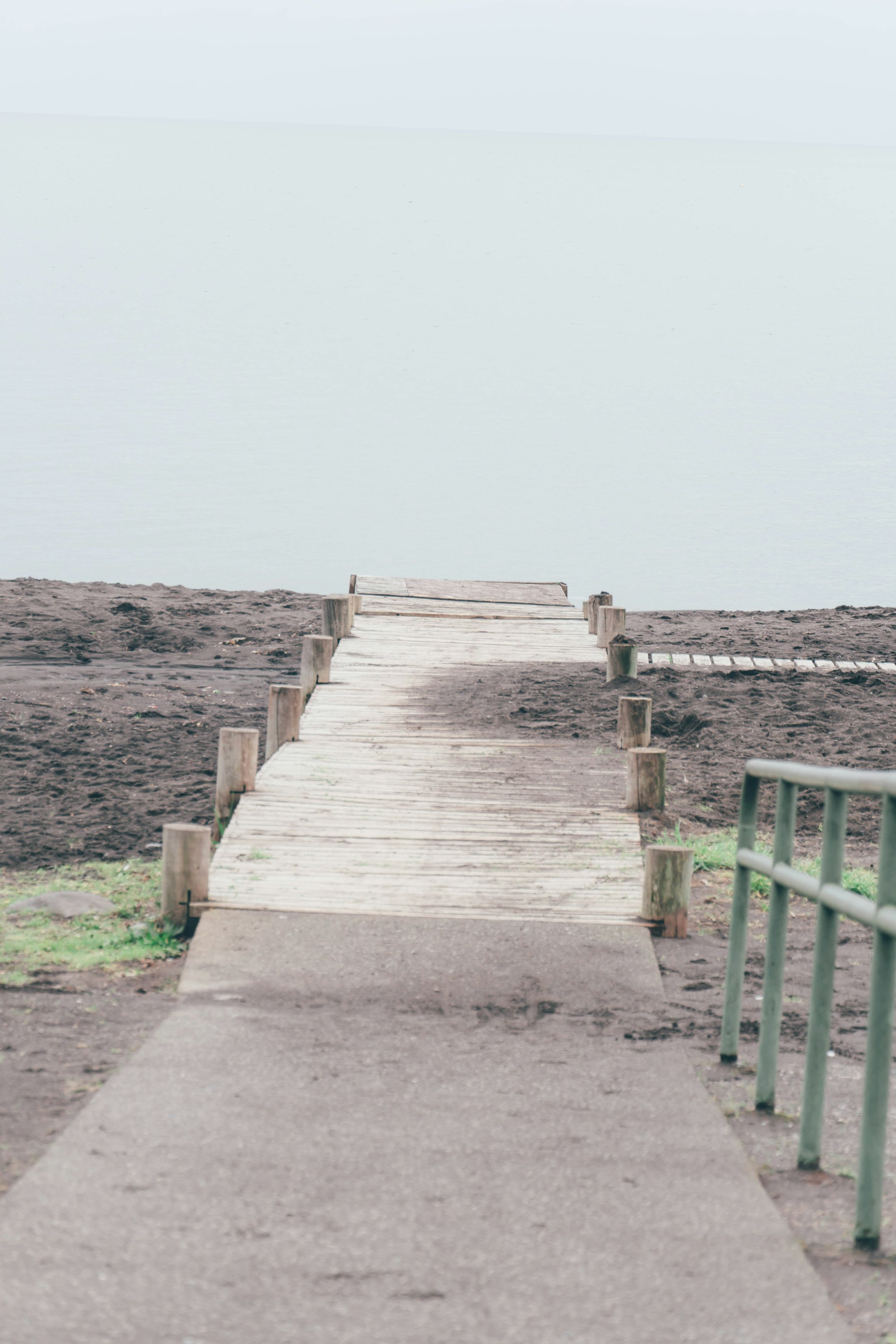
A timber pedestrian pier on the Frutillar Bajo waterfront, built in 2008 as a promenade and lookout over Lago Llanquihue. The lake…
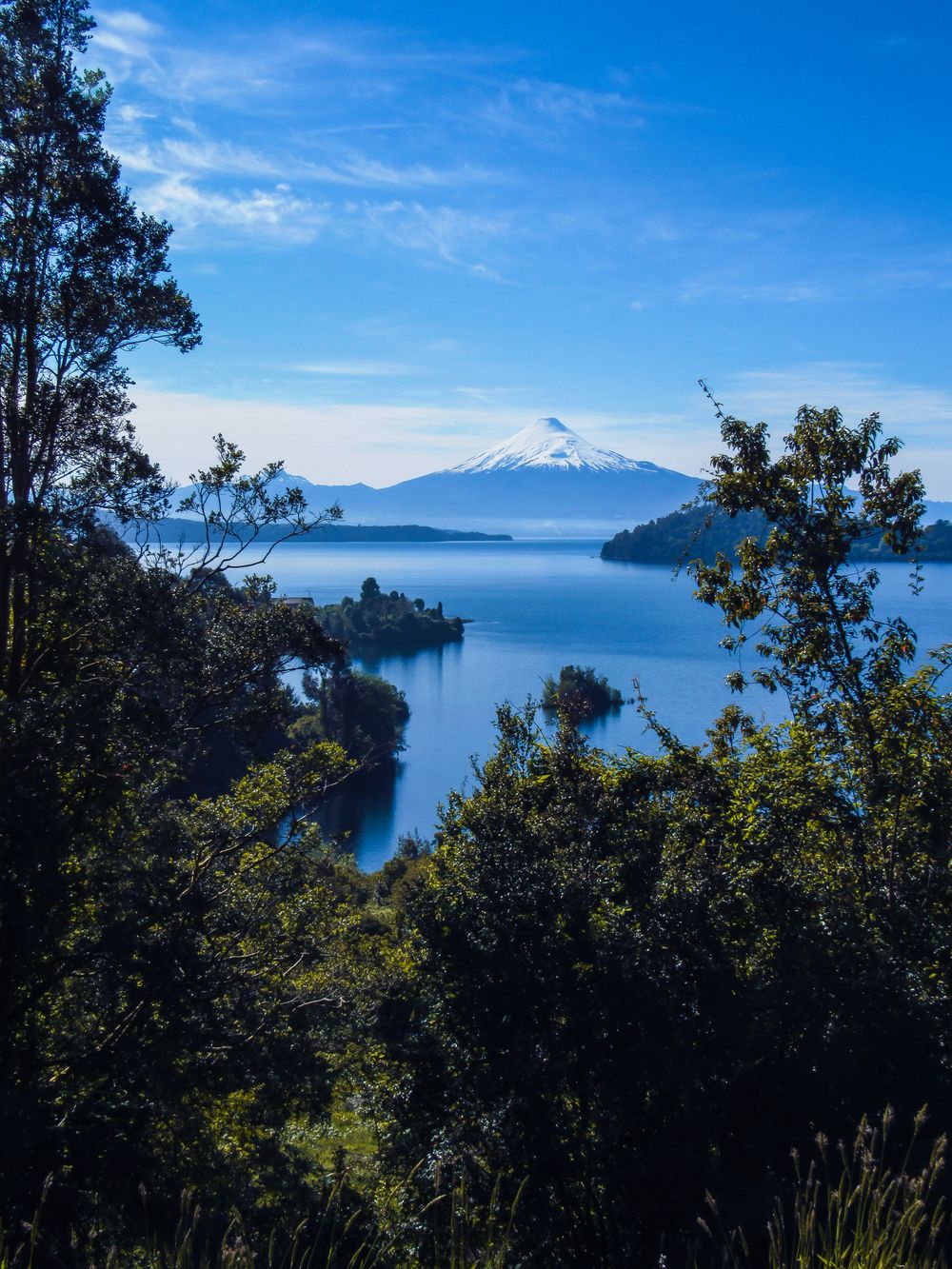
Two towns share the name: an upper Frutillar on the highway and a lower one strung along the Llanquihue shore in painted German timber.…
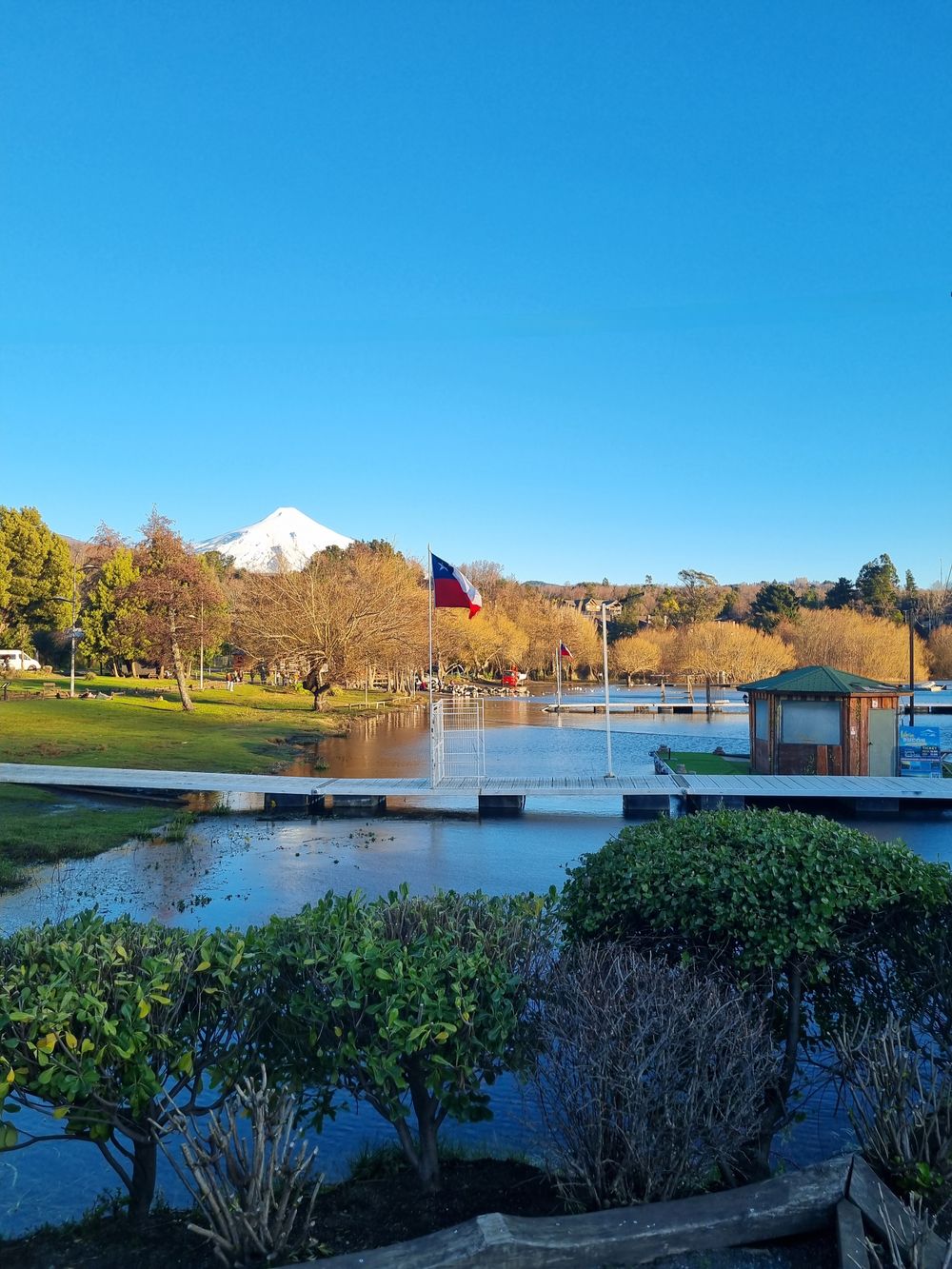
A lakefront promenade along the Llanquihue shore from the Plaza de Armas and the town pier, with the La Puntilla lookout and its iron…
A board-clad timber Lutheran church on the Frutillar Bajo lakefront, built by the German settler congregation, with a bell tower over a…
The official pages this guide was checked against.
Last updated