 Submit a photo
Ninety seconds on Museo Histórico de Puerto Montt Juan Pablo II
The museum stands in the Parque Costanera on the Puerto Montt waterfront, next to the city's bus terminal. It occupies the former Mercado de la Rampa on the shore, a market hall that was remodelled before the 1987 papal visit.
The museum keeps longer hours on weekdays: Tuesday to Friday it opens from 10:00 to 18:00. On Saturday and Sunday the doors open at 11:00 and close at 17:00. Entry needs no booking.
Entry is free for the whole permanent collection. Besides the permanent rooms, the main hall hosts temporary exhibitions that change through the year, and these are part of the same visit.
More than 500 pieces are on show. One gallery covers Monte Verde, the earliest human settlement in the Americas at about 14,500 years old, using replicas of the finds. The canoe peoples room holds the remains of a dalca, a plank boat from Lago Chapo dated to around 1490.
Yes. The museum has a dedicated children's room, a space where younger visitors can take a break while the adults with them carry on through the upper floor of the museum.
Use the hour before a bus south here: the museum is free and a few steps from the bus terminal. Since the 2025 reopening it has a room on Monte Verde, a settlement dated to 14,500 years ago.
Monte Verde is the reason to come now. The room shows replicas of the finds, laid out with the help of the archaeologist who first dug the site.
In the room on the canoe peoples, look for the remains of a dalca. It is a boat of planks built so that it could be taken apart, and this one came out of Lago Chapo and is dated to around 1490.
The collection also covers the German settlers who came to this shore and the lake country to the north, with objects from their nineteenth-century households and the first years of the town. Chilote saints carved for island chapels are among the older pieces.
The building was the Mercado de la Rampa, a seafood and cookhouse hall refurbished for John Paul II's visit in 1987, and he said mass on the waterfront beside it. The collection includes the chair he sat in and the chasuble he wore.
Monte Verde and the boat are the two things here you will not see anywhere else in the city, so start with them. The rest follows Puerto Montt from the earliest people on this coast to the twentieth century, across more than ten rooms on two floors and several hundred objects.
An hour is enough at a steady pace. The museum also runs a changing programme of temporary exhibitions, so ask at the desk what is on as you come in.
You can walk straight in. On days when cruise ships are in, passengers come ashore and fill the rooms. Combine the visit with Parque nacional Alerce Andino.
If you are travelling with children, there is a room set up for them where they can stop while you finish the upper floor.
Explore the rest of Puerto Montt
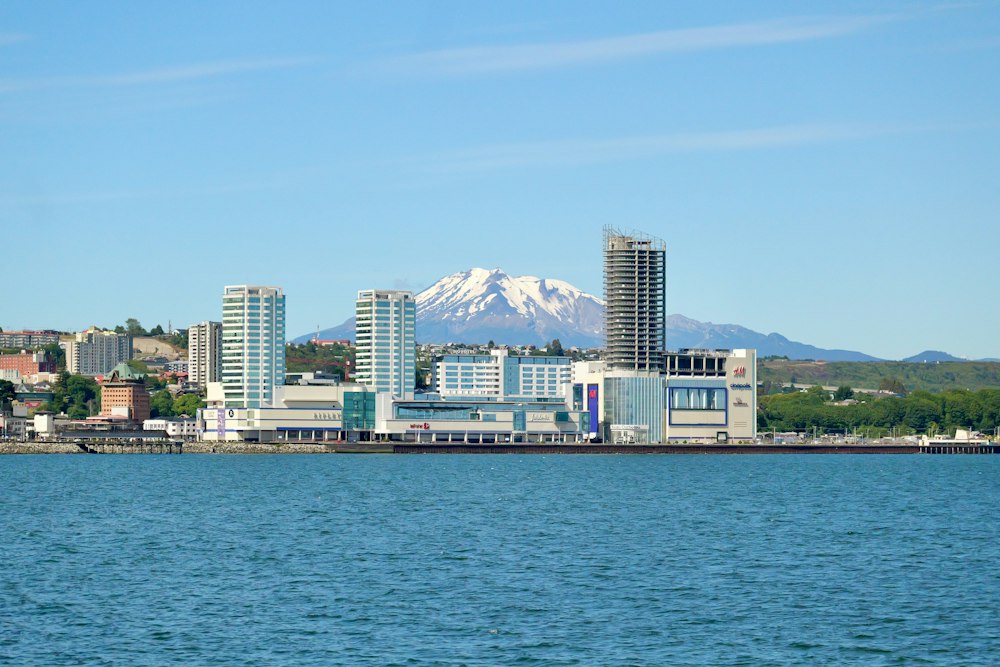
The Panamerican highway gives out at the head of the Reloncaví sound and the archipelago begins. Puerto Montt is a working city of salmon…
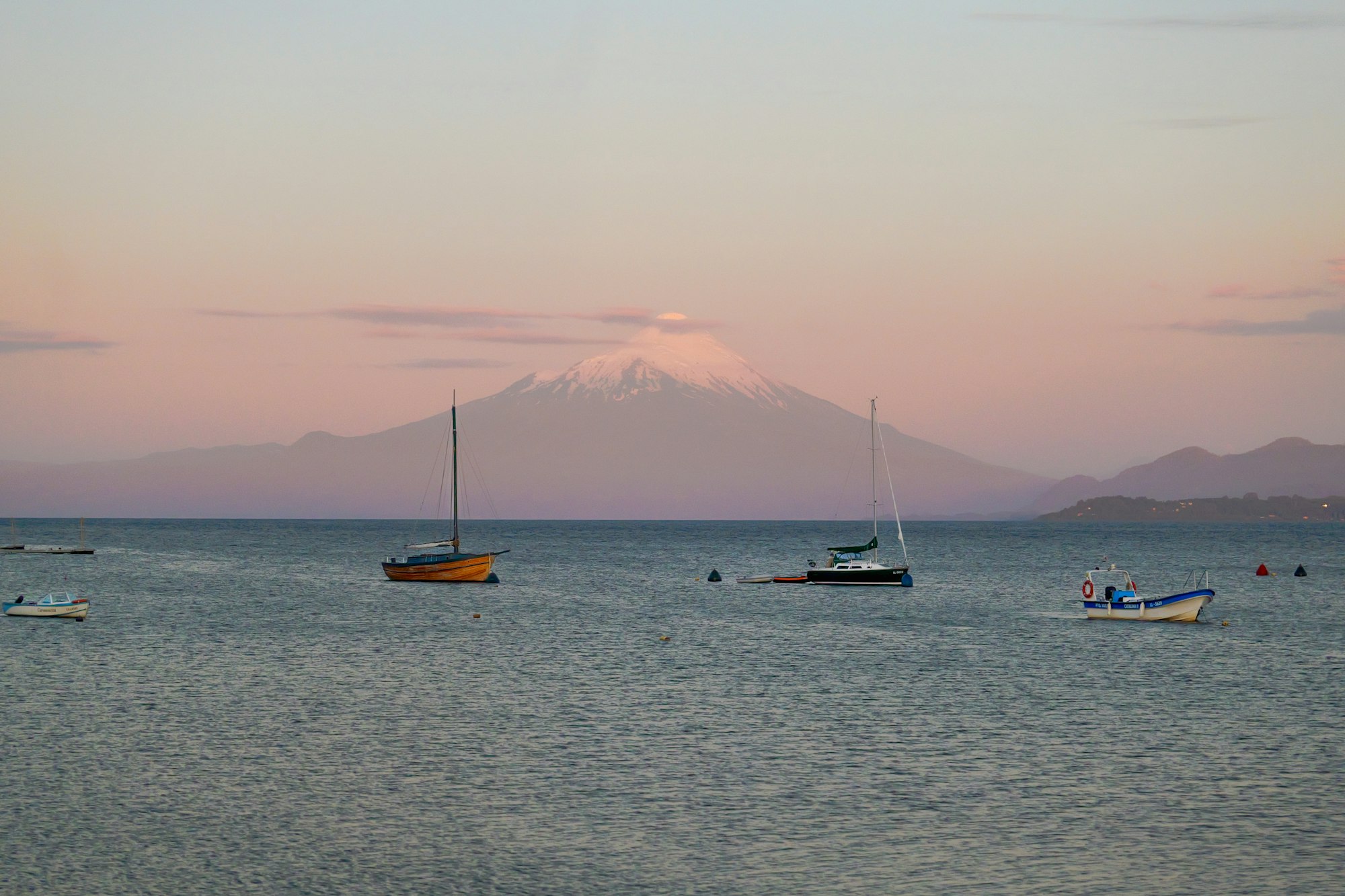
Two volcanoes fill the view across Lago Llanquihue from its southern shore, Osorno to the northeast and Calbuco to the east. German…
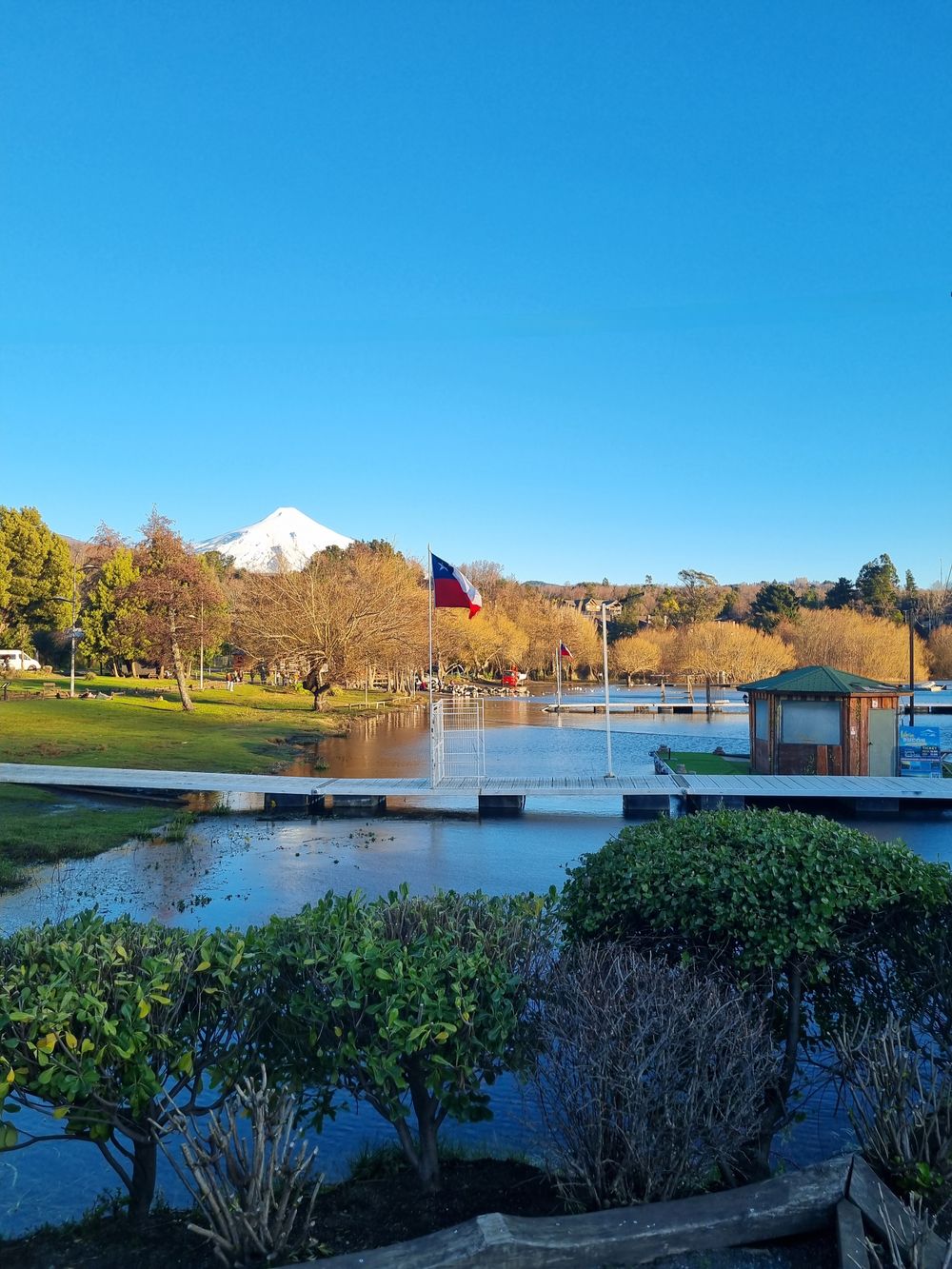
A lakefront promenade along the Llanquihue shore from the Plaza de Armas and the town pier, with the La Puntilla lookout and its iron…
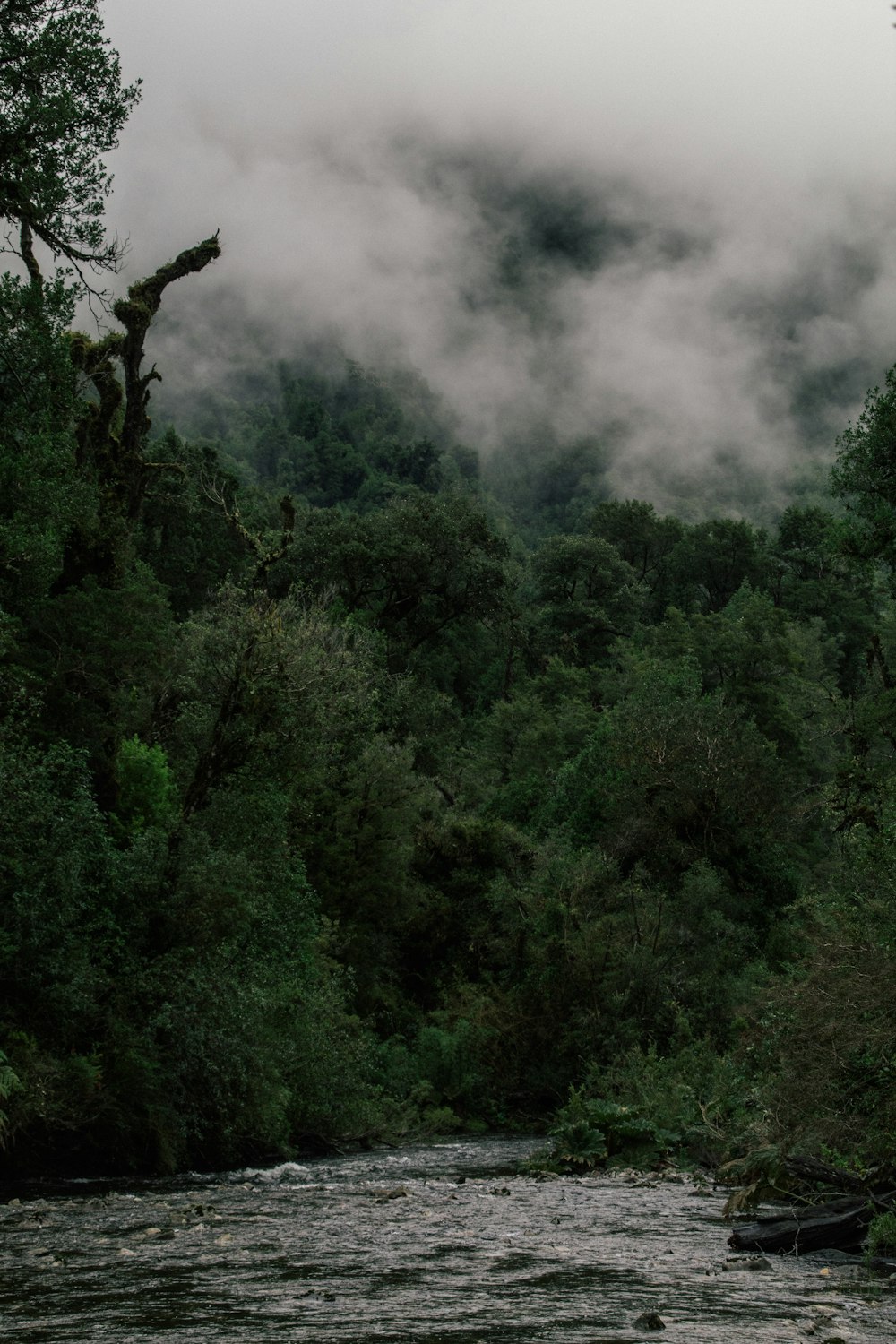
Close to forty thousand hectares of temperate rainforest east of the city, protecting alerce stands in which the oldest trees approach…
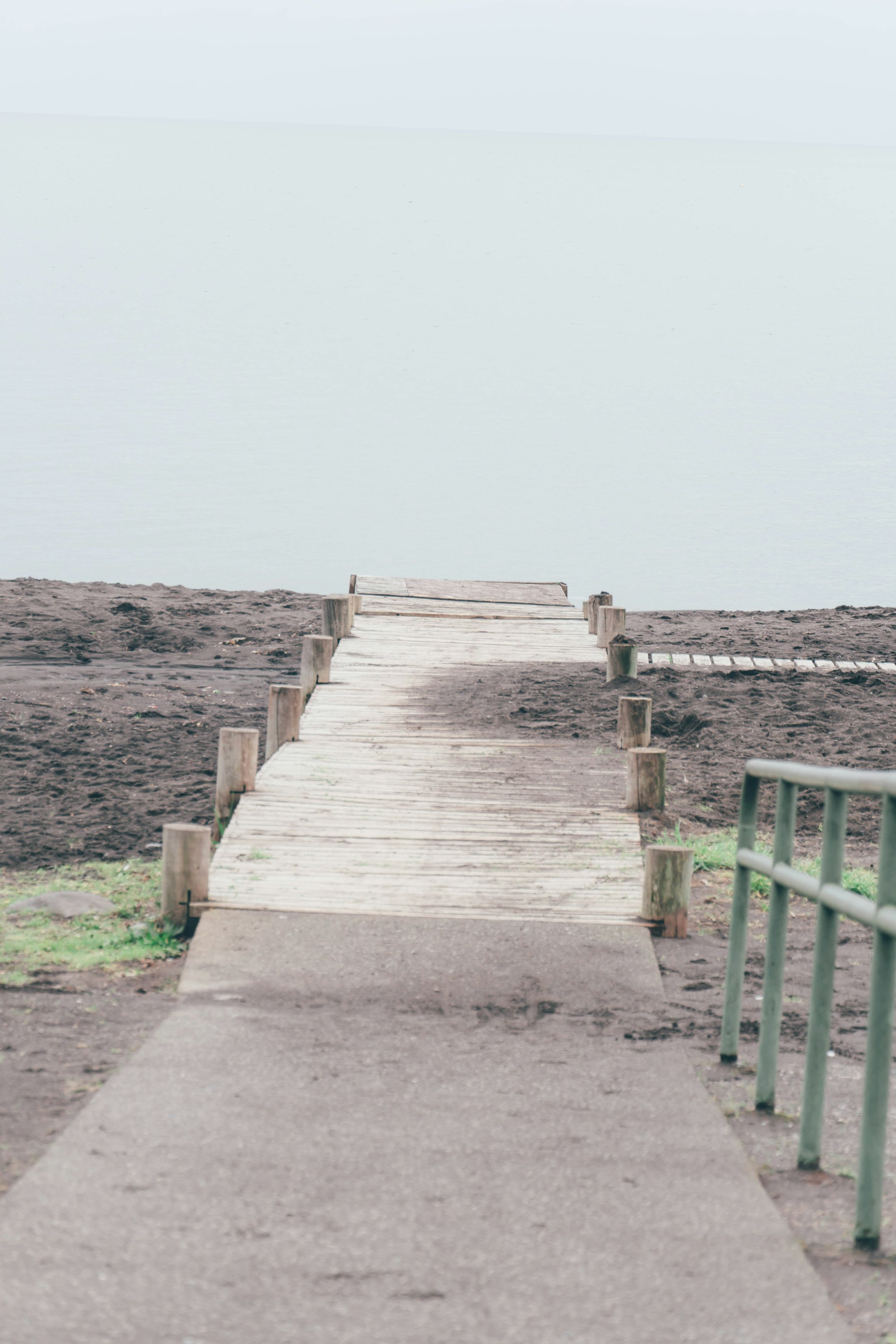
A timber pedestrian pier on the Frutillar Bajo waterfront, built in 2008 as a promenade and lookout over Lago Llanquihue. The lake…
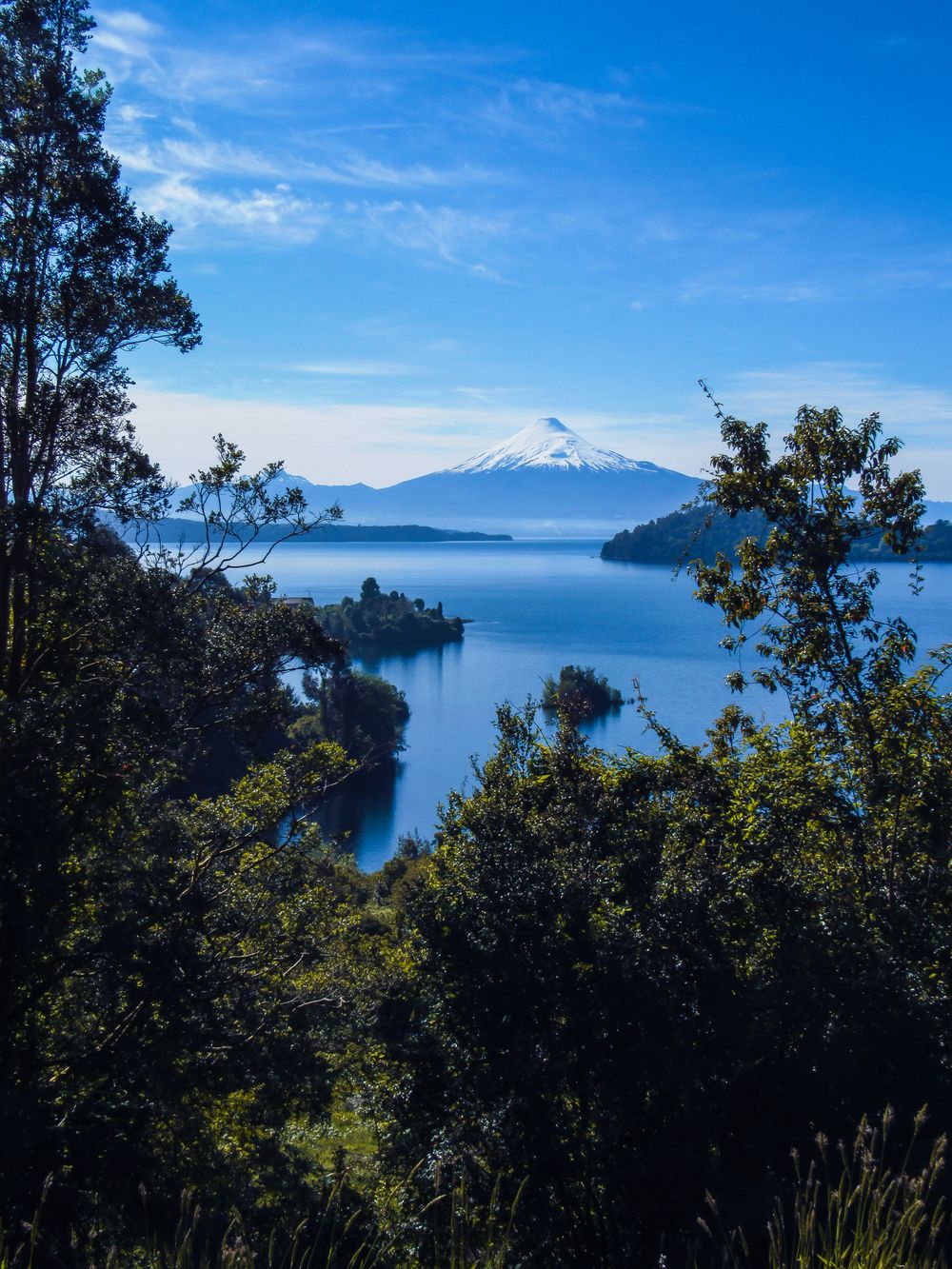
Two towns share the name: an upper Frutillar on the highway and a lower one strung along the Llanquihue shore in painted German timber.…
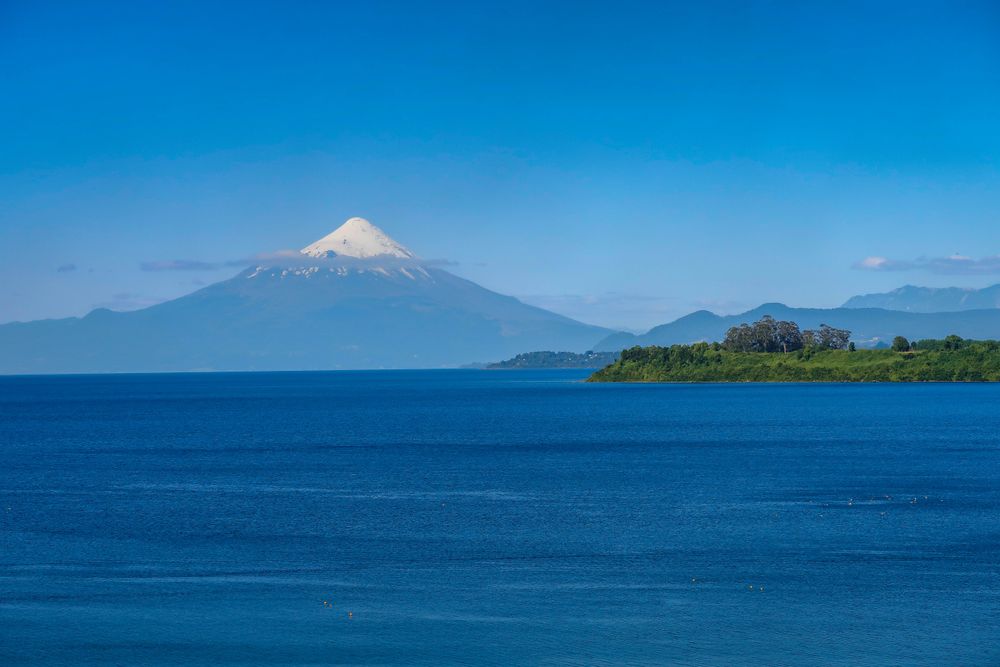
A glacial lake of about 871 square kilometres below the Osorno, Calbuco and Puntiagudo volcanoes, ringed by a shore road that links Puerto…
A board-clad timber Lutheran church on the Frutillar Bajo lakefront, built by the German settler congregation, with a bell tower over a…
Last updated