Iceland
6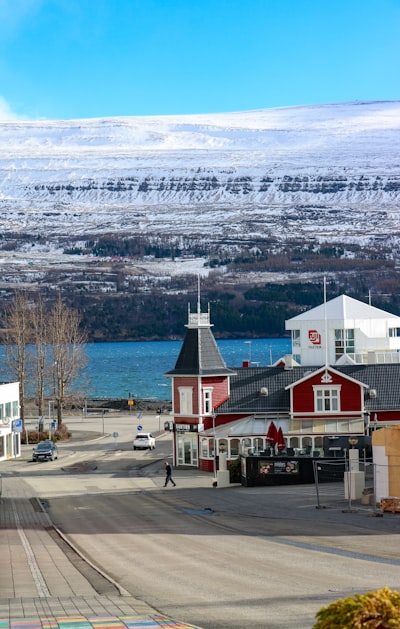
Akureyri
Iceland's largest town outside the capital region, about 20,000 people, set near the head of Eyjafjörður on the fjord's western shore.
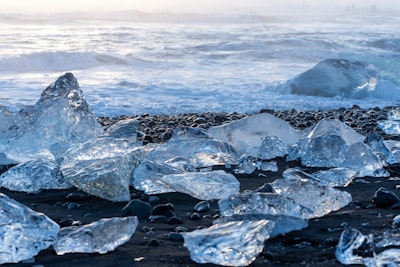
Höfn
A fishing town of about 1,800 people on a low spit in Hornafjörður, roughly 455 kilometres from Reykjavík on the Ring Road and surrounded by sea on three sides.
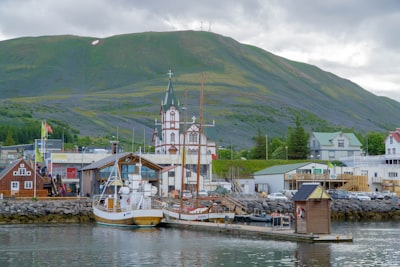
Húsavík
A fishing town of roughly 2,500 on the east shore of Skjálfandi bay, 50 km short of the Arctic Circle.
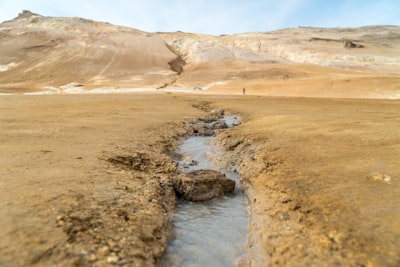
Mývatn
A shallow lake district on the plate boundary in the northeast, the water 37 square kilometres in area and 4.5 metres deep at its deepest, laid down by a basaltic eruption about 2,300 years...
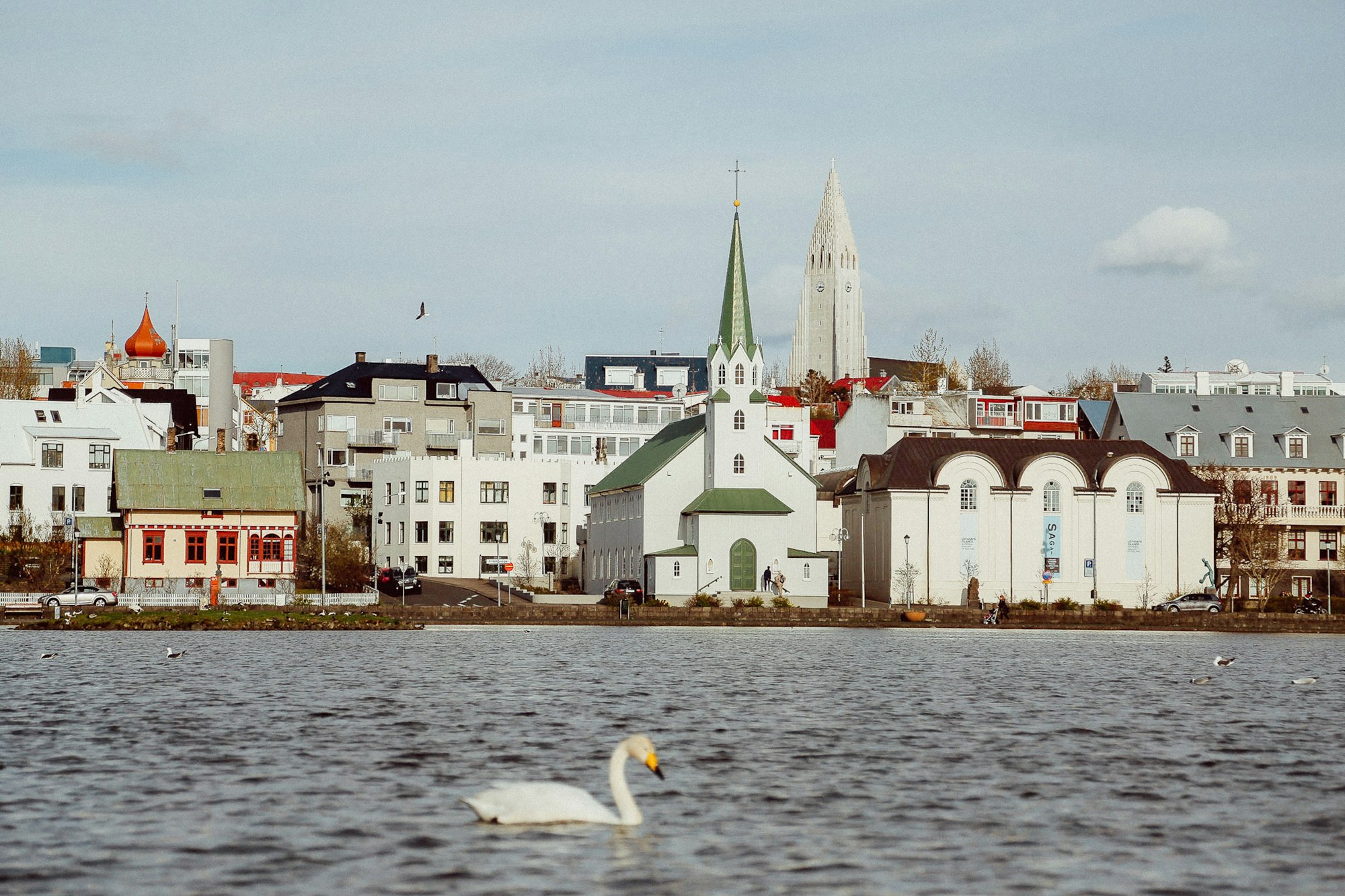
Reykjavík
Iceland's capital and the northernmost capital of a sovereign state, holding about 140,000 people on the south shore of Faxaflói bay.
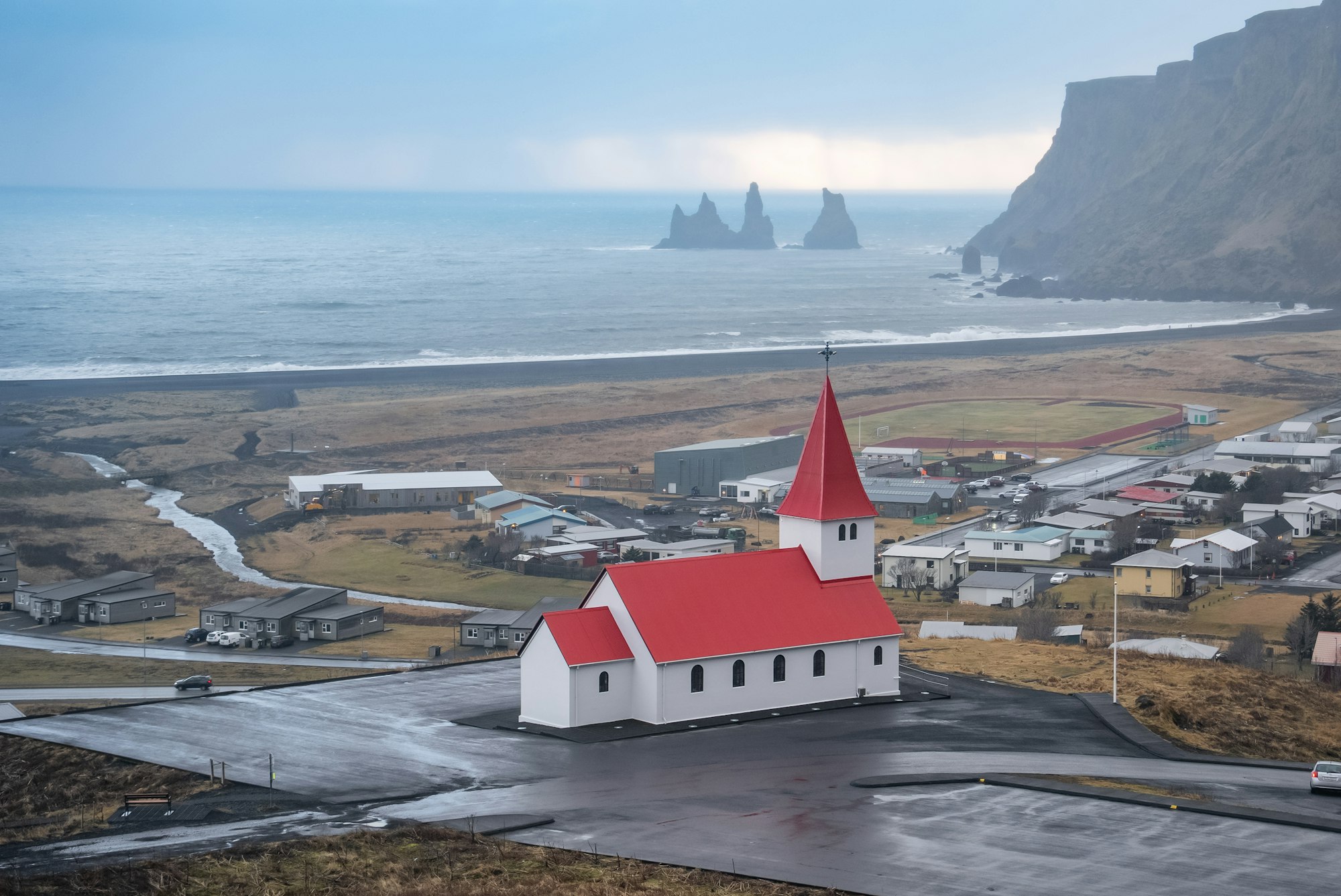
Vík
The southernmost village in Iceland, about 180 kilometres southeast of Reykjavík on the Ring Road, with roughly 300 residents in the village and 750 in the wider Mýrdalshreppur...
Ireland
1
Italy
1
Montenegro
18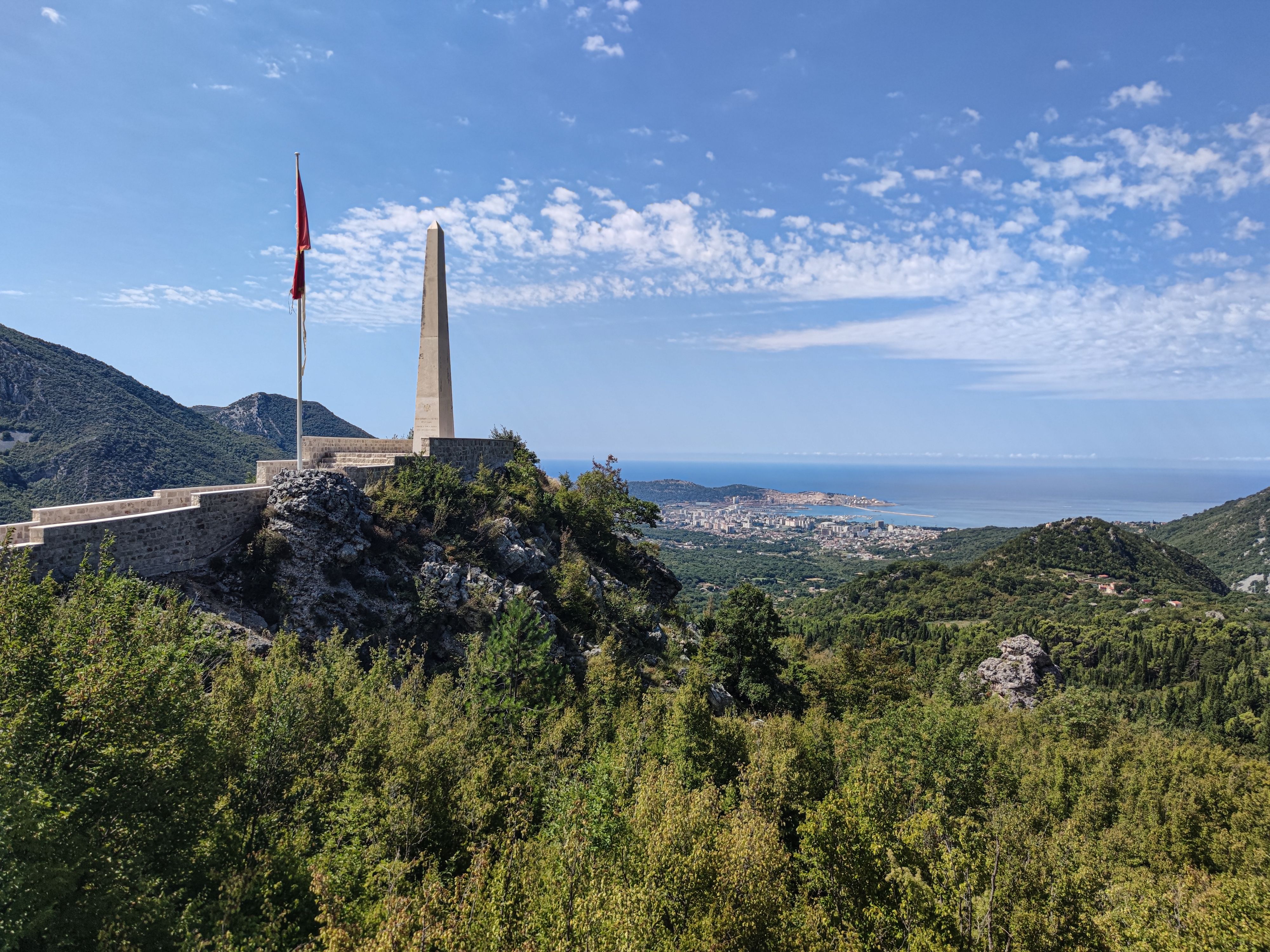
Bar
The country's main port, with ferries to Italy and the rail line north to Belgrade, and a modern town that exists to serve both.
Bečići
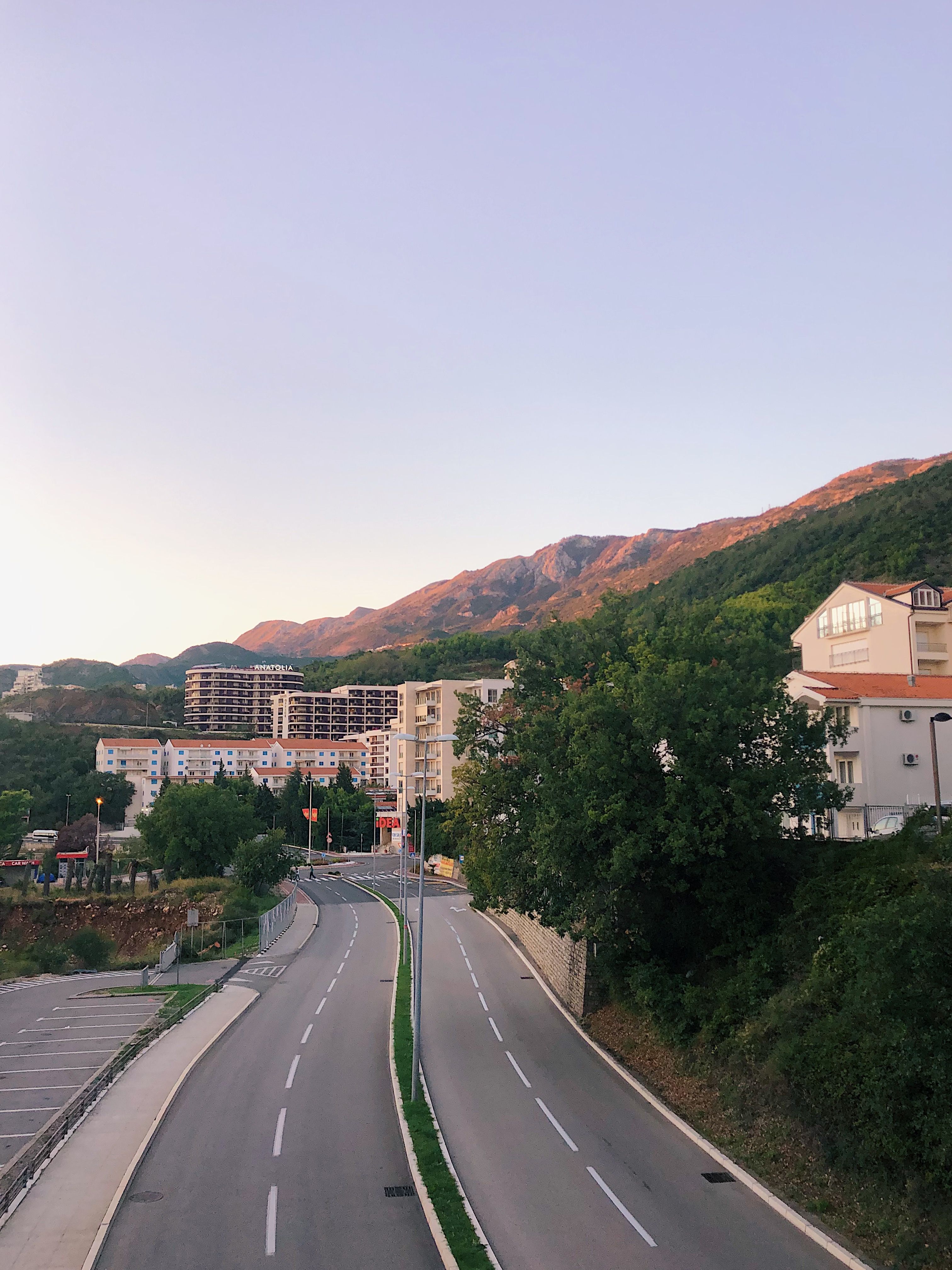
A mile of sand and fine shingle immediately south of Budva, backed by the largest concentration of resort hotels in the country.
Budva
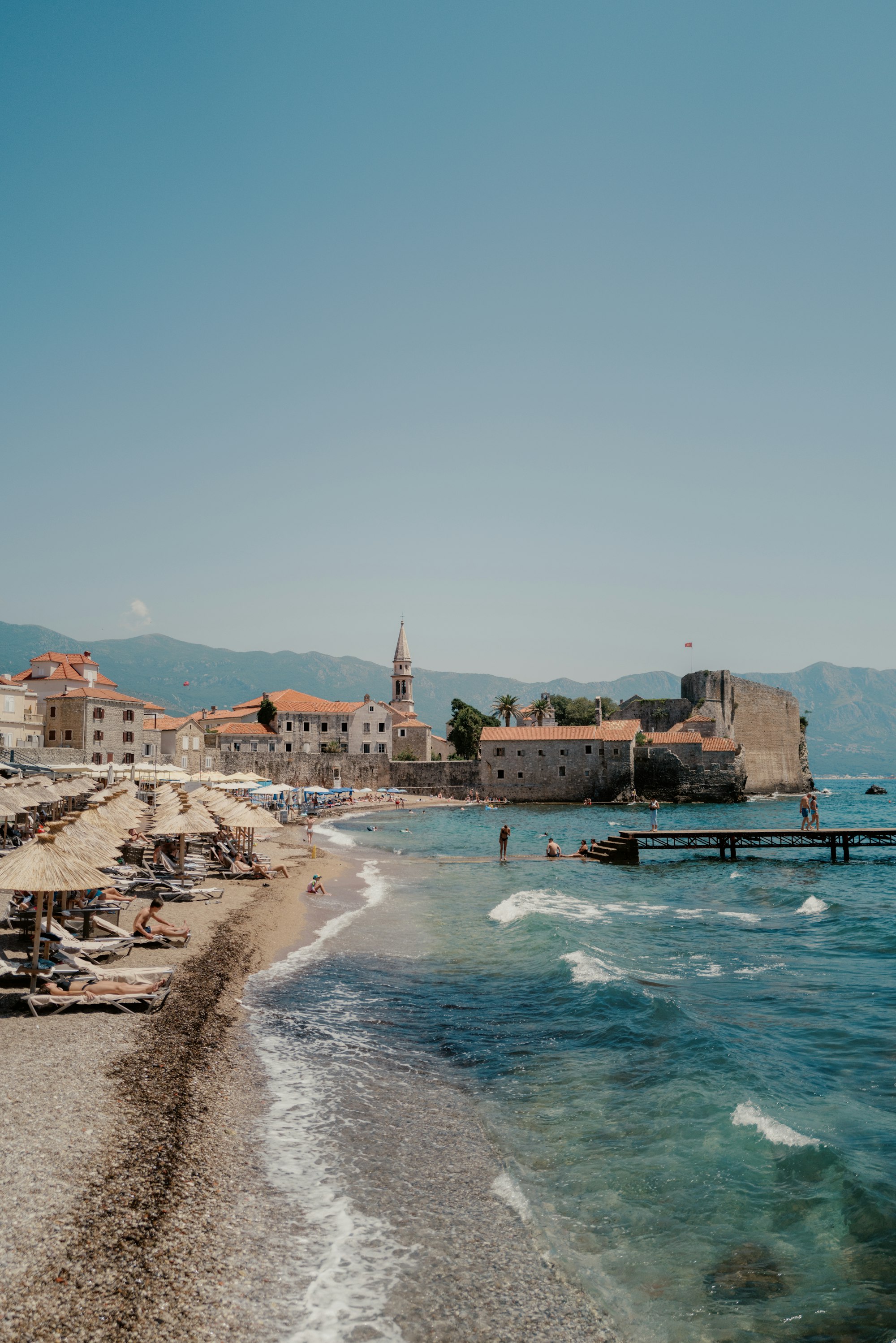
The busiest resort town on the Montenegrin coast, and among the oldest settlements on the Adriatic, with a walled old town of narrow lanes, three churches sharing one square and a citadel...
Cetinje
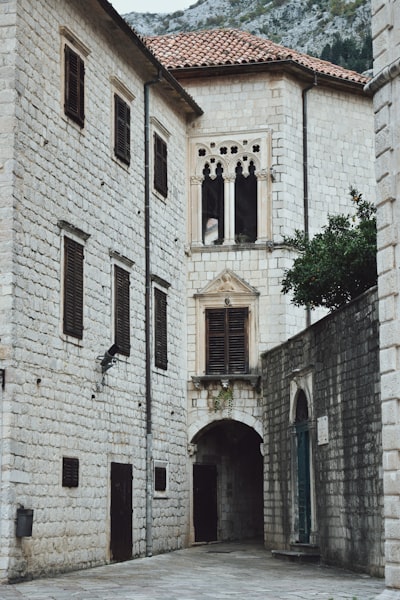
The old royal capital, set in a high karst field behind Mount Lovcen, and the country's historic centre of gravity.
Herceg Novi
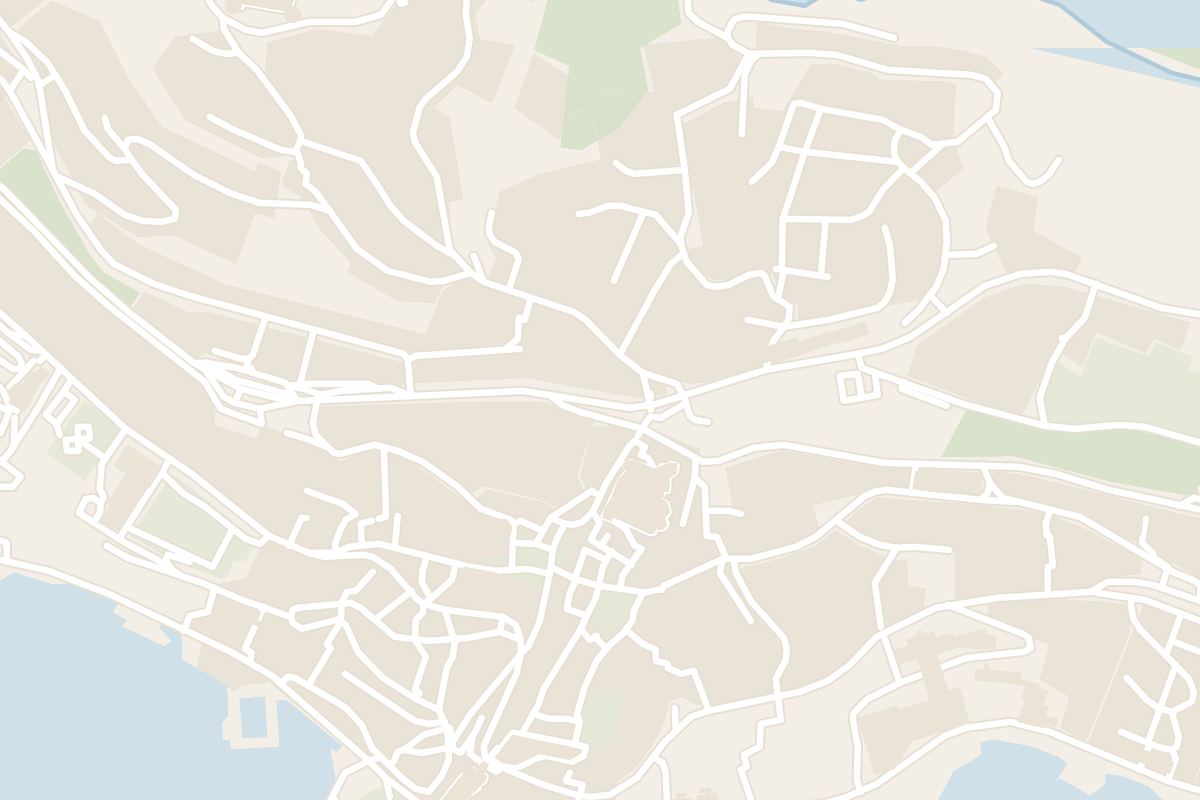
A town of stairs at the mouth of the bay, founded in 1382 and fortified in turn by Bosnians, Ottomans, Venetians, Spaniards and Austrians, each of whom left a fort.
Kolašin
A mountain town on the Tara river between the Bjelasica and Sinjajevina ranges, and the country's most developed winter resort, with lifts at Kolasin 1450 and 1600 above the town.
Kotor
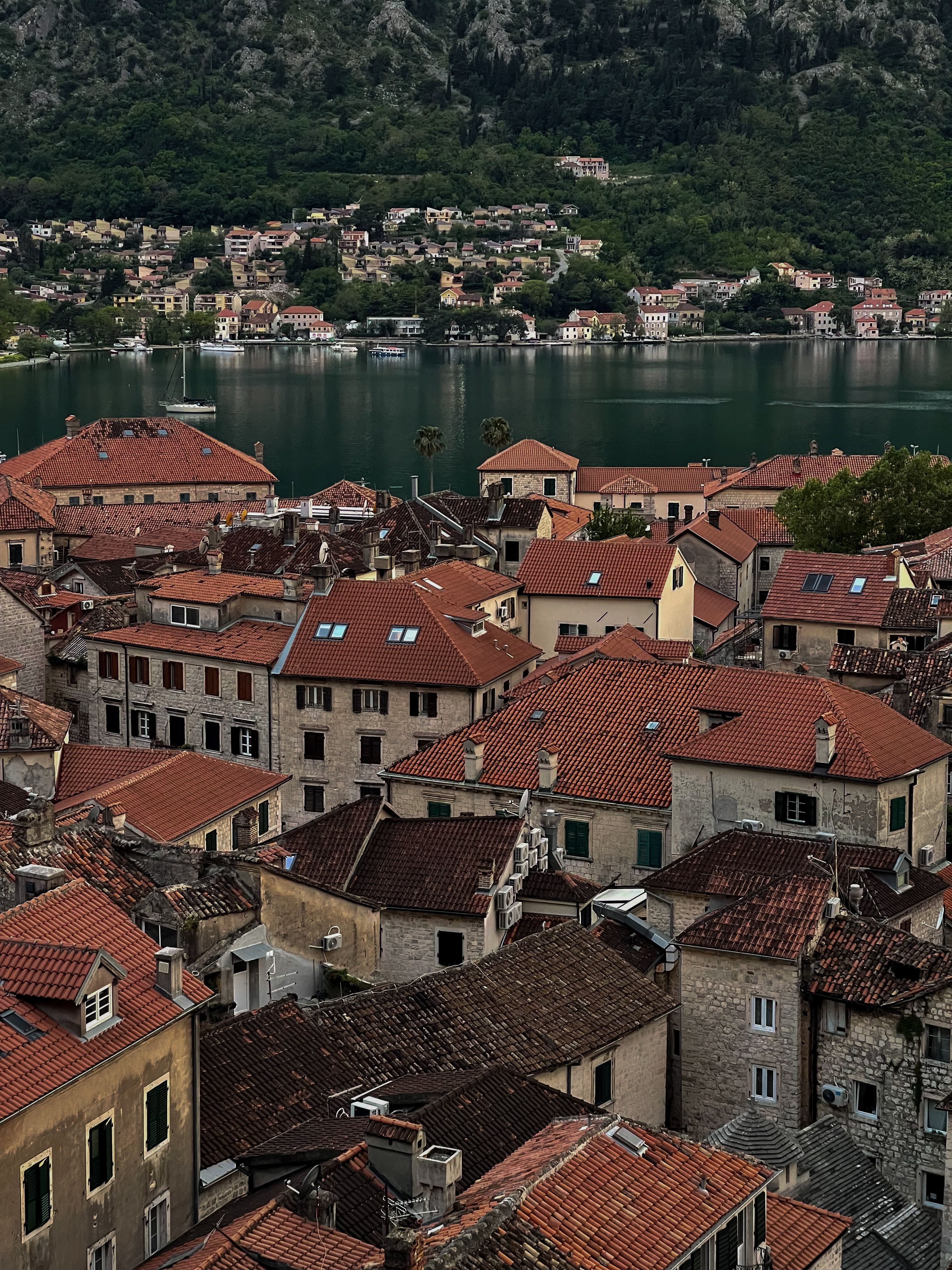
A fortified town at the head of the Bay of Kotor, wedged between the water and the near vertical wall of Mount Lovcen.
Miločer
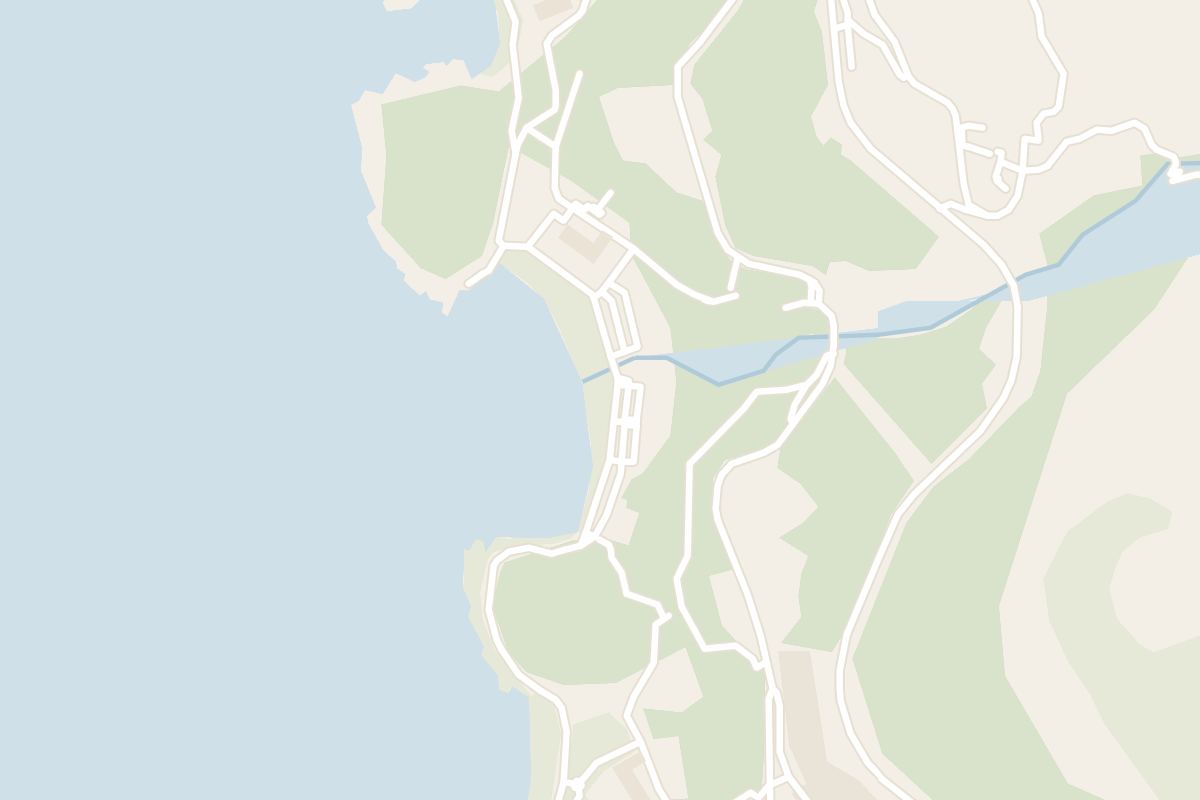
The former summer residence of the Karadordevic royal family, its villa and park sitting on the headland between Przno and Sveti Stefan.
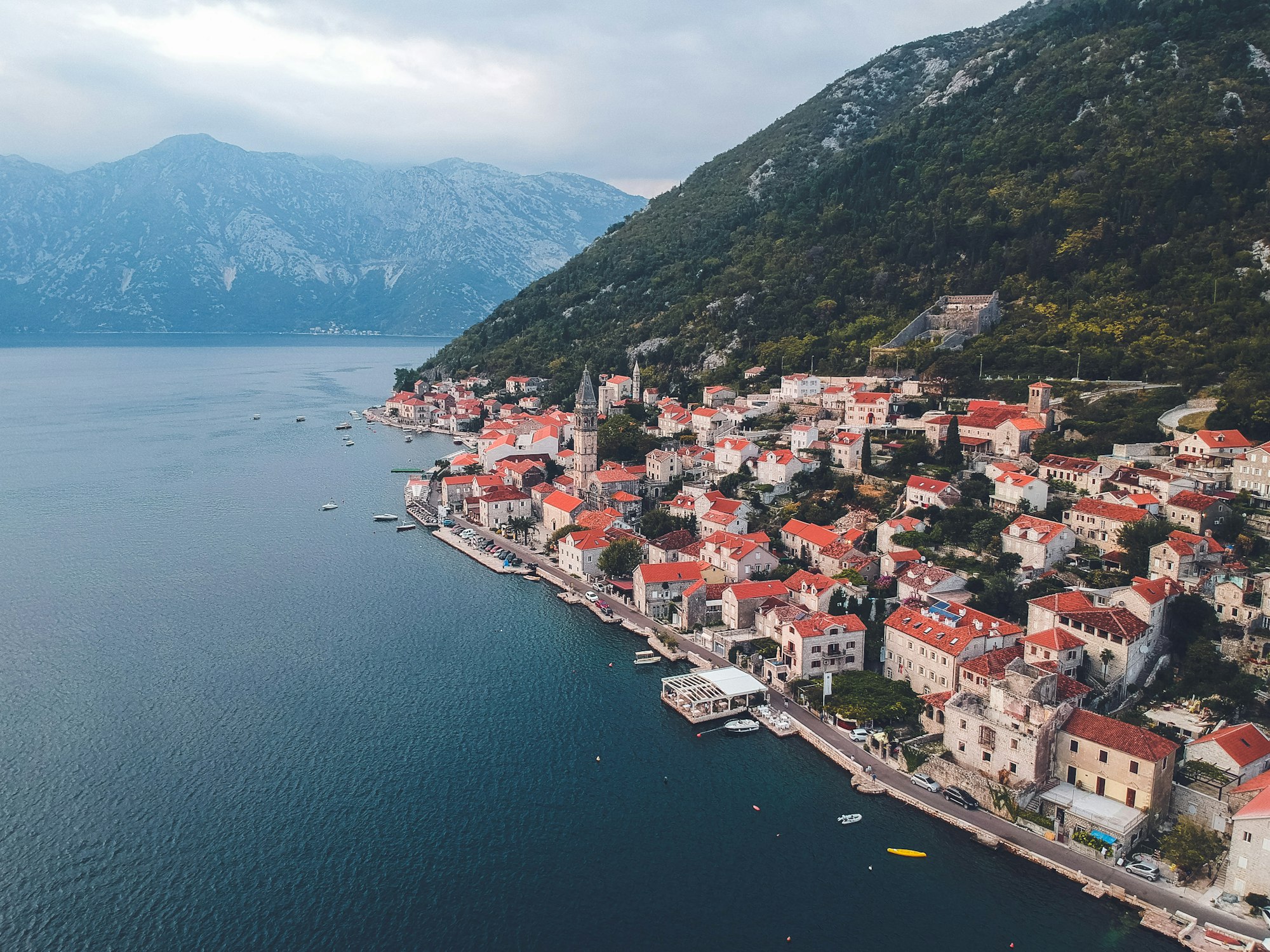
Perast
A single baroque street facing the narrows of the bay, built on the wealth of sea captains who once sailed for Venice.
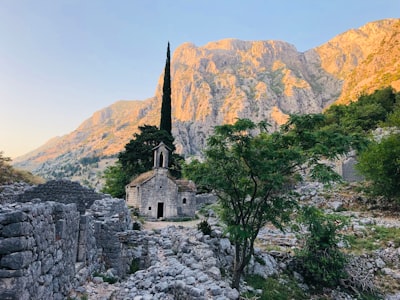
Podgorica
The capital, and the arrival point for most flights into the country. Bombing in the Second World War left little of the old city, so what stands is largely postwar and later, with the...
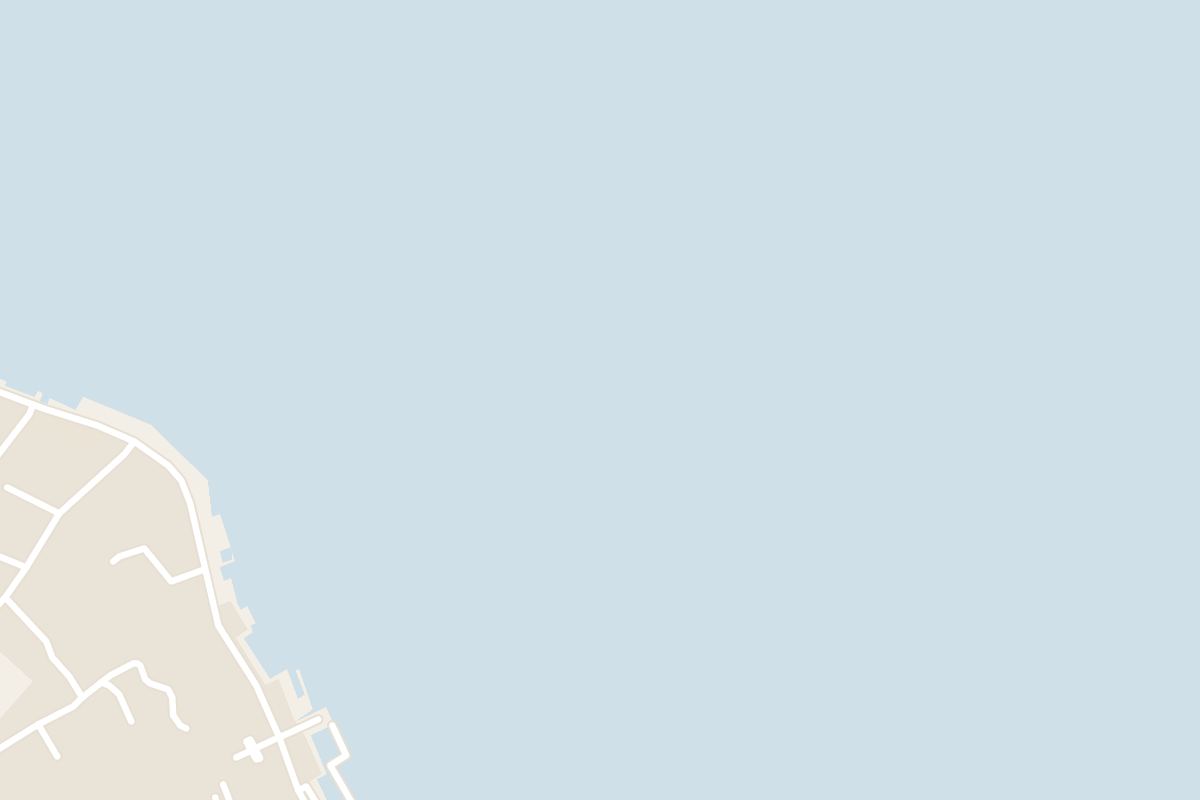
Prčanj
A ribbon of captains' houses and gardens along the western shore of the bay, strung for over a mile with no real centre.
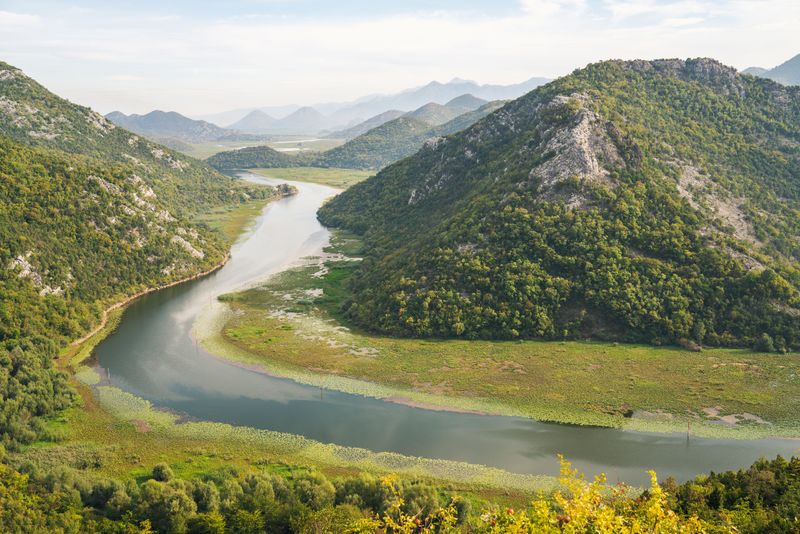
Rijeka Crnojevića
A stone village at the head of a river that winds down into Lake Skadar, once a royal market town and now largely quiet.
Risan
The oldest settlement in the bay, an Illyrian stronghold before it was Roman, and the seat of Queen Teuta in the third century BC.
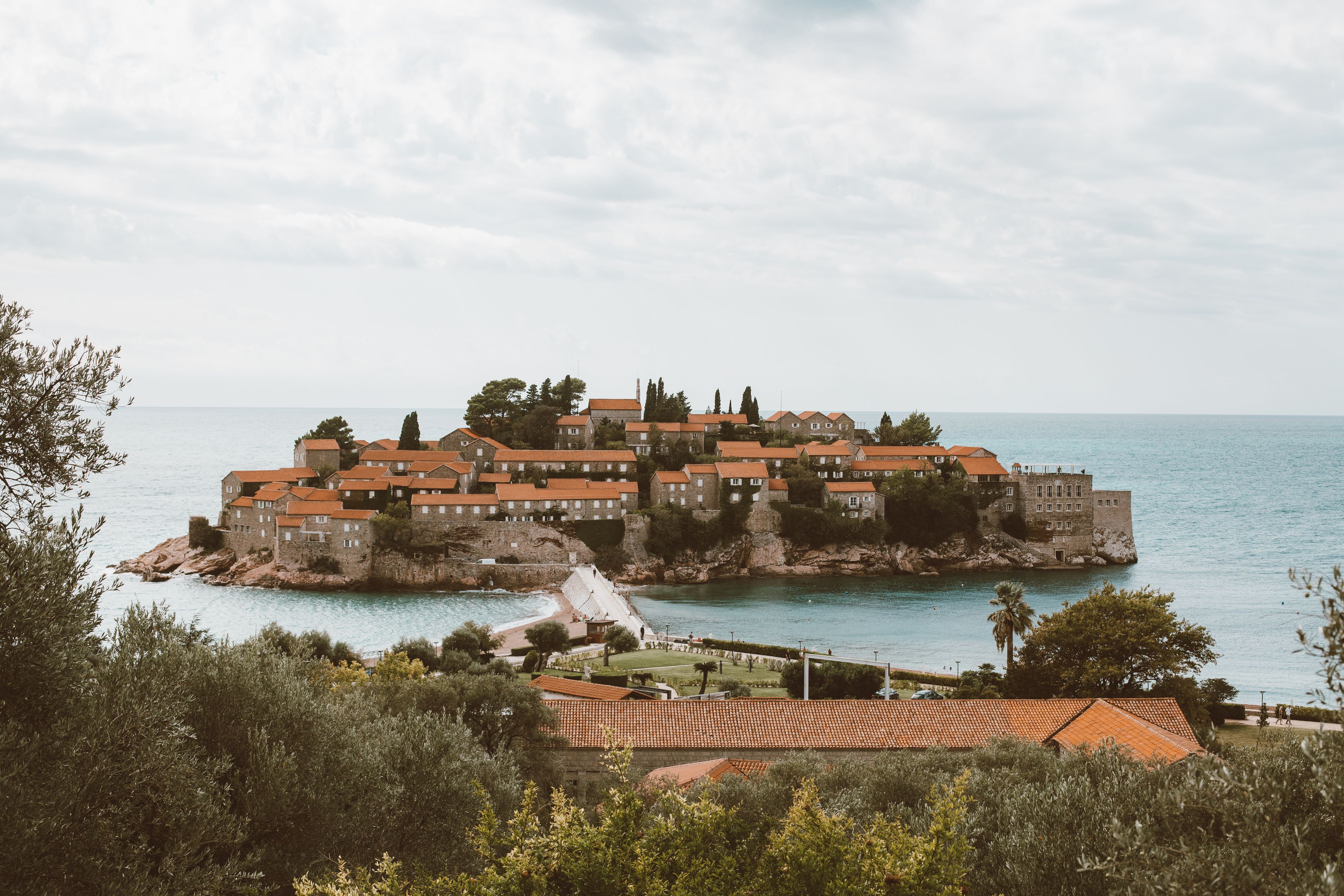
Sveti Stefan
A fortified fishing island turned into a single hotel, joined to the shore by a narrow causeway and photographed more than anywhere else in the country.
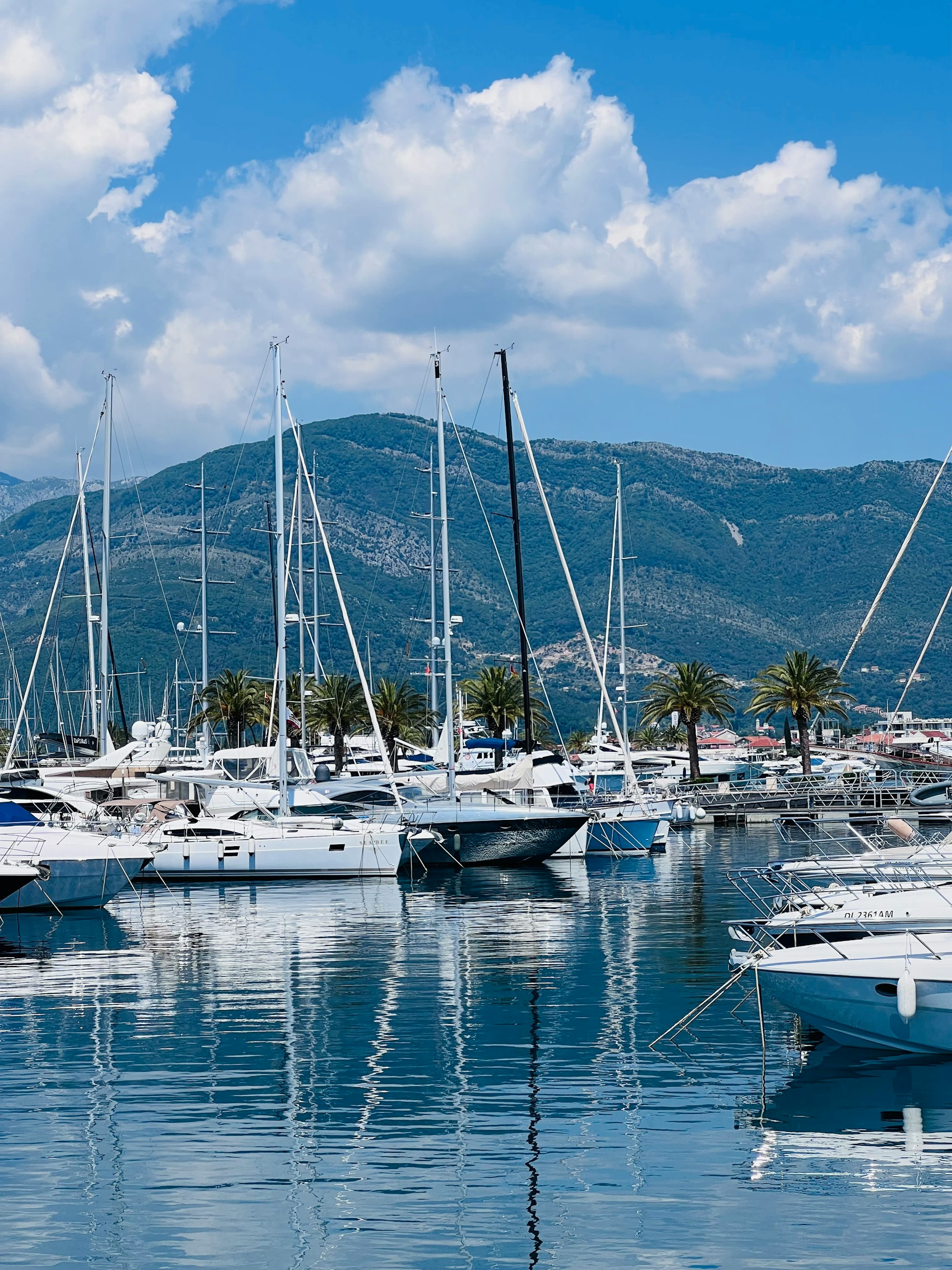
Tivat
Once a naval town, now the bay's centre of gravity for money. Porto Montenegro was built on the site of the Yugoslav navy's Arsenal shipyard and holds the superyacht berths, the shops and a...
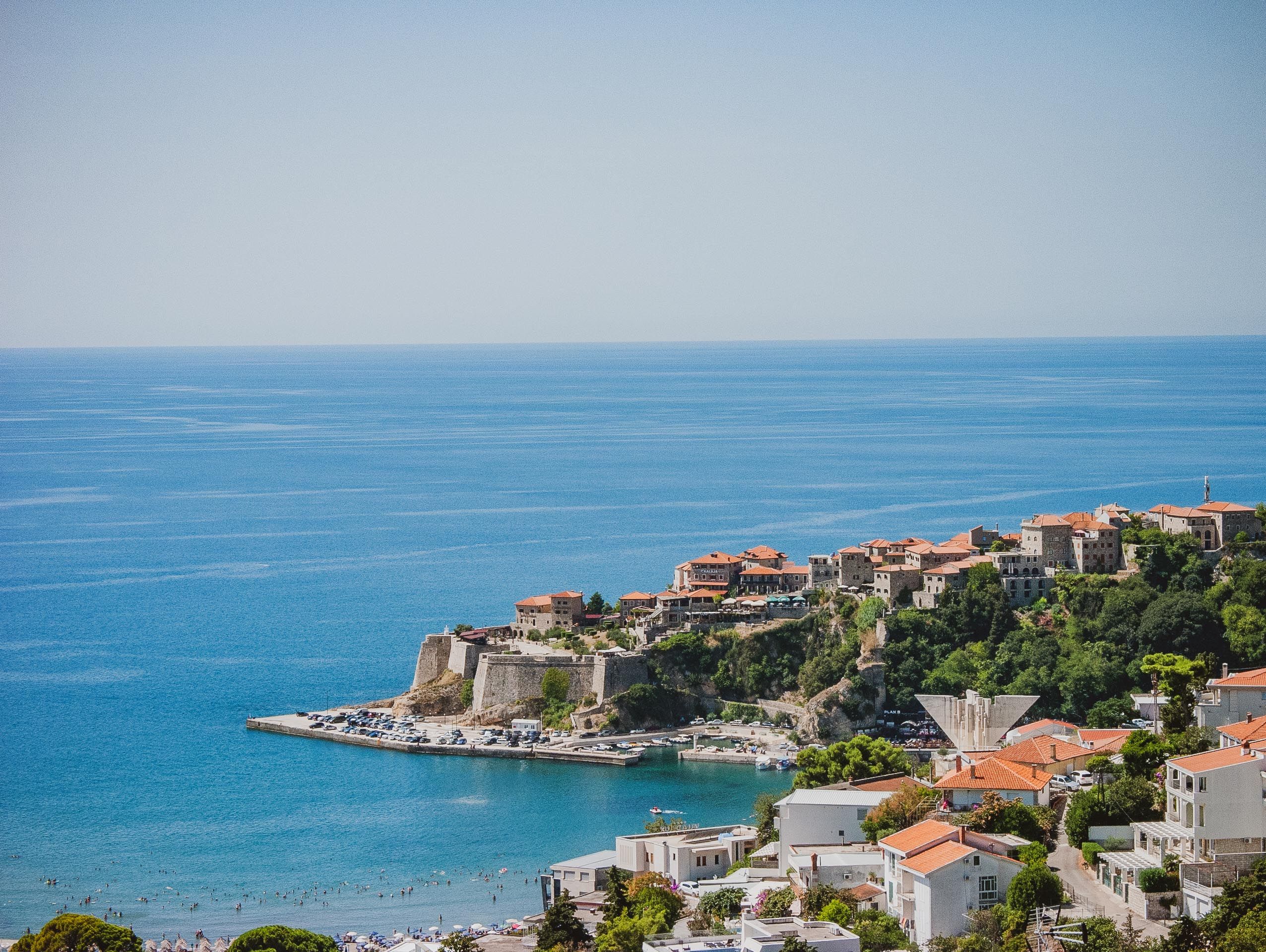
Ulcinj
The southernmost town in Montenegro, majority Albanian speaking, with an old town on a rock above the sea that spent the sixteenth and seventeenth centuries as a corsair port.
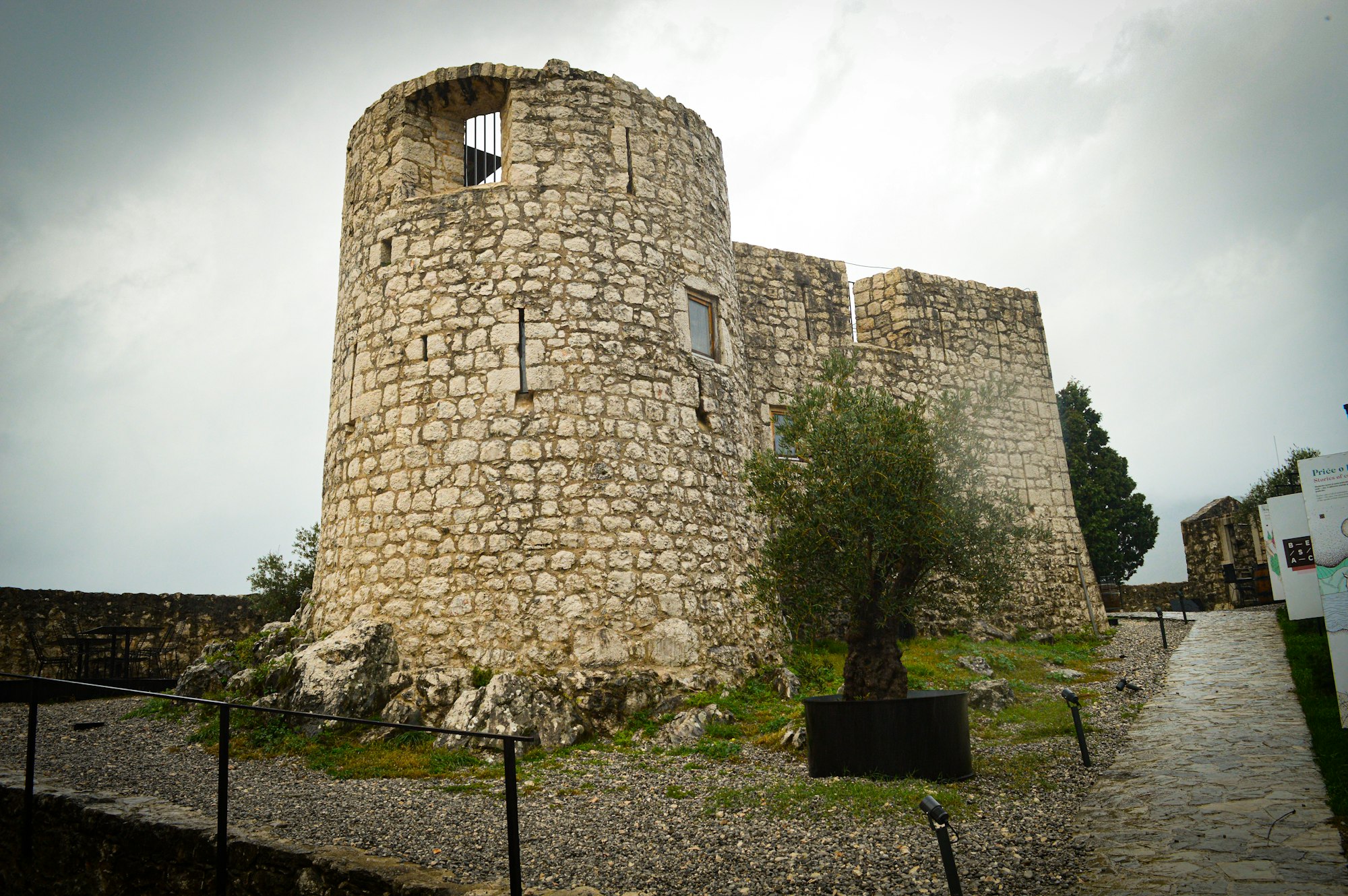
Virpazar
A village of a few hundred people on the northern shore of Lake Skadar, reached over small stone bridges, and the usual place to take a boat onto the lake.
Žabljak
The highest town in the Balkans at around 4,750 feet, and the gateway to Durmitor National Park.
Norway
6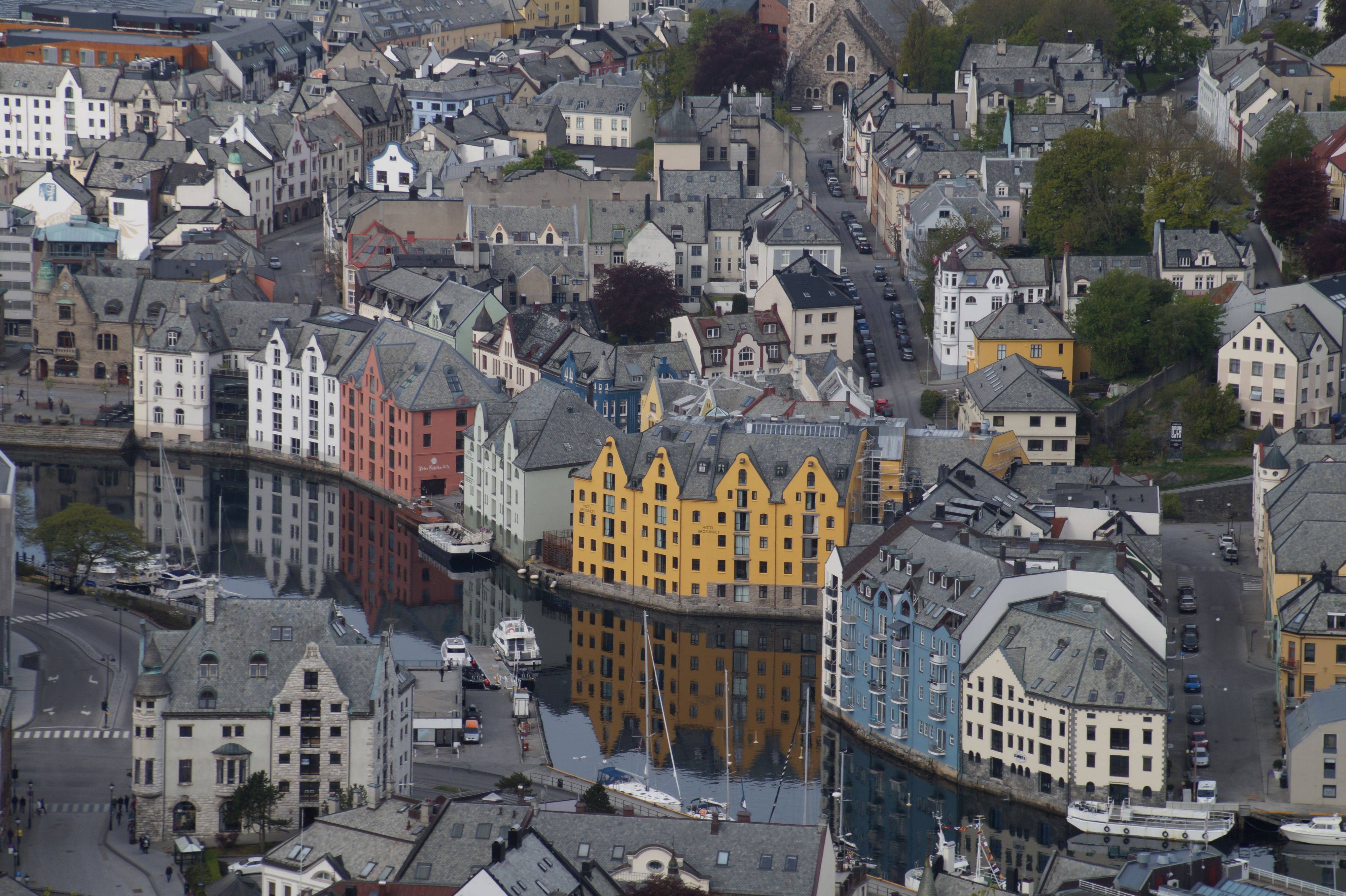
Ålesund
A fishing port spread across islands on the outer coast, and the most complete art nouveau town in northern Europe.
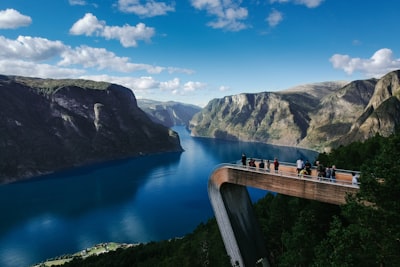
Aurland
The village of Aurlandsvangen sits where the Aurlandsdalen valley meets the Aurlandsfjord, a short run up the shore from Flåm and a world quieter.
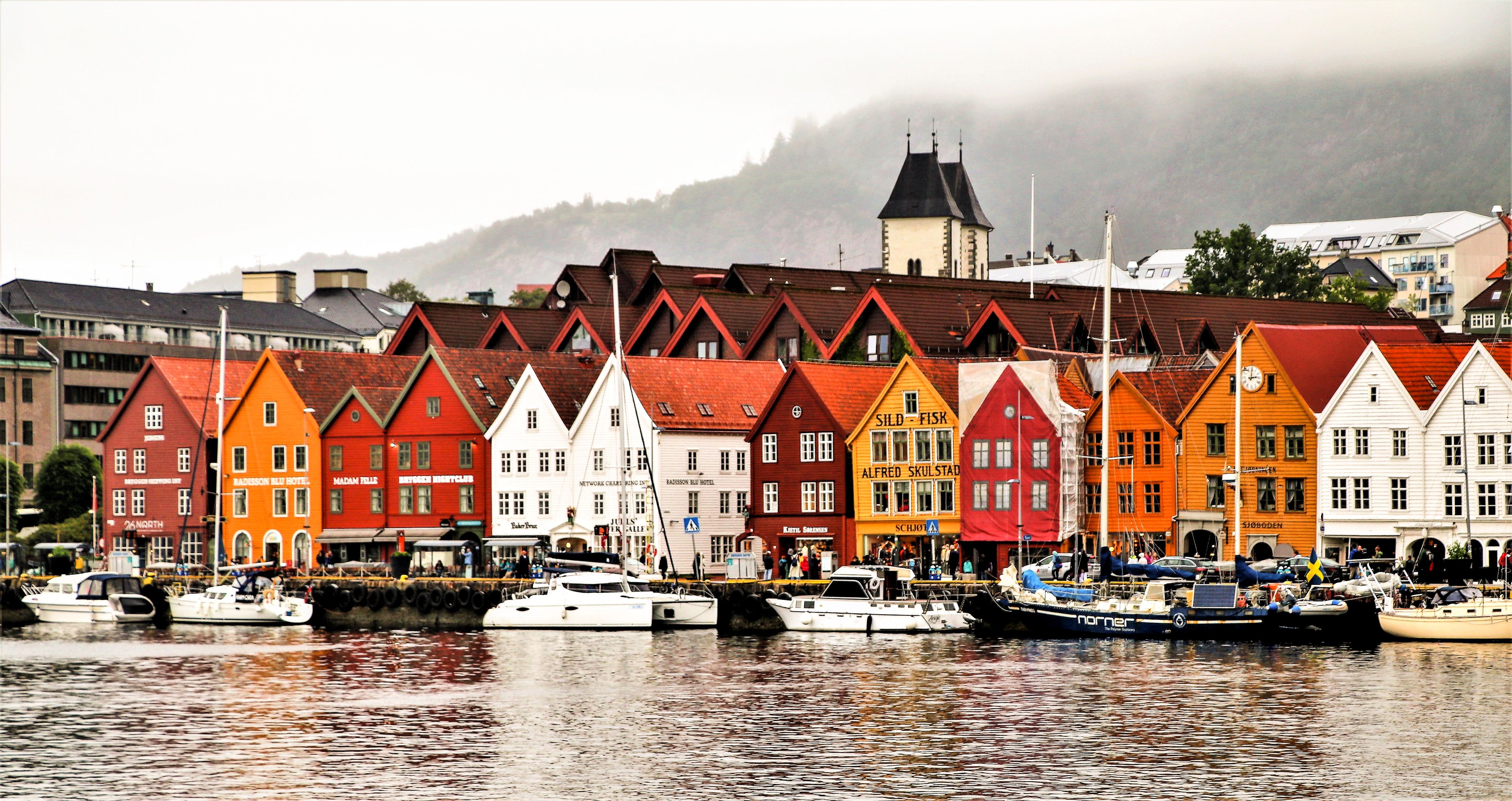
Bergen
Norway's second city, wrapped around a harbour and hemmed in by seven mountains, and the usual place a fjord trip begins or ends.
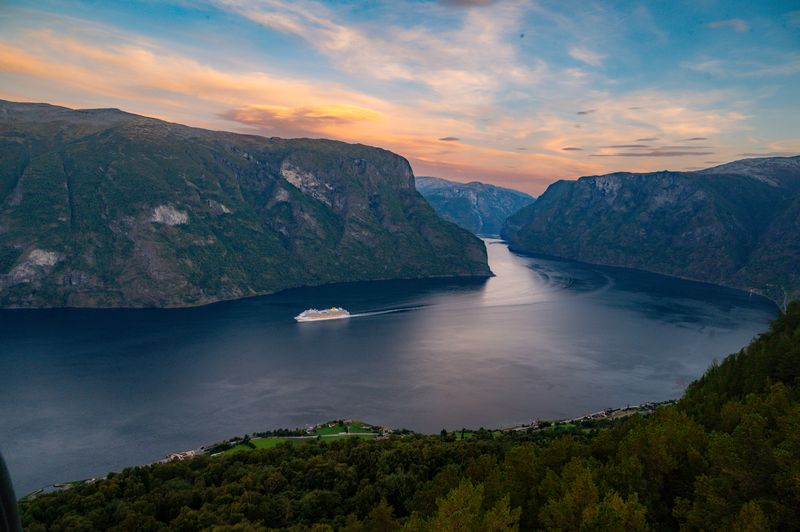
Flåm
A village of a few hundred people at the head of the Aurlandsfjord, the innermost arm of the Sognefjord, reached by the Flåm Railway dropping 866 metres from the mountain junction at...
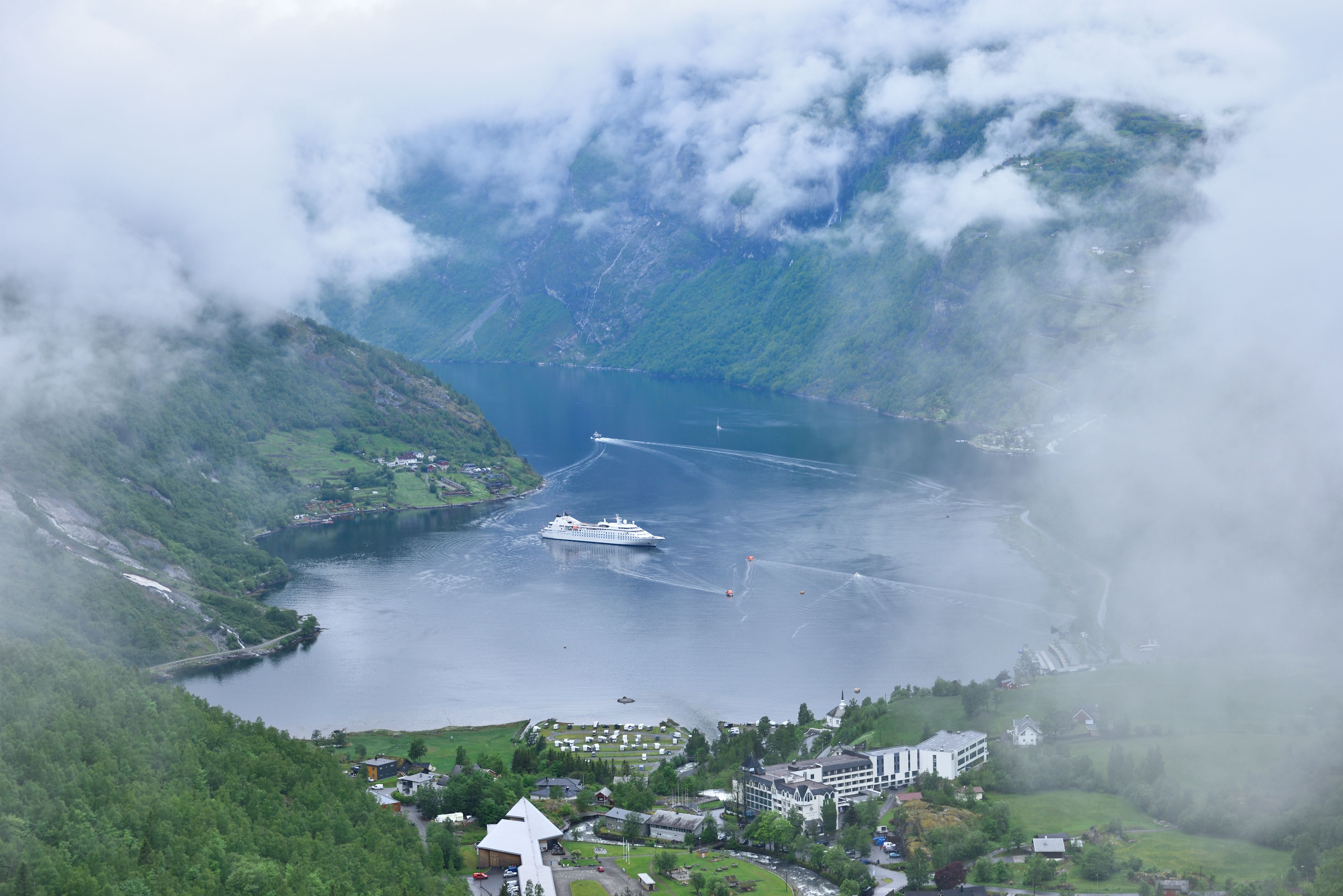
Geiranger
A village of around 250 residents at the head of the Geirangerfjord, one of the two Norwegian fjords inscribed by UNESCO in 2005.
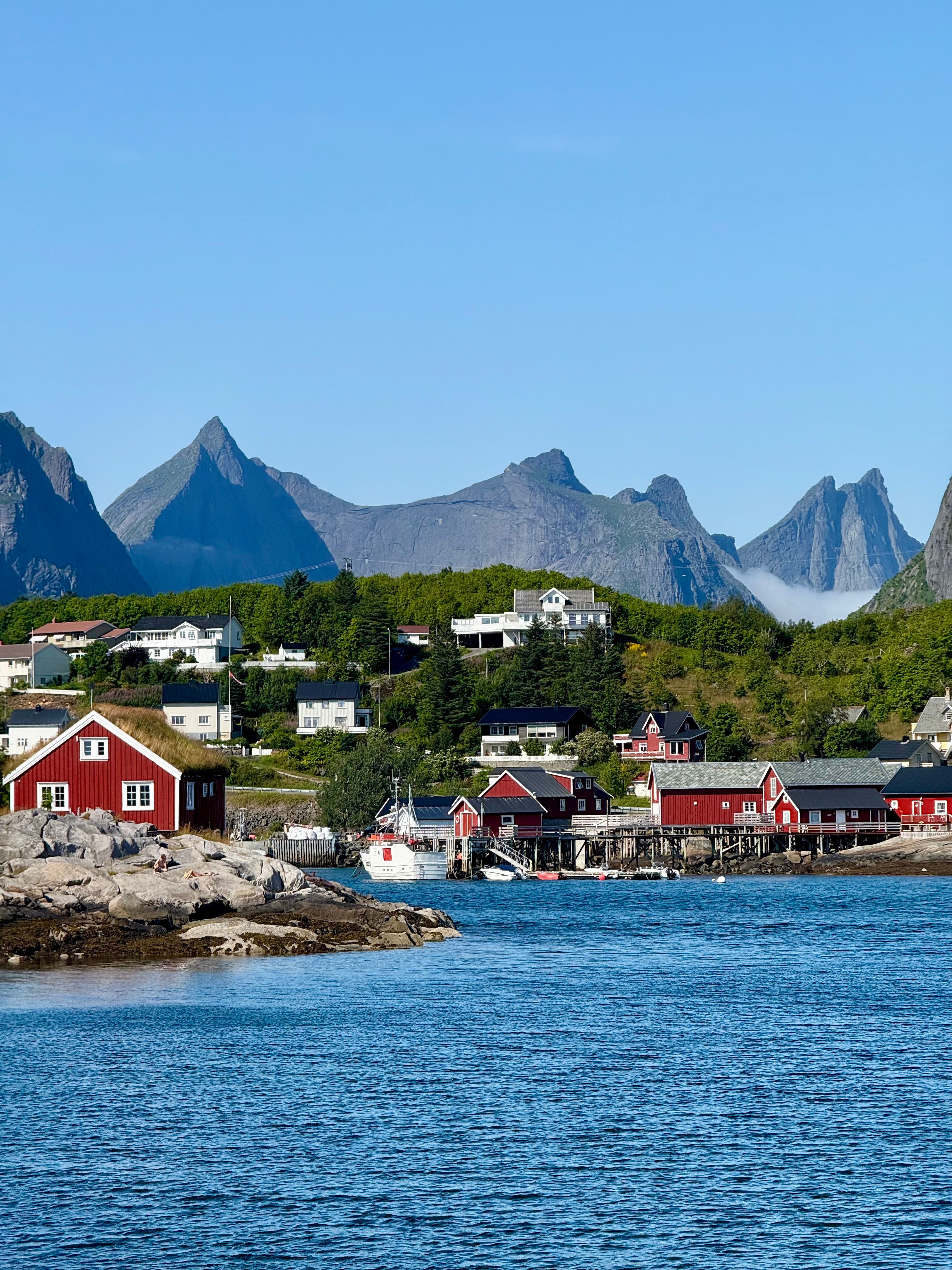
Lofoten
An archipelago inside the Arctic Circle where a wall of granite peaks rises straight out of the sea and the E10 threads north through it on bridges and tunnels, linking one fishing village...
Peru
4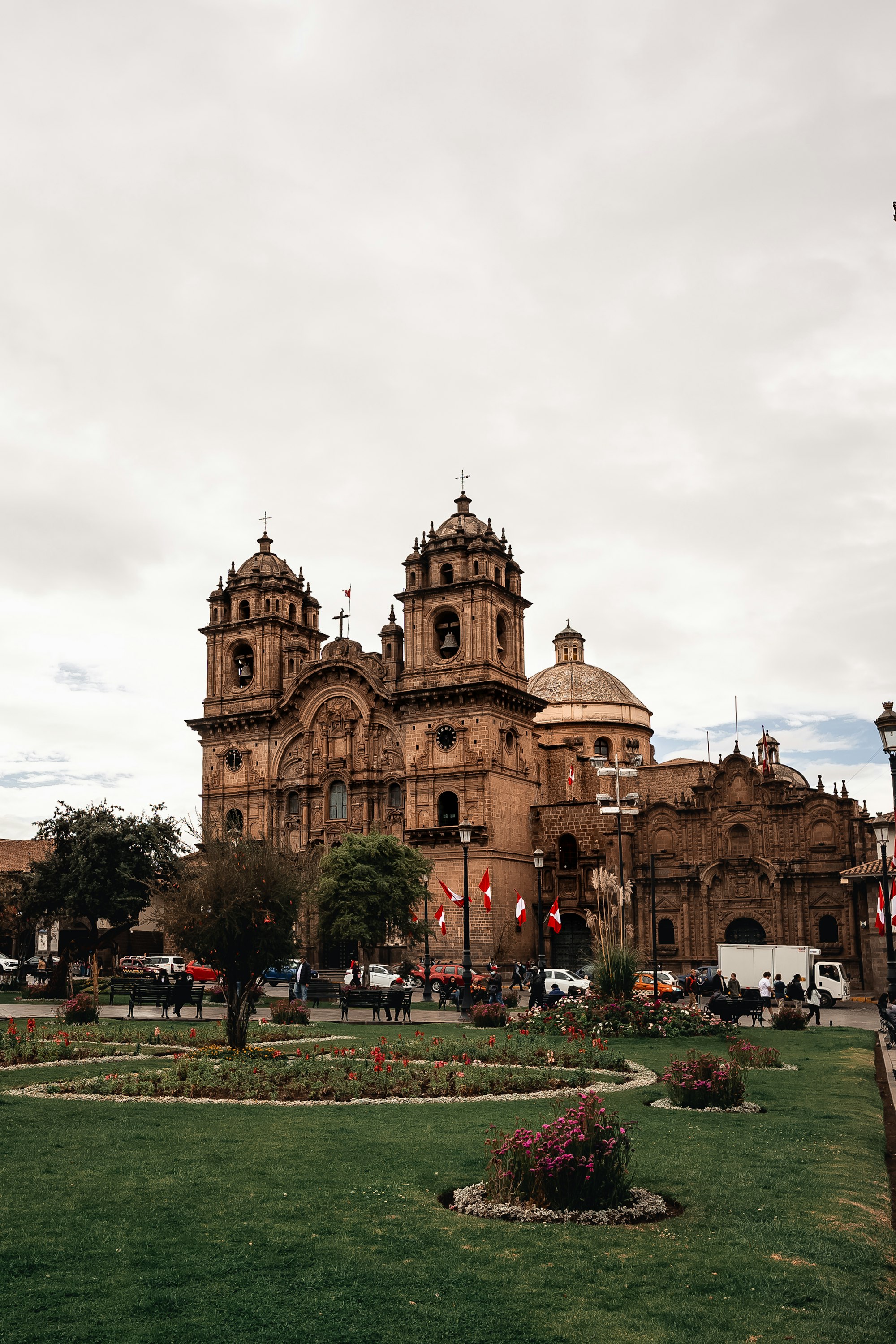
Cusco
The Inca capital at 3,400 metres, rebuilt by the Spanish directly on Inca walls, which is why colonial churches stand on megalithic foundations across the centre.
Lima
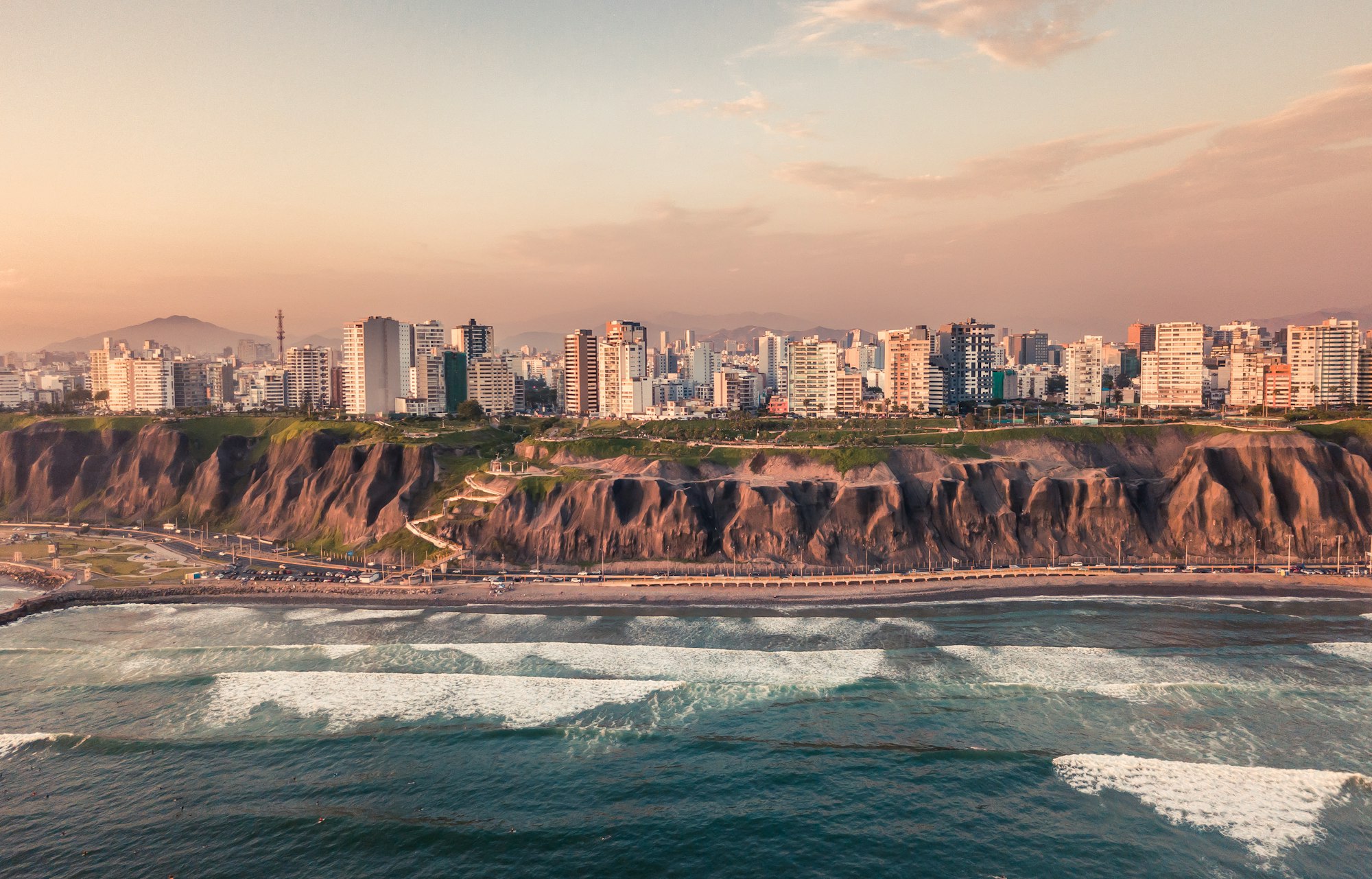
The viceregal capital of Spanish South America, now a city of ten million facing the Pacific from a line of coastal cliffs.
Ollantaytambo
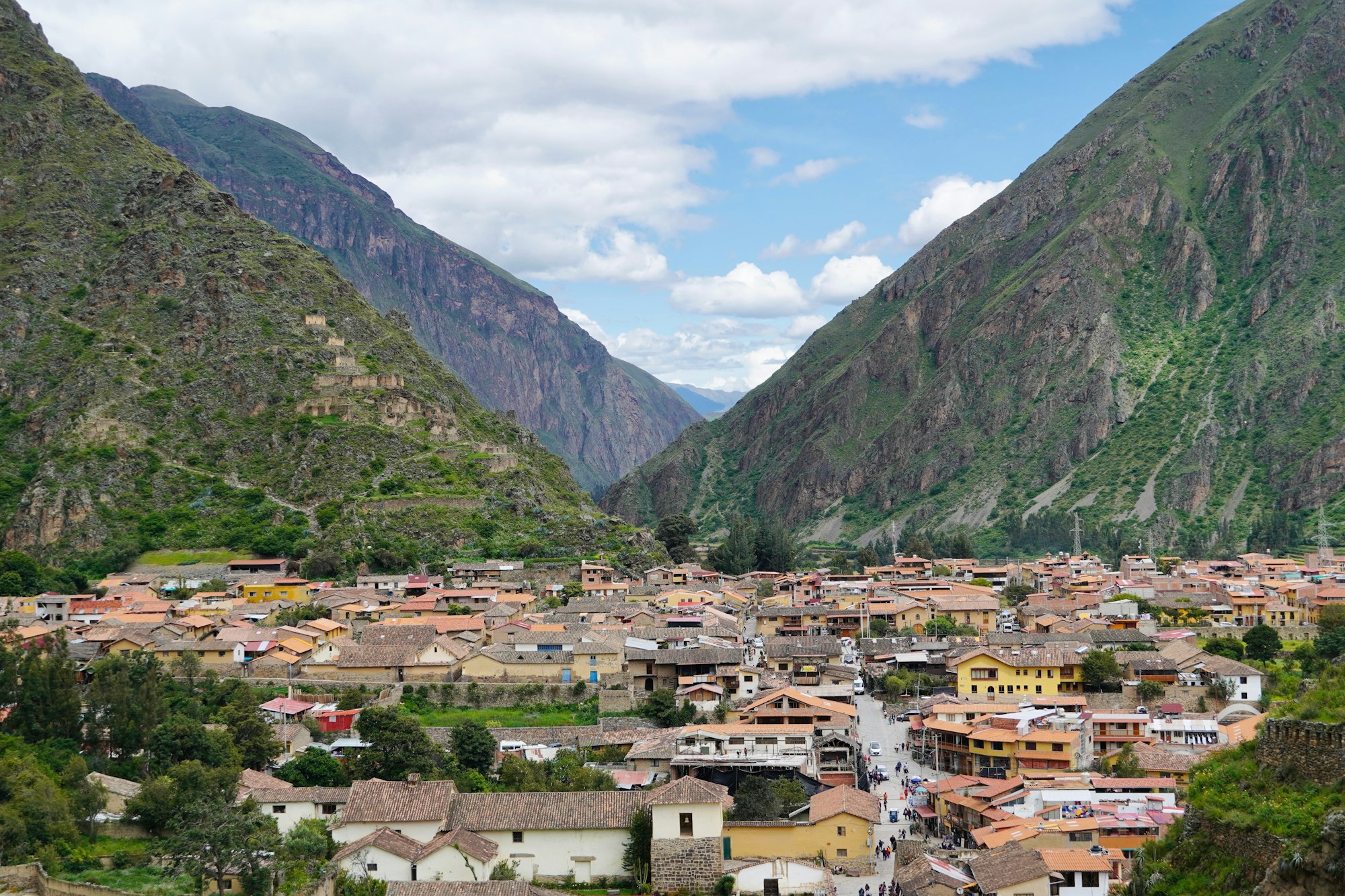
A living Inca town at the far end of the Sacred Valley, its grid, canals and house walls continuously inhabited since the fifteenth century, beneath a fortress of monumental terraces.
Urubamba
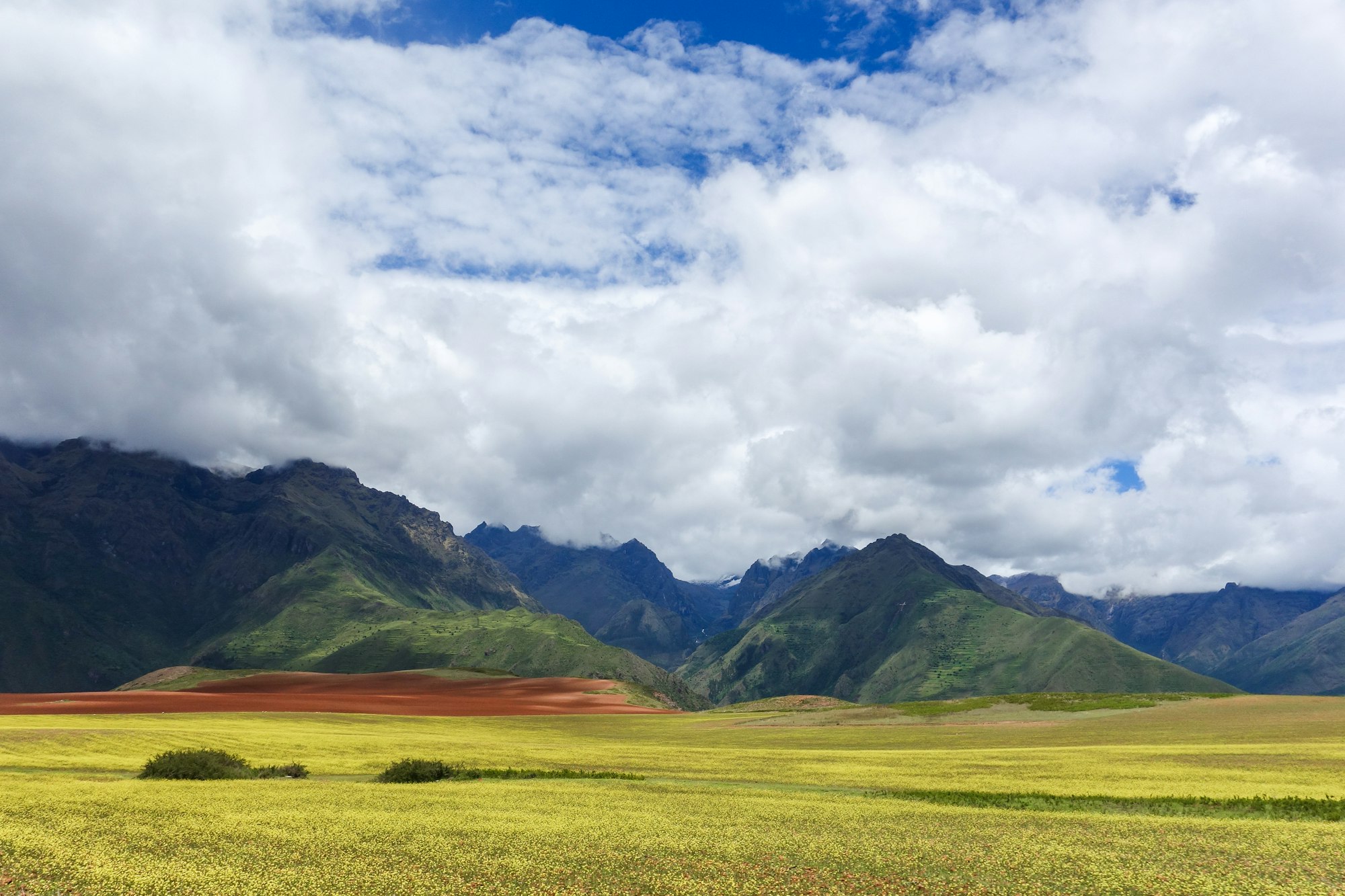
The market town at the centre of the Sacred Valley, lower and warmer than Cusco, which is why the valley's hotels cluster around it.
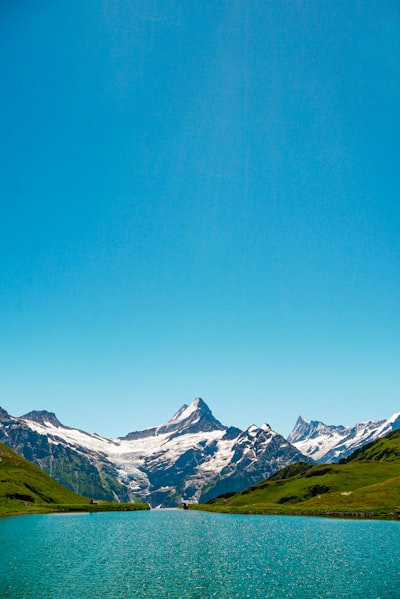
Grindelwald
Grindelwald lies in a broad open basin at about 1,030 metres beneath the north face of the Eiger, the largest and busiest of the Jungfrau region villages.
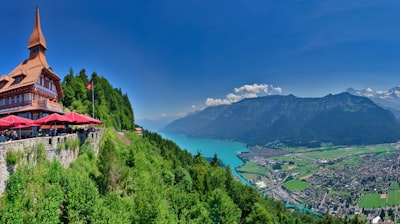
Interlaken
Interlaken sits on the flat alluvial strip between Lake Thun and Lake Brienz, the name meaning simply between the lakes.
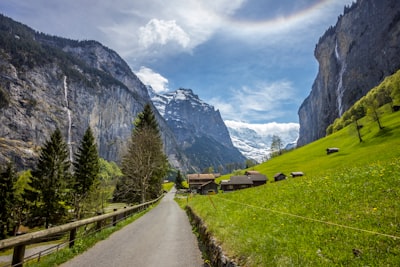
Lauterbrunnen
Lauterbrunnen is a village on the floor of a glacial trough in the Bernese Oberland, wedged between vertical limestone walls that rise more than three hundred metres on either side.
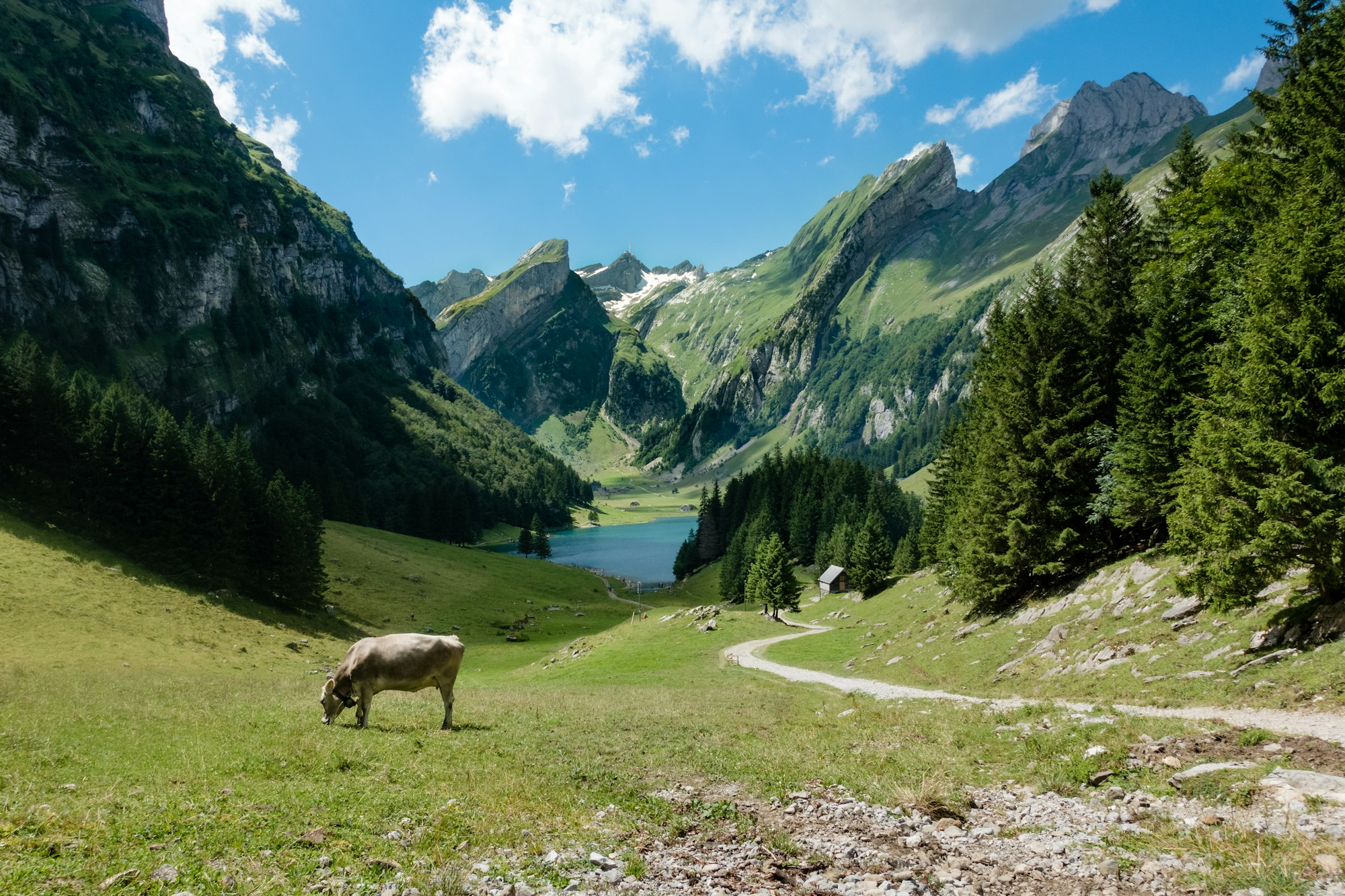
Mürren
Mürren sits on a terrace at about 1,650 metres on the western wall of the Lauterbrunnen valley, directly opposite the Eiger, Mönch and Jungfrau.
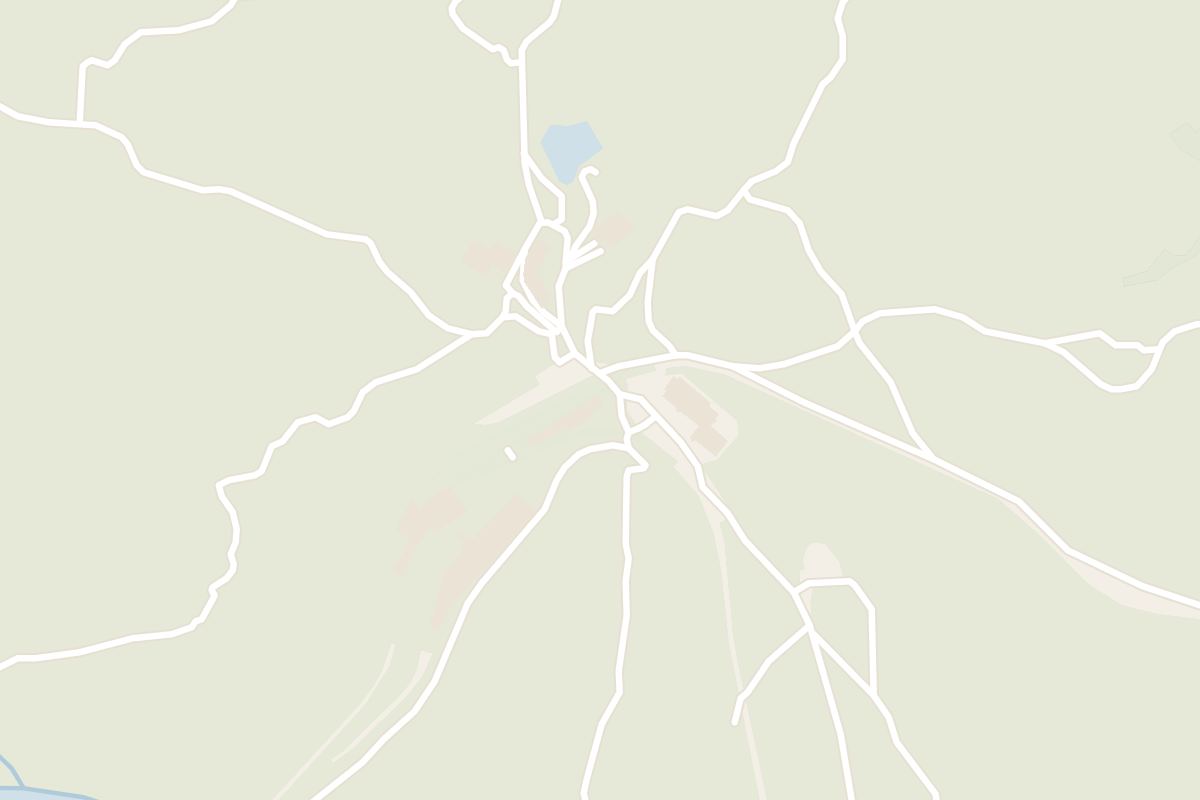
Wengen
Wengen occupies a sunny shelf at about 1,270 metres on the eastern side of the Lauterbrunnen valley, reached by the Wengernalp cog railway and closed to private cars.
Turkey
2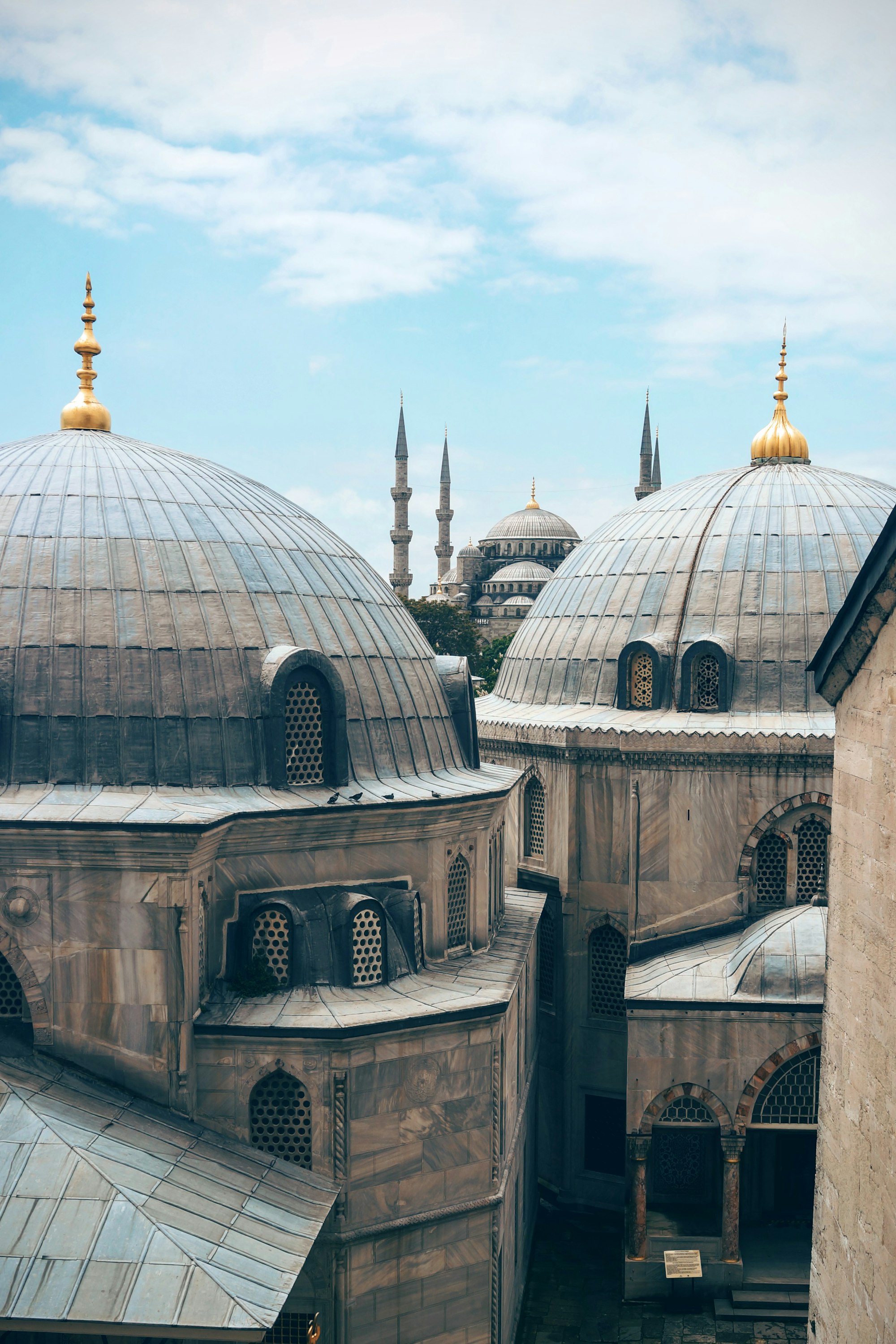
Istanbul
The only city on two continents, capital to Roman, Byzantine and Ottoman empires in turn, and still organised around the water that made it.
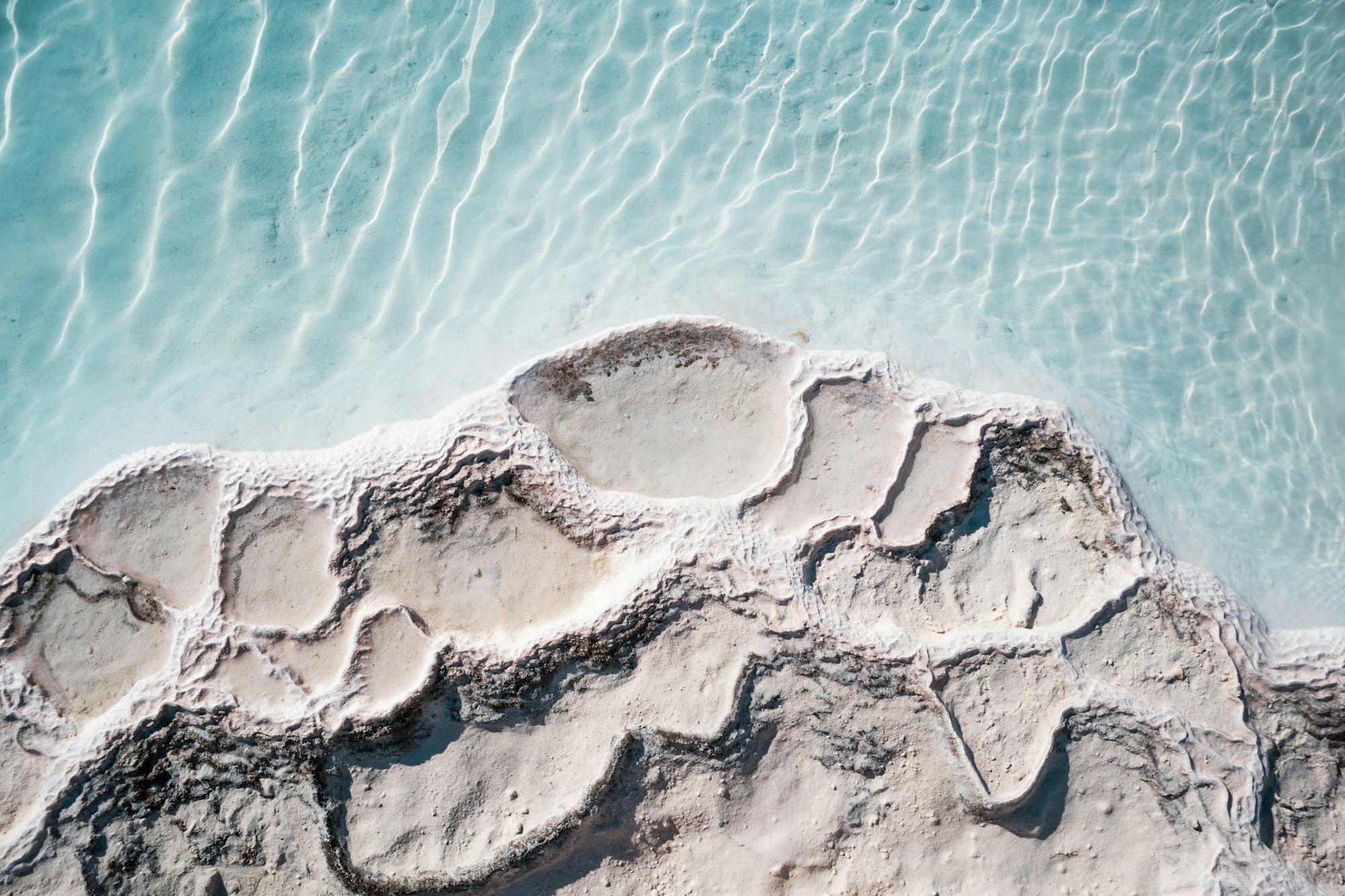
Pamukkale
A village in the Menderes valley below a hillside of white travertine, terraces of warm spring water that have drawn bathers since the kings of Pergamon founded the spa city of Hierapolis...
Maps © OpenStreetMap contributors