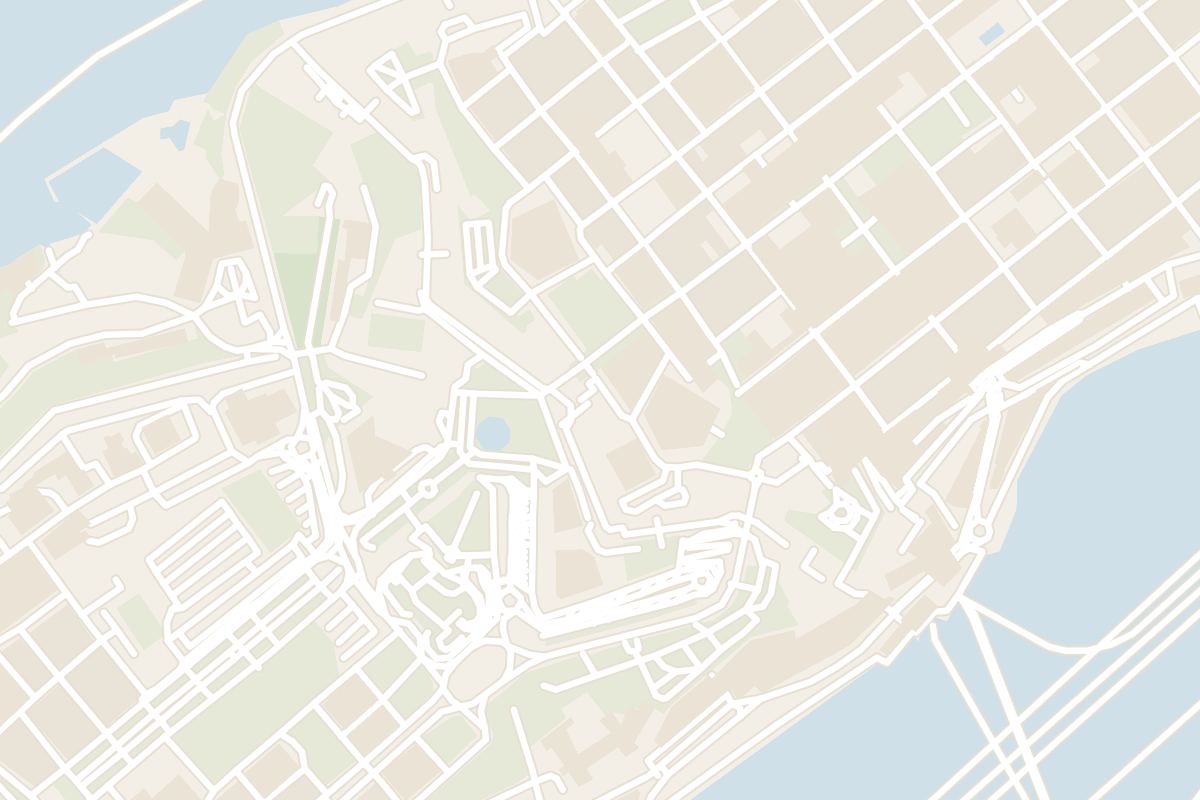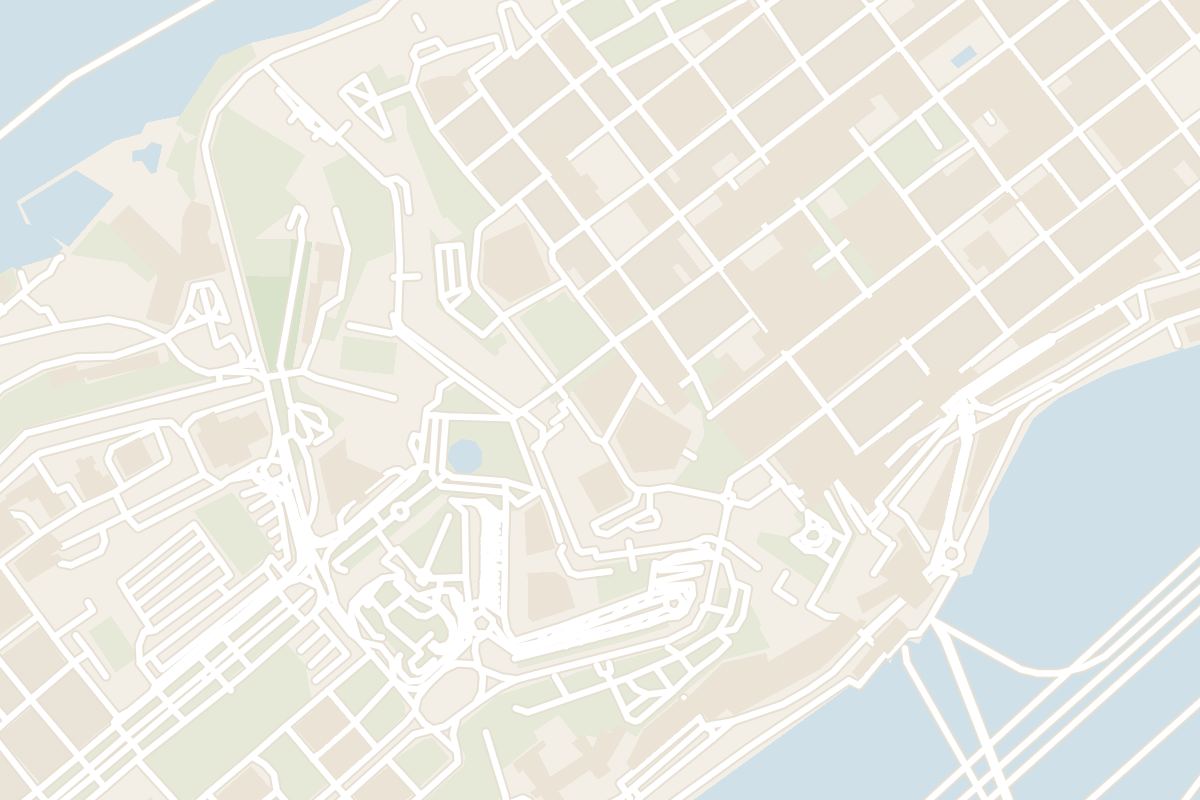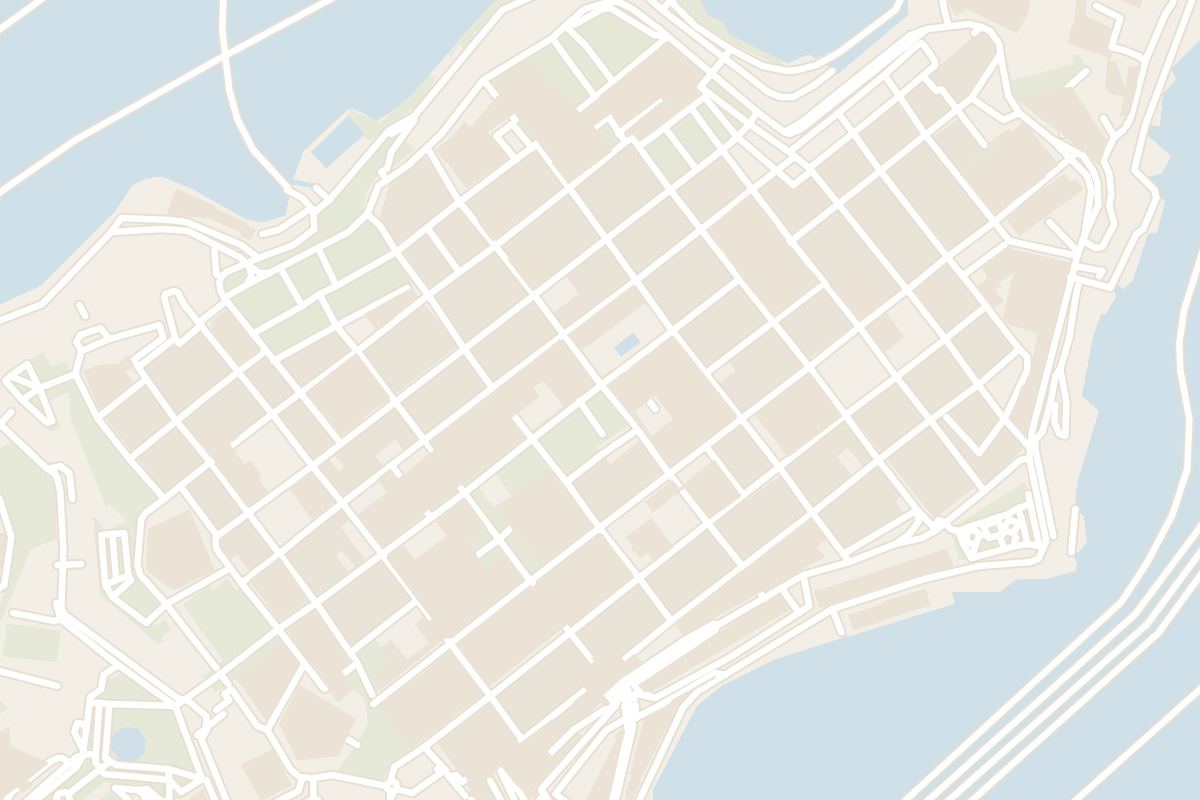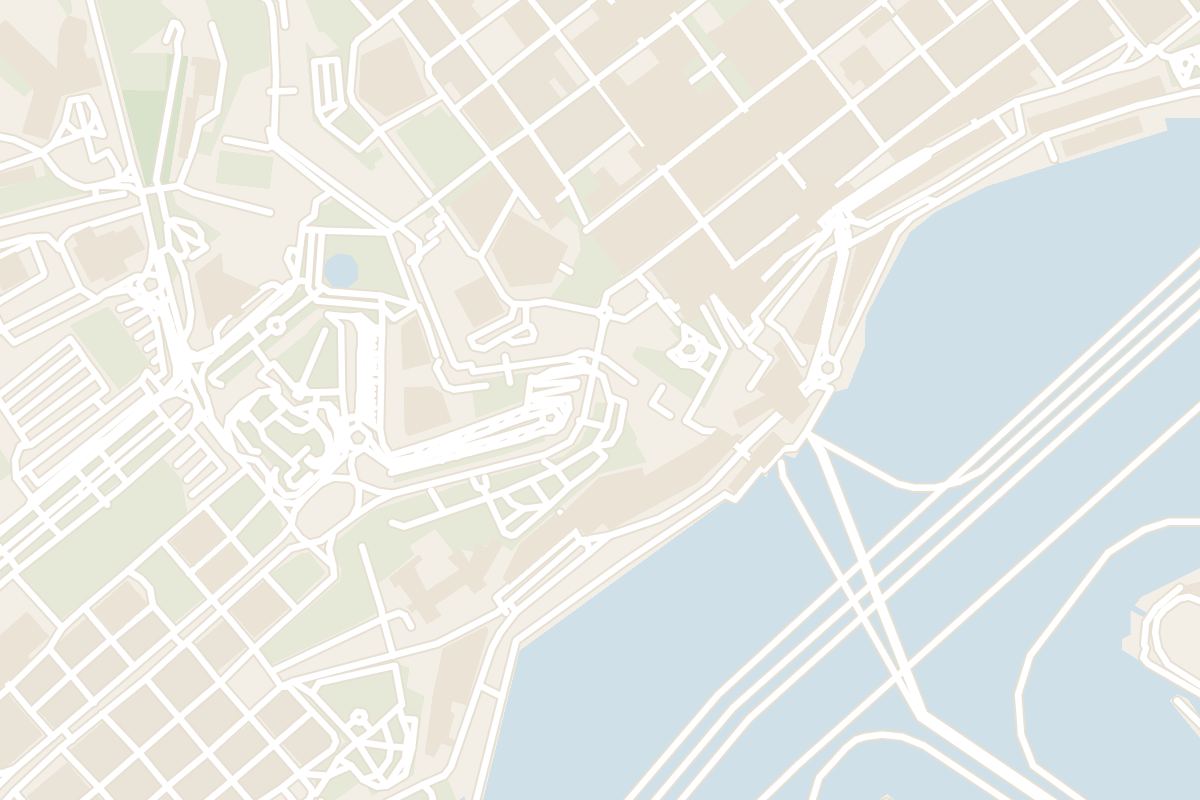
The route in is the knights' own: you cross a bridge over a dry ditch cut deep into the rock, pass through the land walls at City Gate, and the city's main street runs straight ahead to the sea at the far end of the peninsula.
The gate itself is new, a design by Renzo Piano, with his Parliament House beside it.
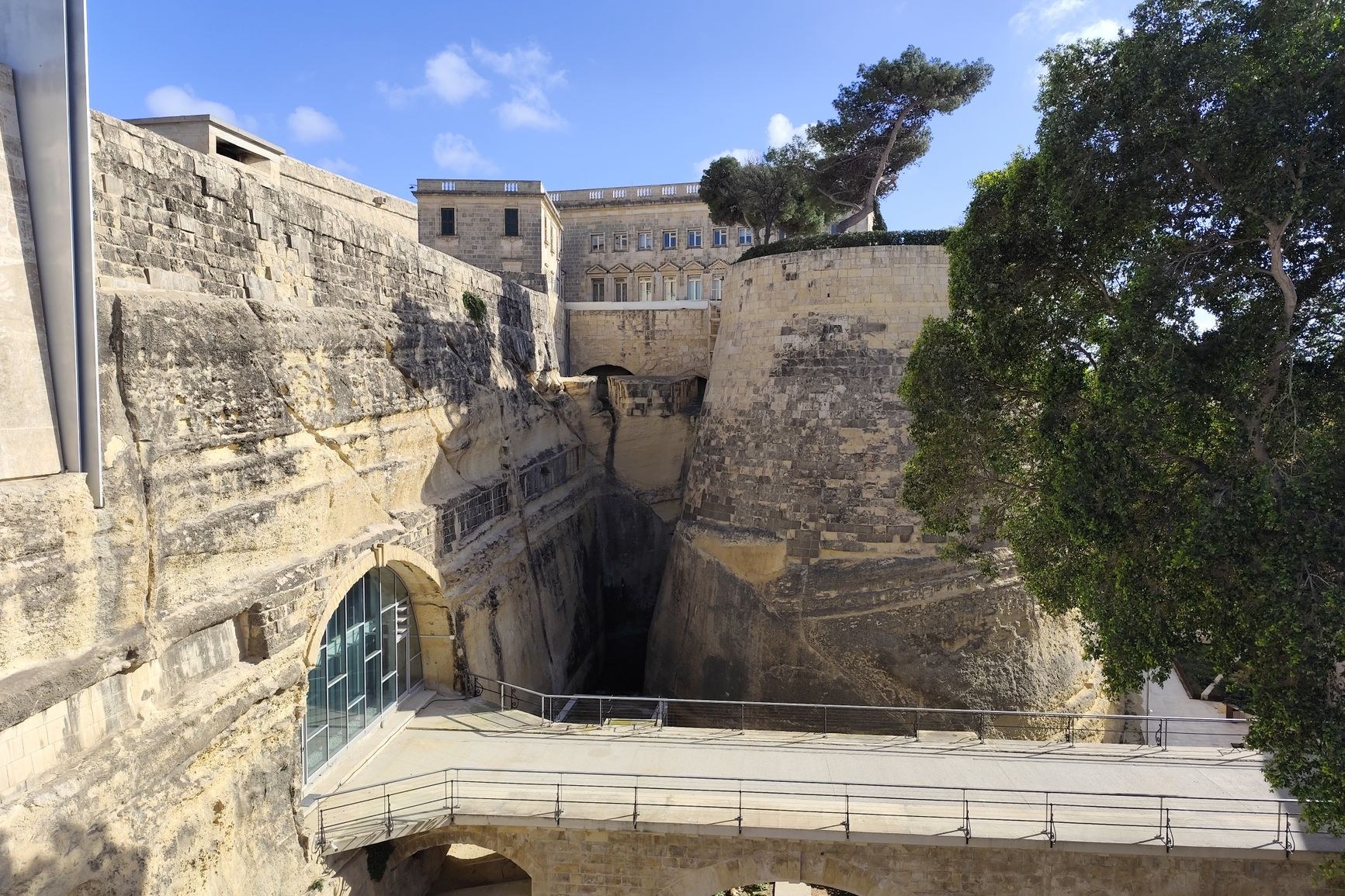
UNESCO counts 320 monuments inside its 55 hectares, and lists the whole city as a World Heritage Site. The streets run on the original grid along a narrow ridge, so many of them end in a view of the sea, and many of the cross streets are flights of steps.
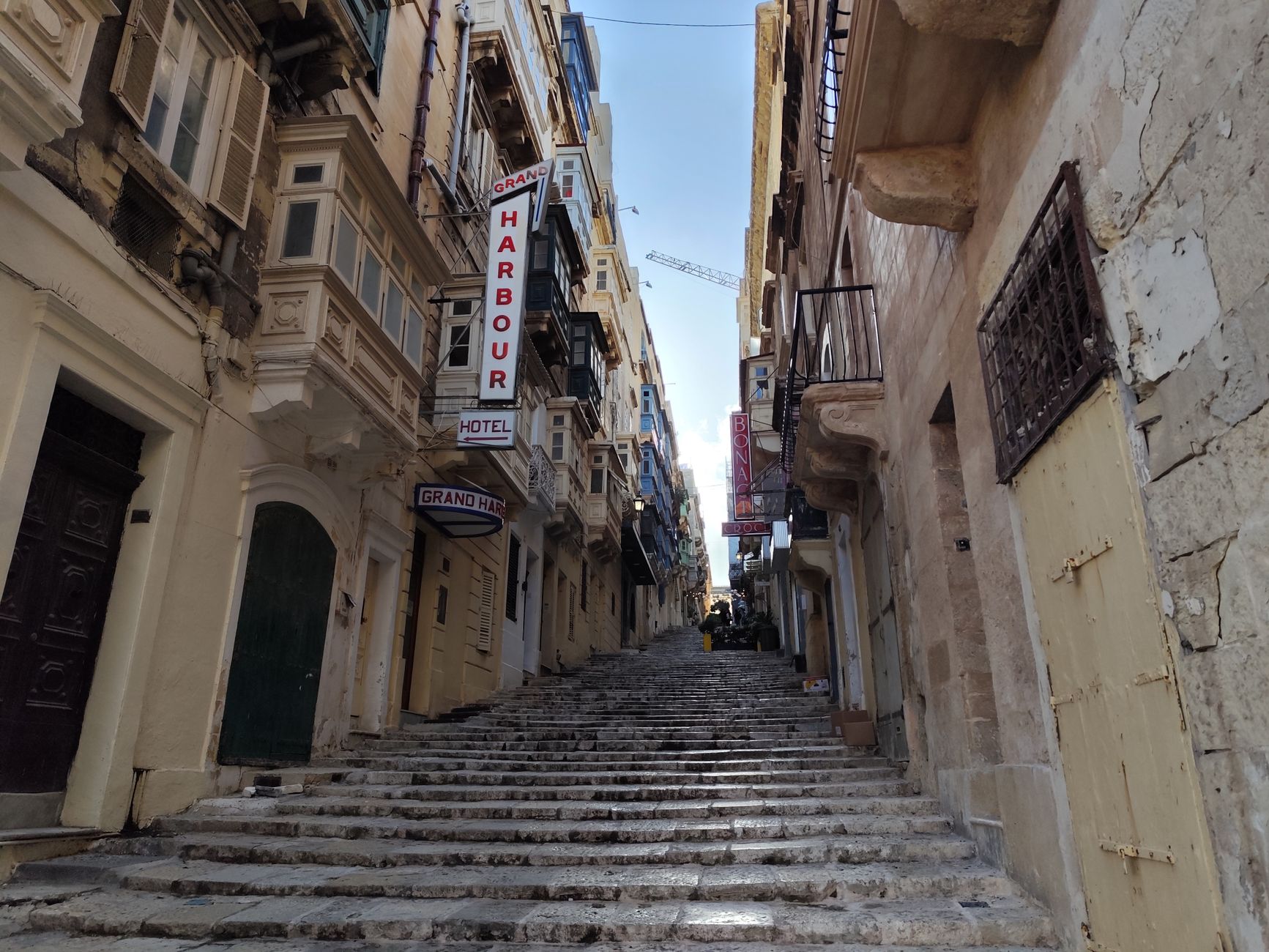
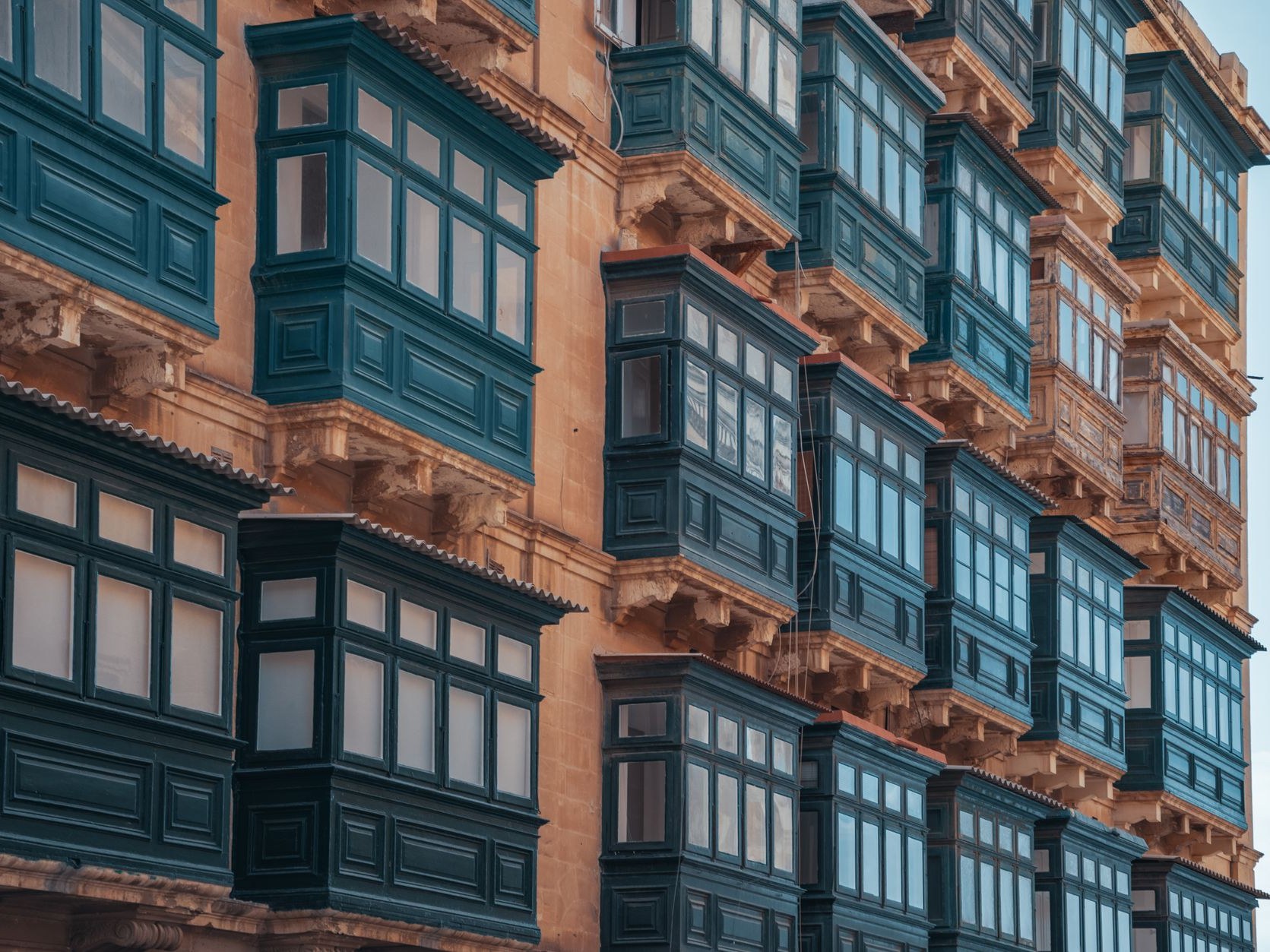
Most hotels inside the walls are converted townhouses and palazzi, many with gallariji, the enclosed wooden balconies, over the street. Rooms keep their thick stone walls and high ceilings, and often their narrow stairs as well.
No car reaches a door on a stepped street. Before you arrive, ask the hotel which corner a taxi can stop at and how many steps lie between it and reception. With heavy bags, stay just outside City Gate in Floriana, where the ground is flat; the Phoenicia is the large hotel there.
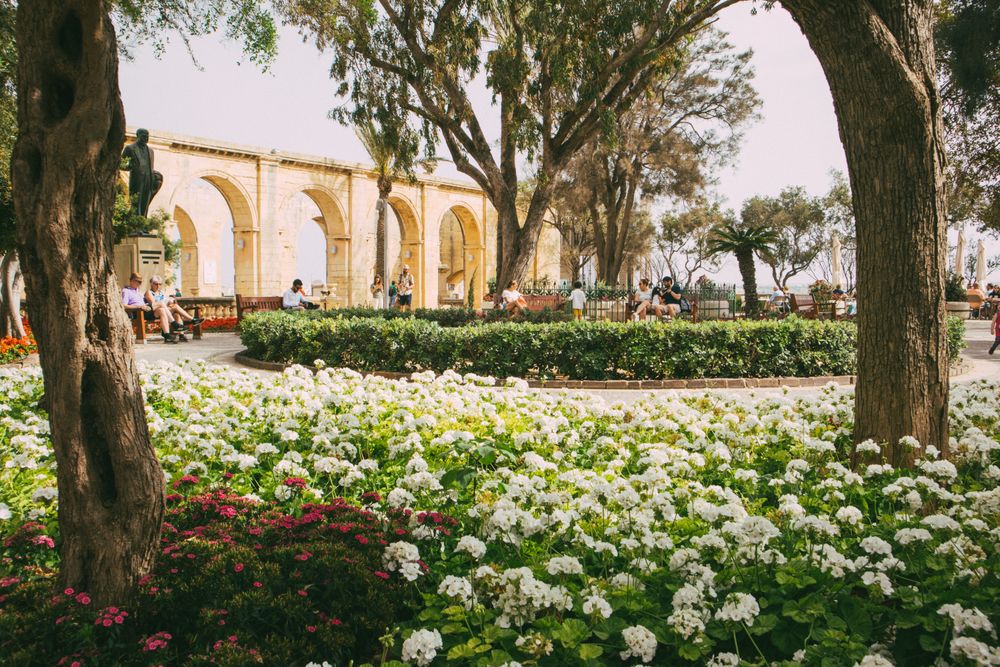
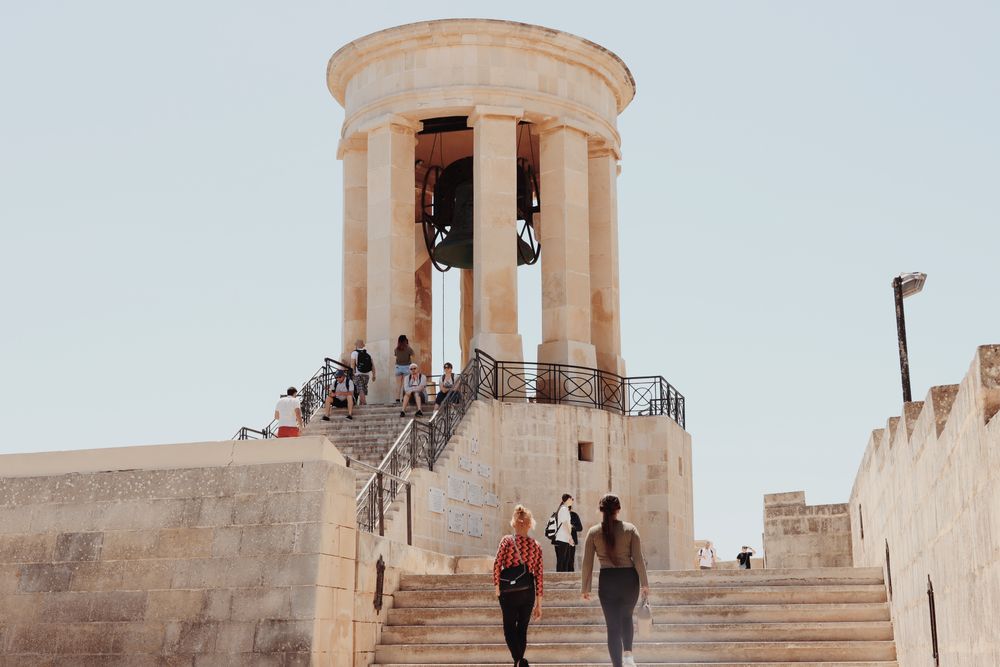
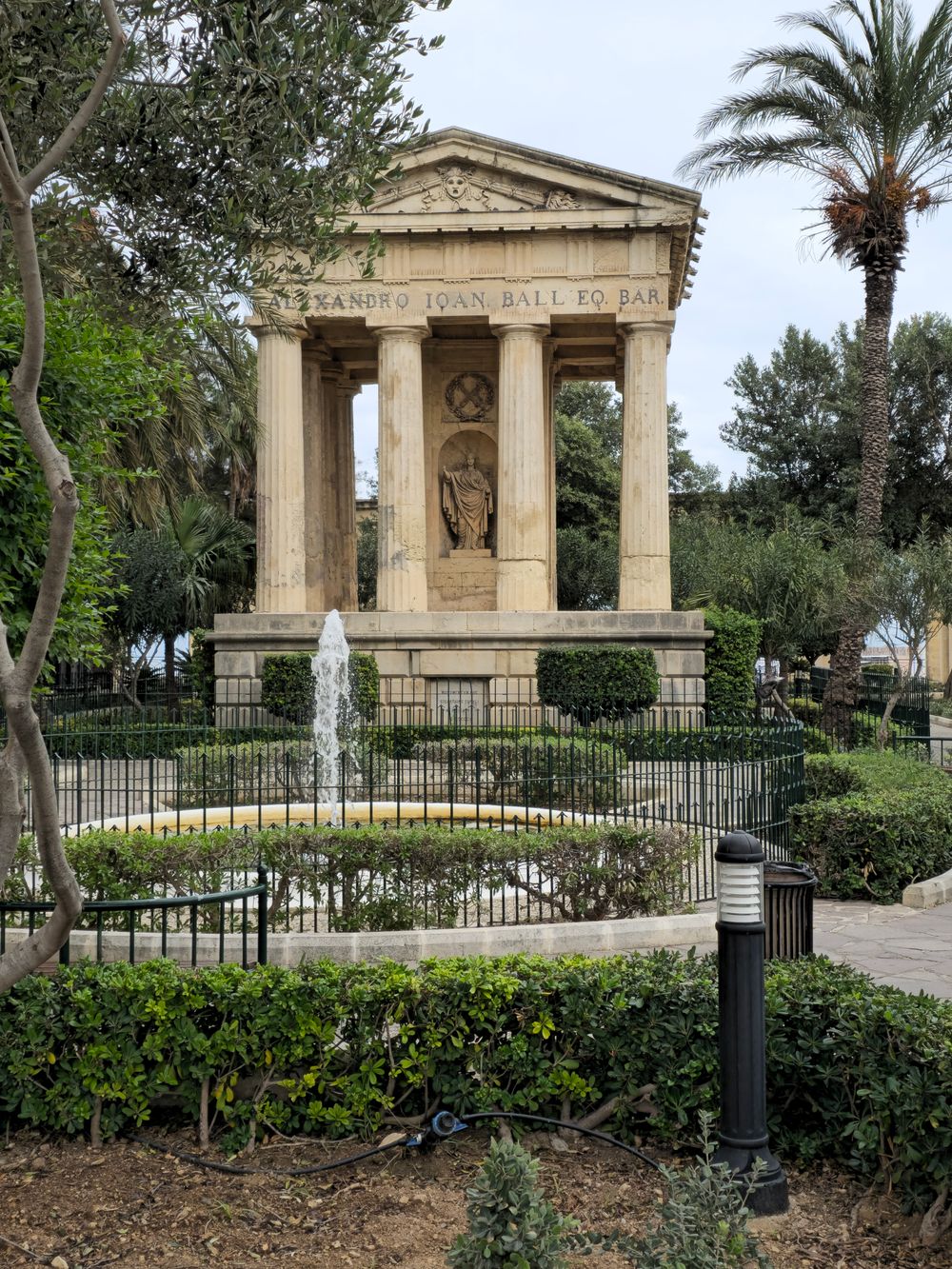
Walk the walls on your first morning. For sunrise, the arches of the Upper Barrakka Gardens face the sea. A few minutes down the bastions, the Siege Bell War Memorial and the Lower Barrakka Gardens look straight out to the harbour mouth.
Breakfast is a pastizz, a flaky pastry filled with ricotta or mushy peas, from a pastizzeria counter off Republic Street.
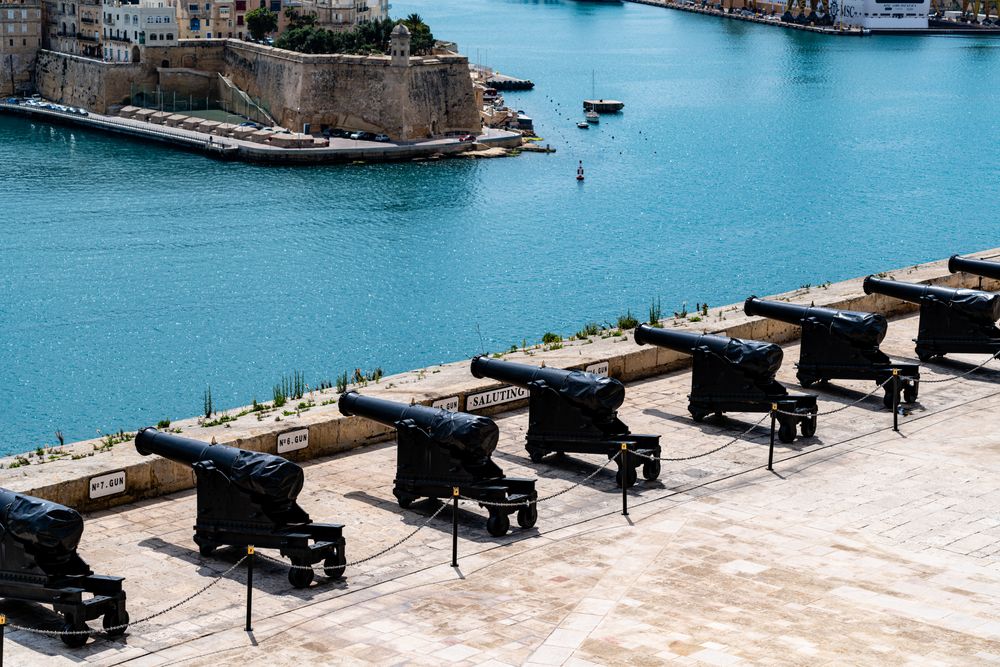
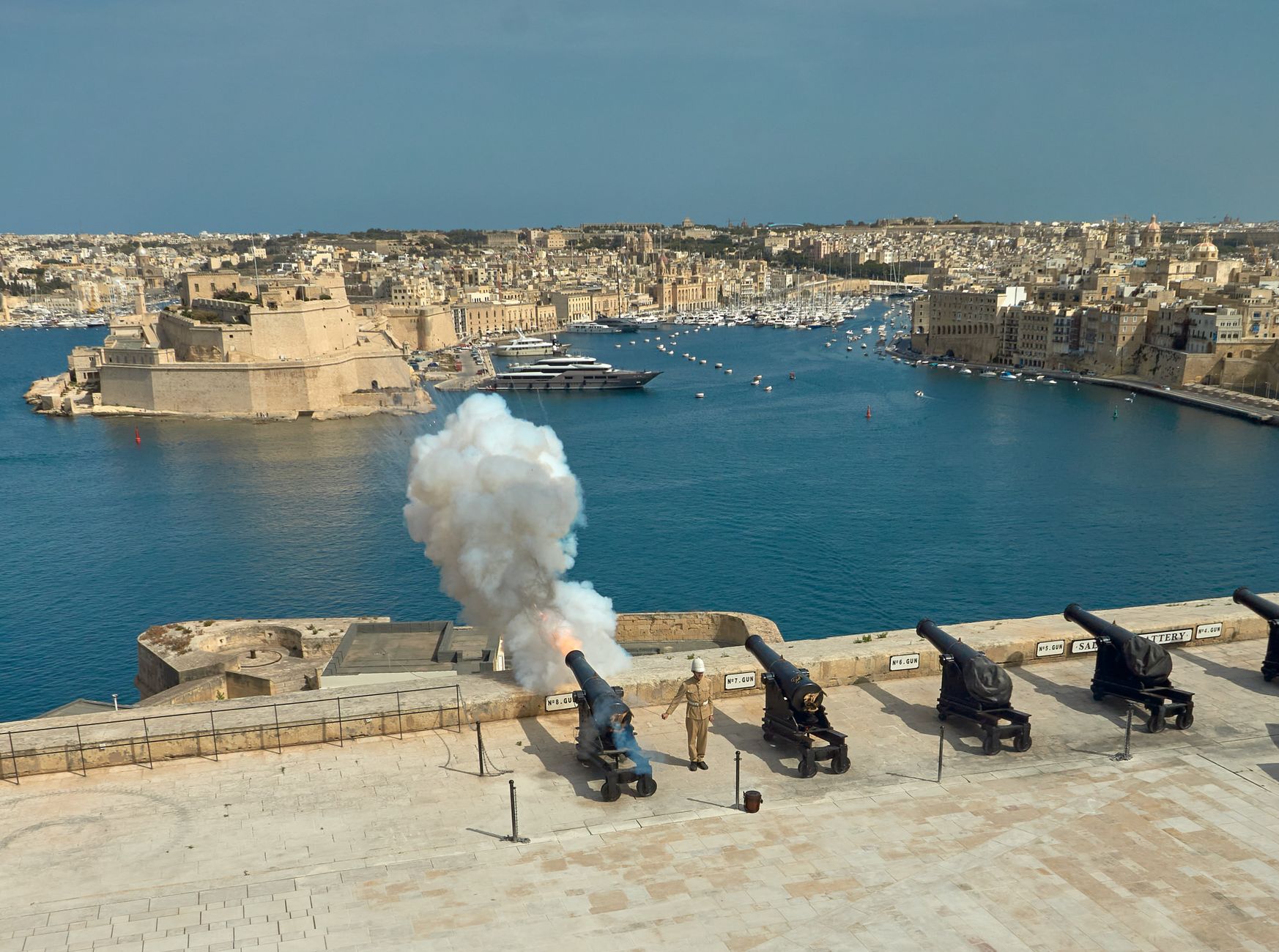
The Saluting Battery, on a bastion below the Upper Barrakka Gardens, still fires its guns at 12:00 and 16:00, Monday to Saturday. Watch from the gardens above, or buy a ticket to stand on the battery among the cannon.
Below those same gardens, the Lascaris War Rooms are tunnels cut into the rock and used as a command centre in the Second World War, when the fortress was still a working one.
The ruins of the Royal Opera House stand just inside City Gate. Bombs destroyed it in 1942, and its columns now frame Pjazza Teatru Rjal, an open-air theatre.
At the tip of the peninsula, Fort St Elmo holds the national war museum. It opens every day, Sundays included; on In Guardia Sundays regular entry starts at noon, after the show.
Almost everything past the gate is the city the knights planned.
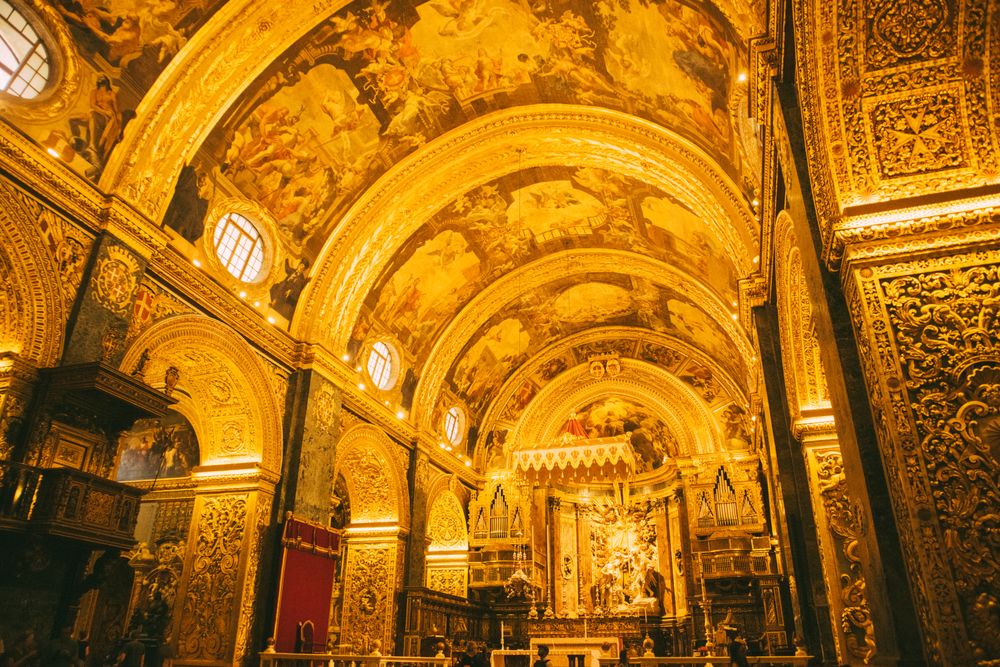
The knights built St John's Co-Cathedral as their own church, and its nave floor is laid with their marble tombstones. Cover shoulders and knees, and wear flat soft soles; narrow heels are not allowed.
The ticket includes the oratory, where Caravaggio's Beheading of Saint John the Baptist fills the wall above the altar. He painted it here, and it is the only work he signed. St John's opens Monday to Saturday from 09:00 to 16:45, last entry 16:00, and shuts on public holidays.
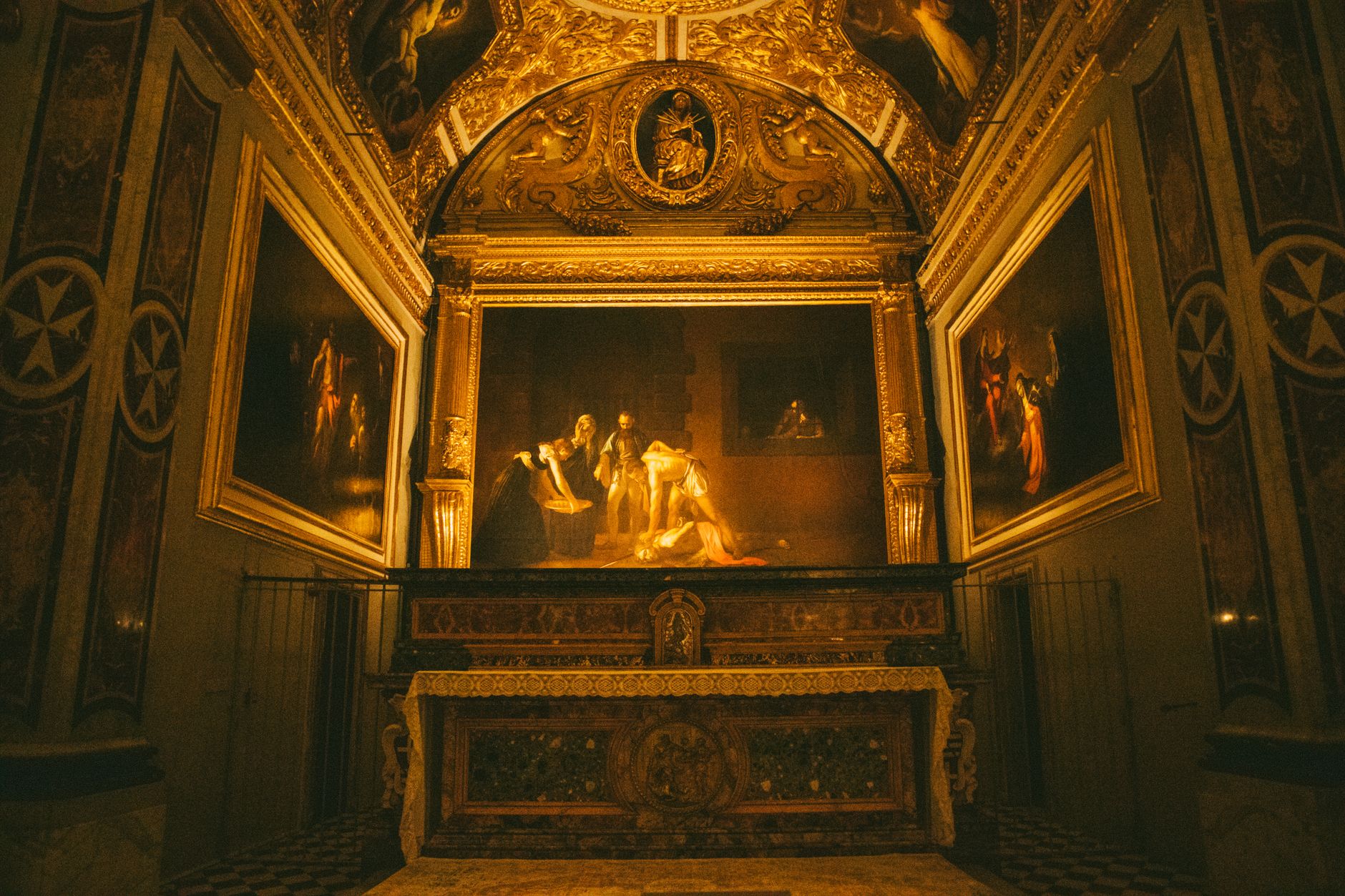
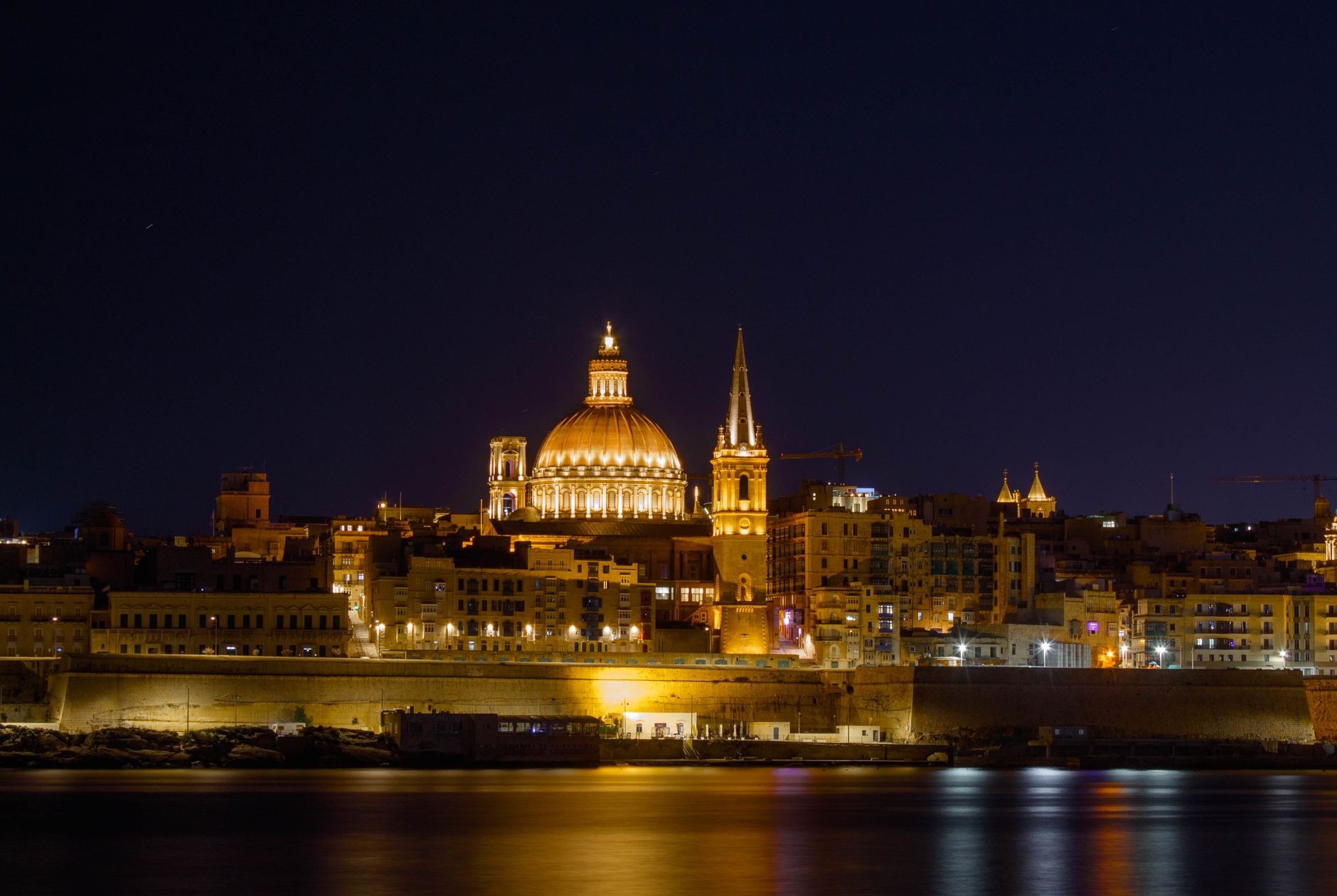
After dark, floodlights pick out the bastions from the water, and the streets inside go quiet early compared with Sliema across the harbour. Strait Street, once the sailors' bar street, has bars in narrow rooms that fill after eight on Fridays and Saturdays and mostly close by one or two.
A night inside the walls has two drawbacks. The city has about two dozen churches, and rooms near St John's hear the cathedral's clock bells through the night. Hotels on Merchants Street hear the street with the windows open, so ask for a room at the back if you sleep lightly.
Sundays shut much of the city. St John's, the Lascaris War Rooms and Casa Rocca Piccola close, and most shops stay shut; the National Museum of Archaeology and MUŻA open. Keep a weekday for the cathedral.
Getting out is easy. Buses to most of the island start outside City Gate, the Sliema ferry crosses Marsamxett Harbour, and the Barrakka Lift drops 58 metres to Lascaris Wharf for the boats across the Grand Harbour. Airport Direct TD4 runs every 30 minutes between the airport and the terminus outside City Gate.
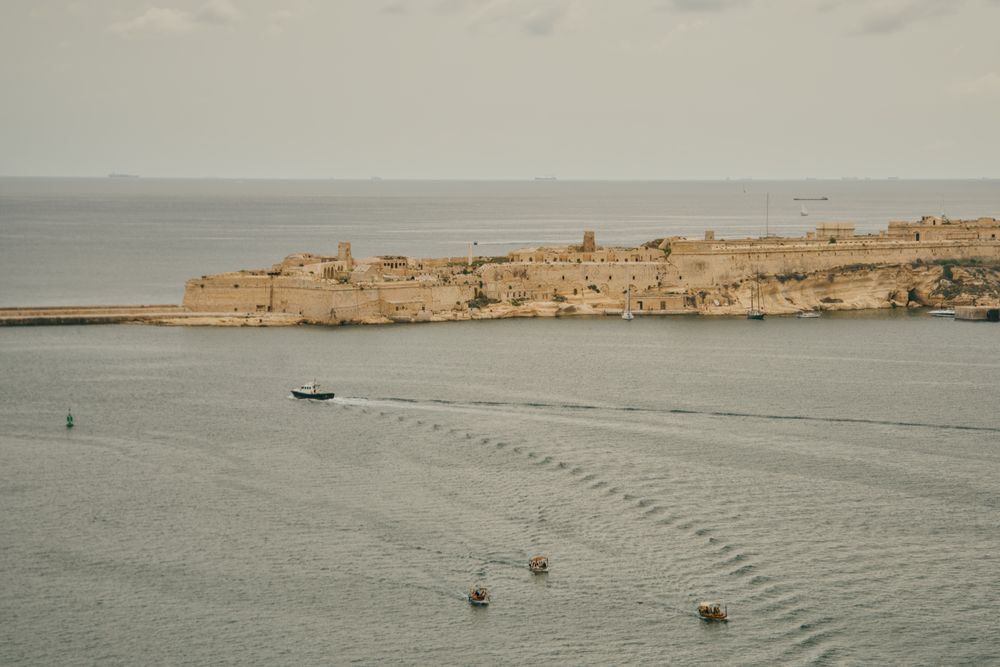
Cross to Birgu, the knights' first town on Malta, for the view back. The public ferry from below the Barrakka Lift runs about every half hour and crosses to the Cospicua pier in around ten minutes; Birgu's waterfront and Fort St Angelo are a short walk along the quay.
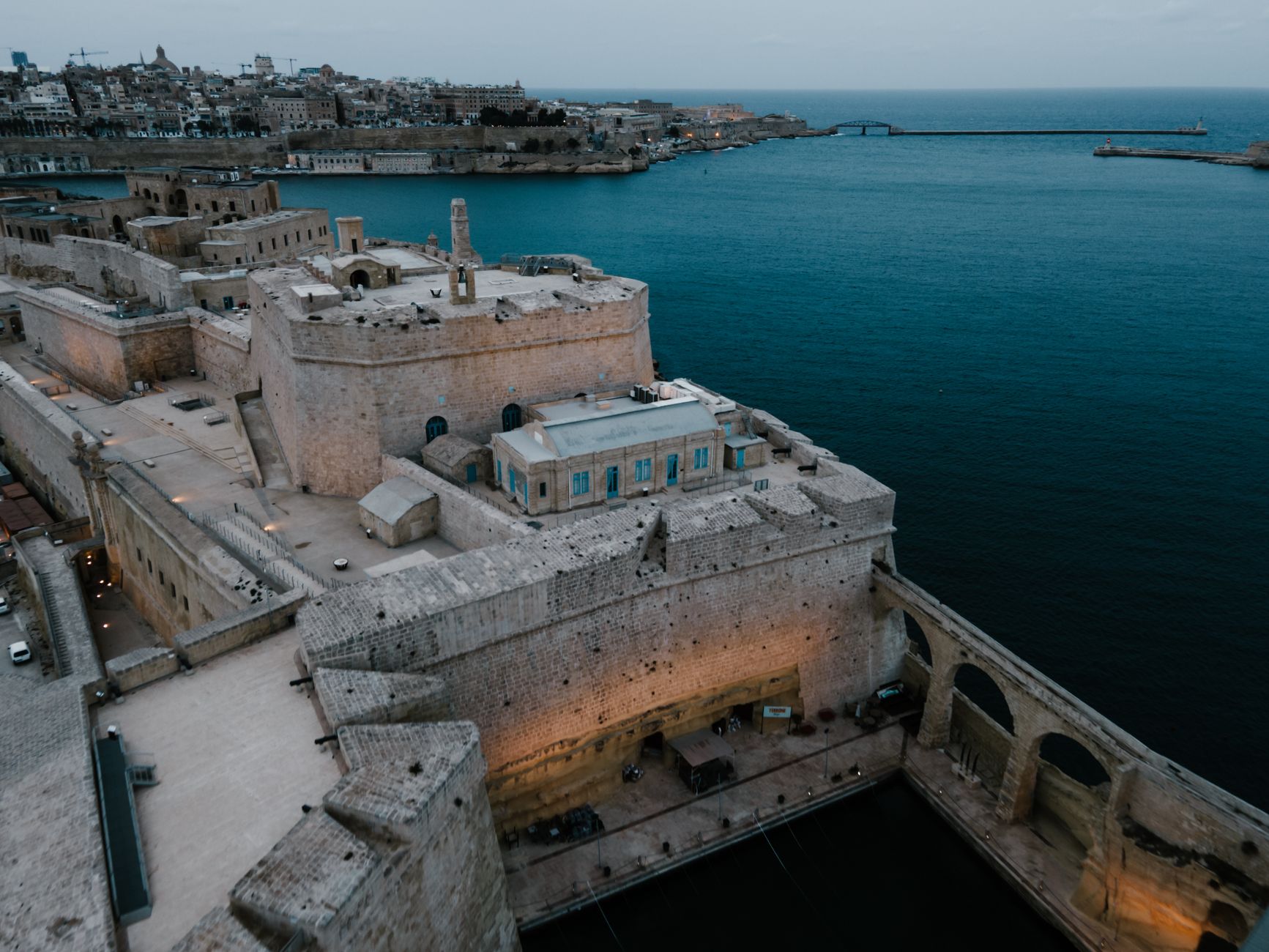
See Fort St Angelo, at the tip of Birgu, before it closes at 17:00 in winter; last entry is half an hour earlier. From its upper walls, Valletta's whole harbour front is the skyline opposite, bastion after bastion.
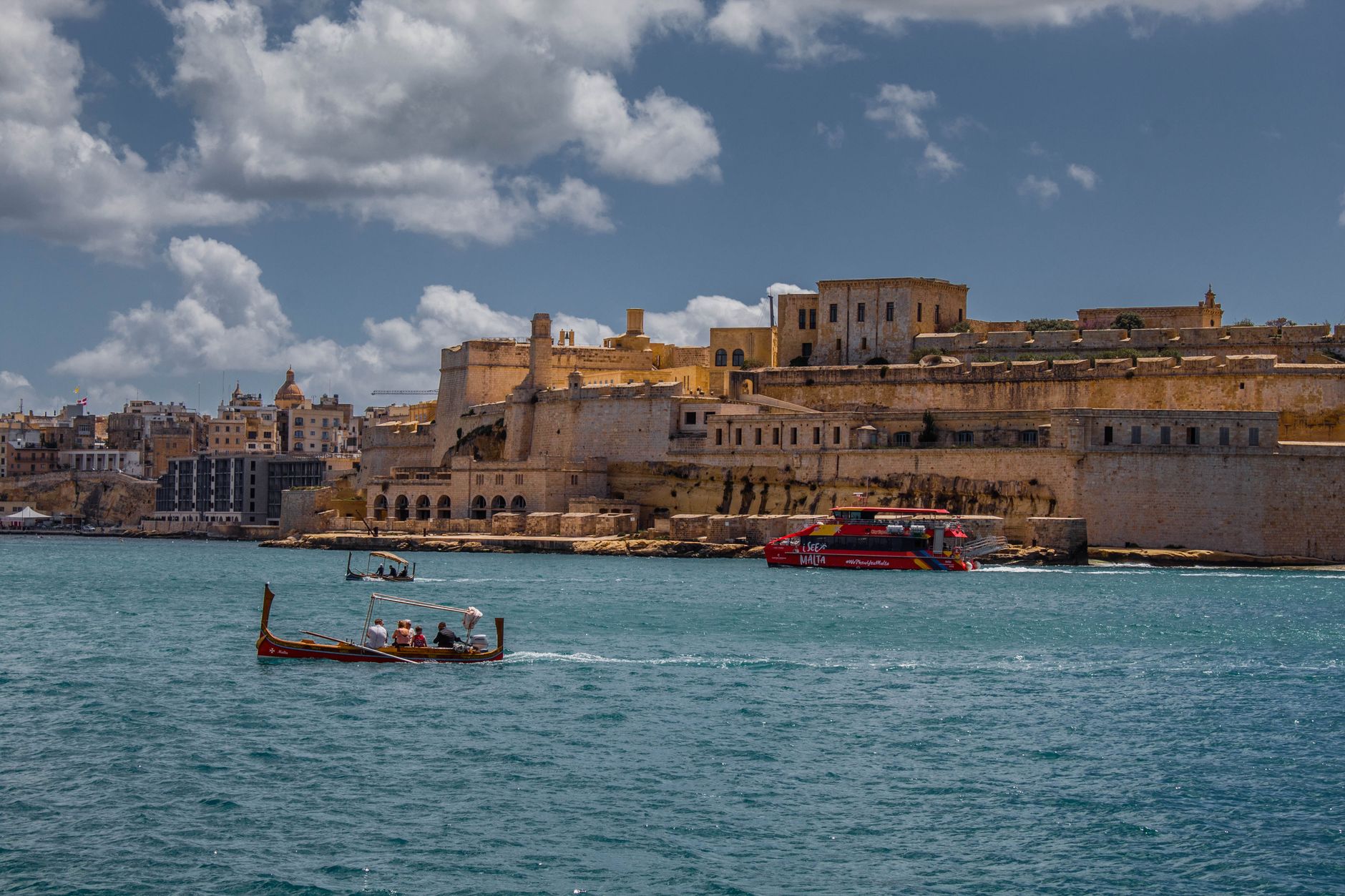
Come back across the harbour by dgħajsa, the painted Maltese water taxi, with the walls in the low sun. The boatmen wait below the Barrakka Lift and on the Birgu quay.
Sources 4
The official and primary sources this dispatch was checked against.