Things to do
7-
Aswan High Dam
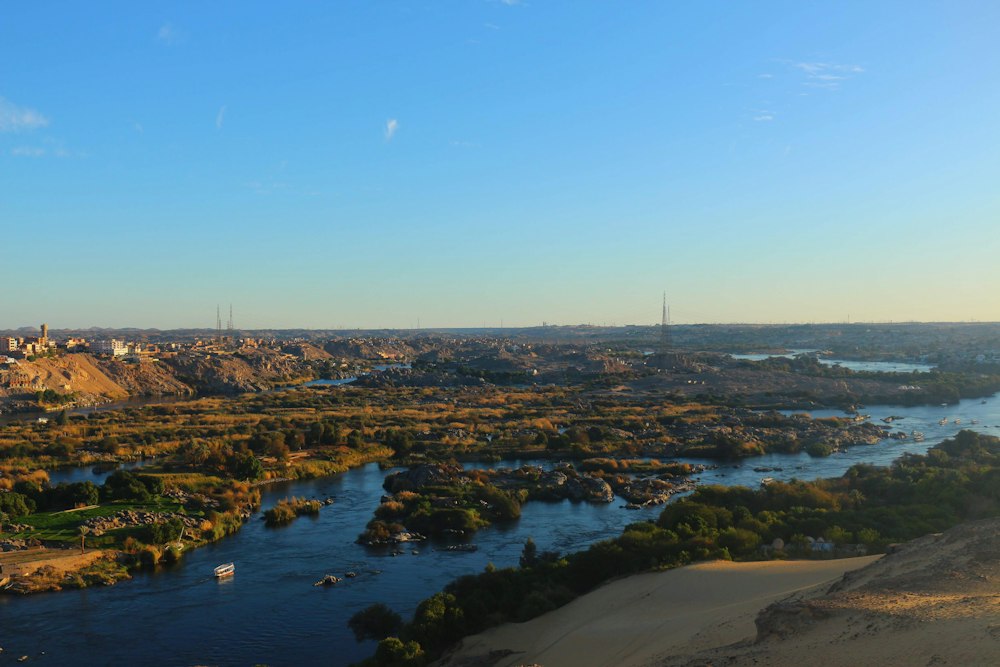
Finished in 1970 with Soviet engineering, this rock-fill wall nearly four kilometres long ended the annual flood that had governed Egyptian life since farming began. Behind it Lake Nasser stretches far into Sudan, over the drowned homeland of the Nubians. The stop itself is brief: a view of the lake on one side, the river on the other, and a lotus-shaped friendship monument.
-
Philae
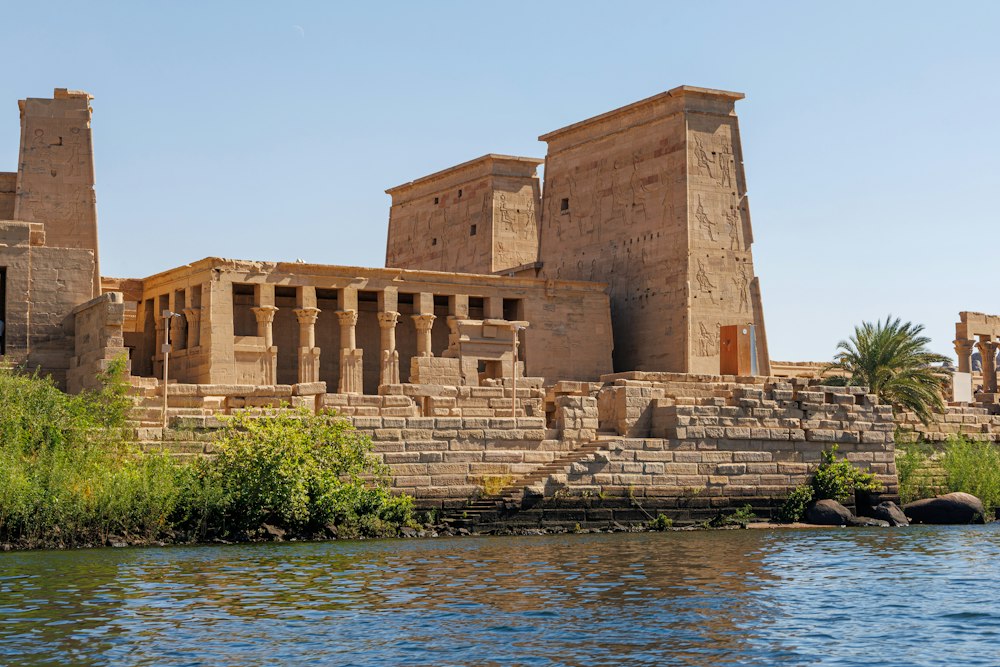
The temple of Isis, the last in Egypt where the old religion was practised, with the latest known hieroglyphic inscription, carved in 394. The first dam left it flooded for much of each year. In the 1970s it was cut into blocks and rebuilt on higher Agilkia island. Motorboats cross from the Shellal dock; agree the return wait with the boatman before leaving shore.
-
Temple of Kom Ombo
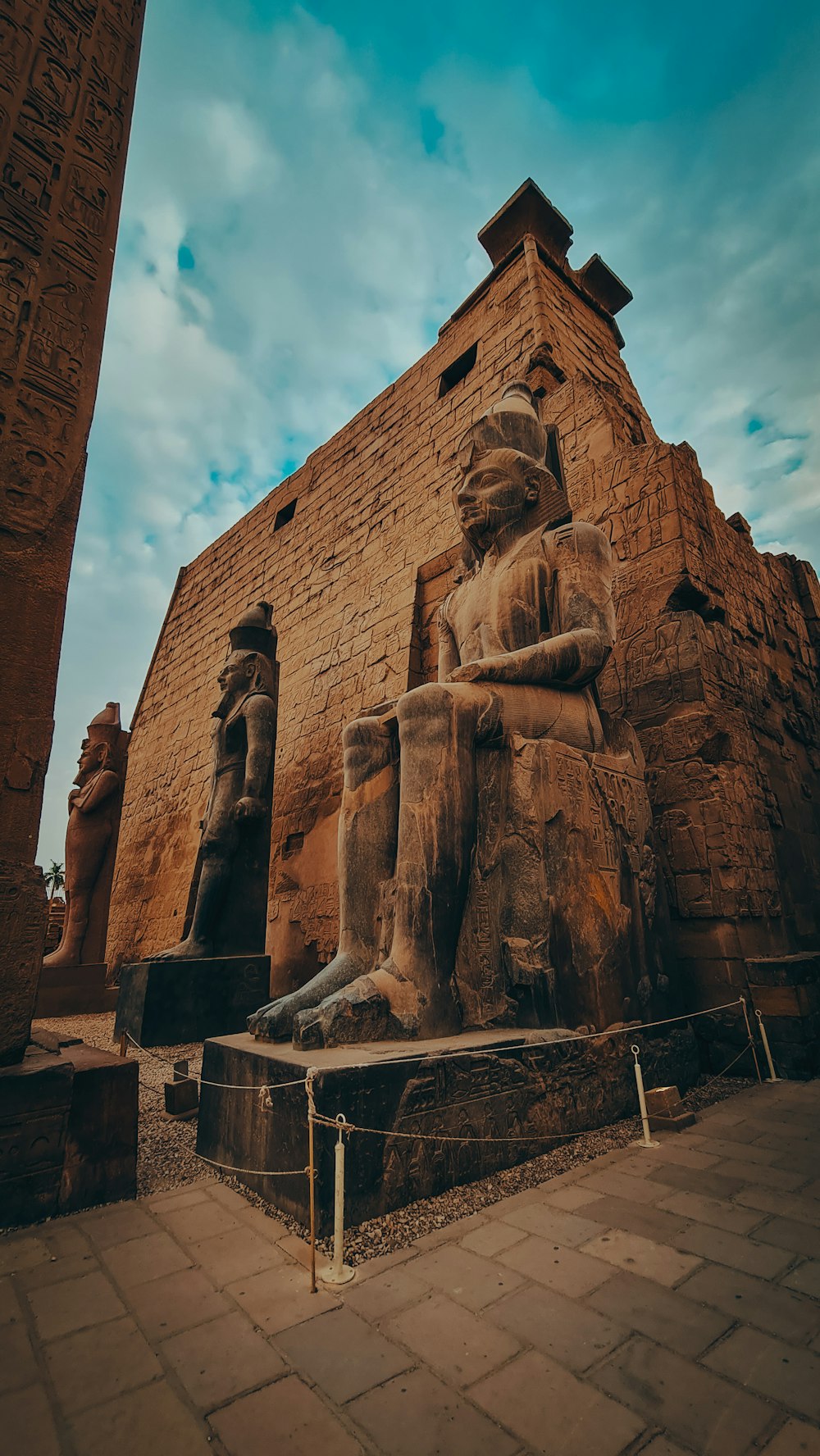
A double temple on a bend of the river north of Aswan, split down its axis between two gods: the crocodile Sobek on one side and the falcon Horus on the other, with twin entrances, halls and sanctuaries. A wall relief shows what appear to be surgical instruments. The small museum beside it displays mummified crocodiles. Nile cruises moor below, usually at sunset, so mornings are quieter.
-
Abu Simbel
Four seated colossi of Ramesses II, each twenty metres tall, cut into a cliff near the Sudanese border, with a smaller temple for Nefertari beside them. In the 1960s both were sawn apart and reassembled sixty-five metres higher, clear of the rising lake. The road from Aswan takes over three hours each way and tours leave around four in the morning. A short flight is the alternative.
-
Elephantine
The island facing the town centre, and the original settlement: a garrison and ivory market on the border with Nubia. At its southern tip are the ruins of a temple of Khnum and a nilometer, a stair cut into the bank with marks used to measure the flood and set taxes. Two Nubian villages fill the middle, threaded by car-free lanes. Public ferries cross from the corniche all day.
-
Nubian Museum
Opened in 1997 as a record of the land and culture lost under Lake Nasser, when tens of thousands of Nubians were resettled and their villages drowned. Exhibits run from prehistoric rock art through the Kushite kings who once ruled Egypt to models of the painted houses. The building and its terraced garden are handsome in themselves. Evening opening makes it a good end to a hot day.
-
Unfinished Obelisk
Still lying in the granite quarry where it was abandoned, this would have been the largest obelisk ever raised: forty-two metres long and over a thousand tonnes. A crack opened during the work and the masons walked away. The trench around it shows how they cut, pounding the rock with balls of harder dolerite. Go early; the quarry is a bowl of bare stone and holds the heat.