Things to do
13-
Al-Muizz Street
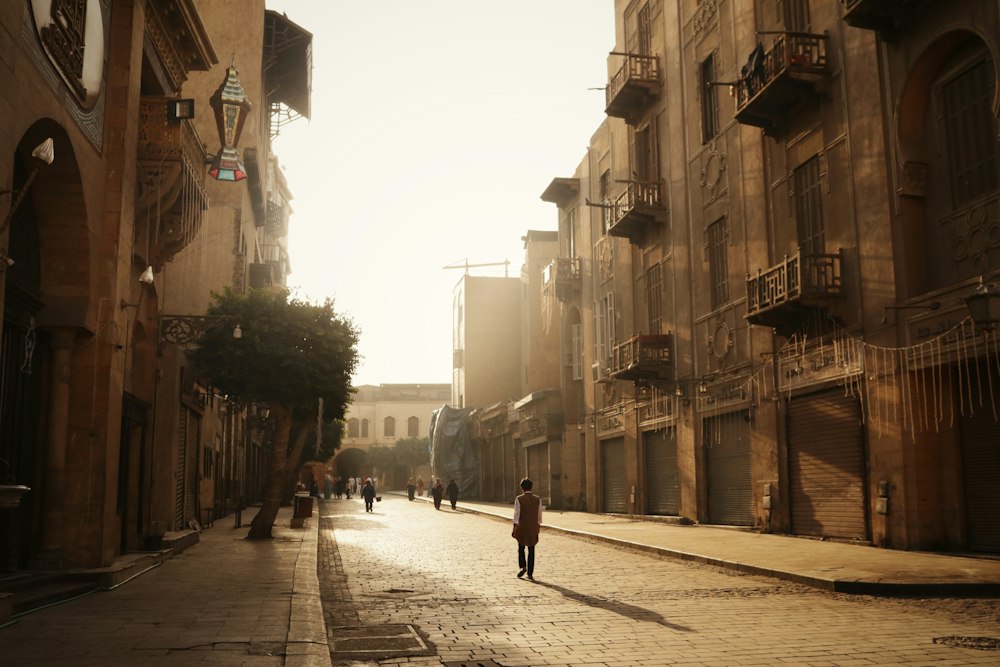
The spine of the Fatimid city, running a kilometre from the northern gate of Bab al-Futuh to Bab Zuweila in the south, with the densest run of medieval Islamic buildings anywhere. The Qalawun complex, a hospital, school and tomb of 1285, is the essential stop. The northern half is closed to cars during the day. After dark the facades are floodlit and the street fills with families.
-
Cairo Citadel
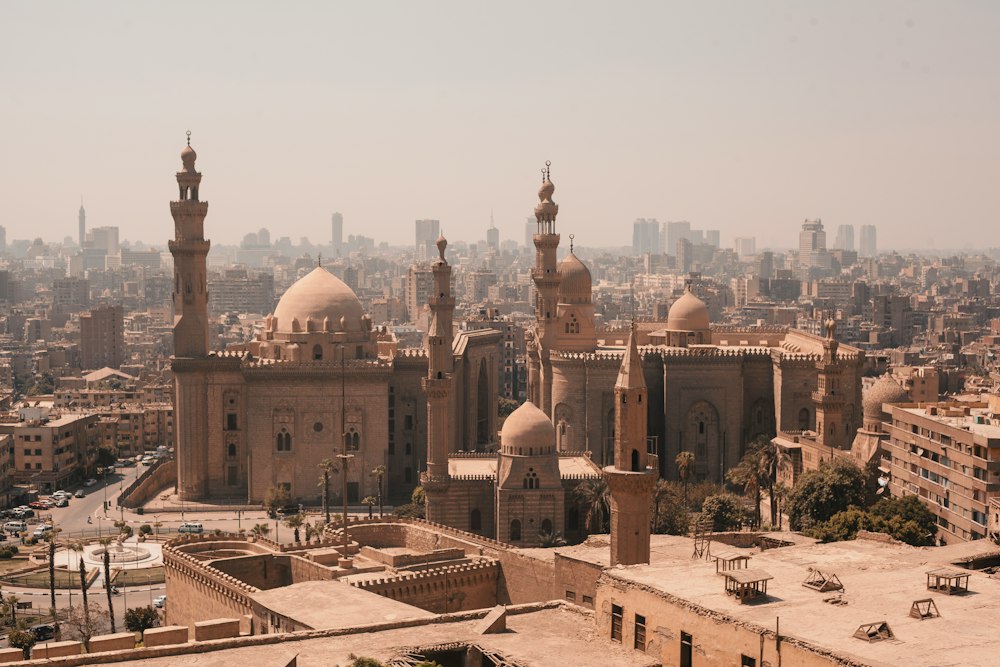
Saladin began these walls in 1176 on a spur of the Muqattam hills, and Egypt was ruled from inside them for nearly seven hundred years. The enclosure holds three mosques, a military museum and a terrace looking west over the whole city. On a clear winter day the Giza pyramids show on the horizon. Morning light is best, before haze builds over the river.
-
Coptic Cairo
A walled enclave inside the remains of the Roman fortress of Babylon, older than the Islamic city by centuries. Sunken lanes connect several early churches, a convent, the Ben Ezra synagogue where a famous hoard of medieval Jewish manuscripts was found, and the Coptic Museum. Mar Girgis metro station opens directly onto the gate, which makes this the easiest district in the city to reach.
-
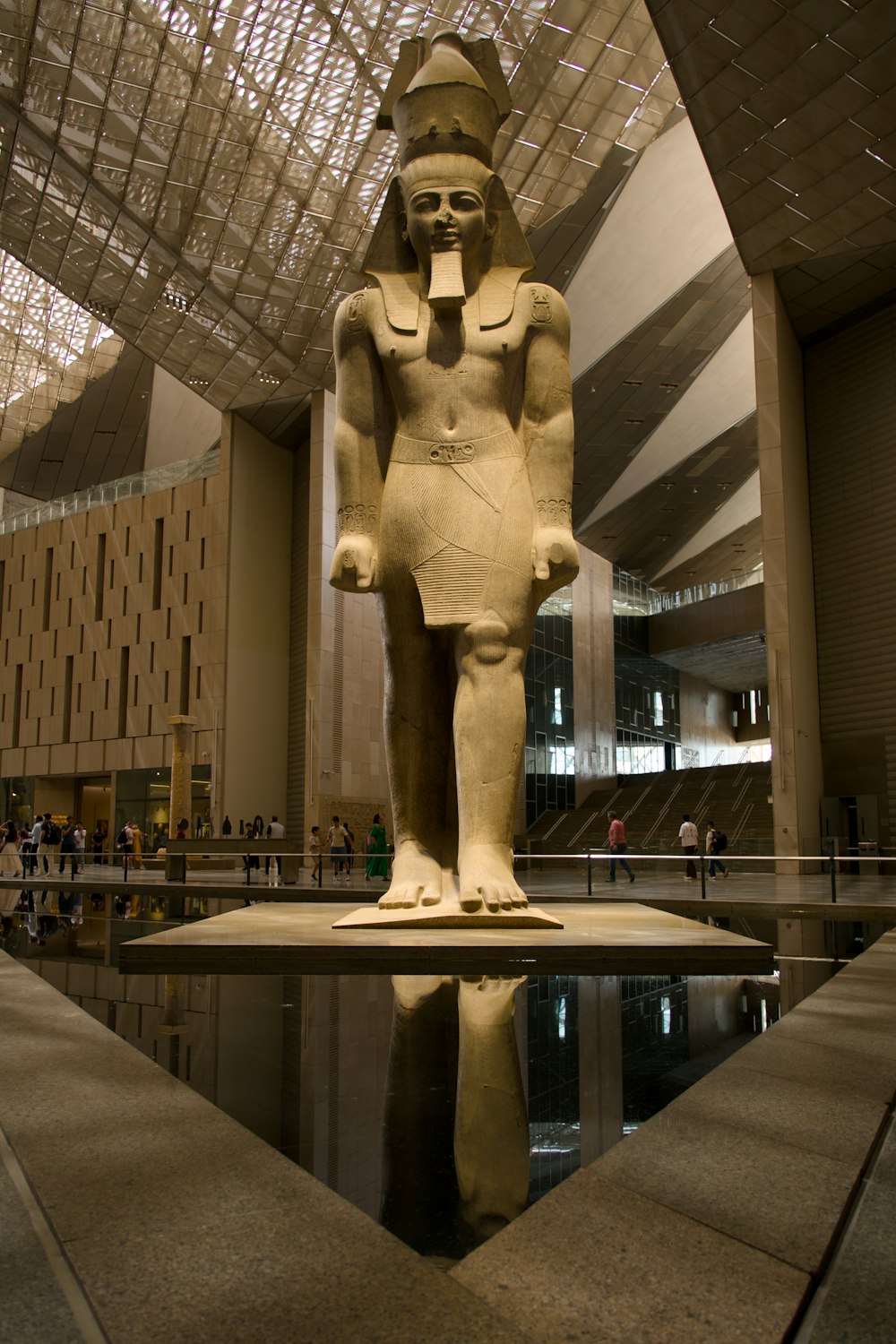
Egyptian Museum
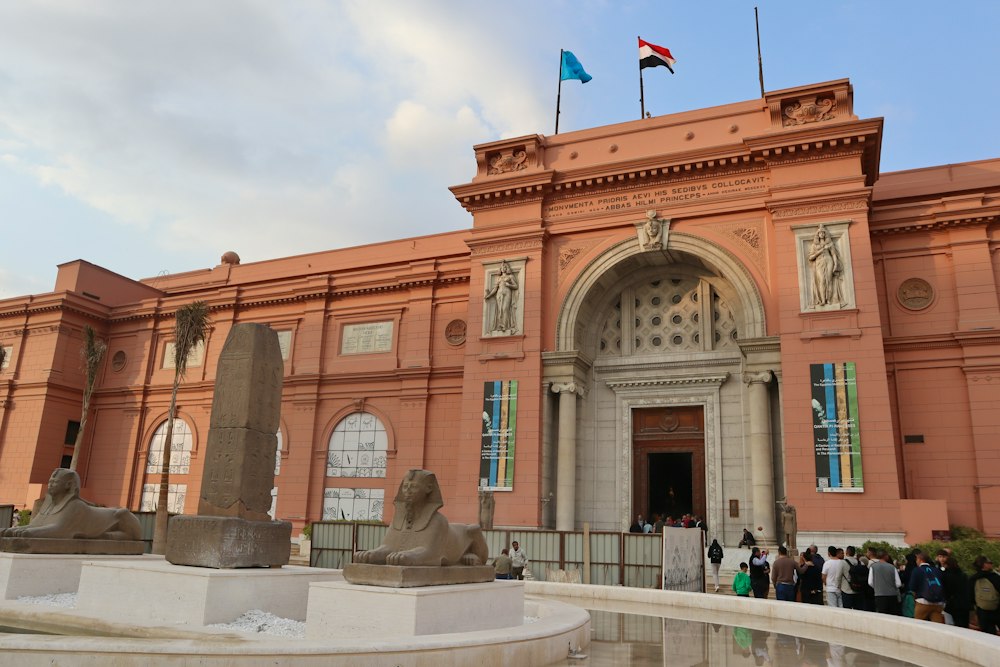
The pink building on Tahrir Square opened in 1902 and for a century held nearly everything excavated in Egypt, stacked in wooden cases with typed labels. Tutankhamun's treasure and the royal mummies have moved to newer museums. What remains is still vast: the Narmer Palette, the gold of Tanis, the furniture of Yuya and Thuya. It is emptier than it has been in decades.
-
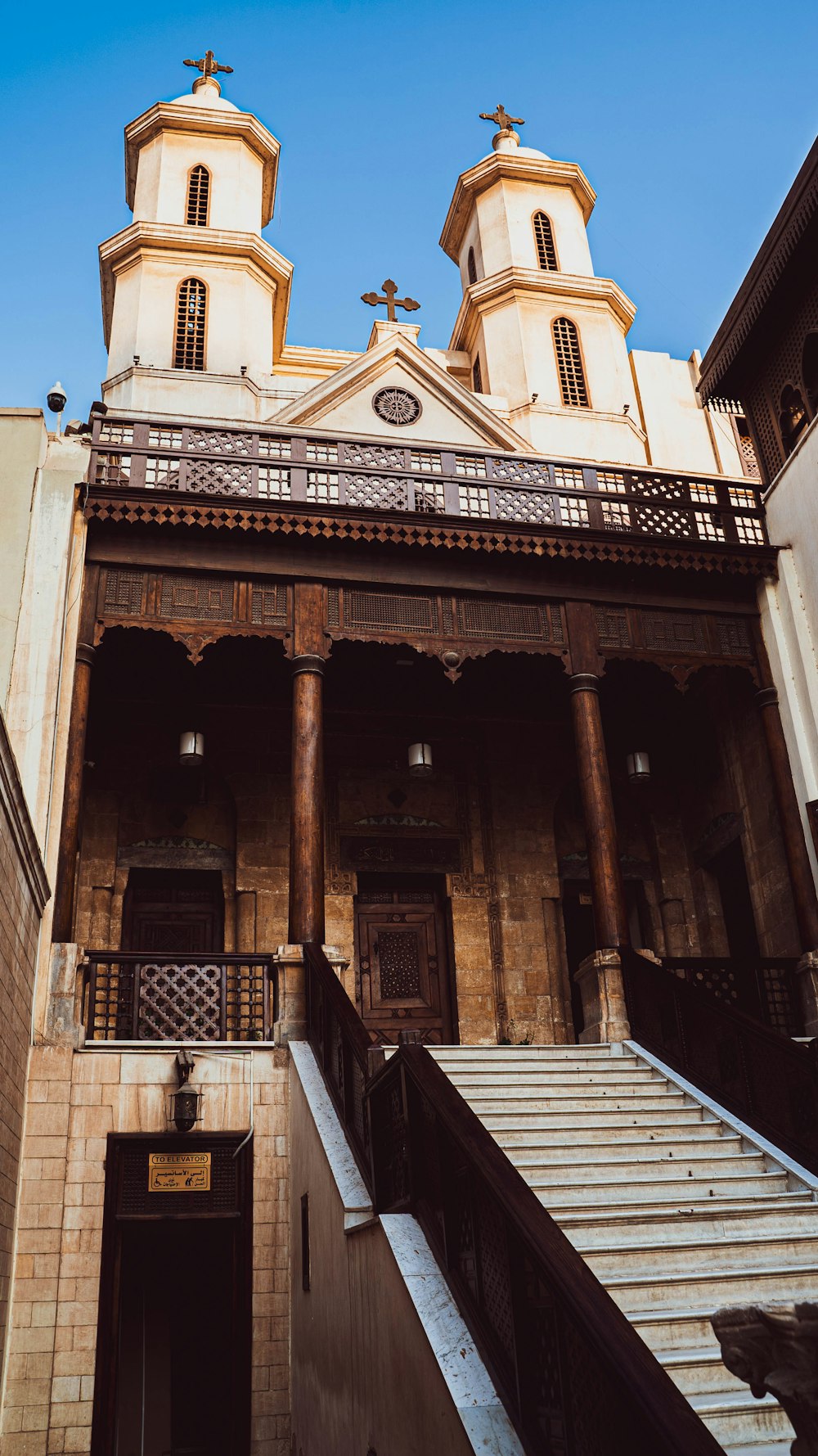
Hanging Church
Named because its nave was built across the top of a Roman gatehouse, with palm logs and stone spanning the passage below; a glass panel in the floor shows the drop. A stair of twenty-nine steps climbs to the door. Inside are a marble pulpit on thirteen slender columns, cedar screens inlaid with ivory and more than a hundred icons. Services are still sung in Coptic.
-
Mosque of Muhammad Ali
The Ottoman silhouette on top of the Citadel, domes and two pencil minarets, was finished in 1848 for the Albanian-born governor who founded modern Egypt and is buried inside. Alabaster sheathes the lower walls. The ornate clock in the courtyard came from the king of France in exchange for the obelisk now in Paris, and has rarely kept time. Shoes off; scarves are lent at the door.
-
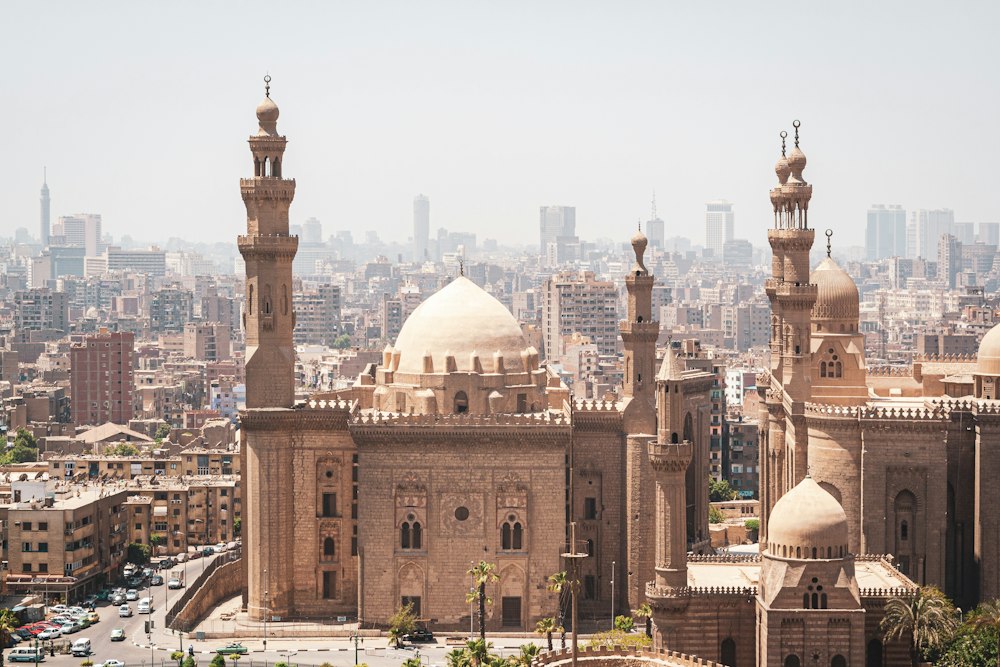
Mosque-Madrasa of Sultan Hassan
A Mamluk sultan began this colossal school-mosque in 1356, paid for in part with estates left ownerless by the Black Death, and was murdered before it was finished. Walls thirty-six metres high enclose a courtyard with four vaulted halls, one for each school of Sunni law. The entrance portal alone is as tall as a ten-storey building. Al-Rifa'i mosque opposite holds the last shah of Iran.
-
National Museum of Egyptian Civilization
Twenty-two royal mummies were driven here from Tahrir in a televised parade in 2021, and now lie in a dim, hushed gallery below the main hall: Ramesses II, Hatshepsut and Thutmose III among them, their faces uncovered. Photography is forbidden in that room. The hall above runs from prehistory to the present in one sweep. It stands in Fustat, a short taxi ride from Coptic Cairo.
-
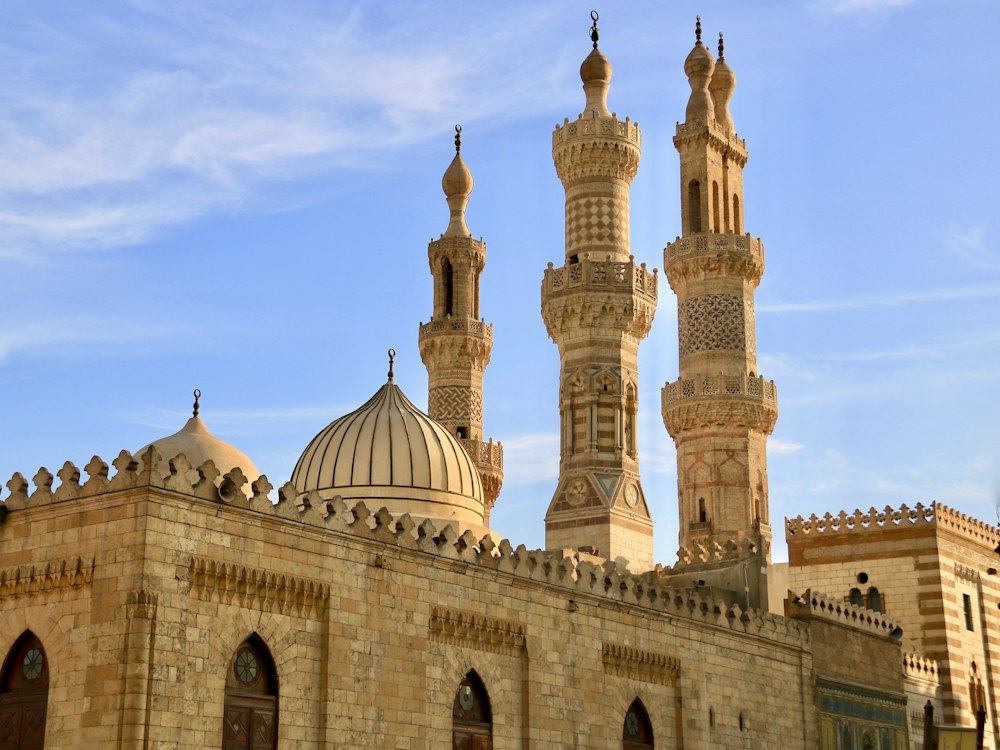
Al-Azhar Mosque
Founded in 970 as the new Fatimid city's congregational mosque, with a school attached that grew into one of the oldest universities in the world and the leading seat of Sunni learning. Five minarets from different centuries stand over a white marble courtyard. Visitors are welcome outside prayer times, without charge. Dress to cover shoulders and knees; women are handed a robe and headscarf.
-
Al-Azhar Park
For five hundred years this hill was the city's rubbish tip. The Aga Khan Trust cleared it, uncovered a buried stretch of Saladin's wall in the process, and opened thirty hectares of lawns, palms and water channels in 2005. It is the largest green space in central Cairo. Come an hour before sunset, when the minarets and the Citadel turn gold and the call to prayer carries across.
-
Bab Zuweila
The southern gate of the walled city, built in 1092, with two minarets added on top of its towers three centuries later by the mosque next door. Executions were held here and the heads displayed above the arch. Visitors can climb through the gate to the roof and on up either minaret, by a tight unlit stair, for a view down the length of the old city.
-
Khan el-Khalili
A trading quarter since a Mamluk emir built a caravanserai here in 1382. The lanes nearest the Hussein mosque sell souvenirs; a few turns deeper, coppersmiths, spice merchants, perfumers and gold dealers still serve Cairenes. Bargaining is expected and good-humoured. El Fishawy, a mirrored coffeehouse in one of the alleys, has served mint tea and water pipes day and night for two centuries.
-
Mosque of Ibn Tulun
Completed in 879, this is the oldest mosque in the city still in its original form: a huge brick courtyard ringed by pointed arcades, built by a governor raised in Samarra and modelled on the mosques of Iraq. An outside spiral stair climbs the minaret, and visitors may go up. The Gayer-Anderson house against the wall is a furnished Ottoman home and worth the extra ticket.