Things to do
8-
Luxor Museum
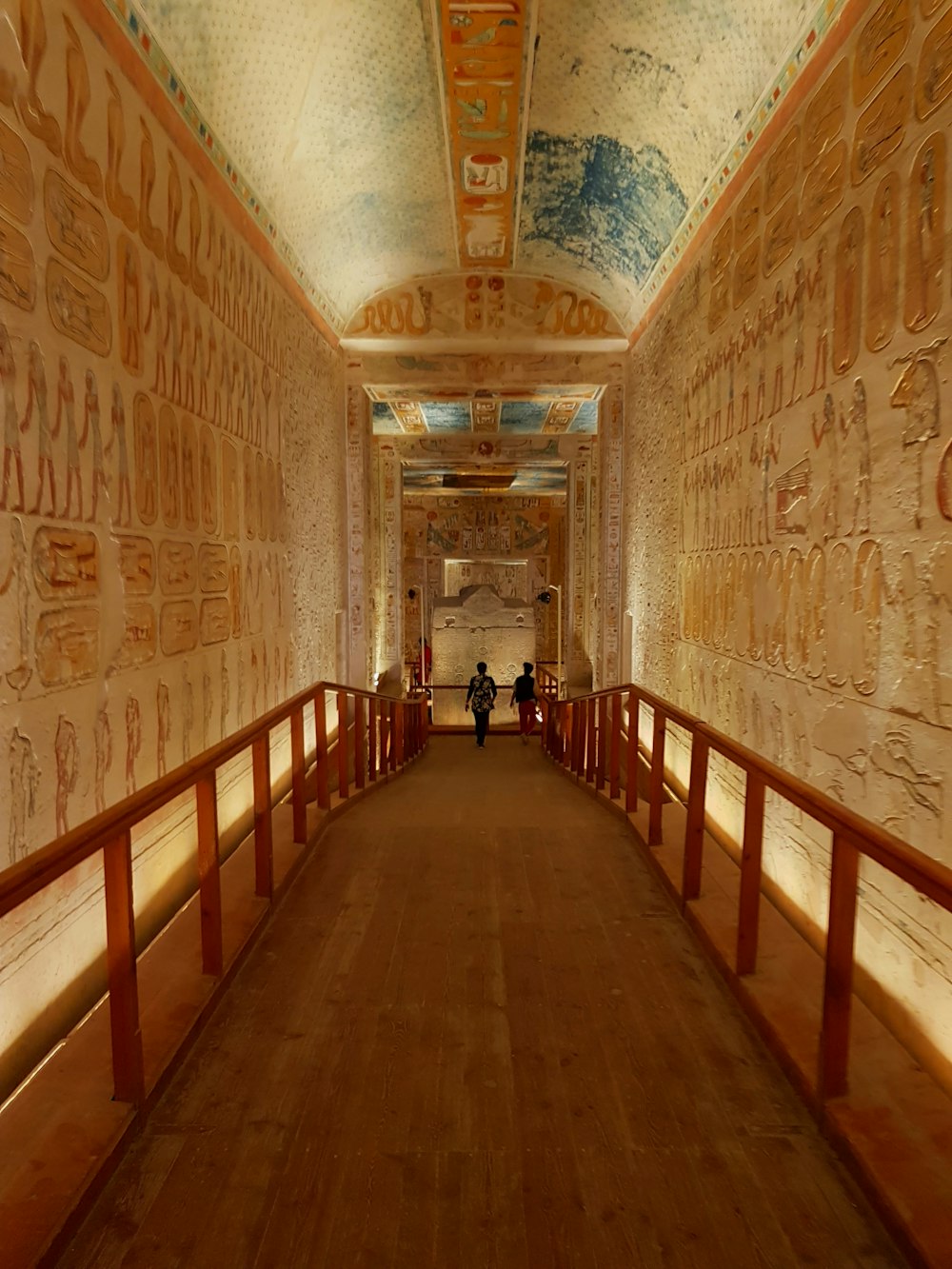
A small, modern museum on the corniche that shows a few hundred pieces, well lit and properly labelled: a relief to anyone worn down by the scale of the temples. The best room holds statues found buried in perfect condition under a court of Luxor Temple in 1989. Two royal mummies lie in a side gallery. It opens again in the evening, after the heat.
-
Luxor Temple
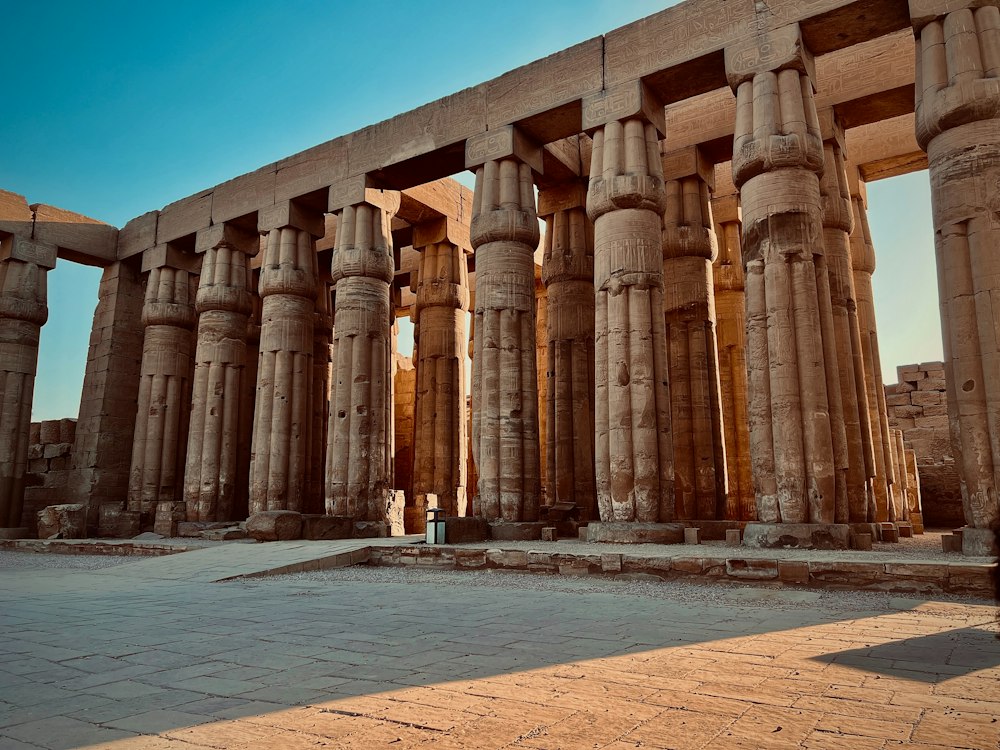
Set in the middle of town on the corniche, open into the evening and at its best floodlit after dark. One obelisk stands before the gateway; its twin has stood in the Place de la Concorde since the 1830s. A working mosque sits on top of one court, built when the temple lay buried to that height. An avenue of sphinxes, reopened in 2021, runs almost three kilometres to Karnak.
-
Valley of the Kings
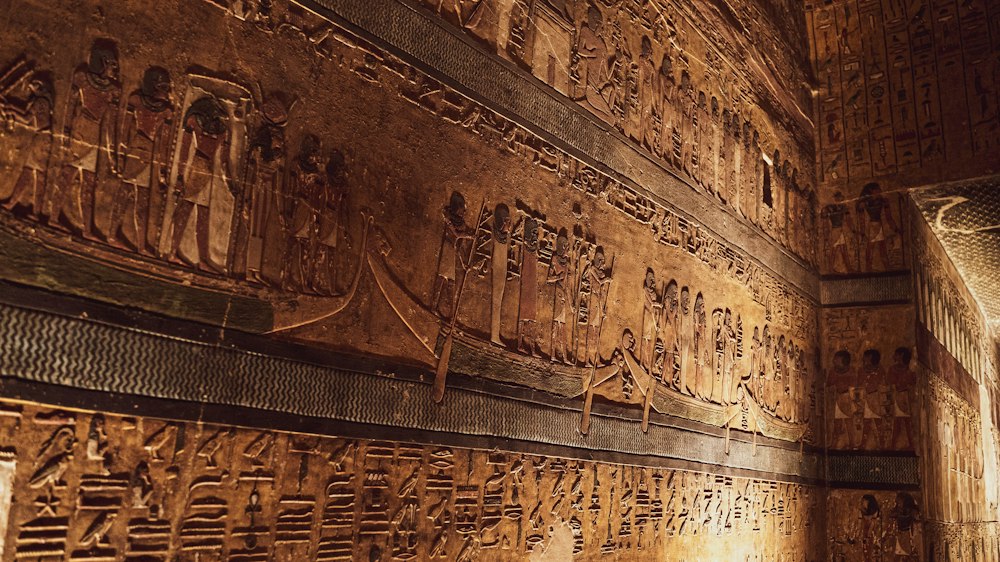
For five centuries the pharaohs of the New Kingdom were buried in tunnels cut into this dry valley, more than sixty tombs in all. The standard ticket admits three from whichever are open that day; Tutankhamun, Ramesses VI and the long tomb of Seti need separate ones. The painted ceilings are astonishingly fresh. Tombs are close and humid, the valley floor is a furnace by ten, and shade is scarce.
-
Colossi of Memnon
Two seated figures of Amenhotep III, eighteen metres high, facing the sunrise beside the west bank road. They guarded the gate of his mortuary temple, once larger than Karnak and since robbed to its foundations. After an earthquake the northern statue gave out a sound at dawn, and Roman tourists travelled to hear it and cut their names into its legs. A repair silenced it. The roadside site is unfenced and carries no ticket.
-
Karnak
Thirty pharaohs added to this complex over two thousand years, and the result covers more ground than any other religious site of the ancient world. The hypostyle hall is its centre: 134 sandstone columns, the central twelve as thick as a room, carved from base to capital. Beyond it stand Hatshepsut's obelisk and a sacred lake. Gates open at six, the only cool and quiet hour.
-
Medinet Habu
The mortuary temple of Ramesses III, entered through a fortified gate copied from a Syrian citadel. Its reliefs are cut deeper than any others in Egypt, some a hand's depth into the stone, and sheltered ceilings keep their original blues and reds. One long wall shows the defeat of the Sea Peoples in a naval battle. Few coach tours stop here, so it is often nearly empty.
-
Mortuary Temple of Hatshepsut
Three colonnaded terraces joined by ramps, set against a sheer amphitheatre of cliffs at Deir el-Bahari and startlingly modern in outline. Hatshepsut ruled as king for two decades, and reliefs here record her trading expedition to the land of Punt: ships, incense trees, a very stout queen. Her successor had her image chiselled out wherever his masons could reach. There is no shade on the approach.
-
Valley of the Queens
Wives and children of the Ramesside kings were buried in this smaller valley to the south. A few princes' tombs are open on the standard ticket, brightly painted and quickly seen. The tomb of Nefertari, favourite queen of Ramesses II, holds the finest wall paintings in the country and has its own costly, time-limited ticket. It closes for long periods for conservation, so confirm before building a day around it.