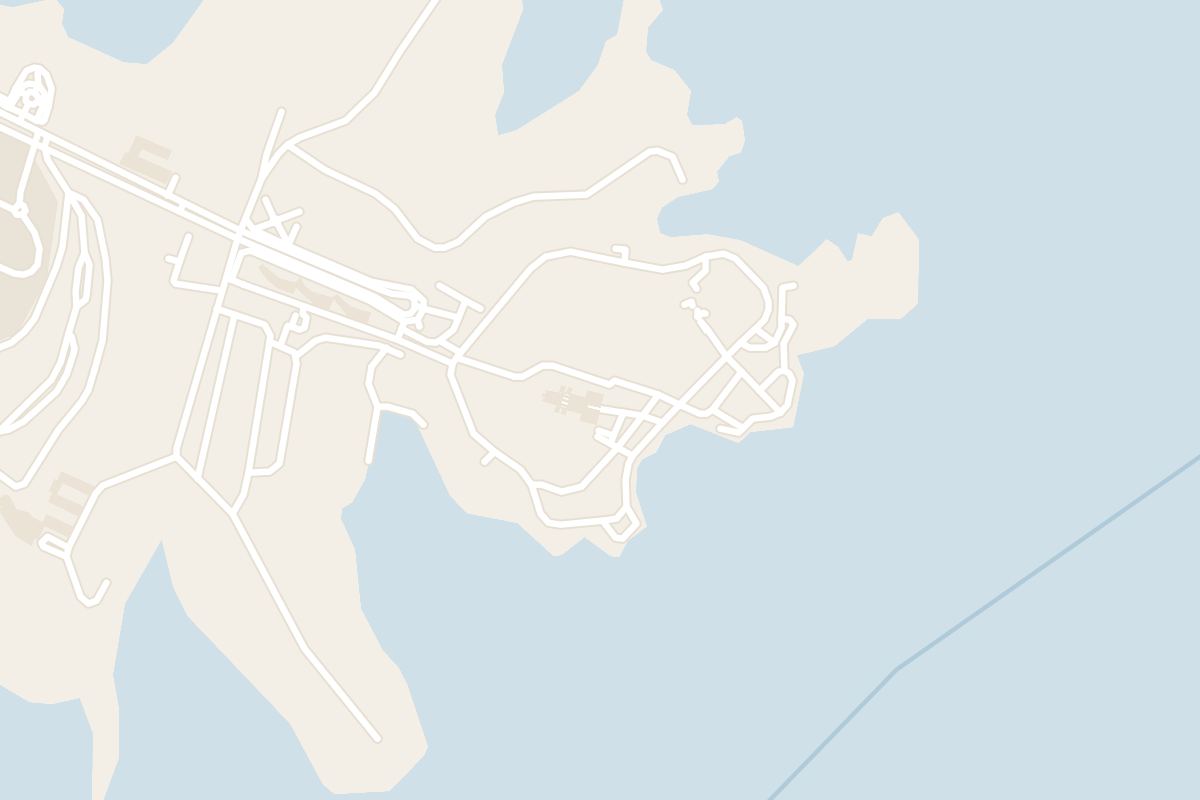
Four seated statues of Ramesses II front a temple cut into the rock above Lake Nasser. Next door, on Nefertari's temple, her statues stand as tall as the king's.
Temple, Aswan. Meridian Dispatch.
By road or by plane, as Abu Simbel can be reached either way from Aswan. The drive south takes about three and a half hours, or up to four with rest stops.
Yes. Abu Simbel Airport, an airfield built in the 1970s to serve the temples, has flights to Aswan all year and a limited seasonal service to Cairo. Check the airline's current timetable.
As of November 2026, the ministry lists the temples as open every day from 06:00 to 17:00, with last entry at 16:00. Hours change with the season.
Twice a year, on 22 February and 22 October, the rising sun reaches about 60 metres into the Great Temple and lights three of the four sanctuary statues. Several thousand visitors gather on those mornings, and the site sells a separate, higher Sun Alignment ticket for both dates.
Lake Nasser, rising behind the Aswan High Dam, threatened to submerge both temples. An international campaign led by UNESCO moved them about 65 metres higher into an artificial hill between 1964 and 1968, and the site joined the World Heritage list in 1979.
Yes. The mostly Nubian village beside the temples has a few comfortable hotels, along with restaurants and cafés. A night there puts the evening show within reach, which a day trip from Aswan usually misses because shared vehicles head back in the afternoon.
A show staged daily, projecting images onto both temple facades to show how they once looked. It runs in several languages, and the first show goes ahead only with at least 10 foreign or 50 Egyptian visitors.
Yes. Photography with a mobile phone is free of charge, so phone pictures of the colossi on the facade, the main hall and the Small Temple add nothing to the entrance ticket.
The official site of Abu Simbel is egymonuments.com.
egymonuments.com →Graffiti left by earlier travellers marks the two left-hand figures on the Great Temple's facade, and a Greek inscription runs up the left leg of the second. One of the four collapsed in an ancient earthquake, and its fragments still lie on the ground.
Inside, eight statues of the king, each 10 metres high, face each other in a double row down the main hall. The right-hand wall as you walk in is carved from ceiling to bedrock with more than a thousand figures: infantry, charioteers, hand-to-hand fighting and prisoners in flight.
At the far end sits the sanctuary, where four gods are seated: Amun Ra, Ra Horakhty, Ptah and Ramesses II himself, made divine. The temple is aligned so precisely that on two mornings a year the sun crosses the hall and lights three of them.
The Small Temple, a short walk to the right, is dedicated to the goddess Hathor and to Nefertari, the king's Great Royal Wife.
Many visits are day trips by road from Aswan. Flying in from Aswan is the quicker alternative, and a few cruise boats on Lake Nasser call at the temples on their tour of the lake.
At the site, buy your ticket on arrival and follow the path beside the water. The temples stay out of view until you are close. Go through the Great Temple's hall and side chambers first, then walk on to the Small Temple.
A road round the back of the hill also leads back to the visitor centre at the entrance.
Pack water, a hat, sunglasses, sunscreen and snacks if you need them, and a light jacket for a pre-dawn winter start. Summer is harsh this far south: in June, July and August the heat can reach 45C.
Wear comfortable shoes with grip for the uneven ground.
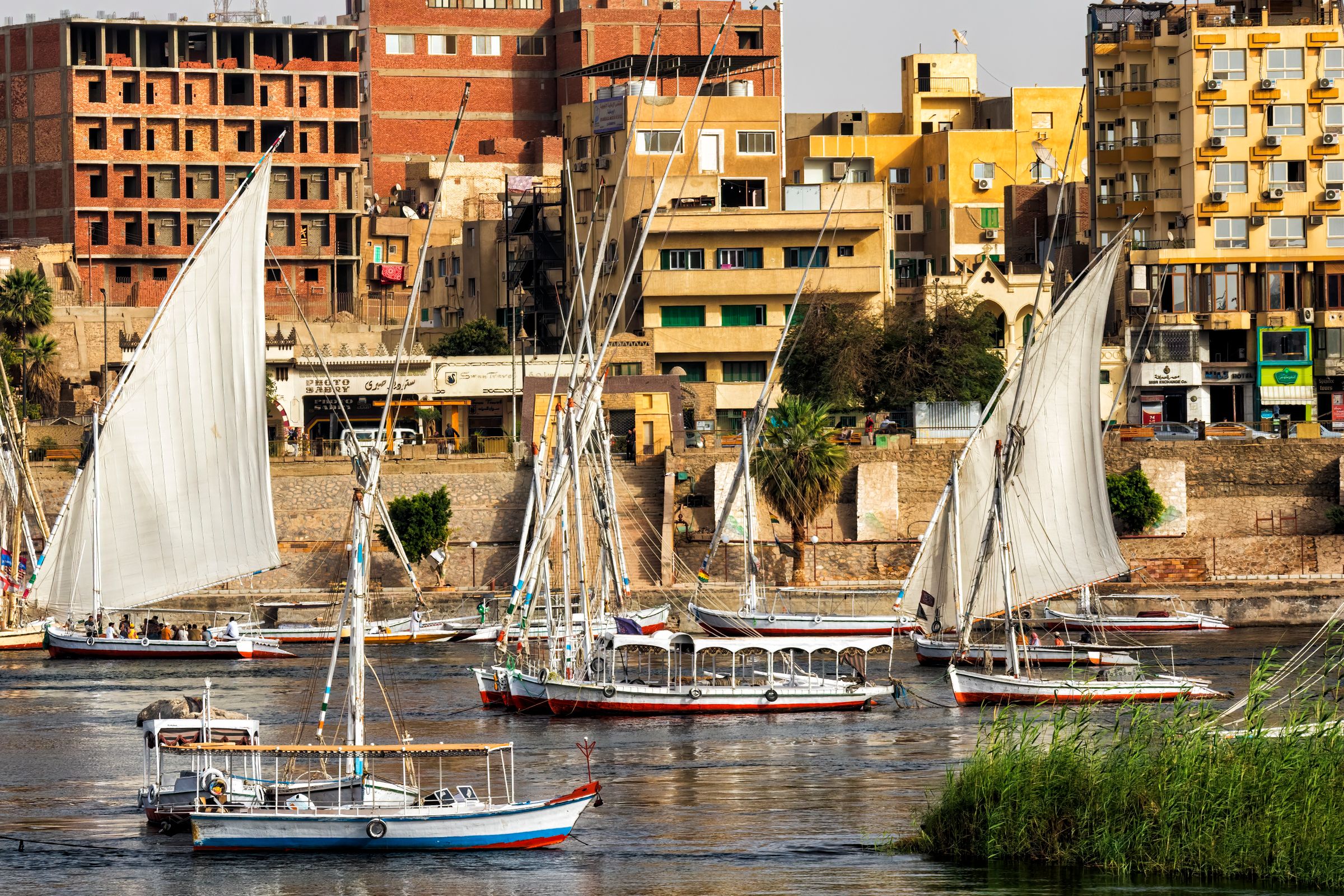
Aswan, Egypt: Egypt's southern frontier town sits where the Nile breaks through a belt of granite, scattering islands and boulders across the river.
Read the Aswan guideExplore the rest of Aswan
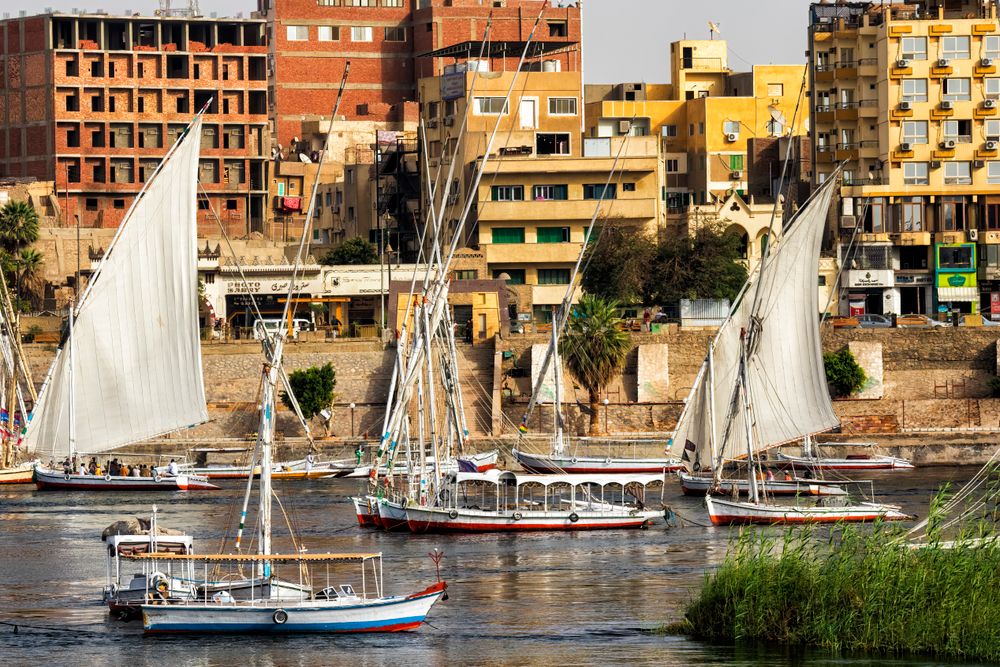
Egypt's southern frontier town sits where the Nile breaks through a belt of granite, scattering islands and boulders across the river, and…
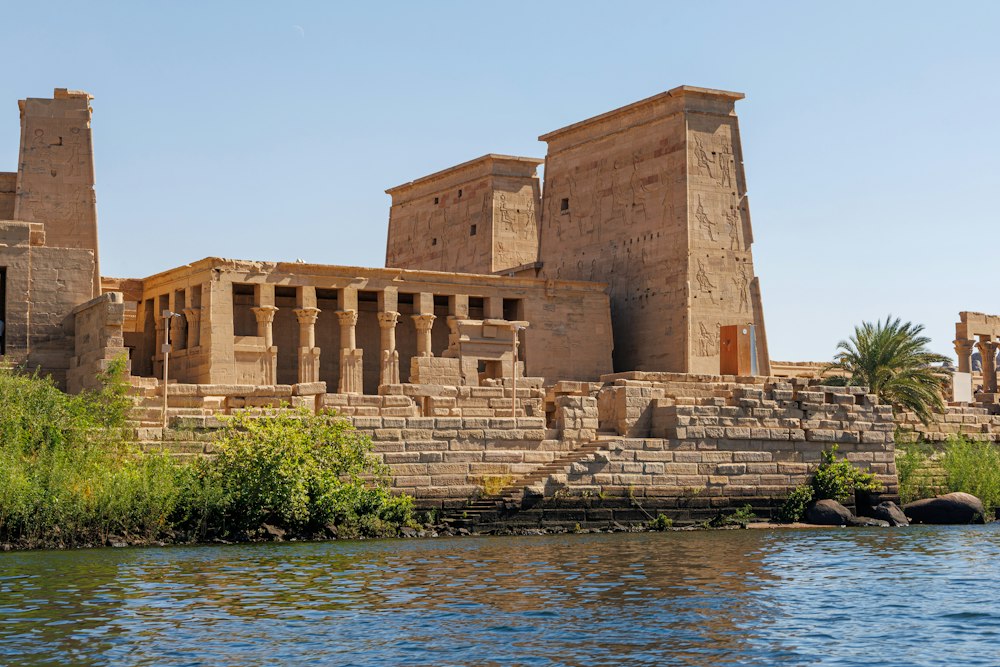
The temple of Isis, the last in Egypt where the old religion was practised, with the latest known hieroglyphic inscription, carved in 394.…
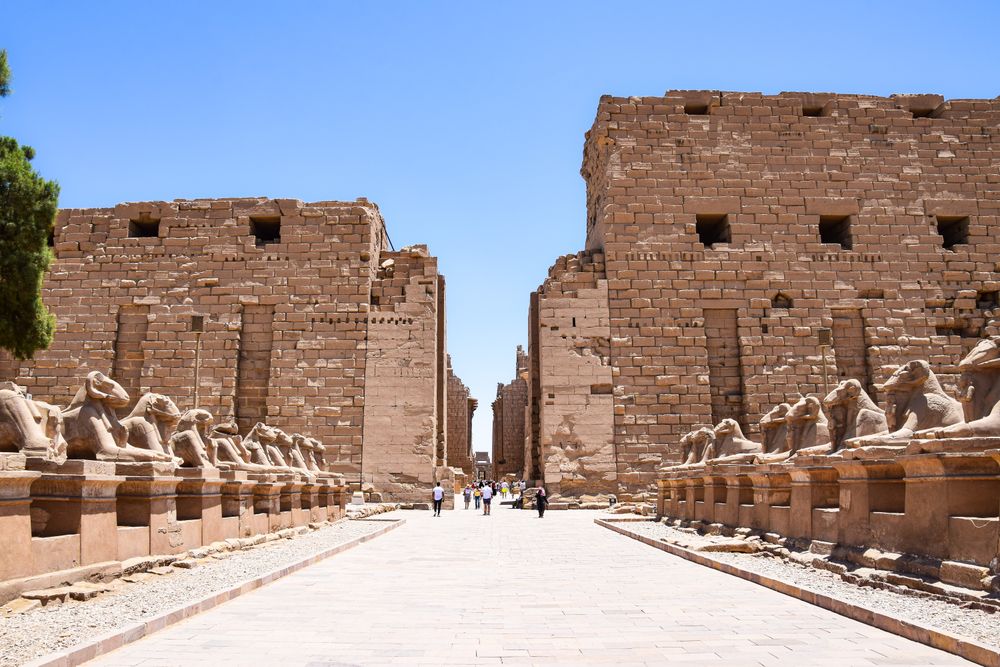
Ancient Thebes, the capital of Egypt at the height of its power, lies under and around this provincial town of half a million, split by the…
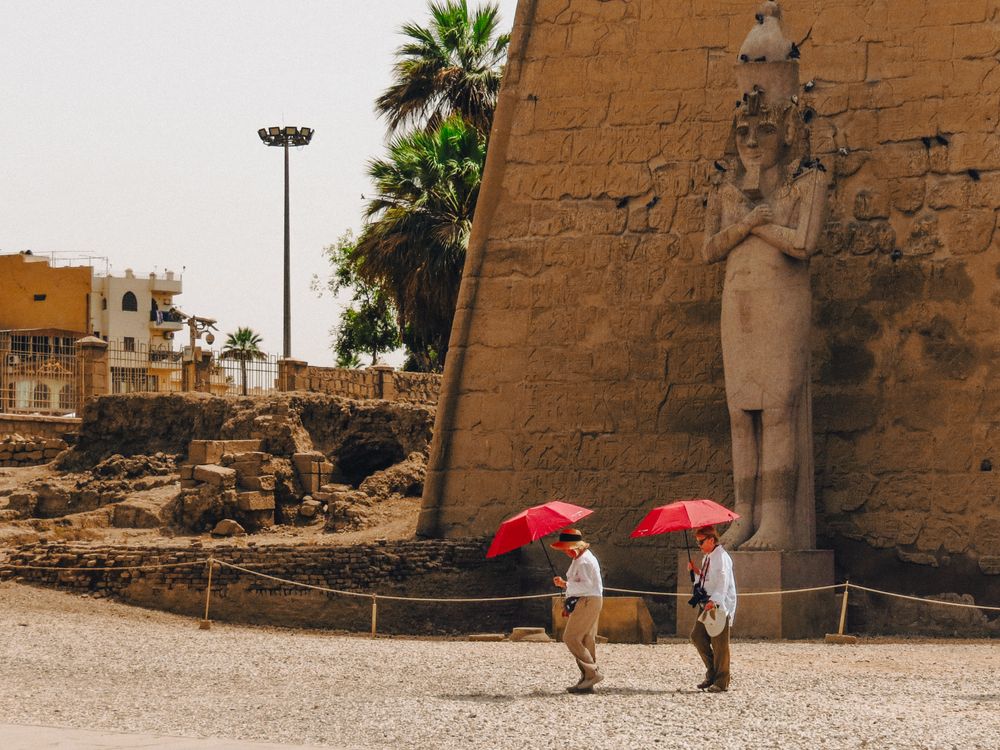
Set in the middle of town on the corniche, open into the evening and at its best floodlit after dark. One obelisk stands before the…
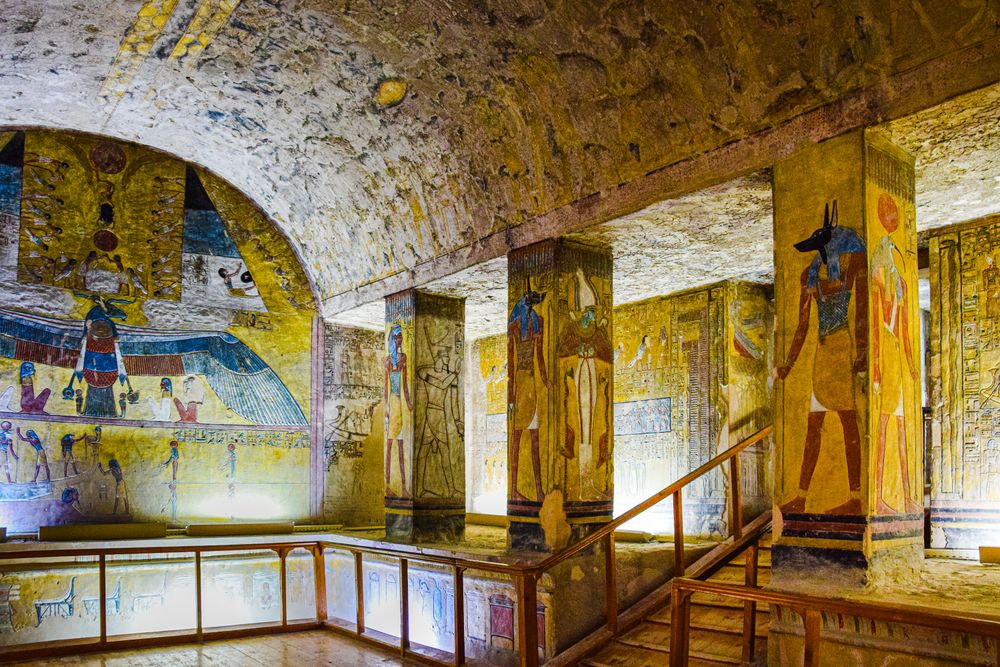
For five centuries the pharaohs of the New Kingdom were buried in tunnels cut into this dry valley, more than sixty tombs in all. The…
Thirty pharaohs added to this complex over two thousand years, and the result covers more ground than any other religious site of the…
A string of resorts, dive villages and protected bays along some 200 km of Red Sea coast, with a small fishing town near its middle and an…
Two low desert islands lie off Hurghada inside a protected marine park: Giftun Kebir, the larger, nearer the coast, and little Giftun…

Save Abu Simbel to your Egypt trip in the Meridian Dispatch app and build the day around it, with the best of Aswan pinned on one map.
Download on the App StoreThe official pages this guide was checked against.
Last updated