Saint Macarius is one of four desert monasteries here where monks still pray, and you cross a narrow drawbridge to reach the painted churches inside its keep.
Monastery, Cairo. Meridian Dispatch.
Hours are not fixed across the valley: services, fasts and each monastery's own schedule can close the doors. Visiting can wind down by early afternoon, so arrive in the morning and confirm with the monastery before leaving Cairo.
Entry is usually free, but that is worth confirming with each monastery. Donations are appropriate. These are working religious communities, so each house has its own rules for visitors.
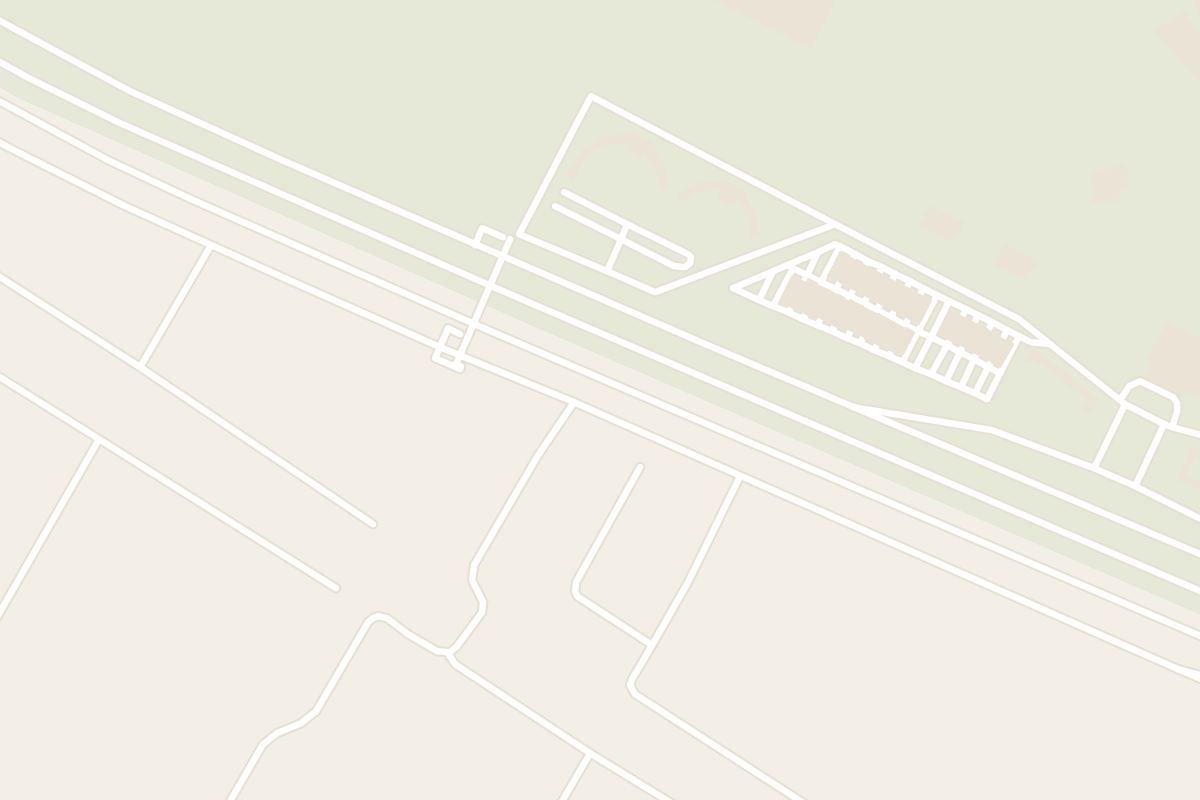
Drive, or hire a taxi, along the M75 that links Cairo with Alexandria. The four monasteries are spread across roughly 25 km, so arrange transport for the whole circuit.
There are four, and monks live in all of them: Saint Bishoy, the Syrian Monastery, Saint Macarius and Paromeos. Saint Bishoy is often the most visited and best known.
Half a day is enough for one or two monasteries, best spent at Saint Bishoy and its neighbour. Allow a full day for all four, which can still feel rushed for a close look at the paintings.
Come in autumn, when the worst heat is over and fewer closures fall. Spring can be beautiful, but Lent may affect access, so look up the dates before choosing a day.
Two of the valley's monasteries are known for their art. At the Syrian Monastery, the Church of the Virgin holds medieval paintings with inscriptions in Greek, Coptic, Syriac and Arabic.
At Saint Macarius the main church has three sanctuaries, and the northern altar keeps frescoes from the twelfth century. Upstairs in its keep are three churches with remarkable wall paintings, including nine hermits.
Saint Bishoy (also spelled Pishoy) preserves the body of its patron. Pope Shenouda III, the Coptic pope from 1971 to 2012, is buried in the compound. It has five churches, large gardens, an ancient refectory and the Well of the Martyrs.
Paromeos has a sixth-century church, considered the oldest still standing in the valley, along with a tower and two refectories.
The high enclosures and keeps were refuges from desert raiders, which is why each compound looks like a castle. Outside them the depression is flat, with alkaline lakes, salt deposits and marshes.
Your turning is about halfway along the highway from Cairo to Alexandria. A private car for the day is the practical way to see more than one compound. Buses use that road too, but you then need a taxi from the junction.
Start at Saint Bishoy, then go on to the Syrian Monastery, about 500 metres away. Paromeos is a separate drive.
Saint Macarius is the southernmost, with its own signposted turning off the desert highway.
Inside Saint Macarius, go through the stairwell under an early medieval arch, and the main church is on the left. Then see the fortress, where the bridge leads to the first storey and the painted churches are one floor above.
Cover shoulders and knees, whether you are a man or a woman. Ask before you take a photograph, above all inside a church or near a monk.
You can attend Mass at the Syrian Monastery (Deir al-Suryani), so ask when the next one begins. Services, feasts and restoration work can shut parts of any compound.
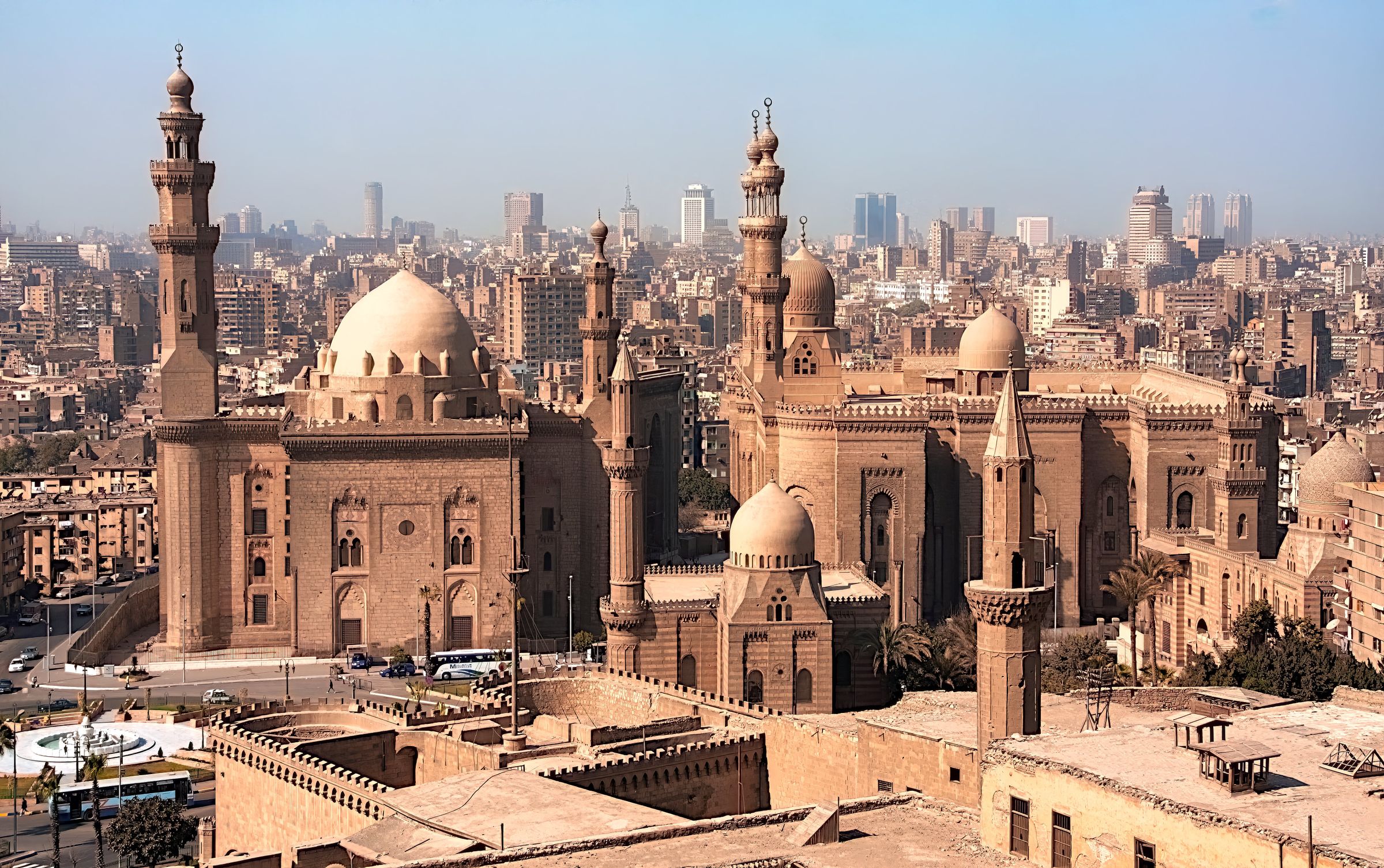
Book four days in Cairo and spend three of them in the old city, staying downtown or in Zamalek, because the pyramids at Giza need the fourth to themselves. On the Citadel day, climb the minaret of Ibn Tulun for the view.
Read the Cairo guideCairo, and further afield
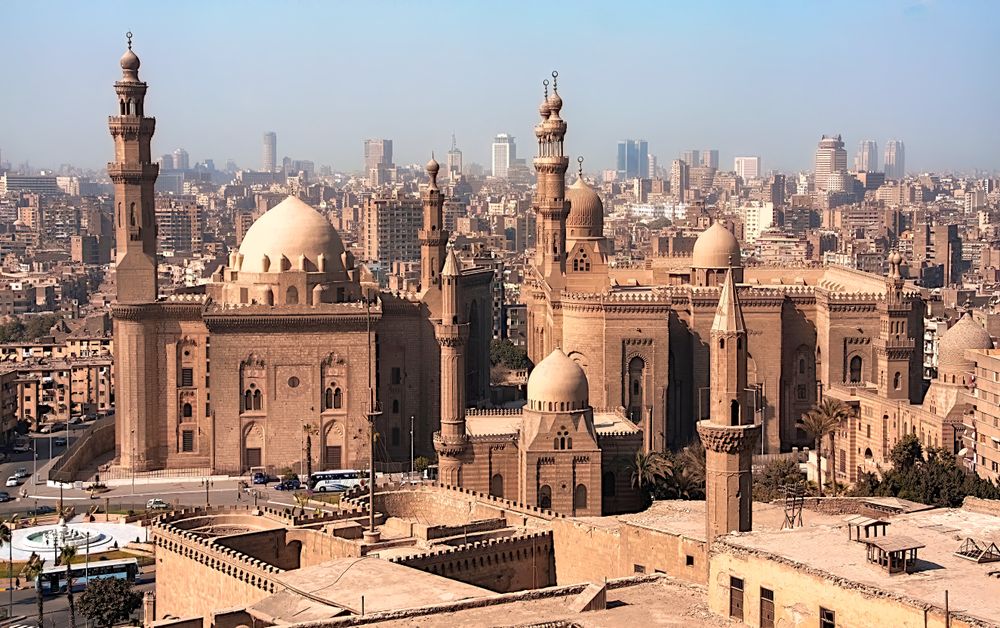
More than twenty million live in greater Cairo, and the medieval city the Fatimids founded in 969 is still in daily use at its centre:…
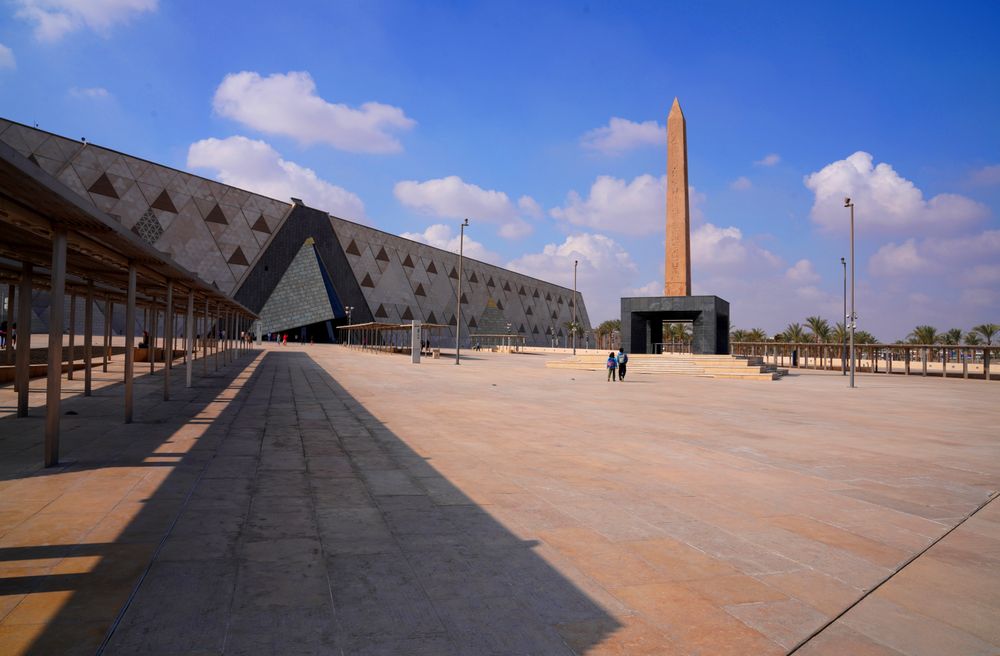

The visit takes in the Tutankhamun galleries, the main galleries, the Grand Hall and Grand Staircase, and a separate hall for Khufu's two…
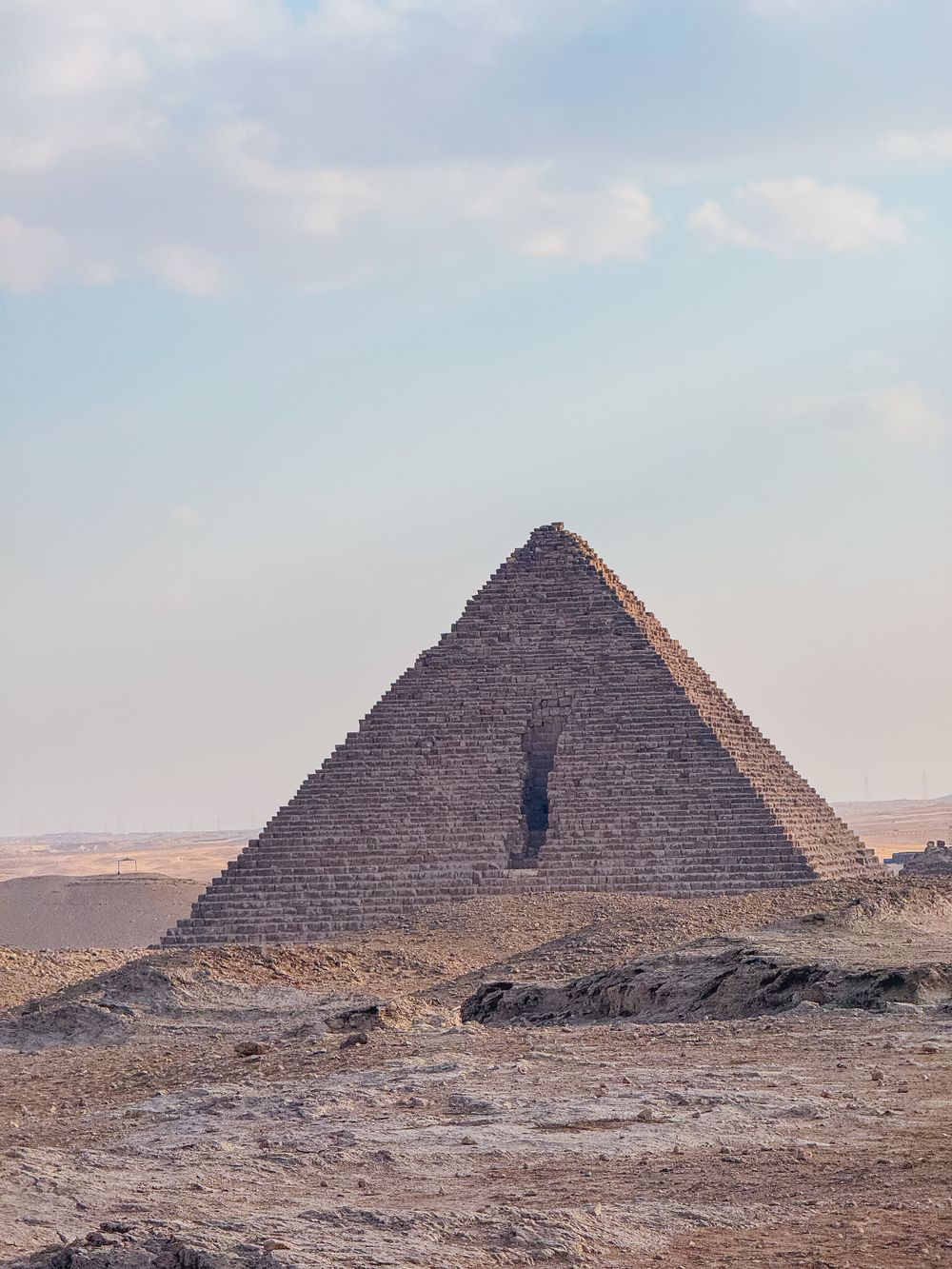
The Pyramid of Menkaure is the third and smallest of the three large pyramids at Giza, built for Menkaure, most likely the son of Khafre…
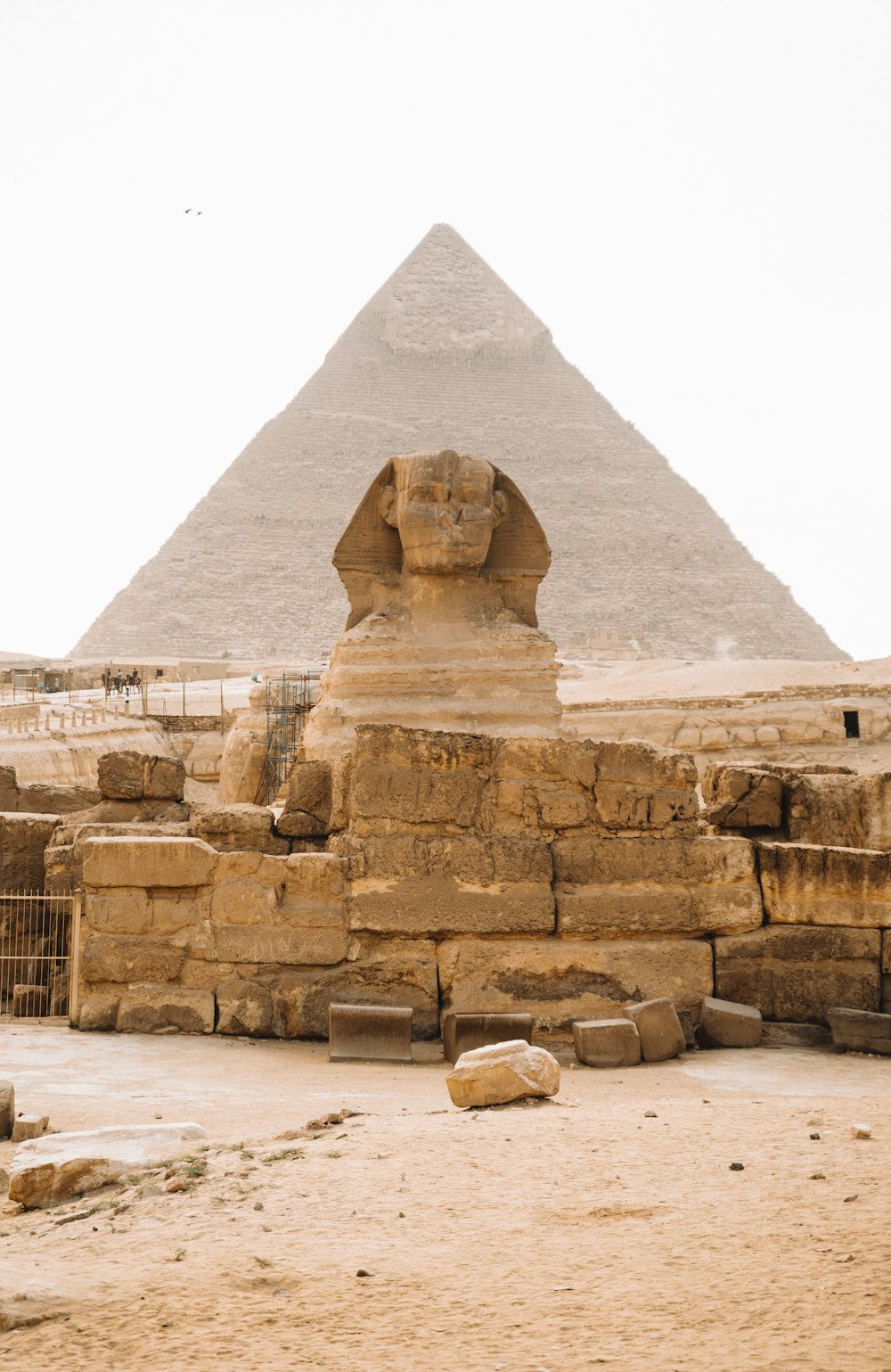
The middle pyramid of the three is a cheaper way inside a Giza pyramid than Khufu's. The plateau area ticket does not cover it, so the…
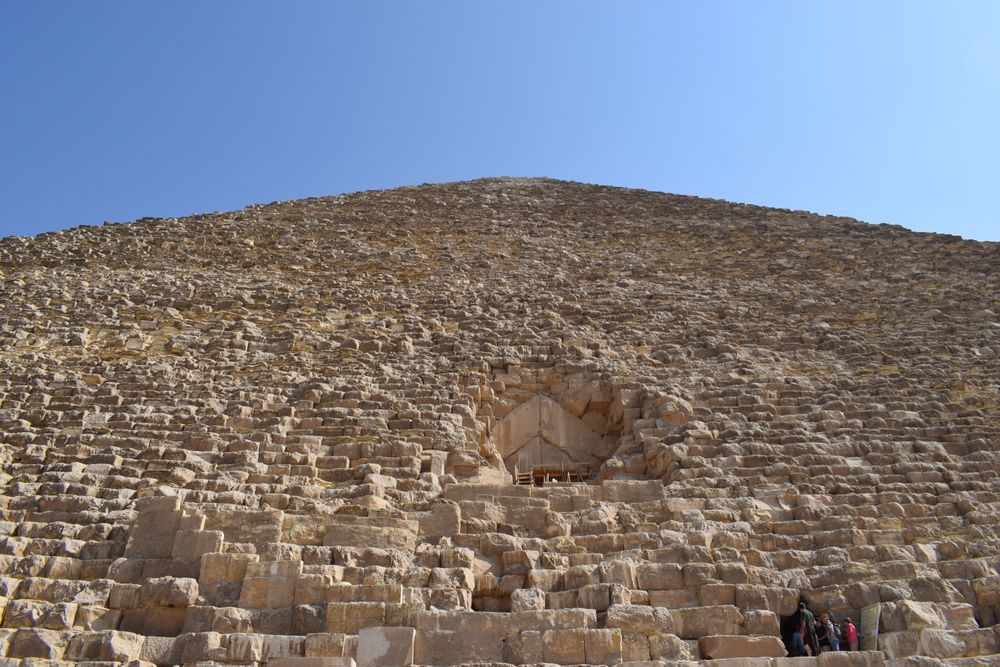
Inside the largest pyramid, a steep climb through low, narrow passages ends in the King's Chamber, bare except for an empty sarcophagus.…
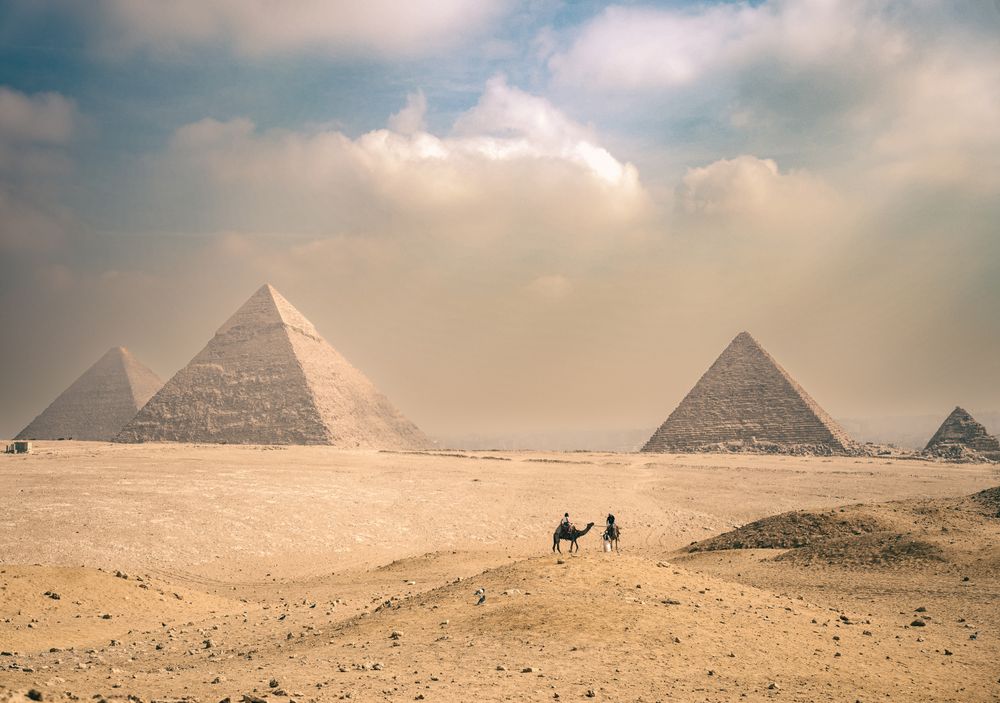
A rise of open desert south-west of the Giza plateau, where the three main pyramids stand in a row. The electric shuttle stops here on its…
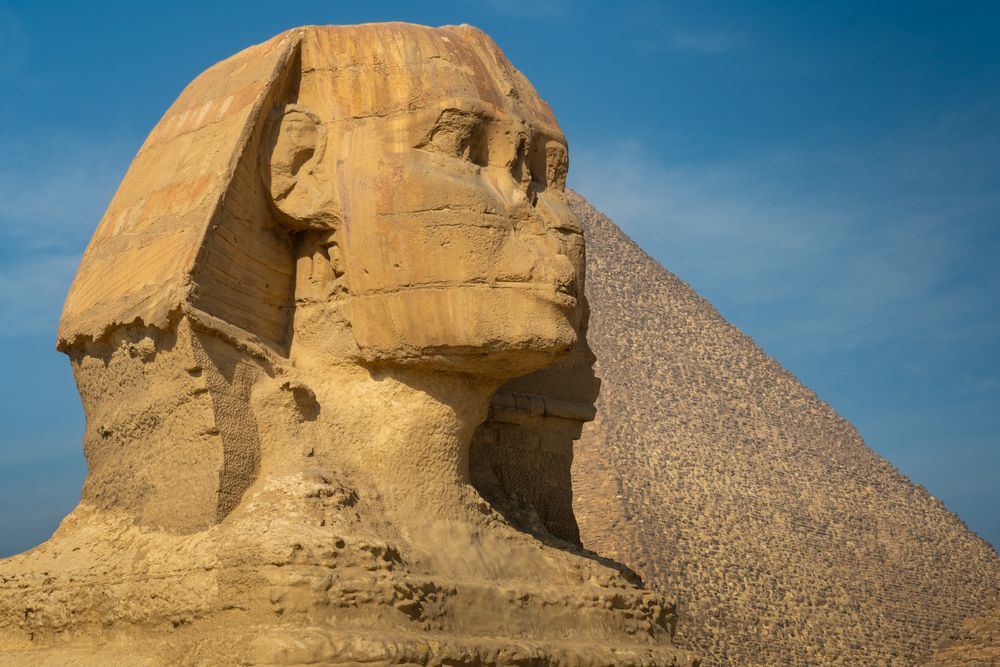
The Great Sphinx is a lion with a king's head, carved in the reign of Khafre. A path through his Valley Temple leads to a viewing platform…
Across the Cairo-Alexandria Desert Road from the Grand Egyptian Museum, about three km from the Giza pyramids and the Sphinx. Every room…




Save Wadi El Natrun to your Egypt trip in the Meridian Dispatch app and build the day around it, with the best of Cairo pinned on one map.
Download on the App StoreLast updated