Best if you care more for carved scenes than pyramid passages: there are hunts, goldsmiths and tax collectors cut into the walls of a thirty-room tomb. At the end, a life-size statue of the owner steps out of the wall.
Archaeological Site, Giza. Meridian Dispatch.
Every day of the week from 08:00. As of November 2026, the last entry to Saqqara is at 16:00 in summer and winter alike, or 15:30 during Ramadan.
Only in the inclusive one. Otherwise the tomb is sold separately, at half rate for students. The inclusive ticket also covers the Imhotep Museum, the nobles' tombs, the New Kingdom tombs and the Tomb of Mehu. Students need a valid ID and must be 24 or under.
A visitor who reads every wall needs close to an hour. The tomb next door takes extra time, and Saqqara's other monuments are a short drive away.
Yes, for its scenes of how Egyptians of the Old Kingdom lived: cattle herding, fishing and fowling are all carved here. The narrow doorways and low ceilings will trouble some visitors.
By hired car, taxi or ride-hail to Saqqara, because no public transport goes there. Once past the ticket office, the drive goes on to the Pyramid of Teti in the northeast of the site. The tomb is just north of that pyramid, a few minutes on foot.
The cooler months, when the weather is comfortable for walking between monuments. October and November are reliable for clear skies. Summer middays are harsh on the open plateau, which has almost no shade between monuments.
This is the largest and most elaborate of Saqqara's non-royal tombs. Mereruka was vizier, the highest-ranking official, to King Teti, and he married one of the king's daughters. Six of the rooms were made for her and five for their son.
On the right wall of the entrance passage, Mereruka sits at an easel with a brush in his hand. He is painting the seasons of the Egyptian year as three seated figures.
The marsh scenes are full of animals. Hippos are harpooned, and the fish are cut so precisely that each species can be named. In one hunting scene, lapwings try to drive a mongoose away from their young.
Other walls show work and its troubles. Goldsmiths weigh gold, smelt it and beat it into foil, and village headmen are flogged for unpaid taxes while scribes write it down.
In the pillared hall, hyenas are force-fed on their backs with their paws bound. One more is led away afterwards with a rounded stomach.
The statue stands in this hall too, at the back of a niche in the wall. Four small steps in front lead up to an alabaster offering table, set there for the gifts brought to the dead man.
A narrow door in the south face lets you in. Look right in the passage for the seasons, then study both long walls of the first room for the marsh hunts.
Take the doorway at the right-hand end of the far wall. In the next room, dogs attack antelopes and a lion takes a bull to your left. The metalworkers are on the right-hand wall.
Go straight on into the room after that, where the tax scene runs along the left wall.
Leave by the doorway at the far end and cross one more room to the six-pillared hall. The statue faces you from the opposite wall.
On the way out, stop in the wife's rooms. Their doorway is in the first room, at the far end of the wall that was on your left as you came in. They show her at ease with dancers, and with three dogs and a pet monkey.
Then step next door to the Mastaba of Kagemni, the neighbouring vizier's tomb.
Bring a small torch or use your phone's. The lighting is modest and misses the upper parts of some walls.
Wear closed shoes with grip, and watch your head if you are tall. Carry water, because nothing is sold inside the tombs.
Arrange for your driver to wait while you explore, as finding a ride back from the site is hard.
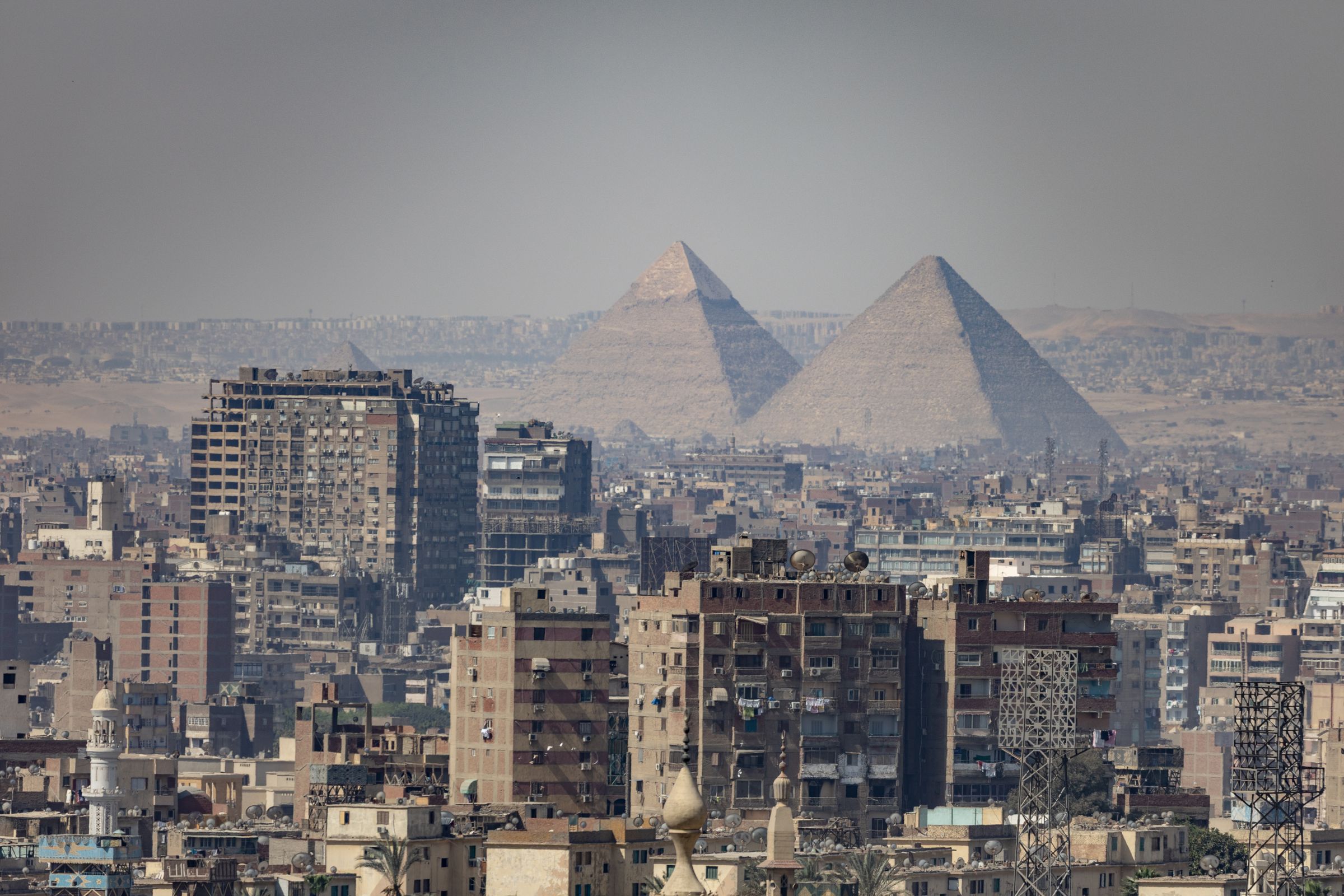
Go down a passage inside a pyramid in the morning and stand among Tutankhamun's treasures in the afternoon. Giza puts both in one city, and a third day reaches the older pyramid fields to the south.
Read the Giza guideExplore the rest of Giza
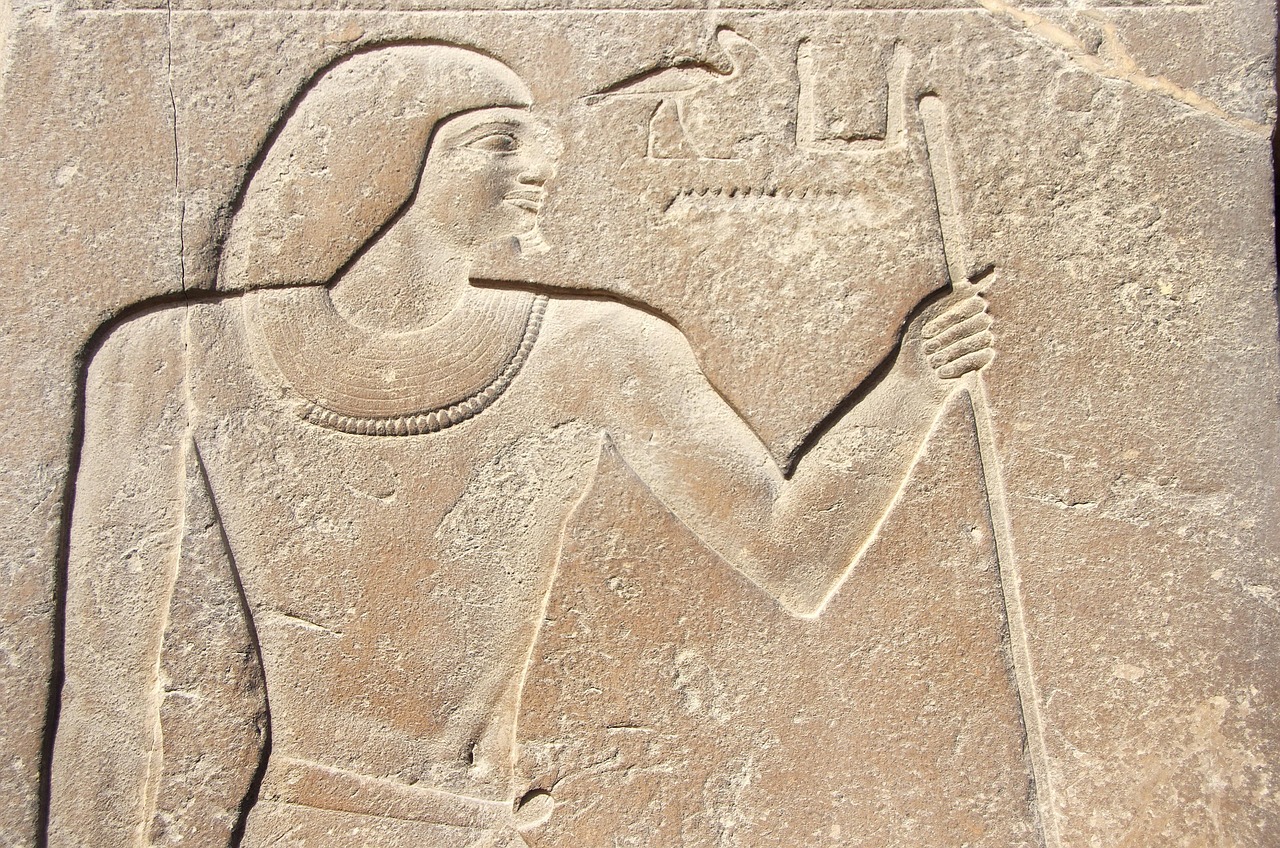
An Old Kingdom tomb at Saqqara, built for Kagemni. Several of its chambers are carved and painted with scenes of daily life.
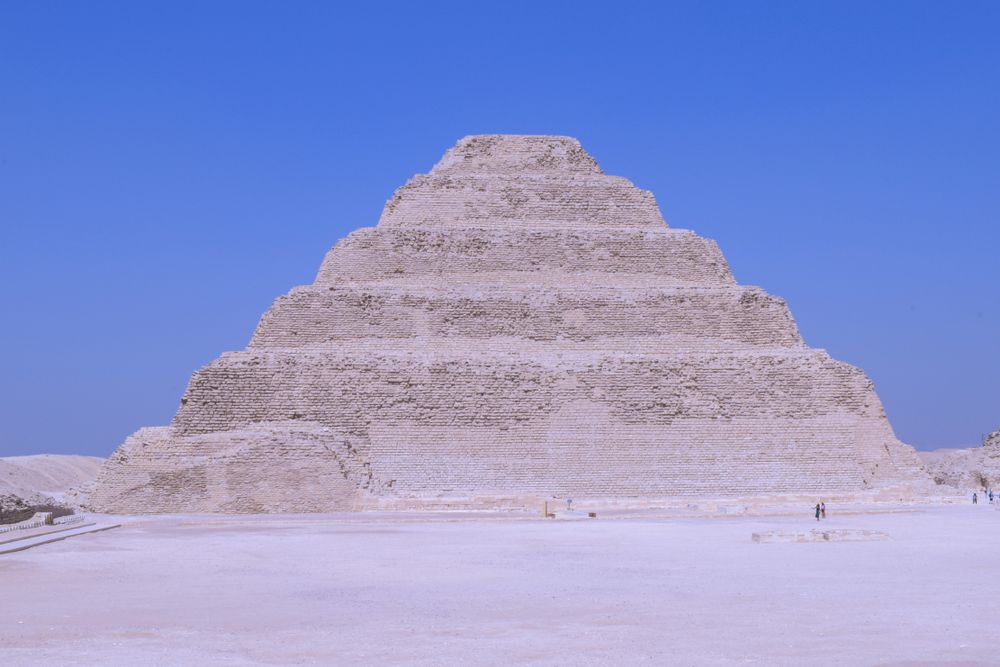
The Step Pyramid of Djoser rises from the Saqqara plateau in six steps to about 62 metres. It is the centrepiece of a walled funerary…
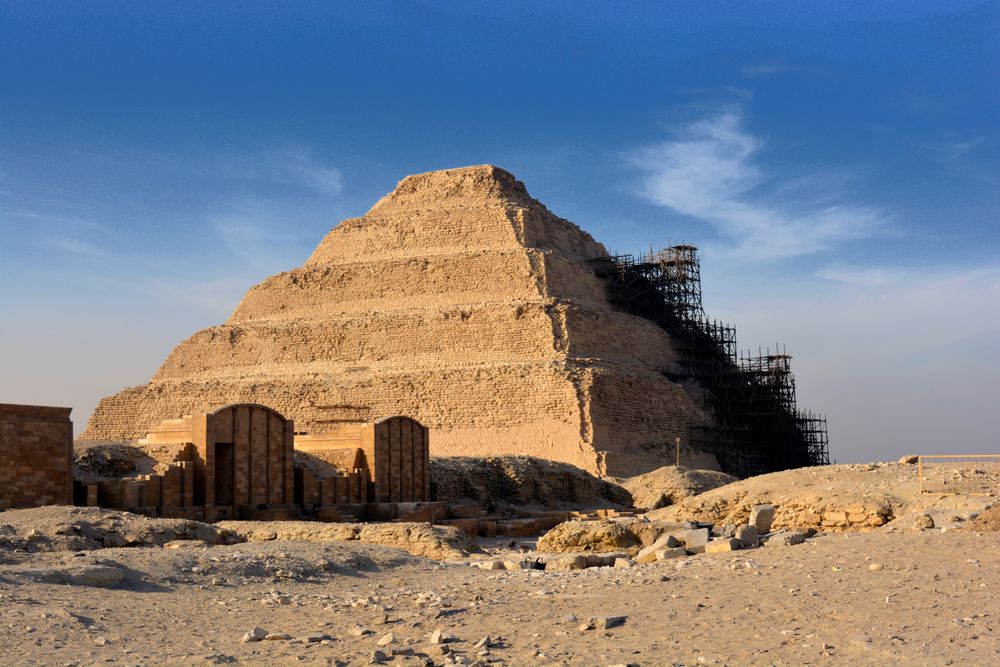
Djoser's Step Pyramid stands here in six great tiers, with painted tombs around it and the granite boxes of the Serapeum below ground. Hire…
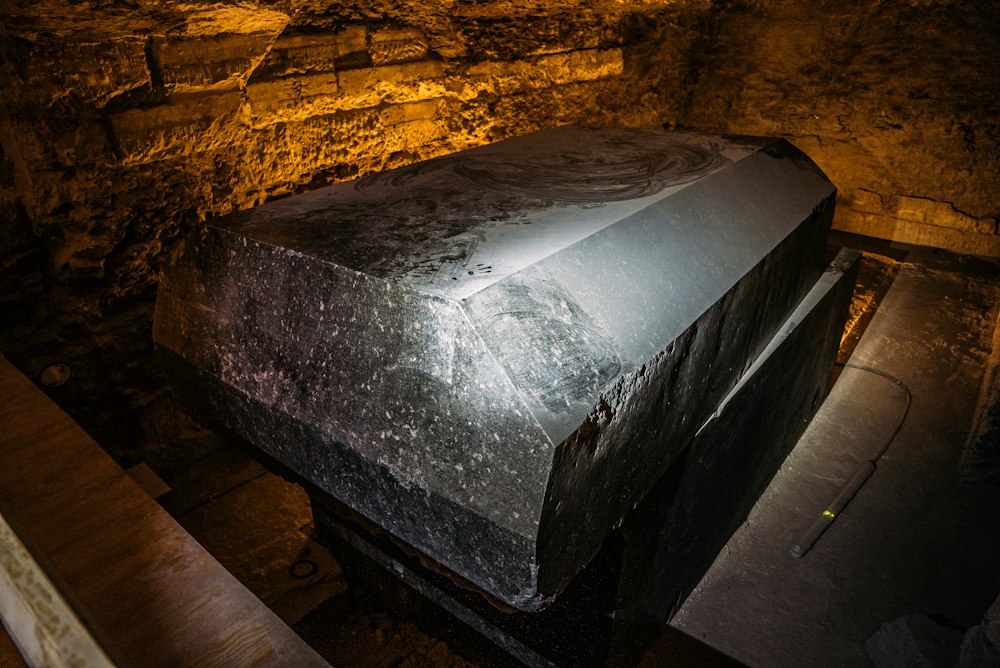
Underground, a set of narrow galleries holds huge stone sarcophagi made for the Apis bulls. The tunnels are cut barely wider than the…
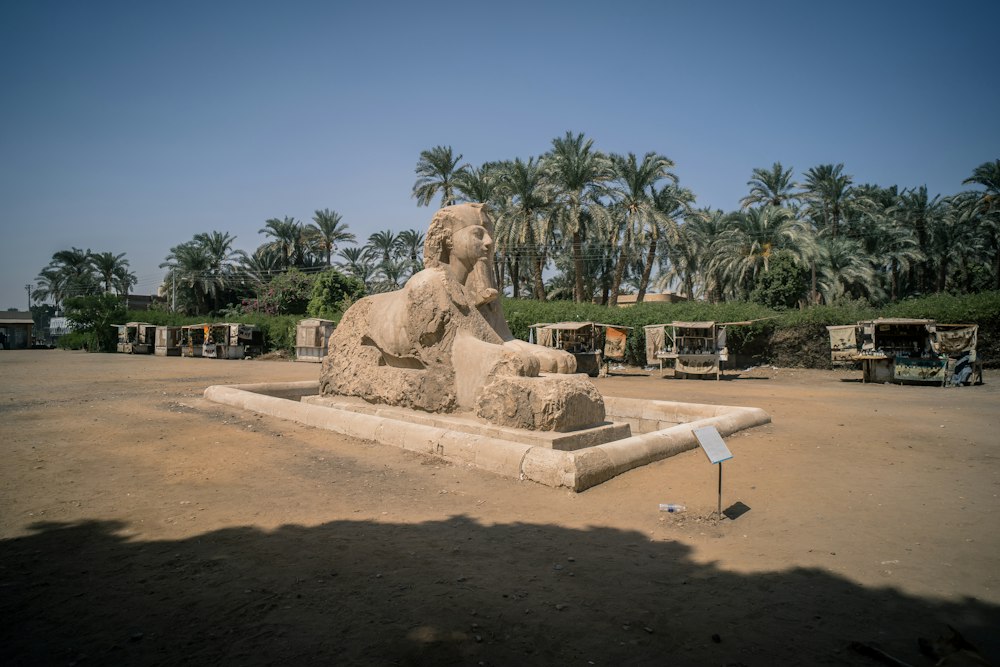
Near Mit Rahina, just south of Giza, the remains of ancient Memphis are shown around a limestone colossus of Ramesses II, about 10 metres…
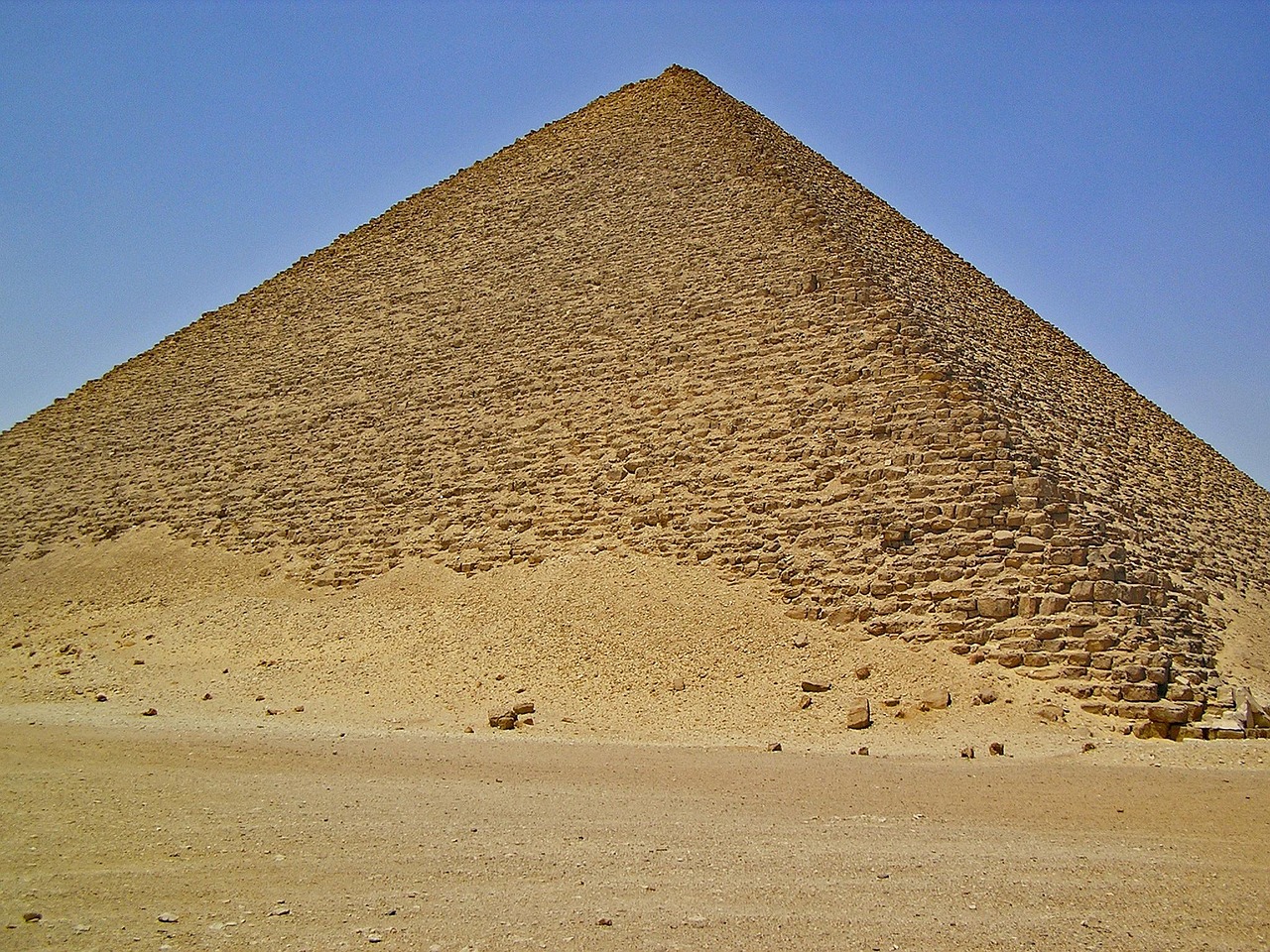
The way into the Red Pyramid is a crouch down a long, low tunnel. The chambers at the bottom are hot, and the passage back up is just as…
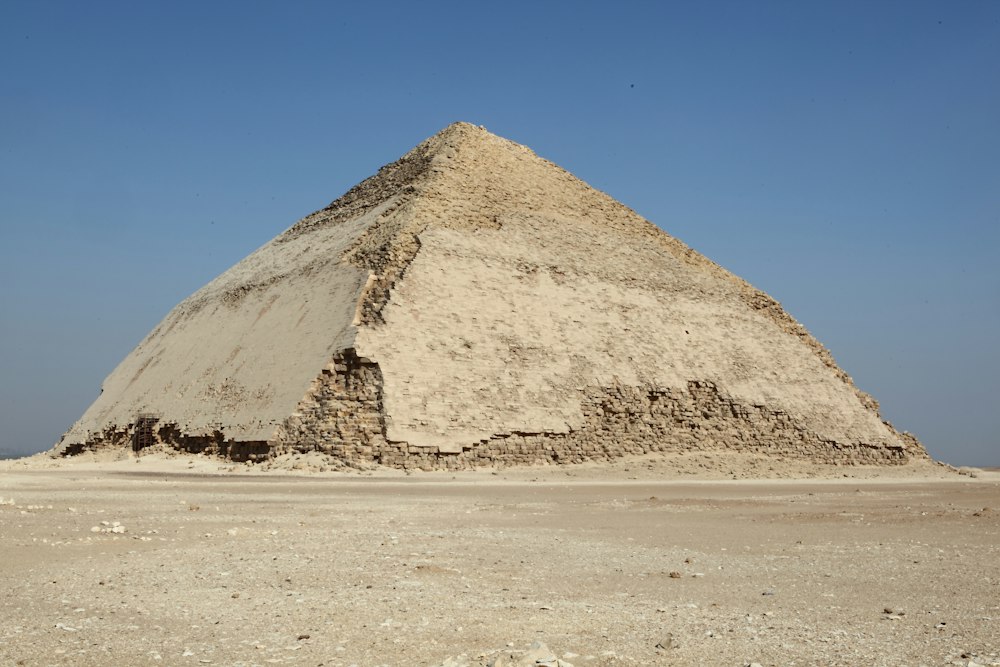
Dahshur's Bent and Red pyramids share one ticketed site south of Giza, a short drive apart, and about two hours covers both with time…
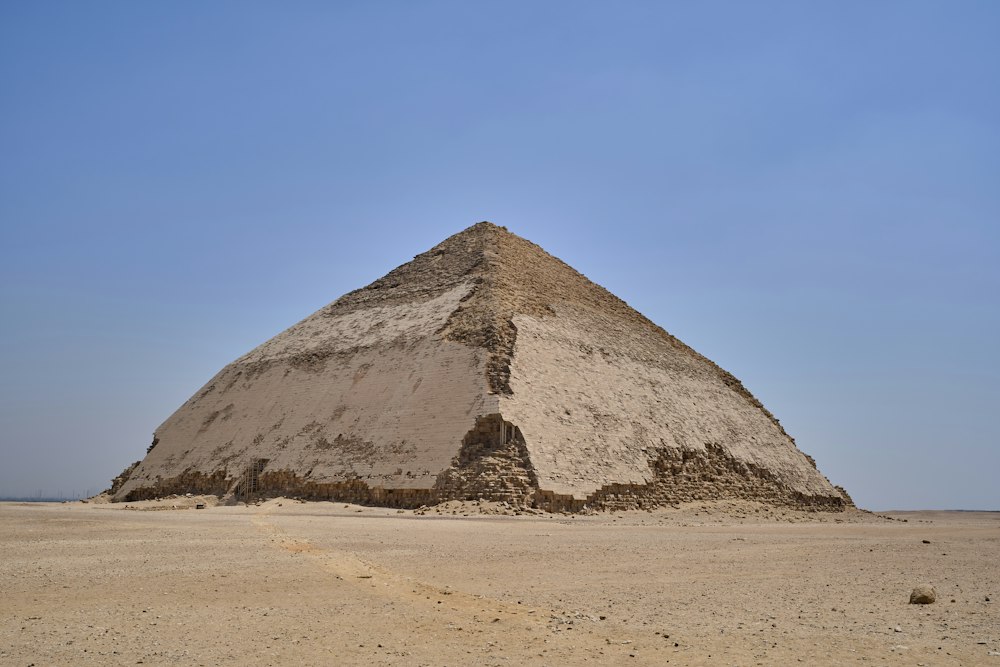
Of the two Dahshur interiors, the Bent Pyramid's long, steep passage is the harder. It was the first attempt at a smooth-sided pyramid.…




Save Mastaba of Mereruka to your Egypt trip in the Meridian Dispatch app and build the day around it, with the best of Giza pinned on one map.
Download on the App StoreThe official pages this guide was checked against.
Last updated