Things to do
17-
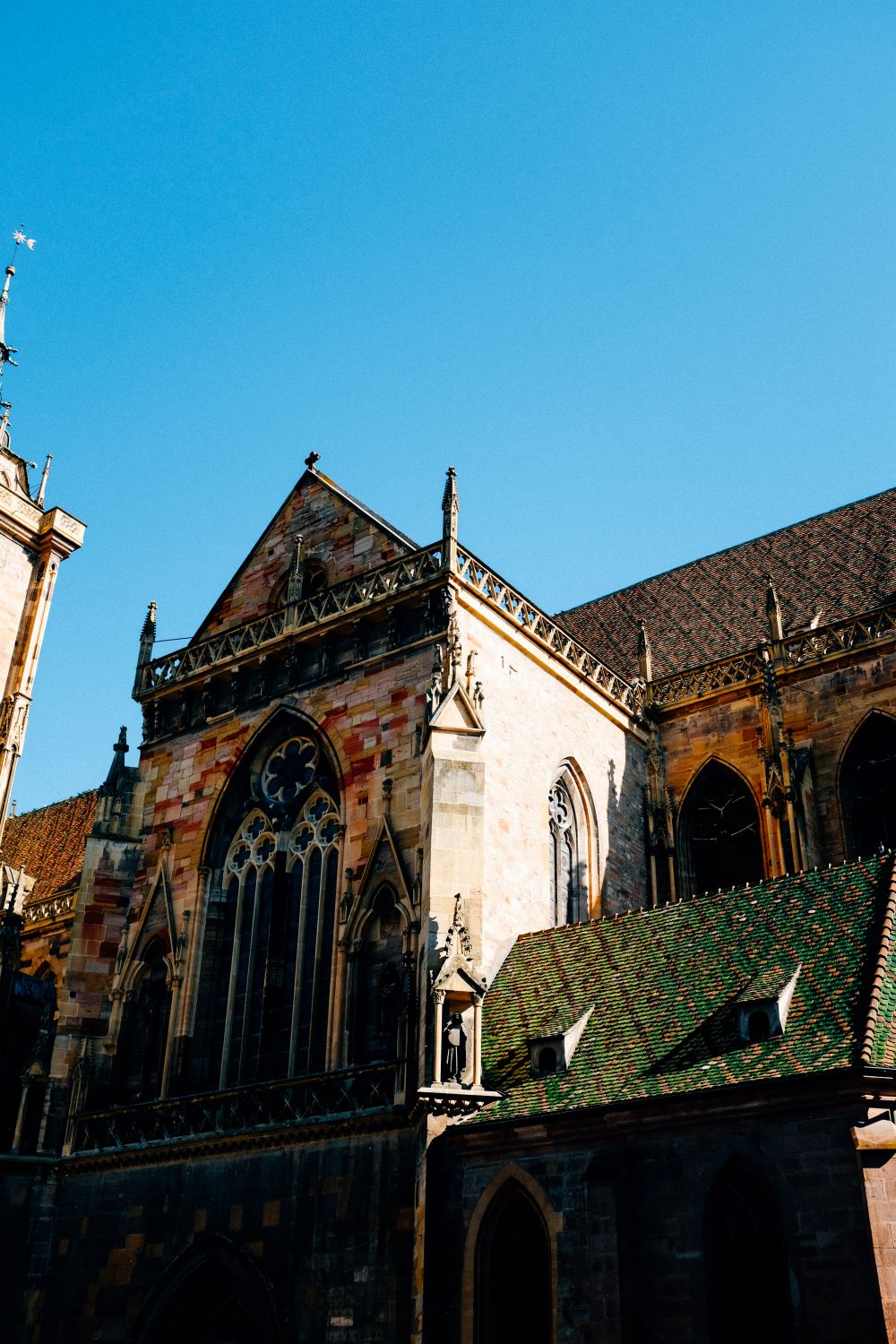
Collégiale Saint-Martin
Colmar's Saint-Martin fills its own square in the middle of the old town, so you will pass it on almost any walk: stop for the carved portal on its south side and, inside, a carved Baroque organ case.
View more → -
Couvent des Dominicains
Come for one painting: Martin Schongauer's Virgin of the Rose Bush, the Virgin seated in a garden of roses at the end of a tall, plain Gothic nave lit by stained glass.
View more → -
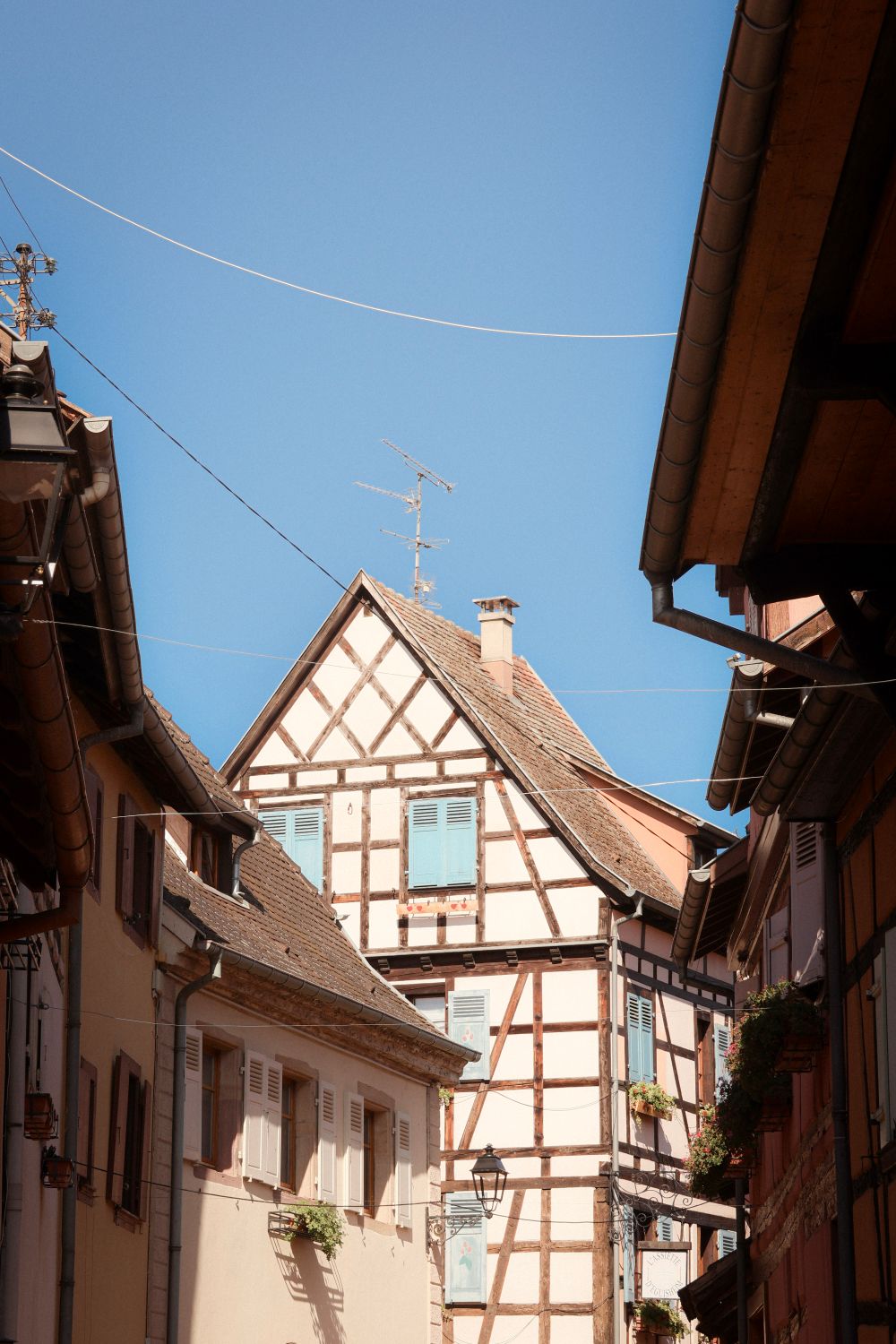
Eguisheim
Worth the short trip from Colmar for its plan alone: the village was built in rings around its castle, so you walk curving lanes of flowered, half-timbered houses that keep bringing you back to the chapel in the middle.
View more → -
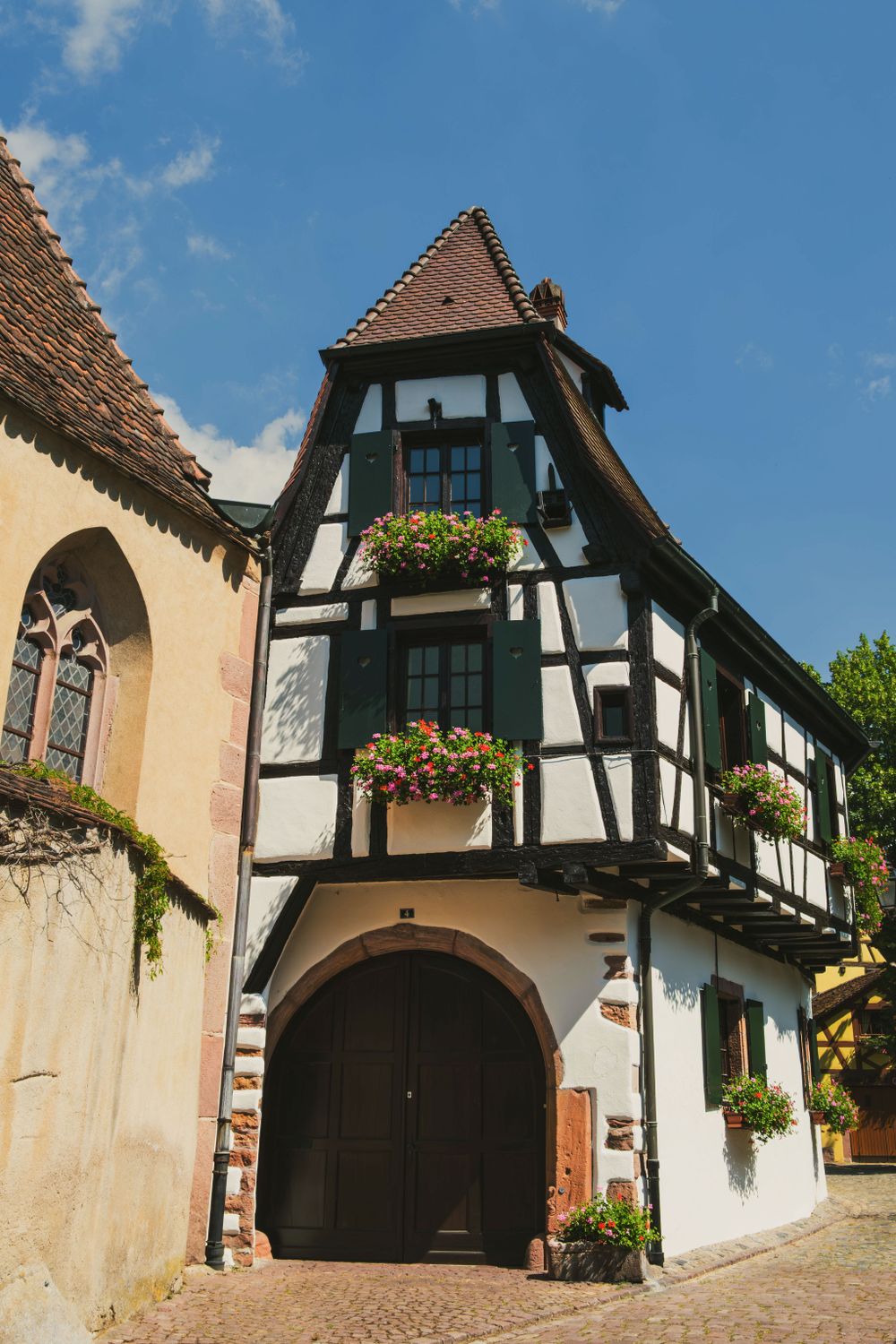
Kaysersberg
One climb sets Kaysersberg apart from its neighbours: 122 steps up the round keep of a ruined castle, with the roofs, the vineyards and the Weiss valley spread out below you.
View more → -
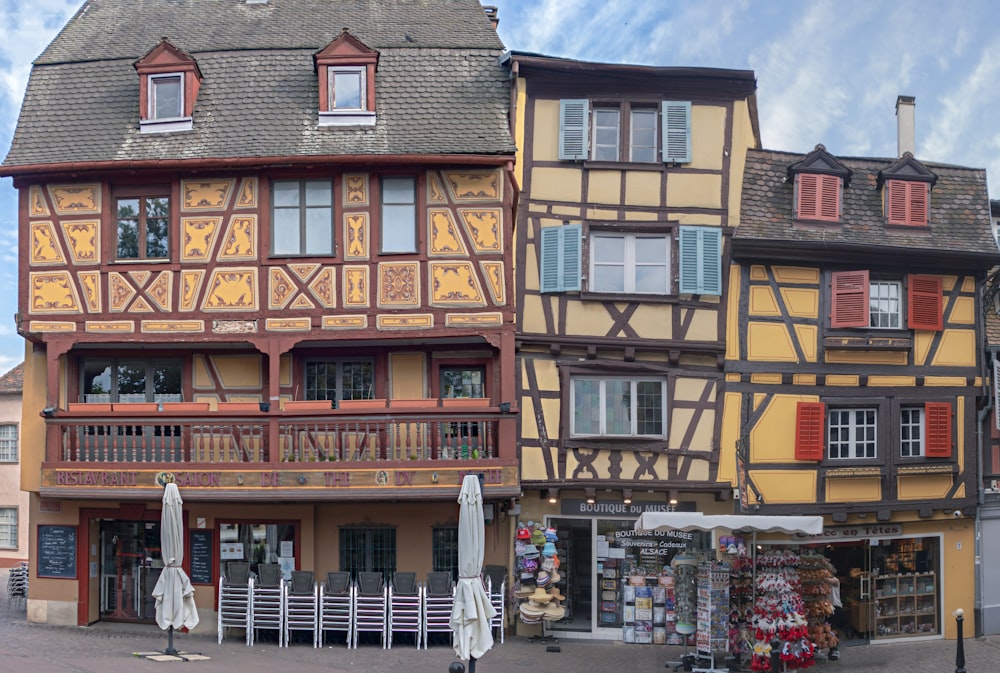
Musée du jouet
Between the game tables on the ground floor and the trains running upstairs, Colmar's toy museum is one your children will lead you round, rather than the other way about.
View more → -
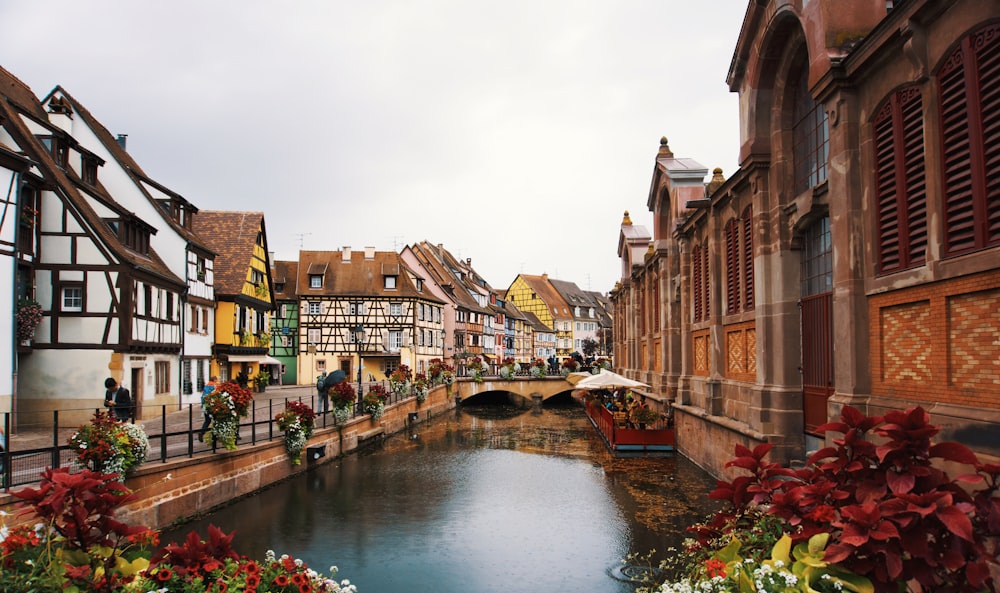
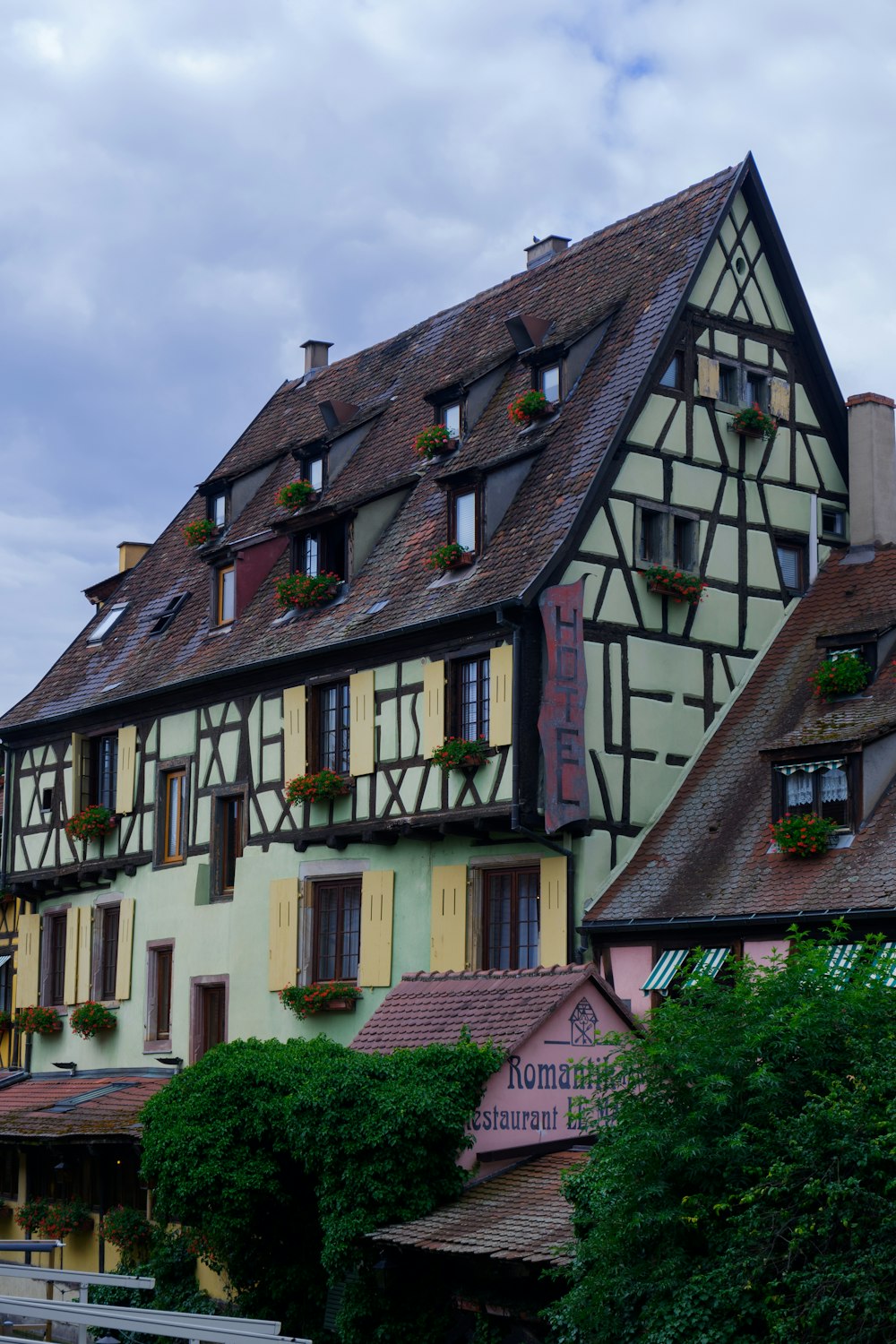
Petite Venise
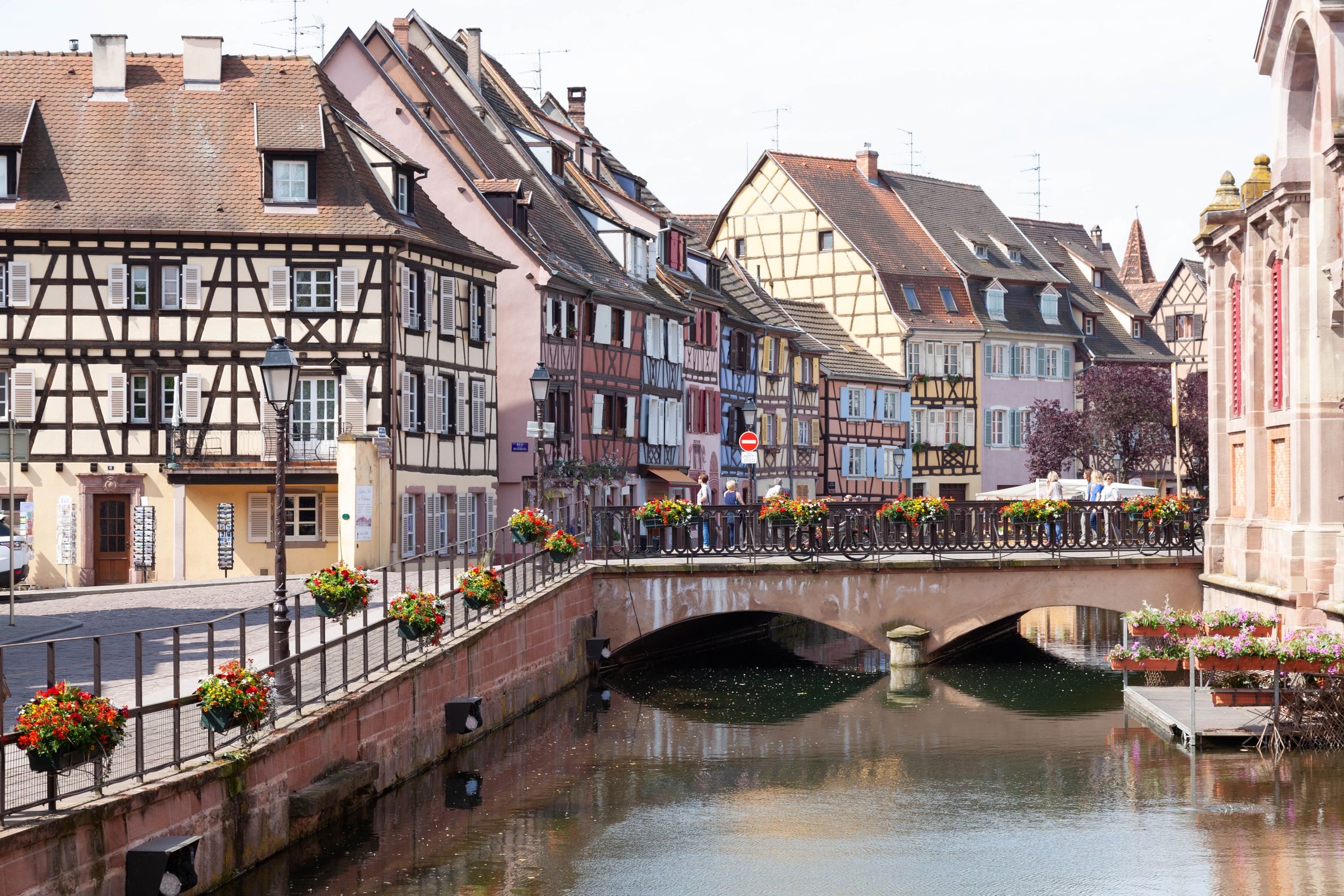
Taking a boat down the Lauch, or standing on the Petite Venise bridge at the end of the rue de la Poissonnerie, gives you the view Colmar is known for: half-timbered houses rising straight out of the water on both banks.
View more → -
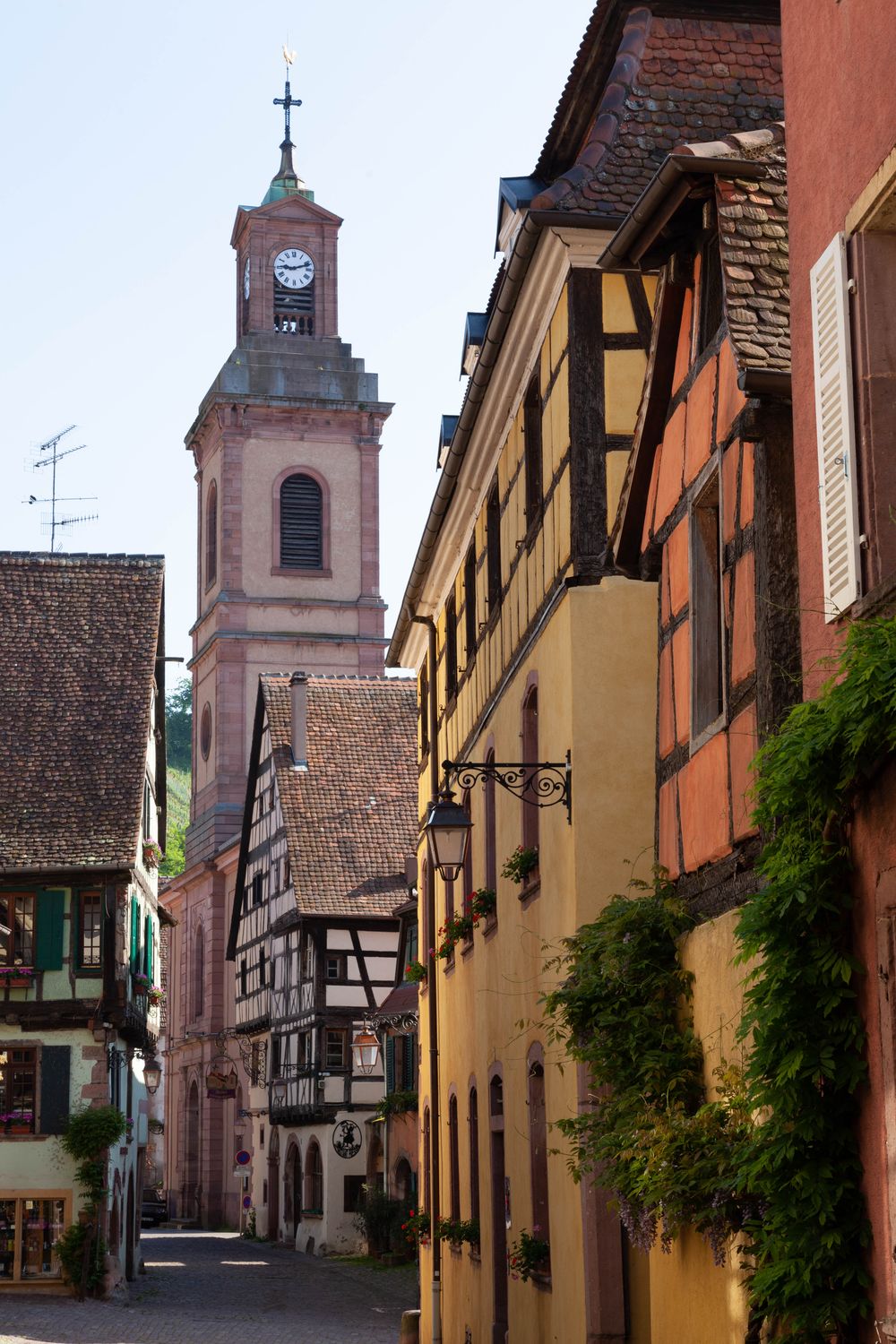
Riquewihr
A short trip from Colmar gives you a walled wine village where you can climb a medieval gate tower, walk the quiet old ramparts and follow a trail out into the Grand Cru vineyards.
View more → -
Château du Haut-Koenigsbourg
Drive up for the opening and climb to the top terrace first, before the coaches arrive; on a clear day the view runs across the Rhine plain to the Black Forest.
-
Koïfhus
Start your walk here: the rue des Marchands, the Tanners' quarter and Little Venice all lead off the square.
-
Maison des Têtes
Stand across the rue des Têtes and look up: the 106 carved faces cover the front of the house, and the best are on the gable and the oriel window.
-
Maison Pfister
Look up at it from the street corner early in the morning, before the tour groups stop in front of it.
-
Marché couvert
Buy your picnic here on a weekday morning, bread, Munster cheese and charcuterie, and eat it by the water at the end of the hall.
-
Musée Bartholdi
If the Statue of Liberty brought you to Colmar, this is the house to see; check it is not a Monday, or between New Year and early February, before you walk over.
-
Musée Unterlinden
Give the Isenheim altarpiece the first hour of your visit, and do not plan it for a Tuesday, when the museum is shut.
-
Neuf-Brisach
Pair it with a crossing to Breisach on the German bank, a few kilometres east, for a half day of fortifications on both sides of the Rhine.
-
Quartier des Tanneurs
Walk it before ten, while the café terraces are still empty, and look up at the open lofts under the roofs.
-
Turckheim
Come after dinner for the night watchman's round at ten, and arrange your ride back to Colmar before you set out.