 Submit a photo
Ninety seconds on Panathenaic Stadium
The stadium opens at 8am every day. It closes at 7pm from March to October and at 5pm from November to February. Concerts and other major events can close the track or shorten the day, and the stadium announces changes on its official website.
Yes, whenever the track is open, at the runner's own risk and without disturbing other visitors. The hour from 8am to 9am is set aside for jogging, except on days of major events such as the marathon finish. Runners need a ticket and must sign the stadium's terms-of-use form in advance.
Yes. The Hellenic Olympic Committee sells them on the stadium's official ticket site, and the box office at the entrance takes cash or card. In winter, online sales stop at 4.30pm.
Climb to the upper rows and one view takes in the Acropolis, Lycabettus Hill and the full sweep of seats below, at an ancient stadium you walk into rather than look at from behind a rope.
The seats fill a fold between two hills, Ardittos and Agra, with the open end facing the avenue. The stone is Pentelic, from the same quarries as the Parthenon, and the bowl was rebuilt on its ancient footprint for the first modern Olympics in 1896.
At the curved end, an arched opening leads into the vaulted passage the athletes walked through, cool and low. Beyond it, a small exhibition holds a torch and a poster from each Games.
The flame for every Games is still handed to its next host on this track. On the way round, look for the two thrones made for the King and Queen of Greece.
Past the ticket desk, take the audio guide handed out at the entrance. It runs about half an hour, and numbered signs around the stadium cue each section, so you can follow it at your own pace.
Walk the track to the curved far end and go through the passage there to the exhibition, which takes about fifteen minutes if you read the labels.
Back on the track, head up to the top seats of Section 21 and sit for a while. Stop for a photograph on the winners' podium, then buy coffee or a snack on the way out at the canteen to the right of the entrance.
For a free look first, walk up Ardittos Hill, the wooded park behind the stadium, which looks down into the whole bowl. An hour before sunset is the time to go. The Temple of Olympian Zeus is about ten minutes' walk away and the Acropolis about twenty, so the stadium fits between them in one morning.
Bring water and a hat in summer, since the stands have no shade outside the vaulted passage. Take particular care on the steps in winter rain, since they are worn into shallow dips.
Explore the rest of Athens
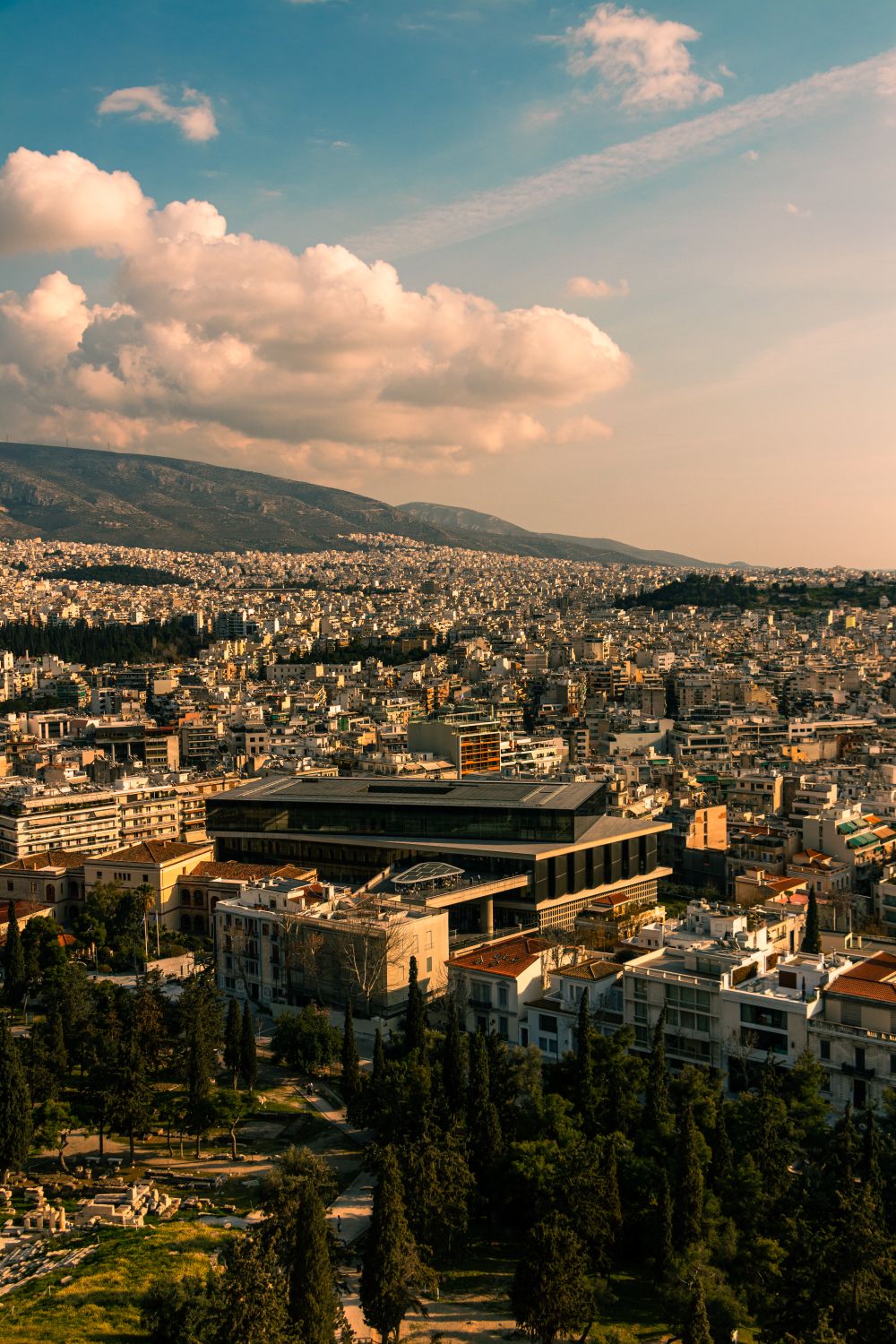
Opened in 2009 at the foot of the rock, over an excavated ancient neighbourhood seen through glass floors. The top gallery matches the…
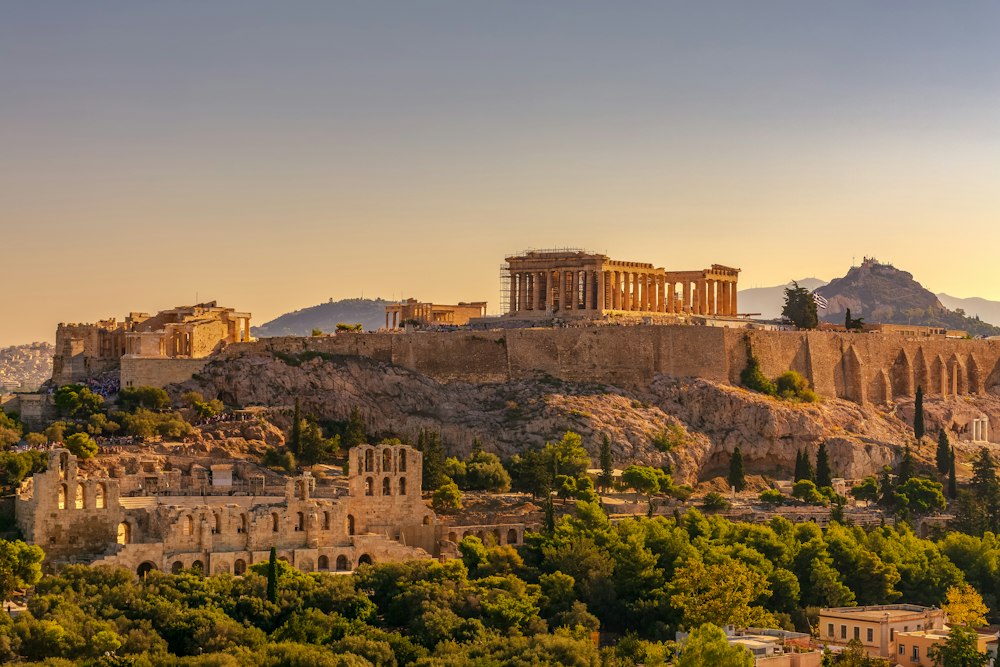
The sacred rock above the city, rebuilt in marble under Pericles after the Persians burned it. Visitors climb through the great gateway…
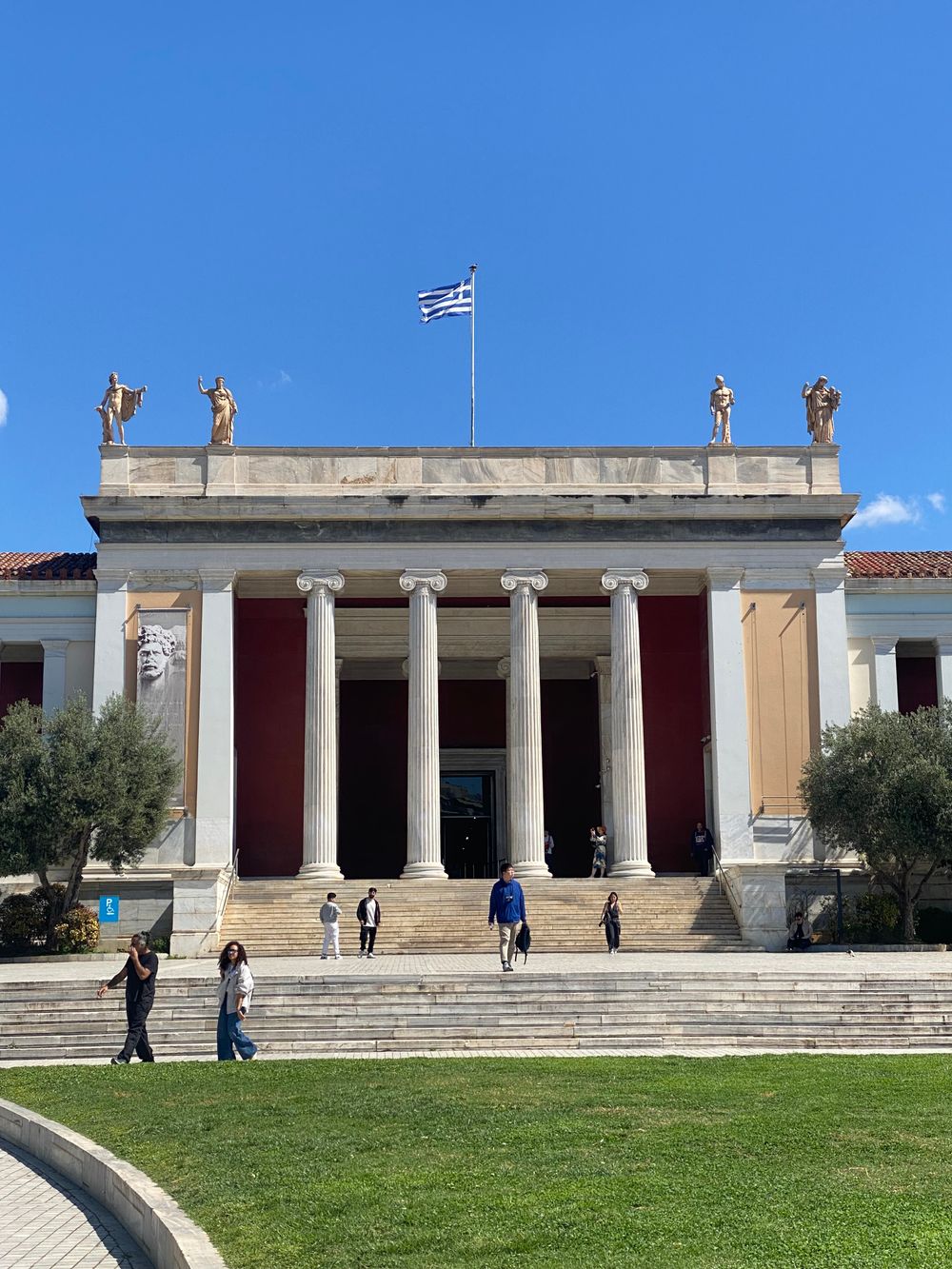
The country's main collection of antiquities, a short metro ride north of the centre and far less visited than it deserves. The gold death…
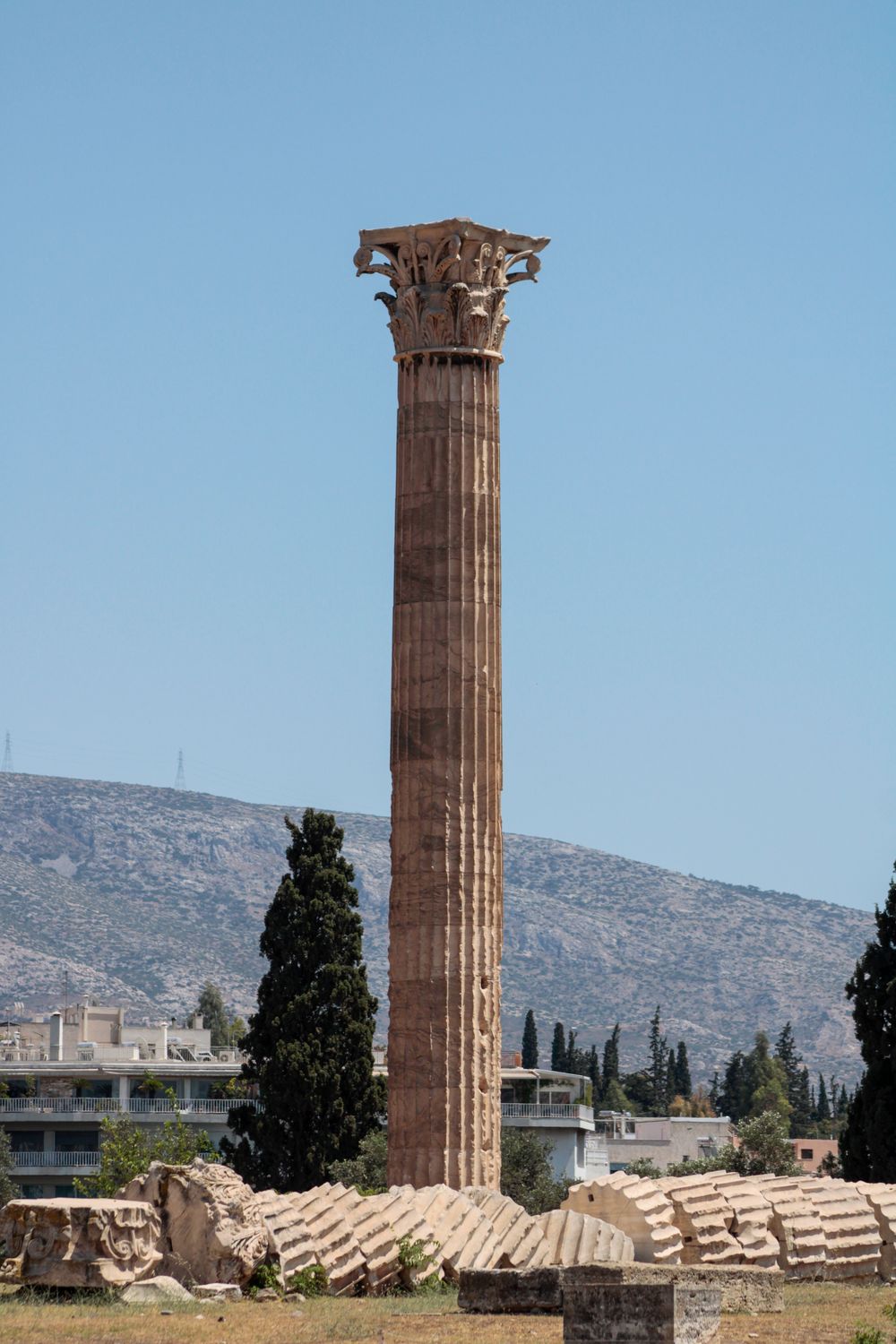
Started by Athenian tyrants in the sixth century BC and abandoned for lack of money, this colossal temple was finally completed by the…
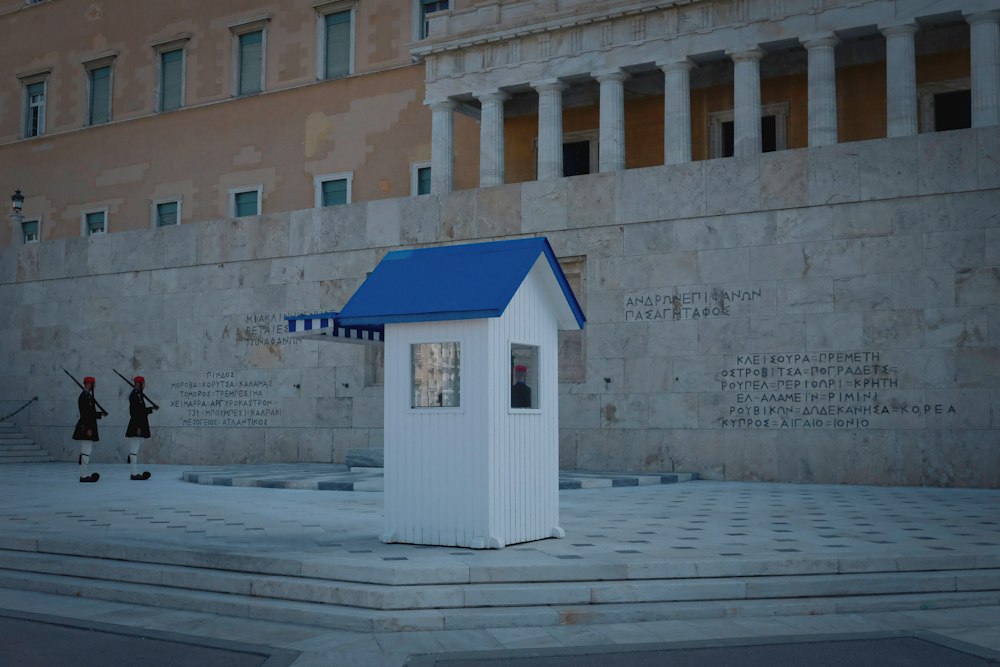
The city's central square, below the parliament building and the tomb of the unknown soldier. Two presidential guards in pleated kilts and…
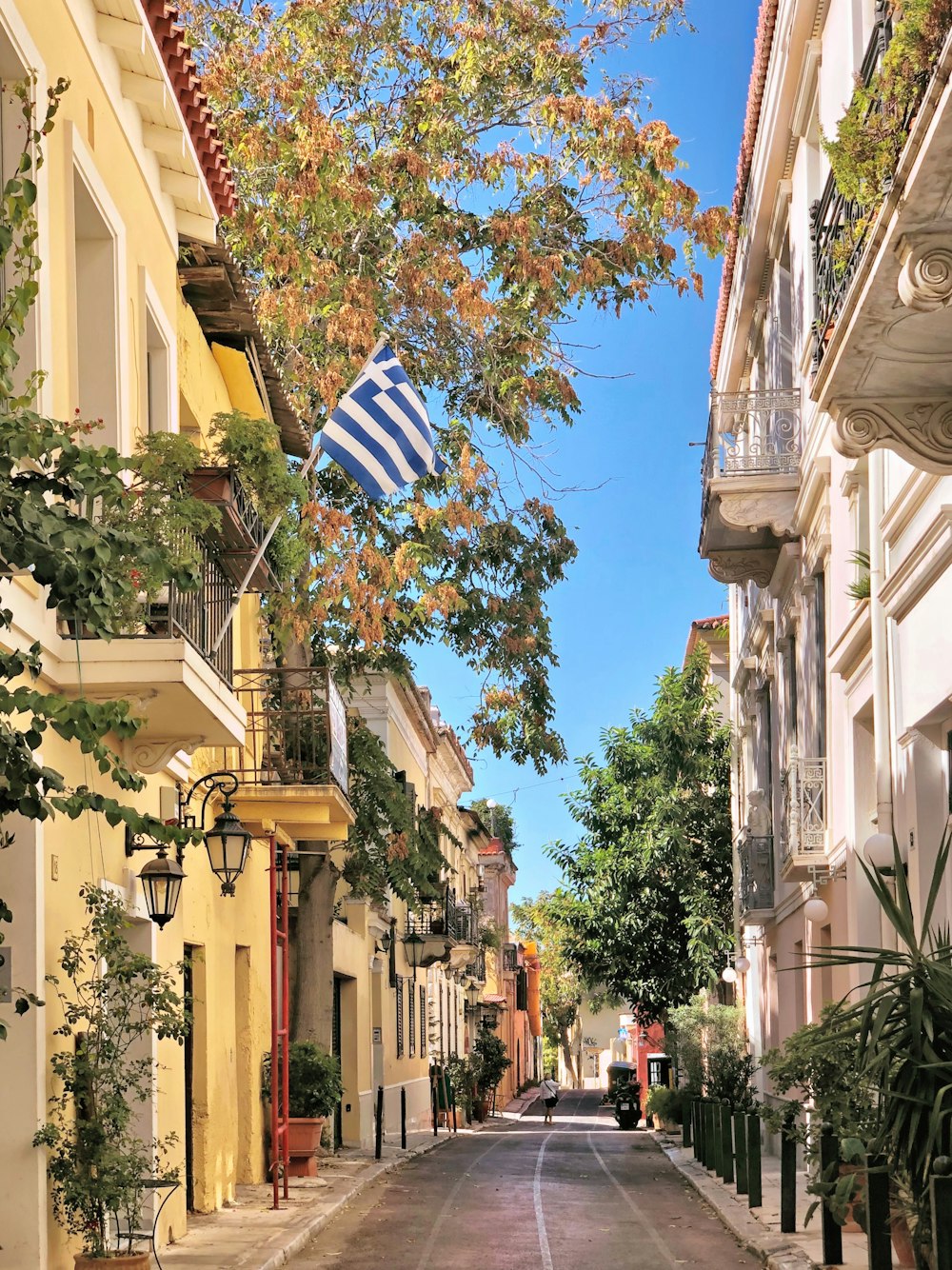
The old town on the north slope of the Acropolis, a pedestrian maze of neoclassical houses, souvenir shops and tavernas with hosts working…
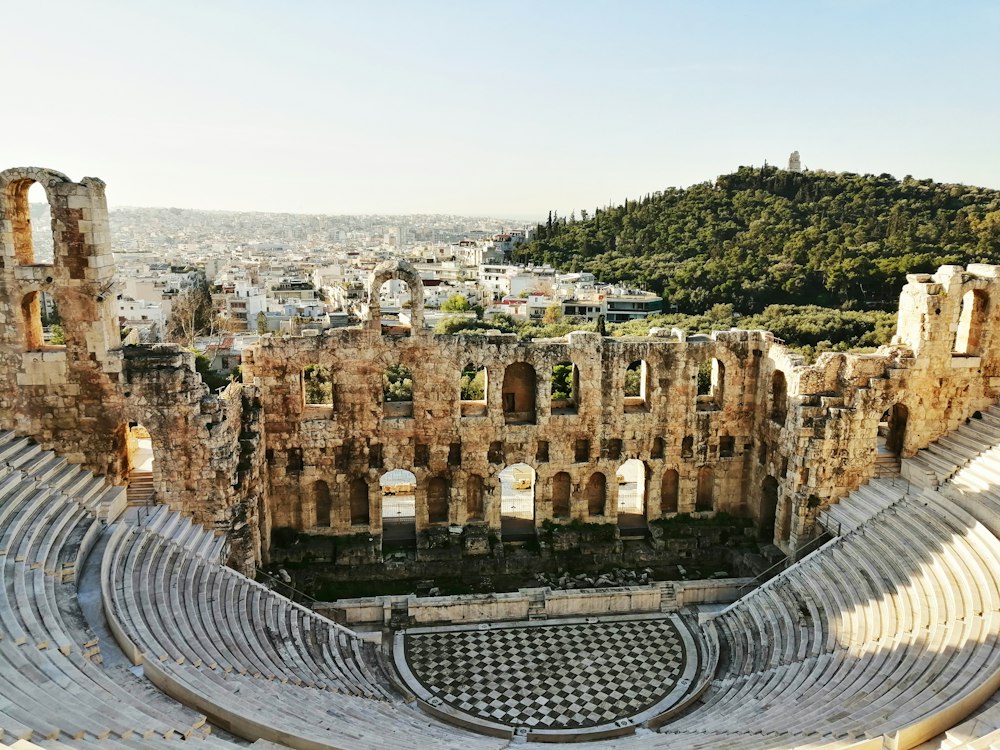
A steep stone theatre built into the south slope of the Acropolis in AD 161 by a wealthy Athenian in memory of his wife, and restored with…
A rock with a temple on it stands in the middle of a concrete city of three million, visible from most street corners, and that is the…
The official pages this guide was checked against.
Last updated