Globe Countries Cities Itineraries World's Best Hotels Events Login
The front of the National Archaeological Museum on Patission Street, Athens

National Archaeological Museum

Museum · Greek antiquities, Neolithic to Roman
Add this to your itinerary
Museum  ·  Athens, Greece 37.9892°N   23.7322°E

The museum at a glance

Mycenaean gold, sea-found bronzes and the Antikythera wreck

Time needed
About 3 hoursGround floor first
Must-sees
2 worksEach with its room
Hours
8.30am to 3.30pmMid-Nov to May; Tue 1 to 8pm
Closed
Six holidaysOpen every other day
Tickets
Online or at the deskNo-queue tickets online
Access
Step-freeLifts to both floors
Guide
Not neededGo on your own
The collection

What is in the National Archaeological Museum in Athens?

Greek antiquities from the Neolithic to the Roman period: Mycenaean gold, Cycladic marbles, sculpture in marble and bronze, and the finds from the Antikythera shipwreck on the ground floor, with the Akrotiri wall paintings and the vases upstairs.

Artemision bronze

Where is the Artemision Bronze, the statue of Zeus or Poseidon?

In Room 15 on the ground floor, among the early Classical sculpture. The jockey and horse recovered from the same wreck off Cape Artemision stand further on, in Room 34.

Antikythera mechanism

Where is the Antikythera mechanism in the National Archaeological Museum?

In Room 38, with the other finds from the Antikythera shipwreck, in the metalwork galleries in the north-east corner of the ground floor. The museum calls it the most significant scientific instrument of antiquity.

Time

How long do you need at the National Archaeological Museum?

About three hours covers the ground floor and the Akrotiri room upstairs. The vases alone fill fifteen rooms on the first floor, so leave them for a second visit if time is short.

Parthenon

Are the Parthenon sculptures in the National Archaeological Museum?

No. The sculpture Athens kept from the Parthenon is in the Acropolis Museum, south of the Acropolis. The National Archaeological Museum holds sculpture from the rest of Greece and from Attica's cemeteries and sanctuaries.

One building holds the gold of Mycenae, the bronze god lifted from the sea off Cape Artemision and the gears of the Antikythera mechanism, nearly all of it on one floor.

What is here, and what isn't

This is Greece's national collection of antiquities, from Neolithic pots to Roman portraits, gathered from every part of the country. The famous pieces are the Mycenaean gold, the marble sculpture and a handful of bronzes that survived because they sank.

From the Neolithic to late Rome

  1. 6000s BCNeolithic Greece
  2. 3000s BCCycladic marbles
  3. 1600s BCMycenaean gold
  4. 500s BCThe kouroi
  5. 460 BCArtemision bronze
  6. 60s BCAntikythera wreck
  7. 400s ADLate Roman

For the Parthenon itself, go to the Acropolis Museum, a short metro ride south.

How the museum is organised

The ground floor holds almost everything famous. The prehistoric collections come first: the Mycenaean gold in Room 4, then the Neolithic finds and the Cycladic marbles in the rooms beside it.

The sculpture runs on from there in date order, from the stiff early kouroi to Roman portraits. The metalwork galleries fill the north-east corner, with the Antikythera mechanism among the shipwreck finds in Room 38, and Egypt has two rooms of its own.

The first floor is quieter and full of cases. The Akrotiri wall paintings from Santorini have a room to themselves, and the vases fill fifteen more, with the jewellery, the glass and Cyprus after them.

When to come

In winter, from mid-November to early May, the museum closes at 3.30pm from Wednesday to Monday, so give it a morning, not an afternoon. Tuesday opens only at 1pm and stays open until 8pm all year.

Start with the Mycenaean gold in Room 4, then walk the sculpture in date order. Leave the first floor for the end of the visit.

What you came for

Two of the bronzes the sea gave back, each with its room, why it matters and how to see it well.

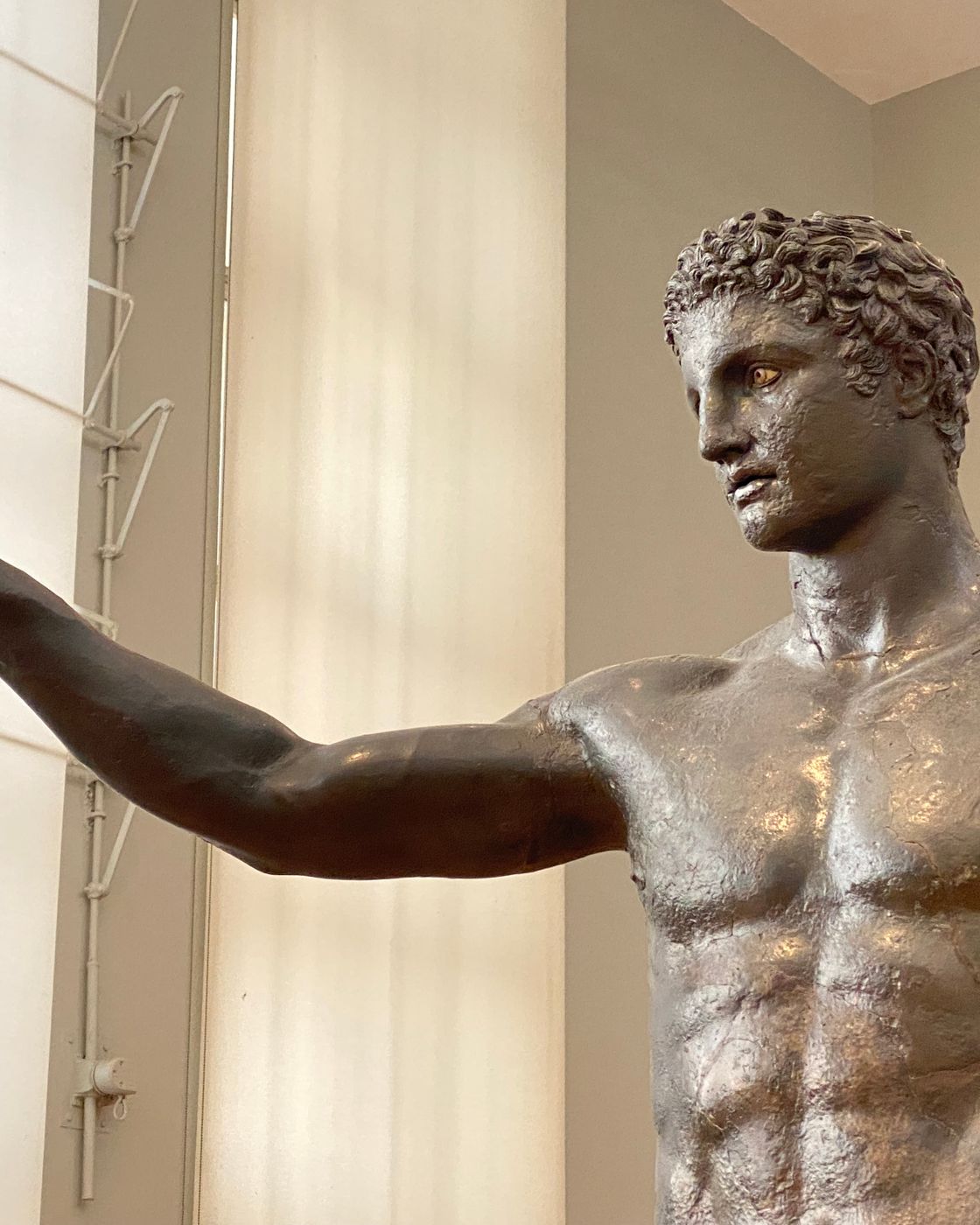
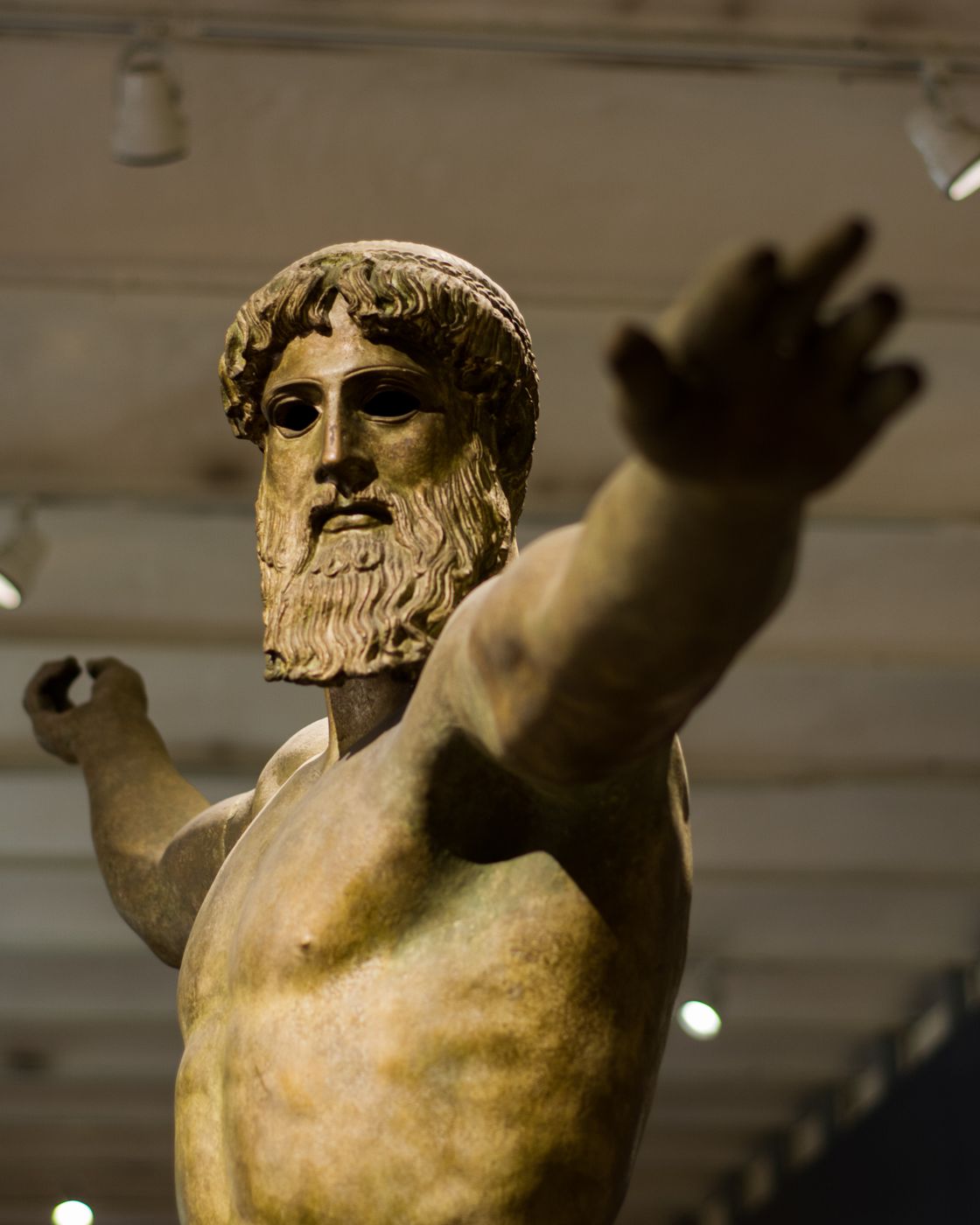
The bearded bronze god from Cape Artemision, arm outstretched, in the National Archaeological Museum

The Artemision Bronze

Early Classical Greece, about 460 BC
Room 15Ground floor

A bronze god, Zeus with a thunderbolt or Poseidon with a trident, lifted from the seabed off Cape Artemision after divers found the wreck in 1926. Most ancient bronzes were melted down for their metal, so a full-size original like this is rare. Stand to one side to see the arms in one line, from the outstretched left hand to the throwing right.

The bronze Antikythera Youth with his right arm raised, in the sculpture galleries

The Antikythera Youth

Late Classical Greece, about 340 BC
Room 28Ground floor

Sponge divers found this young man in 1900 in the Antikythera shipwreck, the same wreck that gave up the mechanism, and he was the first of the great bronzes recovered from Greek waters in the twentieth century. He shares a room with the bronze boy from the sea off Marathon, so see the two side by side.

What is on this week

Temporary exhibitions change every few months: see the current exhibitions on namuseum.gr.

Know before you goEntry is free for all visitors on the first and third Sunday of each month from November to March. Single rooms can close at short notice while an exhibition is installed, and the museum posts these closures on its news page.

Nearby

More of ancient Athens

Acropolis of Athens
Site · The temples themselves

Acropolis of Athens

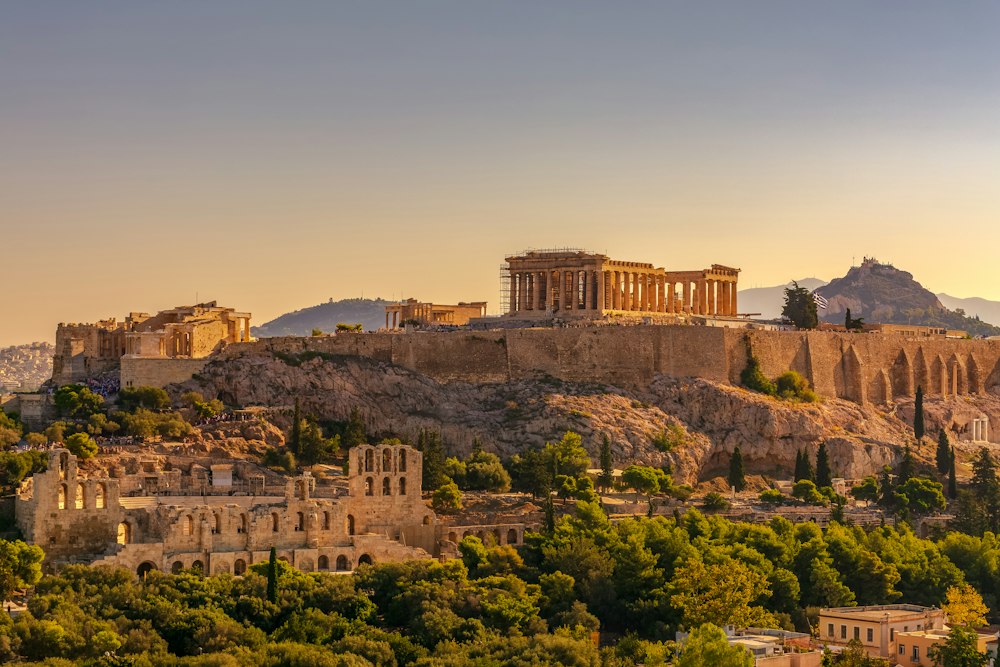
The Parthenon and the Erechtheion on their rock, the buildings much of this sculpture was made to stand beside.

Acropolis Museum
Museum · Under the rock

Acropolis Museum

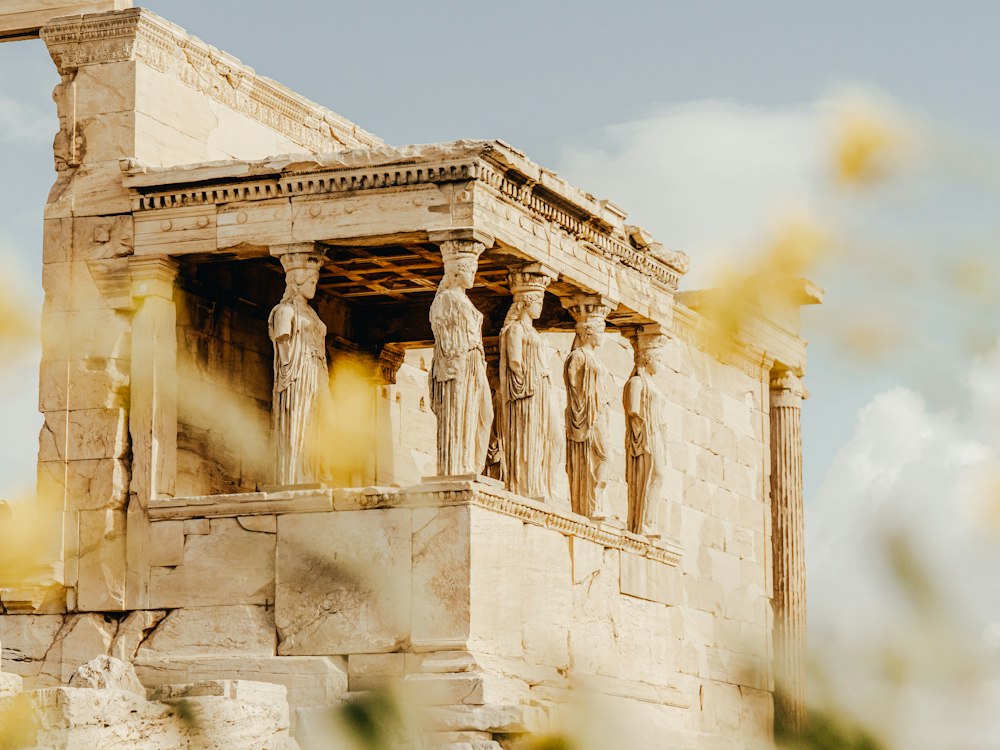
The Parthenon frieze Athens kept and the original Erechtheion maidens, in a glass building below the Acropolis.

Temple of Poseidon at Sounion
Temple · Where the Sounion kouros stood

Temple of Poseidon at Sounion

The sanctuary on the cape where the great kouros in this museum's early sculpture rooms was dedicated, a day trip down the coast.

Sources 1

The official pages this guide was checked against.

Last updated