Things to do
13-
Acropolis Museum
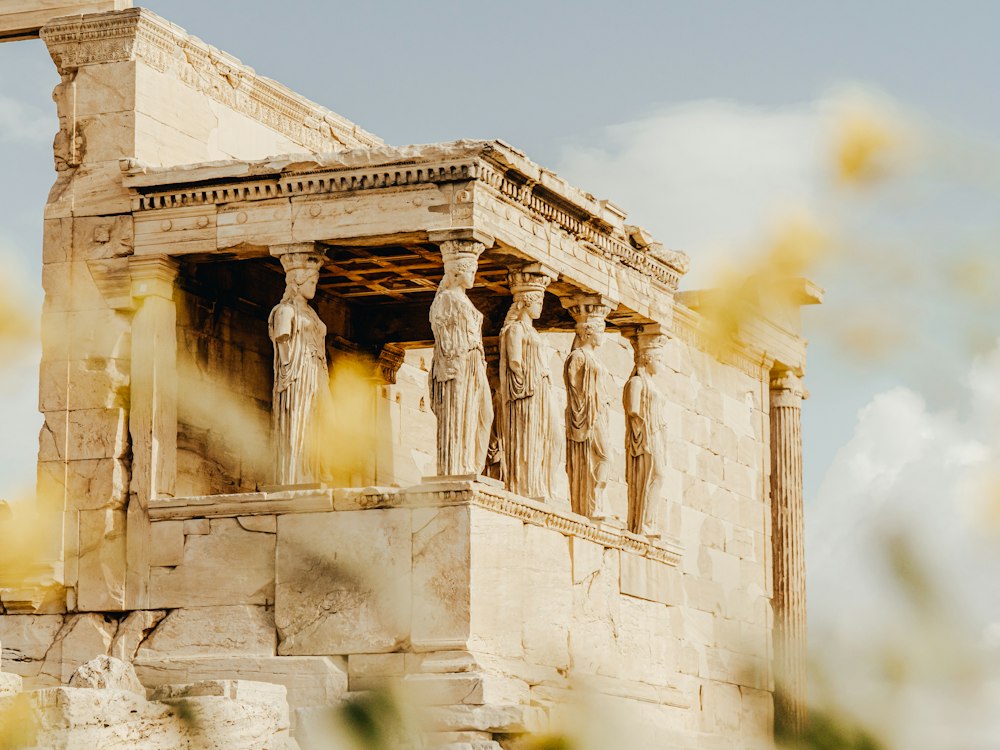
Opened in 2009 at the foot of the rock, over an excavated ancient neighbourhood seen through glass floors. The top gallery matches the Parthenon's dimensions and alignment, with the temple itself in view through the windows. Original frieze blocks are mounted beside white plaster casts of the ones held in London, an argument made without a word. Five of the six Caryatids stand downstairs.
-
Acropolis of Athens
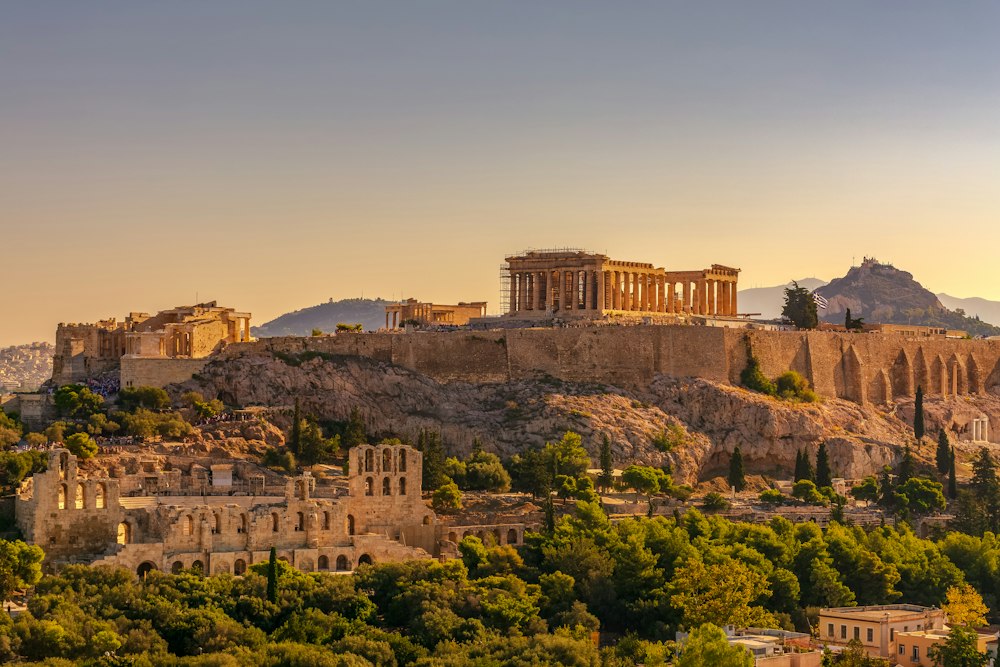
The sacred rock above the city, rebuilt in marble under Pericles after the Persians burned it. Visitors climb through the great gateway past the small temple of Athena Nike to the Parthenon and the Erechtheion with its porch of maidens. Entry runs on timed slots with a daily cap. The worn marble underfoot is slippery even when dry, so wear shoes with grip.
-
Ancient Agora
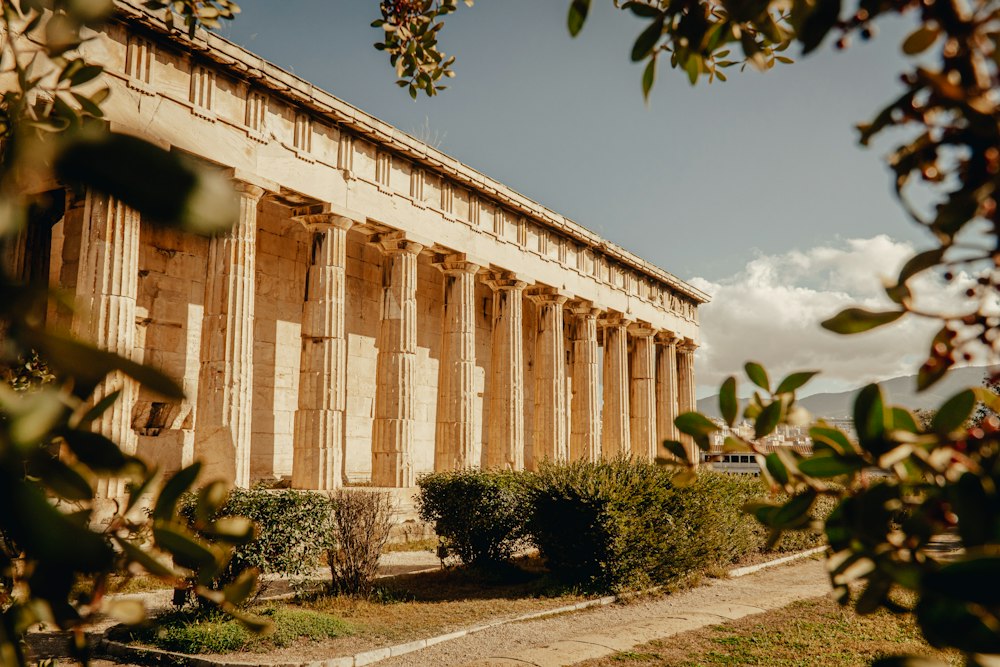
The marketplace and civic centre where Athenian democracy was actually conducted, and where Socrates argued and was tried. Most of it is foundations among olive trees. Two buildings stand complete: the temple of Hephaestus on its low hill, the most intact Doric temple in Greece, and a long colonnade rebuilt in the 1950s that houses the finds, including the clay ballots used to exile politicians.
-
Monastiraki
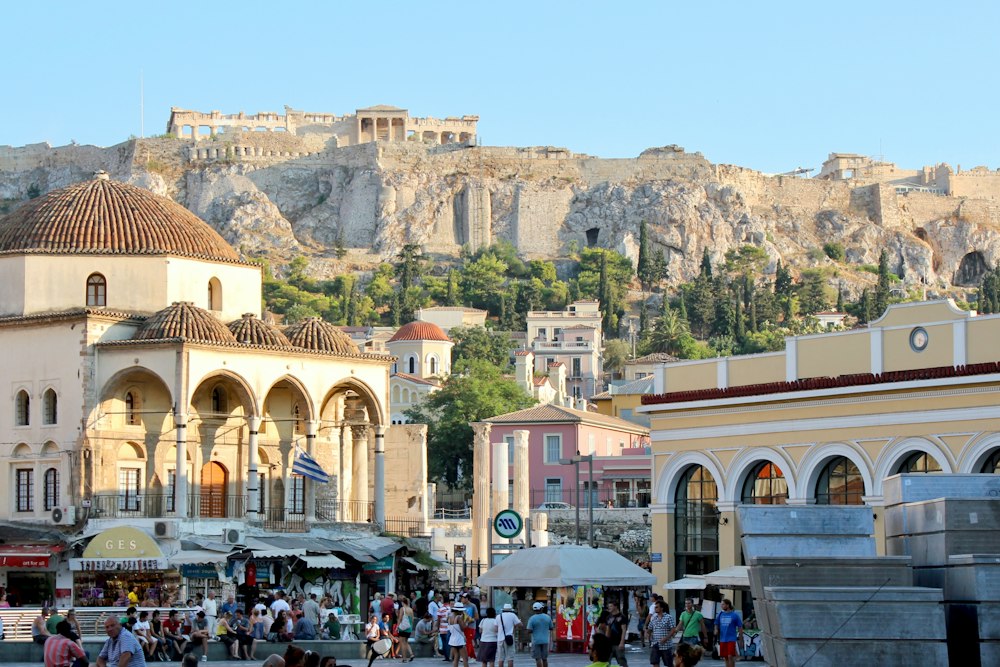
A square where a metro station, an Ottoman mosque, a Byzantine church and the columns of Hadrian's library share one view with the Acropolis above. The flea market runs off it down Ifestou street: leather sandals, worry beads, old records, brassware. On Sunday mornings the real junk dealers spread out around Avissinias square. Souvlaki shops at the corner trade day and night.
-
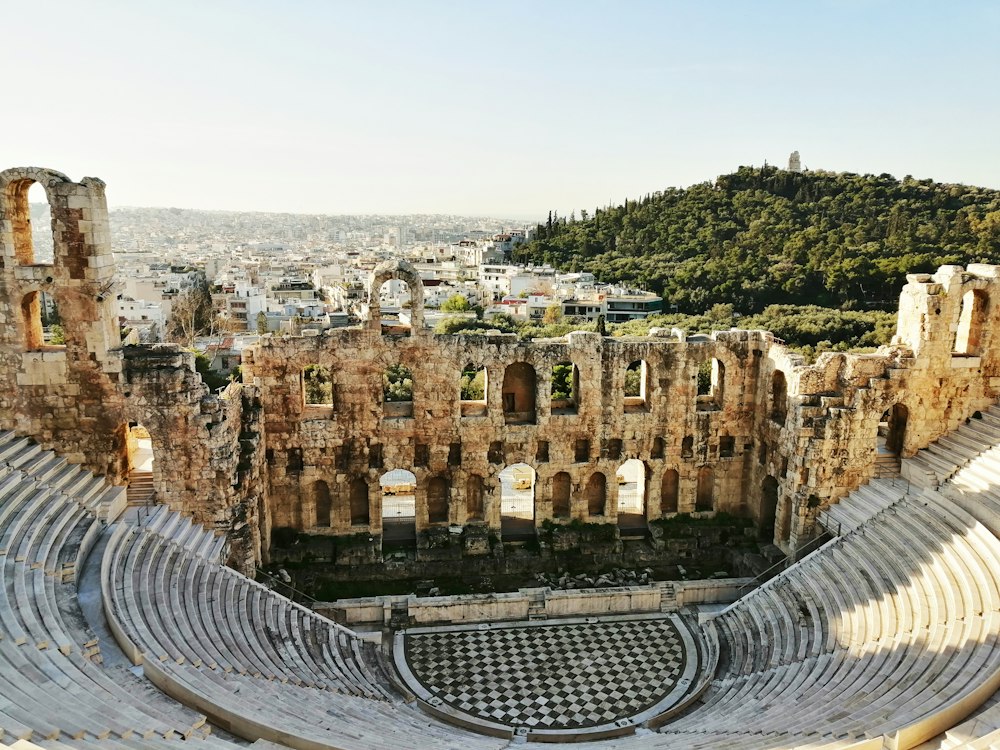
Odeon of Herodes Atticus
A steep stone theatre built into the south slope of the Acropolis in AD 161 by a wealthy Athenian in memory of his wife, and restored with new marble seating in the 1950s. It can be seen from the path above at any time. The interior opens only for performances, mainly during the summer festival, when five thousand spectators sit under the floodlit Parthenon.
-
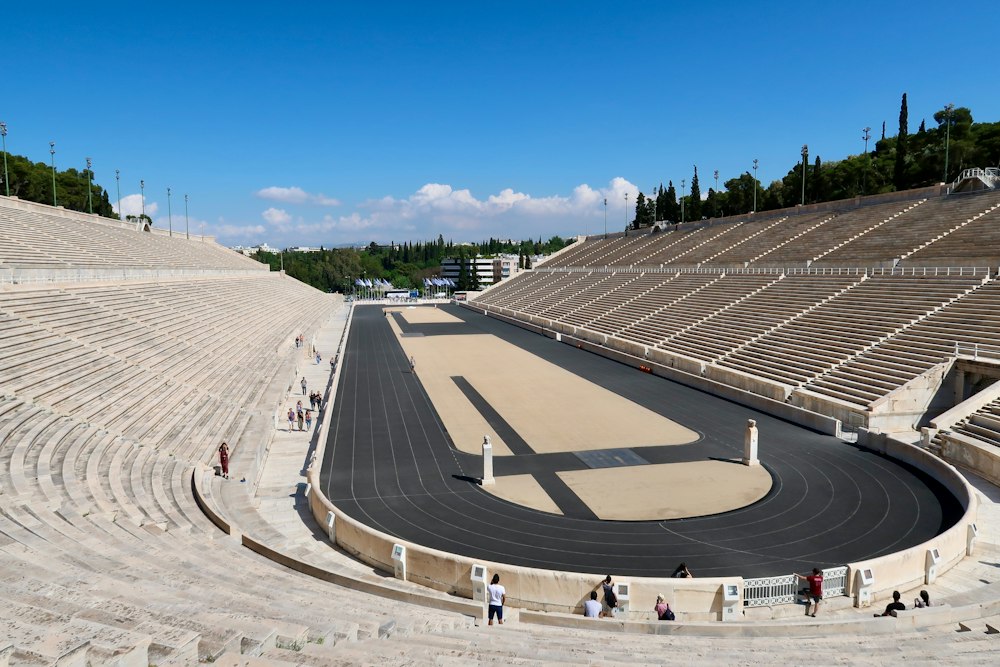
Panathenaic Stadium
A stadium built wholly of white marble in a fold between two hills, reconstructed on its ancient footprint to host the first modern Olympics in 1896. The track is the old hairpin shape, too tight for modern racing. Visitors may run a lap and stand on the podium. The Athens marathon finishes here each November, as the Olympic one did in 2004.
-
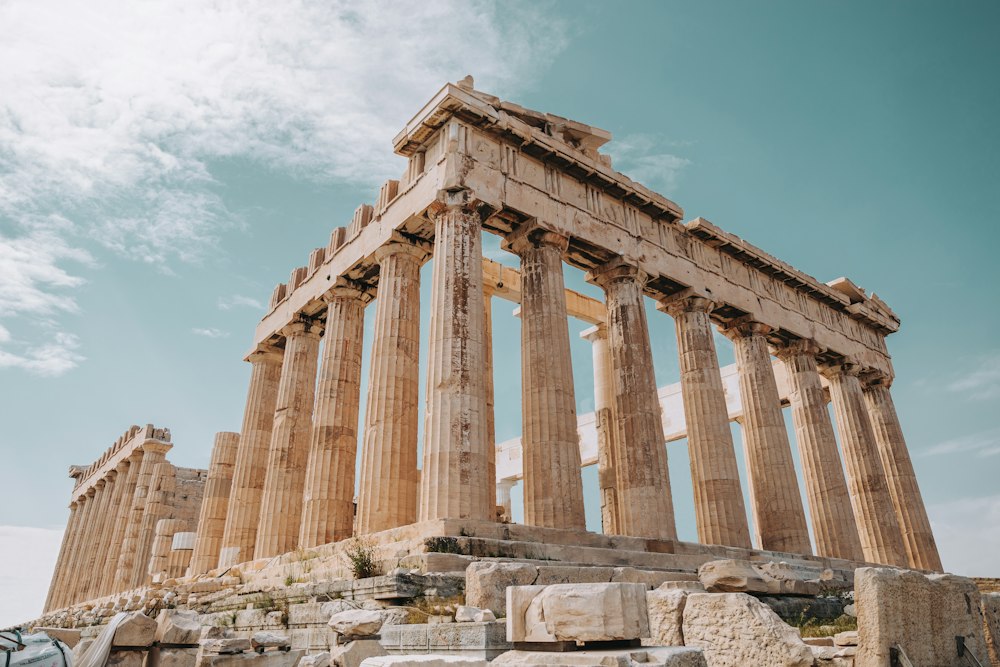
Parthenon
Athena's temple, completed in 432 BC, contains almost no straight lines: the columns swell and lean inward and the floor rises toward the middle, corrections that make it look perfectly regular from below. It served as a church and then a mosque, and survived largely whole until 1687, when a Venetian shell ignited the Turkish powder stored inside. Cranes and scaffolding have been a fixture for decades.
-
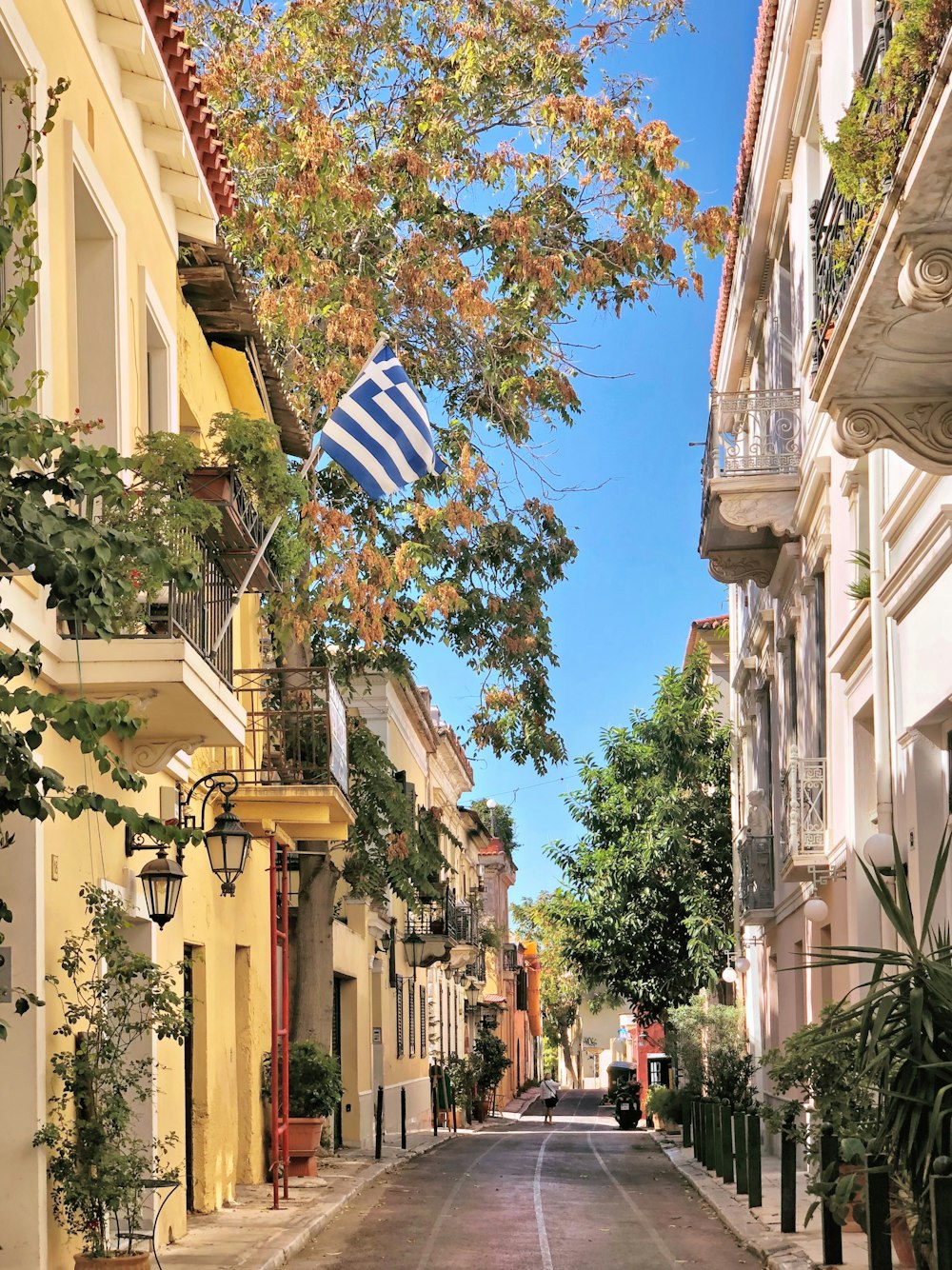
Plaka
The old town on the north slope of the Acropolis, a pedestrian maze of neoclassical houses, souvenir shops and tavernas with hosts working the pavement. Climb higher to Anafiotika, a cluster of whitewashed cube houses built by stonemasons from the island of Anafi in the nineteenth century, who put up what they knew. It feels like a Cycladic village, with cats, directly under the fortress wall.
-
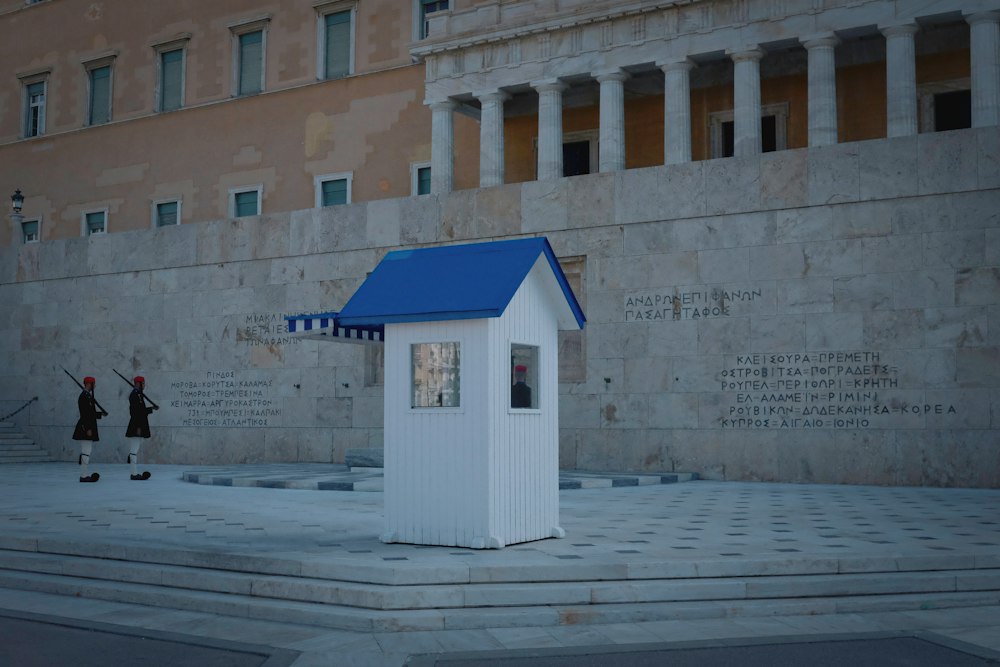
Syntagma Square
The city's central square, below the parliament building and the tomb of the unknown soldier. Two presidential guards in pleated kilts and pompom clogs stand motionless there and change on the hour with a slow, high-stepping drill. The full ceremony, with a band and the whole company in white dress uniform, takes place on Sundays at eleven. The national garden behind is shady.
-
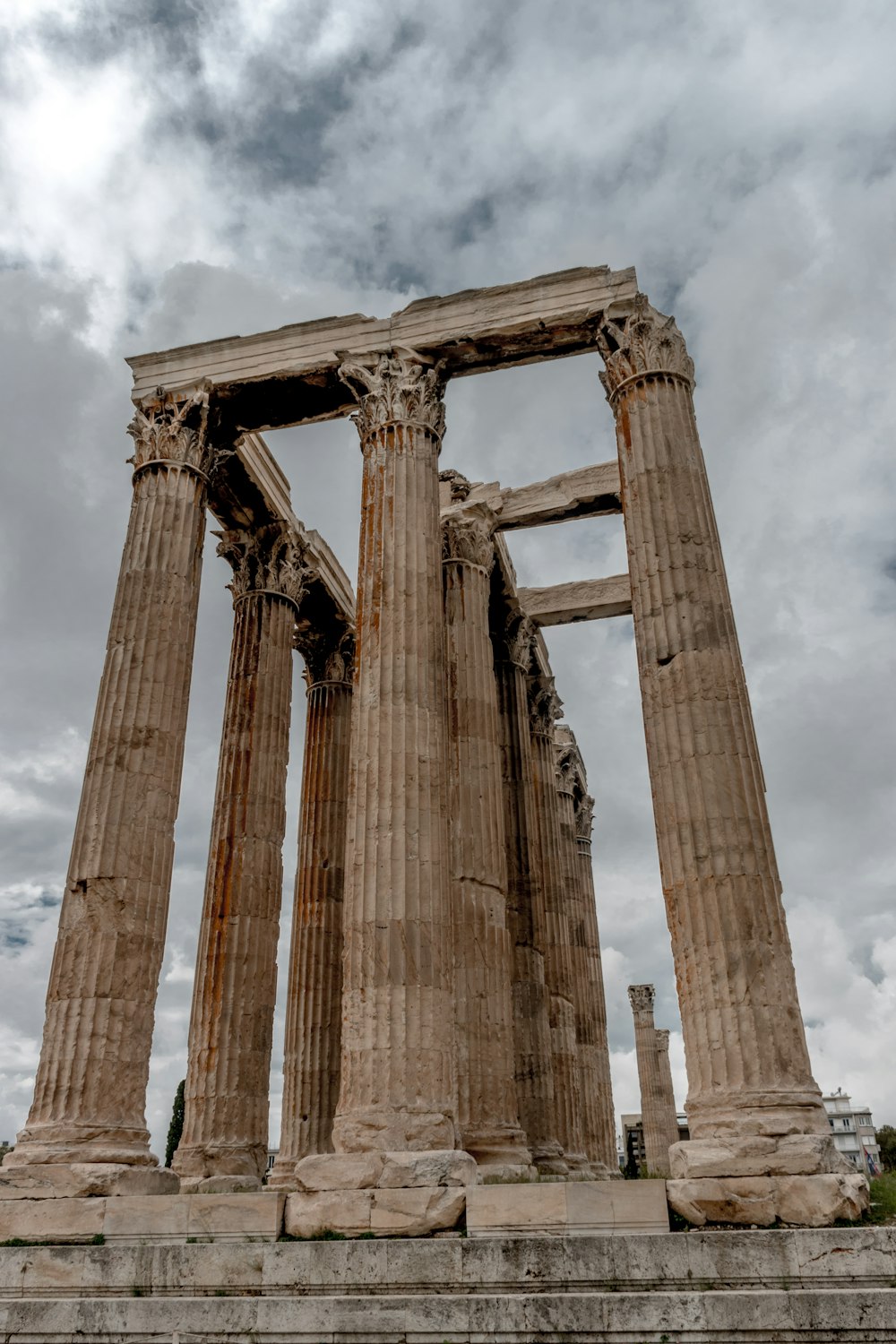
Temple of Olympian Zeus
Started by Athenian tyrants in the sixth century BC and abandoned for lack of money, this colossal temple was finally completed by the emperor Hadrian more than six hundred years later. Fifteen of its original 104 Corinthian columns remain standing, seventeen metres tall. A sixteenth lies in segments where a storm toppled it in 1852. Hadrian's triumphal arch stands at the corner of the site.
-
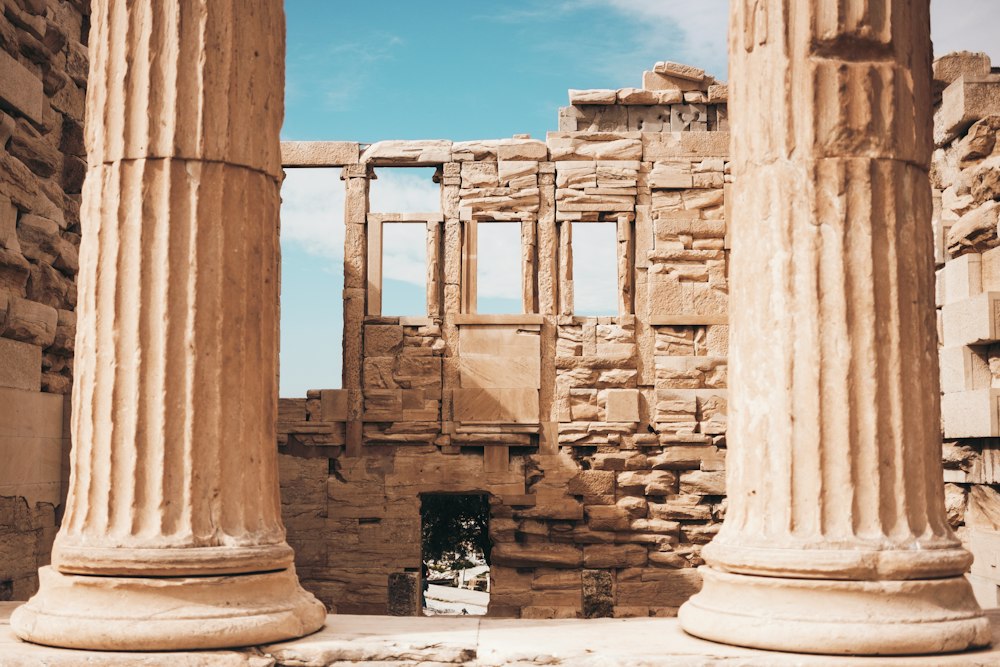
Temple of Poseidon at Sounion
On a headland at the southern tip of Attica, seventy kilometres down the coast road, a temple of white marble columns stands sixty metres above the sea. Sailors leaving for the Aegean took it as their last sight of home. Byron cut his name into one column. Most visitors time the trip for sunset; buses run from central Athens and there are swimming coves below.
-
Mount Lycabettus
A steep limestone cone rising 277 metres out of the Kolonaki district, the highest point in the central city, topped by a white chapel. The view takes in the Acropolis from above, the port of Piraeus and the islands beyond. A funicular runs through a tunnel from the top of Aristippou street; the zigzag footpath through pines takes about half an hour.
-
National Archaeological Museum
The country's main collection of antiquities, a short metro ride north of the centre and far less visited than it deserves. The gold death mask Schliemann called Agamemnon's is in the first room. Beyond it are a bronze god caught mid-throw, recovered from the sea, a boy jockey on a galloping horse, and the corroded gears of the Antikythera mechanism, an astronomical calculator two thousand years old.