 Submit a photo
Ninety seconds on Ancient Theatre of Epidaurus
From 1 November to 28 February the site opens daily from 8am to 5pm. It closes at 7pm in April, 8pm from May to August, 7.30pm in early September, 7pm in late September, 6.30pm in early October and 6pm in late October. Last entry is 20 minutes before closing. On Good Friday the site opens from 12pm to 5pm, and on Holy Saturday from 8.30am to 3.30pm.
Yes. One ticket covers the theatre, the archaeological site and the museum of the Asklepieion. Entry is free on several dates a year, including the first and third Sundays from November to March.
The site is near Lygourio, about 30 minutes from Nafplio by car, with parking on site. KTEL Argolida has run a single weekday return bus; confirm the current timetable at the Nafplio bus station before relying on it.
The Athens Epidaurus Festival stages performances in the ancient theatre in summer. Tickets are sold on aefestival.gr and tickets.aefestival.gr; check there for the programme and any bus from Athens.
By car, yes: Mycenae is a similar drive from Nafplio. By bus, check the KTEL timetable first, because past schedules have not fitted both sites into one day.
Climb to the top row while someone speaks loudly from the stage, and you will still understand every word. Around the theatre lie the ruins of the sanctuary of Asklepios, once the leading place of healing in the Greek world.
Healing at the sanctuary treated body, soul and spirit, and the theatre served the spirit. Polykleitos designed it, and its tiers seated about thirteen thousand spectators.
Acoustic measurements taken here found that a dropped coin or tearing paper carries only about halfway up, and a struck match only to seats nearer the stage.
Most of the buildings below date from the fourth and third centuries BC, when thermal springs and a mild climate drew the sick from across the Greek and Roman world.
Across the sanctuary, look for the temple of Asklepios, which once held a gold and ivory statue of the god, and the Abaton, the stoa where the healing rituals took place. Near them are the round Tholos and the Katagogion, a guest-house of a hundred and sixty rooms for visitors and the sick.
The stadium hosted games for the god every four years.
The theatre sits among pine trees, and its upper tiers give dizzying views back over the site. From there, come down and walk into the sanctuary.
One easy order is the theatre, then the ruins, then the museum, which shows statues, pottery and surgical tools, each with its own label. A few hours covers the theatre and the temple of Asklepios; the rest of the site needs longer, so leave time to wander.
Carry a good guidebook, and print notes and maps of the site before you come.
The ground is uneven and the old paving is worn smooth, so wear shoes with real grip rather than sandals.
Summer visits can be hot with little shade. The café on site is small and gets busy, and few restaurants are within walking distance, so bring a picnic.
If Mycenae is also on your list, note that from November to March it closes at 3.30pm, so go there first.
If you come for a performance, bring a cushion for the marble seats; the walk to the theatre entrance runs through olive groves.
Explore the rest of Nafplio
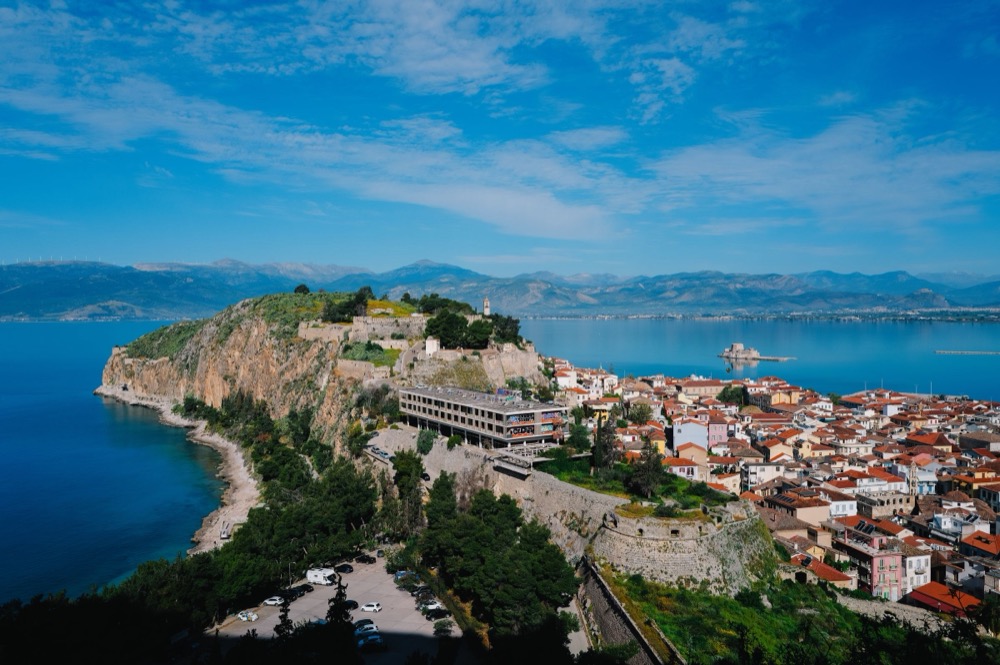
Venetian fortresses crown two hills above a marble-paved old town on the Argolic Gulf, the first capital of modern Greece. It makes the…
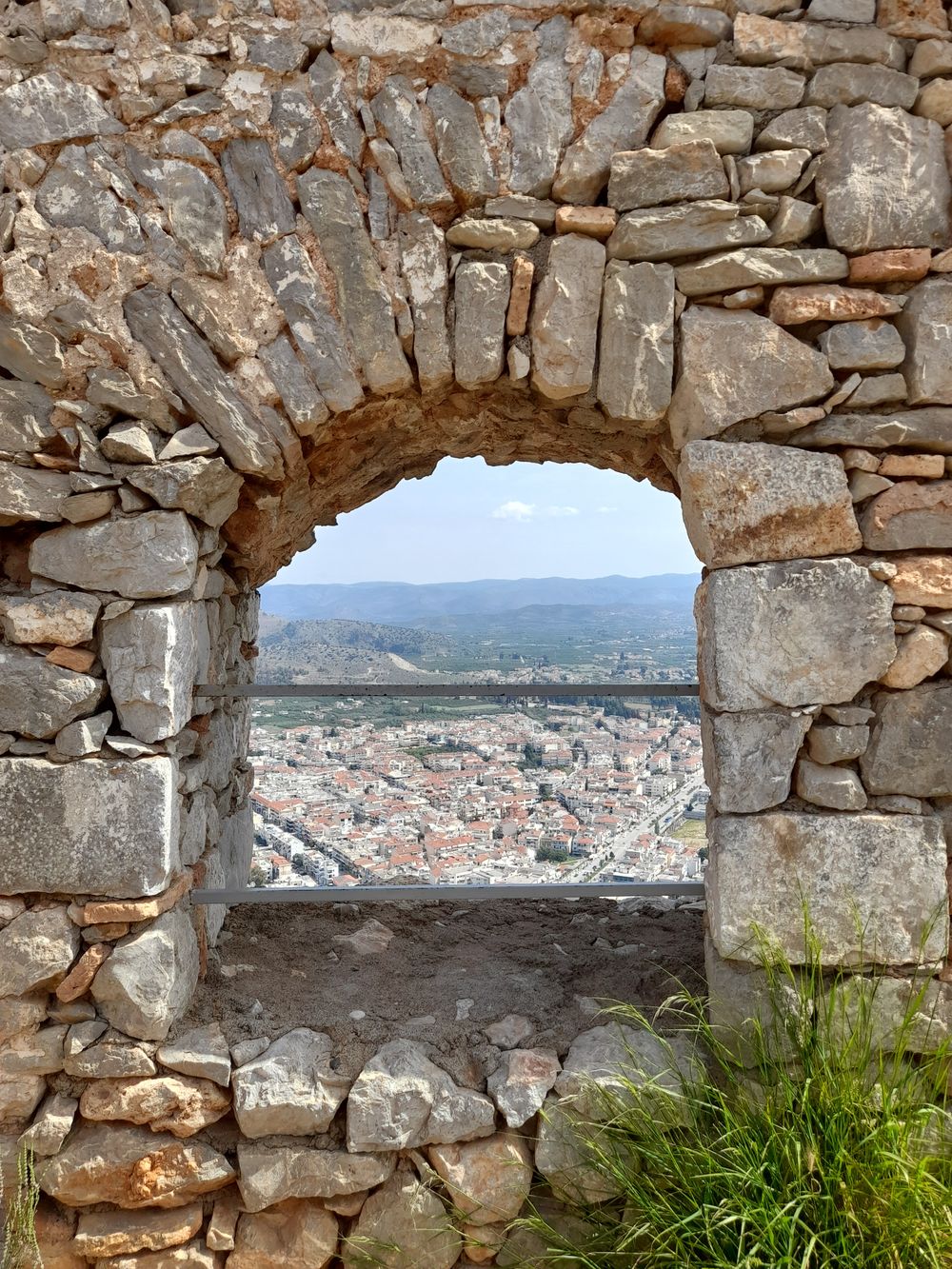
Eight bastions linked by walls cover the summit of the hill above the old town, built by the Venetians in the early eighteenth century. A…
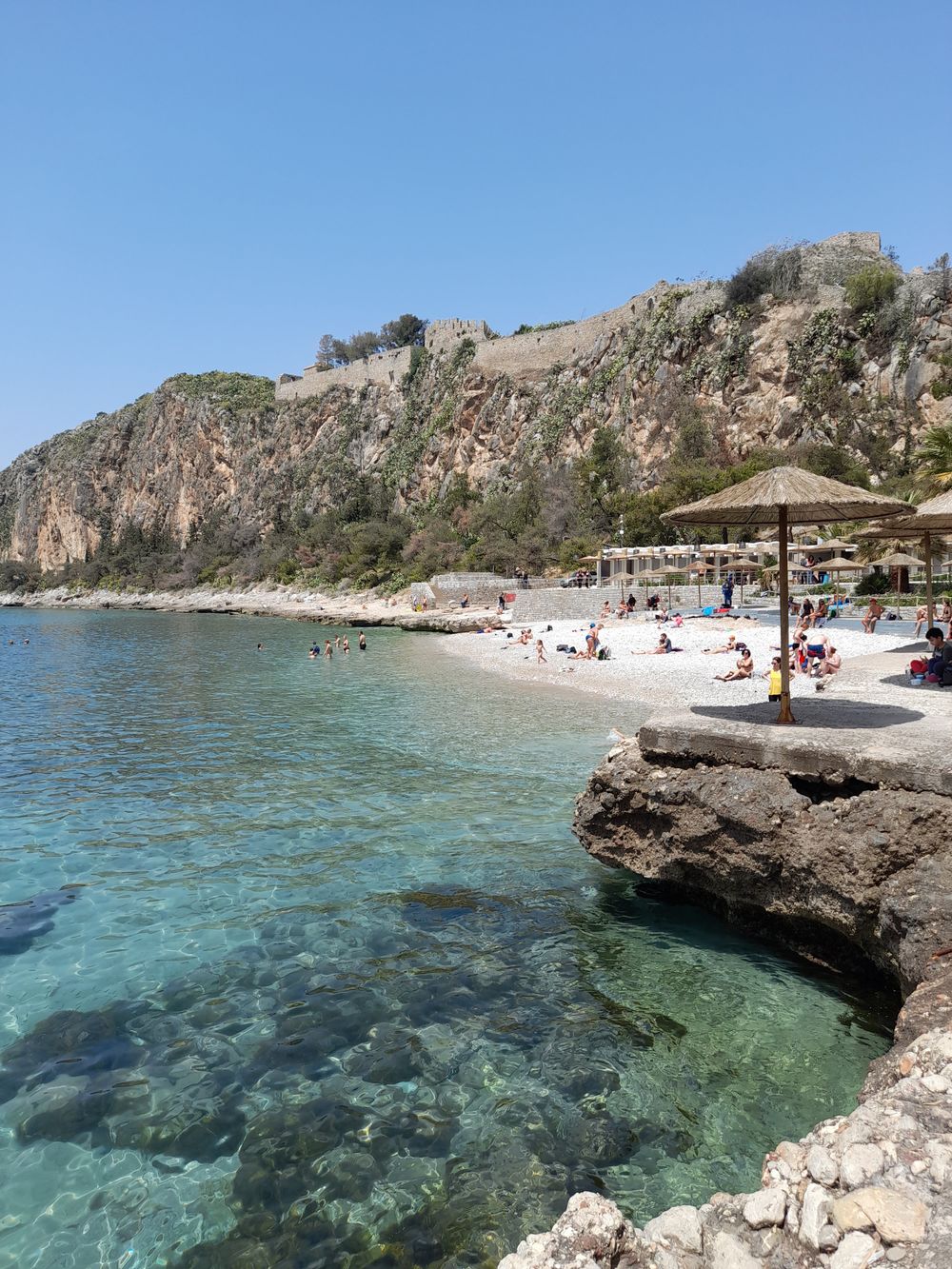
A pebble beach and swimming platforms sit in a cove below Palamidi, a short walk south of the old town. A level promenade path runs from…
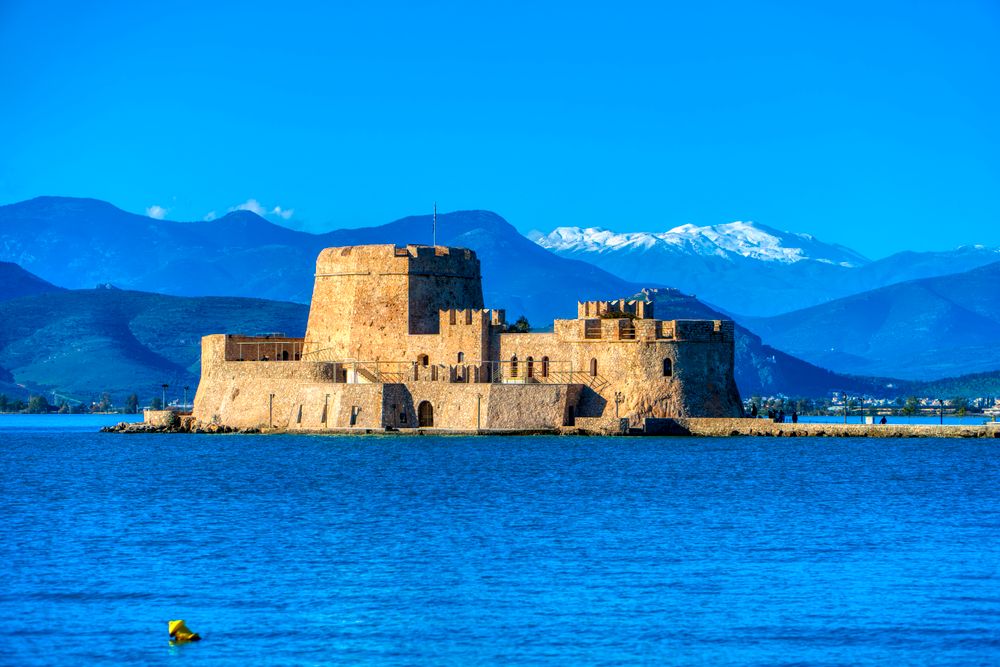
A small Venetian water castle fills an islet in the harbour, built to guard the narrow entrance to the port. It is the view from every…
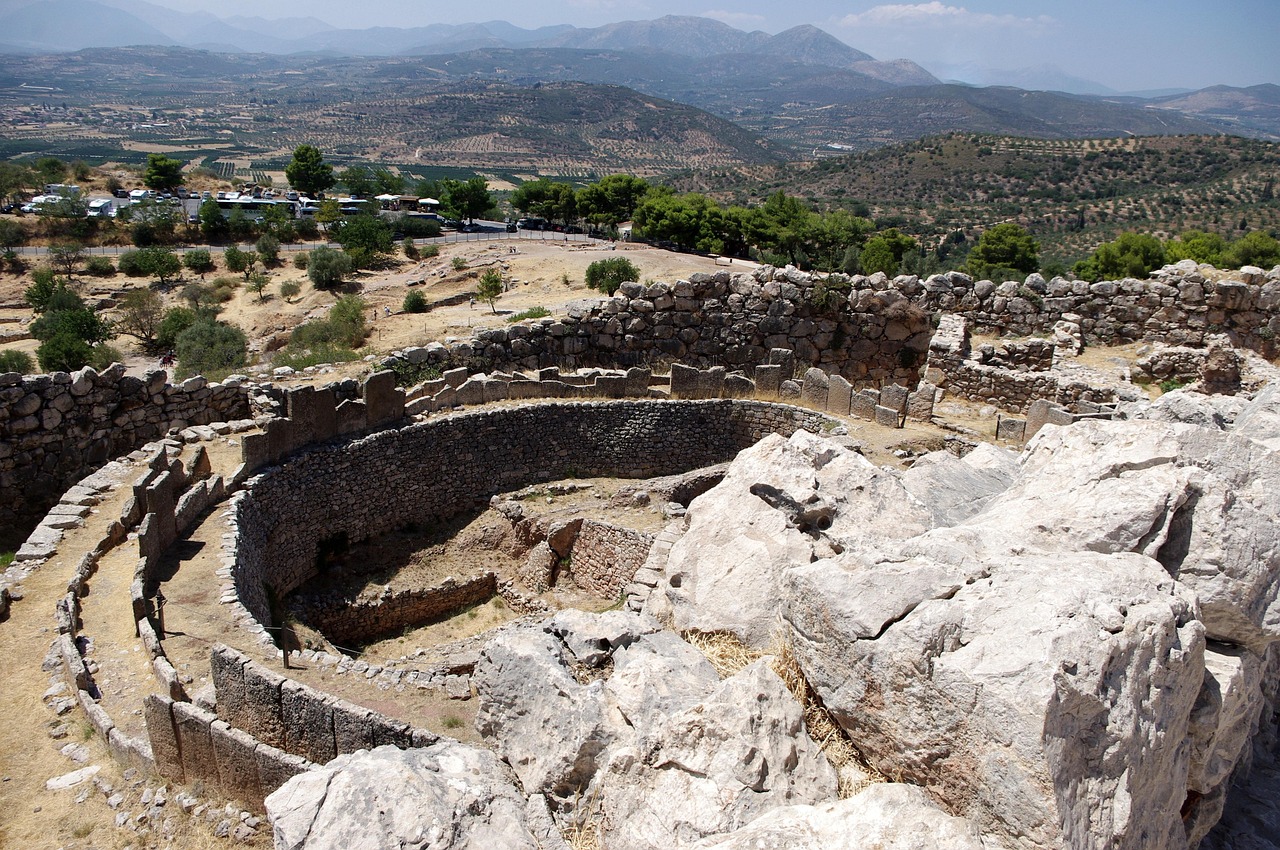
The hilltop citadel of Agamemnon's legend lies about half an hour's drive north. Visitors enter through the Lion Gate, pass the royal grave…
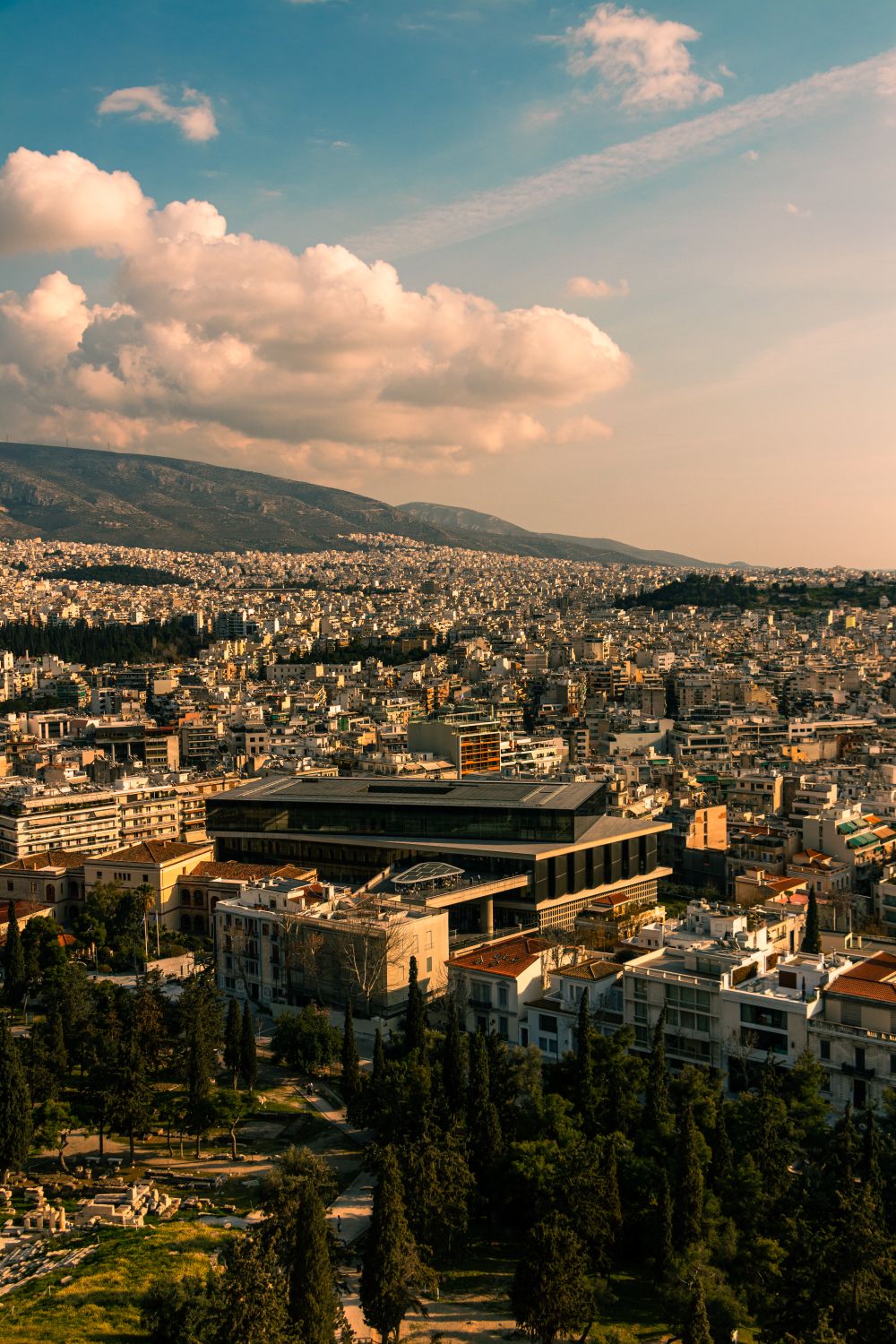
Opened in 2009 at the foot of the rock, over an excavated ancient neighbourhood seen through glass floors. The top gallery matches the…
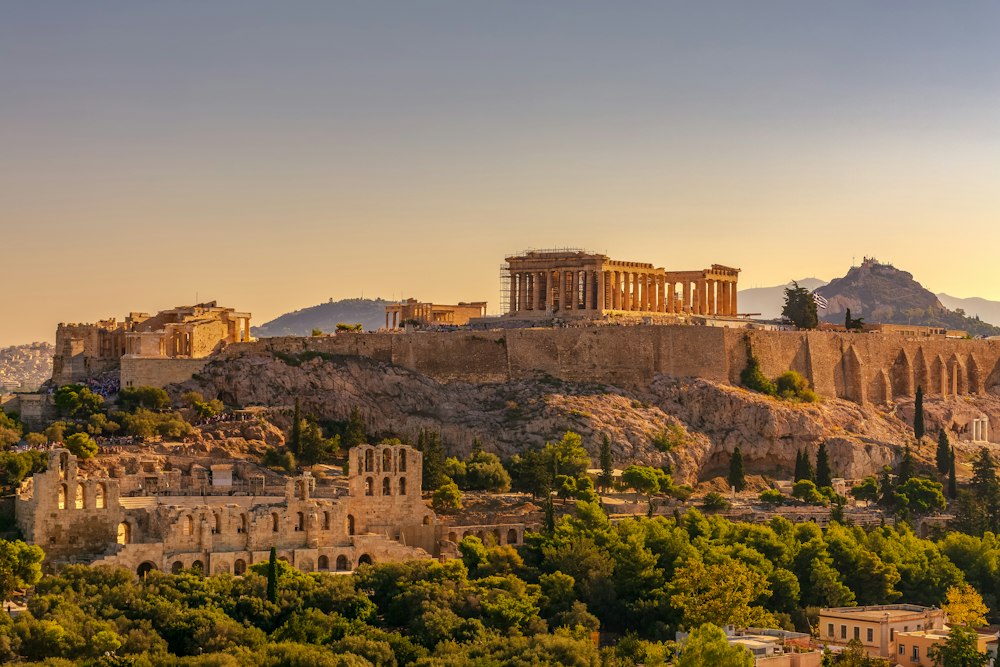
The sacred rock above the city, rebuilt in marble under Pericles after the Persians burned it. Visitors climb through the great gateway…
No cars and no scooters run on this rocky Saronic island, so stone mansions, a horseshoe harbour and mule paths look much as they did two…
The official pages this guide was checked against.
Last updated