 Submit a photo
Ninety seconds on Ranthambore National Park
Online, through the Rajasthan Forest Department's booking portal or a registered operator, and booking opens 90 days ahead. Core-zone permits for zones 1 to 5 book out in peak season. Foreign visitors show a passport when booking, and Indian nationals an identity card.
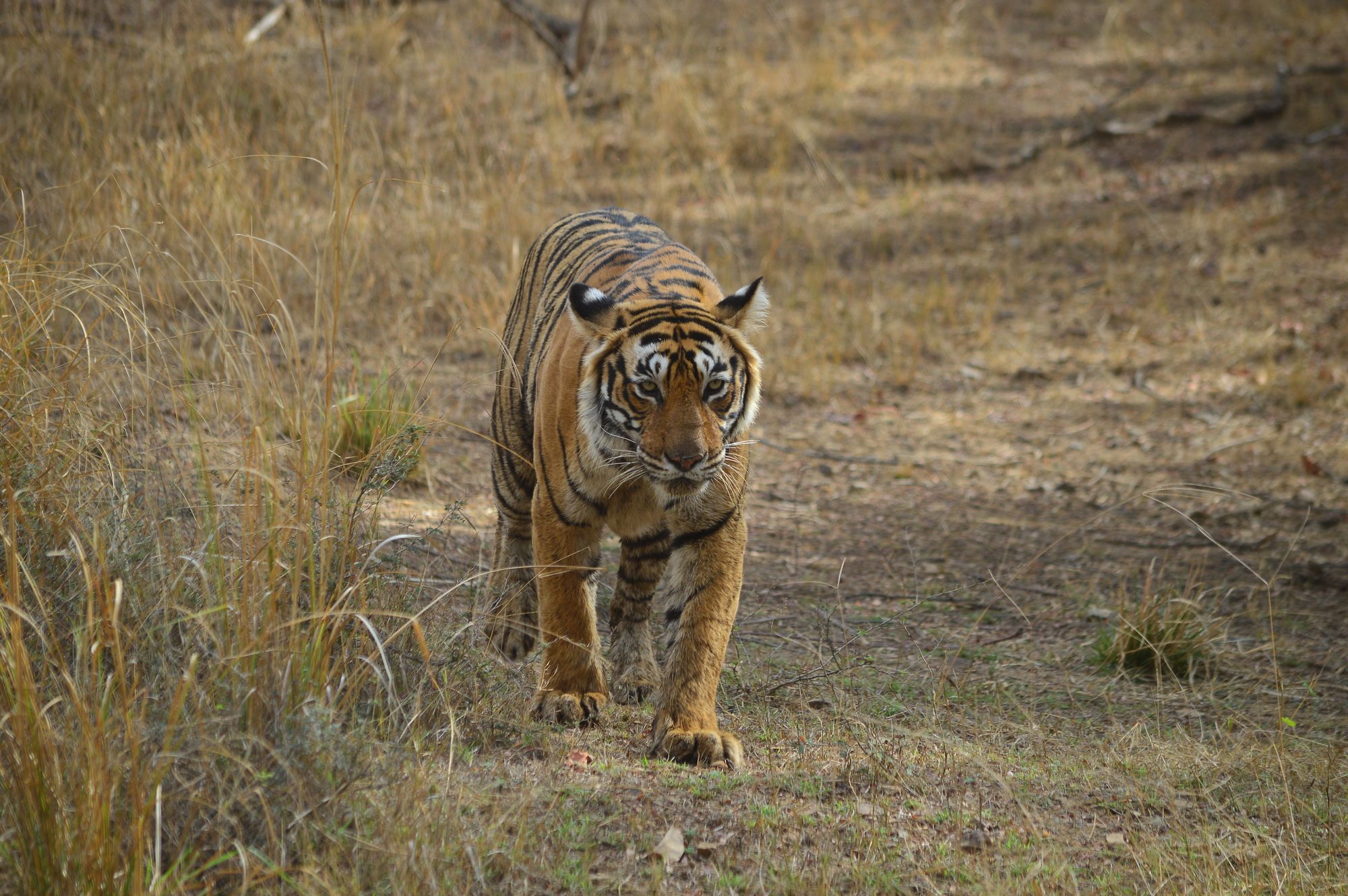
Zones 1 to 5, the core of the park, hold most of its tigers. Zone 2, entered at the Jogi Mahal gate, is also popular for leopards. Zone 6 has a few tigers, and zone 8 has little wildlife but some old temples.
There are two drives a day, morning and afternoon, each about three and a half hours long. Their start times shift with sunrise and sunset through the season. Core zones 1 to 5 close for the monsoon from July to September, while buffer zones 6 to 10 stay open.
Ranthambore Fort, one of the Hill Forts of Rajasthan on the UNESCO World Heritage list, stands inside the park. It holds Hindu temples to Ganesha, Shiva and Ramlalaji built of red Karauli stone, and Jain temples to Sumatinath and Sambhavanath.
Sawai Madhopur Junction, on the Delhi to Mumbai main line, is the nearest railway station, about 10 to 11 km from the park gates. Direct trains reach it from Delhi, Mumbai, Agra and Jaipur. The nearest airport is Jaipur International.
April and May give the best odds, because the summer heat brings tigers to the waterholes, though June peaks at around 45°C. November to March is cooler and clearer, the better light for photographs.
Book a seat in an open jeep to look for wild tigers around three lakes, under a medieval fort on the hill above.
Padam Talao, Rajbagh and Malik Talao lie at the heart of the park. Deciduous woodland, rolling hills and valleys surround them, and Rajbagh and Malik Talao are popular tiger-spotting lakes.
The Rajbagh ruins stand at the water's edge. Ranthambore Fort stands on a hill about 210 metres above the plain.
More than 40 mammal species live here, among them striped hyenas, caracals, jungle cats, jackals, sambar, chital, nilgai, chinkara and langurs.
Bakula is thickly forested, with pools and waterholes where tigresses with young cubs are seen. Kachida Valley, a country of outcrops and low hills, holds the park's leopards, which keep away from the tigers. Lakarda Anantpura, in the north and north-west, is the place for sloth bears, drawn to its anthills.
Marsh mugger crocodiles live in the lakes, and Malik Talao's banks hold peacocks, kingfishers and egrets. Hundreds of bird species are recorded, and migratory birds gather on the water from October to February.
The Jogi Mahal rest house is among the park's sights, and the second largest banyan tree in India grows near Padam Talao.
Expect to see the park only from a vehicle on a booked safari. There are two vehicles, both open-top: the gypsy, a jeep for six, and the canter, a bus for 16 to 20 that is kept out of zones 7 and 8.
Each safari runs in one of the ten zones and one of two daily slots, morning or afternoon. Every zone has a quota for how many vehicles and visitors are inside at any one time.
On the day, the forest department allots the vehicle, the driver and the guide on a rota. Agents and resorts have no say in that allotment, whatever they claim.
Pack gloves, a cap and a warm layer or blanket for winter drives. It is very cold before sunrise and after sunset, and the vehicle has no roof.
The park has no food stalls, so carry your own snacks. For photographs, zones 3 and 4 give lake-edge views with the fort behind.
If you go up to the fort's Trinetra Ganesha temple, avoid Wednesday, when it draws thousands of visitors.
Further afield in India
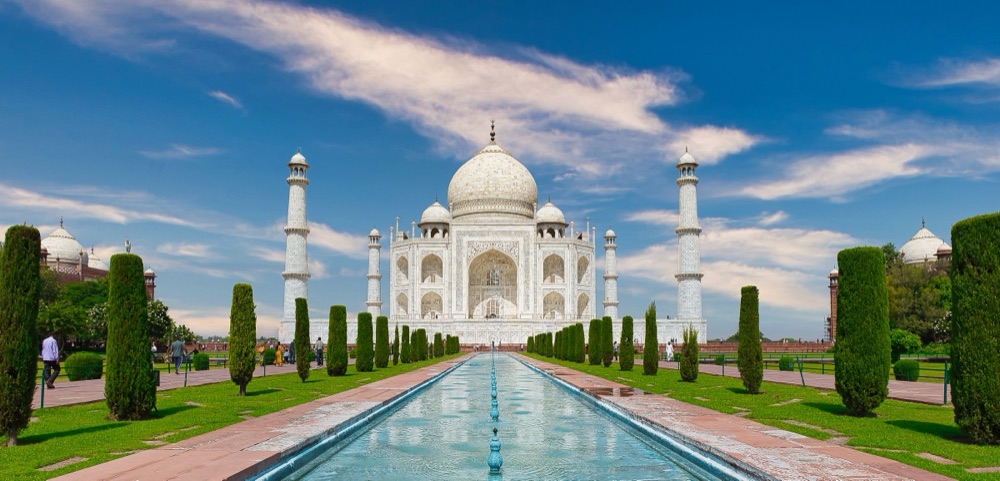
Three Mughal emperors built on this stretch of the Yamuna in Uttar Pradesh, and the results stand within a few kilometres of each other:…
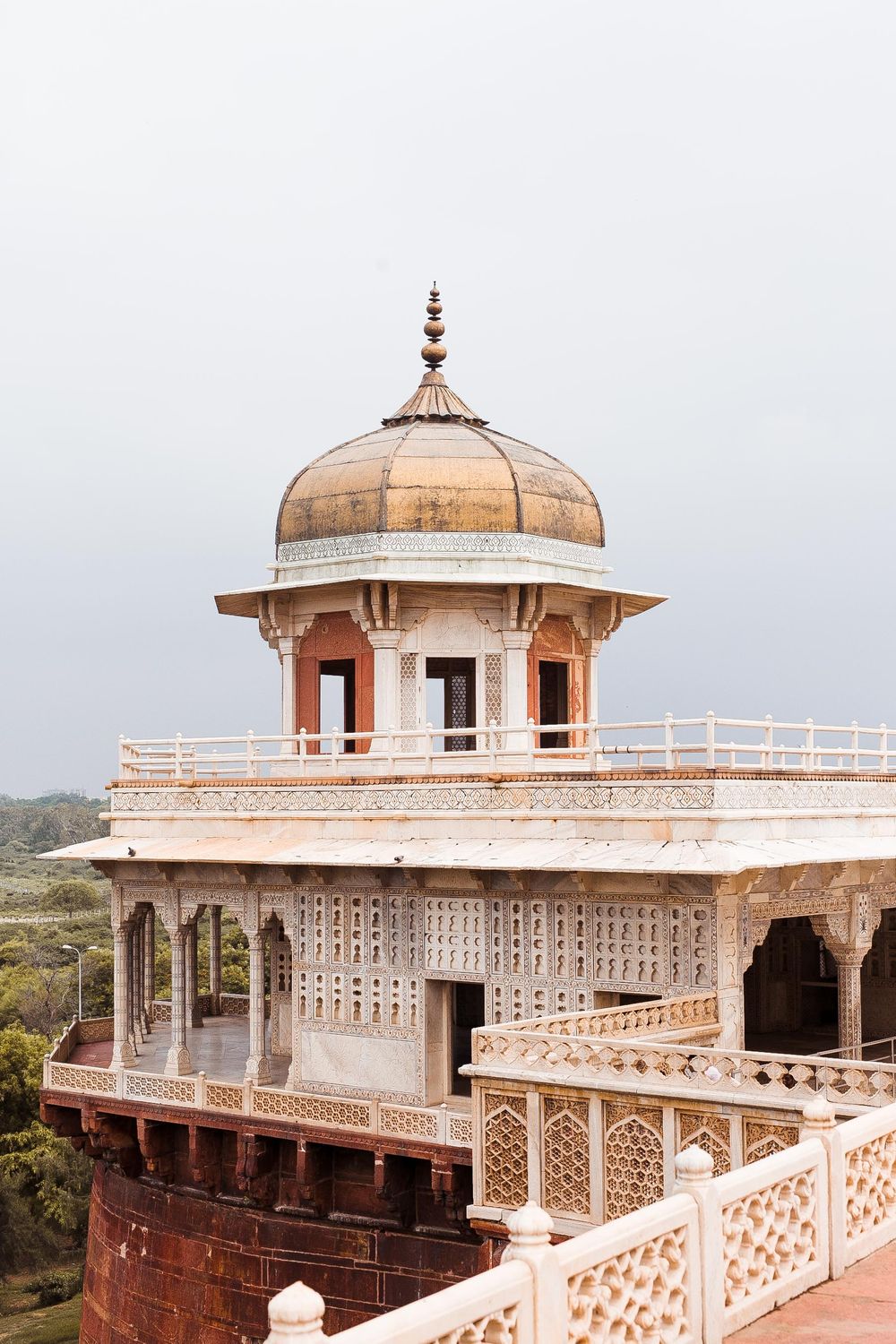
Akbar rebuilt the Mughal stronghold in red sandstone from 1565, and his grandson Shah Jahan later set white marble palaces inside the…
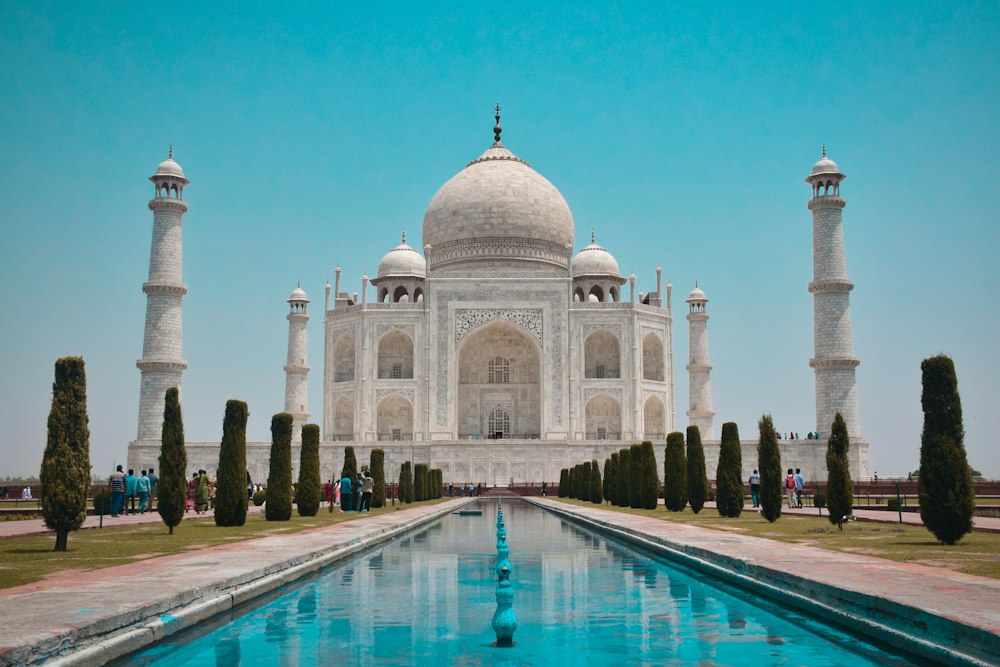
Shah Jahan built this white marble mausoleum after the death of his wife Mumtaz Mahal. Inlaid semi-precious stone covers the walls at close…

A Mughal garden square on the north bank of the Yamuna, directly opposite the Taj Mahal. Excavation has uncovered a large octagonal pool at…
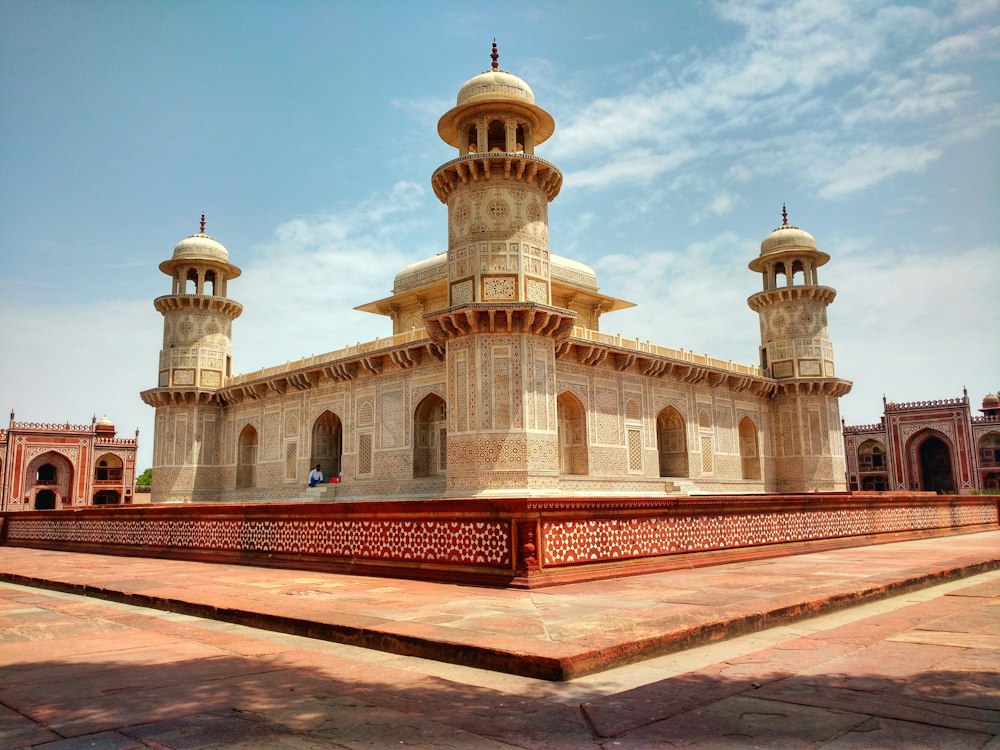
Nur Jahan built this small tomb for her father, Mirza Ghiyas Beg, between 1622 and 1628. It was the first Mughal building made entirely of…
Rajasthan's capital was laid out on a grid in 1727 by an astronomer king, and its walled old city trades under the pink wash applied for a…
A red sandstone capital abandoned within a generation of its founding, Fatehpur Sikri served Akbar from 1571 until its water supply failed.…
Last updated