The road signs stop being bilingual somewhere west of Tralee. Most itineraries never get that far.
A week covers Dublin and one western region comfortably. The full Wild Atlantic Way is 2,500 kilometres and wants a fortnight. Ireland is in the EU but not in the Schengen area, so a Schengen visa does not admit its holder; US, Canadian, Australian, New Zealand and EU passports need no visa for 90 days.
For anything outside Dublin, yes. Driving is on the left, and there is no railway along the west coast at all: the rail network radiates from Dublin rather than running around the edge. Note that most North American credit cards, Visa included, exclude the Republic of Ireland from their rental car cover, so the hire desk's own damage waiver is usually the only option.
May, June and September. June holds light past eleven in the evening, and the coaches have not peaked. July and August are the busy weeks, when the Skellig Michael and Newgrange slots go first. It rains in every month, so the question is never whether but for how long at a time.
English is what is spoken everywhere. Irish is the first official language, and in the Gaeltacht, which covers most of west Kerry, Connemara and west Donegal, the road signs are in Irish only: Dingle is signed An Daingean and Dunquin is Dun Chaoin. Navigate on the Irish name in those areas.
The euro. Cards and contactless work everywhere, including rural pubs and buses. Northern Ireland uses the pound sterling and the border is unmarked, so a day trip north from Donegal or Dundalk changes currency with no sign to mark it.
Dublin, which took 36.4 million of the 43.5 million passengers who passed through Irish airports in 2025 and has US preclearance. For the west, Shannon (2.2 million, also with preclearance), Cork (3.5 million), Ireland West Knock (0.9 million) and Kerry (0.4 million) all cut a day of driving. Flying into Shannon and out of Dublin avoids backtracking.
Ninety seconds on the country
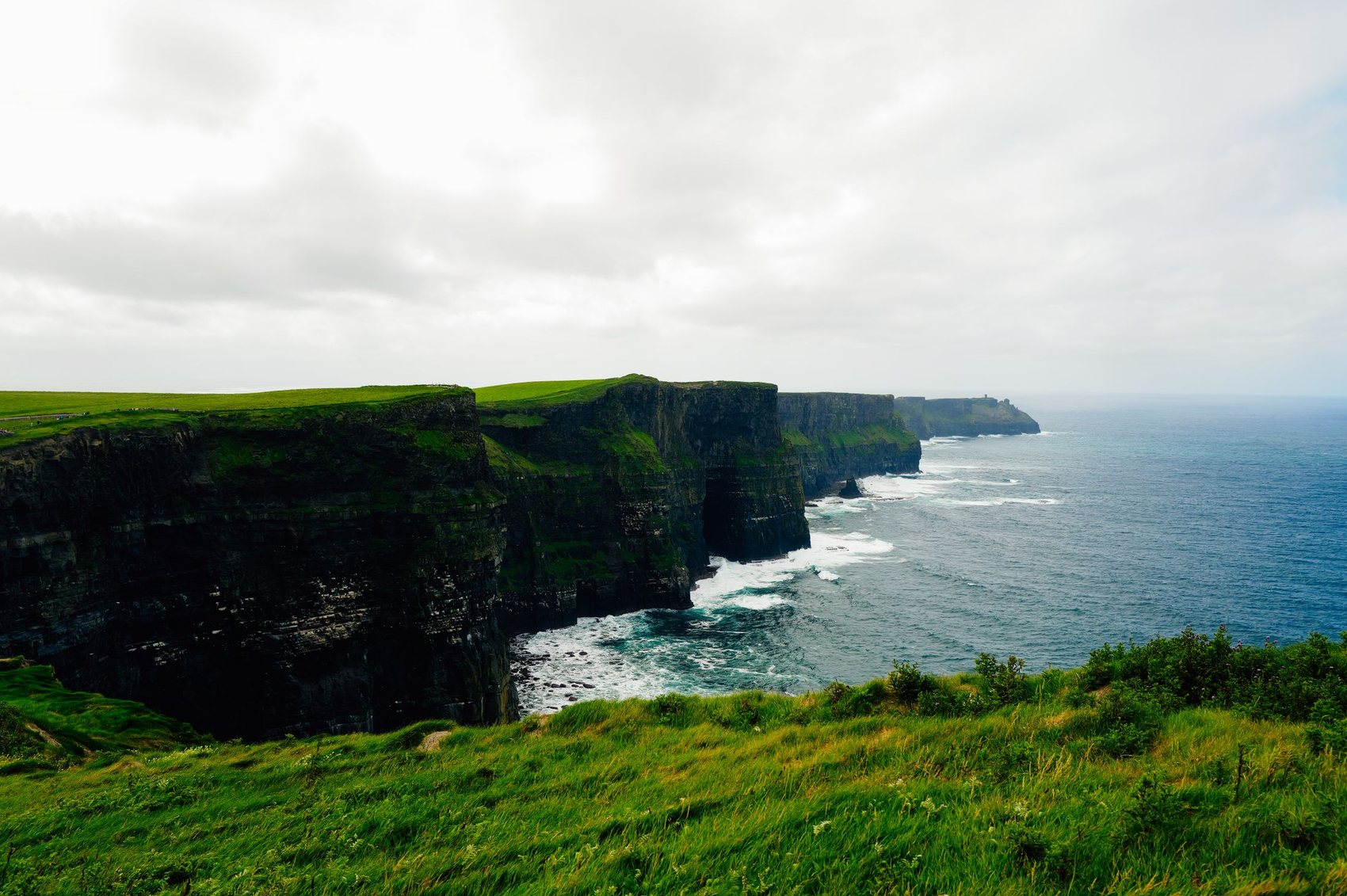
Ireland is small enough to cross in a day and slow enough that nobody does. The country is about 480 kilometres end to end, and the whole argument for going is on the western edge, where the land stops in cliffs and the roads narrow to one car.
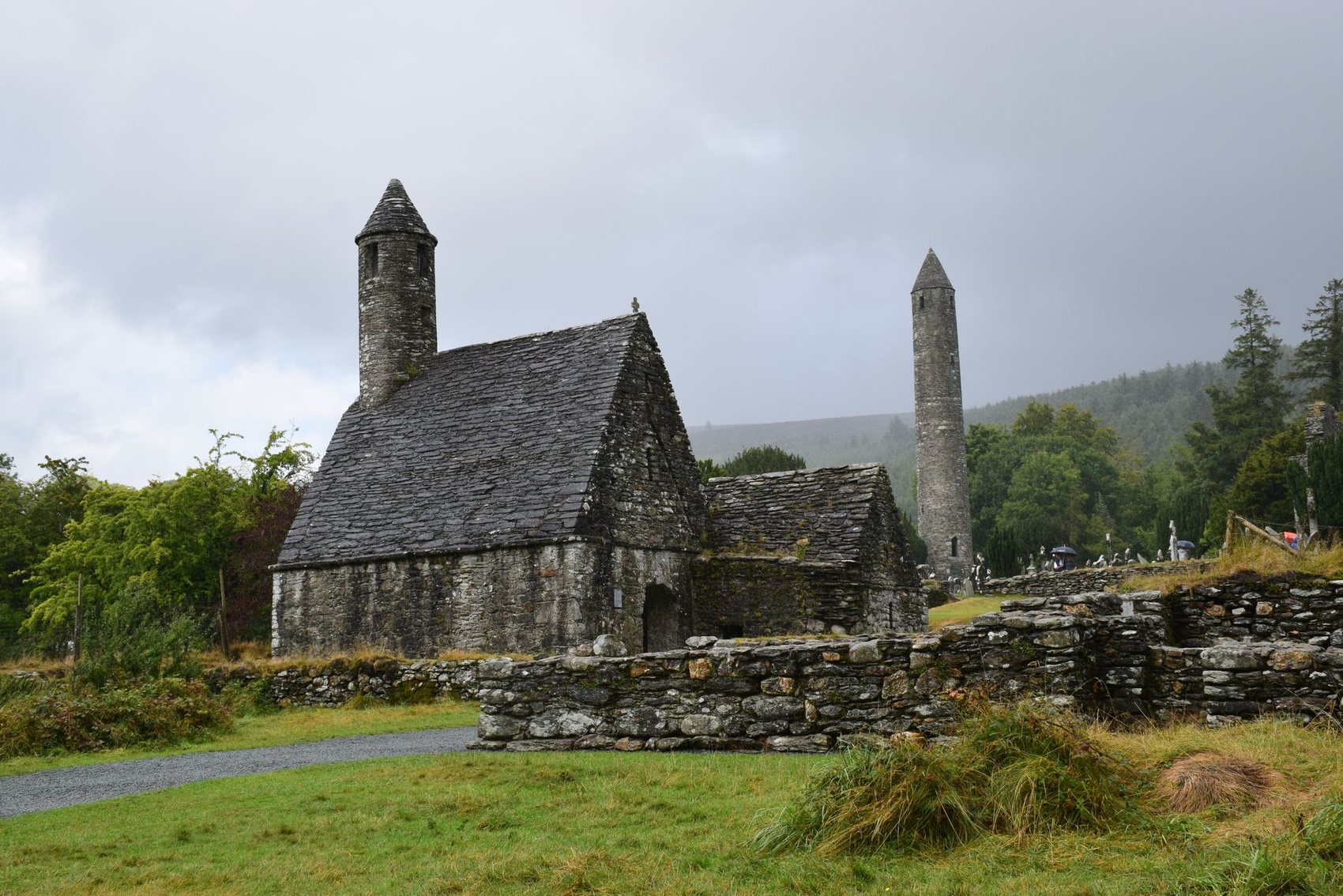
It is also the most continuously documented corner of western Europe. The passage tombs on the Boyne were built six hundred years before the pyramids, and monks were copying manuscripts here while the rest of the continent had stopped.
West of Dingle and north of Sligo the villages get smaller and the coast runs on for another four hundred kilometres with almost nobody on it. A second week buys that stretch, and nothing else in the country needs the time as badly.
Most visitors land at Dublin, drive to one cliff and one ring, and fly home, which compresses a fortnight of country into three days of driving. Take one coast properly rather than three badly, and go in May, June or September, when the light runs to eleven at night and the car parks still have space.
Pick how you want to travel. The towns, the things to do and the map all change with it.
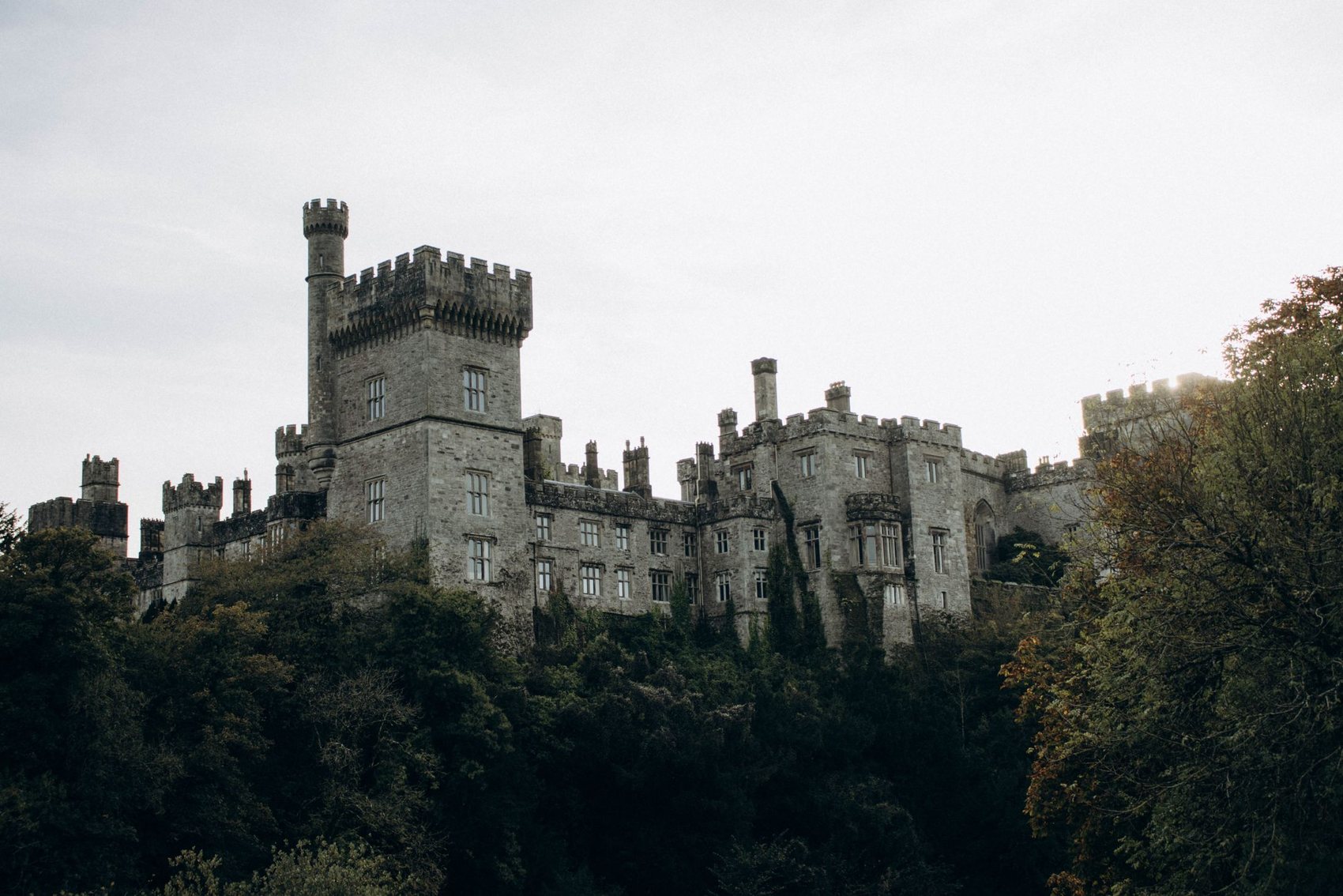
This is the one category with something in all thirty-three towns, and the range is the point: neolithic tombs, monastic round towers, Norman keeps, Georgian squares. A great deal of it is unstaffed, unfenced and free.
Almost none of the best of it is behind glass. The Book of Kells sits in a working college library, the Rock of Cashel was a royal seat centuries before it was a church, and the National Museum's gold room is free and takes half an hour.
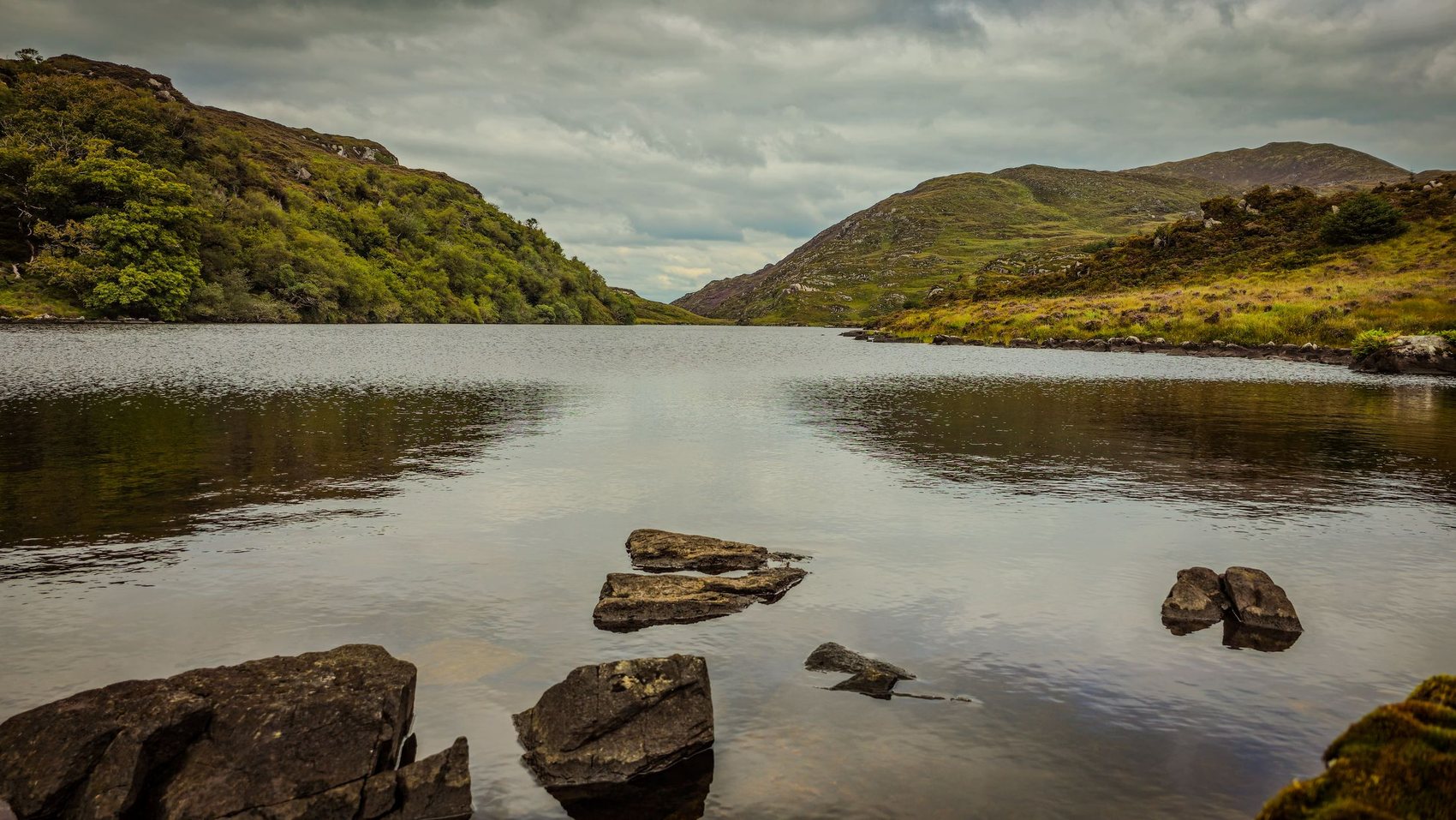
Ireland's good landscape is limestone pavement, blanket bog, drowned drumlins and glacial valleys rather than the green fields it advertises, and most of it sits within an hour of a town.
Plan around the Burren if you plan around anything. Two hundred square kilometres of bare limestone where the cattle go out in winter and come off in summer, a reversal the neolithic farmers started and the flora has depended on ever since.
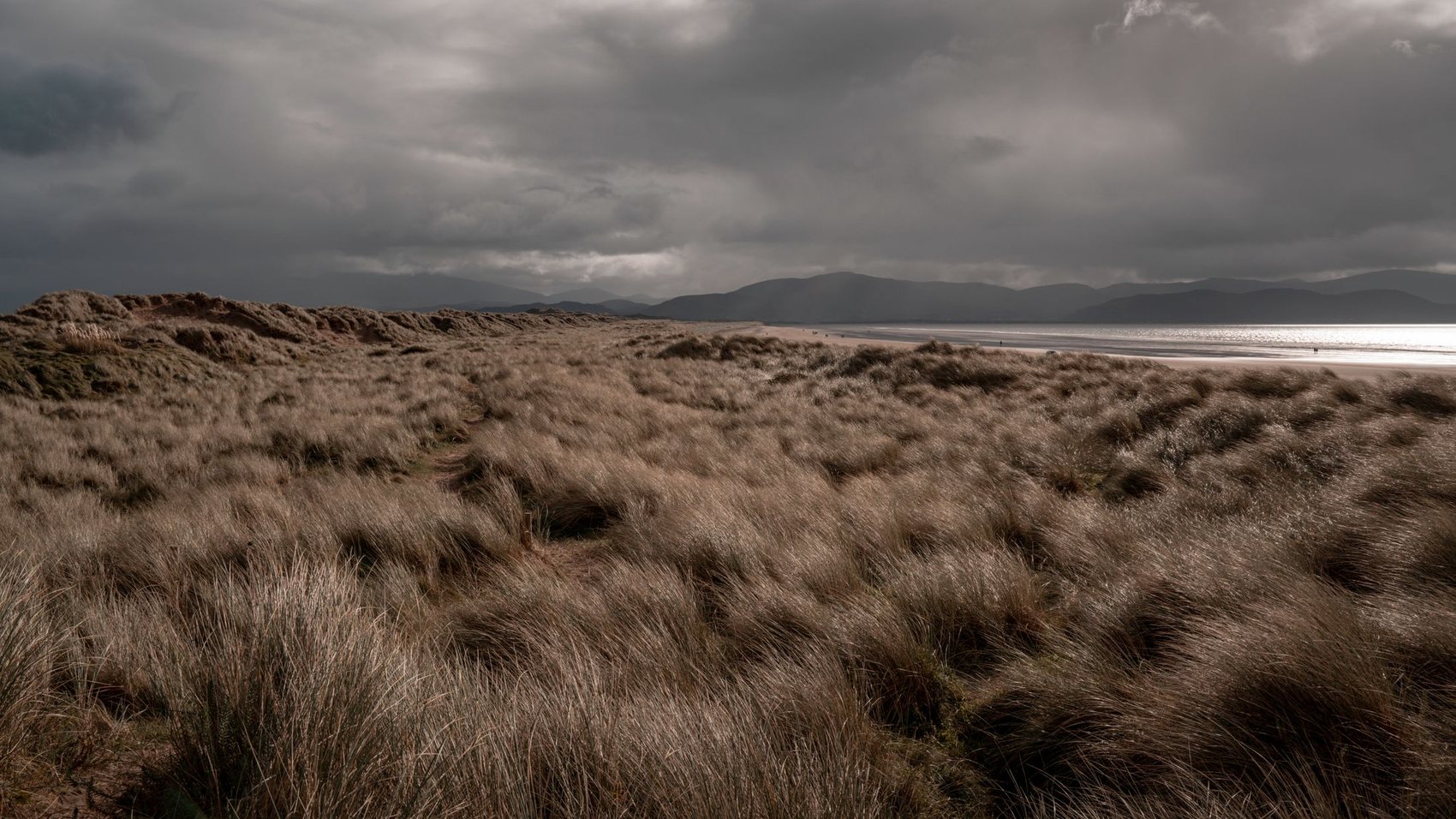
The Wild Atlantic Way runs the whole western edge, Donegal to Cork, and the beaches along it are almost always empty. The sand is excellent. The water is what keeps everyone off it.
Fifteen degrees is about the summer maximum, so a wetsuit is standard kit and the strand is for walking. The weather arrives from three thousand miles out and you can watch it come in.
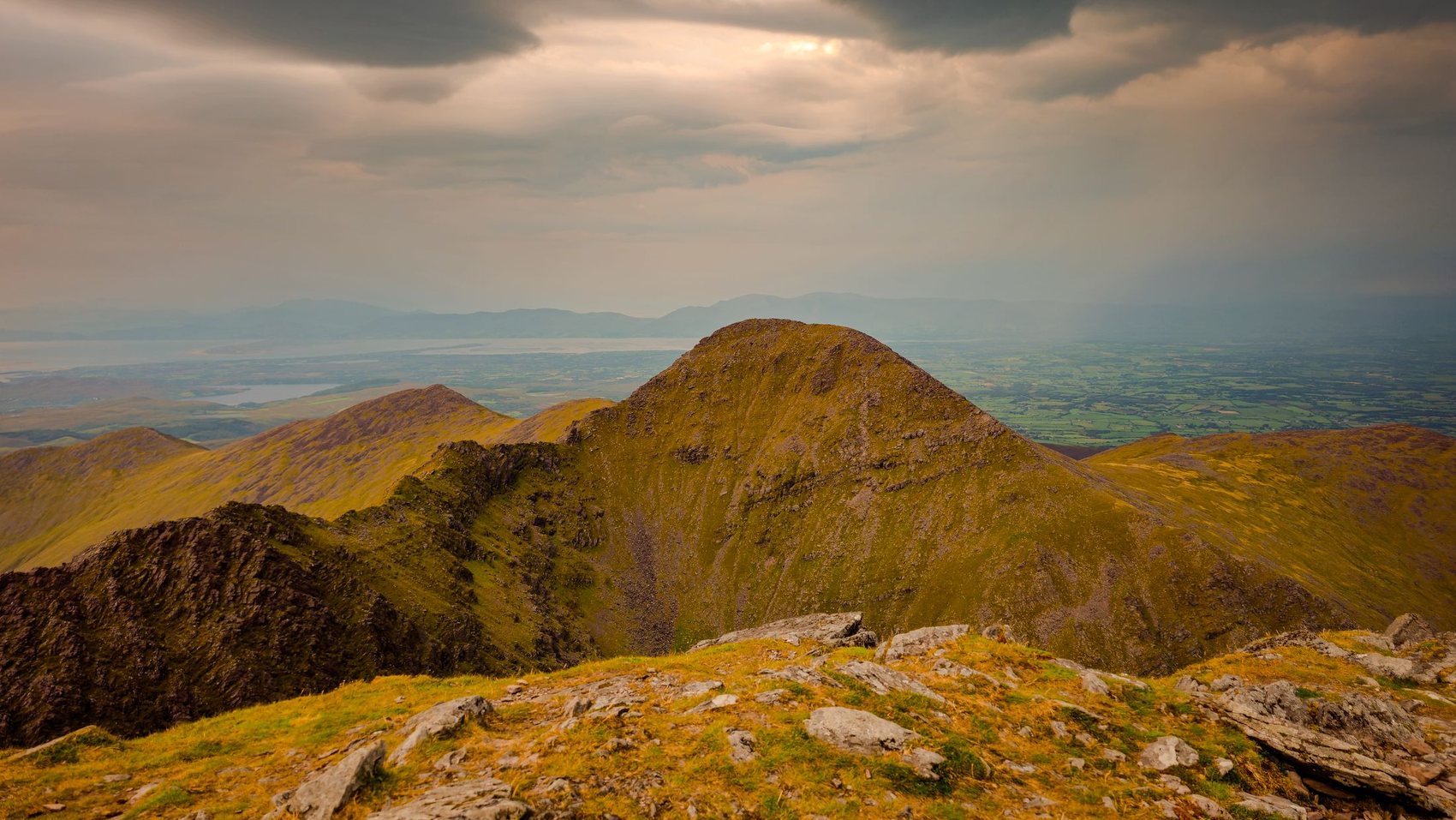
The mountains here are small and genuinely serious. Almost nothing above three hundred metres carries a marked path, the ground underfoot is bog, and the cloud comes down fast on a range whose highest point is barely a thousand metres.
Then there is the water. Skellig Michael is 618 unguarded steps up a pinnacle twelve kilometres offshore and the swell decides at dawn whether anyone lands at all; the two long greenways, from Westport and from Waterford, are the gentle end of the same list.
Almost every grand hotel in Ireland is a house somebody stopped being able to run. A castle, a manor or a fishing lodge went to a hotel group, which is why the good rooms are odd shapes and the halls are far too big for the number of guests.
Book a sporting lodge instead. Delphi sits alone in a Mayo valley and Ballynahinch on a salmon river under the Twelve Bens, and both still serve dinner to whoever happens to be fishing that week.
Last updated
The places on this page are in the app, each with a verdict: why to go, how far from your hotel, how long to stay. Forward your confirmations and the days fill themselves in.