
Through what its victims left behind and first-hand testimony on video, the museum shows what the atomic bomb of 6 August 1945 did to Hiroshima's own residents.
Museum, Hiroshima. Meridian Dispatch.
No. Entry to the permanent exhibition is ticketed, with reduced rates for groups of 30 or more and for visitors aged 65 and over who show a passport.
As of November 2026 the museum opens at 7:30. It closes at 19:00 from March to July and from September to November, at 18:00 from December to February, and at 20:00 in August, with opening until 21:00 on 5 and 6 August.
Yes. The museum is closed on 30 and 31 December, and for several days in mid-February while exhibitions are changed. The next February closure runs from 15 to 20 February 2027.
Only for the timed slots. An online reservation is required to enter from 7:30 to 8:30 and in the last 90 minutes before closing. Between those slots the ticket counter is open.
Trams take about 25 minutes: line 1 to Fukuro-machi, or lines 2 and 6 to Genbaku Domu Mae. Hiroshima Bus No. 24 from the south exit reaches the Heiwa kinen koen stop in about 20. A taxi takes about 15 minutes, and the walk about 35.
The park memorials outside suit all ages, but some museum exhibits are graphic: the Main Building covers human damage, the firestorm, black rain and the conditions in the relief stations. A multipurpose restroom with baby changing is on the third floor of the East Building.
Yes. Hiroshima Peace Volunteers guide visitors through the exhibits and the monuments in and around Peace Memorial Park at no charge. The museum also holds hour-long talks by A-bomb Legacy Successors, who pass on what the hibakusha lived through.
Yes, for personal use, with no application needed, and video is allowed on the same terms. Tripods and selfie sticks are banned. Flash, or pictures for publication, need an application in advance.
Last entry is 30 minutes before closing time all year, so it follows the seasonal closing times: 18:30 in most months, an hour earlier in winter and an hour later in August.
The Main Building tells what happened on 6 August. Its sections move from the bombing itself and the city in ruins to black rain, the firestorm and the relief stations, and include children killed in the bombing and a human shadow etched in stone.
A further area, Victims and Survivors, follows the people who lived on and what the years after the bombing brought them.
The East Building sets the bombing in context: Hiroshima before 6 August, how the bomb was developed and dropped, and the nuclear age since. Hibakusha, the survivors, tell their own stories on video on its third floor.
Kenzo Tange designed the Main Building, a concrete block raised on pillars. In 2006 it became the first post-war building in Japan named an Important Cultural Property.
Tickets, audio guides and coin lockers are all on the first floor of the East Building, where the visit starts. The permanent exhibition opens on its third floor with an introductory exhibit on Hiroshima before the bombing and the way of life it lost.
A bridge corridor leads from there to the Main Building, which covers the day of 6 August, the damage from radiation and the victims and survivors.
Back in the East Building, The Dangers of Nuclear Weapons fills the third floor and Hiroshima History the second.
The audio guide comes in 15 languages, English among them, and runs to about 70 minutes; skip or repeat tracks as you go.
Buy a web ticket ahead for the morning or evening slot, because slots can sell out.
Food and drink are allowed in the Visitor's Lounge, on the same floor as the ticket counter, a place to sit down after the Main Building. The park has no public parking, so come by tram, bus or taxi.
Afterwards, continue through Peace Memorial Park to the Cenotaph, the Flame of Peace, the Children's Peace Monument and the Atomic Bomb Dome.
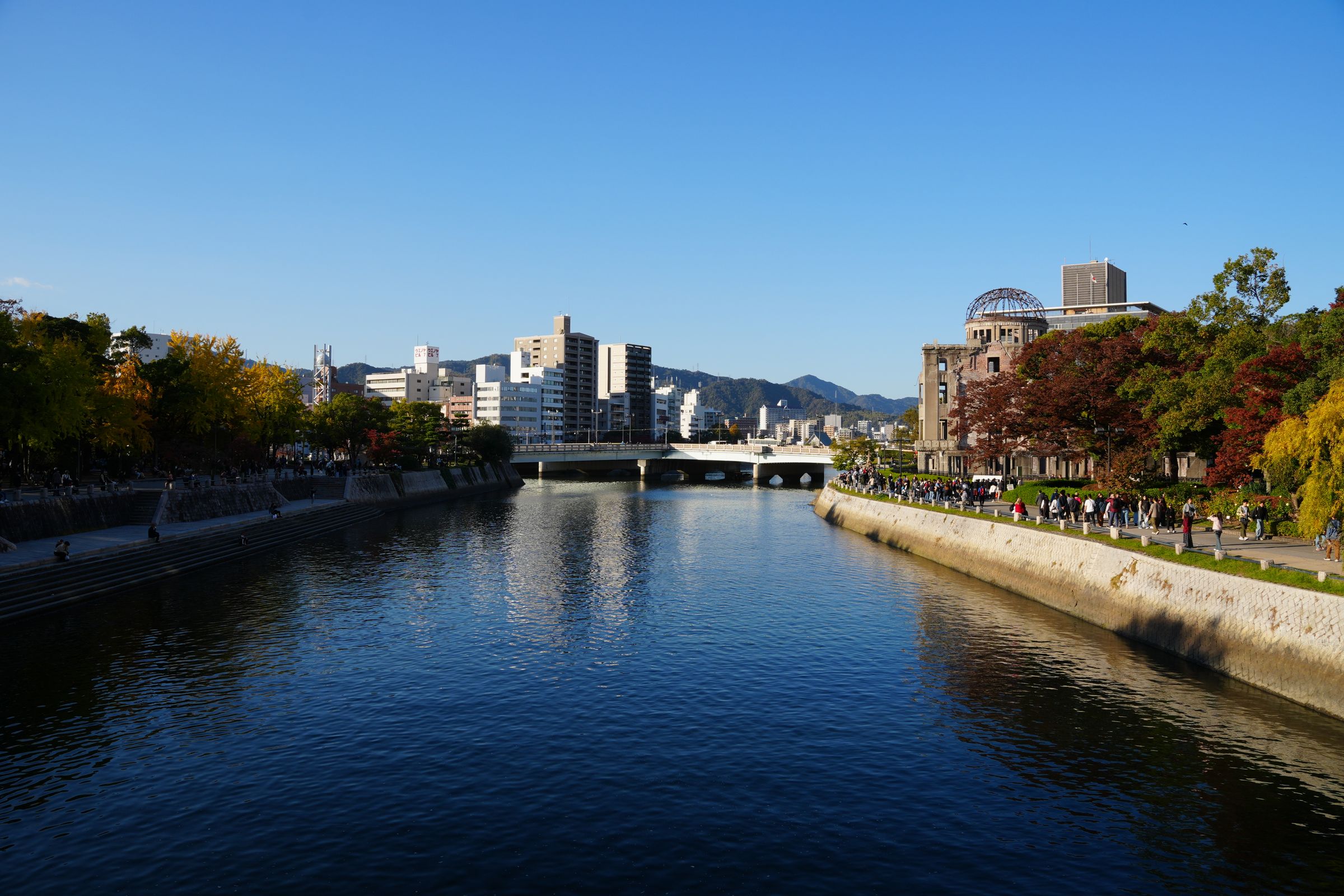
Hiroshima, Japan: a flat city of trams and six river channels, easy on foot. Atomic Bomb Dome, Daisho-in and Hiroshima Castle.
Read the Hiroshima guideExplore the rest of Hiroshima
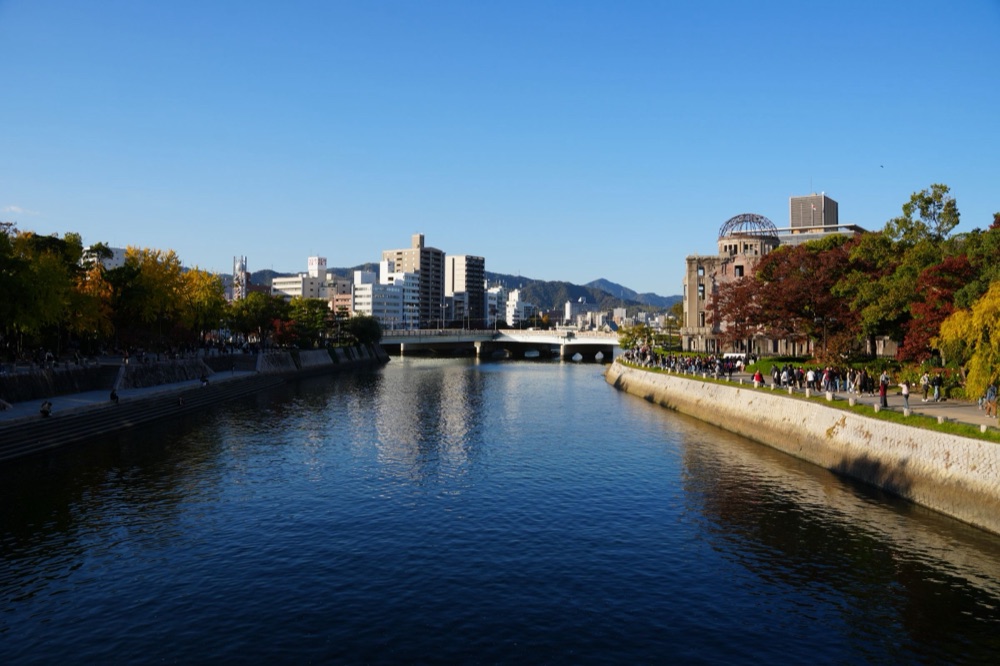
A flat city of trams and six river channels, easy on foot, with the Peace Park and its museum at the centre and the shrine island of…
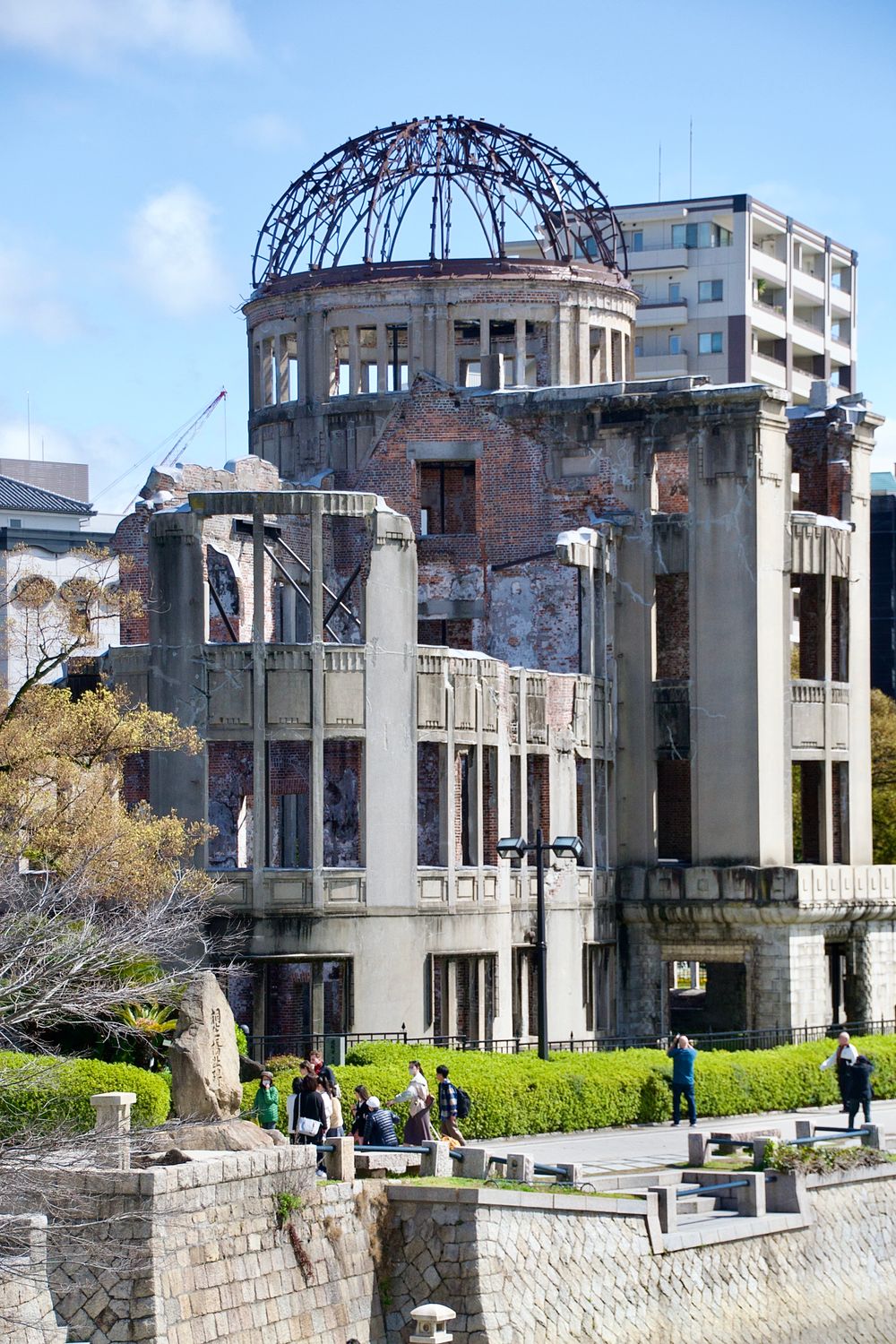
The bare steel ribs of a domed exhibition hall stand on the riverbank opposite the Peace Park, kept as a ruin since the bomb. There is no…
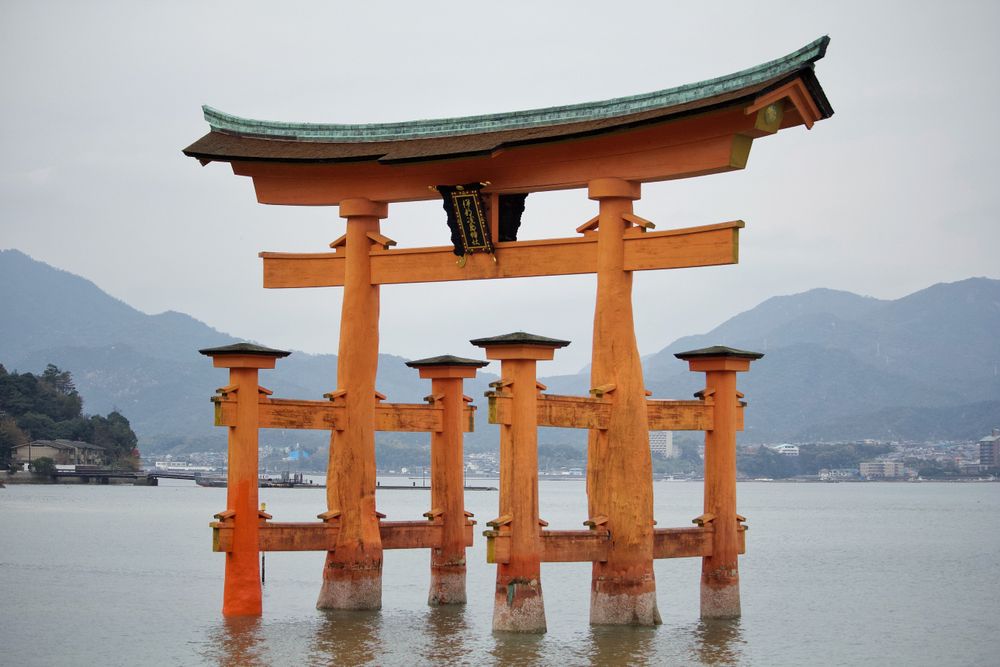
Built on stilts over a tidal inlet on Miyajima, the shrine faces a camphor-wood gate sixteen metres tall that stands in the sea offshore.…
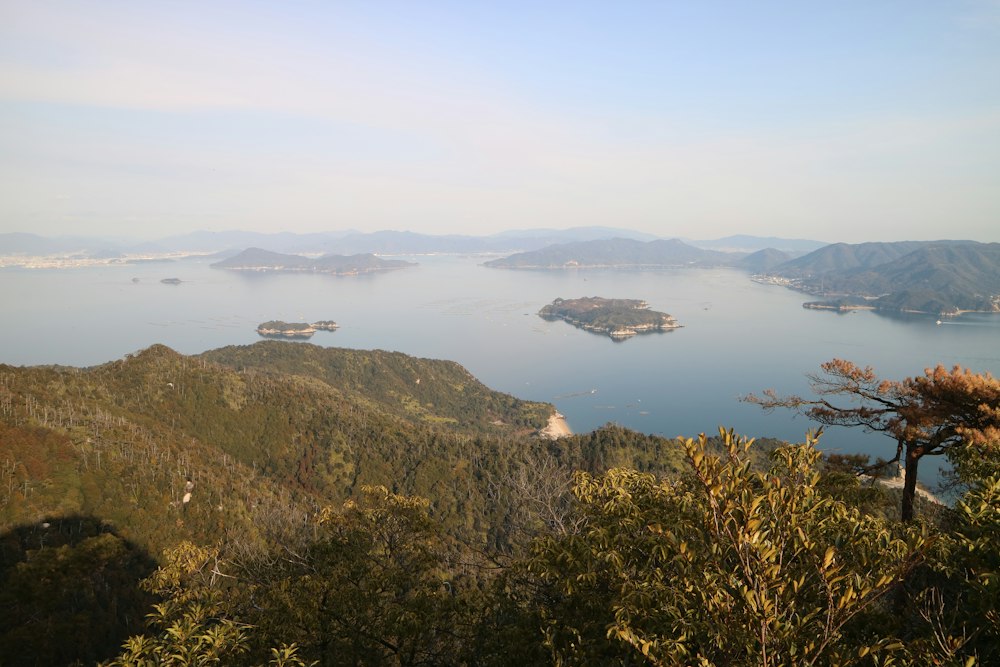
Miyajima's summit is a scatter of boulders with a view across the islands of the Inland Sea. A two-stage ropeway does most of the climb and…
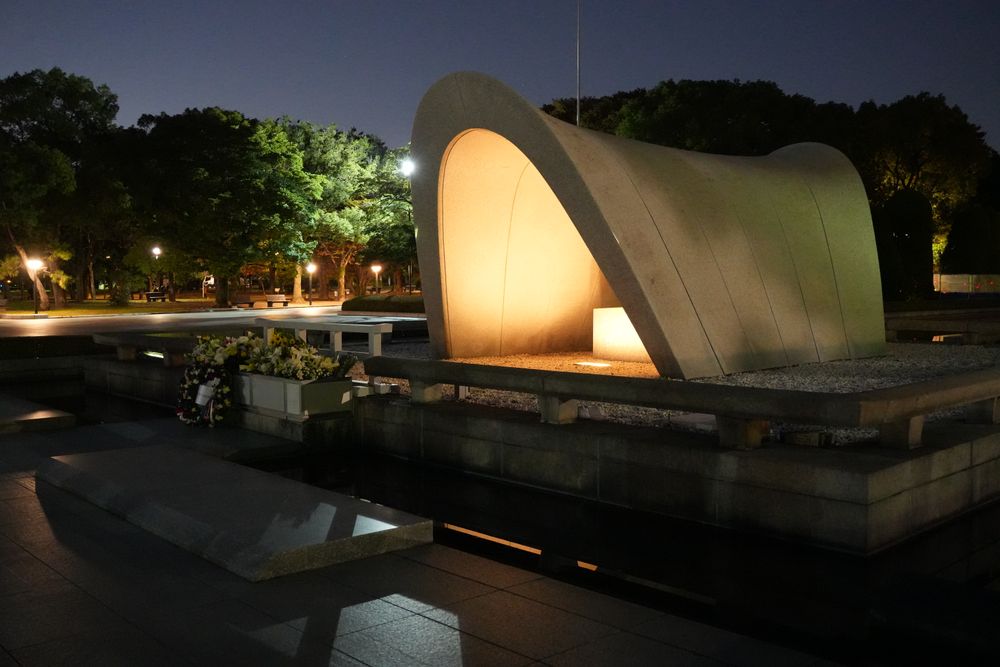
The park fills a river island in the centre, and a walk through it is the heart of a Hiroshima visit. Stand on the museum side of the…
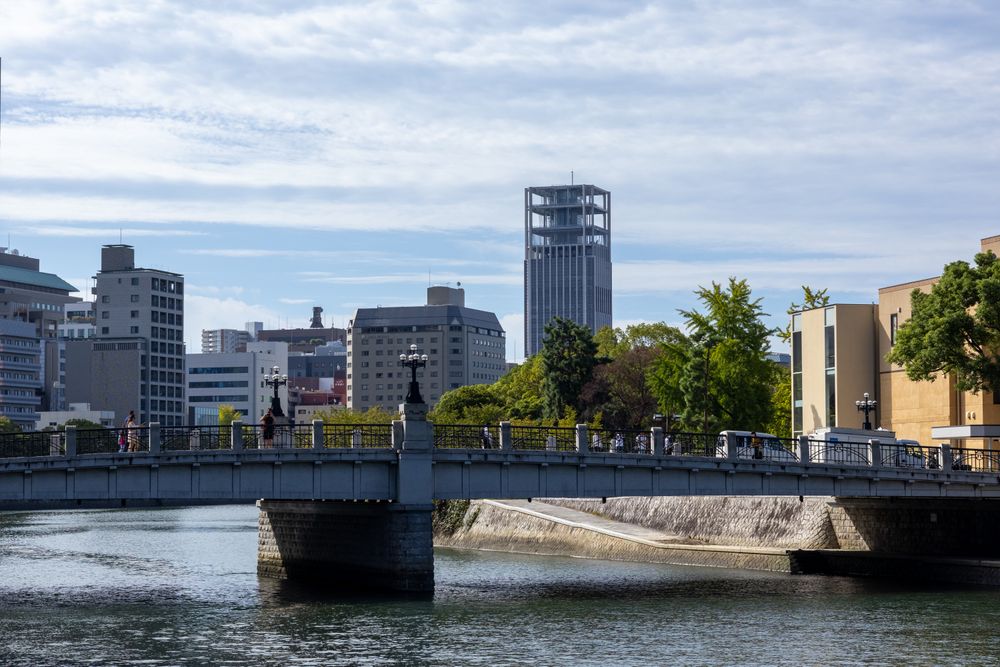
The open rooftop deck of this office tower looks straight down on the Atomic Bomb Dome and across the Peace Park to the hills behind the…
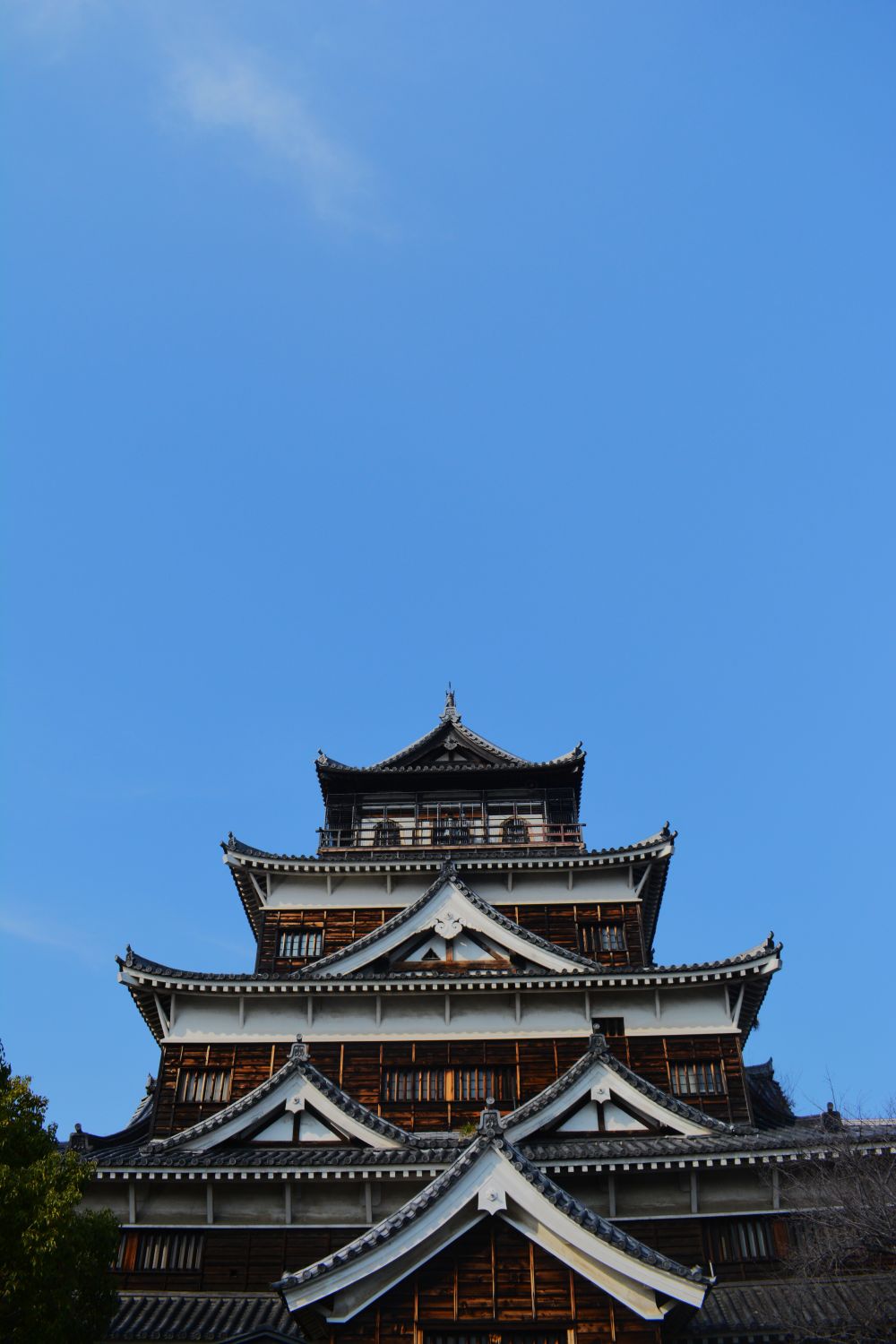
The concrete keep closed permanently in March 2026: it still stands in the open Honmaru grounds and the walk up to it is free, but there is…
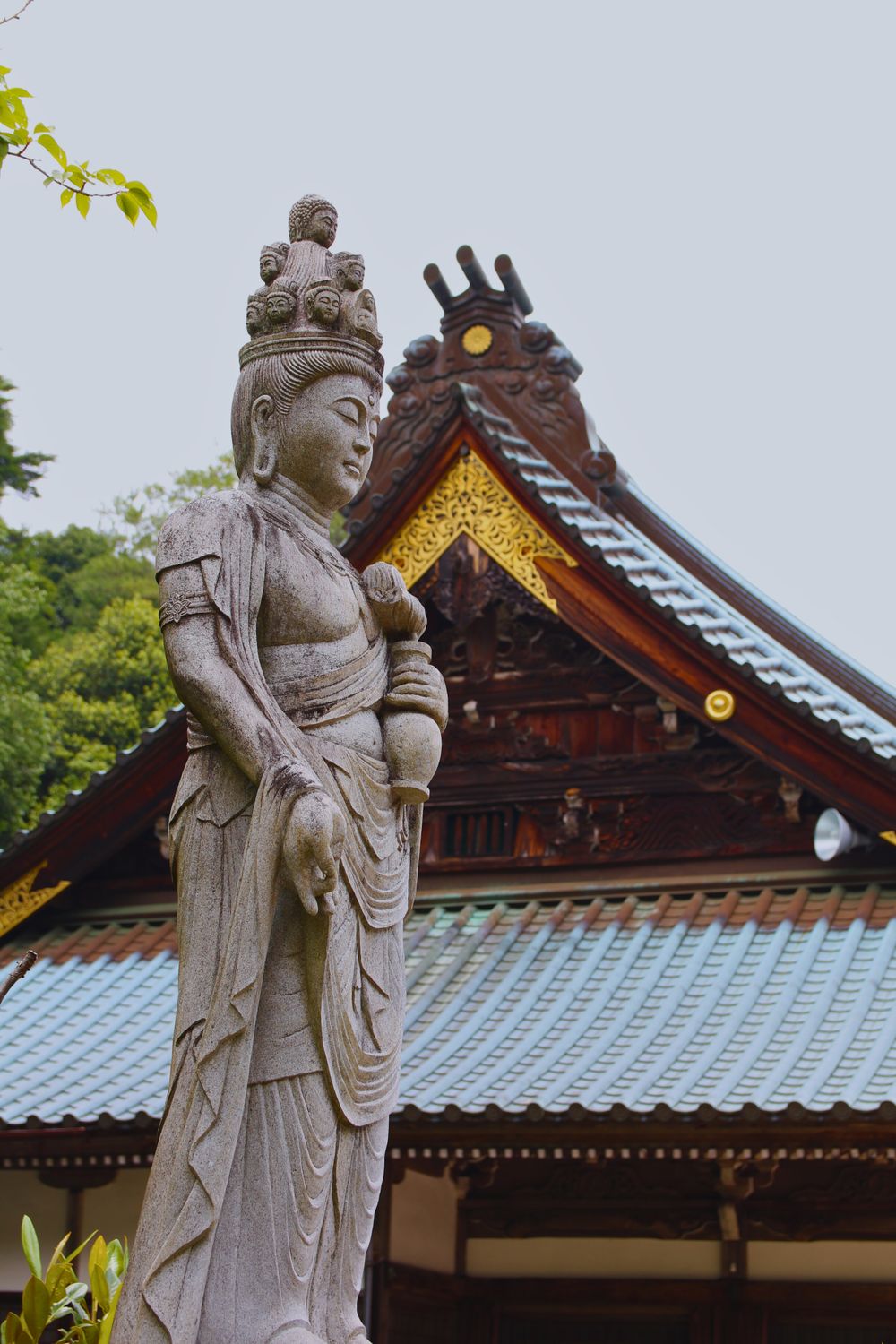
A temple on the slope above Miyajima's village, quieter than the shrine below and reached by stone steps lined with small statues in…
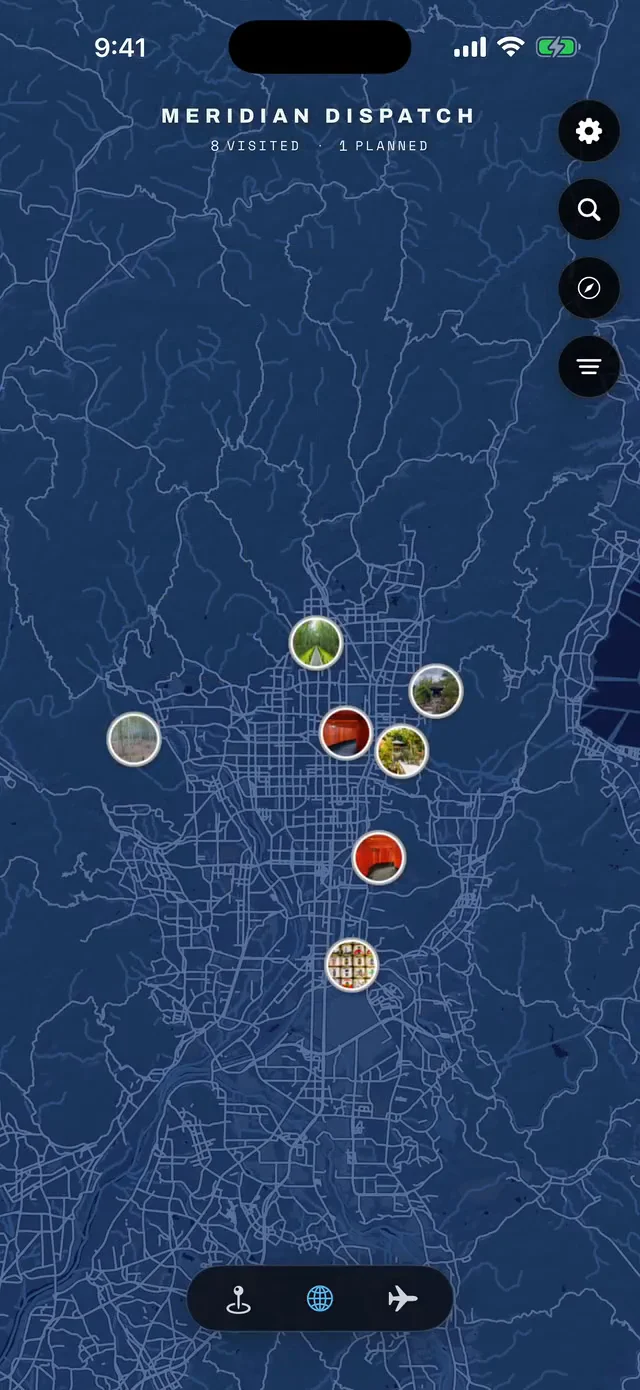
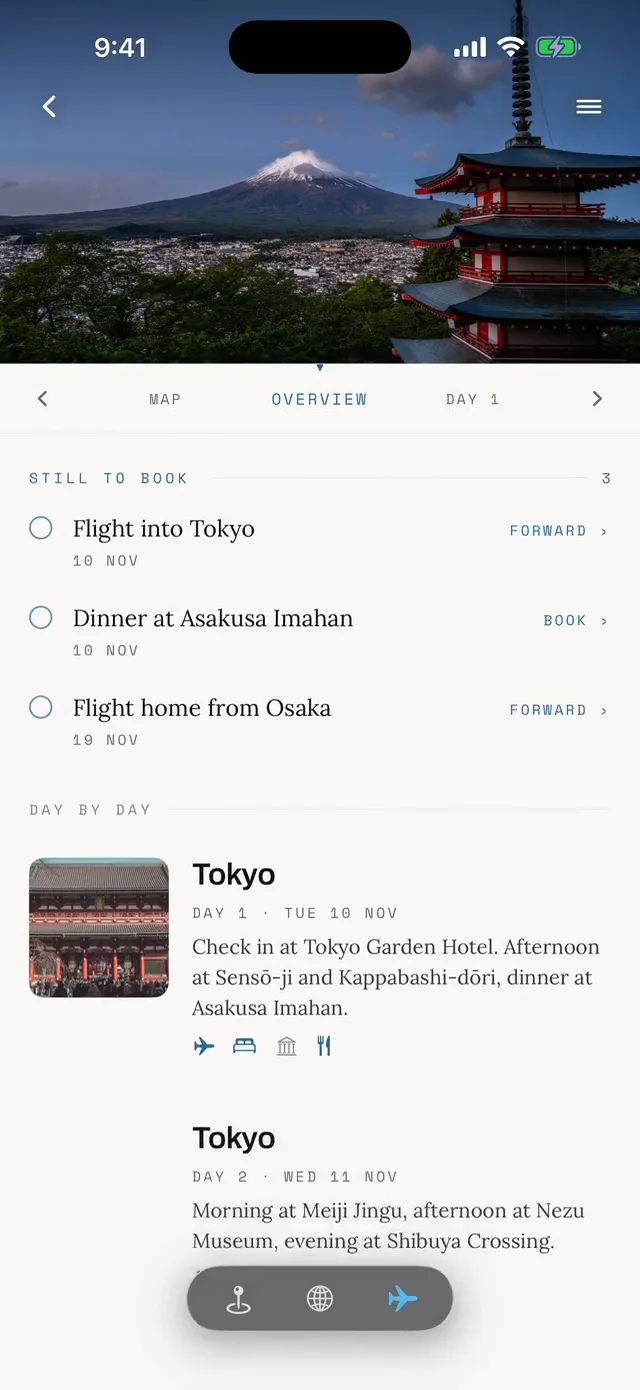

Save Hiroshima Peace Memorial Museum to your Japan trip in the Meridian Dispatch app and build the day around it, with the best of Hiroshima pinned on one map.
Download on the App StoreLast updated