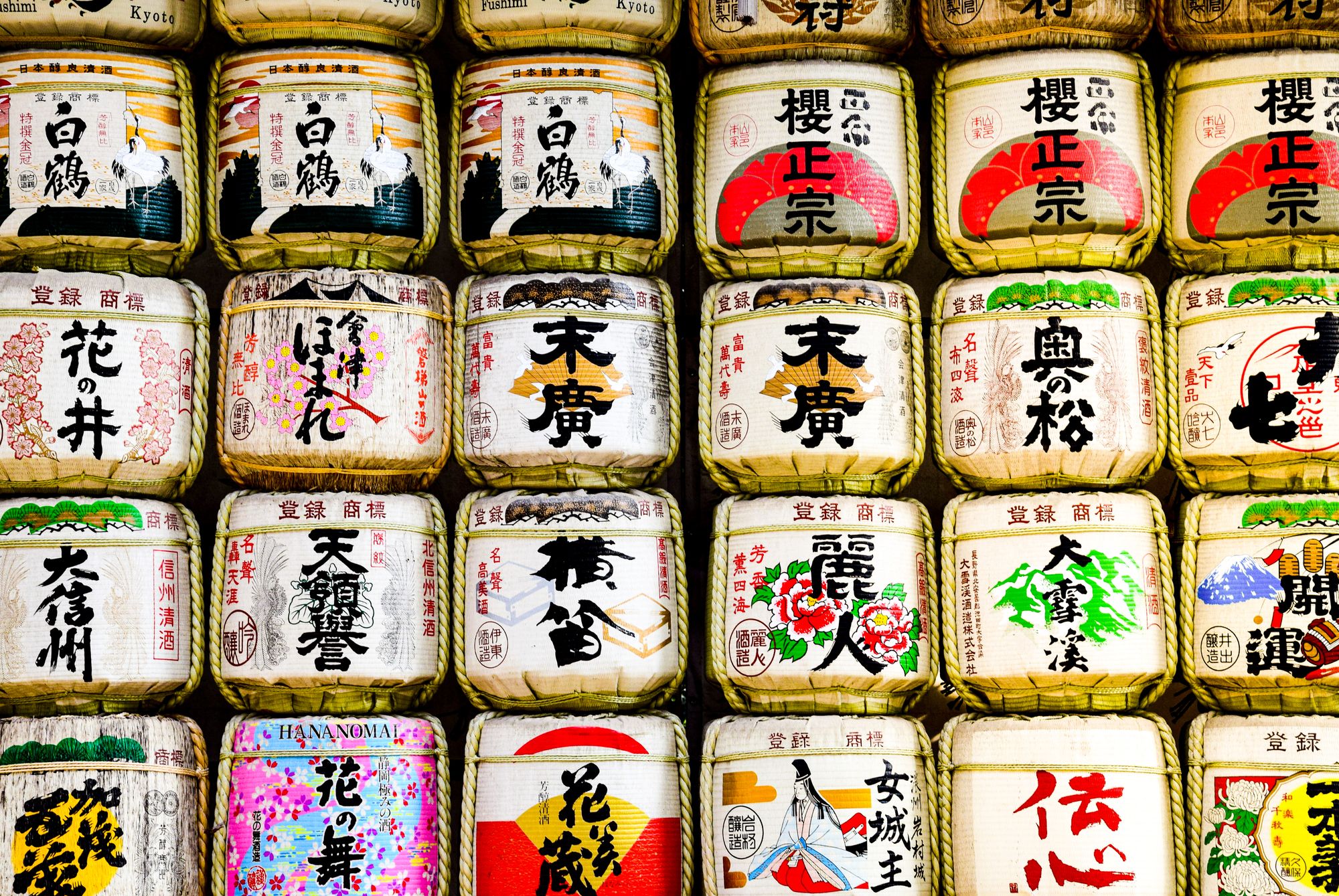
Ninety seconds on Fushimi Sake District
Before you buy a bottle of sake anywhere in Kyoto, taste it in Fushimi, the city's old brewing quarter, where you can compare three sakes at the Gekkeikan museum and walk on to working breweries nearby.
Water is what made Fushimi a brewing quarter. Its groundwater is soft and low in minerals, which gives the local sake its mellow, gentle taste, and the breweries still draw from the same underground source today. One spring, Goko Sui, is on the national environment ministry's list of a hundred exceptional waters in Japan.
The breweries sit close enough together that you can walk the whole quarter between tastings.
The Gekkeikan Okura Sake Museum shows how sake used to be brewed. It fills a renovated brewery built in 1909, and its main halls hold a large collection of traditional brewing tools.
Nearby, the Teradaya still works as an inn, with a museum inside that you can visit. It is the inn where Sakamoto Ryoma, a samurai who opposed the shogunate, was staying when officers raided it.
The Gekkeikan Okura Sake Museum makes the best first stop. Book a slot online ahead of time: without a booking you can only go in on the hour and at half past, and staff may ask you to wait when numbers are capped.
Inside, the route leads through the old brewery halls past the brewing tools and ends at the tasting counter. There you choose three sakes from a list of about ten to compare.
The Gekkeikan counter is only one place to taste. Other breweries run their own tastings, and the format and length vary, so check at the door before you sit down. Finish at the Teradaya, or on one of the canal boats.
Brewery tours are possible, but you have to schedule them ahead, and some breweries do not open for tours at all. Look at each brewery's website for its tour days, and book before you go. At one Fushimi brewery, an American brewer guides international visitors in English.
Take the canal boat for the ride, not the commentary, which you should not count on following.
Book the Gekkeikan slot online ahead, especially at weekends; walk-ins get in only when there is space.
Eat before you start tasting, never on an empty stomach. Wear shoes you can walk in all afternoon, because the museum floors are stone and uneven in places.
Explore the rest of Kyoto
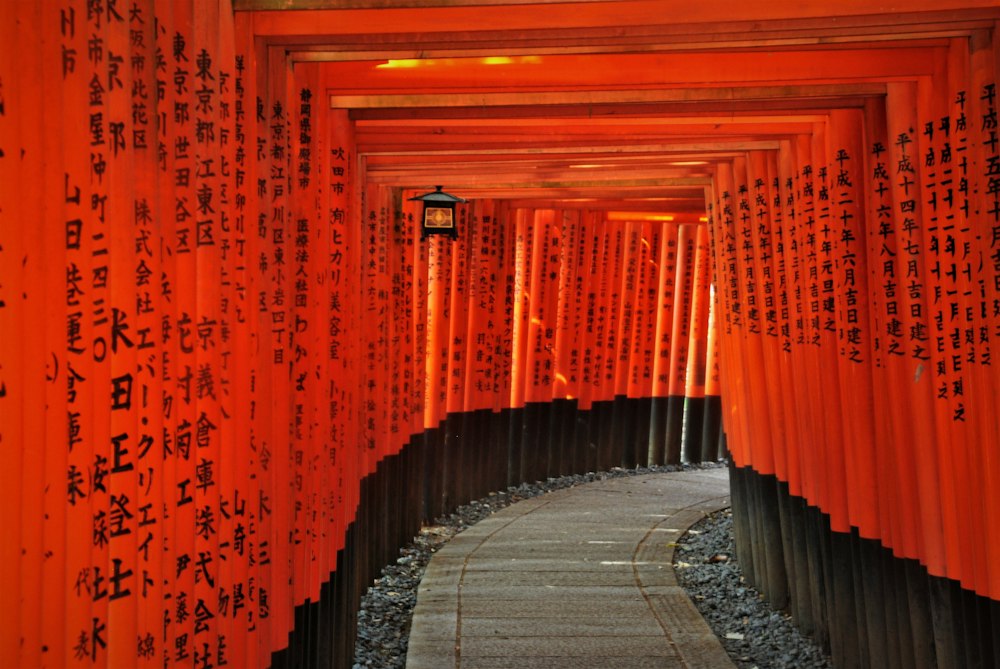
Thousands of vermilion torii, the gateways of a Shinto shrine, run in tunnels up the wooded slopes of Mount Inari behind the main hall,…
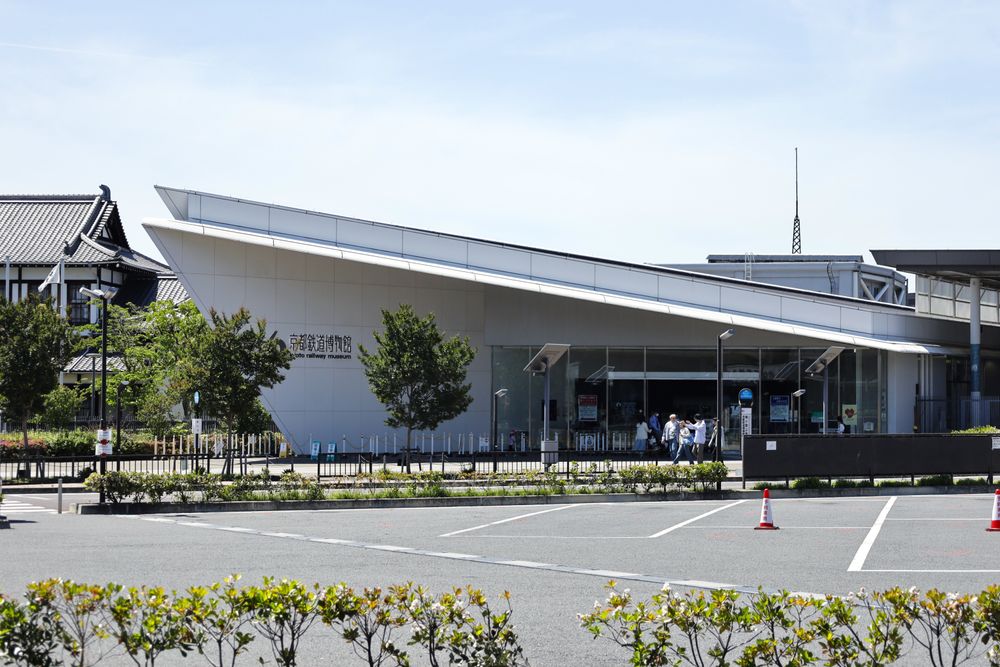
Opened in 2016 beside Umekoji Park, with 53 preserved locomotives and carriages from steam through the first Shinkansen series. Includes a…
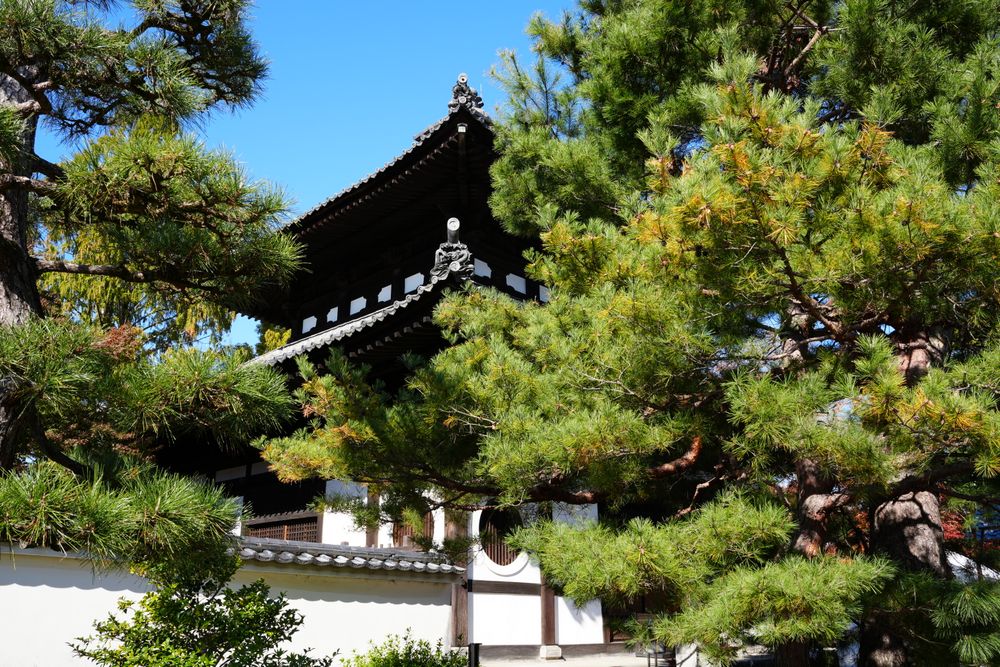
Opened in 1897 with a Meiji-era brick hall by Katayama Tokuma and a 2014 Heisei Chishinkan wing by Taniguchi Yoshio. Holds National…