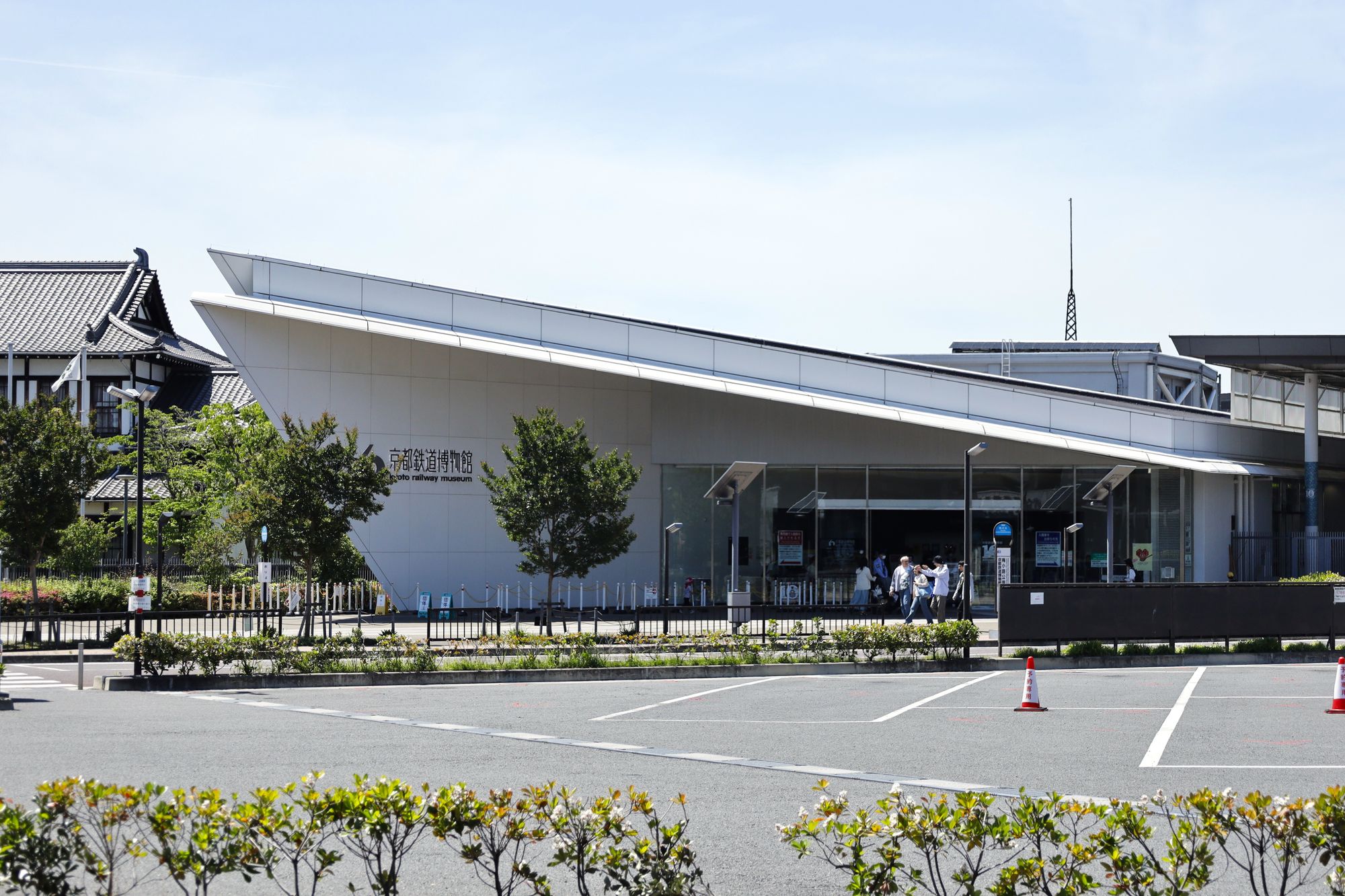
Ninety seconds on Kyoto Railway Museum
Come for the roundhouse, where Japan's largest collection of steam locomotives stands in a ring around a turntable that still works. Then ride behind one of them on the short steam loop outside.
Built in 1914 around its turntable, the roundhouse has twenty tracks and is the oldest reinforced-concrete engine shed in Japan, protected as an Important Cultural Property. The steam locomotives parked on its tracks are the classes Japan ran from the Meiji period to the Showa.
If the turntable is turning when you visit, watch it swing a locomotive round to face the other way. Then look into the workshop, where an old steam engine is repaired in full view of visitors.
Out on the Promenade stands a 0 Series, Japan's original shinkansen, with a small museum inside one of its cars. Look too for the freight locomotive you can walk beneath, which shows its underside mechanics up close.
Two to four hours is a fair allowance. Buy your ticket from the vending machine on arrival, and ask at the entrance how today's simulator slots are allocated.
Inside, the Main Hall holds three storeys of locomotives, carriages and hands-on displays where you can sit in a driver's seat. The diorama, one of the largest in Japan and run live by a single operator, plays at set show times, so plan the hall around the next one.
An outdoor terrace lets you watch trains pass on the Tokaido lines. Finish outside at Twilight Plaza, home to the Twilight Express sleeper train, then at the roundhouse, where the steam ride runs a short loop beside the tracks.
You can skip the audio guide if you mainly want the trains and the hands-on displays. If the history of Japan's railways is what brings you, take it, because most of the panels are in Japanese only. Ask at the entrance where it is handed out.
Arrive at opening if you want a turn on the simulators: the slots are usually allocated by lottery or timed entry, and they go early in the day. If you already hold an Early Bird Advance Ticket, queue at its own entrance rather than at the machines.
National holidays and days with several school groups bring crowds; on other days the halls have room to spare. Leave your bags in the coin lockers on site. At midday in July or August, bring water and budget more time, because the Promenade and the steam ride are outside.
Explore the rest of Kyoto
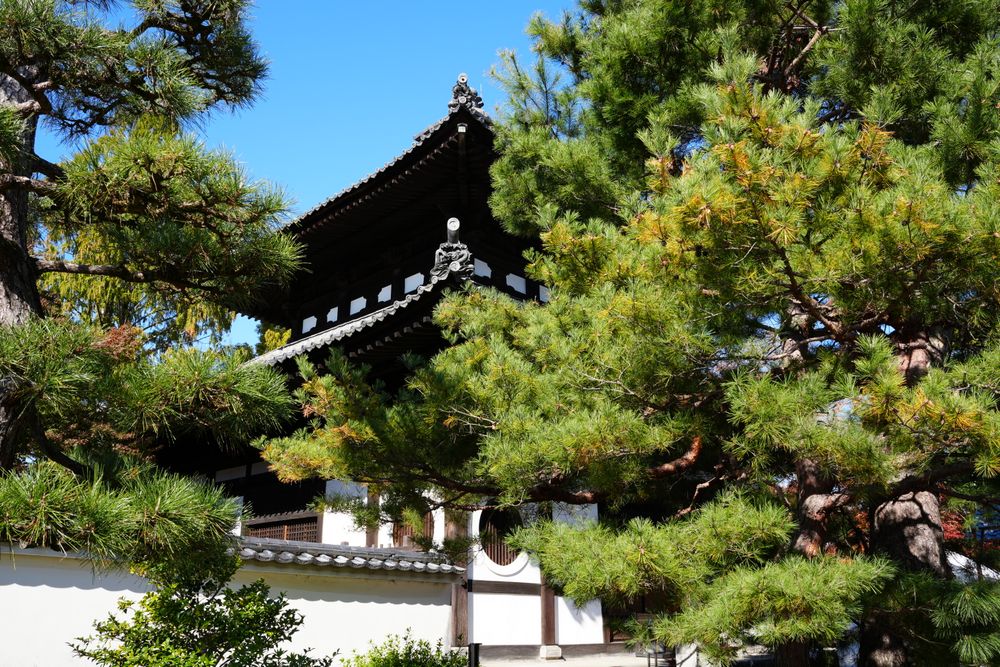
Opened in 1897 with a Meiji-era brick hall by Katayama Tokuma and a 2014 Heisei Chishinkan wing by Taniguchi Yoshio. Holds National…
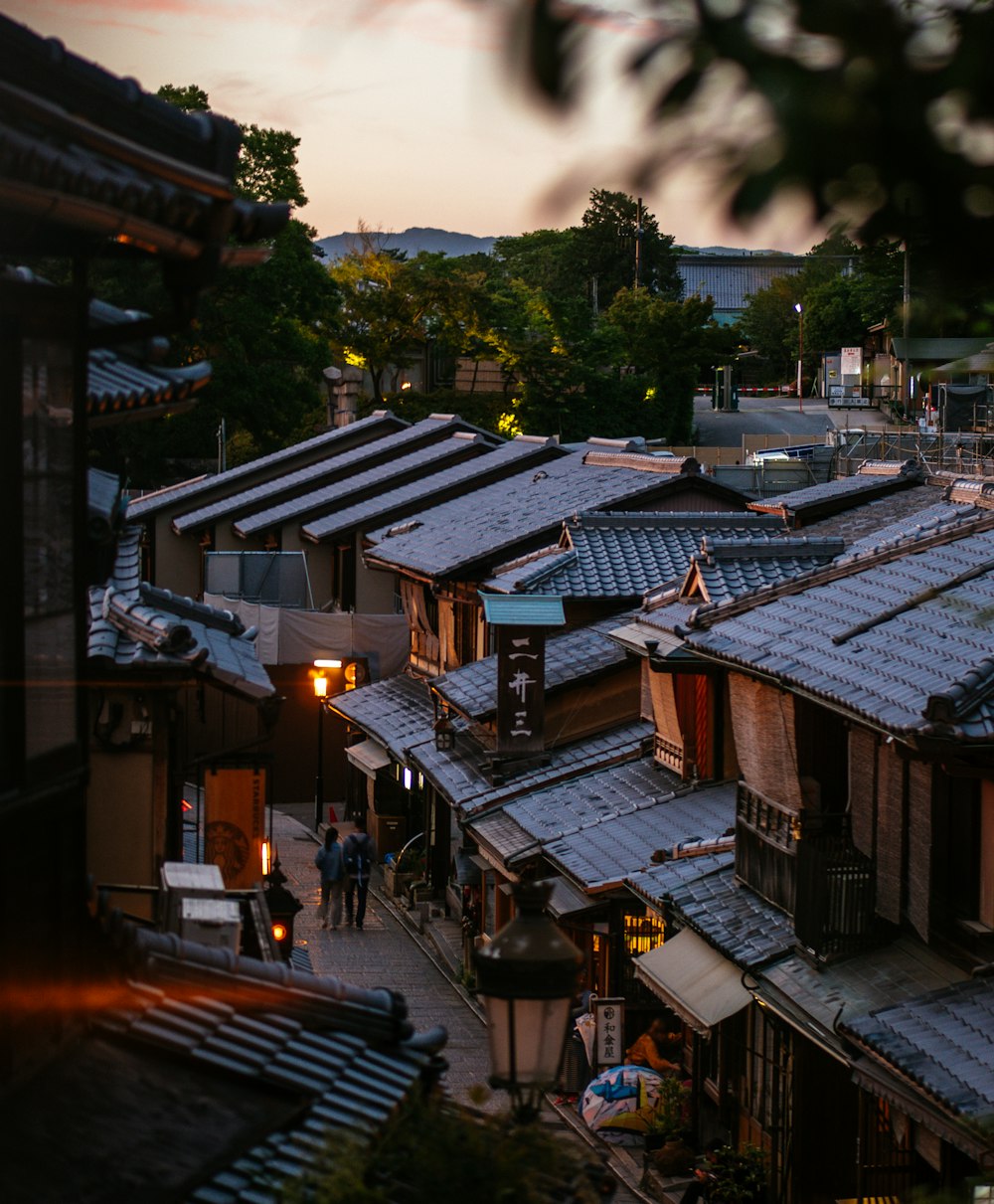
Kyoto's geisha district, with the wooden ochaya teahouses of Hanamikoji and the willow-lined Shirakawa canal behind them. Minamiza is the…
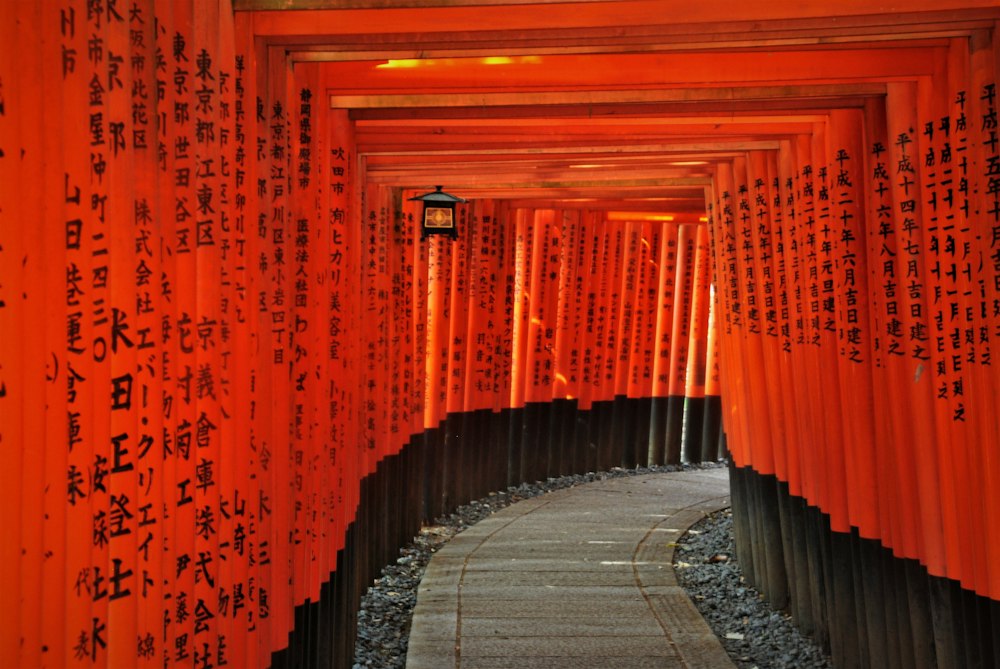
Thousands of vermilion torii, the gateways of a Shinto shrine, run in tunnels up the wooded slopes of Mount Inari behind the main hall,…