Things to do
8-
Fushimi Inari-taisha
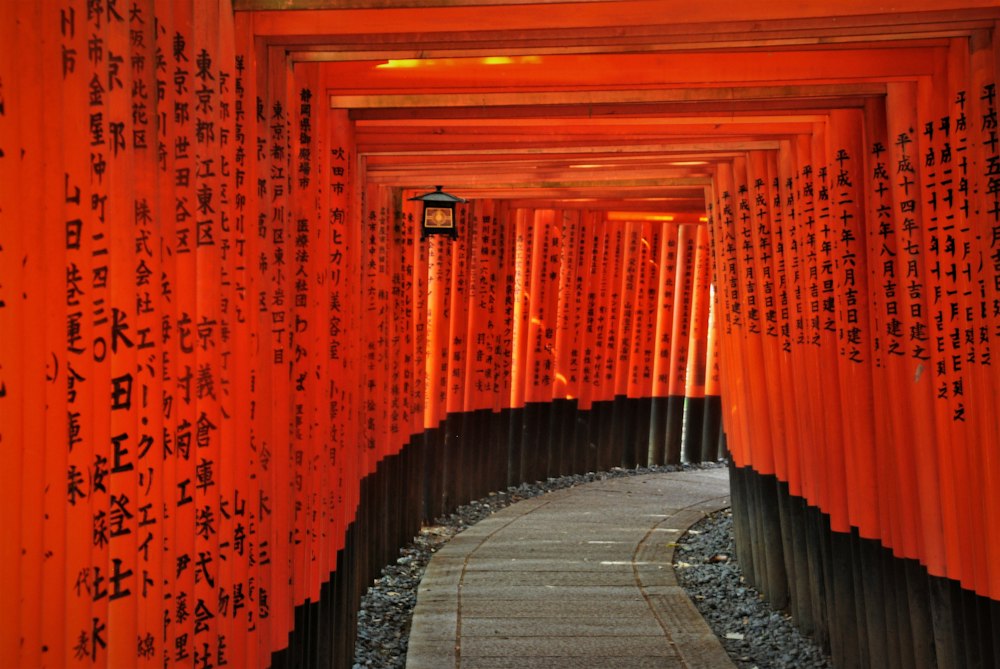
Thousands of vermilion torii, each paid for by a company or a family and lettered with the donor's name, make a tunnel up a wooded hill behind the main shrine. The full loop to the summit takes two to three hours and the crowd thins sharply after the first junction. Stone foxes guard every sub-shrine. The mountain never closes, and the gates are lit at night.
-
Gion
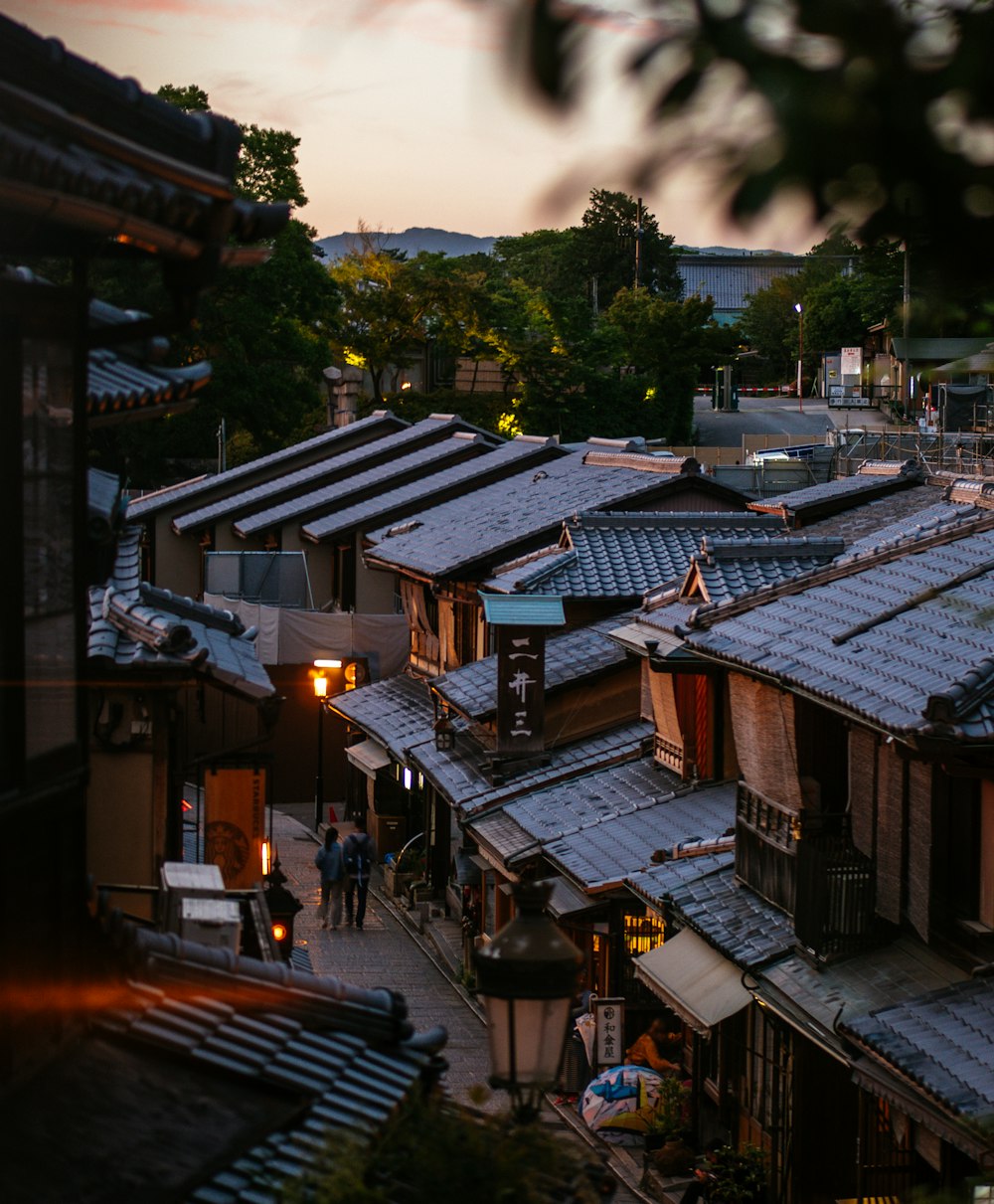
Kyoto's main geiko district, a few streets of wooden teahouses with slatted fronts between Yasaka shrine and the Kamo river. Apprentices in full dress walk to evening appointments around dusk. Residents have banned visitors from the private side alleys and signs warn of fines, after years of visitors blocking the lanes and pulling at sleeves for photographs. Stay on Hanami-koji and the Shirakawa canal, and keep a distance.
-
Kinkaku-ji
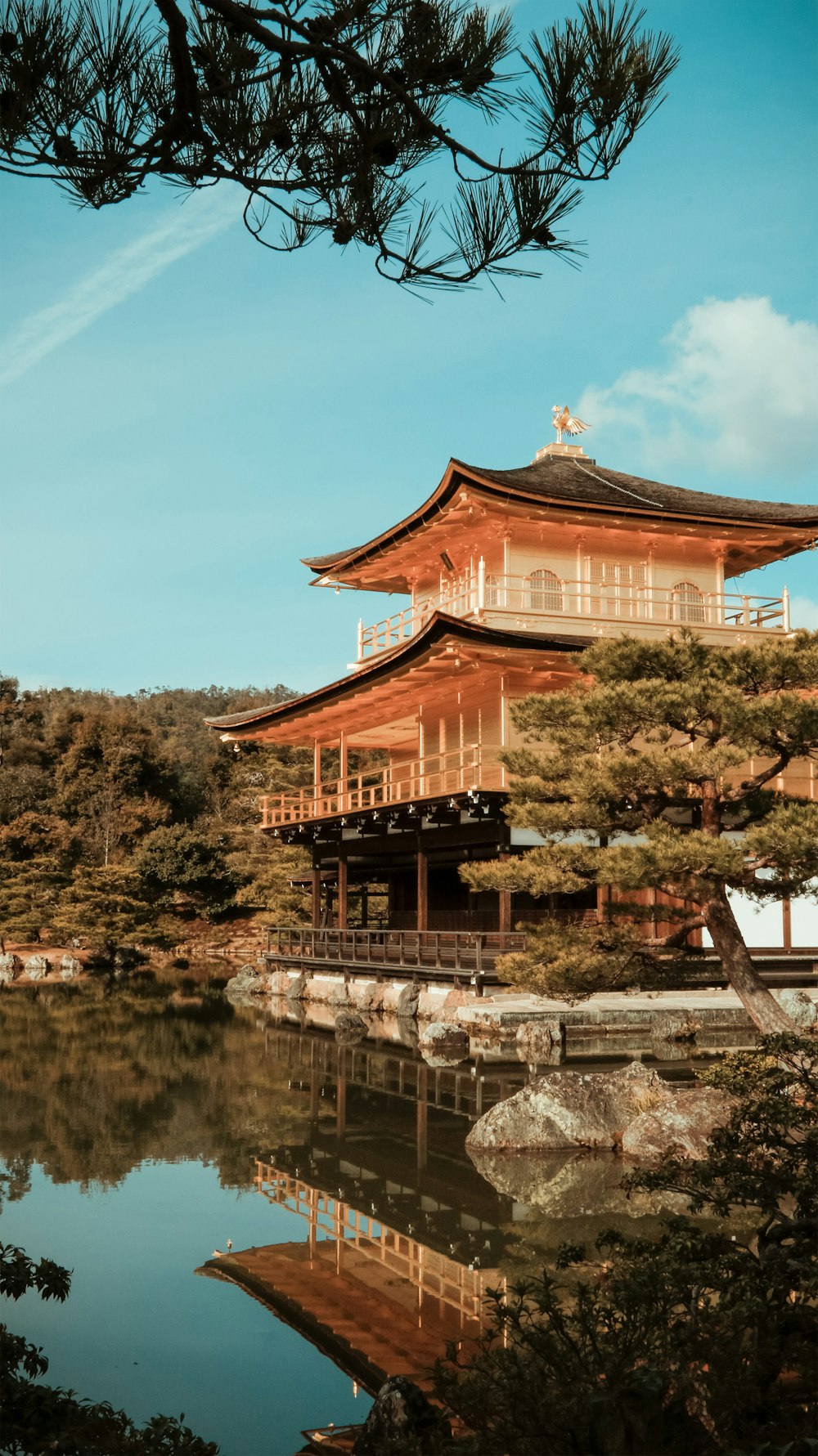
A shogun's retirement villa of 1397, converted to a Zen temple at his death, with its upper two storeys covered in gold leaf. The building on the pond is a reconstruction: a young monk burned the original to the ground in 1950, an act Mishima turned into a novel. Visitors follow a one-way path and cannot enter. Overcast days photograph better than bright ones.
-
Kiyomizu-dera
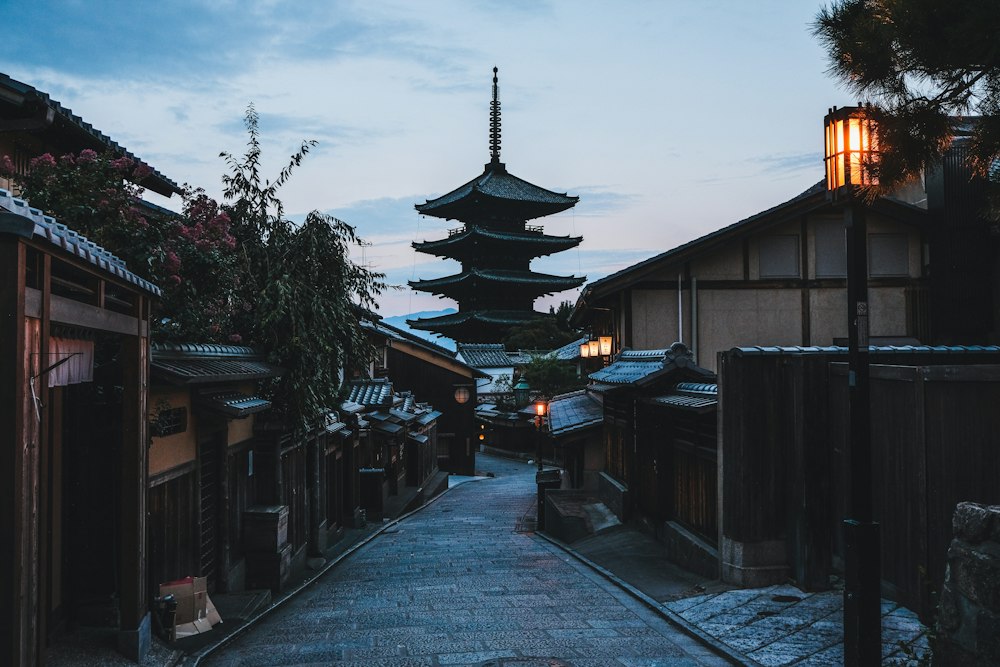
The main hall's veranda juts over a hillside on a lattice of zelkova pillars thirteen metres tall, joined without a single nail. Below it the Otowa spring falls in three streams, and visitors queue to drink from one with a long-handled cup. The lanes climbing to the gate are lined with pottery shops. Gates open at six, long before the tour groups arrive.
-
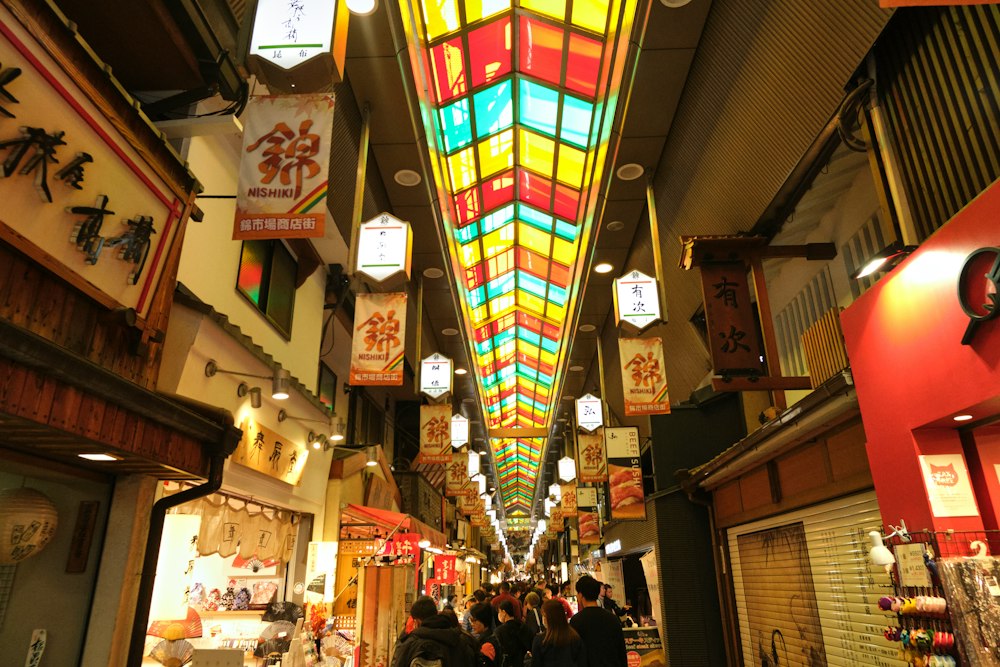
Nishiki Market
A covered lane five blocks long and only a few metres wide, trading in food for four centuries. Stalls sell what a Kyoto kitchen runs on: pickled vegetables in barrels, fresh tofu skin, grilled eel, tiny dried fish, knives from a smith founded in 1560. Shops ask customers to eat at the counter and not while walking. Most close by six, and several shut on Wednesdays.
-
Arashiyama
The western edge of the city, where the Katsura river leaves its gorge under a long wooden-railed bridge. A path through giant bamboo runs for a few hundred metres behind Tenryū-ji, whose pond garden has kept its fourteenth century layout. The grove is shoulder to shoulder by ten. Walk on north to the thatched houses of Saga-Toriimoto and the crowd disappears within minutes.
-
Nijō Castle
Tokugawa Ieyasu built this residence in 1603 to show the imperial court who now governed. Corridor floors in the Ninomaru palace are sprung to chirp underfoot, an alarm against assassins, and the audience rooms are painted with tigers and pines on gold. The last shogun announced the return of power to the emperor in the same rooms in 1867, and photography is not allowed in any of them.
-
Ryōan-ji
Fifteen rocks in a rectangle of raked white gravel, laid out in the late fifteenth century by a designer who has never been identified. From any seat on the veranda at least one rock is hidden behind another. Its meaning is undocumented, and the temple offers no reading of its own. The large pond garden outside predates it by centuries. First entry, at eight, is the quiet one.