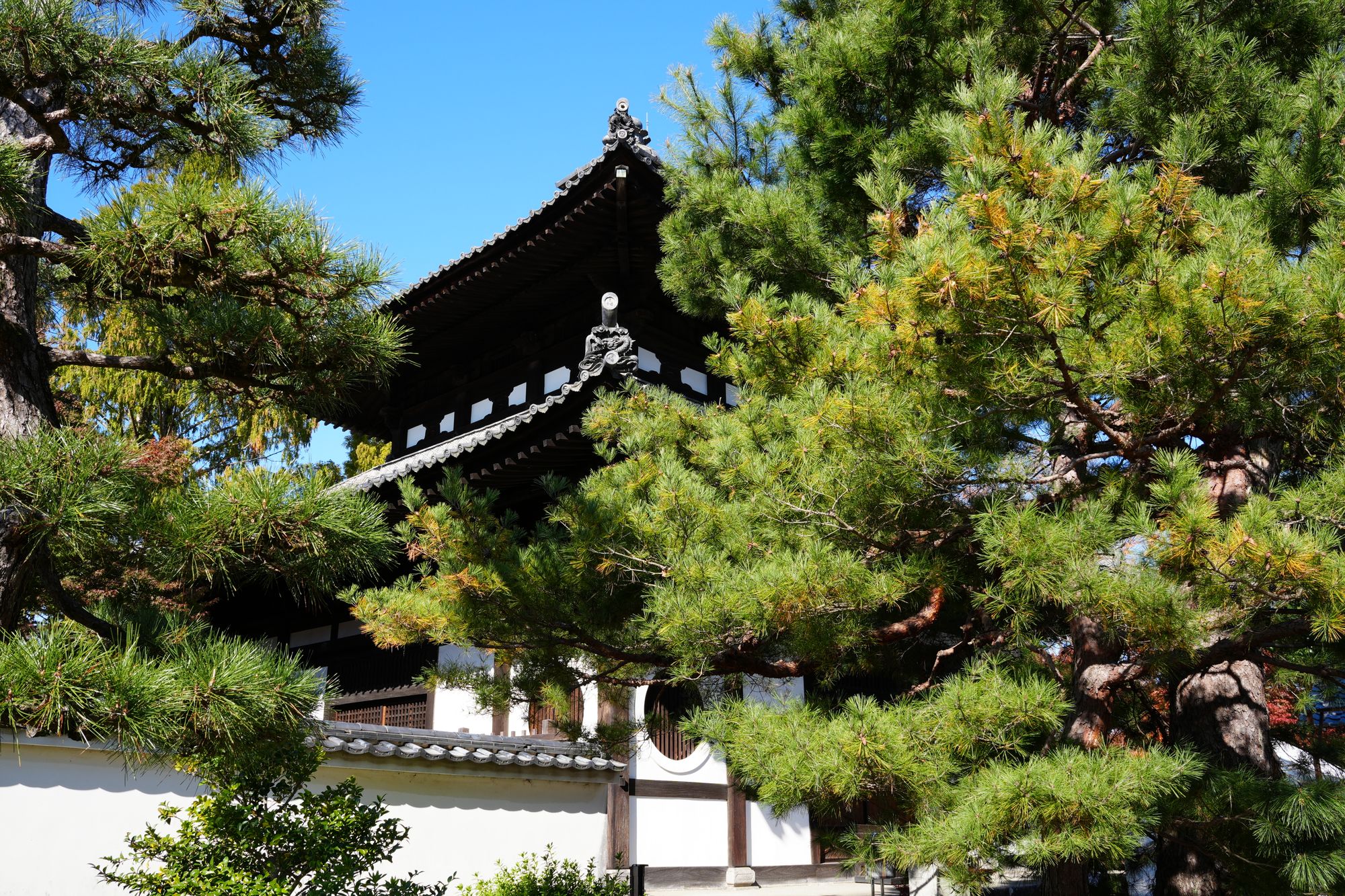
Ninety seconds on Kyoto National Museum
Fifty National Treasures rotate through one modern wing, so a single visit can take you from giant Buddhist statues to famous Japanese painters. Check what is on show before you go.
Giant Buddhist statues carved in the eleventh century are usually shown on the ground floor of the Heisei Chishinkan. The upper galleries change their displays through the year, so painters such as Jakuchu and Hiroshige come and go. If you want one artist, check the museum's current list first.
National Treasure, printed on many of the labels, is the highest rank the Japanese government gives a work of art. The term was first used in the same year the museum's first hall opened.
That hall, the brick Meiji Kotokan by Katayama Tokuma, still stands in the grounds with its original gate. It closed in 2015 for earthquake strengthening, so expect to see it from outside only.
Every open gallery is in the Heisei Chishinkan, a wing by the architect Taniguchi Yoshio in clean, simple lines drawn from traditional Japanese design. It is open plan, so from the upper floors you look down onto the floors below.
Heisei Chishinkan, the modern wing, holds every open gallery, and one ticket covers them all. The information counter is in the entrance lobby, on the same floor as the big statues.
Begin with the statues, then work upwards. The collection is divided into sculpture, painting and ceramics, so give most of your time to the one that interests you and move quickly through the rest.
When you are done, go out into the garden, where a few statues stand along the paths. From there you get the best look at the old hall and its gate.
You do not need a guide. Almost every label is in English as well as Japanese, which is rare among Kyoto's museums, so you can manage well on your own. If you want an audio guide, rent one in the entrance lobby in Japanese, English, Chinese or Korean, and hand it back before you leave, because it cannot go outside the museum.
Check the photography rule at the entrance before you take out a camera, since some halls may restrict it. Bring a pushchair by all means, but on a crowded day the staff may ask you to leave it outside the galleries.
Look up what special exhibition is on before you go. A show charges its own admission, which varies from one exhibition to the next, and that ticket also lets you into the permanent collection.
Explore the rest of Kyoto
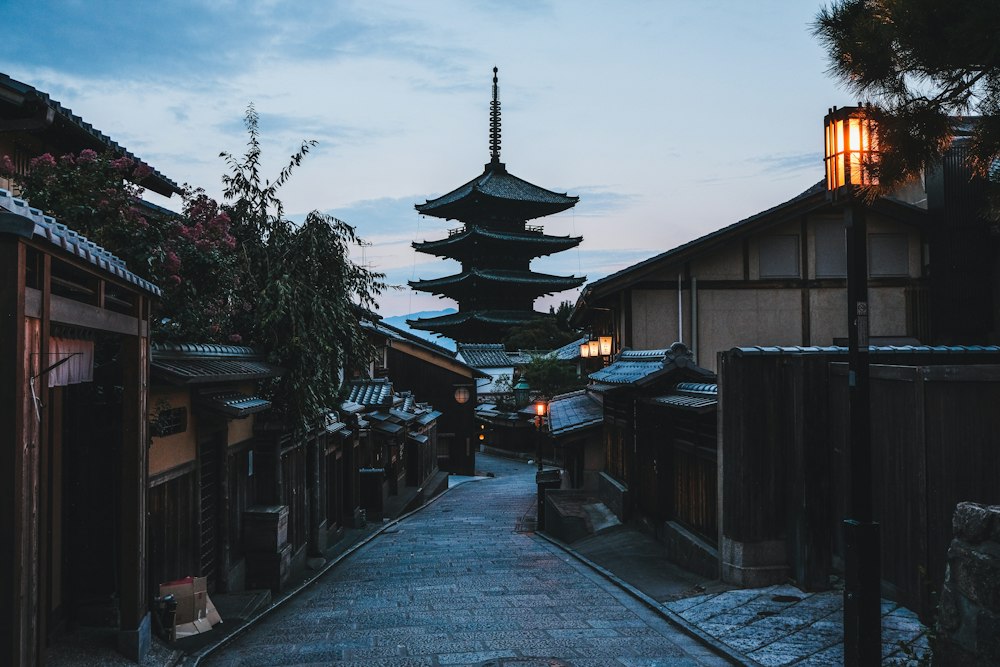
A wooden stage on a nail-free frame of pillars, high above a hillside of cherry and maple. Below it, the Otowa waterfall splits into three…
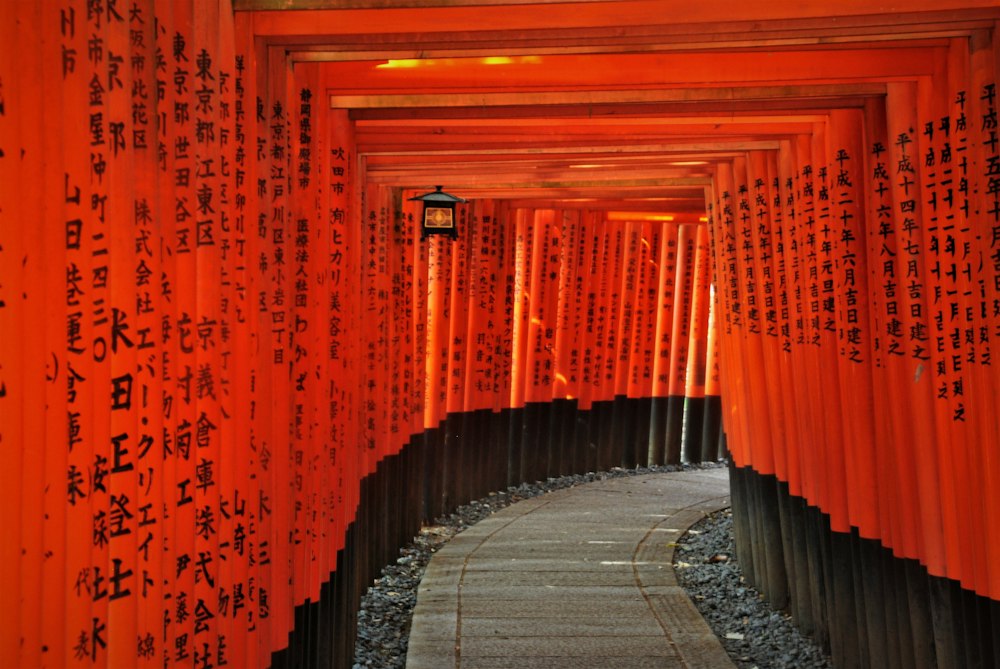
Thousands of vermilion torii, the gateways of a Shinto shrine, run in tunnels up the wooded slopes of Mount Inari behind the main hall,…
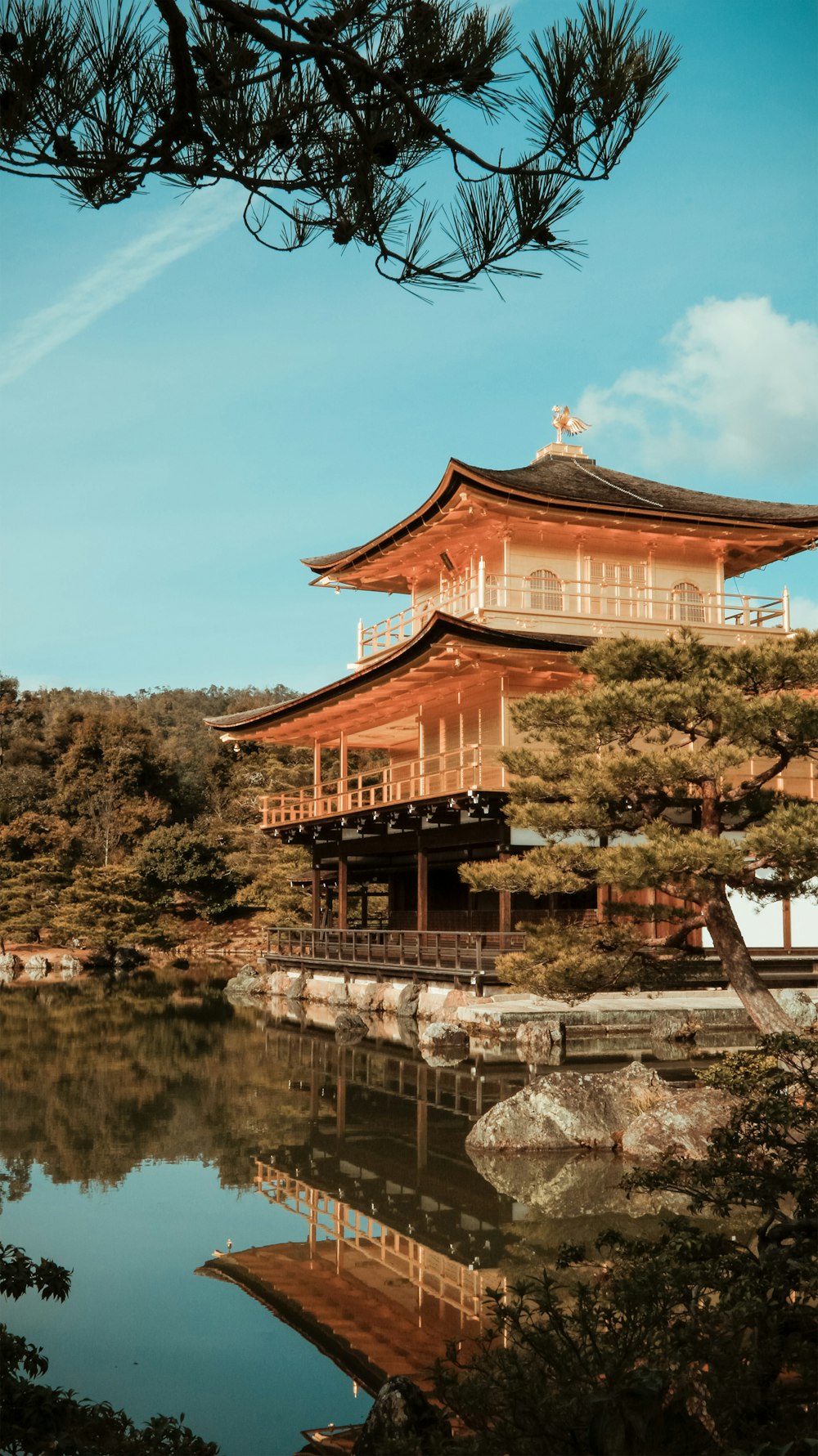
A three-storey pavilion over a still pond, its upper two floors covered in gold leaf and topped by a gilt phoenix. A single garden path…