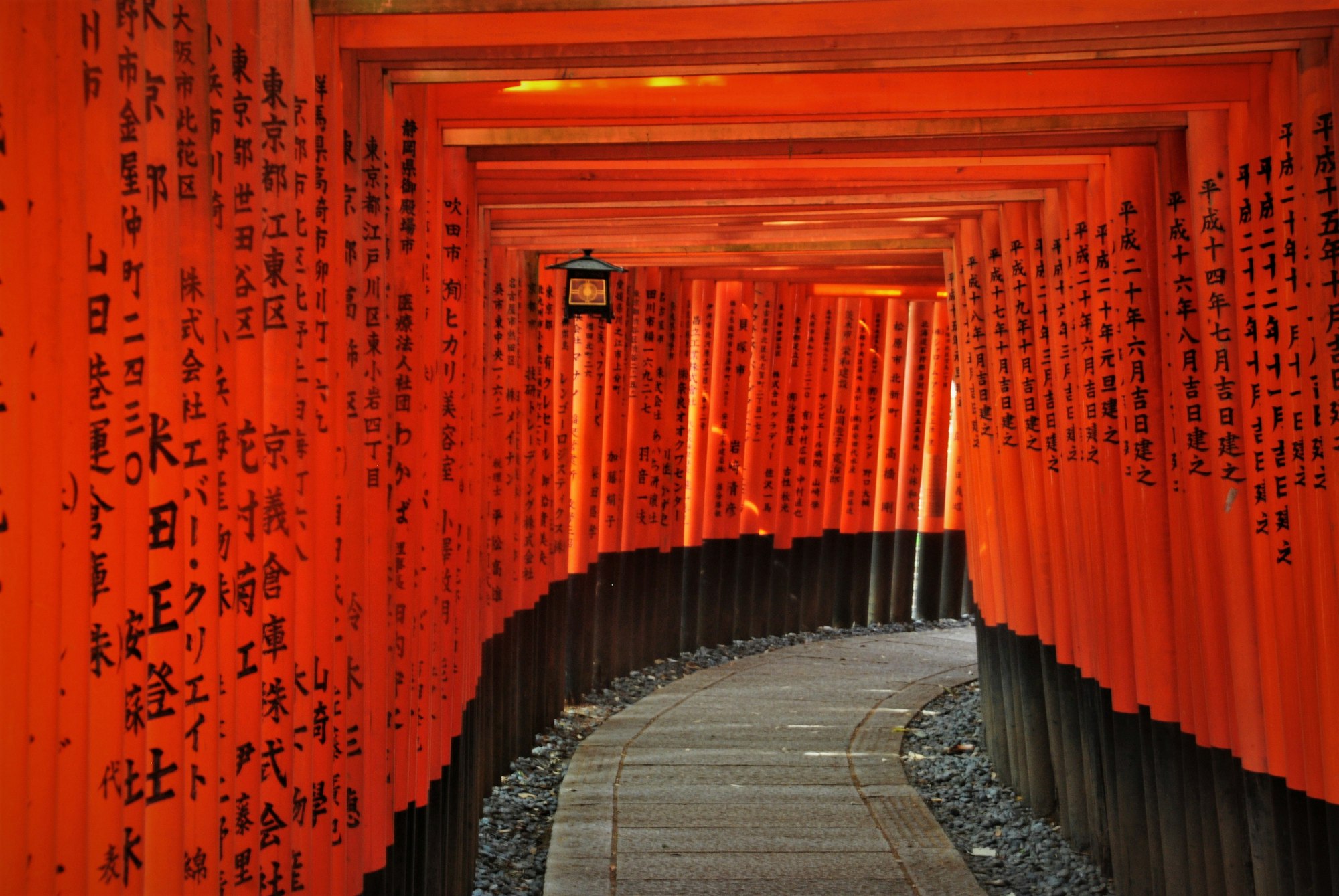
You can walk the vermilion tunnels of the Senbon Torii, then keep climbing as the gates thin out, the air cools and the forest closes in.
Temple, Kyoto. Meridian Dispatch.
The JR Nara Line runs two stops from Kyoto Station to Inari, a five-minute ride, and the shrine stands right next to that station. From Fushimi-Inari station on the Keihan Main Line it is a five-minute walk east. City bus Minami 5 stops at Inari Taisha-mae, seven minutes on foot from the shrine, and the shrine advises public transport because the parking around it is very crowded.
Yes. The shrine is always open, with no closing days, and admission is free. The main hall and the areas beyond the fences are restricted, so visitors keep to the public paths and the torii routes.
Allow about 30 to 45 minutes to reach Yotsutsuji, the junction roughly halfway up the mountain. The hike to the summit and back takes about two to three hours. Walkers may turn around at any point, so the total depends on how far they go.
The paths are busiest from late morning to mid afternoon. In the evening the paths are quieter and the gates are lit by soft lanterns, though the upper trail can still be very dark.
No guide is needed to walk the gates. Kyoto City Visitors Hosts, city-certified guides, lead a tour that includes the Kagura sacred dance at the Kagura Hall, which only tour members can watch. The tour does not run on days of large events or festivals at the shrine.
The official site of Fushimi Inari-taisha is inari.jp.
inari.jp →Around 10,000 torii of every size line the paths up Mount Inari, and each one is an offering. A person or a business paid for every gate, and the donor’s name and the date of the gift are carved on its back.
The Senbon Torii, the Thousand Torii, is the stretch the shrine is famous for: two rows of gates running side by side behind the main hall. In the densest parts the posts stand so close that little daylight gets through, and the path becomes a vermilion tunnel. Higher up the gates space out and the forest shows between them.
The stone foxes at the small shrines stand for Inari’s messengers, called byakkosan, or white foxes. The shrine holds that these messengers are unseen spirits, like the god they serve, and not the animals that live on the mountain.
The name Inari comes from ina, the Japanese word for rice. This is the head shrine of around 30,000 Inari shrines across Japan, and every one of them is affiliated to it.
Walk in through the main gate and stop at the main hall to make a small offering. The Senbon Torii begins behind it: keep to one side and keep moving, because this first stretch is the most crowded on the mountain.
The double rows end at the Okuno-in, the inner prayer hall. In its back right-hand corner stand two stone lanterns. Make a wish and lift the stone top: the custom says the wish comes true if it feels lighter than you expected, and probably not if it feels heavier.
From there the gates climb the mountain by stairs, past small shrines stacked with miniature torii. After thirty to forty-five minutes you reach Yotsutsuji, roughly halfway up, where the view opens over Kyoto and the trail splits into a loop to the summit.
Turn back here if time is short, since the trail beyond changes little and the gates thin further. If you are fit and do not mind stairs, carry on round the loop.
The crowds thin fast once you climb past the first gates.
In the late afternoon, time the climb to reach Yotsutsuji before sunset and watch the light go down over Kyoto. The gift shops sell small torii that you can have inscribed with a family name or a message.
Pair the climb with an afternoon at the Fushimi Sake District. The Kyoto Railway Museum also fits the same day: it is about a 20-minute walk west of Kyoto Station, where the JR Nara Line to Inari starts.
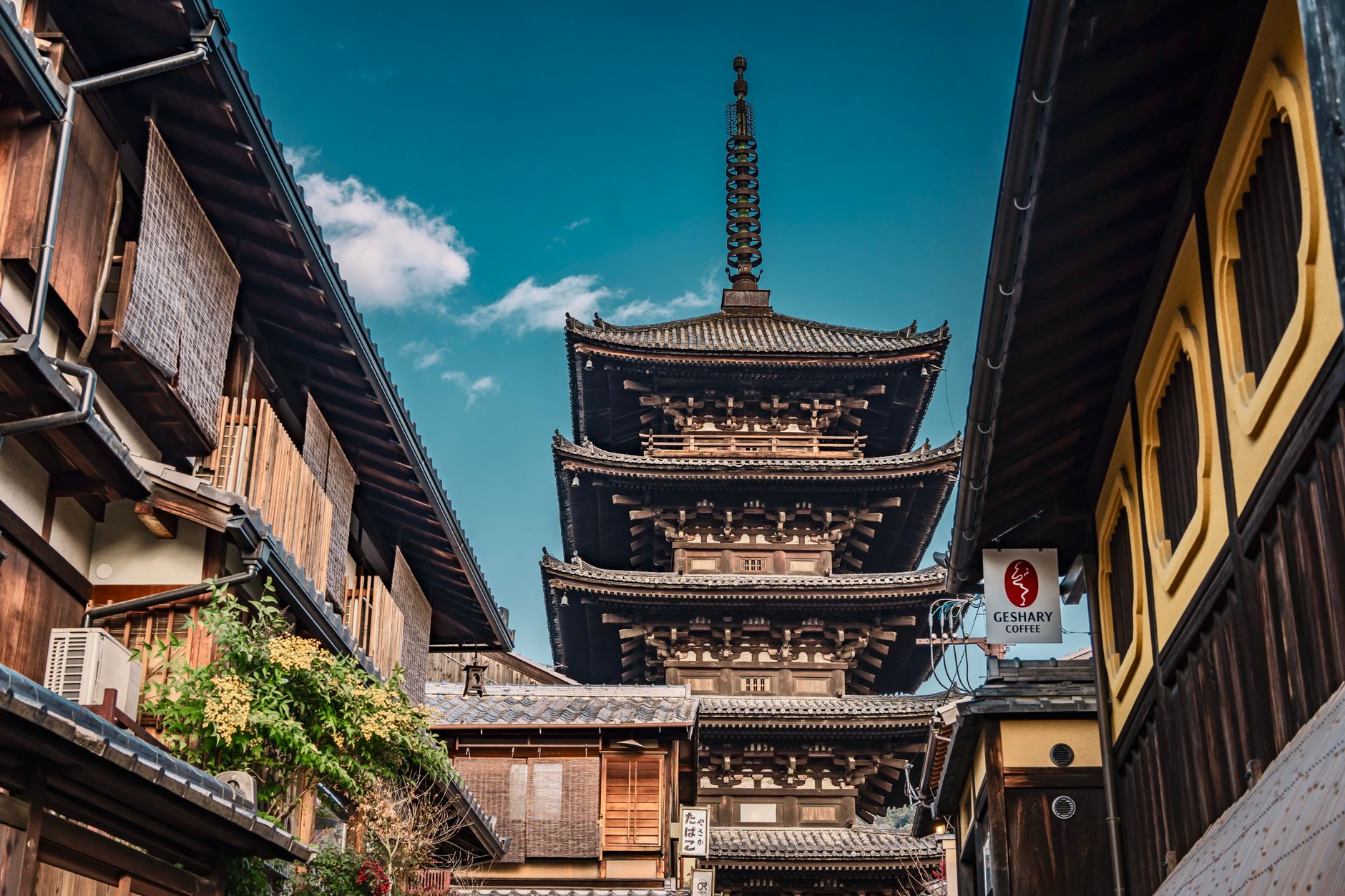
Kyoto, Japan: 47 things to do, including Fushimi Inari-taisha, Arashiyama Bamboo Grove and Kinkaku-ji.
Read the Kyoto guideExplore the rest of Kyoto
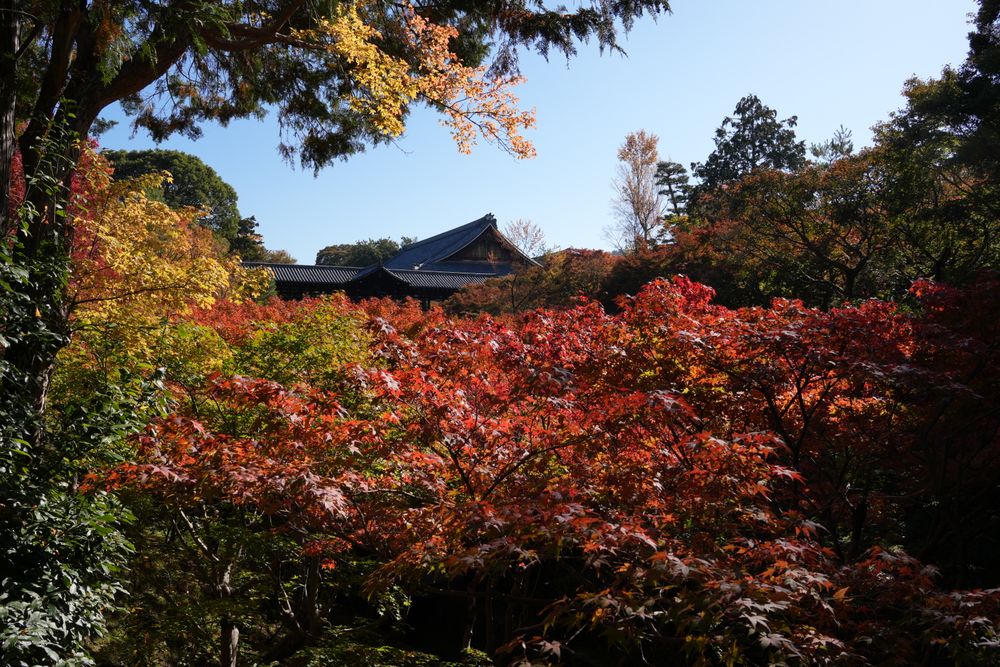
Crowds come from mid-November into early December for the Tsūten-kyō, a covered wooden bridge across a ravine of maples. The rest of the…
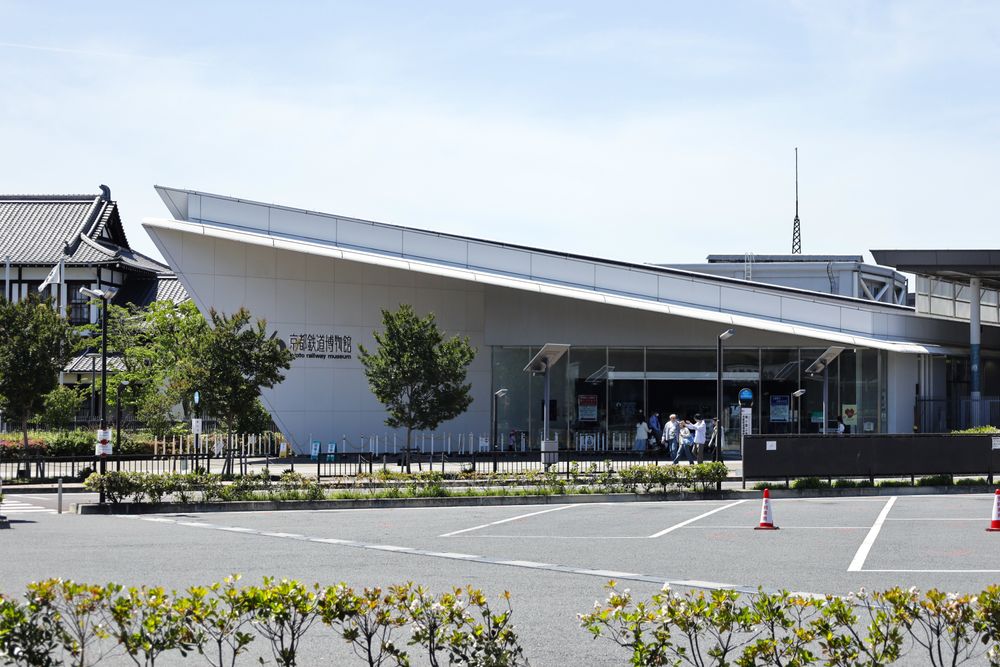
Opened in 2016 beside Umekoji Park, with 53 preserved locomotives and carriages from steam through the first Shinkansen series. Includes a…
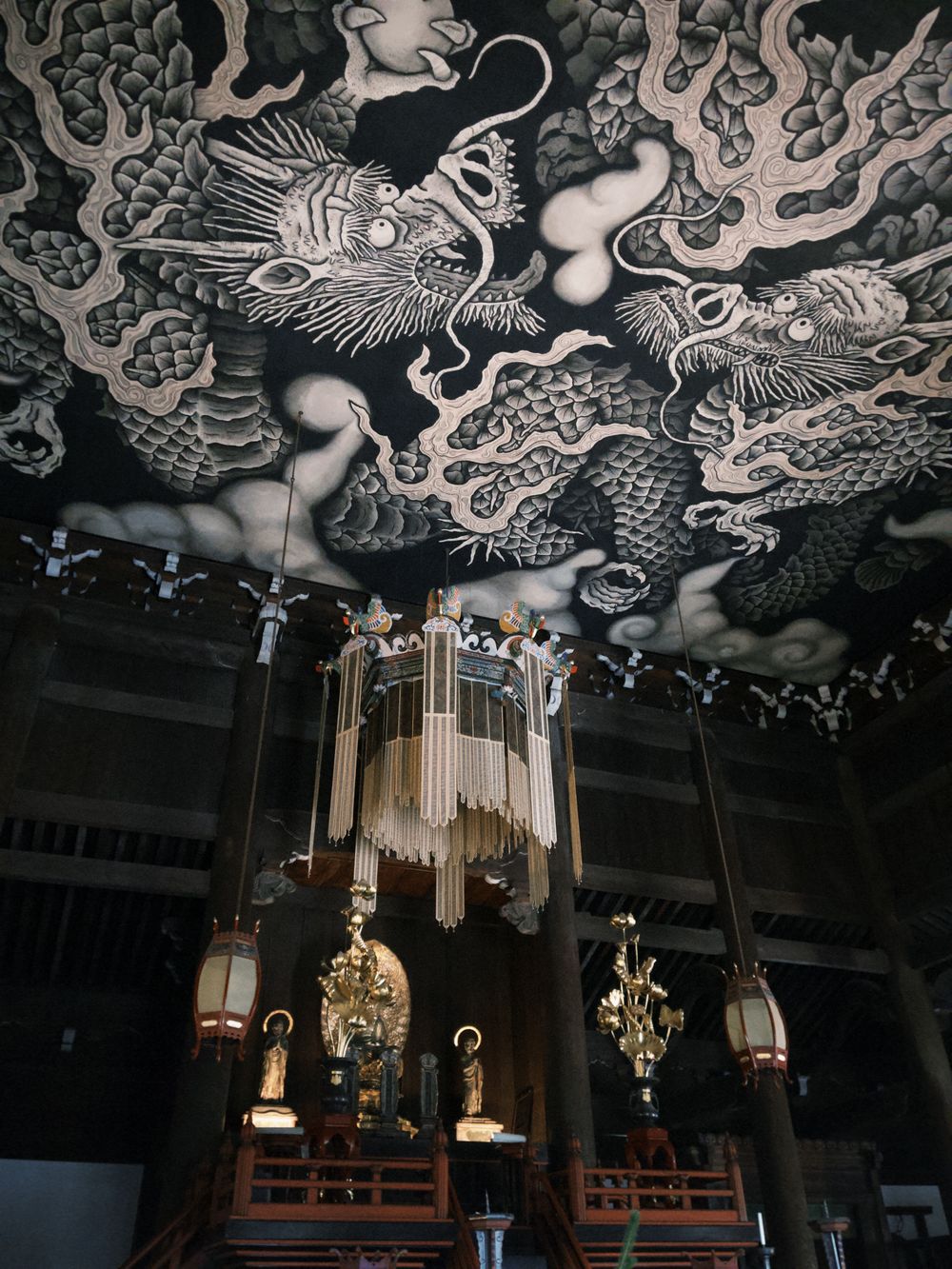
Kyoto's oldest Zen temple sits behind Gion's teahouse streets, a minute from Hanamikoji, and inside it is calm. Twin dragons are painted…
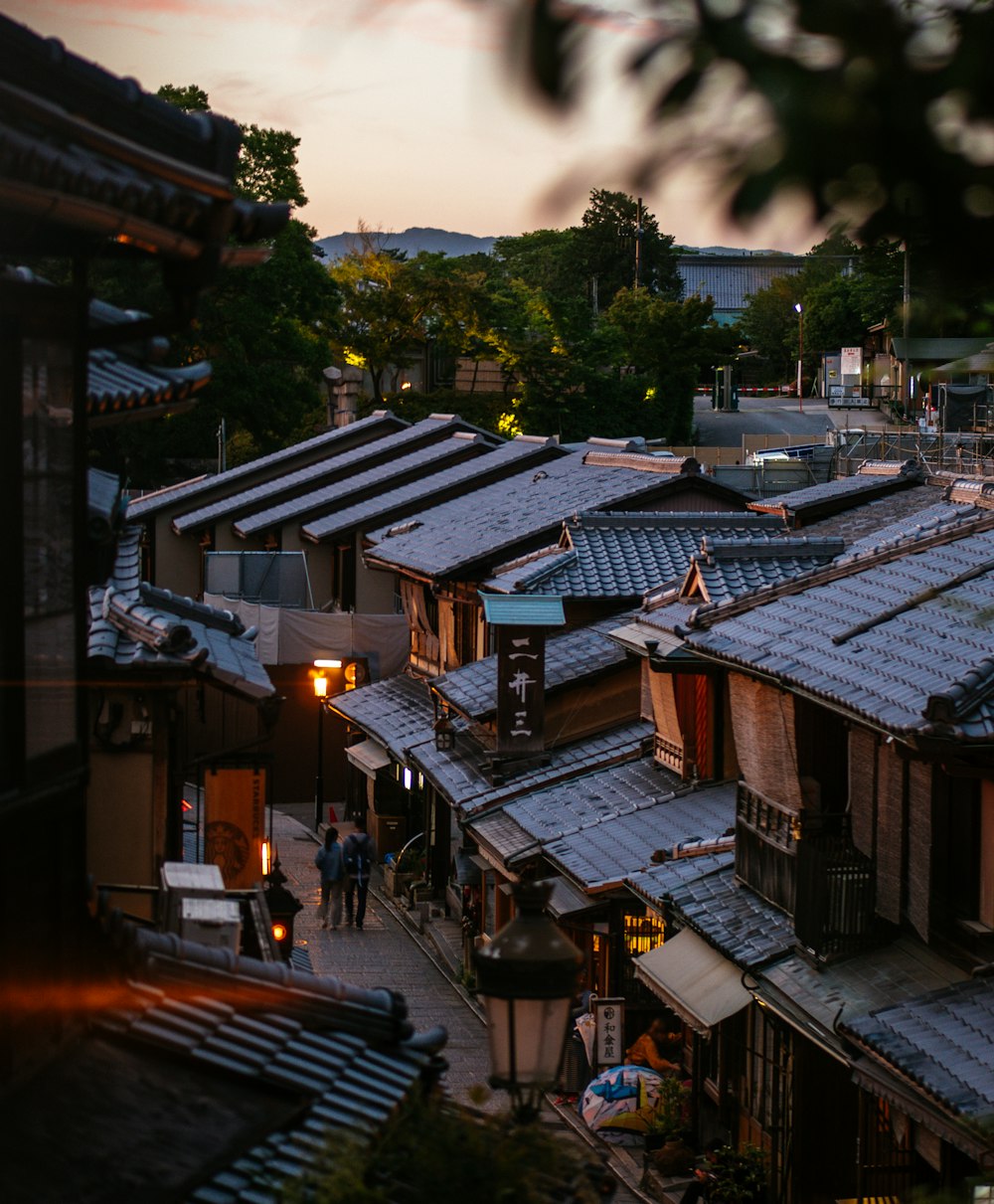
Kyoto's geisha district, with the wooden ochaya teahouses of Hanamikoji and the willow-lined Shirakawa canal behind them. Minamiza is the…
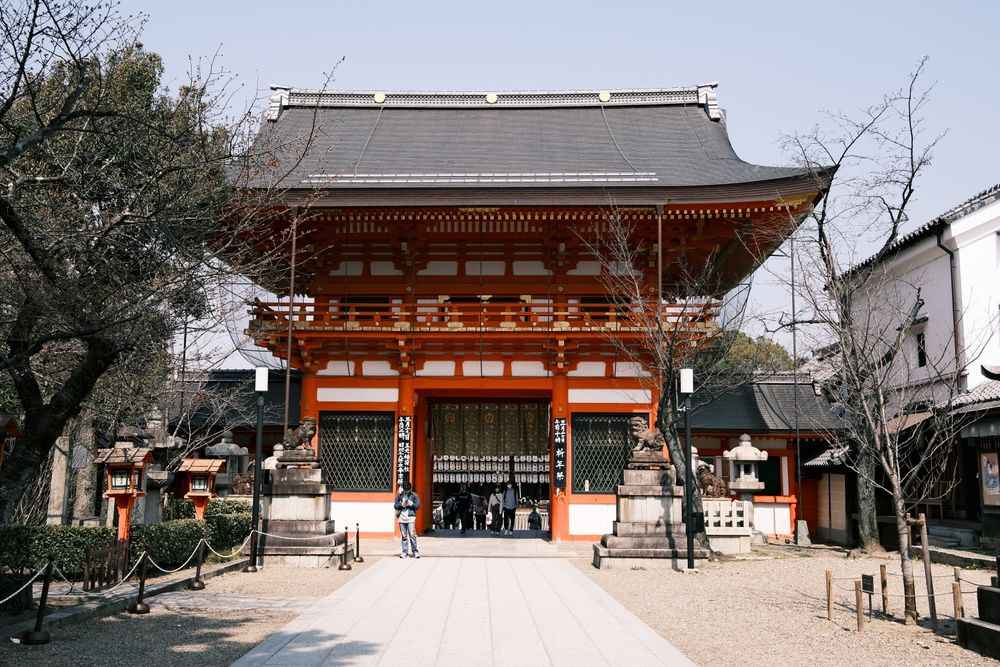
Gion's shrine stands at the top of Shijō street behind a vermilion gate, and its grounds never close. After dark, hundreds of paper…
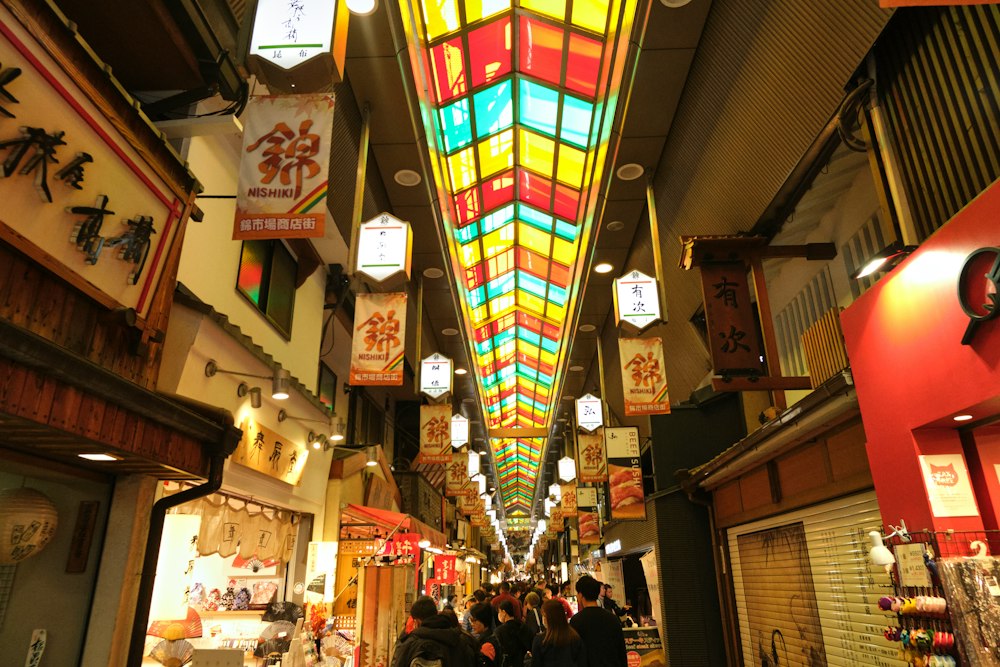
A covered lane about 390 metres long that has traded food for some 400 years, known as the Kitchen of Kyoto. Its shops sell Kyoto…
Steep steps climb through a huge two-storey wooden gate to this head temple of Pure Land Buddhism above Maruyama Park. The main hall is…
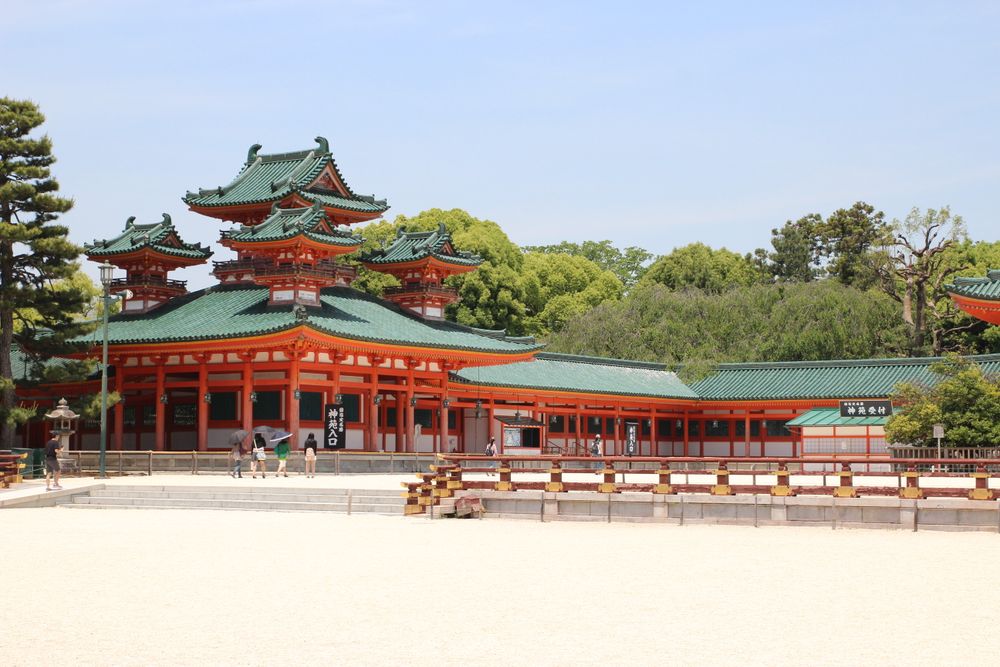
The halls of this Okazaki shrine reproduce the state hall complex of the old Heian capital at about five-eighths scale. A ticket buys the…




Save Fushimi Inari-taisha to your Japan trip in the Meridian Dispatch app and build the day around it, with the best of Kyoto pinned on one map.
Download on the App StoreLast updated