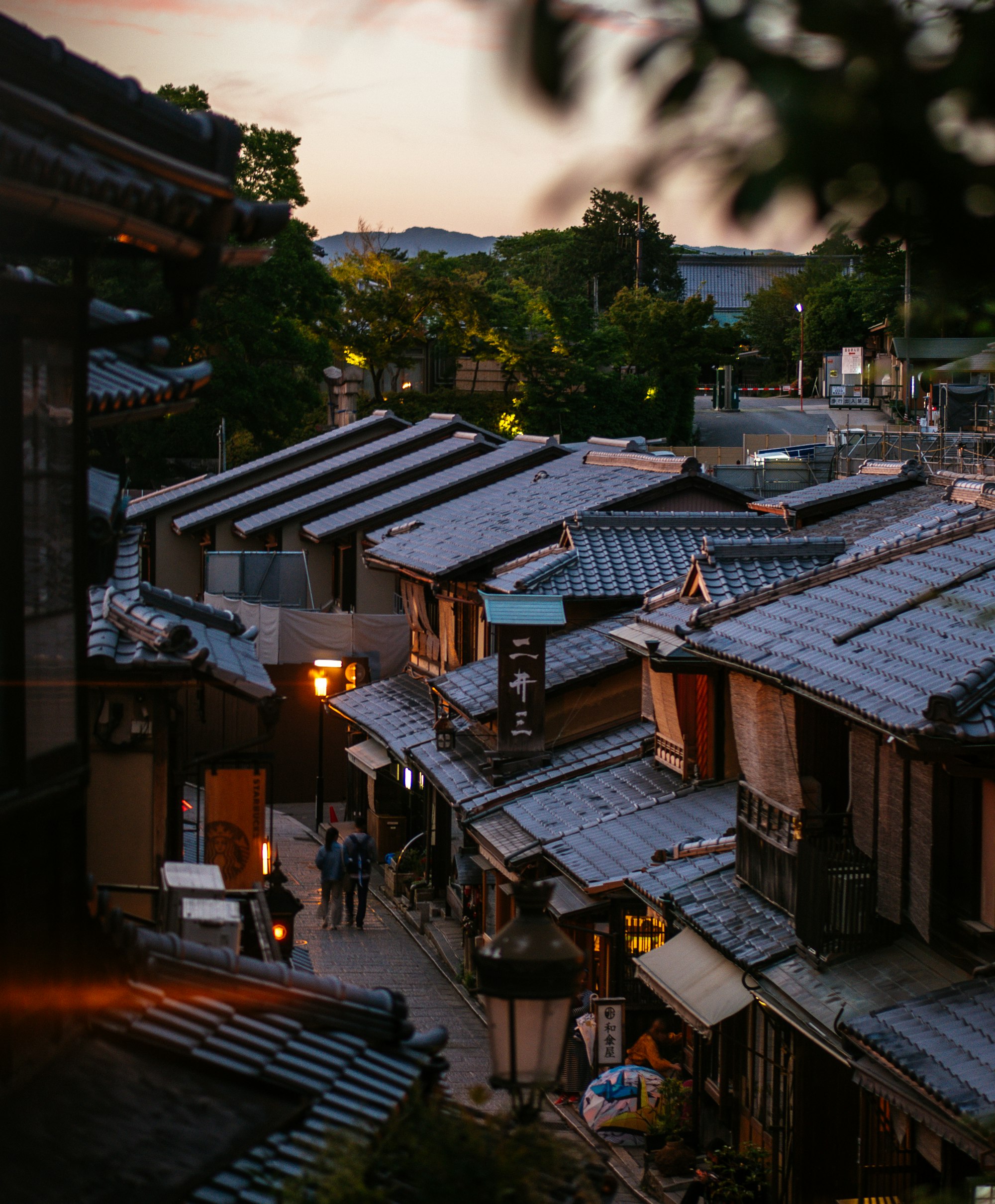
Ninety seconds on Gion
Walking Hanamikoji as the lanterns come on, you pass the wooden ochaya teahouses of Kyoto's geisha district, then cross Shijo for the willows and quiet water of the Shirakawa canal.
Gion is Kyoto's geisha district, famous for its wooden buildings and for the women who work inside them. Here the geisha are called geiko and their apprentices maiko, and in the ochaya, the teahouses, they sing, dance and play the shamisen, a three-stringed lute.
The district takes its name from Gion Shrine, the old name for Yasaka Shrine, whose grounds are lit after dark. On Shijo, the Minamiza kabuki theatre was remodelled in 1929 as a gabled building in the Momoyama style, so look up at its roofline from the street.
The detail most first-timers miss is the back of the teahouses. Five minutes north of Shijo, the Shirakawa canal runs behind the ochaya, and many of their rooms look out over the water. Willows and high-class restaurants line the bank, and some of the weeping cherries are pruned into shapes like sculptures.
From Shijo Avenue, walk south down Hanamikoji between the teahouses and restaurants towards Kennin-ji Temple, the busiest stretch of Gion. Cars and taxis use the street, so keep to the edges and out of the middle of the road.
Then cross back over Shijo and head north to the Shirakawa canal, where the lanes are quieter, and end at Yasaka Shrine, which is lit after dark and has few visitors in the evening.
To see the arts performed, book Gion Corner ahead; each show runs about an hour. Evening start times change in the winter season, from early December to mid March, so check the schedule before you go. One slot shows either bunraku puppet theatre or noh, depending on the time of year.
Treat the geiko and maiko you pass as women on their way to work. Do not stop, touch or follow them, and do not film or photograph them without permission; close-ups of their faces are considered especially rude. Posting identifiable photos of anyone online without consent breaks Japan's portrait rights.
Keep your voice down and carry your rubbish away with you. Stay out of the teahouses and private houses unless you are invited in; shops and the public streets are open to you, and you need no guide to walk them.
On the Yoiyama evenings of the Gion Matsuri, in mid and late July, lanterns are lit, the floats play festival music and some townhouses open their tatami rooms to show folding screens. In spring, the cherry trees along the canal are lit at night.
Explore the rest of Kyoto
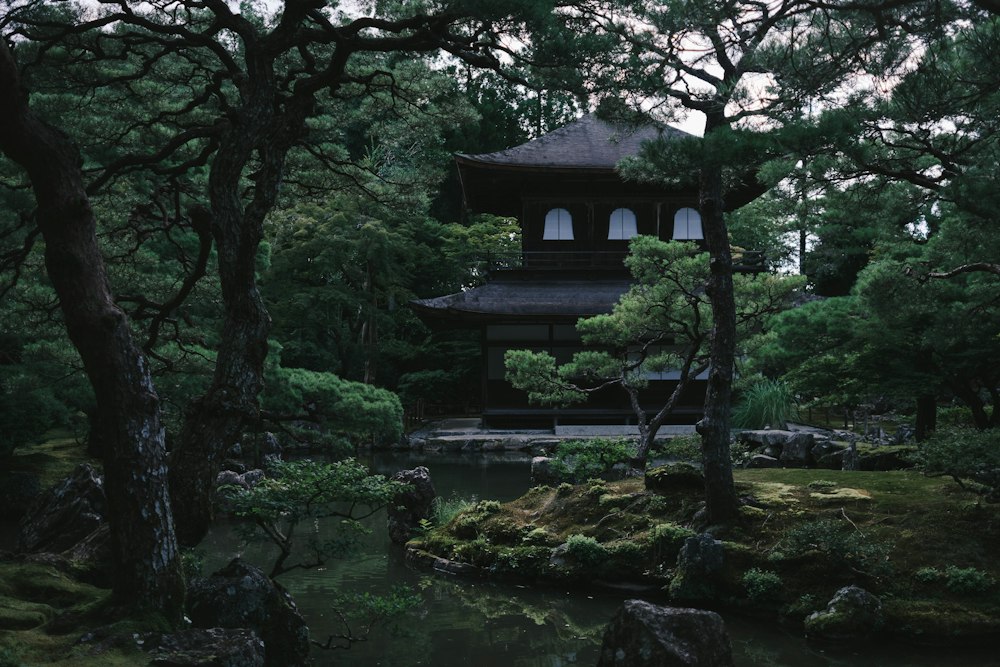
A national museum of twentieth-century art on the Lake Biwa Canal in Kyoto's Okazaki district, in a building by Maki Fumihiko. Its…
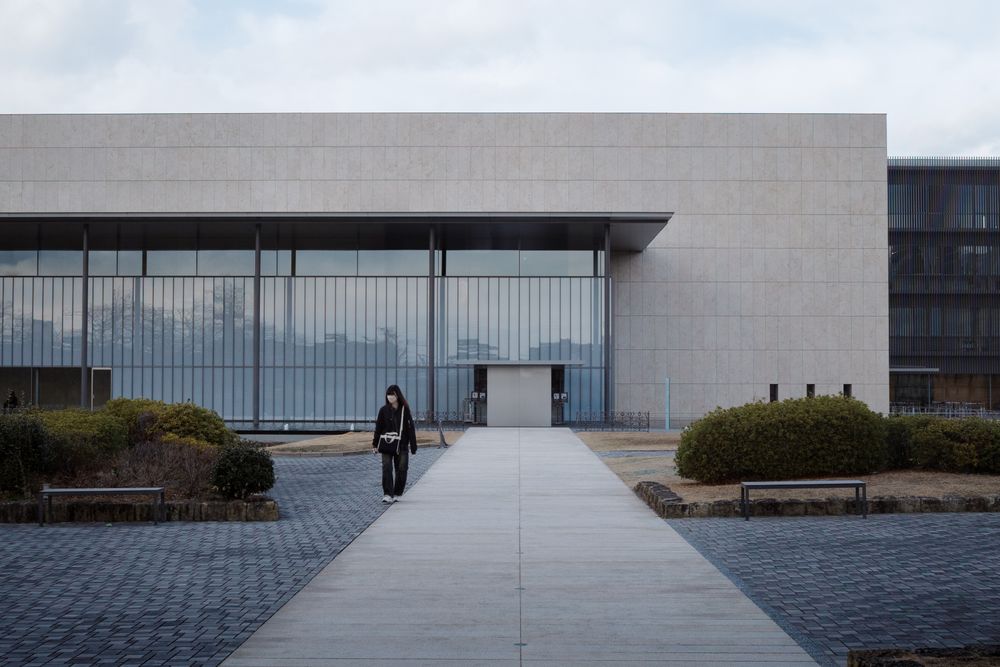
An art museum in Kyoto's Okazaki park district, opened in 1933 in the imperial crown style and renewed for 2020 by the architects Aoki Jun…
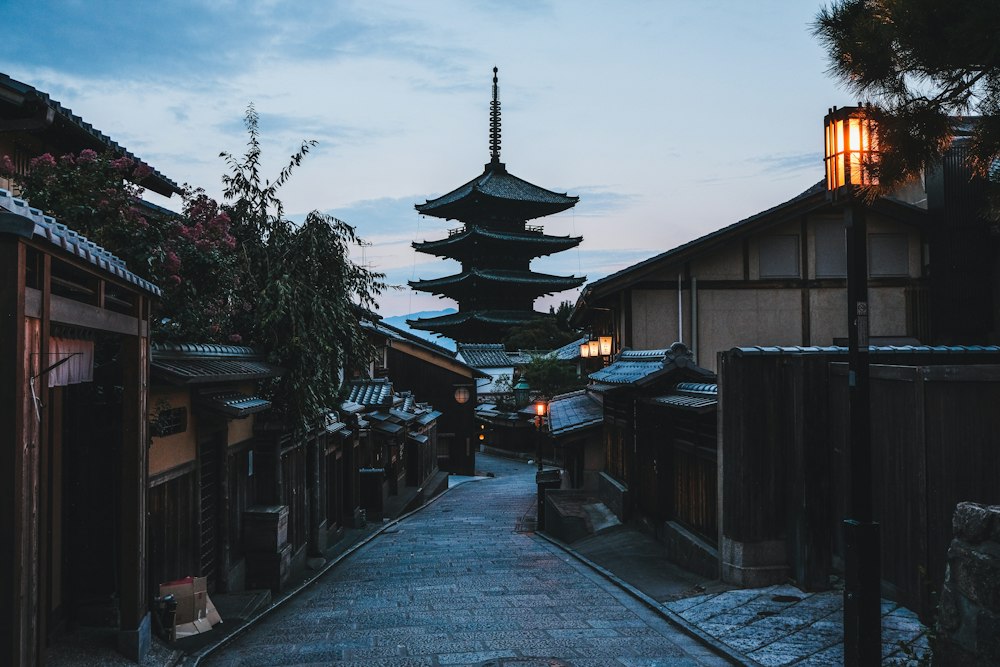
A wooden stage on a nail-free frame of pillars, high above a hillside of cherry and maple. Below it, the Otowa waterfall splits into three…