Ninety seconds on Kyoto City KYOCERA Museum of Art
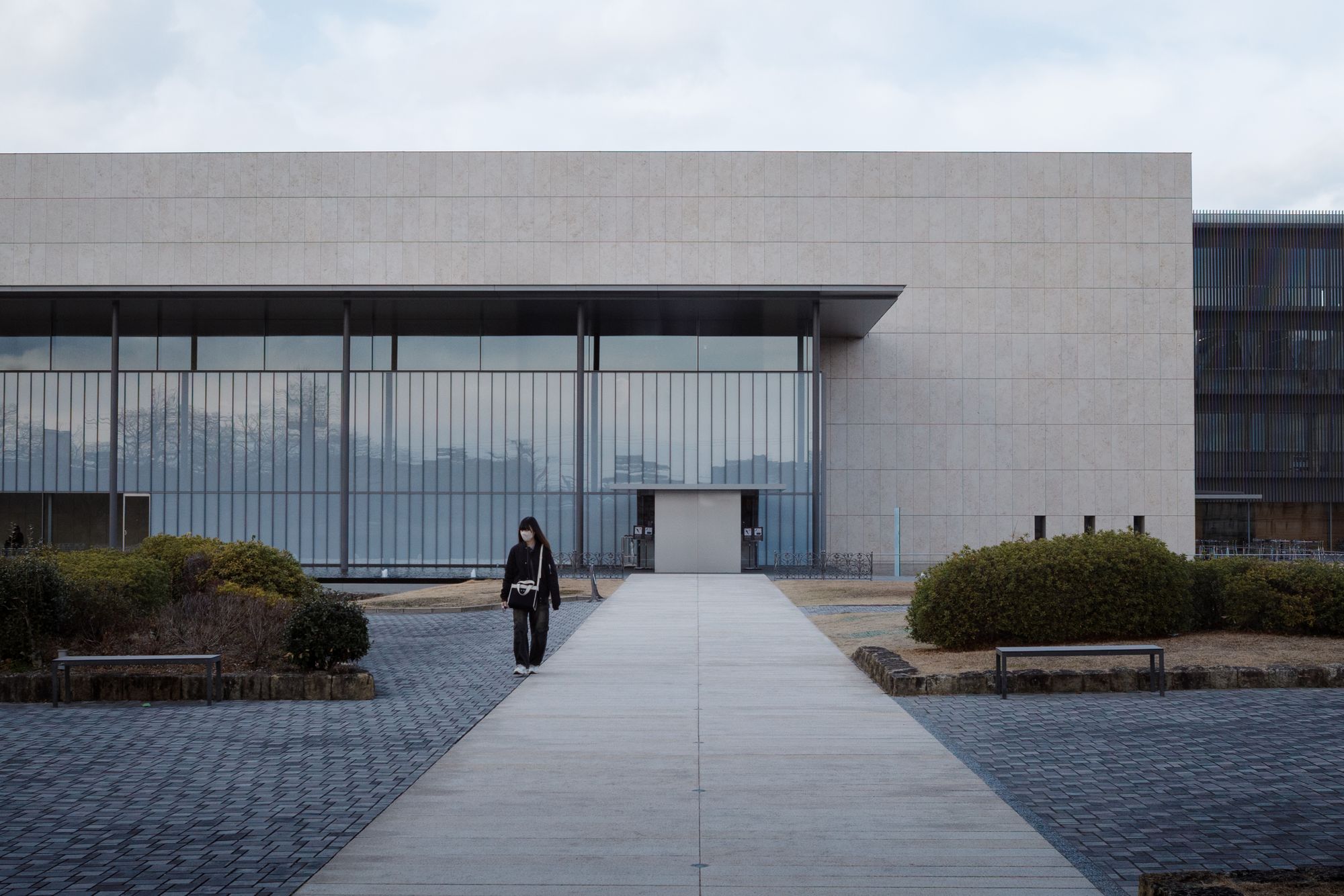
A 1930s hall on Okazaki Park shows you Kyoto painting from the Meiji era to today, and the 2020 renewal added glass and a modern wing behind the untouched original front.
The front you see from Okazaki Park is the original 1930s building, a rare example of the imperial crown style, or teikan youshiki. The renewal left that façade as it was.
Its best-known addition is the glass ribbon, a band of glass set into KYOCERA Square out front. Light coming through it falls on the café and the museum shop below. Inside, the old central hall is now the hub that links all three floors.
Behind the old building stands the Higashiyama Cube, a modernist wing of display spaces.
The collection holds about 4,200 works, with painting from the Kyoto art world at its core. Look for nihonga, Japanese-style painting, by Takeuchi Seiho and Uemura Shoen. Well-known paintings of seasonal beauty come out in turn through the year.
Go in through KYOCERA Square: the areas outside the exhibitions, including the café and the garden behind the museum, are usually free. Online reservations for an exhibition are paid at the ticket counter when you arrive, so check the museum's website for what is showing before you set out.
Spend longest in the Collection Room if you came for the nihonga, since its displays change several times a year. Then cross to the Higashiyama Cube and finish on its terrace, which, like the garden, looks out over the eastern hills.
The façade lighting normally changes colour with the 24 seasonal divisions of the Japanese calendar, so walk past again in the evening if you are staying nearby.
The Kyototen, an annual exhibition, is held here in June, so look up its dates if your trip falls that month. The café sells food to take away, which makes a picnic in Okazaki Park on a fine day. Heian Shrine and the zoo are neighbours in the same district, so the museum fits easily into a morning in Okazaki.
Explore the rest of Kyoto
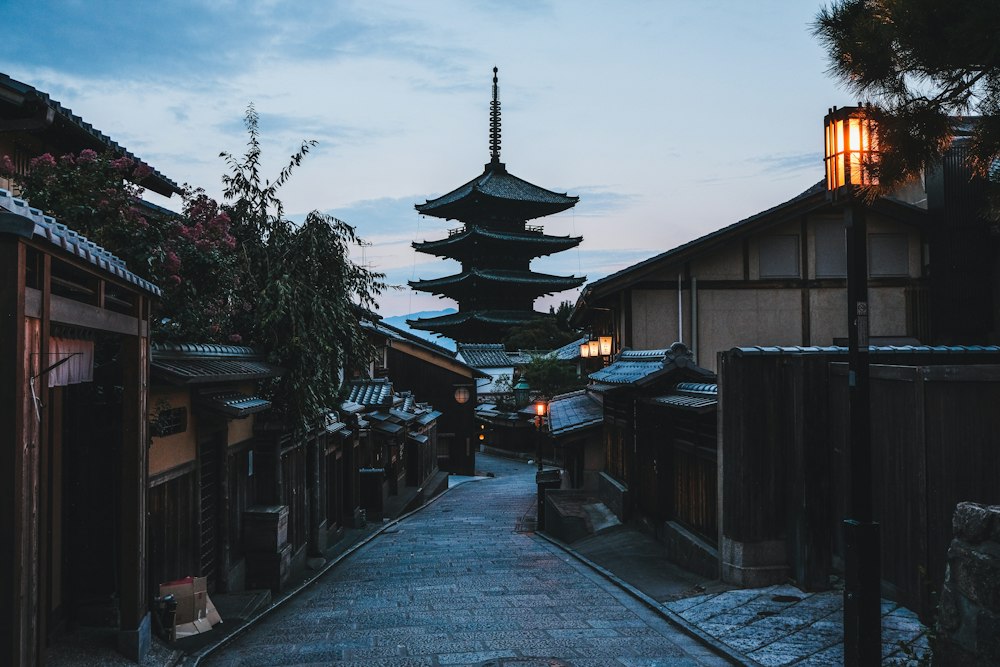
A wooden stage on a nail-free frame of pillars, high above a hillside of cherry and maple. Below it, the Otowa waterfall splits into three…
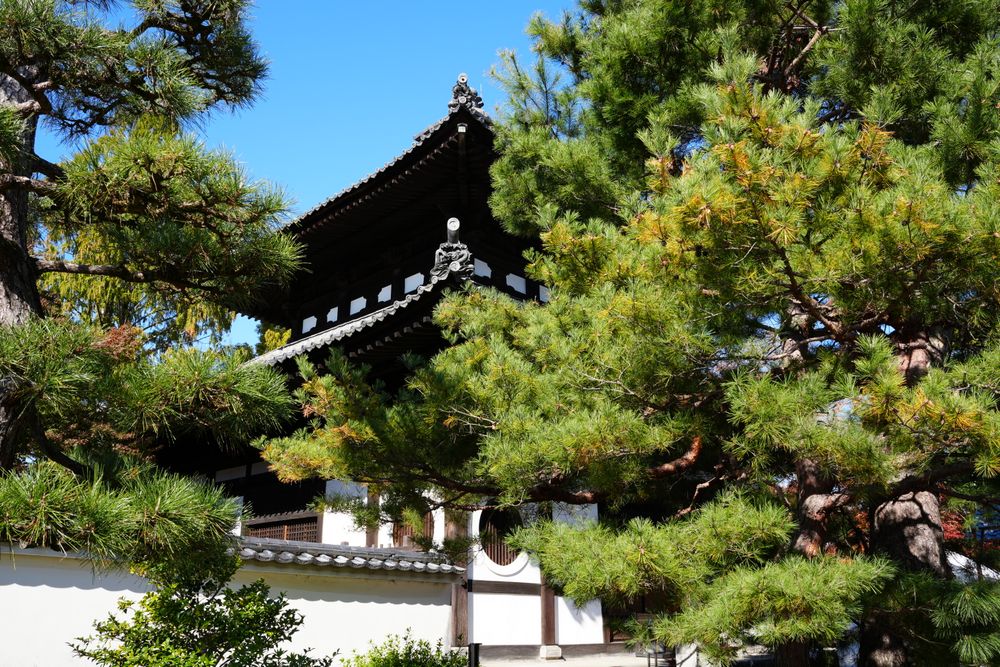
Opened in 1897 with a Meiji-era brick hall by Katayama Tokuma and a 2014 Heisei Chishinkan wing by Taniguchi Yoshio. Holds National…
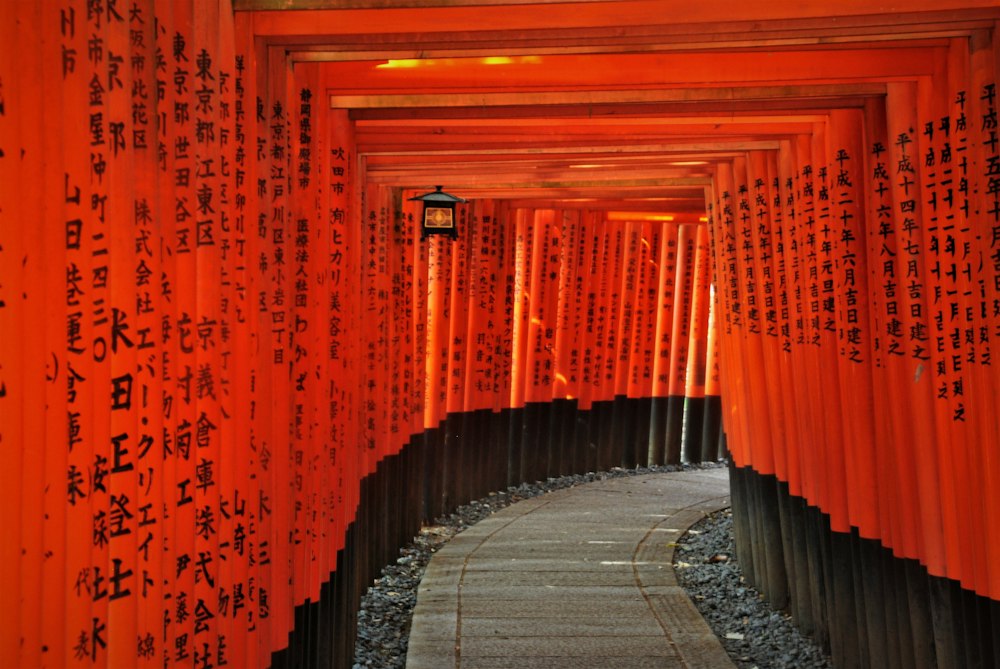
Thousands of vermilion torii, the gateways of a Shinto shrine, run in tunnels up the wooded slopes of Mount Inari behind the main hall,…